Skip to content
Dabour HubLEARN · PRACTICE · EXPLORESign inStudent

1.3.2Cell Biology

Factors that Affect Diffusion

5 min read 8 parts Lesson 12 of 17 1 quiz

0%read

Section 1 of 8Three key factors
pasted 1782446219913 0
Cell Surface Membrane

The rate of diffusion depends on several factors, and exam questions usually involve one of these three.

Concentration gradient
Concentration gradient the steeper the gradient (the bigger the difference in concentration), the faster the net movement. More particles move randomly away from the crowded side than from the sparse side.
Temperature
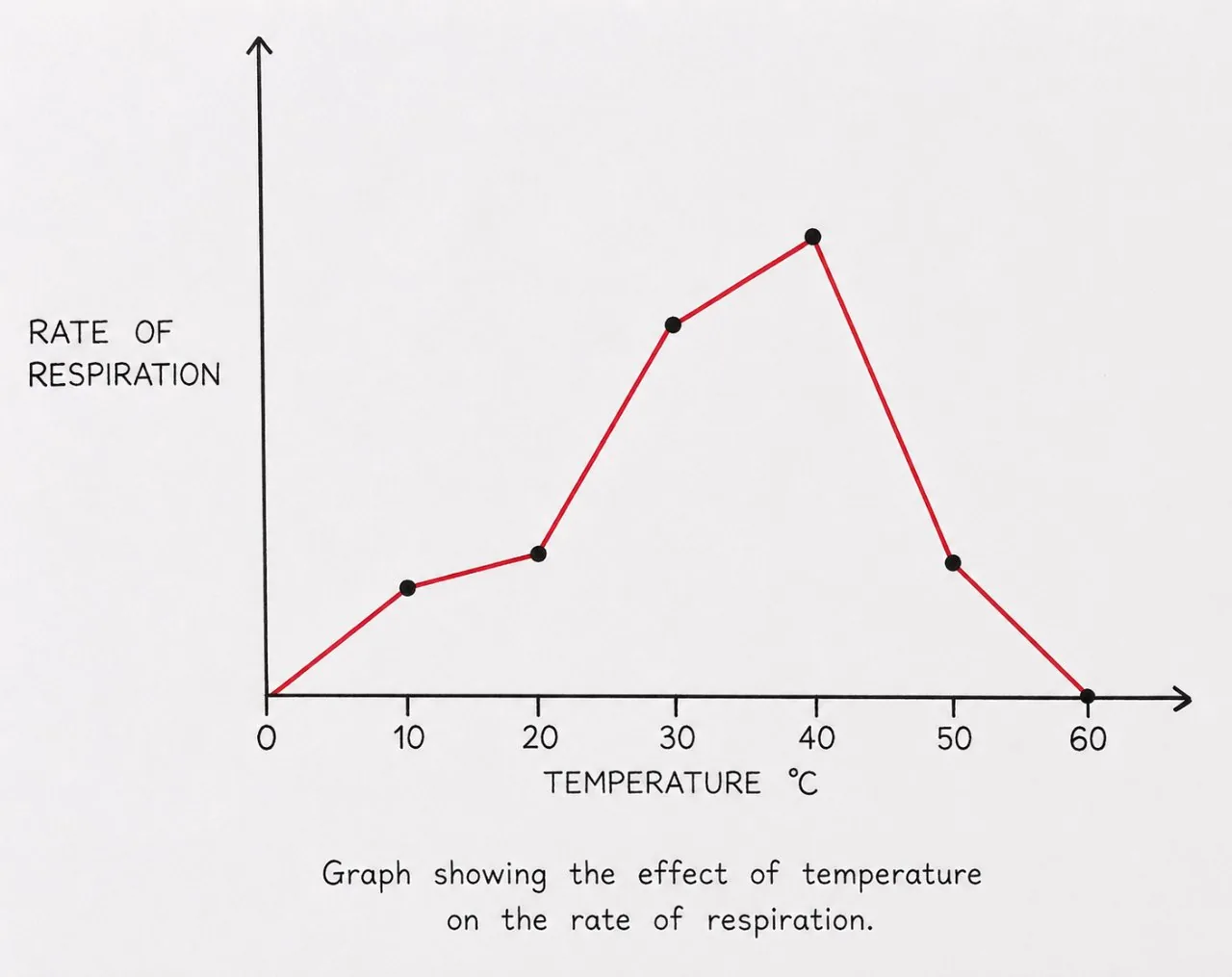
Temperature a higher temperature gives particles more kinetic energy, so they move faster, collide more often and spread out more quickly.
Surface area
Surface area a larger surface area of membrane gives more space for particles to cross at the same time, so the rate of diffusion increases.

Other factors include the distance particles must travel (a shorter distance means a faster rate) and, for particles, their size, as small particles move faster.

Section 2 of 8Surface area to volume ratio

Surface Area : Volume — 3D Step-by-Step Simulation
surface area volume ratios
surface area volume ratio
Surface area to volume ratio of cubes

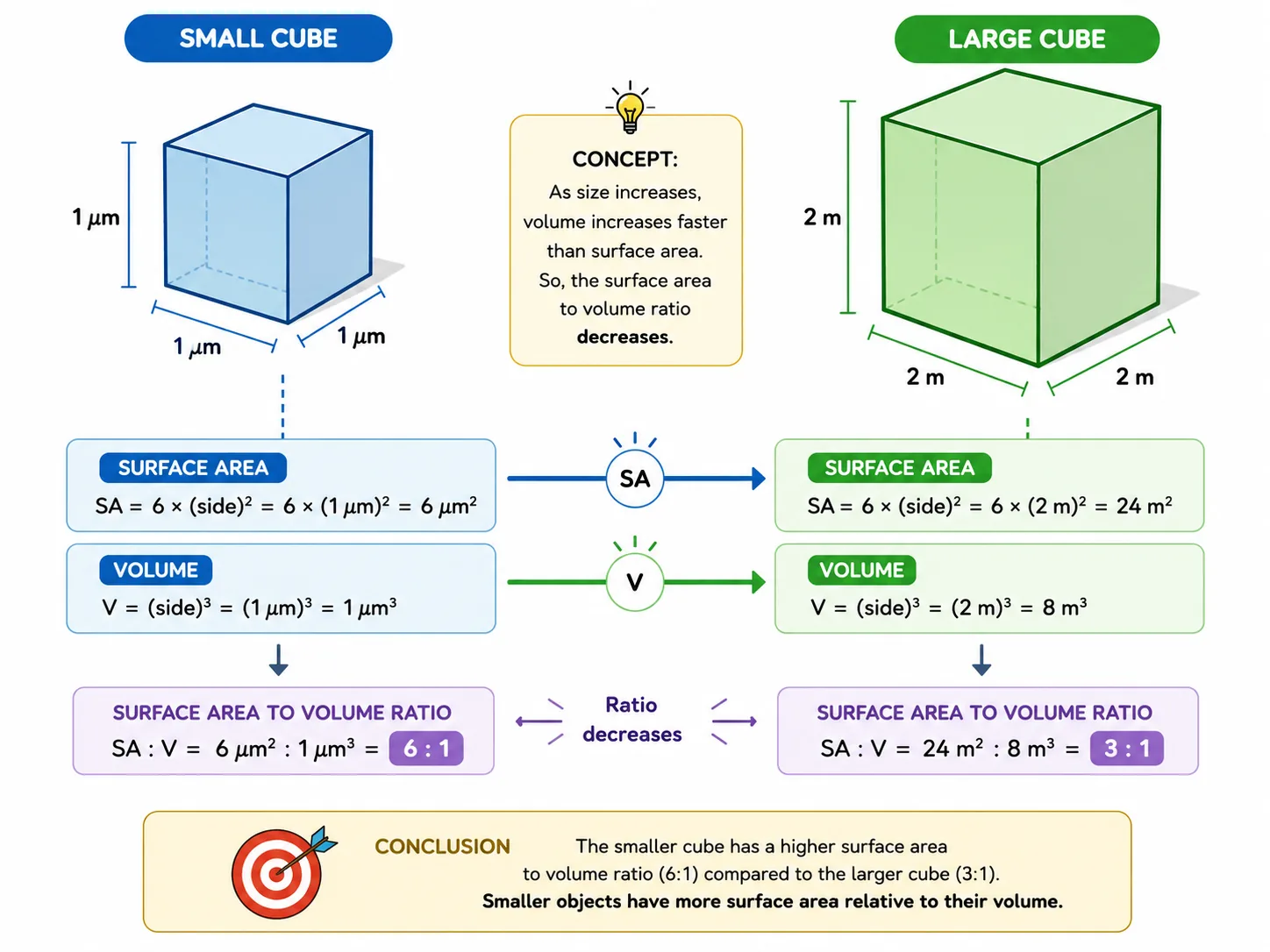
The surface area to volume ratio (SA:V) shows how well an object can exchange materials with its environment.

Surface area to volume ratio
As an object gets bigger, its volume increases faster than its surface area, so the ratio becomes smaller.
Take a cube with sides of 1 cm: surface area = 6 x 1 x 1 = 6 cm2, volume = 1 cm3, so the ratio is 6:1. For a cube with sides of 2 cm: surface area = 6 x 4 = 24 cm2, volume = 8 cm3, ratio 3:1. For sides of 3 cm: 54 cm2 and 27 cm3, giving 2:1.
Side length / cmSurface area / cm2Volume / cm3SA:V
1616 : 1
22483 : 1
354272 : 1

Small organisms have a high SA:V, so diffusion alone provides enough; large organisms have a low SA:V and need adaptations.

Section 3 of 8Data and graphs
response time graph
rising line graph

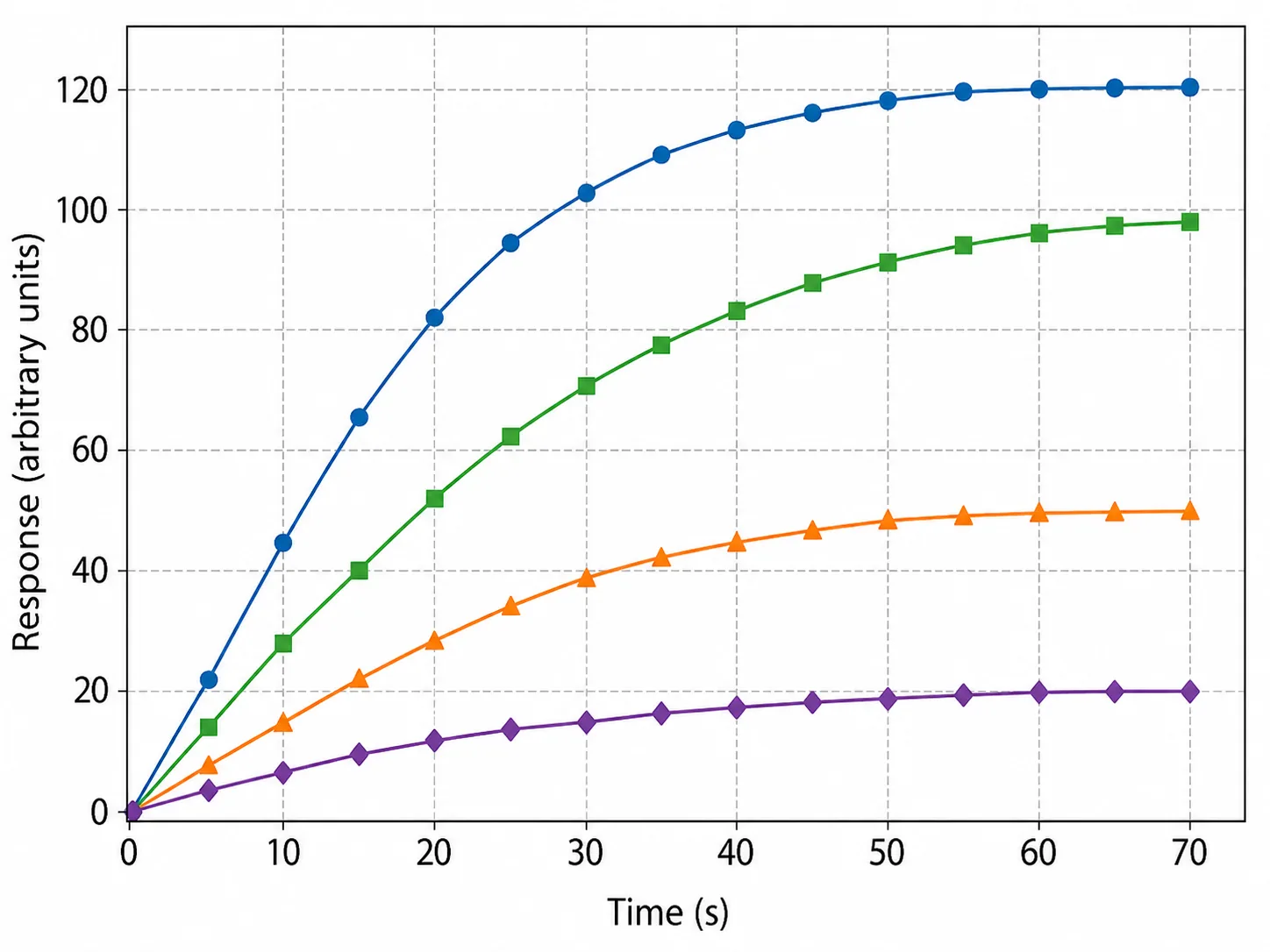
A typical investigation uses cubes of agar containing indicator, placed in acid, and measures the time for the colour change to reach the centre.

Data and graphs
Smaller cubes with larger SA:V change colour faster.
When describing a graph of rate of diffusion against temperature, a line that rises steeply shows that the rate rises with temperature; a graph of rate against concentration difference that passes through the origin and is straight shows that the rate is directly proportional to the gradient.

If asked for the rate of diffusion, calculate rate = distance or amount / time. For example, if 12 mm of dye moves in 4 minutes, rate = 3 mm per minute.

Section 4 of 8Applications

The effect of these factors explains why animals cool down by breathing out warm air, why exchange surfaces are folded to increase area, and why a hot drink's aroma spreads faster than a cold one's.

Applications
In the body, exchange surfaces have a short diffusion distance (thin walls, such as one cell thick), a large surface area (folds, villi), and a steep gradient maintained by blood flow and ventilation.
Heat loss is also related to SA:V: small mammals, such as mice, lose heat quickly and must eat a large amount for their size.

These ideas are developed in the next lesson on diffusion in multicellular organisms.

Section 5 of 8Required practical thinking: diffusion in agar cubes

Diffusion of acid into agar cubes
Temperature practical — Interactive
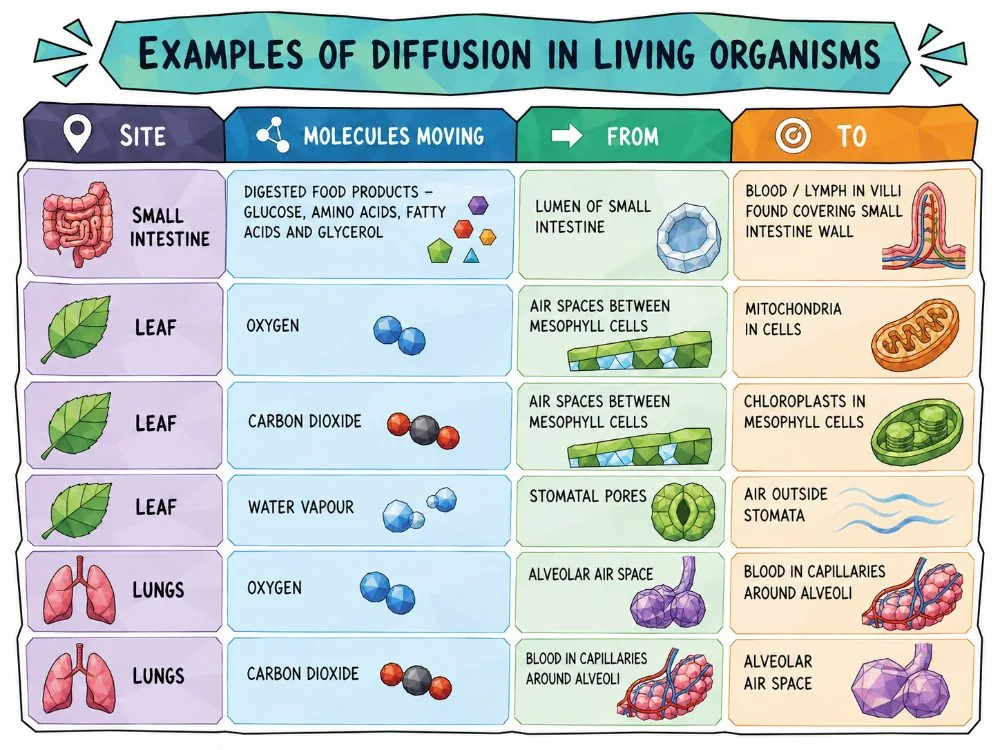
Examples of Diffusion in Living Organisms
diffusion analysis with agar cubes
diffusion in agar cubes explained

A classic investigation uses cubes of agar containing universal indicator and a little alkali, so the cubes are purple.

1
Cubes of different sizes are placed in dilute hydrochloric acid and the time taken for the colour to disappear is measured.
2
The acid diffuses in and neutralises the alkali.
3
Small cubes lose their colour fastest because they have the greatest surface area to volume ratio and a short distance to the centre.
4
This models cells of different sizes and shows why large cells or organisms cannot rely on diffusion alone.

Variables to control include the concentration and volume of acid, the temperature, and the agar batch.

Required practical thinking: diffusion in agar cubes
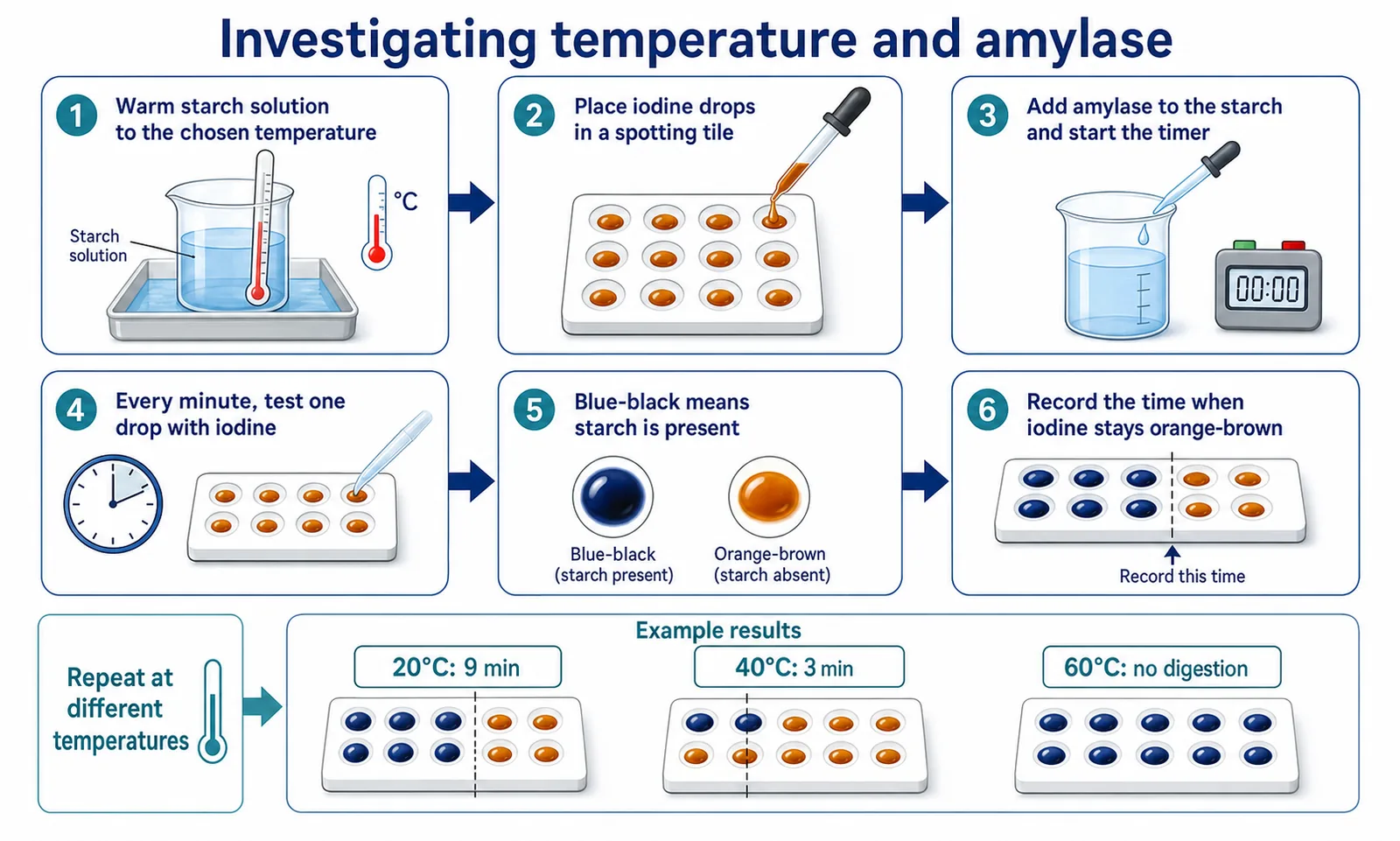
Cut the cubes with a sharp blade for accurate sides, and measure the time to the nearest second, using a white tile as a background so that the colour change is easy to see.
A graph of time taken against SA:V shows that as the ratio falls, the time rises.
Plotting rate (1/time) against SA:V gives a straight line, indicating that rate is proportional to the ratio.

Section 6 of 8Exam-style questions

Membrane diffusion
  1. State three factors that increase the rate of diffusion. [3]3 marks

  2. Calculate the surface area to volume ratio of a cube of side 4 cm. [3]3 marks

  3. Explain why a higher temperature increases the rate of diffusion. [2]2 marks

Section 7 of 8Key terms

TermMeaning
Rate of diffusionHow quickly net movement of particles occurs.
Surface areaThe total area of the outside of an object.
Surface area to volume ratioSurface area divided by volume.
Kinetic energyEnergy of movement.
Diffusion distanceThe distance particles must travel.
Steep gradientA large difference in concentration.

Section 8 of 8Exam technique

1
Saying that the larger an object, the larger its SA:V. It is smaller.
2
Writing the ratio as volume to surface area.
3
Saying temperature changes the concentration gradient rather than the particle energy.
4
Forgetting to include units (cm2 for area, cm3 for volume).
\n