Section 1 of 9What is deforestation?
Deforestation is the large-scale removal of forest, usually by felling and burning. It is especially serious in tropical areas such as the Amazon basin and parts of south-east Asia, where rainforests contain a large proportion of the world's species.
Section 2 of 9Why forests are cleared
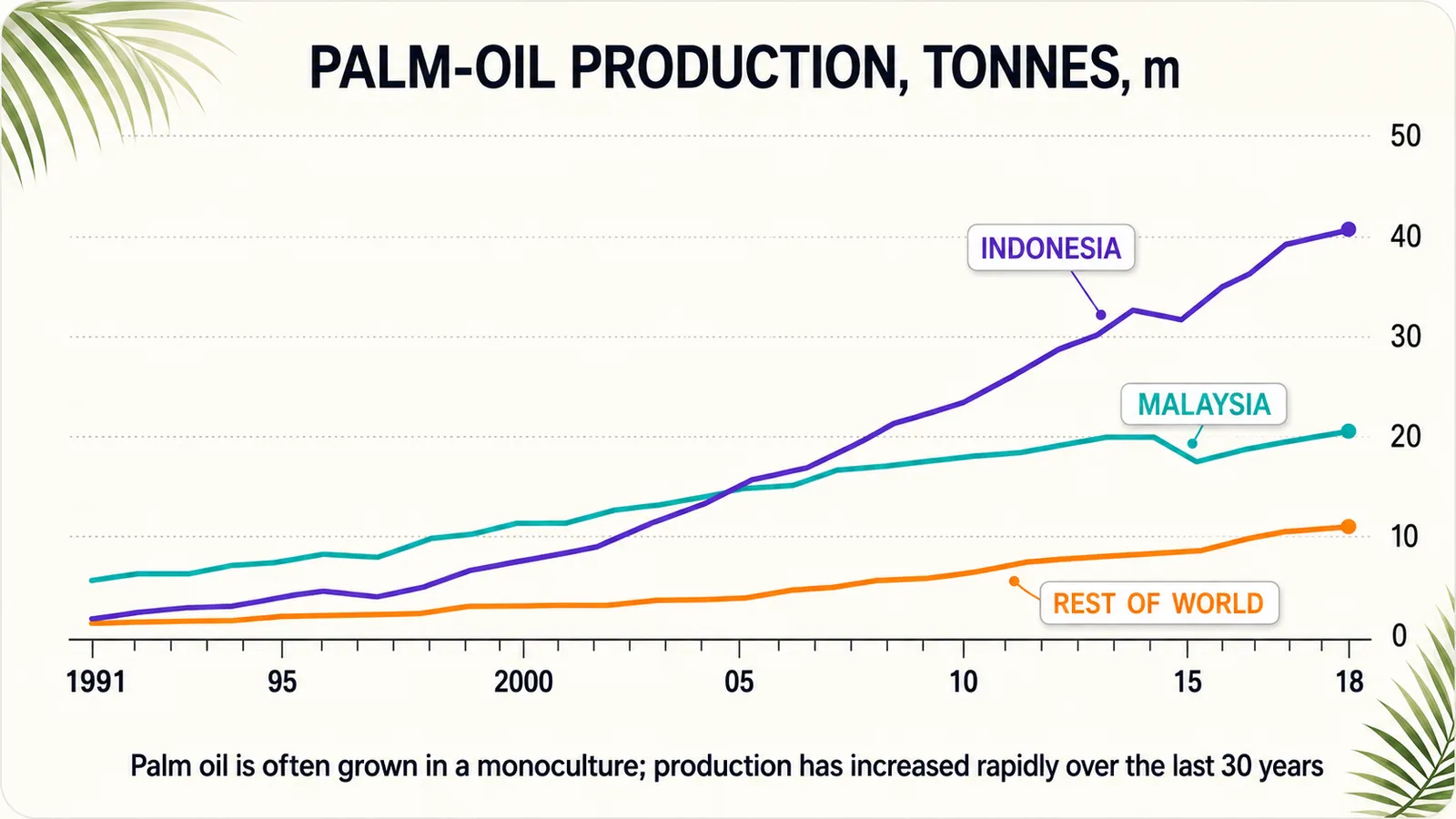
For many countries these activities bring money and jobs, which is why deforestation is hard to stop.
Section 3 of 9Effects on the carbon cycle and climate

Trees take in carbon dioxide by photosynthesis and store carbon in their wood.
Burning also produces smoke, and cleared soil is eroded by rain because there are no roots to hold it. Eroded soil washes into rivers and harms aquatic life.
Section 4 of 9Effects on biodiversity
Rainforest species are often adapted to a narrow range of conditions and have small ranges.
| Cause | Main effect |
|---|---|
| Burning forest | Releases carbon dioxide and smoke |
| Fewer trees | Less carbon dioxide absorbed, less habitat |
| Soil erosion | Loss of fertility, river pollution |
| Monoculture crops | Few species supported |
Section 5 of 9Reducing deforestation
Possible solutions include protecting areas as national parks, replanting trees, using sustainable logging where only some trees are removed, international agreements and buying products that are certified as sustainable. Governments in poorer countries may need financial help because they depend on income from farming and timber.
In an exam you may be given data on the area of forest remaining in different years.
Section 6 of 9Rainforests and the water cycle
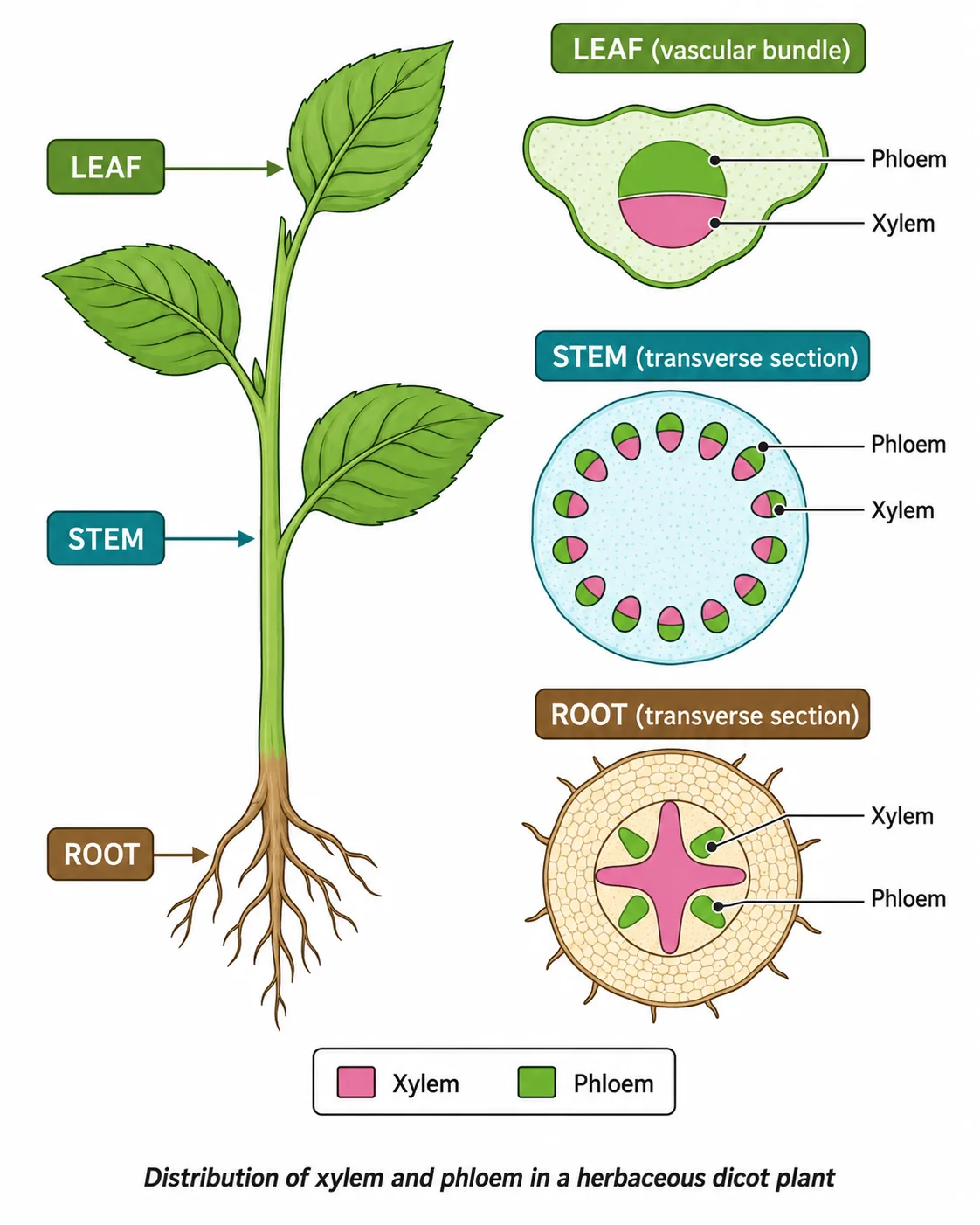

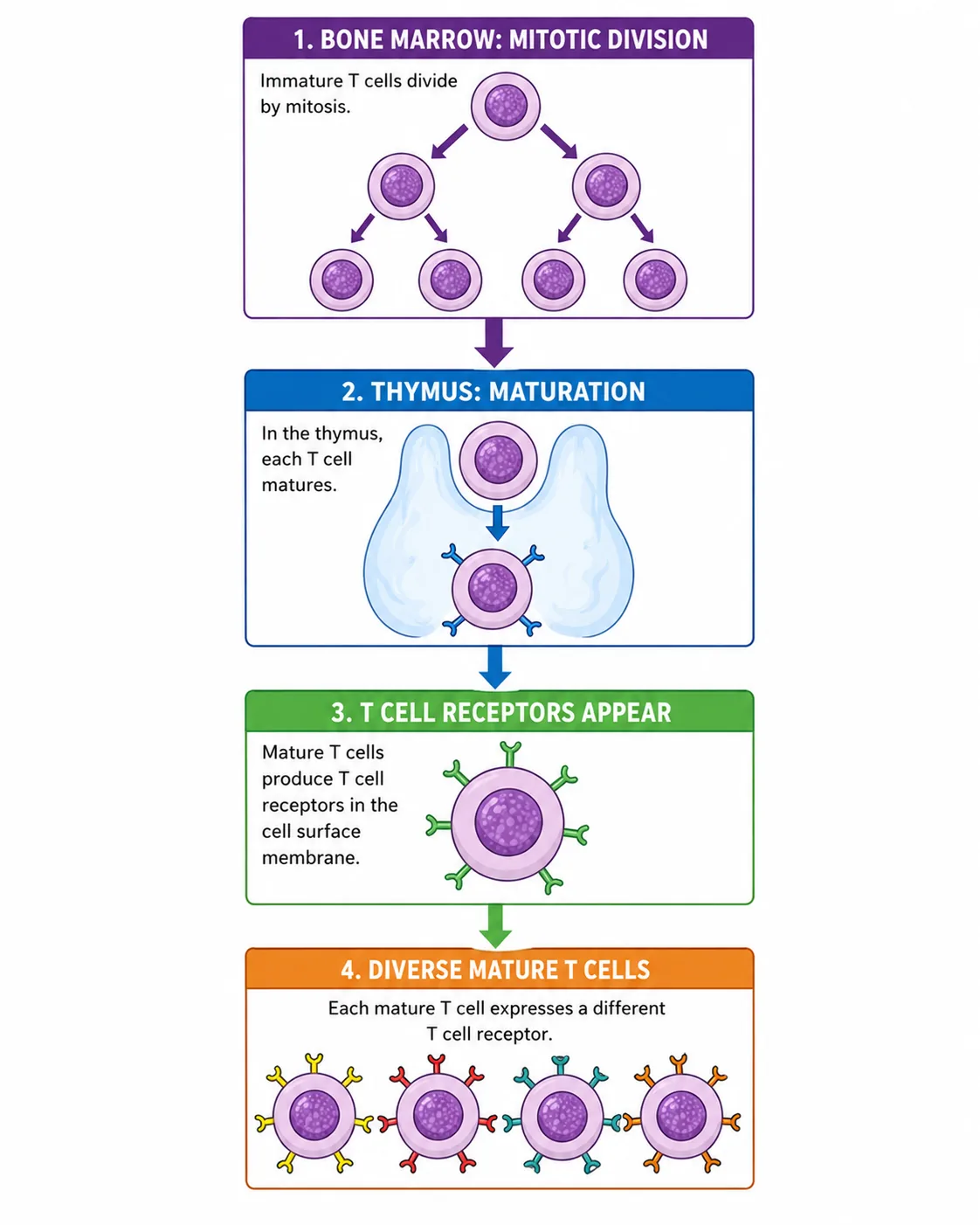
Tropical forest trees release huge quantities of water vapour by transpiration, which forms clouds and returns as rain, so much of the rainfall in a rainforest is recycled from the forest itself.
This explains why cleared forest often has to be abandoned after a short time and farmers move on to clear more. Replanting is possible, but a replanted forest of one or two tree species is less diverse than the original, and it can take hundreds of years for a mature forest community to develop.
Deforestation is not limited to the tropics. Large areas of forest in temperate regions were cleared for farming in the past. The difference today is that most of the largest losses are in tropical countries where the number of different species per hectare is greatest.
Section 7 of 9Exam-style questions
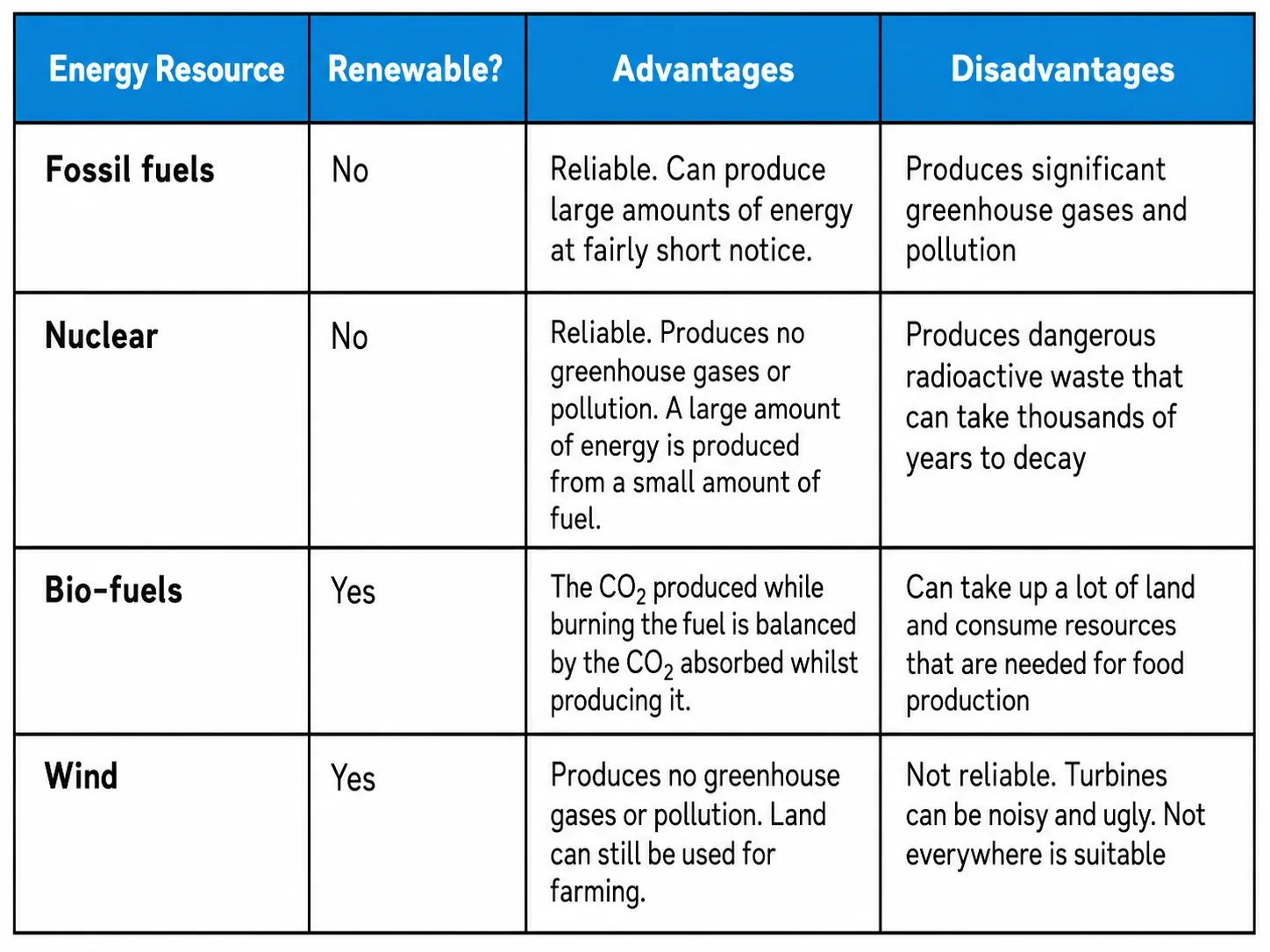
Explain how deforestation can increase the concentration of carbon dioxide in the atmosphere. [4]4 marks
Burning trees releases carbon dioxide by combustion [1]. Microorganisms decay felled wood and release carbon dioxide by respiration [1]. There are fewer trees to take in carbon dioxide for photosynthesis [1]. So less is removed from the air while more is added [1].
Suggest why governments of some tropical countries clear forest despite the harm to biodiversity. [2]2 marks
Cleared land can be used for farming, ranching or biofuel crops that provide food and income [1]; timber is sold and creates jobs, helping the country's economy and growing population [1].
Suggest one reason why soil erosion is greater after trees are removed. [1]1 mark
Roots no longer bind the soil and there is no canopy to reduce the force of rain [1].
Section 8 of 9Key terms
| Term | Meaning |
|---|---|
| Deforestation | Large-scale clearing of forest. |
| Biofuel | A fuel made from living material such as sugar cane or oil crops. |
| Carbon sink | A store that takes in more carbon dioxide than it releases, such as a growing forest. |
| Soil erosion | The removal of topsoil by wind or water. |
| Rainforest | A dense tropical forest with high rainfall and very high biodiversity. |
| Sustainable | Meeting present needs without damaging resources for future generations. |