Section 1 of 6Organic molecules in living things

Three main groups
- Three main groups Most of the molecules in living organisms are carbohydrates, proteins or lipids (fats and oils).
- All of them contain carbon, so they are called organic molecules.
Big molecules from small units
- Big molecules from small units Many of these molecules are very large because they are built by joining many small molecules together in long chains.
Section 2 of 6Elements in each group

| Molecule | Elements present | Small units |
|---|---|---|
| Carbohydrates | Carbon, hydrogen, oxygen | Simple sugars such as glucose |
| Fats and oils (lipids) | Carbon, hydrogen, oxygen | Glycerol and fatty acids |
| Proteins | Carbon, hydrogen, oxygen, nitrogen (some also contain sulfur) | Amino acids |
Section 3 of 6Carbohydrates
1Monosaccharide
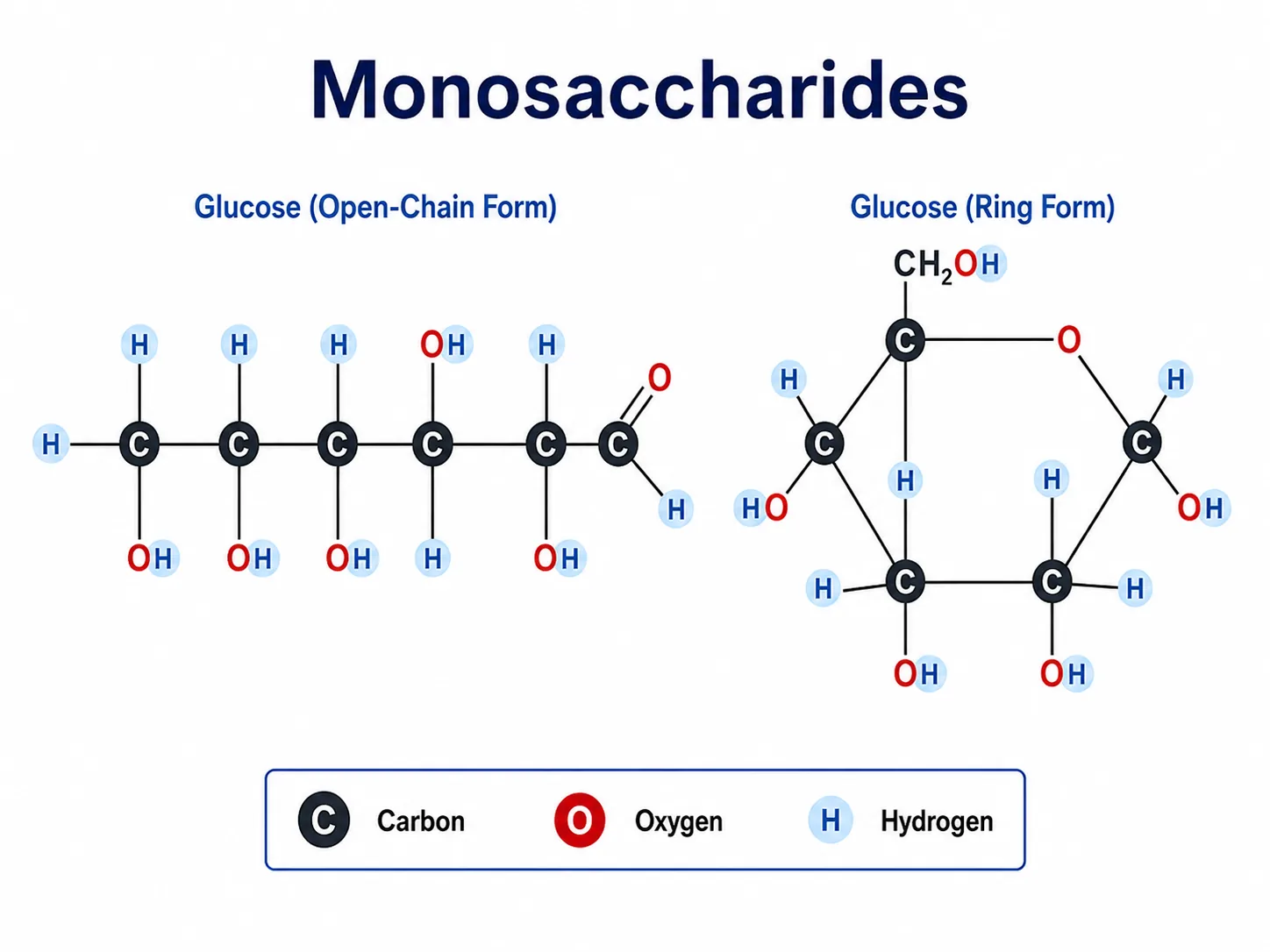
- Monosaccharide A single sugar unit such as glucose.
2Disaccharide
- Disaccharide Two sugar units joined together. Two glucose molecules make maltose.
3Polysaccharide
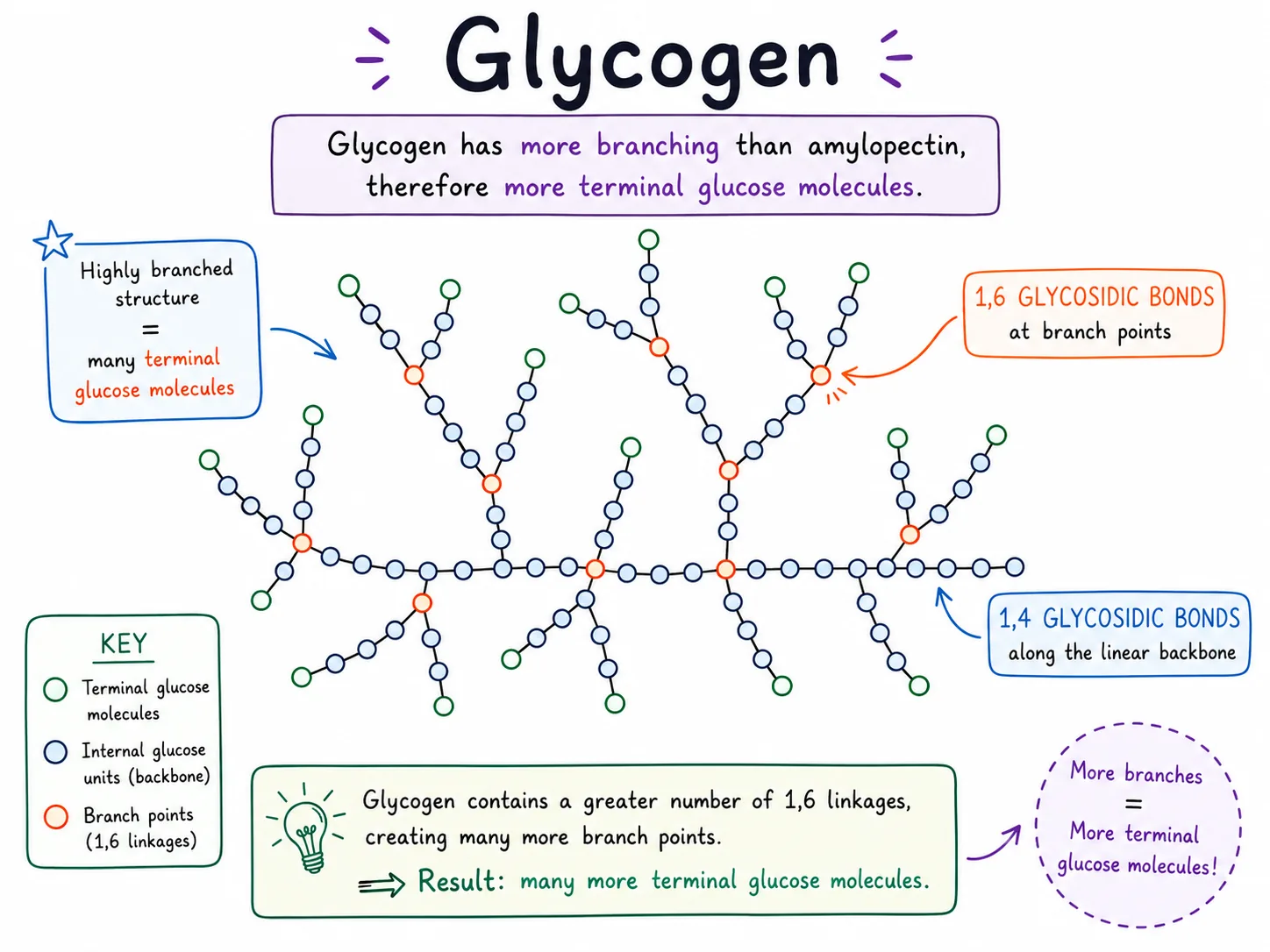
- Polysaccharide Many glucose molecules joined in a long chain make starch, glycogen or cellulose.
4Different jobs
- Different jobs Starch is a plant energy store, glycogen is an animal energy store and cellulose strengthens plant cell walls.
Section 4 of 6Lipids and proteins





Building large molecules
Triglyceride structure
- Triglyceride structure Most fats are triglycerides: one molecule of glycerol chemically bonded to three fatty acid chains.
Fats and oils
- Fats and oils Fats are solid at room temperature, whereas oils are liquid.
- The fatty acids vary in size and structure.
Amino acids
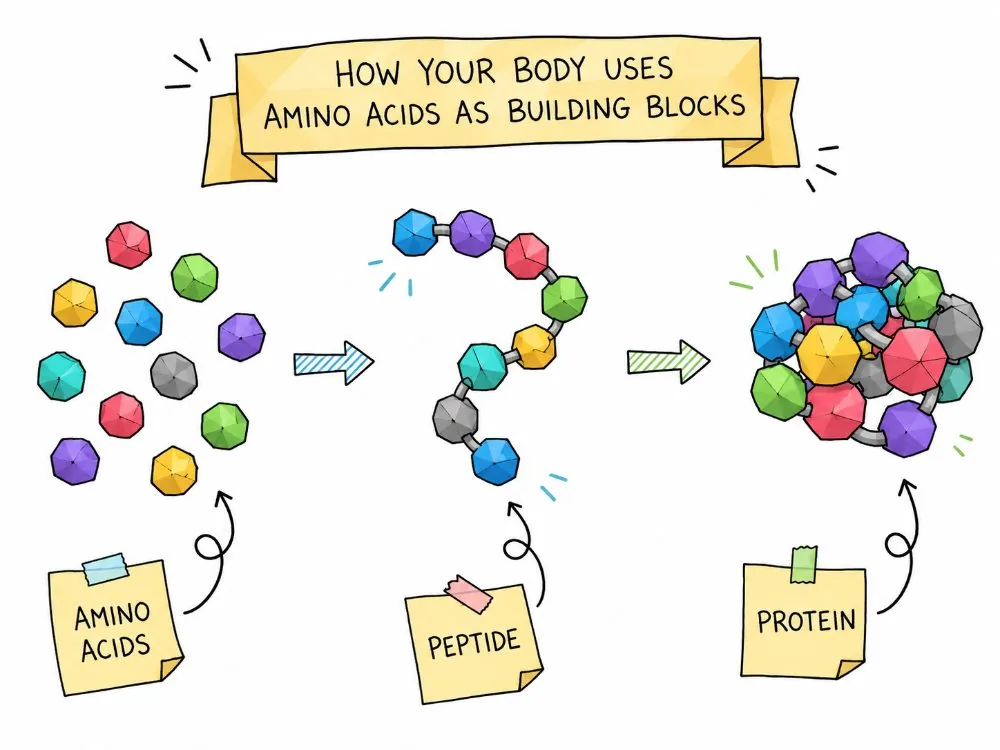
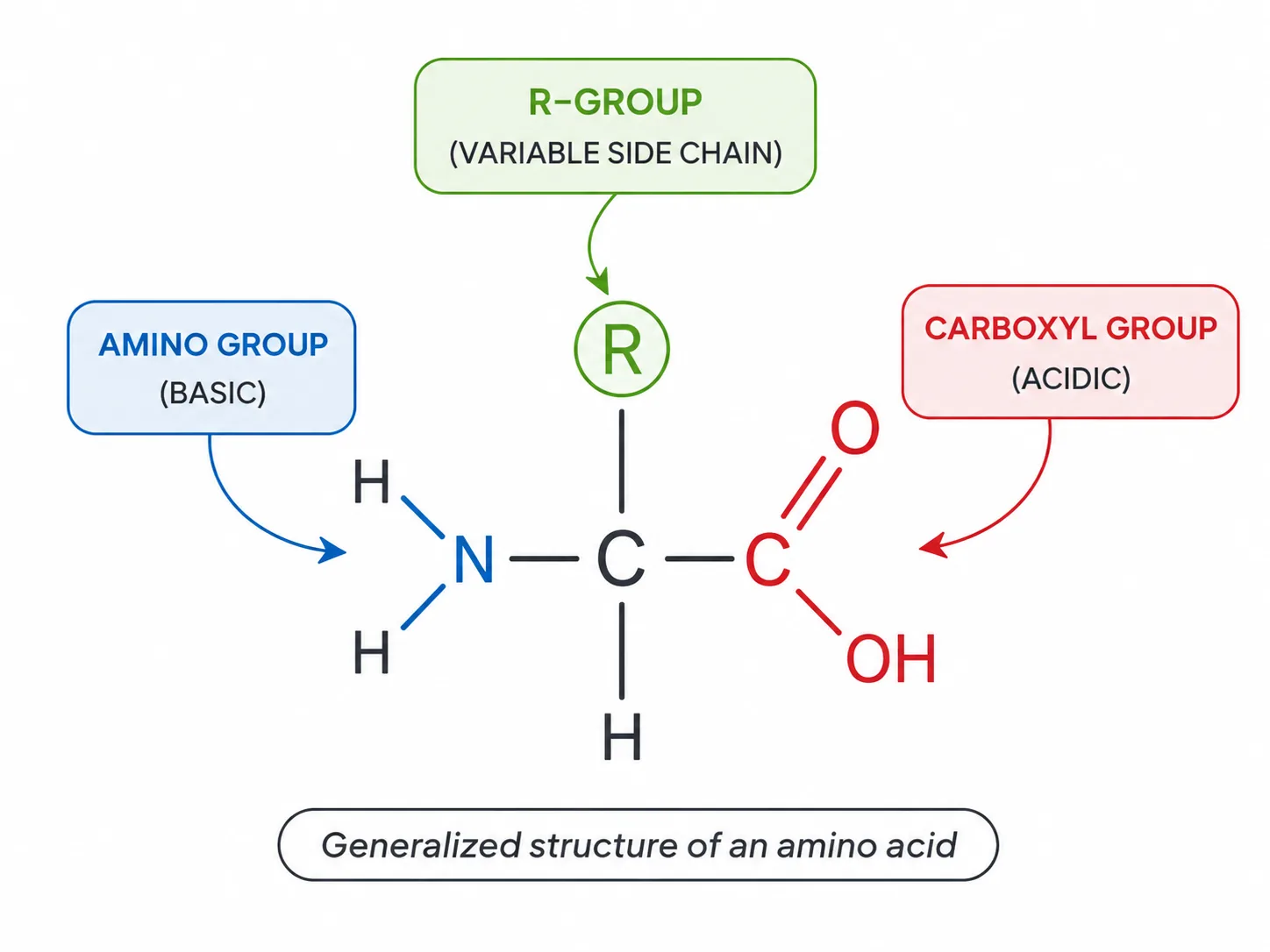
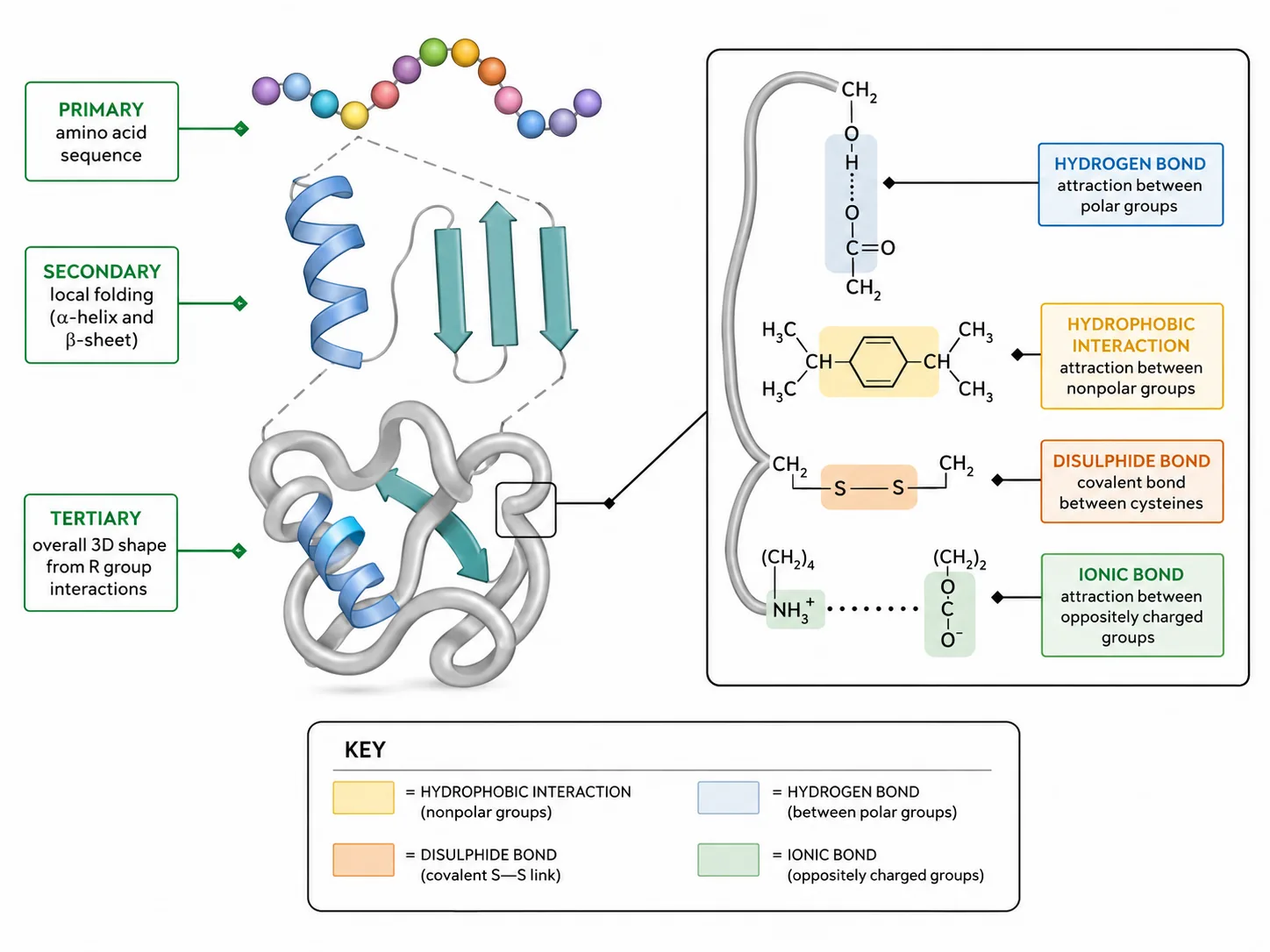
- Amino acids Proteins are long chains of amino acids.
- There are about 20 different amino acids, and all share the same basic structure but have a different R group.
Order matters
- Order matters Amino acids can be joined in any order, so an enormous number of different proteins is possible.
- Even a small change in the order produces a different protein.
Section 5 of 6Key terms
| Term | Meaning |
|---|---|
| Organic molecule | A molecule that contains carbon, as found in living organisms. |
| Glucose | A simple sugar (monosaccharide) used as the building block of many carbohydrates. |
| Polysaccharide | A large carbohydrate made from many sugar units, such as starch, glycogen or cellulose. |
| Triglyceride | A fat molecule made from one glycerol and three fatty acids. |
| Amino acid | The small unit from which proteins are built. |
Section 6 of 6Exam technique
1
Forgetting that proteins contain nitrogen, which carbohydrates and fats do not.
2
Saying that fats contain one fatty acid per glycerol; a triglyceride has three.
3
Believing starch, glycogen and cellulose are made from different sugars — all three are made from glucose.
4
Writing that fats are made from amino acids, or proteins from fatty acids; match each group with its correct building blocks.
5
Saying all amino acids are identical; they differ in their R group.