Section 1 of 9Gametes and fertilisation

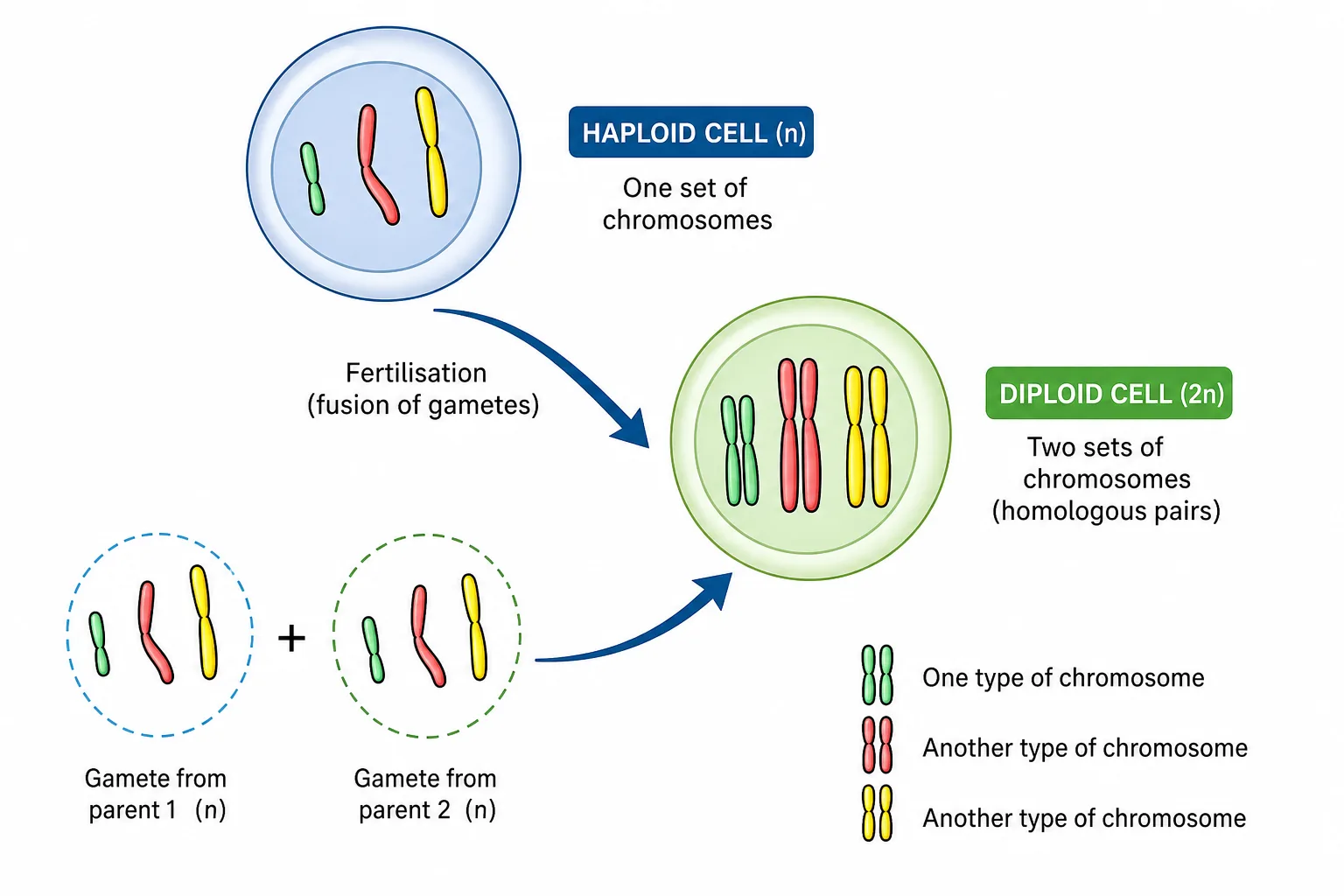
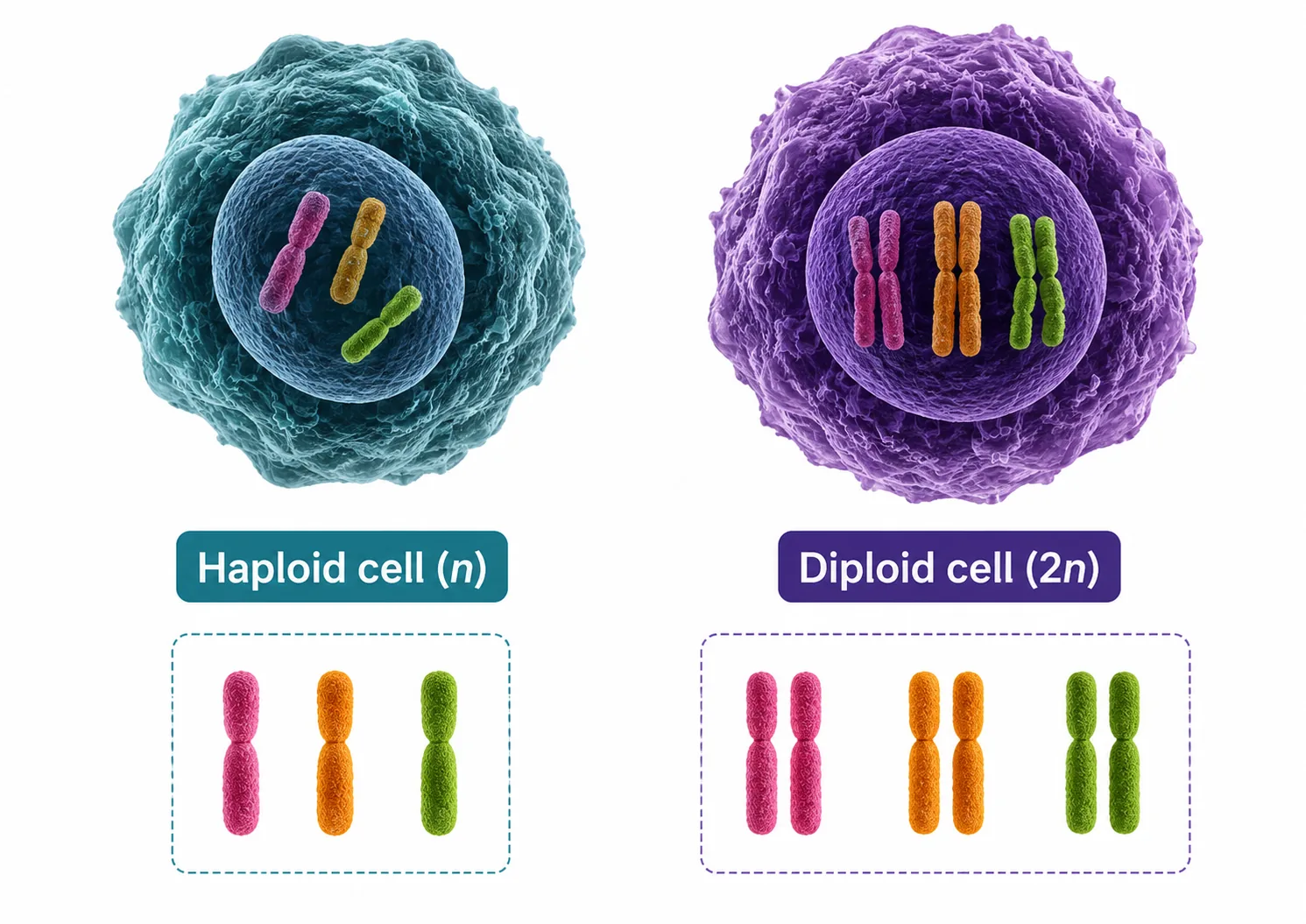
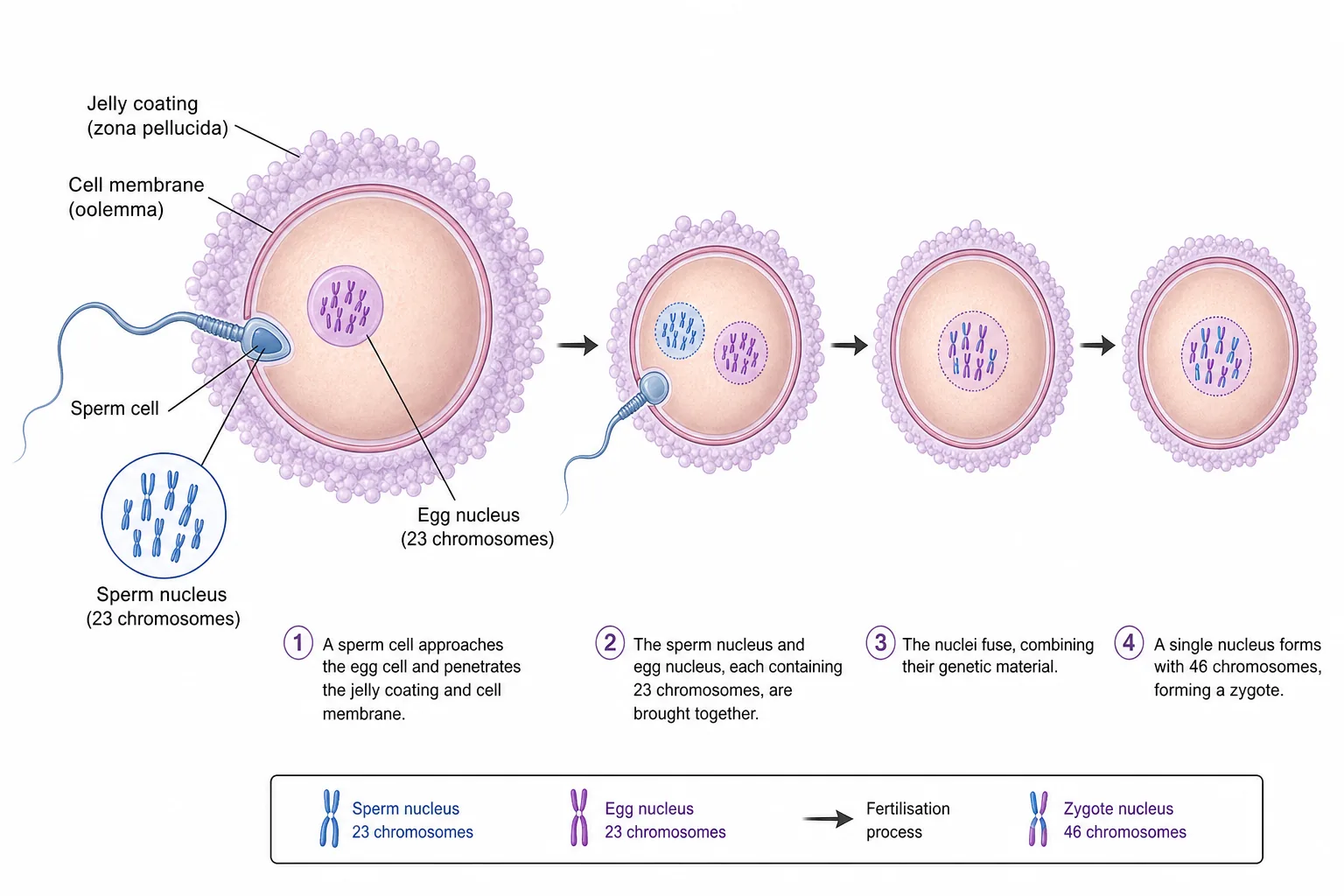
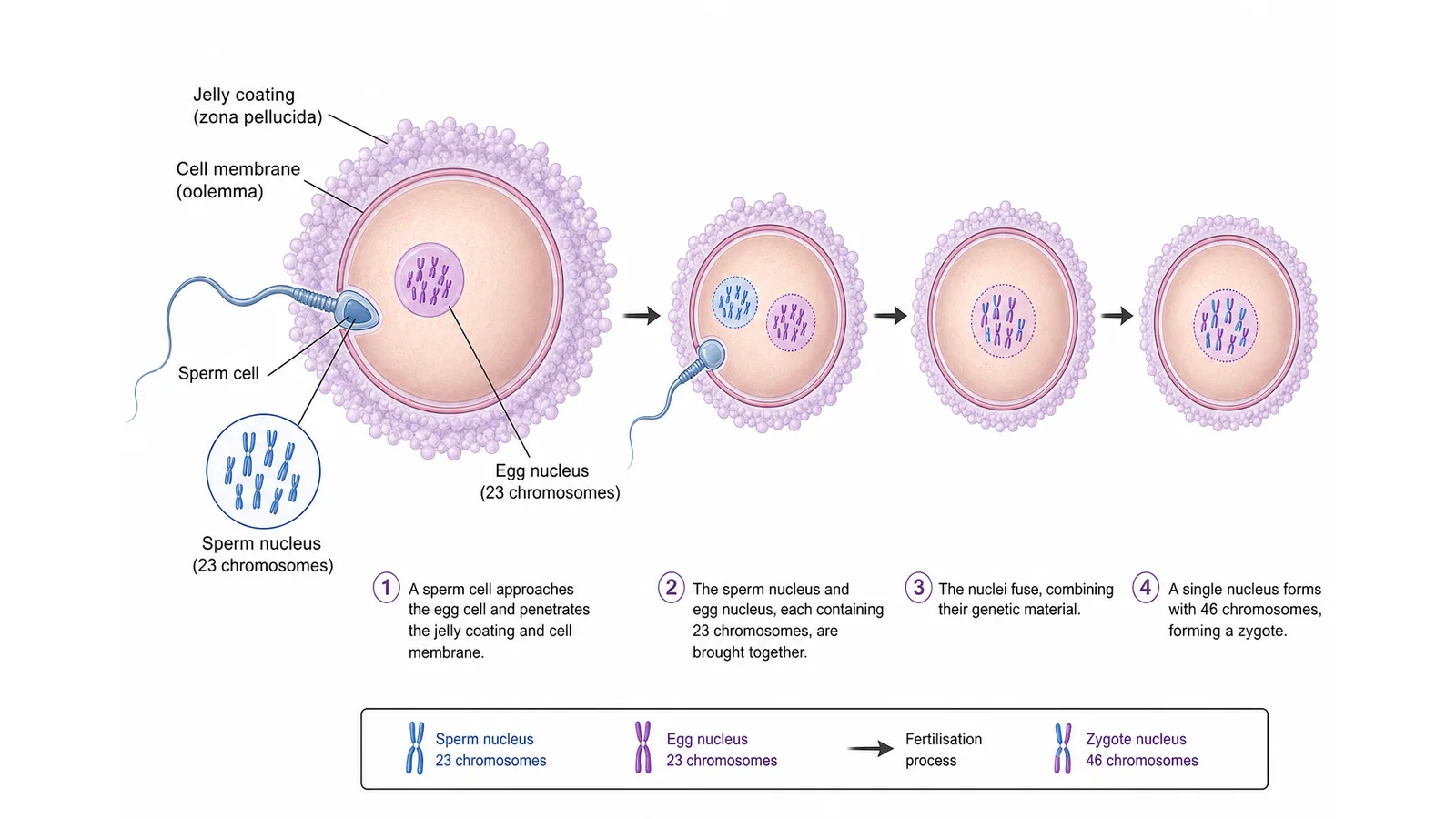
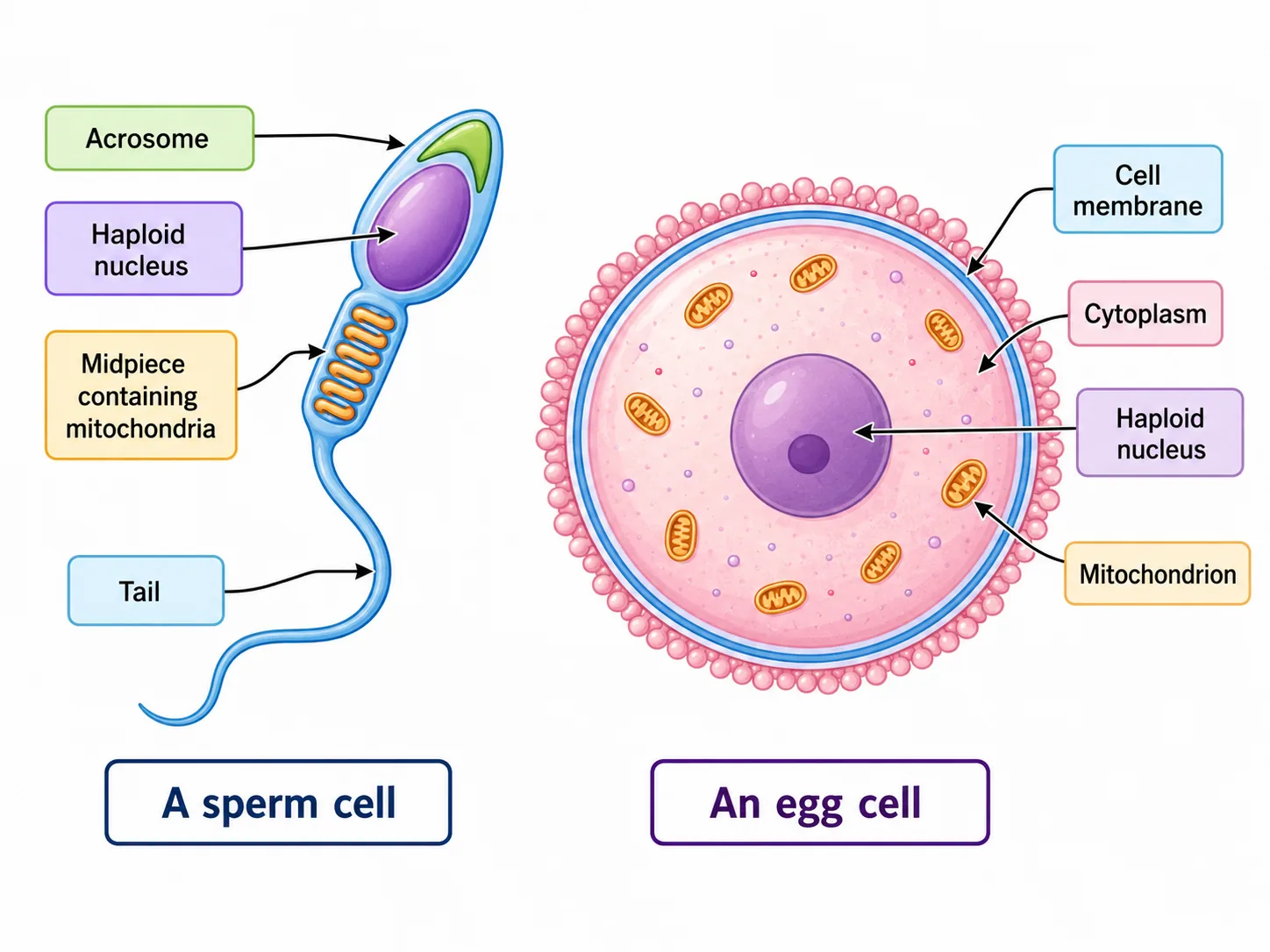
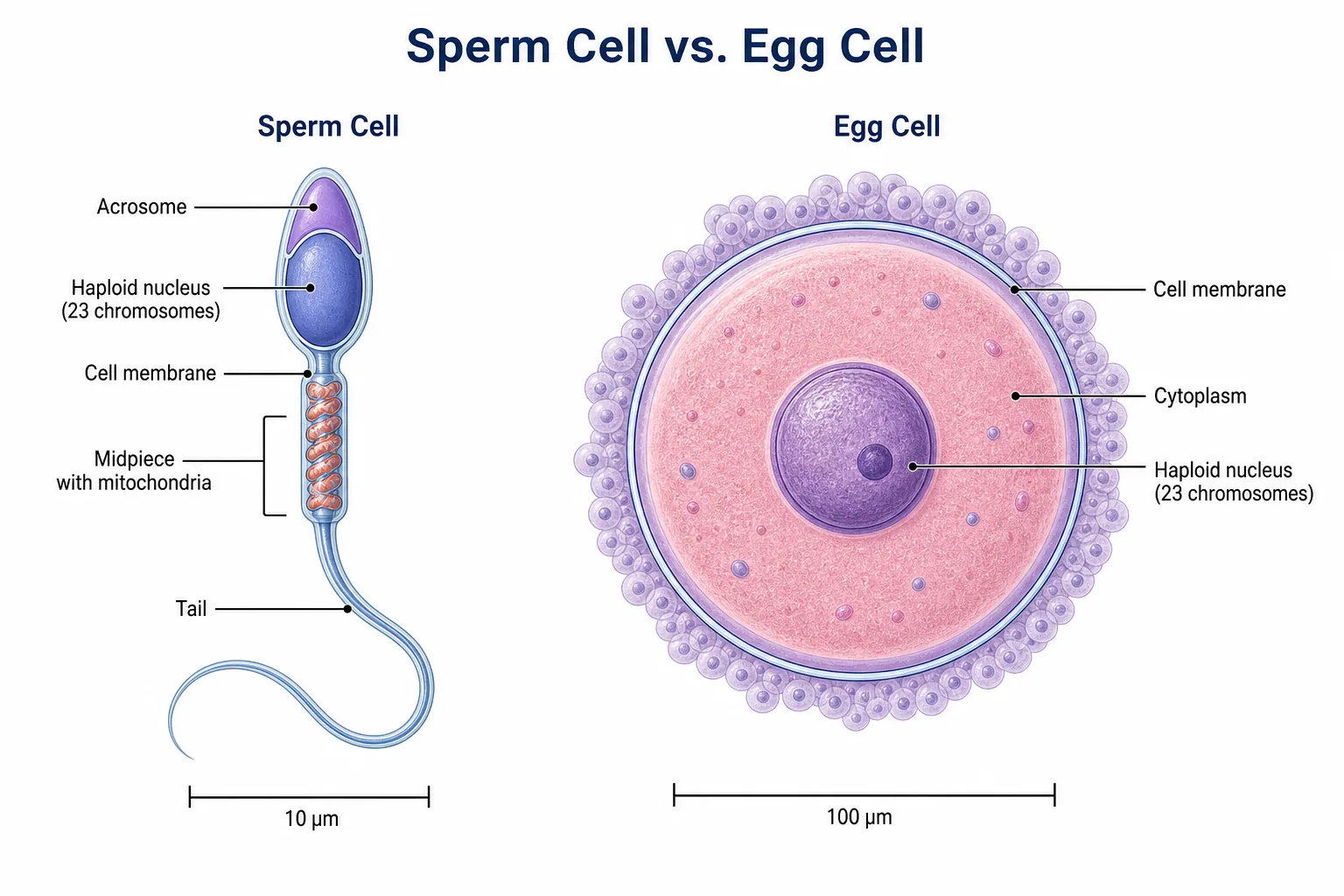
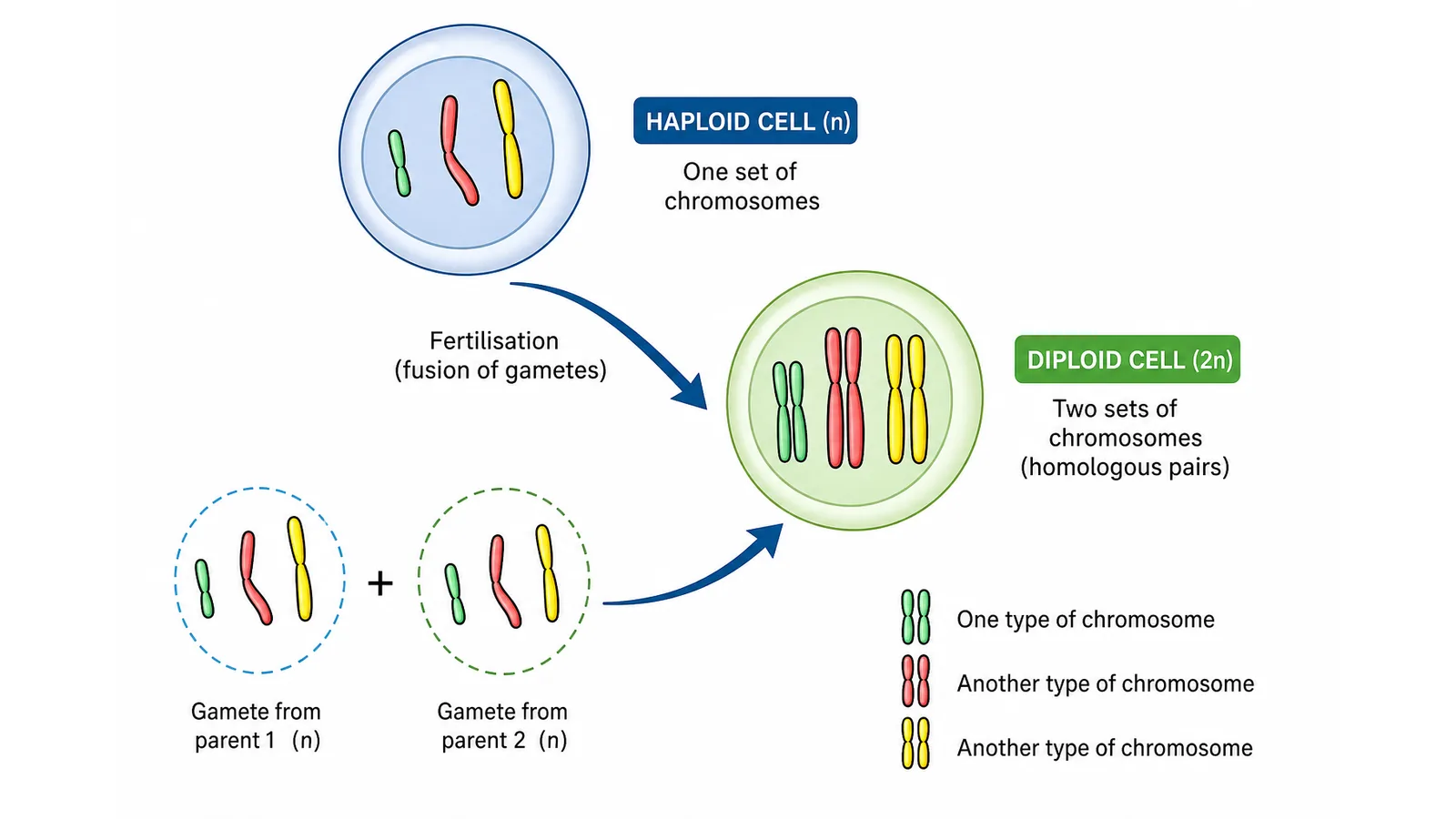
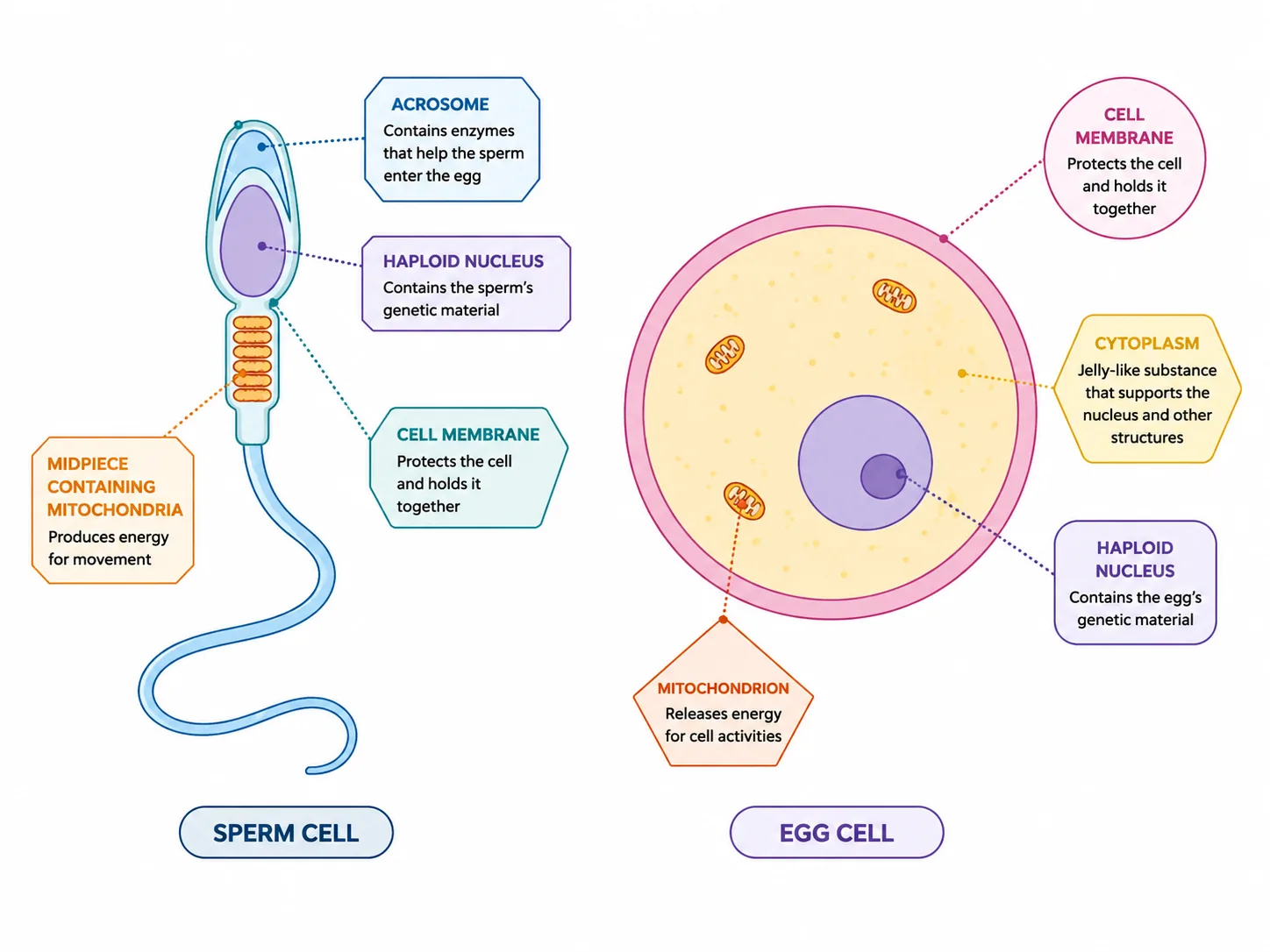
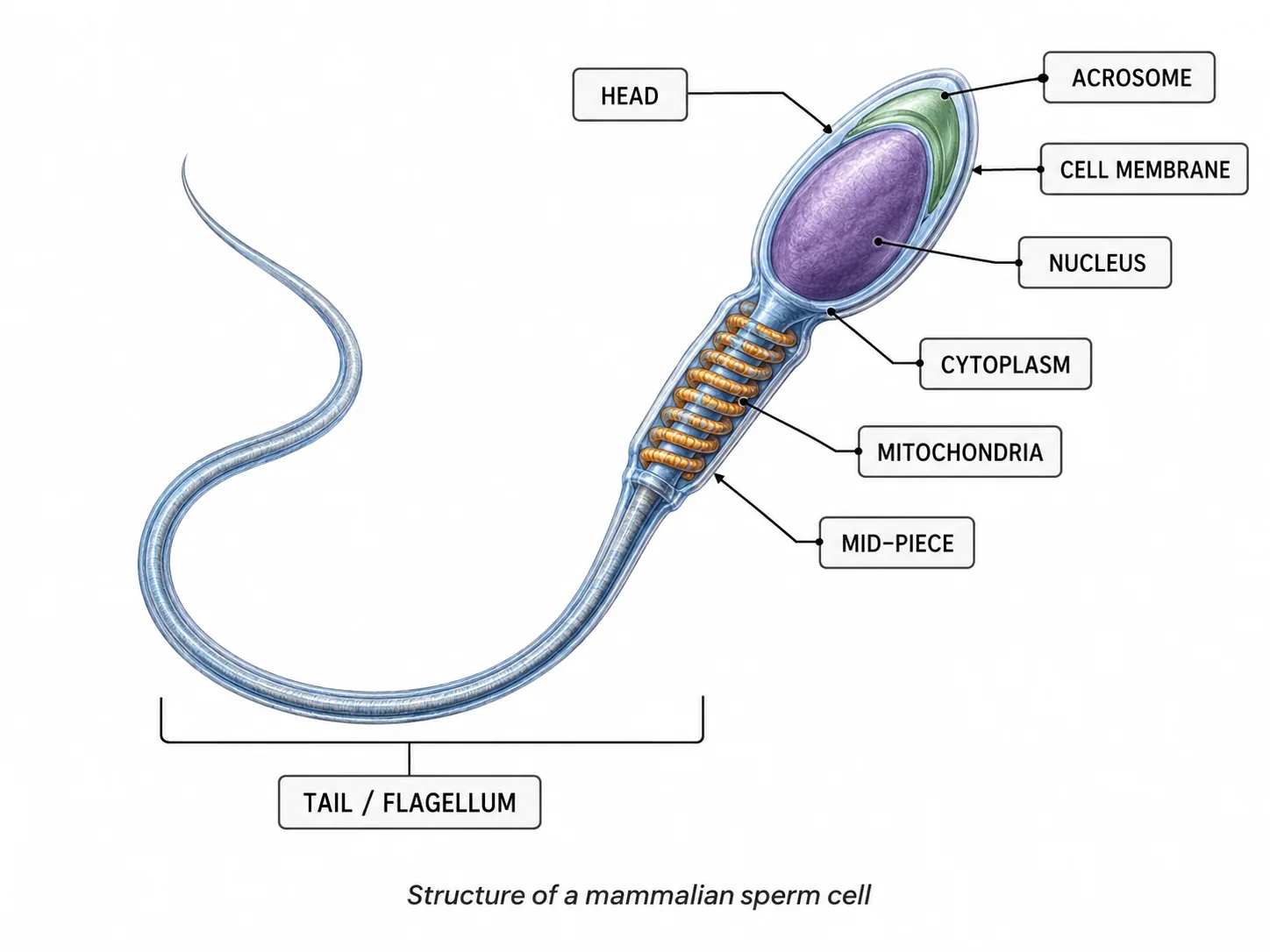
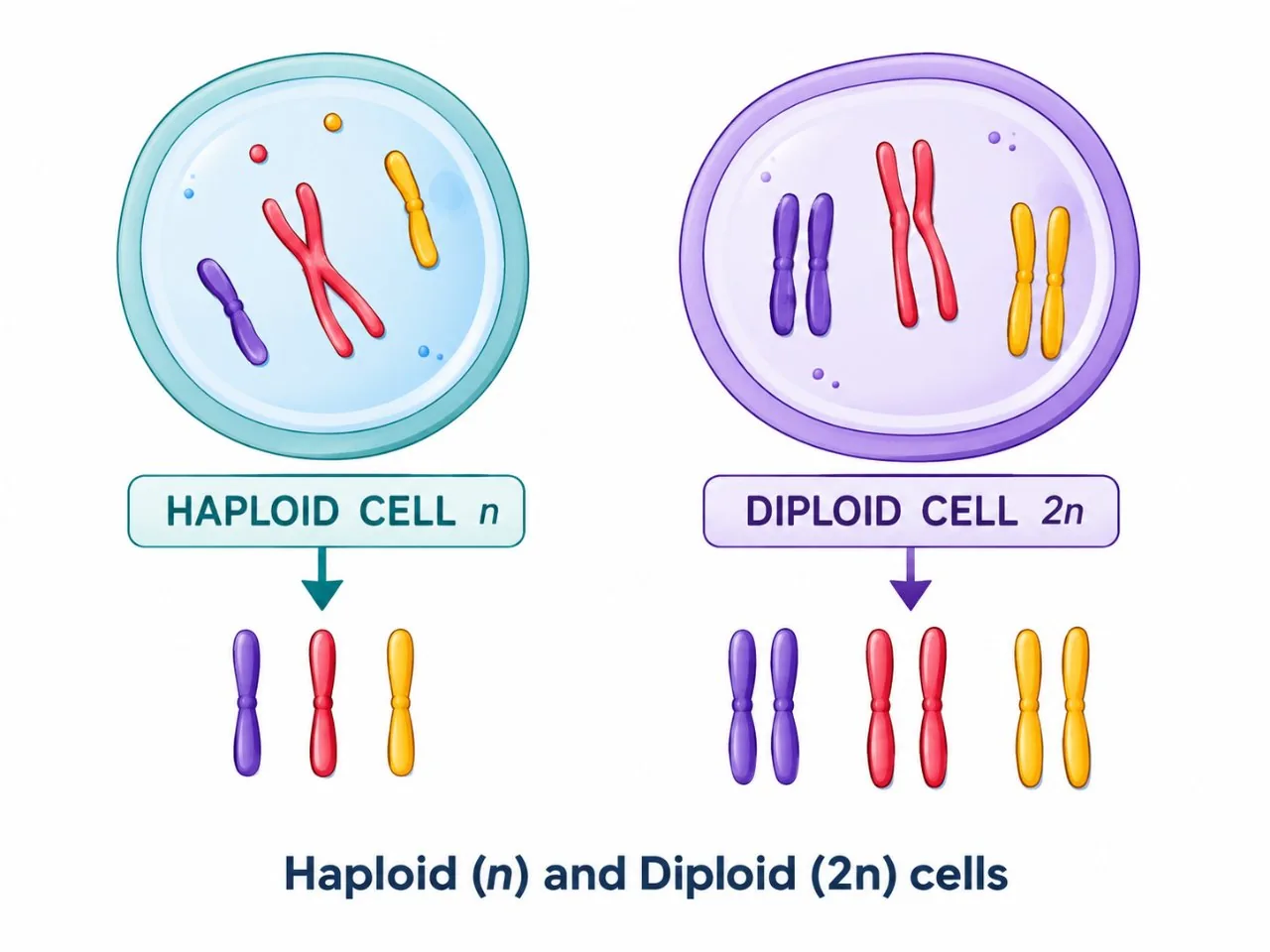
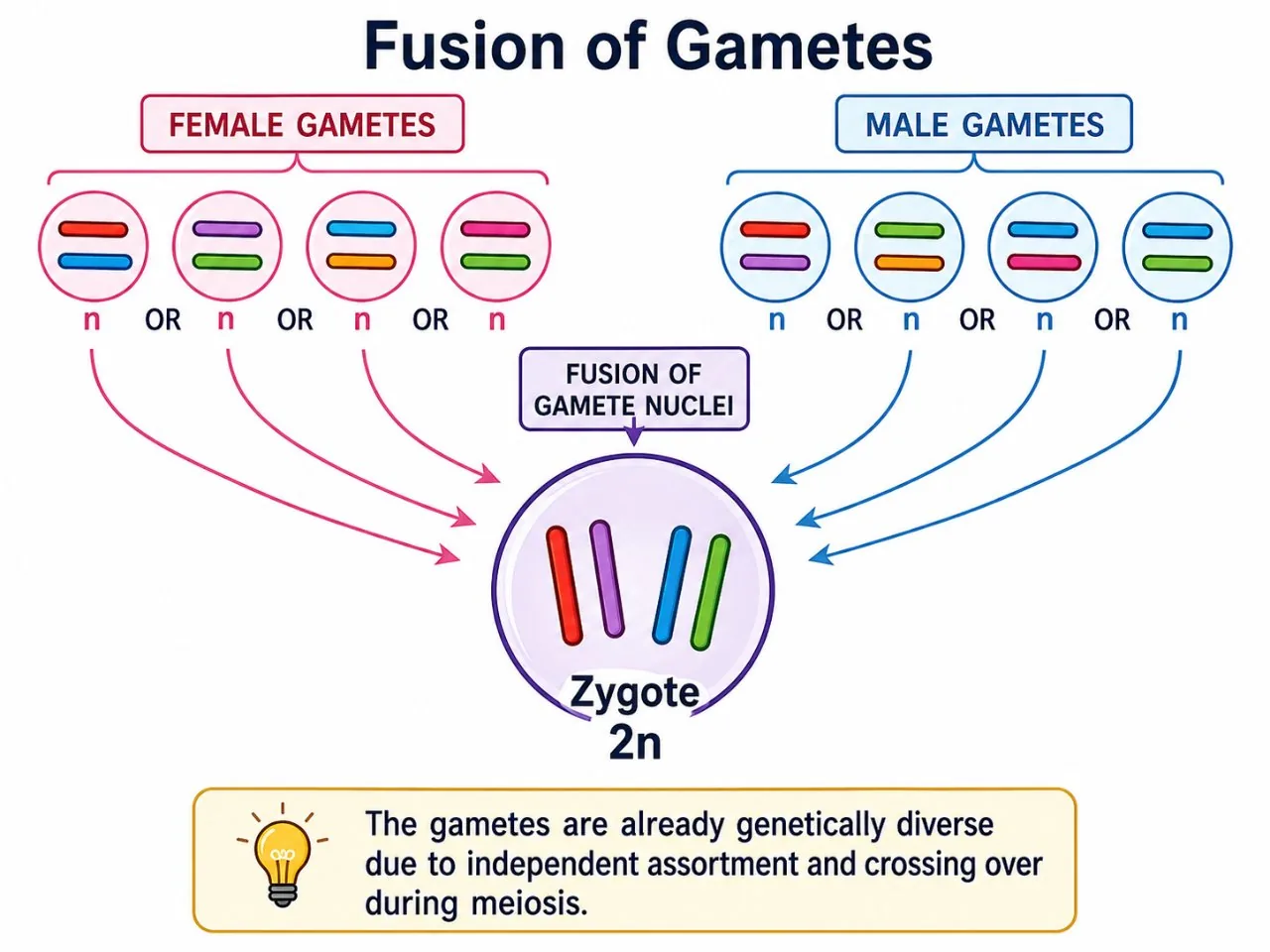
In sexual reproduction two specialised sex cells, or gametes, fuse in fertilisation.
Section 2 of 9Meiosis


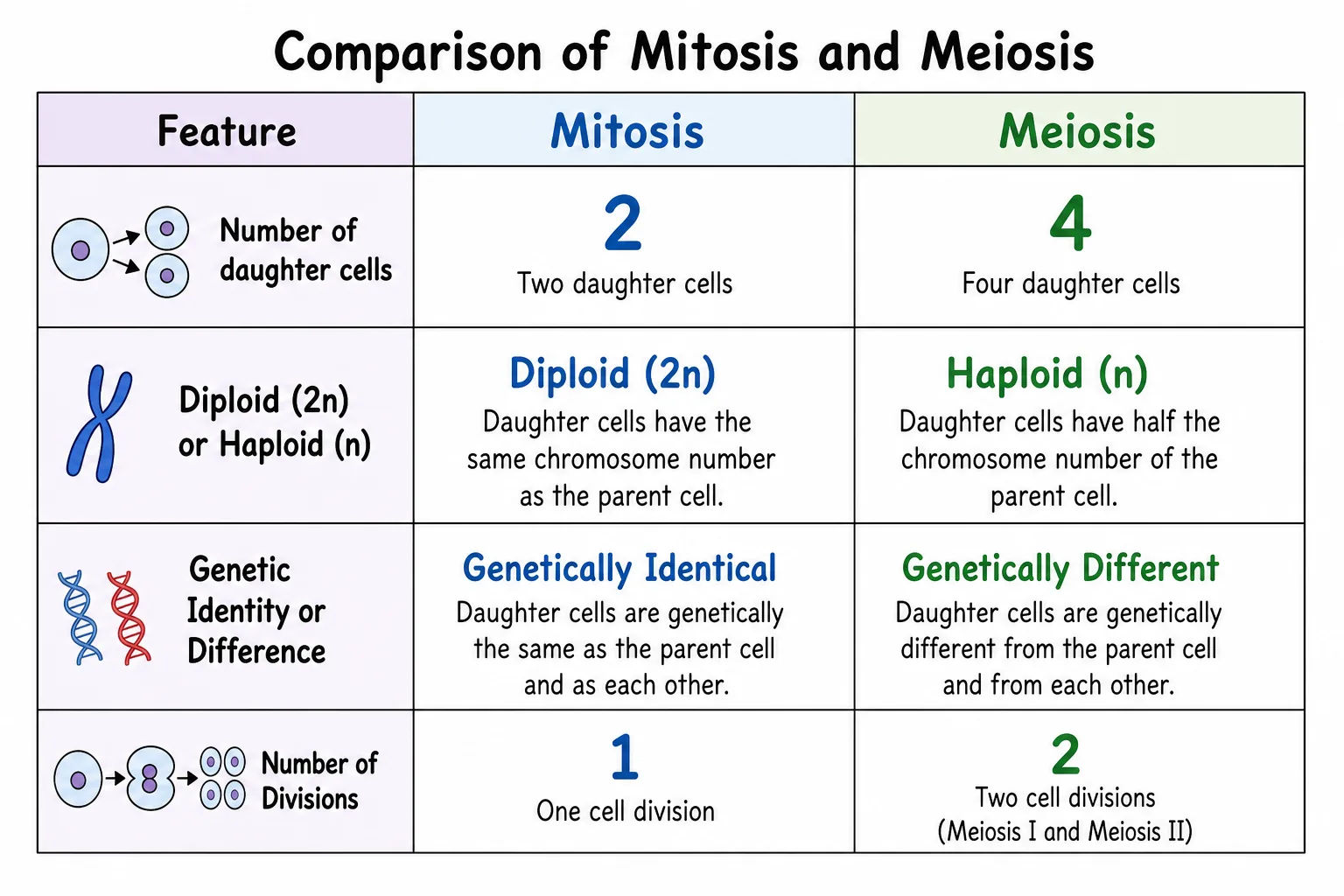
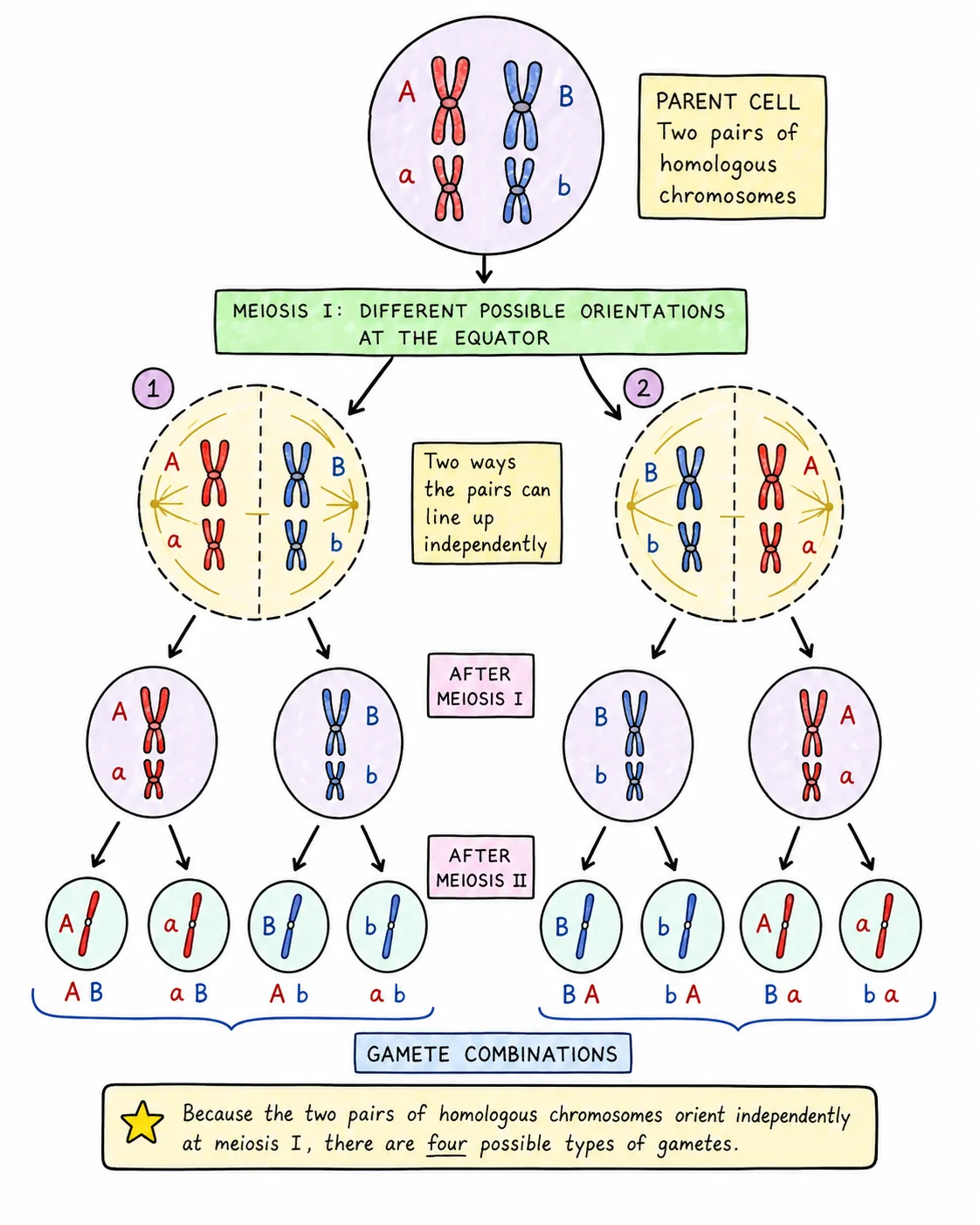
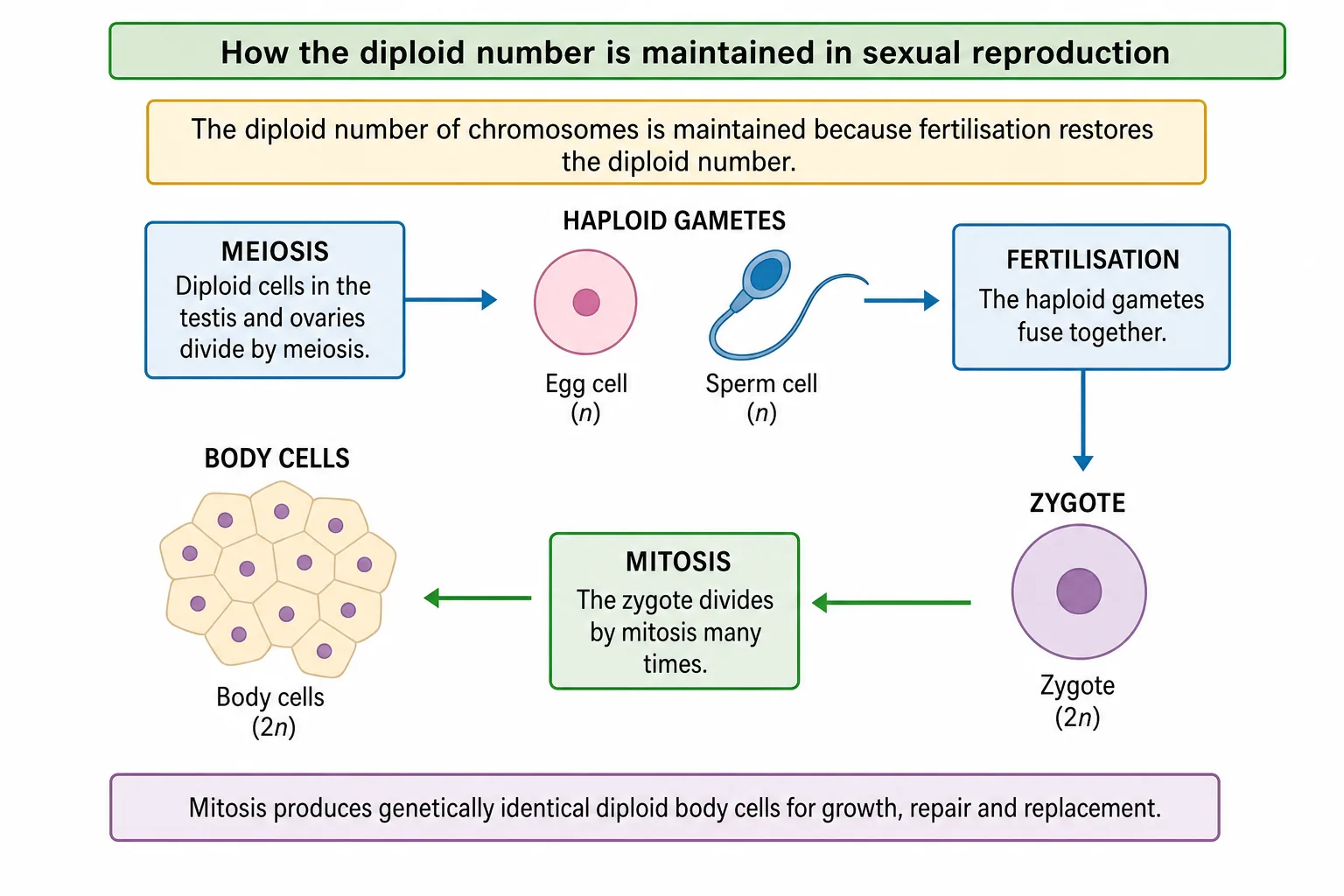
Gametes are made by a type of cell division called meiosis in the reproductive organs (testes and ovaries in humans). Meiosis halves the number of chromosomes, which is essential, because without it the chromosome number would double in every generation.
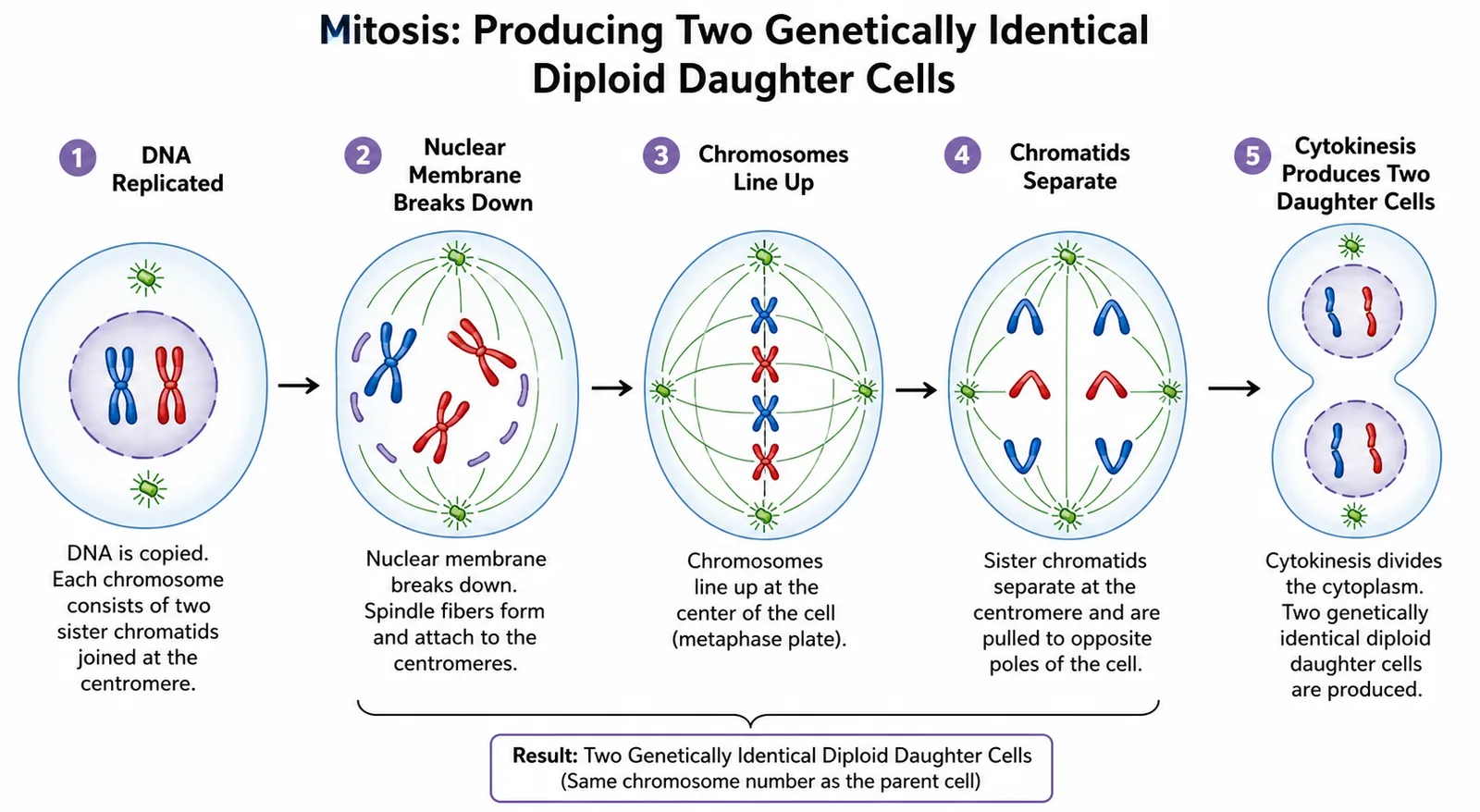
Compare this with mitosis, which produces two genetically identical diploid cells for growth and repair.
| Mitosis | Meiosis | |
|---|---|---|
| Where | All body cells | Reproductive organs only |
| Divisions | One | Two |
| Cells made | 2 | 4 |
| Chromosome number | Stays diploid | Halved to haploid |
| Genetic identity | Identical to parent | Genetically different |
Section 3 of 9Why offspring show variation
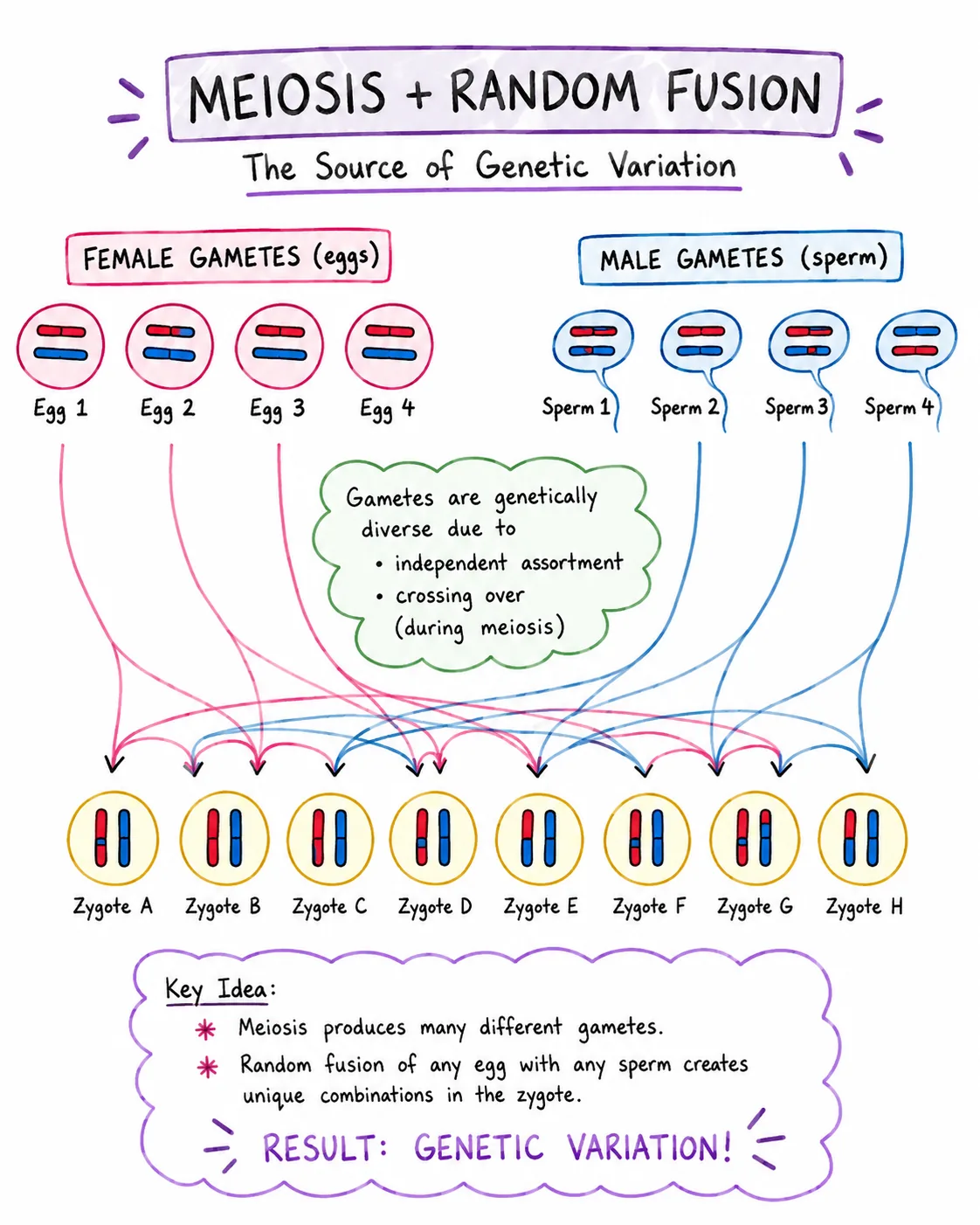
Sexual reproduction produces variation for three reasons. First, independent assortment during meiosis: each gamete gets a random mix of the maternal and paternal chromosomes. Second, random fertilisation: any of the many sperm may fuse with any egg. Third, mutations may occur. As a result, offspring are not identical to either parent or to each other, except for identical twins.
The advantage of variation is that, in a changing environment or when a new disease appears, some individuals will have features that help them survive. The disadvantages are that two parents are needed, so it takes time and energy to find a mate, and fewer offspring are produced than by asexual methods.
Section 4 of 9Sex determination in humans
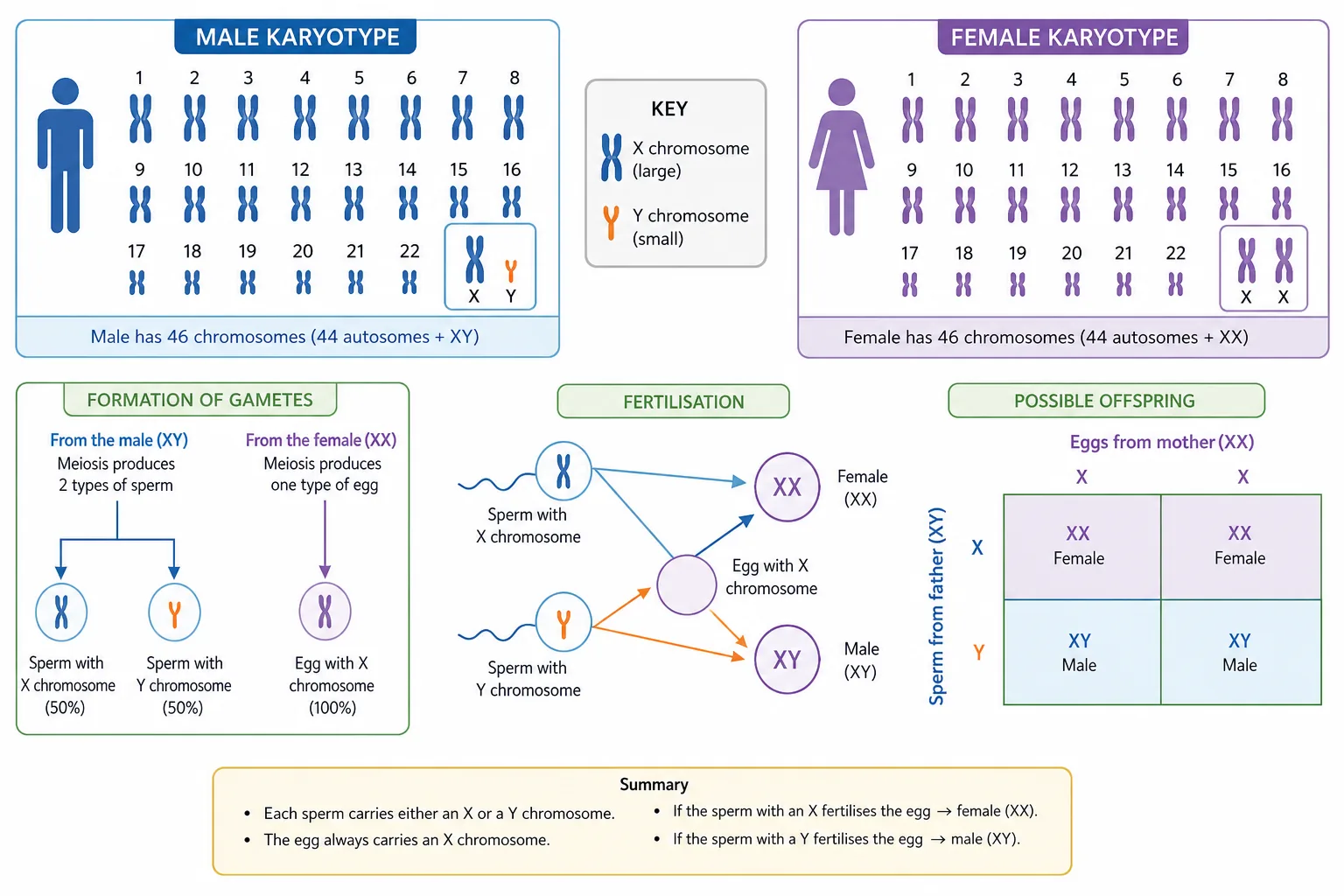


Of the 23 pairs of human chromosomes, one pair are the sex chromosomes.
Parent gametes
- mother X, X;
- father X, Y.
- Offspring: XX, XX, XY, XY.
Section 5 of 9Sexual reproduction in plants and hormones in humans


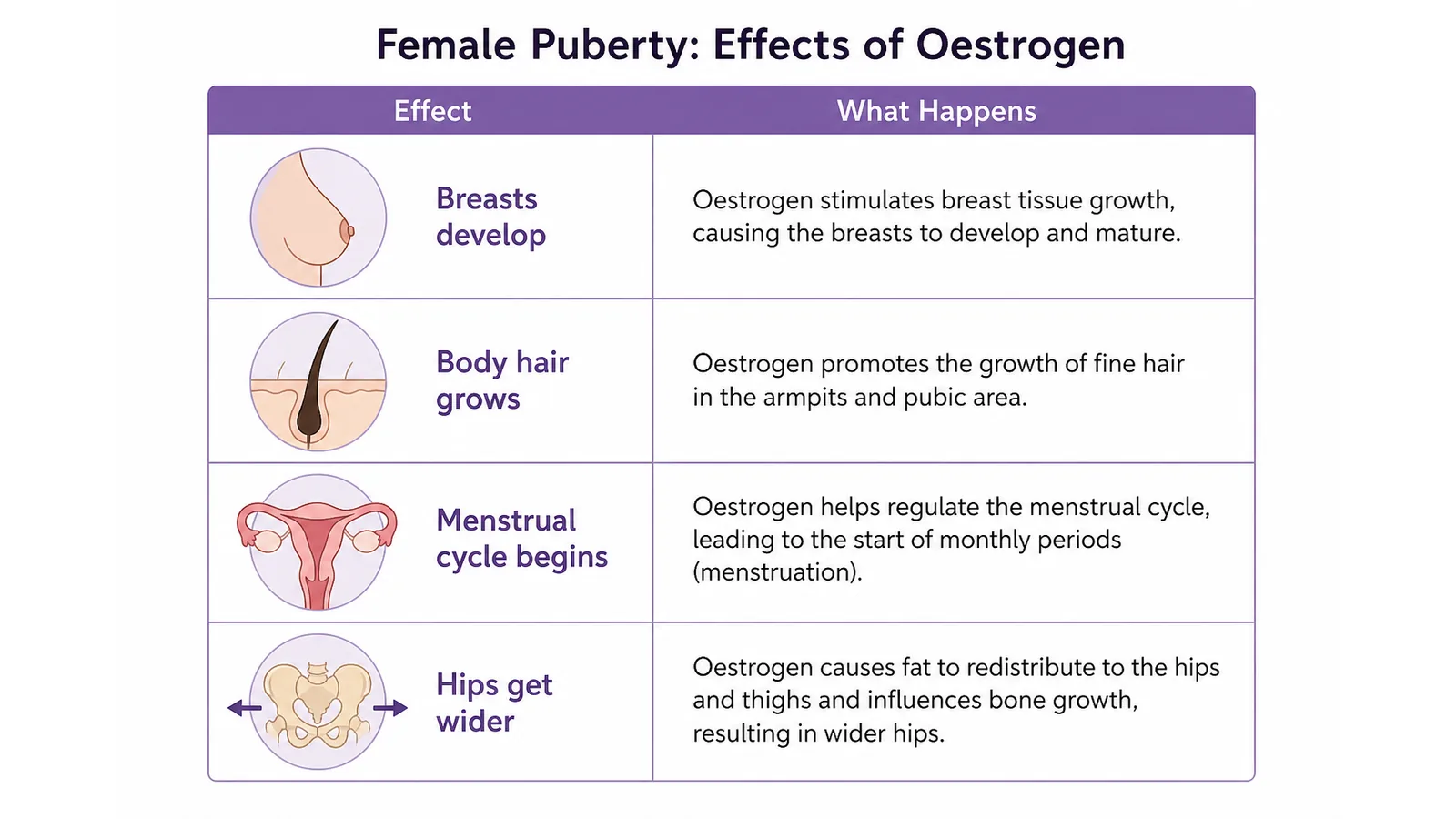


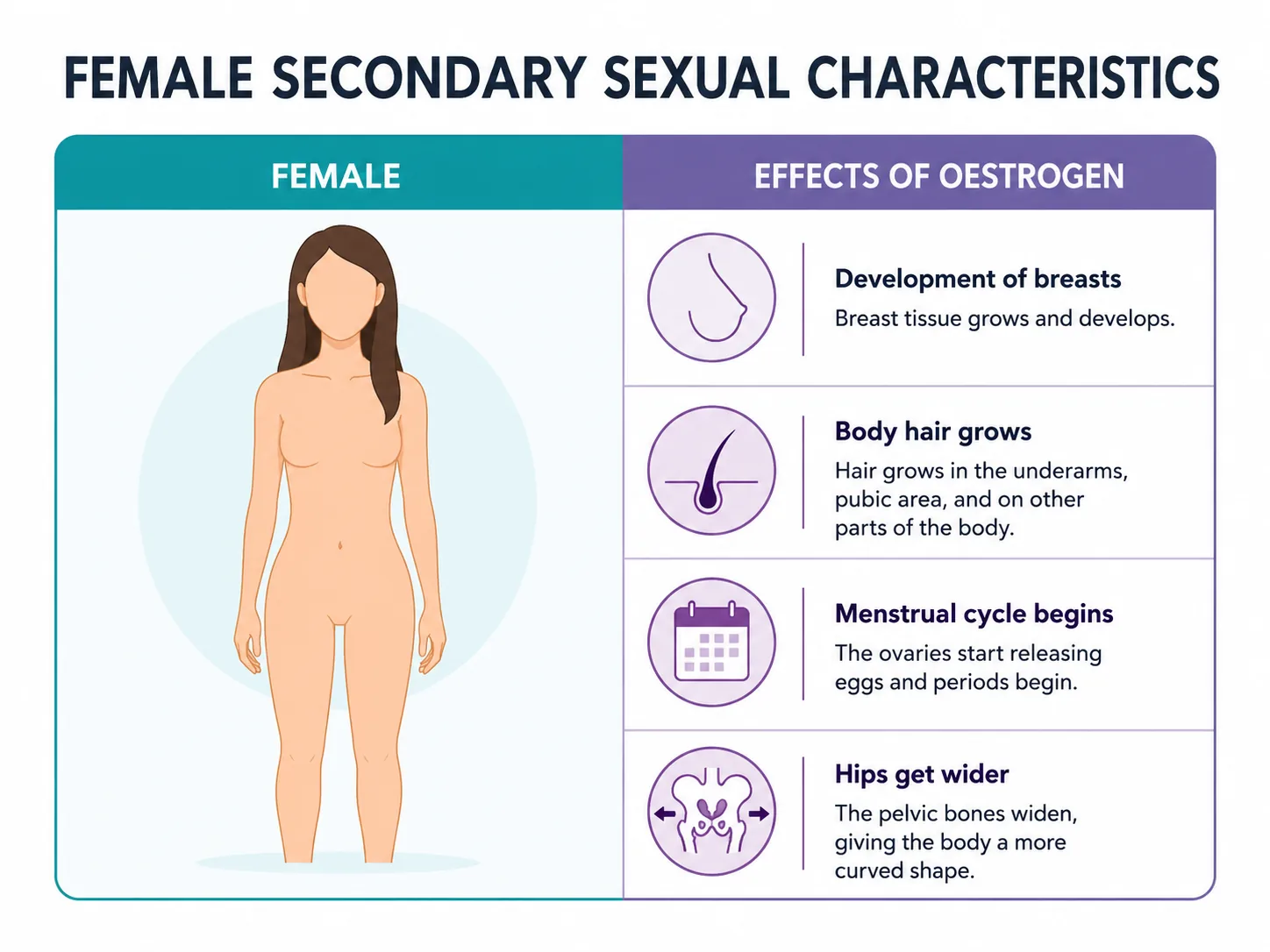
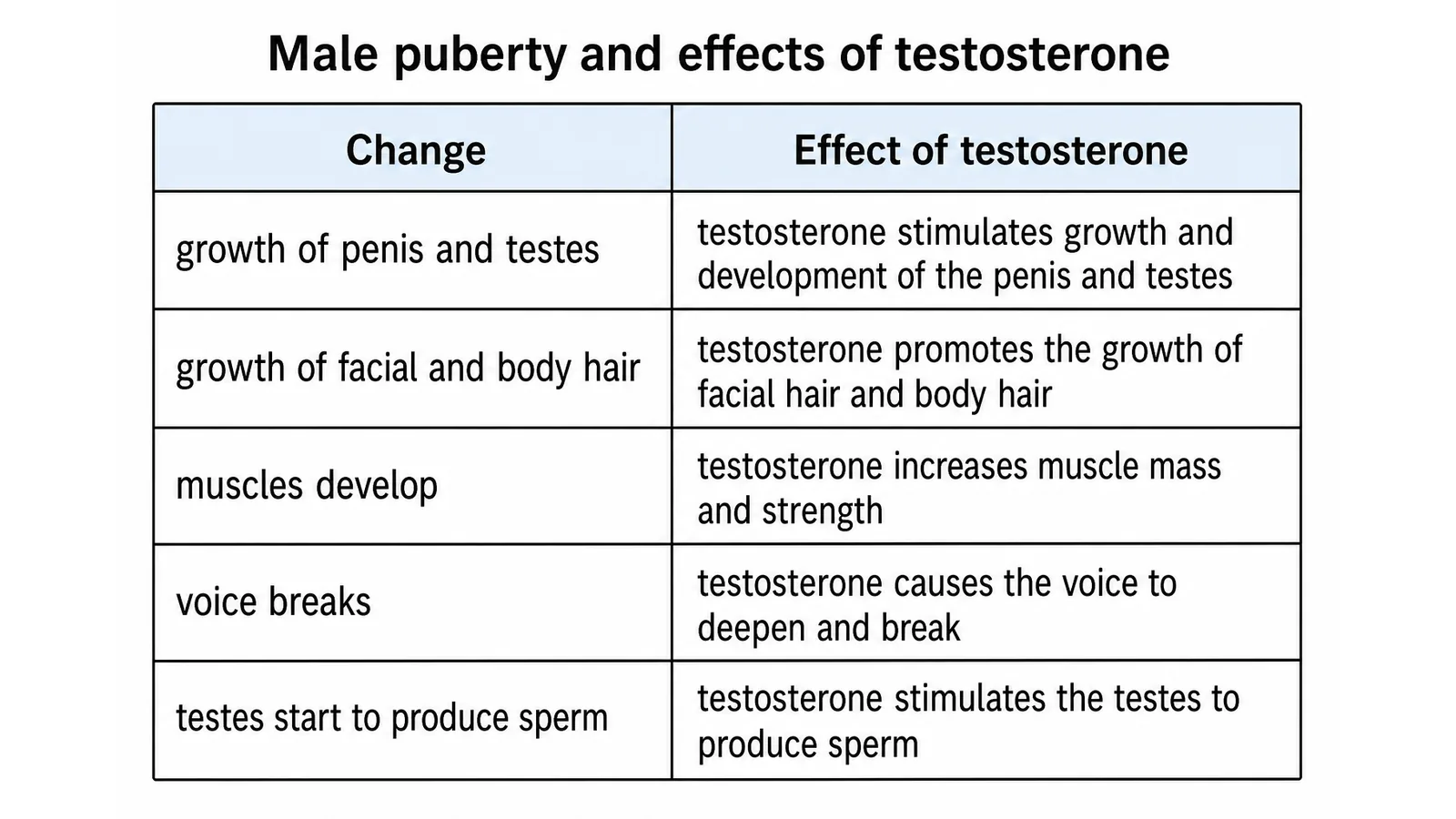
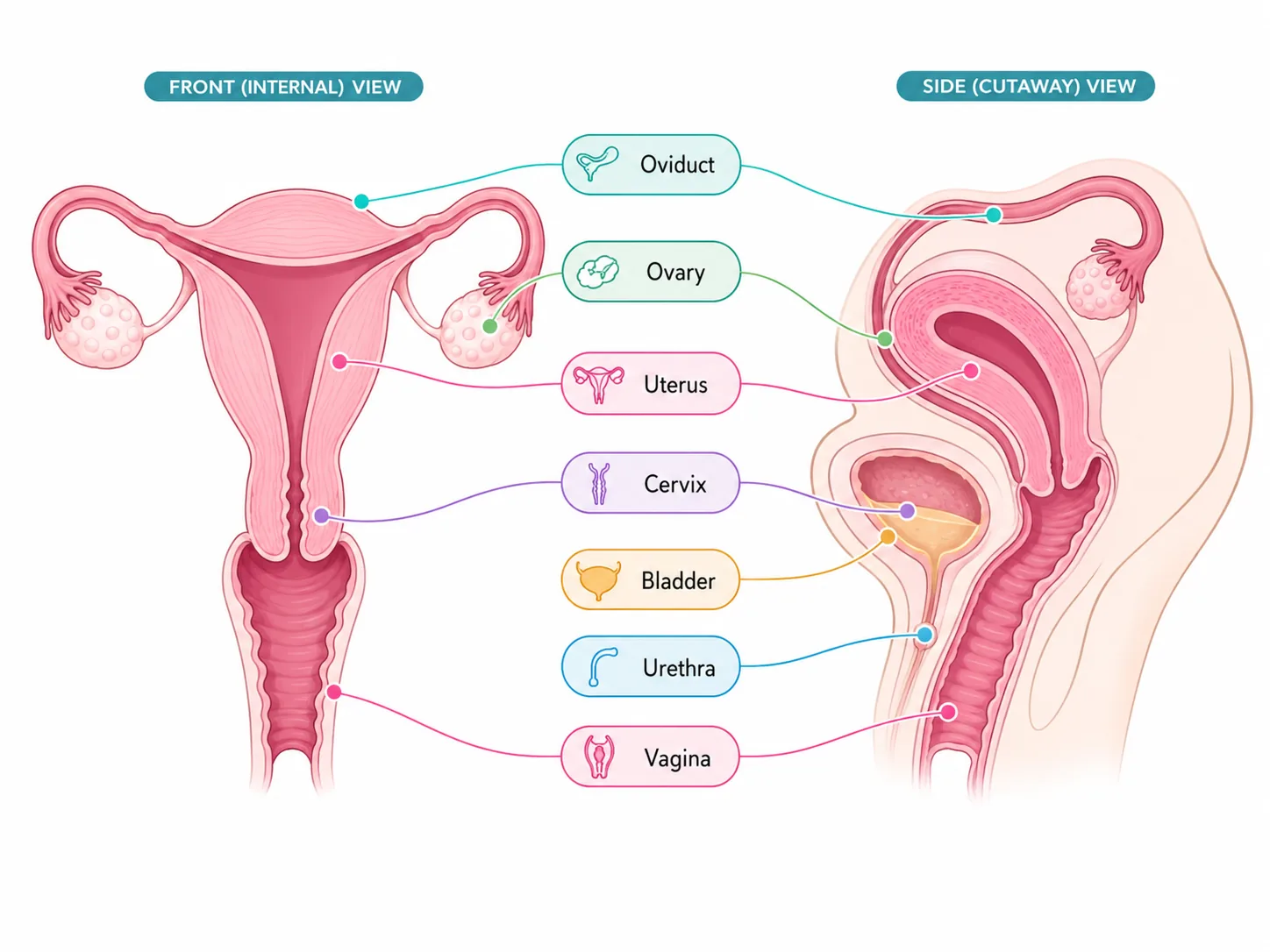
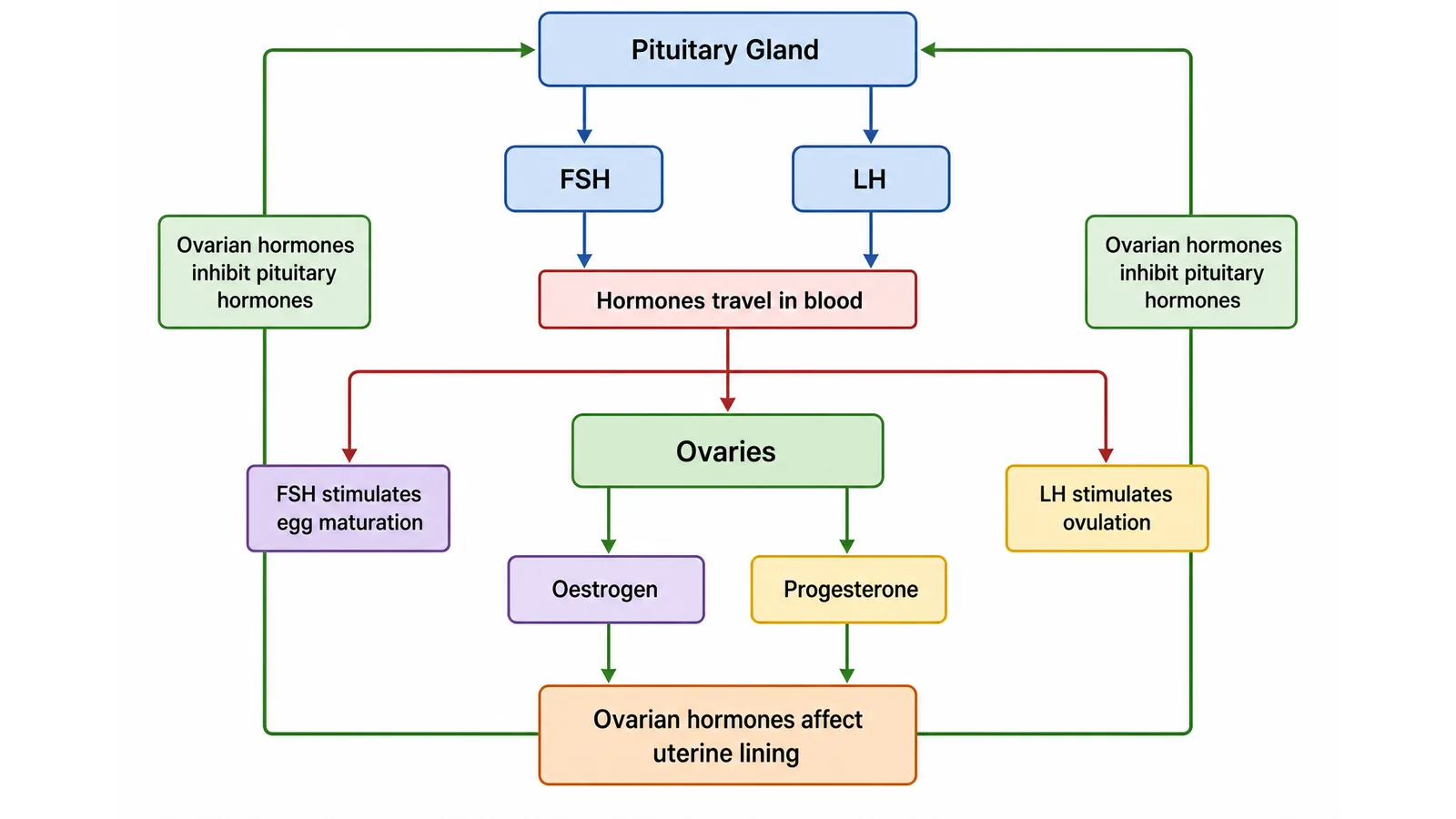


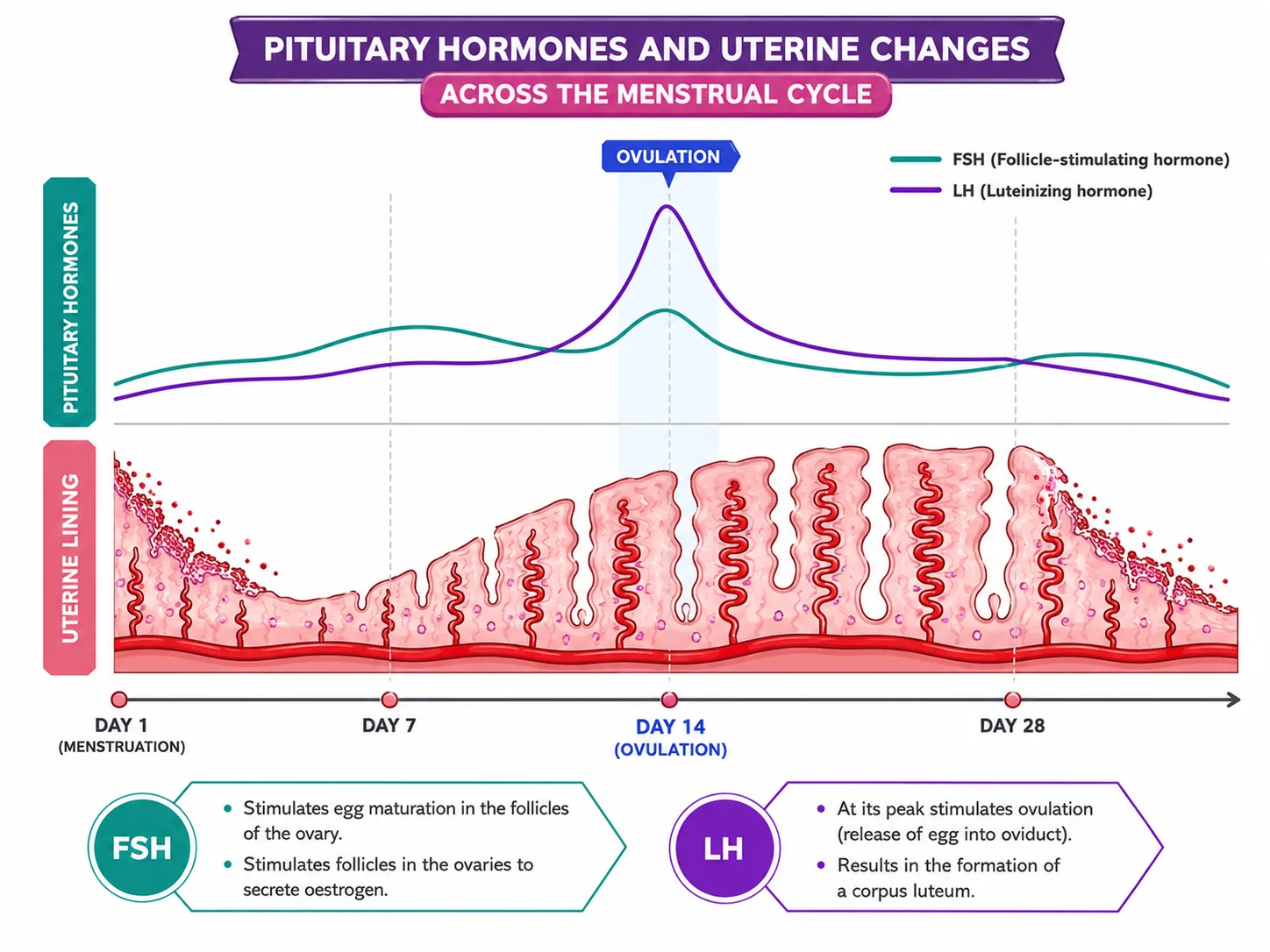


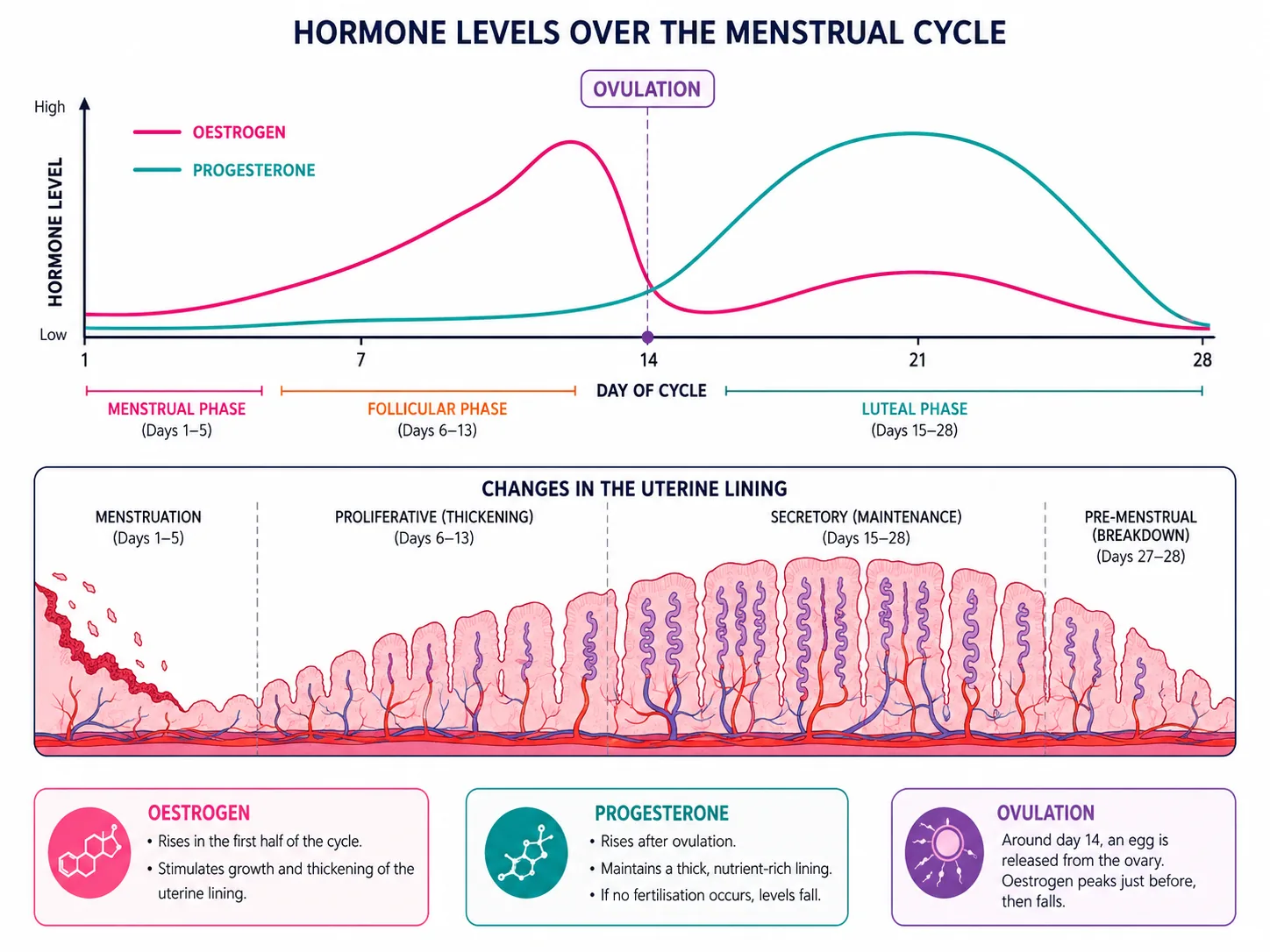


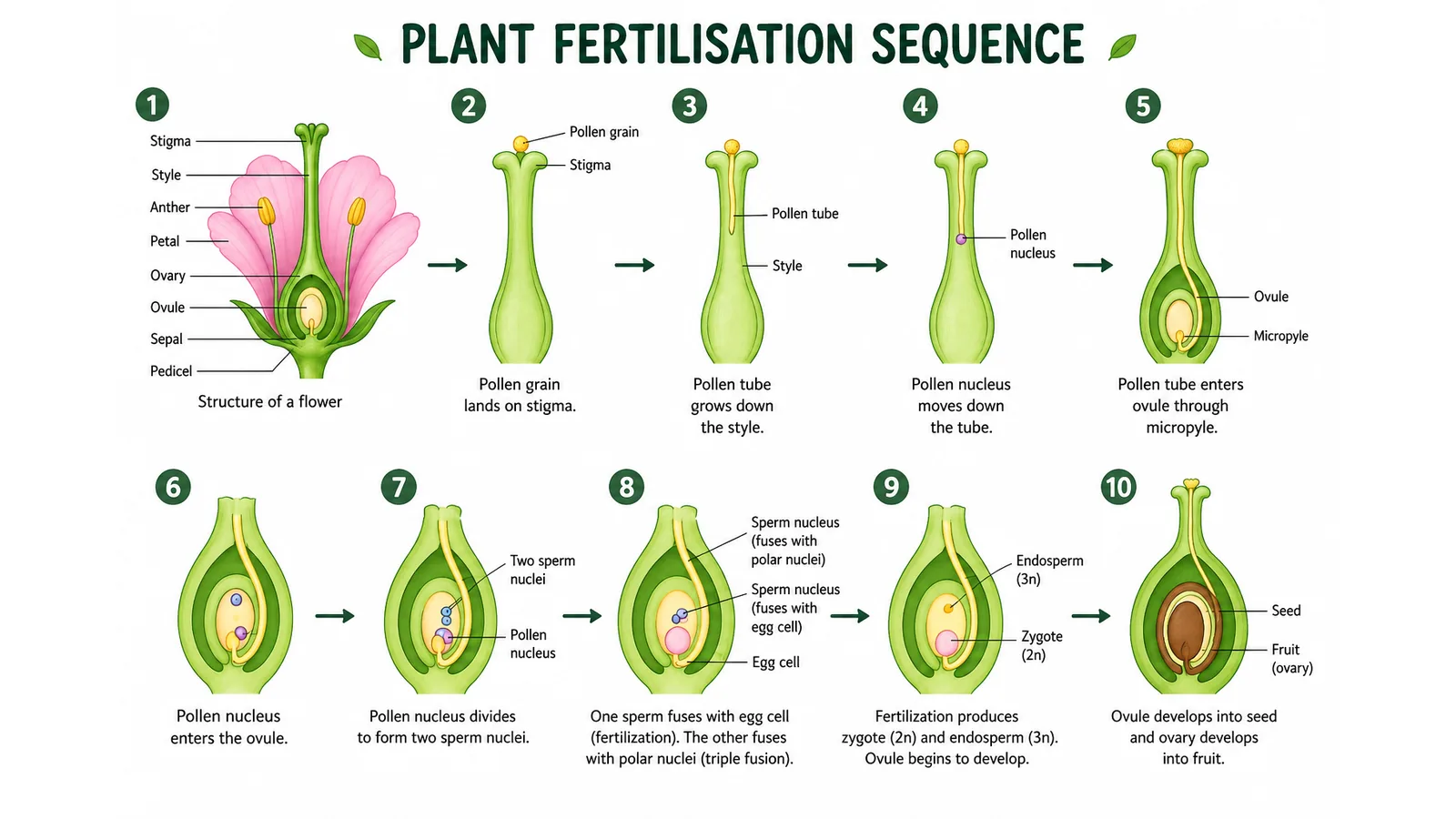
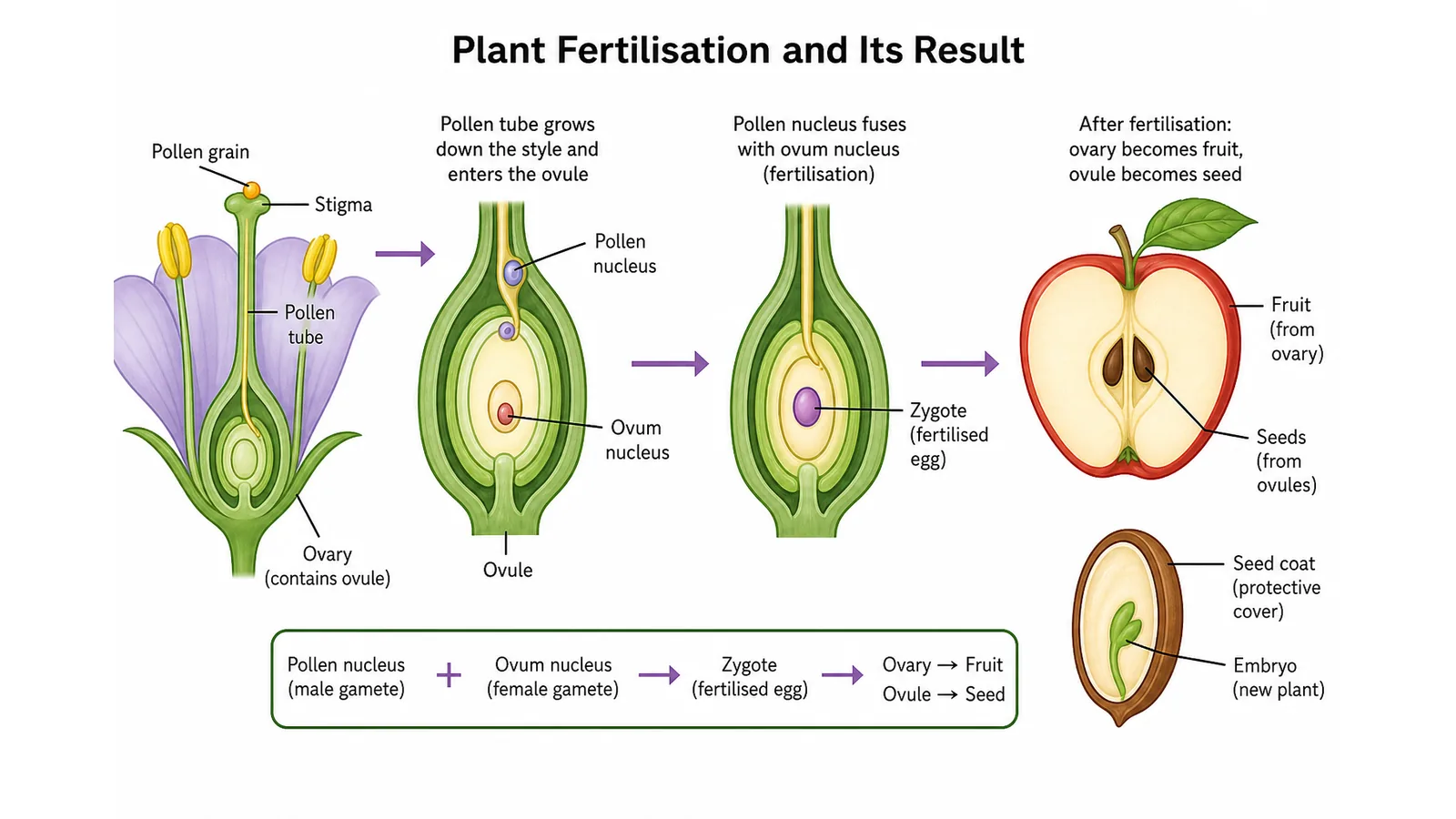
In flowering plants, pollen is transferred from an anther to a stigma (pollination); the pollen tube grows down the style, and the male gamete fuses with the egg cell in the ovule.
- causing secondary sexual characteristics and the production of gametes.
Section 6 of 9Sexual reproduction in the exam: linking ideas
Questions often ask you to combine meiosis with inheritance.
- Errors in meiosis, in which a pair fails to separate, can give gametes with an extra or missing chromosome;
- Down syndrome, with three copies of chromosome 21, is an example.
- which relies on the variation described above.
Section 7 of 9Exam-style questions



Explain why gametes are produced by meiosis rather than mitosis. [3]3 marks
Exam-style questions1. Meiosis halves the chromosome number, so gametes are haploid. [1]2. At fertilisation the diploid number is restored. [1]3. With mitosis the number would double each generation (and gametes would not be genetically different). [1]A couple have three daughters. What is the probability that their fourth child is a boy? Explain your answer. [2]2 marks
1. 50% (or 1 in 2 or 0.5). [1]
2. Each fertilisation is independent: half the sperm carry Y, and previous children do not affect it. [1]
Give two ways in which sexual reproduction produces genetic variation in offspring. [2]2 marks
1. Independent assortment of chromosomes in meiosis gives gametes with different combinations. [1]
2. Random fertilisation (any sperm with any egg) combines different alleles. [1]
Section 8 of 9Key terms
| Term | Meaning |
|---|---|
| Gamete | A sex cell, such as sperm or egg, with half the normal chromosome number. |
| Fertilisation | The fusion of a male and a female gamete. |
| Zygote | The cell formed by fertilisation. |
| Meiosis | Cell division producing four genetically different haploid gametes. |
| Mitosis | Cell division producing two genetically identical diploid cells. |
| Sex chromosomes | The pair of chromosomes that determine sex: XX female, XY male. |
| Independent assortment | Random distribution of chromosomes into gametes during meiosis. |
| Pollination | The transfer of pollen from an anther to a stigma. |