Section 1 of 9Cells: the basic unit of life


All living organisms are made of cells.
Section 2 of 9What makes a cell eukaryotic?

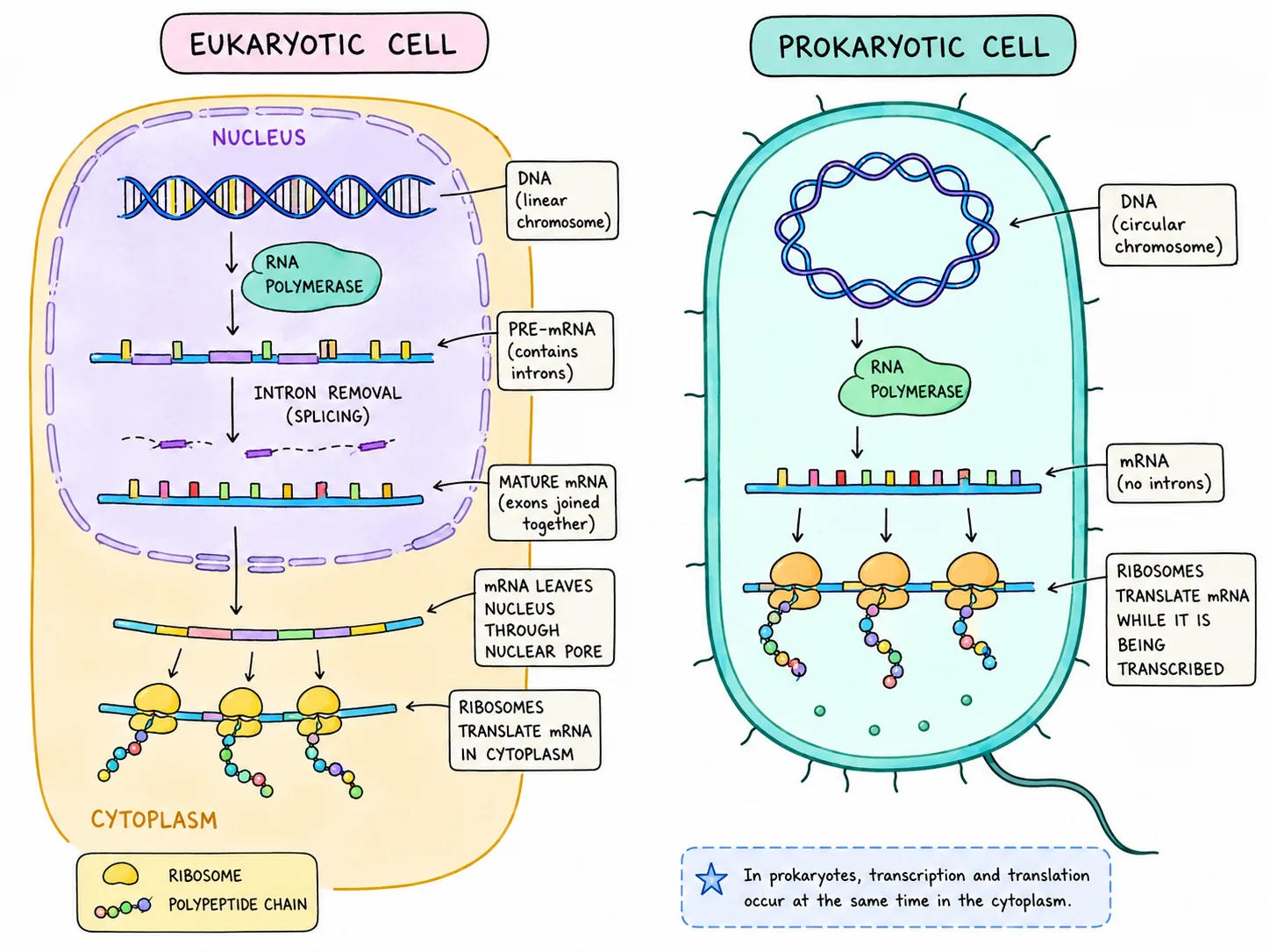
A eukaryotic cell has a nucleus that contains the genetic material, enclosed by a nuclear membrane.
Eukaryotic cells are generally larger than prokaryotic cells, typically 10 to 100 micrometres across.
The separate compartments make eukaryotic cells efficient.
Section 3 of 9The main groups of eukaryotes
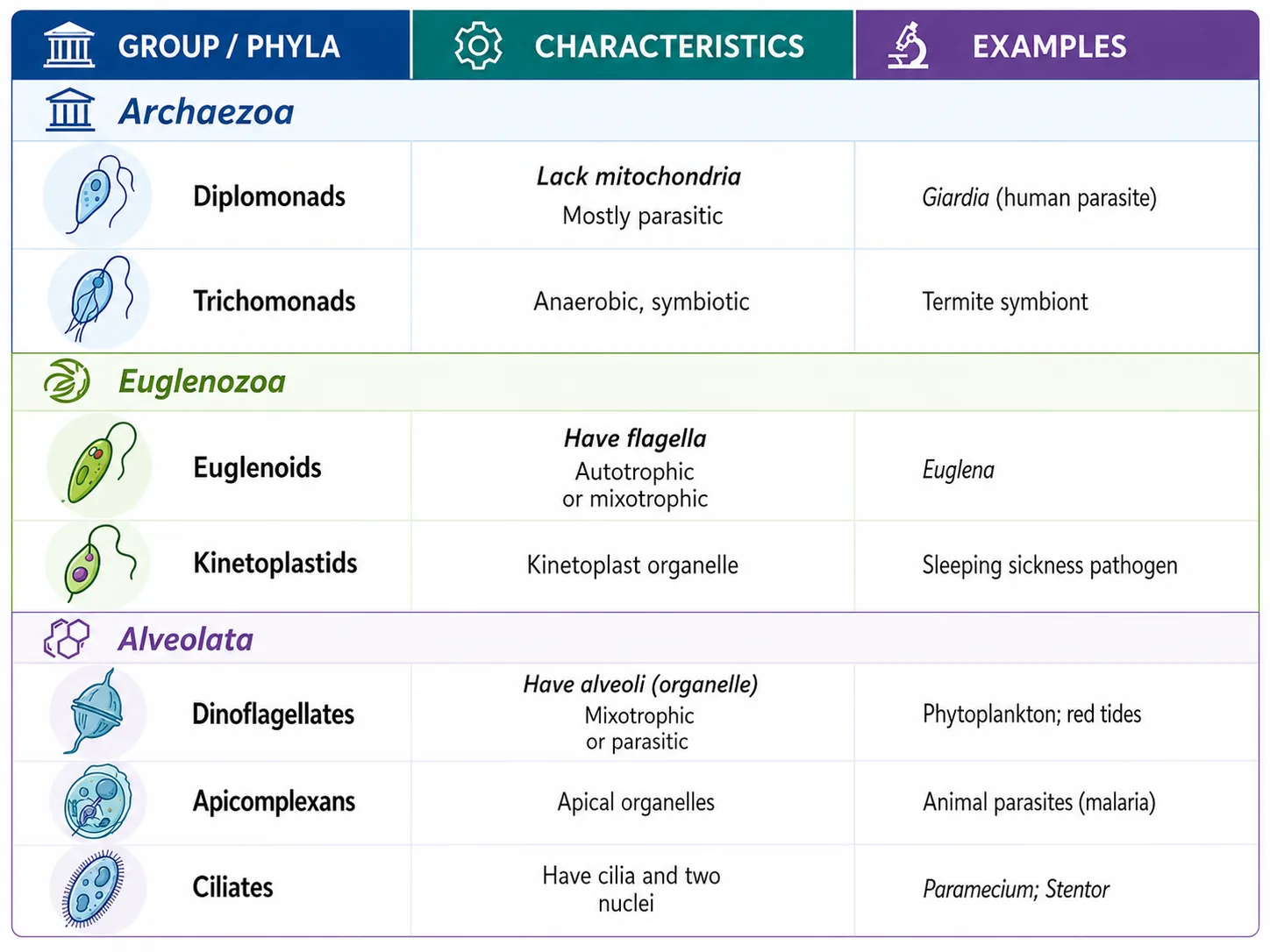
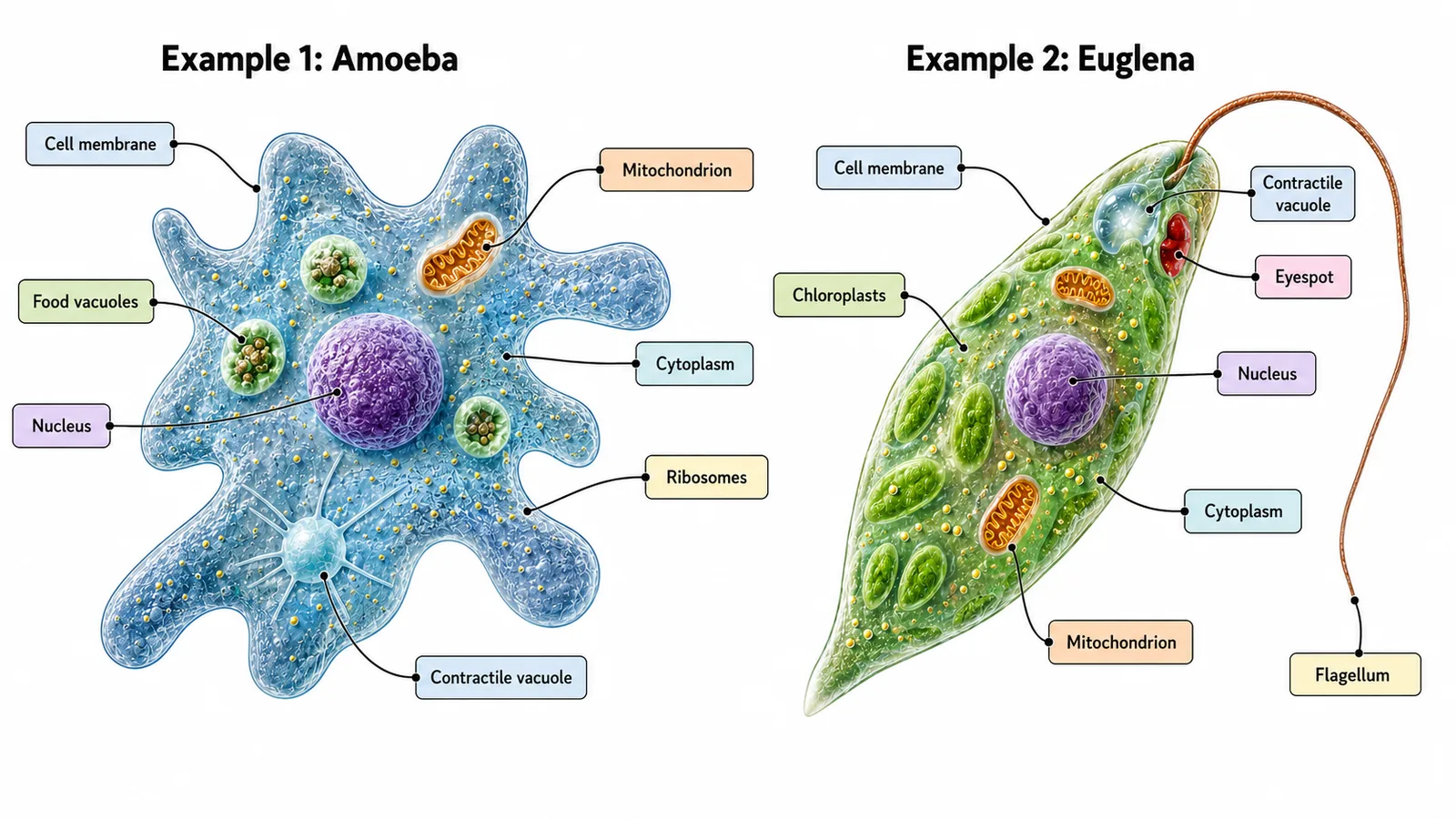
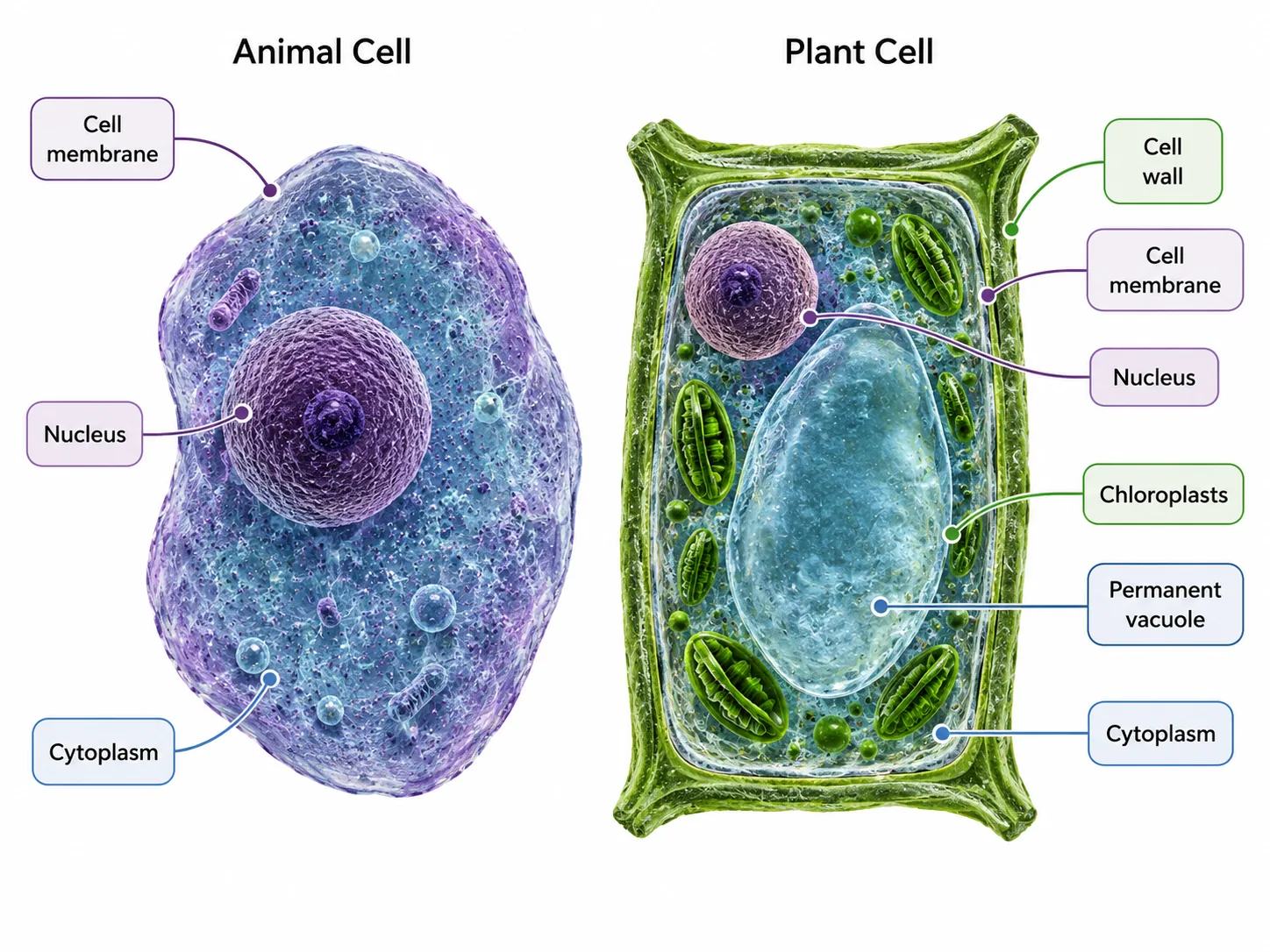

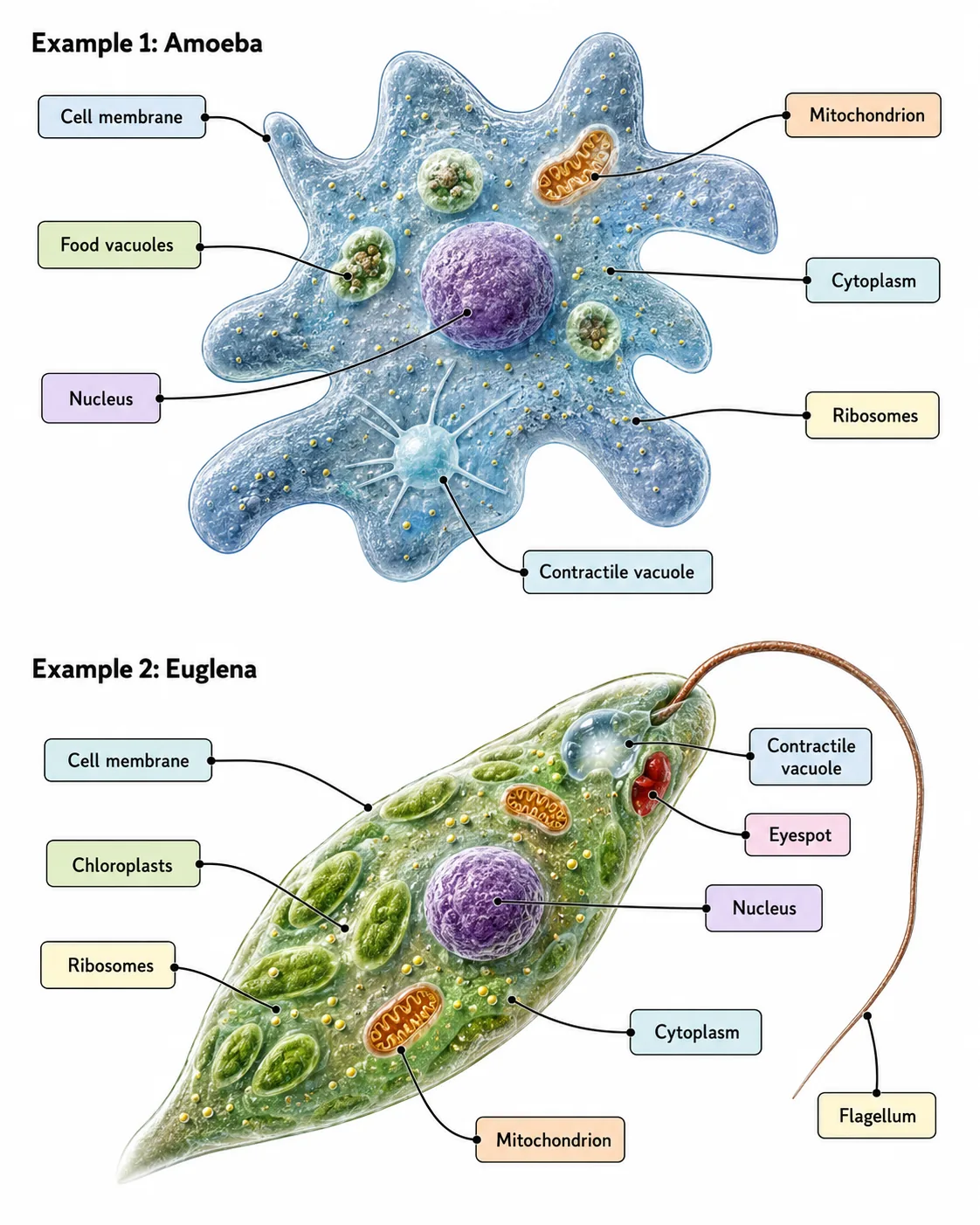
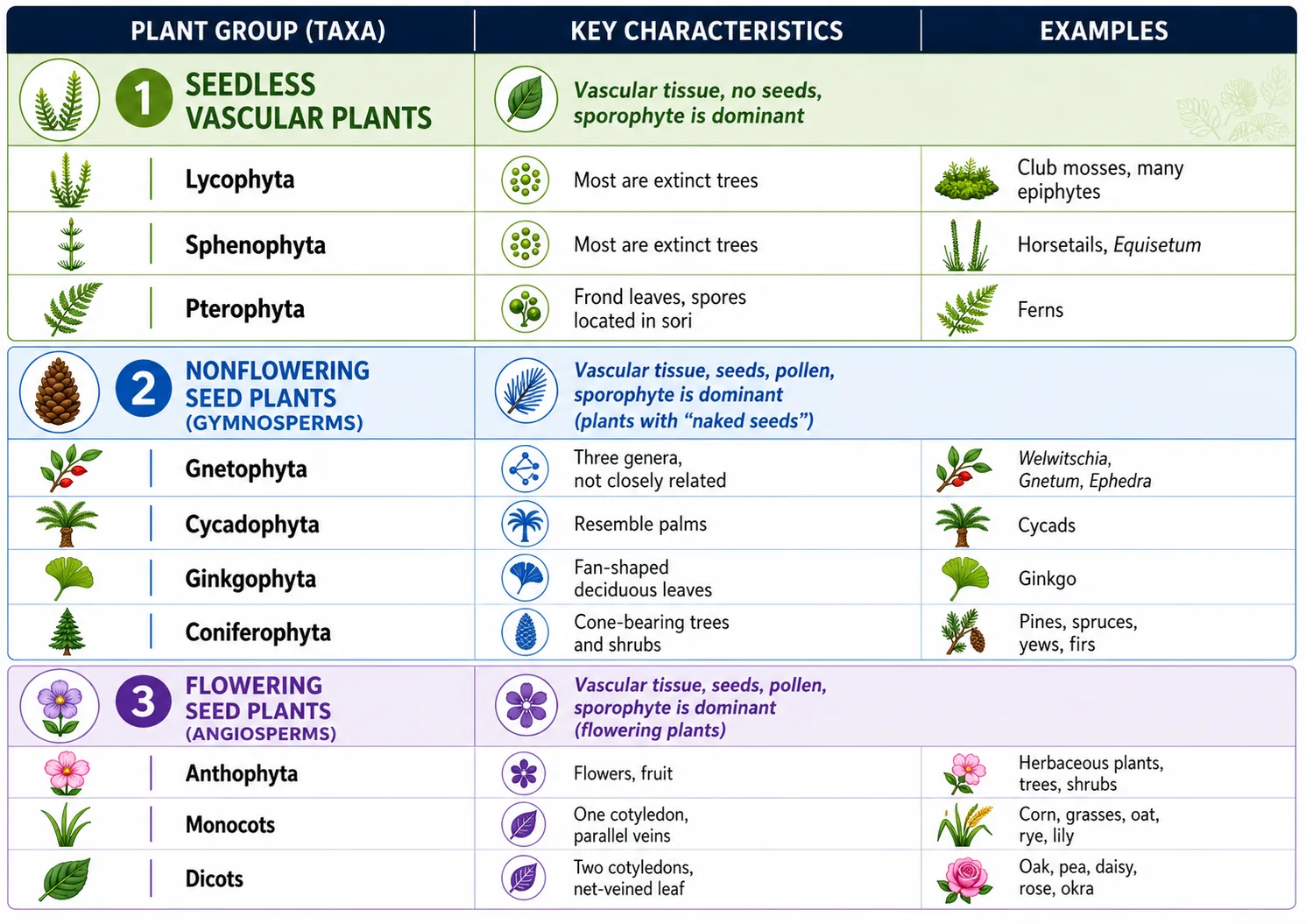
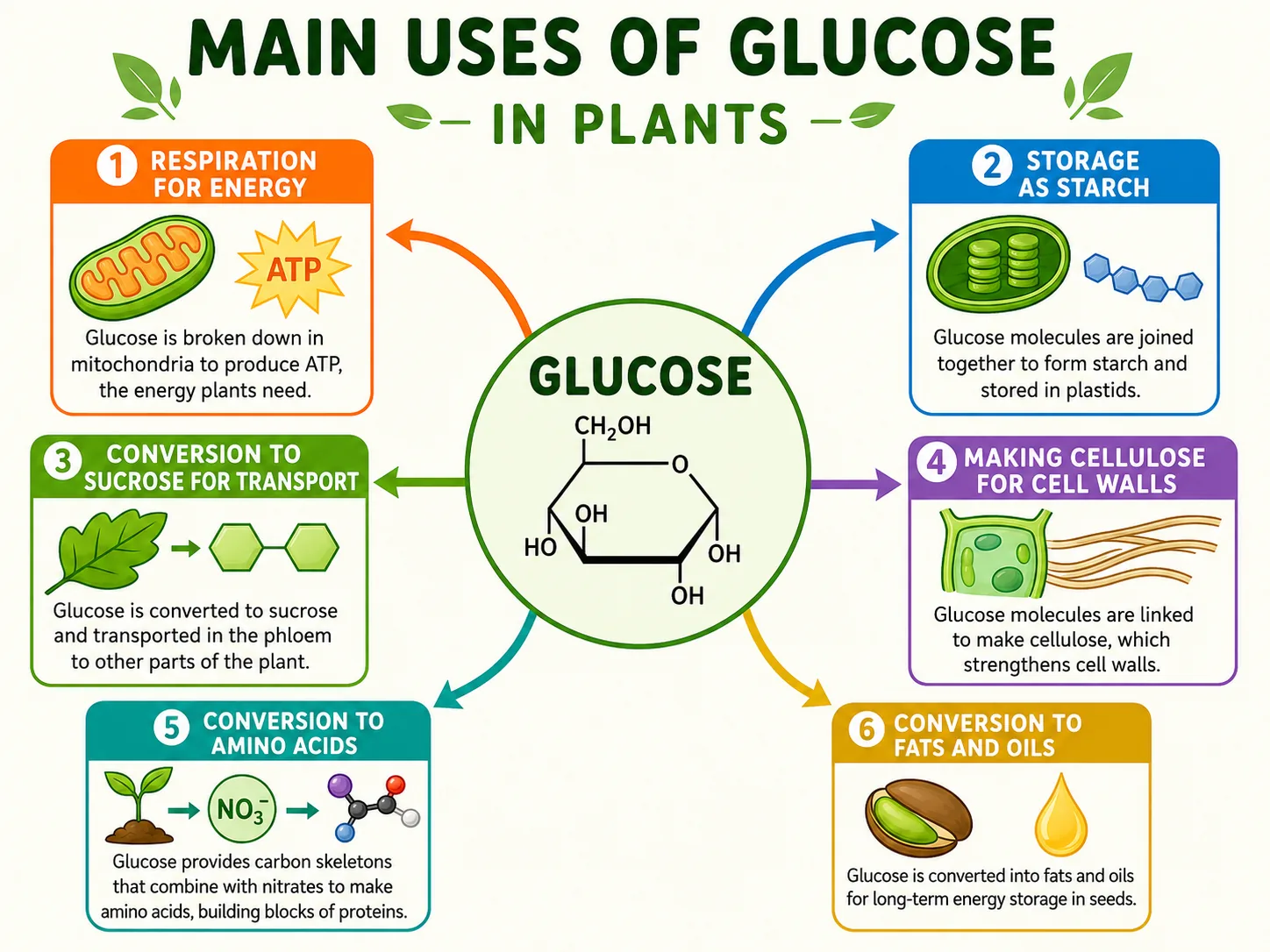
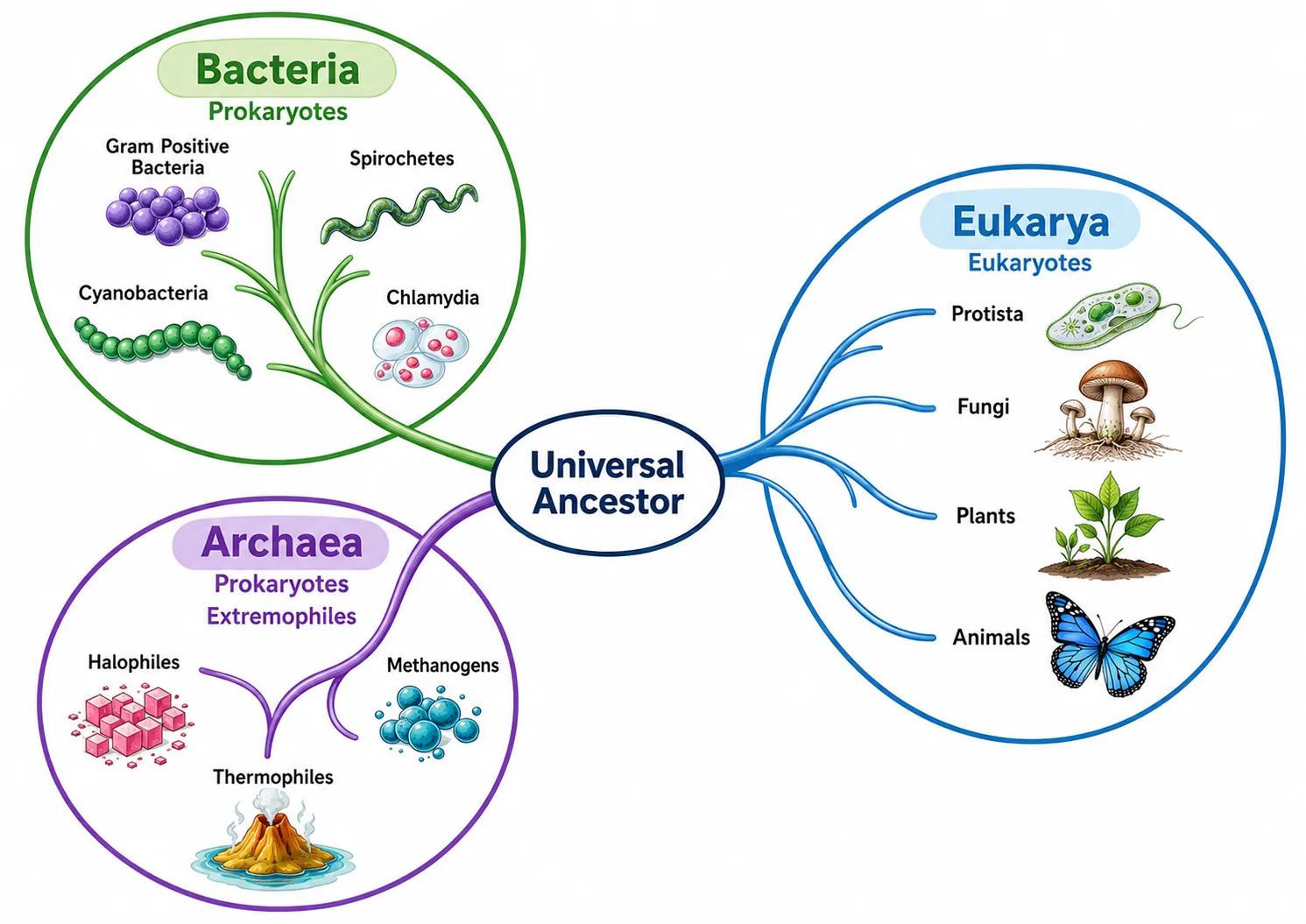
Organisms with eukaryotic cells include:
Fungi reproduce by spores, and many are saprotrophs: they secrete digestive enzymes onto dead material and absorb the soluble products, which makes them important decomposers.
Section 4 of 9Organelles common to eukaryotic cells




| Structure | Function |
|---|---|
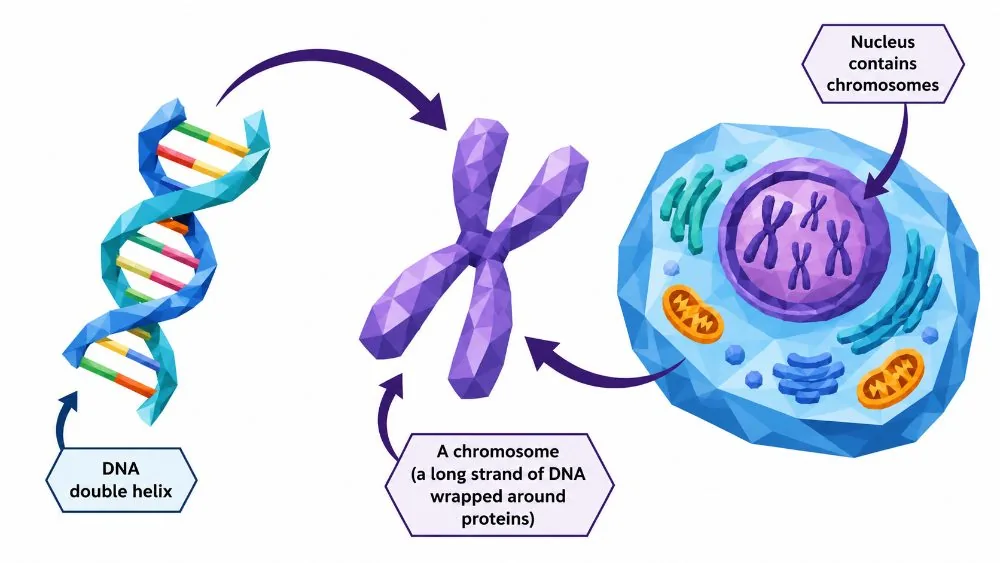
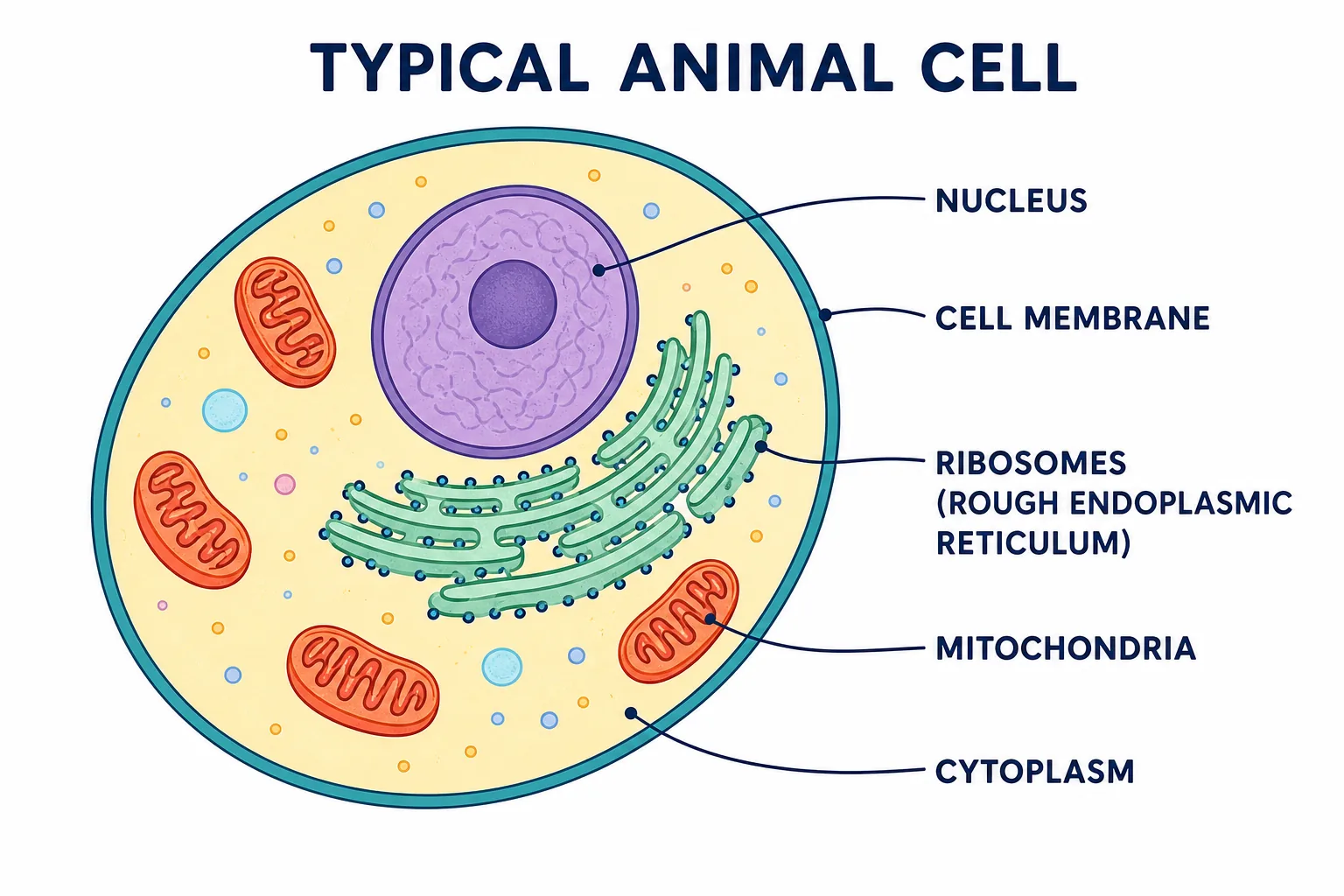
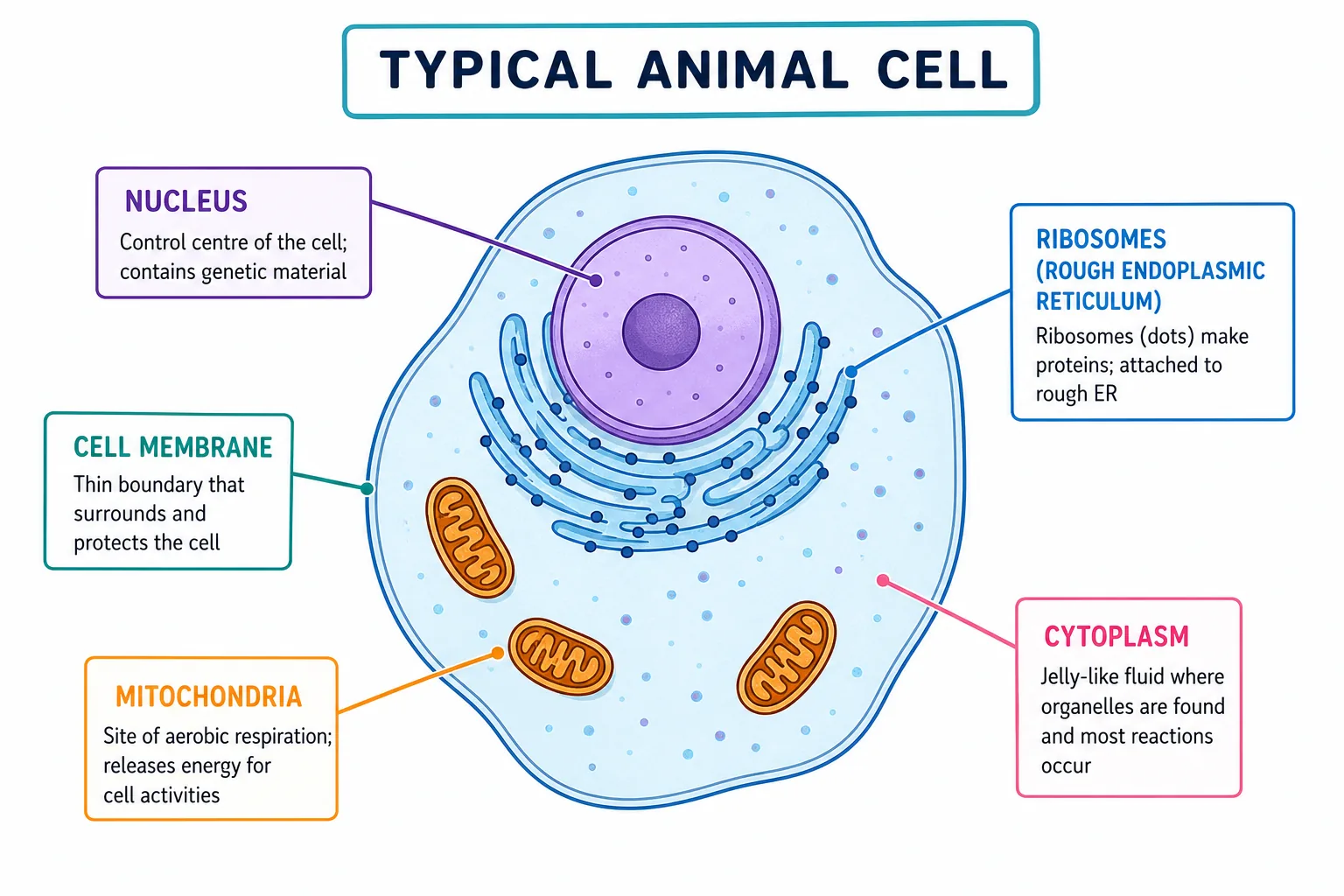
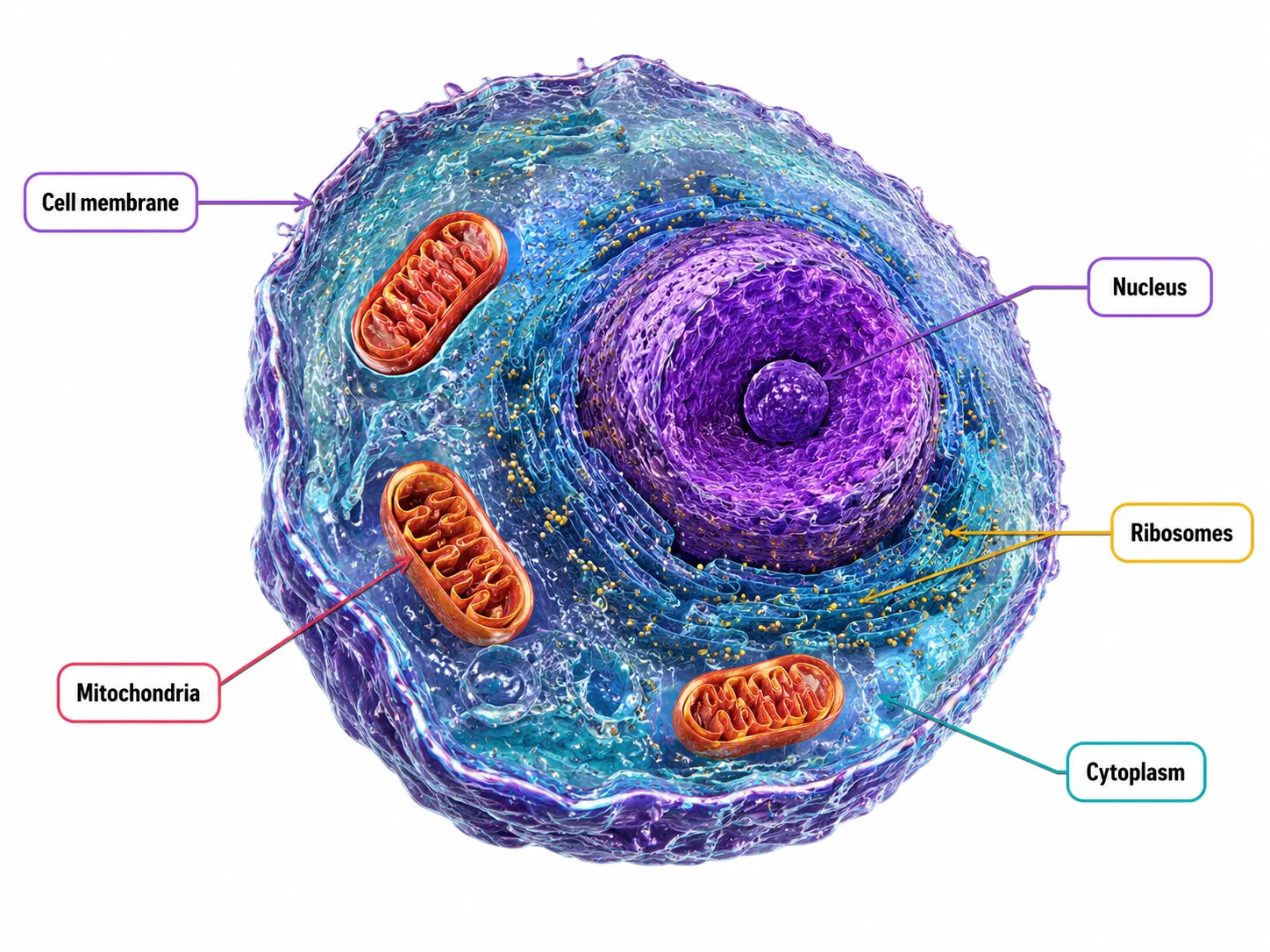
| Nucleus | Contains chromosomes of DNA; controls the activities of the cell |
| Cytoplasm | Where most chemical reactions take place |
| Cell membrane | Controls the passage of substances into and out of the cell |
| Mitochondria | Site of aerobic respiration, releasing energy |
| Ribosomes | Make proteins by translating genetic information |
The nucleus holds DNA in the form of chromosomes. The DNA carries genes, which are the instructions for making proteins. Mitochondria are very small and are found in large numbers in cells that need a lot of energy, such as muscle cells. Ribosomes are tiny structures in the cytoplasm that join amino acids in the right order to make proteins.
Section 5 of 9Sizes and comparison with other cells

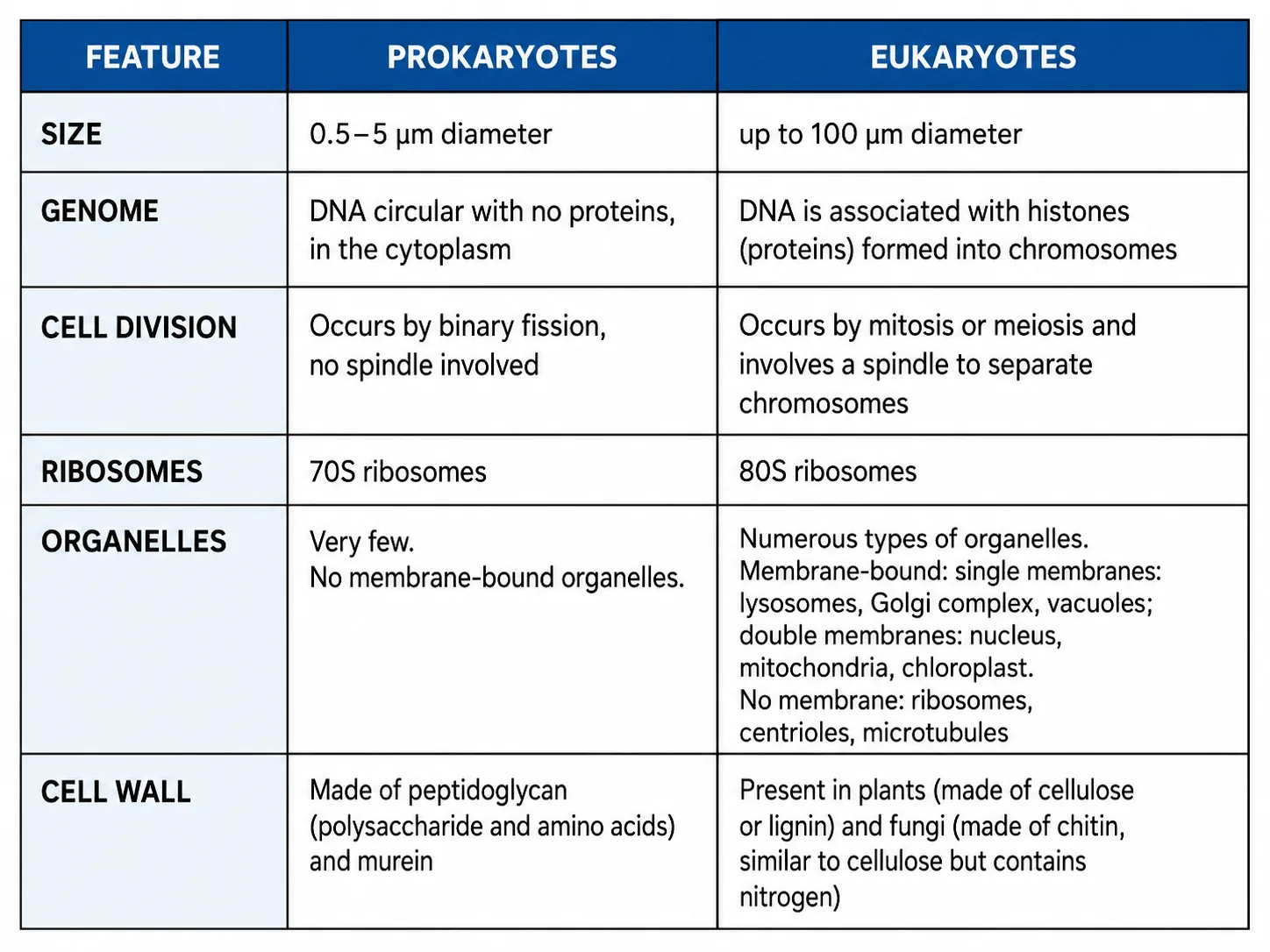
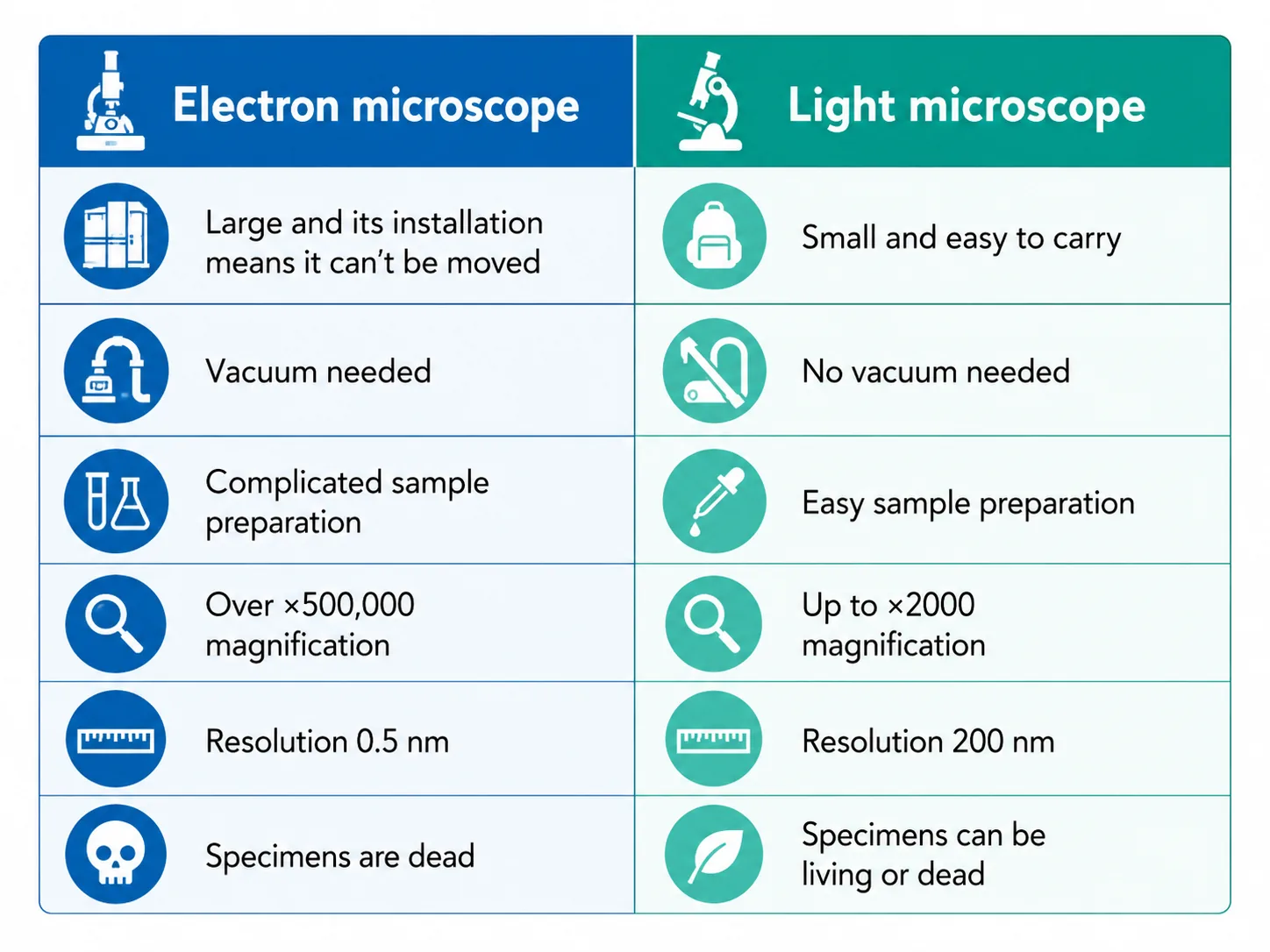


The diameter of a typical animal cell is around 20 micrometres. This is far too small to see with the naked eye, so we use microscopes. Differences between eukaryotes and prokaryotes are summarised here and developed in the lesson on prokaryotic organisms.
| Feature | Eukaryote | Prokaryote |
|---|---|---|
| Nucleus | Present | Absent; DNA free in cytoplasm |
| Membrane-bound organelles | Present | Absent |
| Size | Usually 10-100 micrometres | Usually 1-5 micrometres |
| Examples | Animals, plants, fungi, protists | Bacteria |
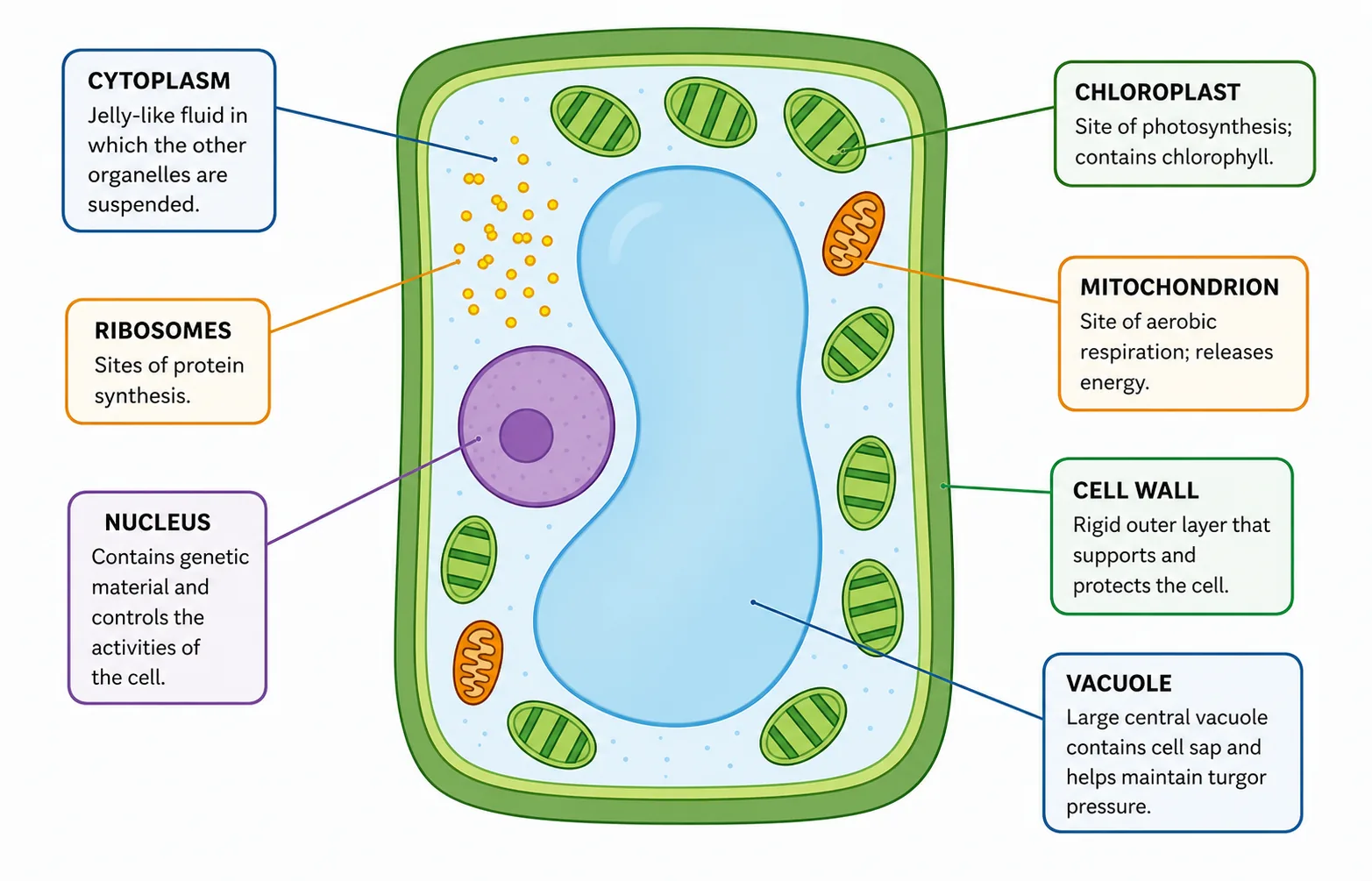
The differences between plant, animal and other eukaryotic cells reflect how each obtains energy and how it is supported.
Section 6 of 9Cells, tissues and organs
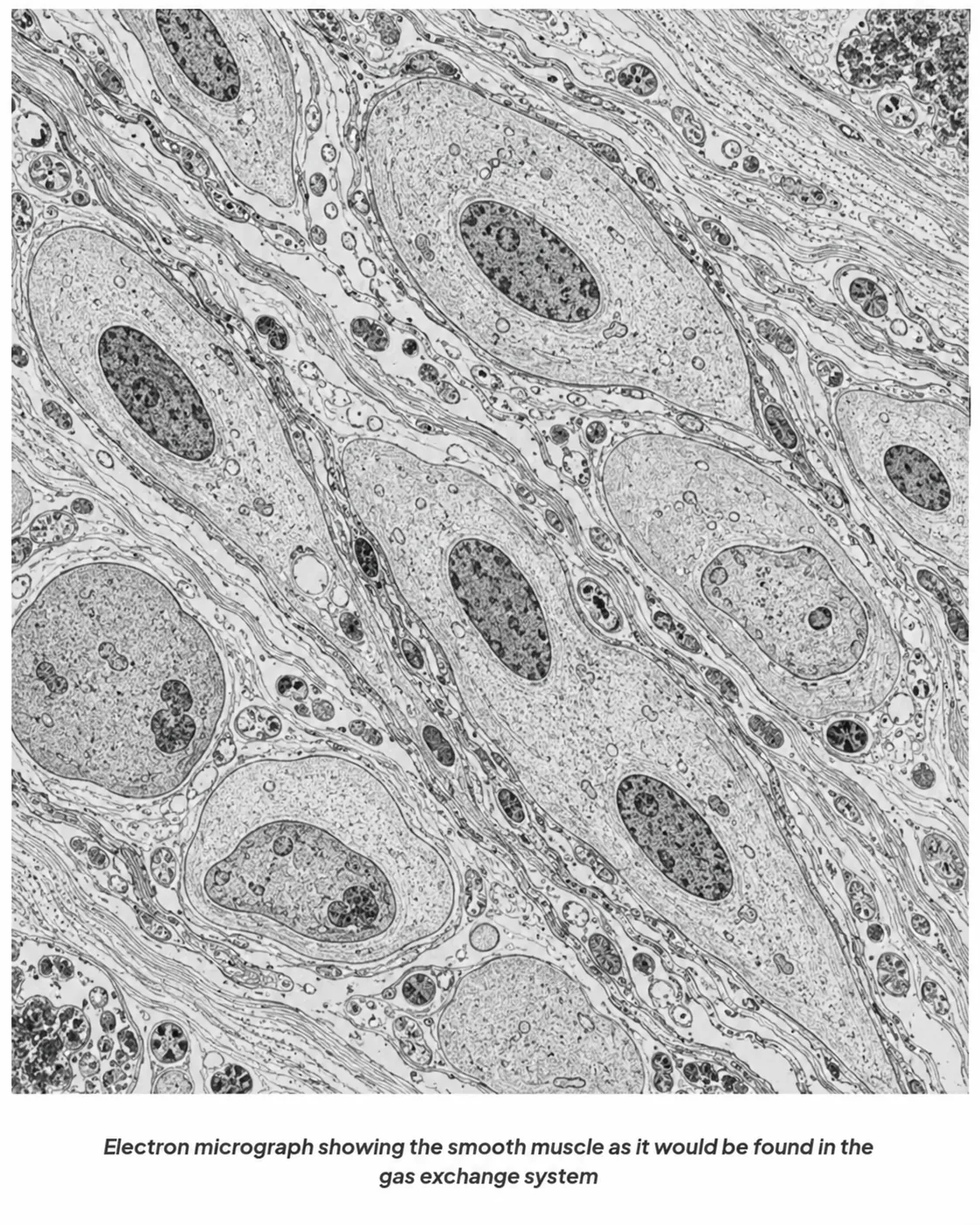
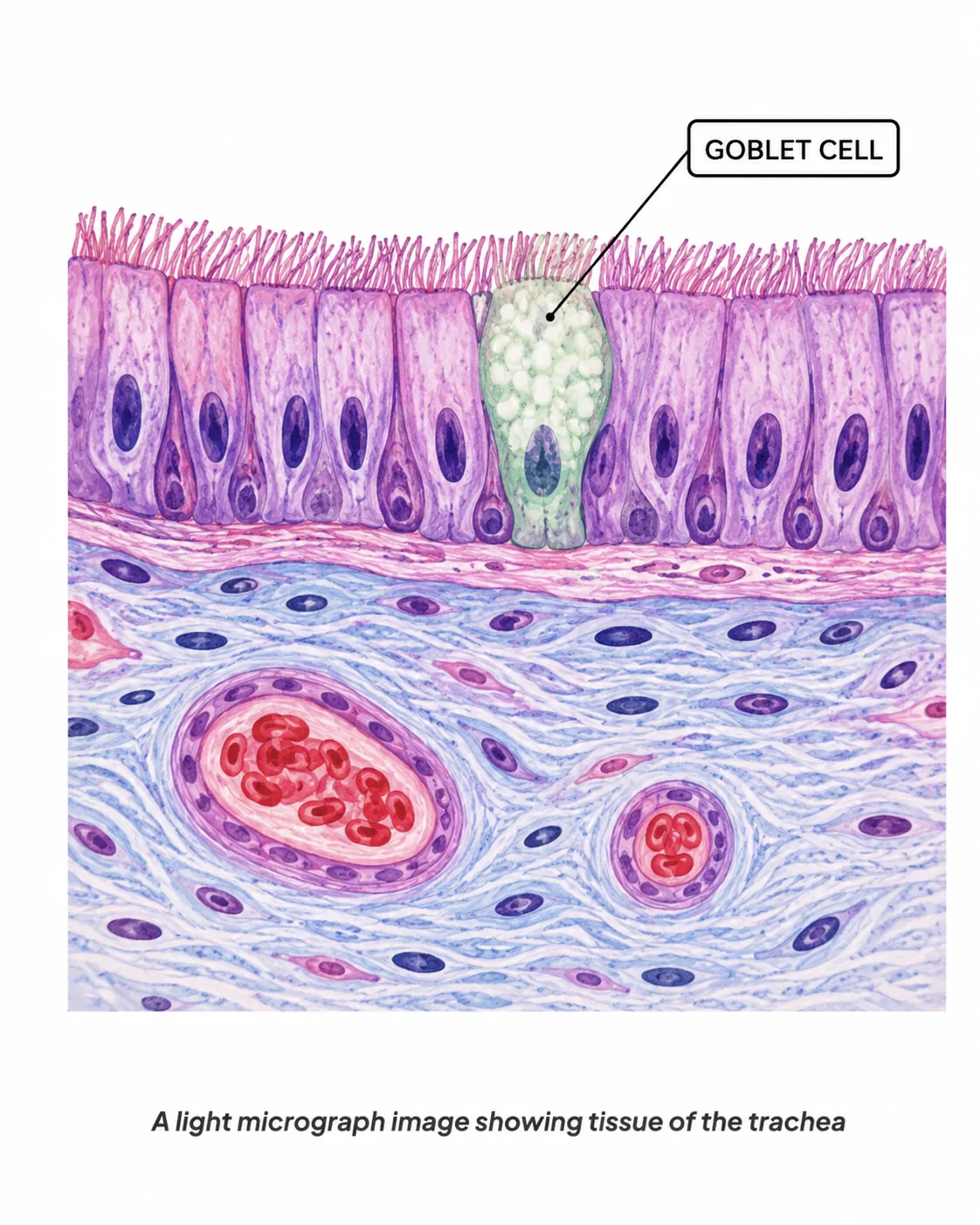
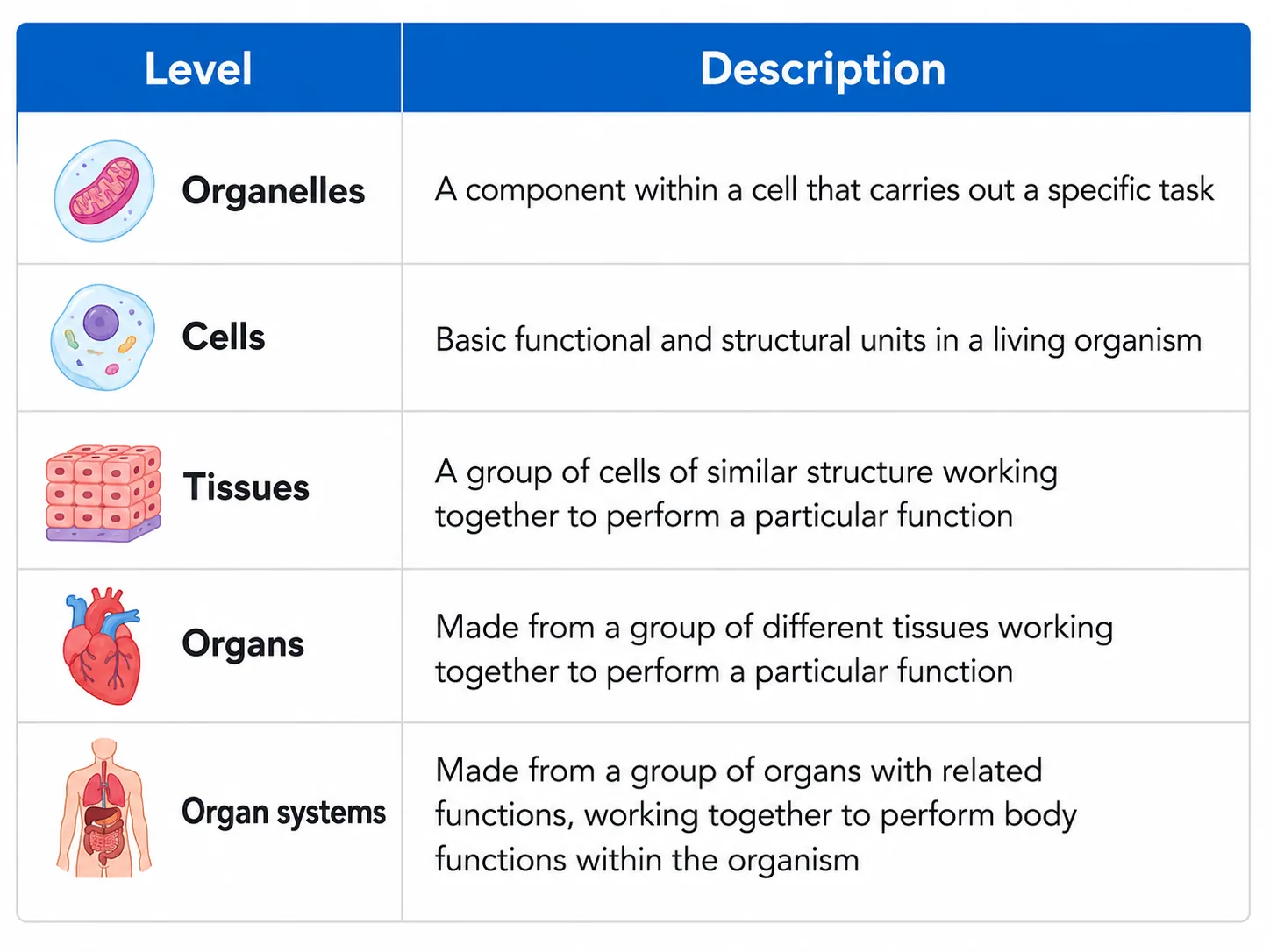
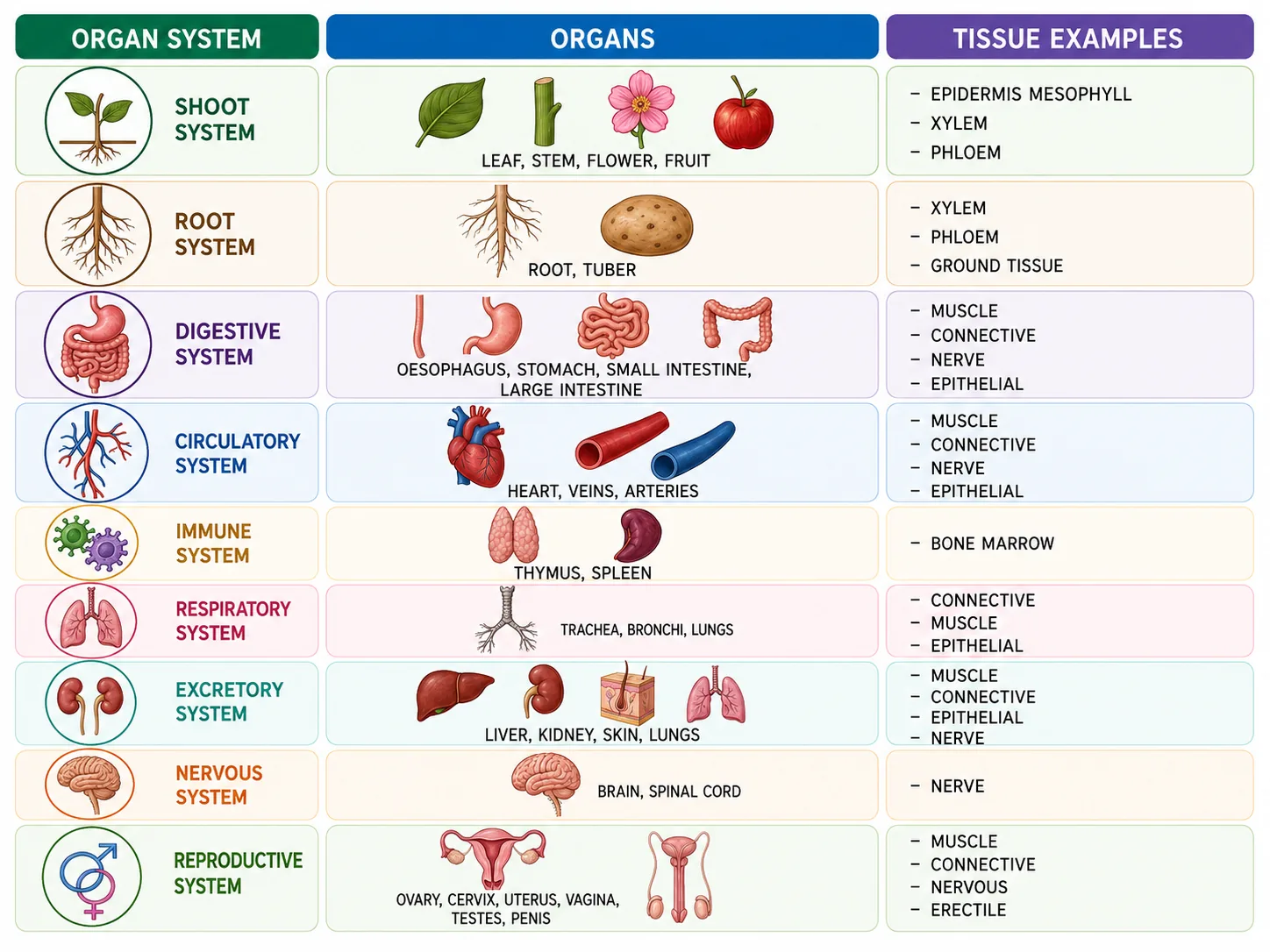
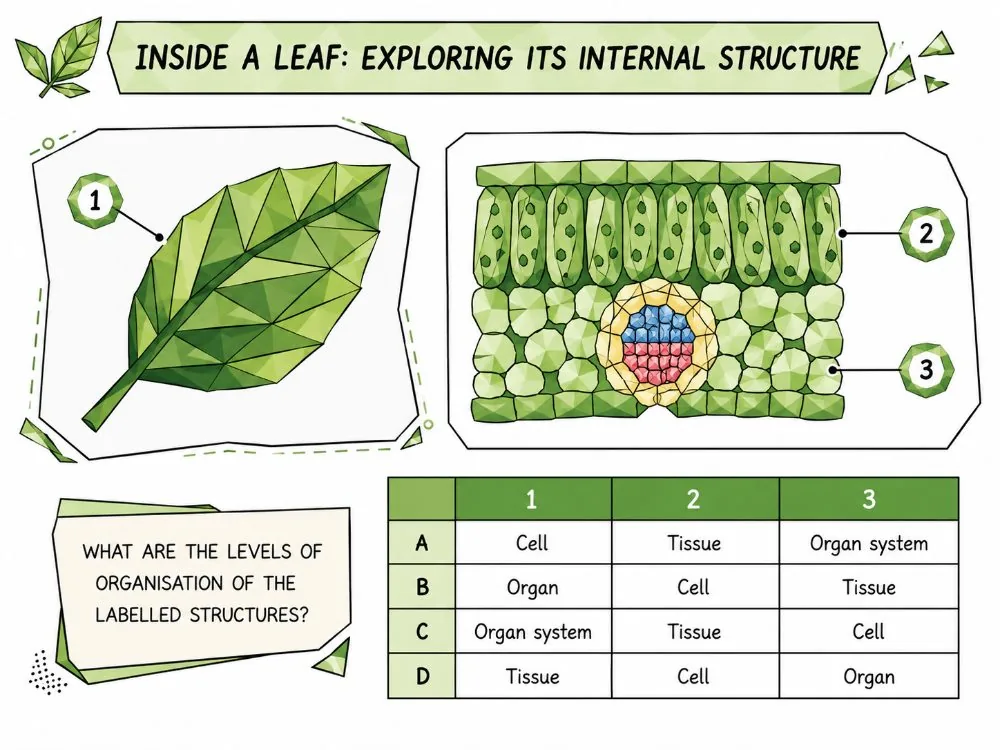
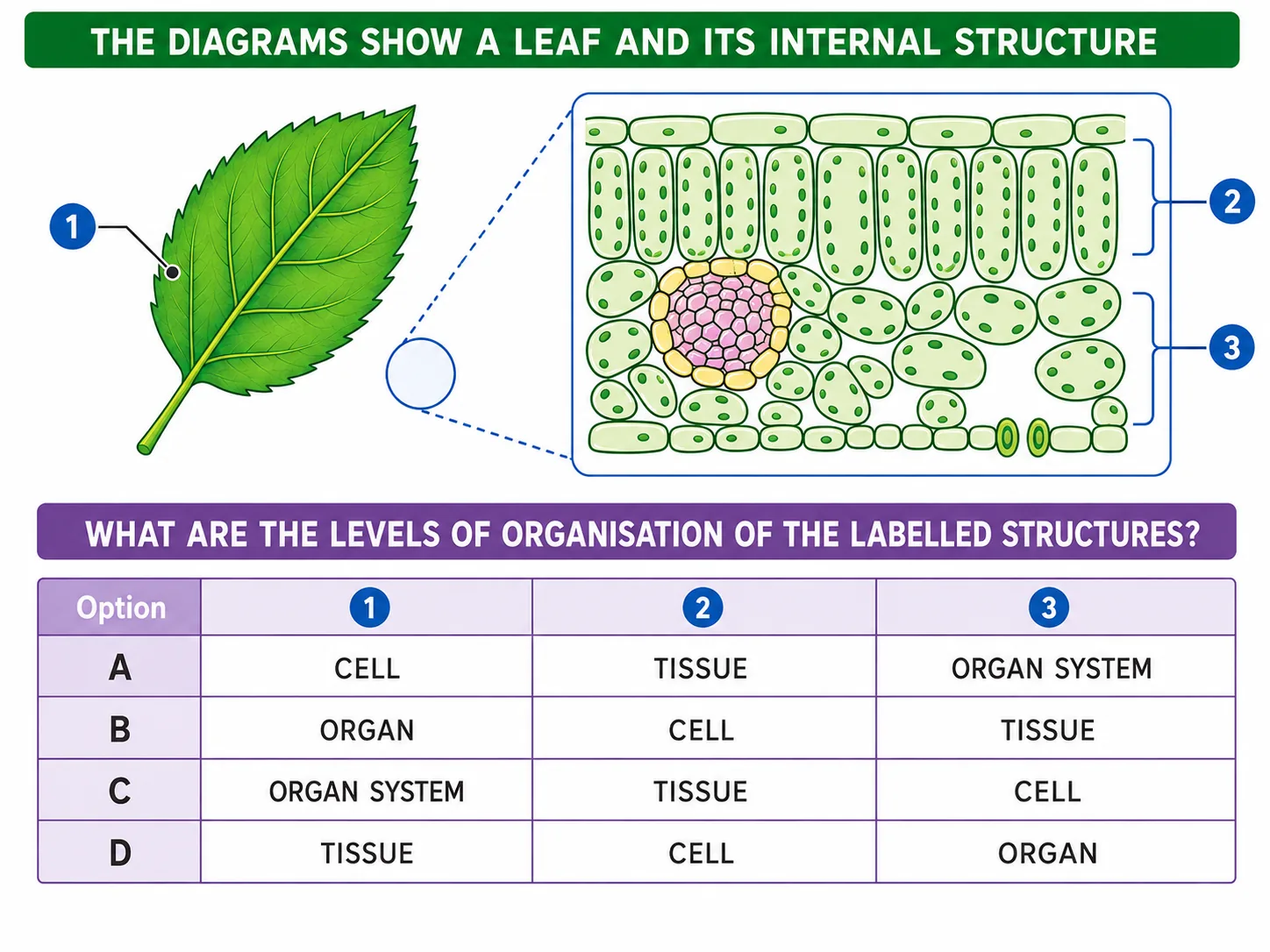
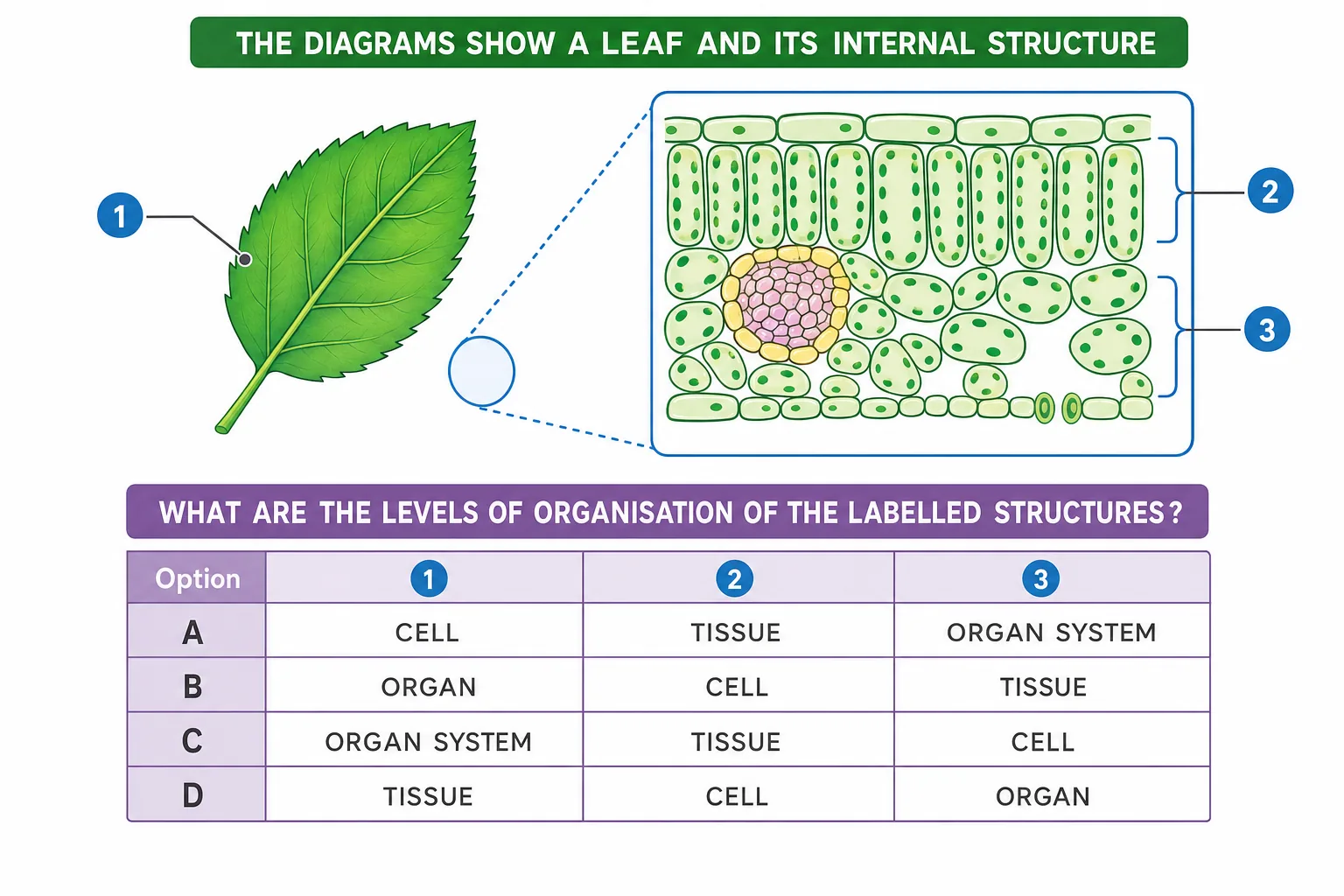
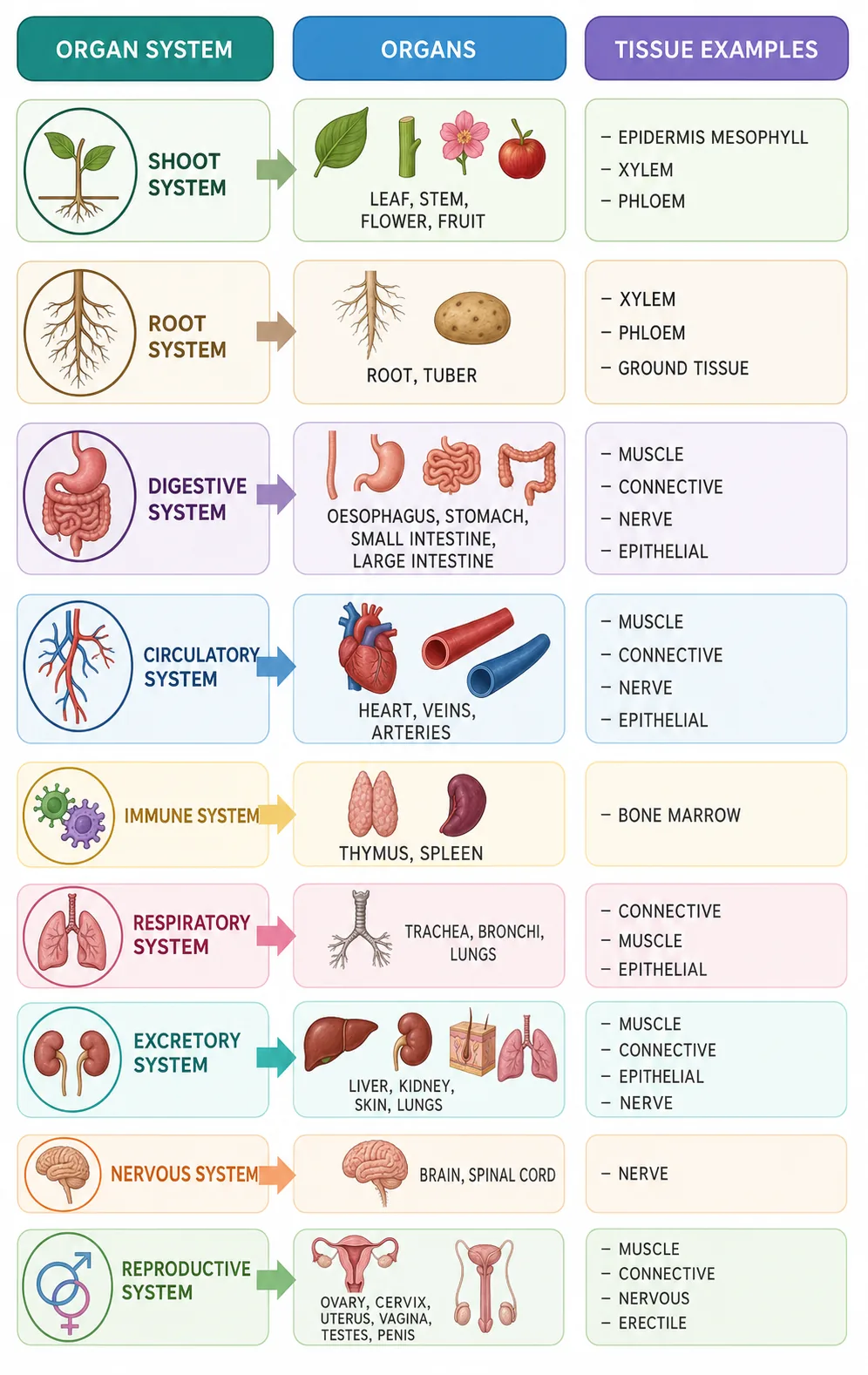
In multicellular eukaryotes, cells with similar structure and function form tissues, tissues combine to form organs, and organs working together form organ systems. This organisation lets cells specialise, so the whole organism is more efficient. The specialisation of cells is covered in a later lesson.
Section 7 of 9Exam-style questions


State two structures found in both a human cheek cell and a yeast cell. [2]2 marks
Any two: nucleus, cytoplasm, cell membrane, mitochondria, ribosomes [1 each].
Explain why muscle cells contain a large number of mitochondria. [3]3 marks
Muscle cells need a lot of energy for contraction [1]; mitochondria are the site of aerobic respiration [1]; so many mitochondria release energy (ATP) at a high rate [1].
Name the cell structure that controls the entry and exit of substances in an animal cell, and one that contains the genetic material. [2]2 marks
Cell membrane [1]; nucleus [1].
Section 8 of 9Key terms
| Term | Meaning |
|---|---|
| Eukaryote | An organism whose cells have a nucleus and other membrane-bound organelles. |
| Organelle | A specialised structure inside a cell with a particular function. |
| Nucleus | The organelle that contains the genetic material. |
| Mitochondrion | The organelle where aerobic respiration takes place. |
| Ribosome | A tiny structure where proteins are made. |
| Cytoplasm | The jelly-like substance in which cell reactions occur. |
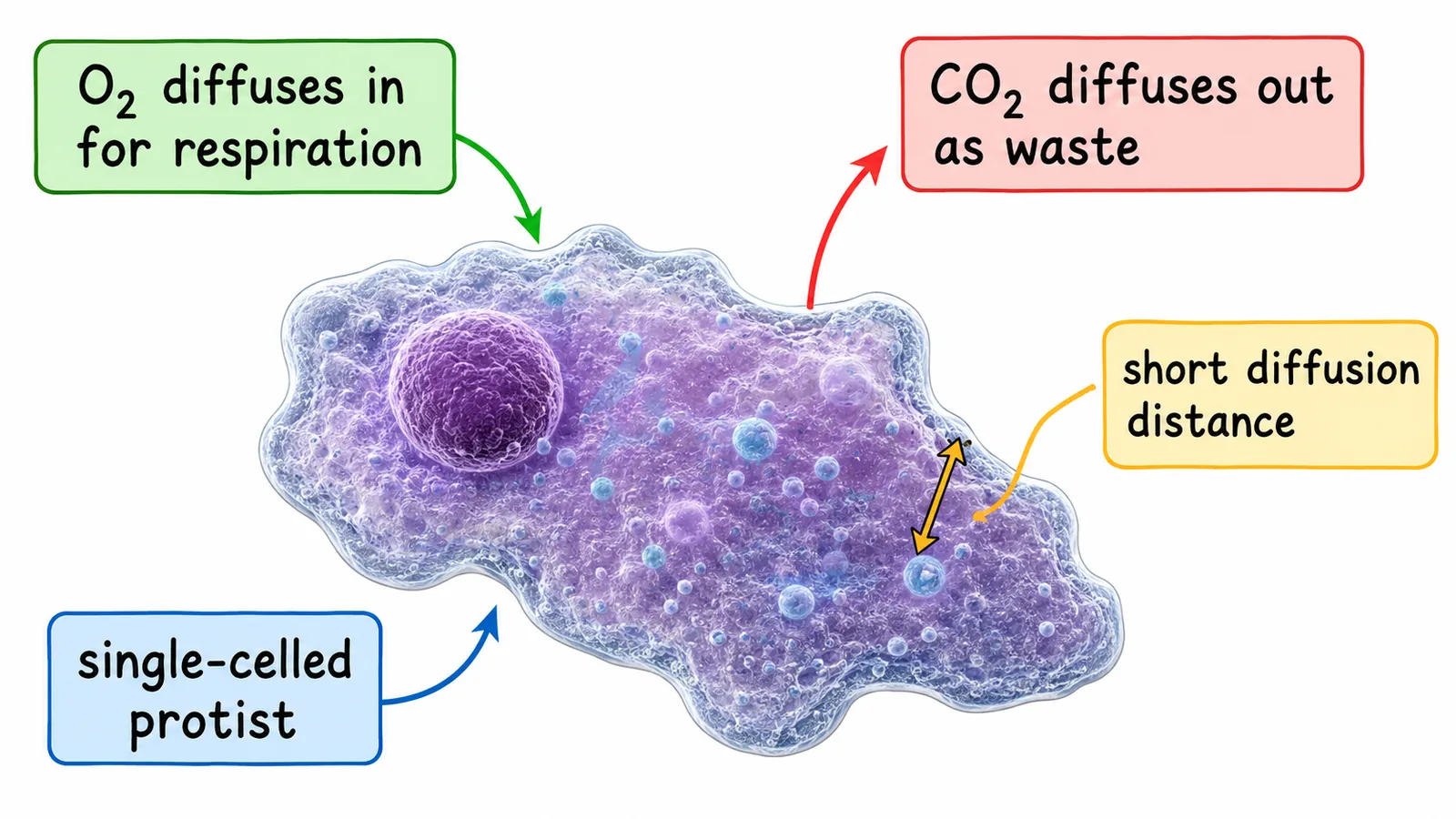
| Protist | A mostly single-celled eukaryote that is not an animal, plant or fungus. |