2.2.1Structure and Function in Living Organisms
Cell Structures
10 min read 8 parts Lesson 3 of 55 1 quiz
Section 1 of 8Cell Structures

- Plant cells also have a cellulose cell wall for support, chloroplasts for photosynthesis and a vacuole containing cell sap.
Section 2 of 8Process & sequence

- A zygote divides by mitosis to form a ball of identical unspecialised cells.
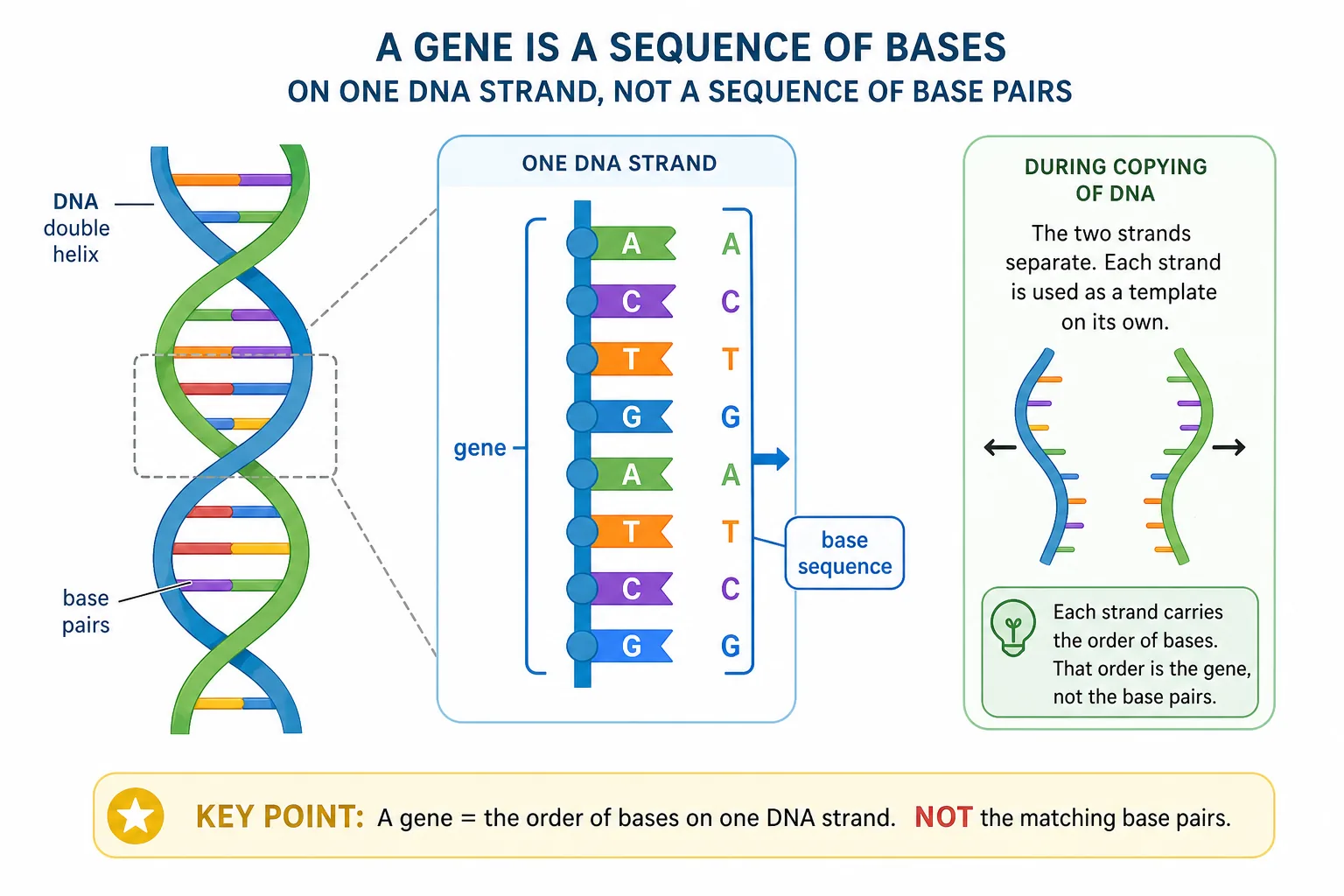
- Cells receive signals that switch particular genes on or off.
- Only certain genes are expressed, so specific proteins are made.
- The cell changes shape and gains structures suited to its function.
- Specialised cells group into tissues, then organs.
From stem cell to organwrite these steps in this order; each step is a marking point.
- Unspecialised stem cell
- Genes switched on or off
- Specialised cell forms
- Cells form tissue
- Tissues form organ
Section 3 of 8Compare
| Structure | Animal cell | Plant cell |
|---|---|---|
| Nucleus, cytoplasm, membrane | Yes | Yes |
| Mitochondria and ribosomes | Yes | Yes |
| Cellulose cell wall | No | Yes |
| Chloroplasts | No | Yes (in green parts) |
| Large permanent vacuole | No (small temporary vacuoles only) | Yes |
| Source | Can form | Issues |
|---|---|---|
| Embryonic stem cells | Almost any cell type | Ethical objections; risk of rejection |
| Adult stem cells (e.g. bone marrow) | Limited range of cell types | Fewer ethical issues; limited use |
| Plant meristems | Any plant cell type | Used for cloning plants |
Section 4 of 8Worked examples
- Root hair cells are underground and receive no light, so they cannot photosynthesise.
- The genes for chloroplast development are not expressed, as the cell has differentiated to absorb water and minerals instead.
Give one argument for and one against using embryonic stem cells to treat paralysis.
- For: embryonic stem cells can differentiate into nerve cells, which could replace damaged cells and restore movement.
- Againstthe embryo is destroyed, which many people think is unethical, and there is a risk of tumour formation or rejection.
Section 5 of 8Keep going
Cell Structure Edexcel IGCSE Biology 4BI1: what to do next
These Cell Structure Edexcel IGCSE Biology 4BI1 notes covered the key ideas, worked examples and exam technique for this topic. Check your Cell Structure Edexcel IGCSE Biology 4BI1 understanding with the practice questions below, then reread any Cell Structure Edexcel IGCSE Biology 4BI1 point you were unsure about before moving on.
Cell Structure Edexcel IGCSE Biology 4BI1: revision checklist
- Revise the main Cell Structure Edexcel IGCSE Biology 4BI1 definitions until you can write them from memory.
- Practise Cell Structure Edexcel IGCSE Biology 4BI1 exam questions under timed conditions.
- Practice: Cell Structure Edexcel IGCSE Biology 4BI1 practice questions
- Previous lesson: 2.1 Levels of Organisation — Notes
- Next lesson: 2.3 Biological Molecules — Notes
- Course: Edexcel International Gcse Biology 4BI1 — all units
- Official syllabus: Pearson Edexcel International GCSEs
Section 6 of 8Key terms
Section 7 of 8Command terms
Section 8 of 8Exam technique
Keywords the mark scheme looks for in this lesson
How to get full marks (examiner guidance)
Marked practiceQuizzes for this lesson
Magnification Triangle & Unit Conversion
Formula: M = I / A ⇔ A = I / M ⇔ I = M × A
Units: 1 mm = 1,000 μm = 1,000,000 nm.
Rule: Convert Image size (ruler mm) to μm by ×1,000 before dividing by Actual size.