3.2.10Reproduction and Inheritance
Random Fertilisation and Genetic Variation
5 min read 6 parts Lesson 23 of 28 Unit quiz
Section 1 of 6Variation before fertilisation
Gametes are all different
- Gametes are all different Gametes are made by meiosis, which shuffles the alleles so that each sperm or egg carries a different combination.
- An individual therefore produces a huge range of genetically different gametes, not copies of one another.
Half the genetic material
- Half the genetic material Each gamete contains only one of each pair of chromosomes, so it carries one allele for every gene.
Section 2 of 6How random fertilisation adds variation

1Many different gametes
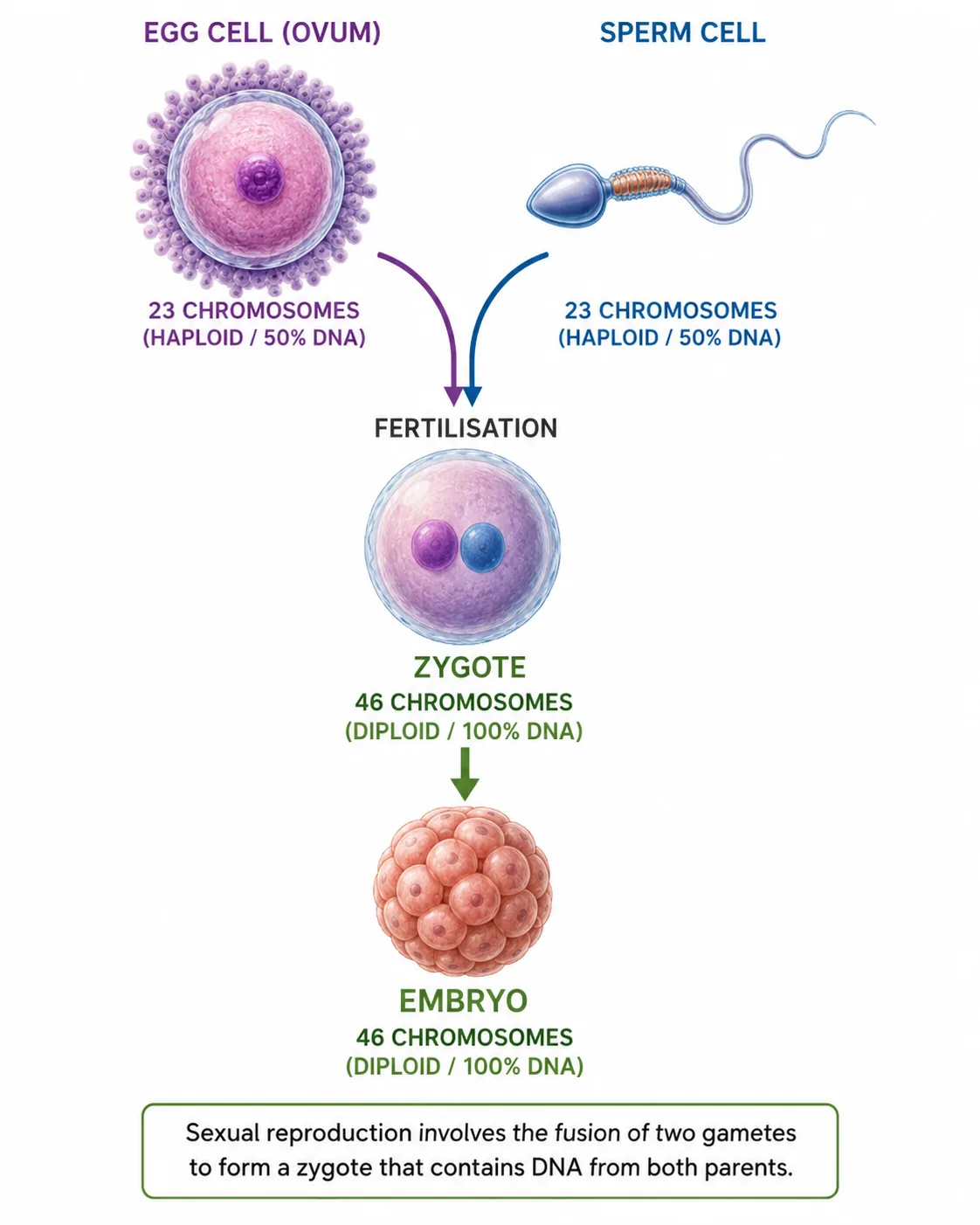
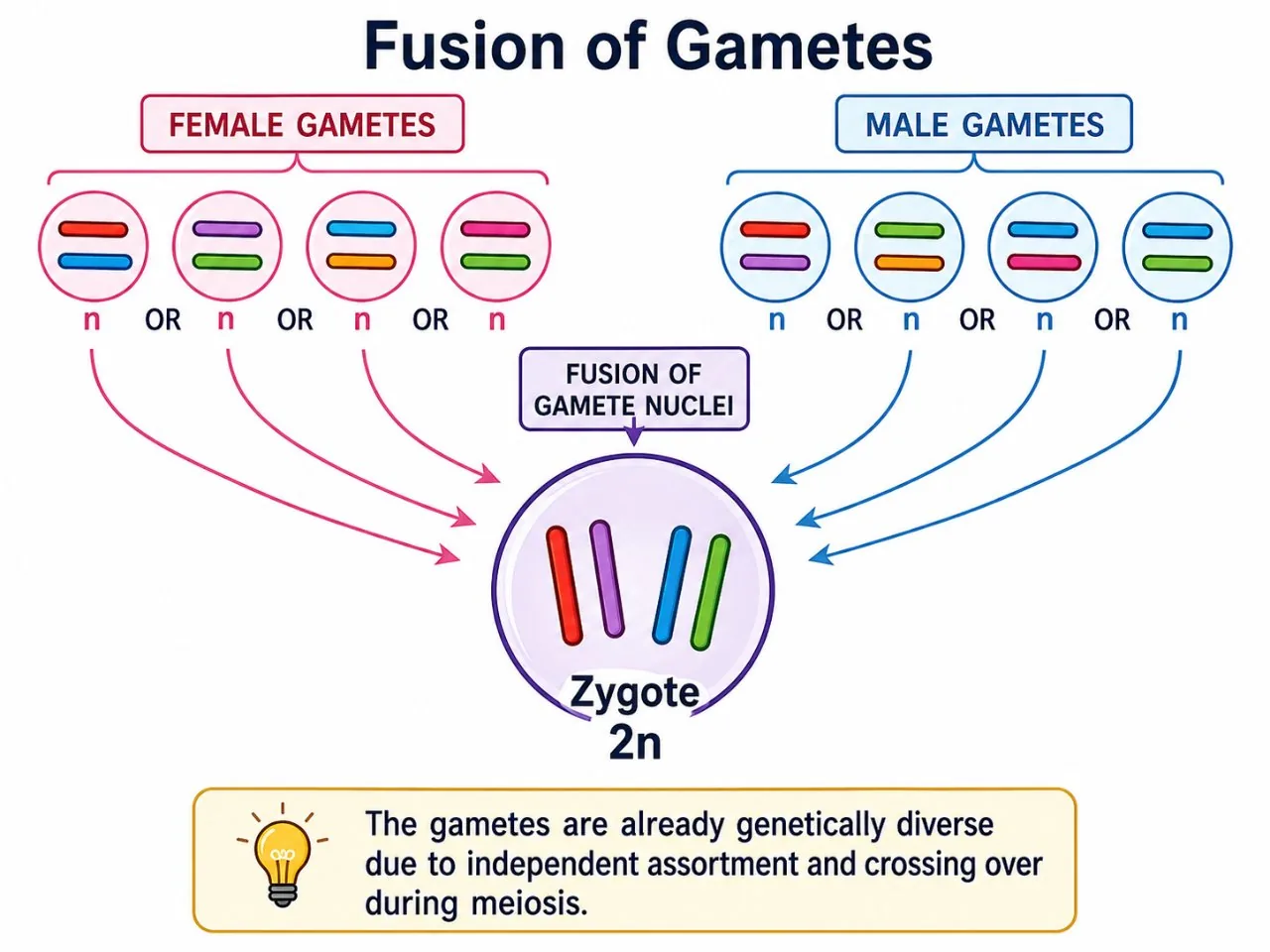
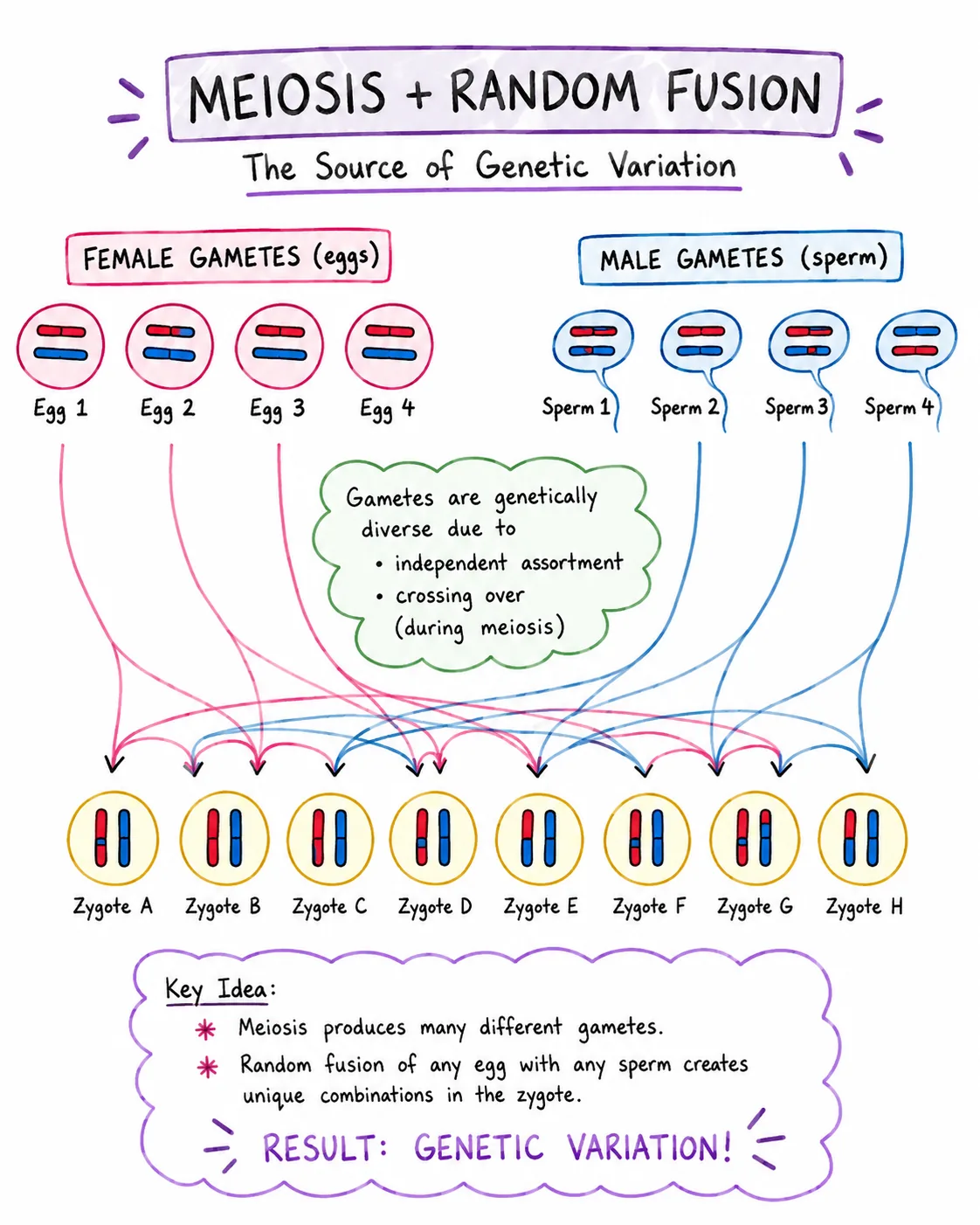
- Many different gametes Each parent releases gametes carrying different allele combinations.
2Chance meeting
- Chance meeting Which sperm reaches and fuses with which egg is a matter of chance.
- Any male gamete can fuse with any female gamete.
3Zygote formed
- Zygote formed The fused nucleus gives a zygote with a new, unique combination of alleles, half from each parent.
4Unique offspring
- Unique offspring The zygote divides by mitosis and develops into an adult.
- Different fertilisations give siblings who are genetically different from each other.
Section 3 of 6Inherited variation in humans


| Characteristic | Different forms | Controlled by |
|---|---|---|
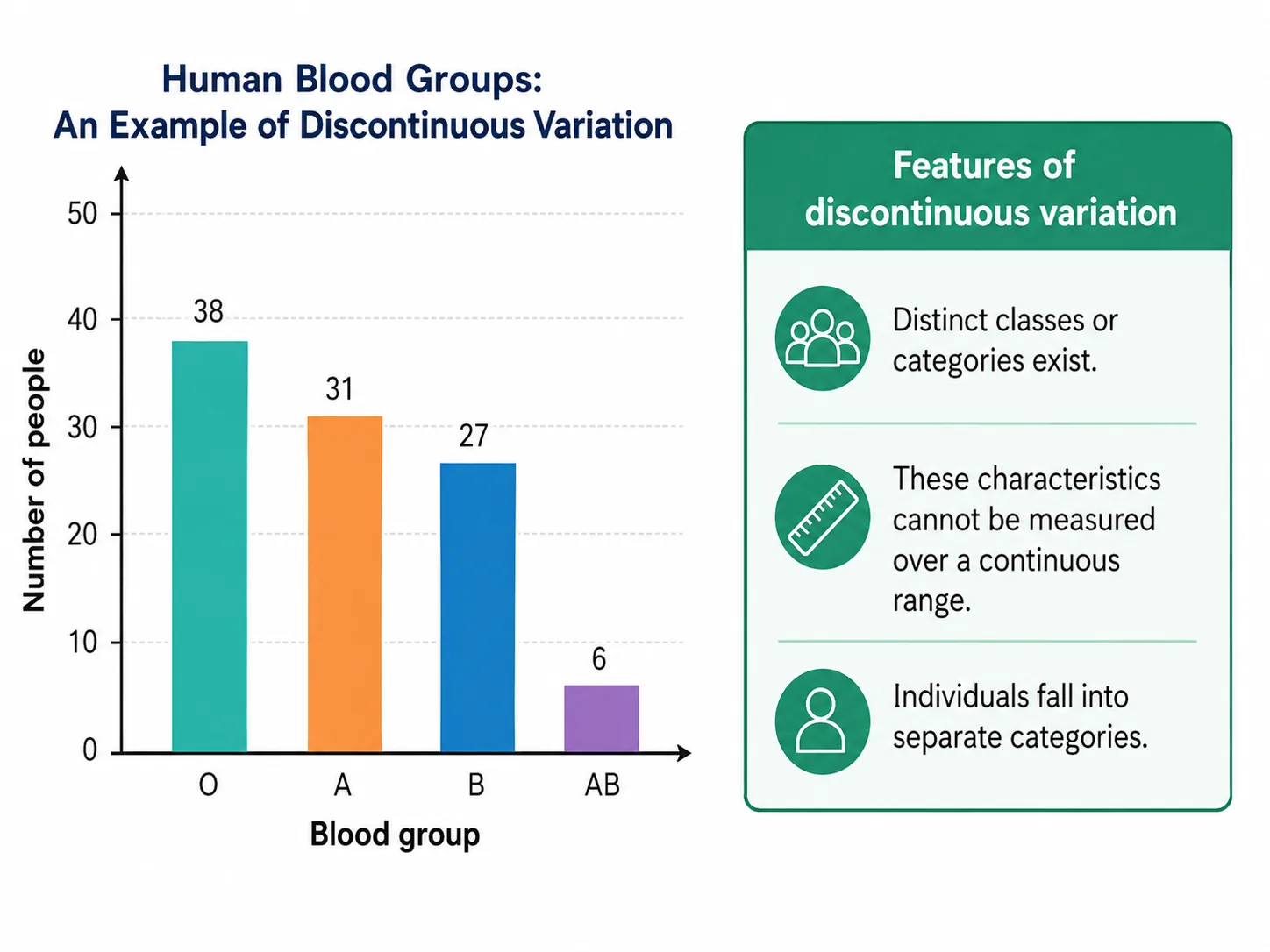
| Blood group | A, B, AB or O | Alleles of a single gene |
| Eye colour | Brown, blue, green and so on | Genes inherited from both parents |
| Tongue rolling | Can or cannot roll the tongue | Alleles inherited from the parents |
| Earlobes | Free (lobed) or attached (lobeless) | Alleles inherited from the parents |
Section 4 of 6Why this matters

Siblings are not identical
- Siblings are not identical Because the parents' gametes and the pairing of gametes both vary, brothers and sisters differ in their genes, apart from identical twins who come from a single zygote.
Variation in a population
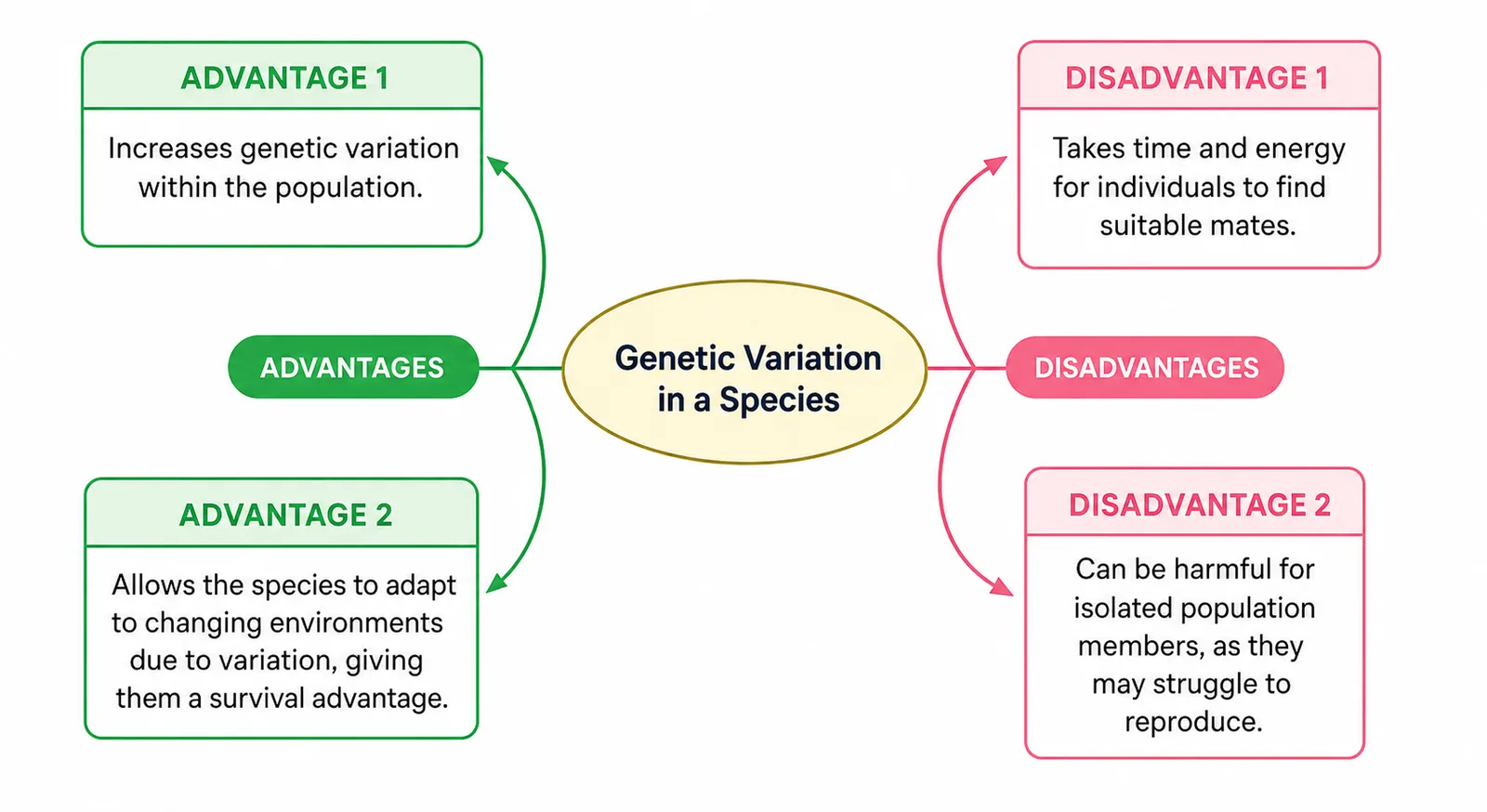
- Variation in a population Genetic variation gives a species the raw material for natural selection, helping it survive if the environment changes.
Sexual reproduction
- Sexual reproduction This is a key advantage of sexual over asexual reproduction, where offspring are genetically identical to the parent.
Section 5 of 6Key terms
| Term | Meaning |
|---|---|
| Gamete | A haploid sex cell used in sexual reproduction. |
| Fertilisation | The fusion of the nucleus of a male gamete with the nucleus of a female gamete. |
| Zygote | The first cell of a new organism, formed when two gametes fuse. |
| Genetic variation | Differences in the alleles carried by individuals of the same species. |
| Meiosis | Cell division that produces genetically different gametes with half the chromosome number. |
Section 6 of 6Exam technique
1
Writing that fertilisation itself changes the alleles; it combines alleles from two parents, it does not alter them.
2
Forgetting to say fusion is random, which is the key word the question is looking for.
3
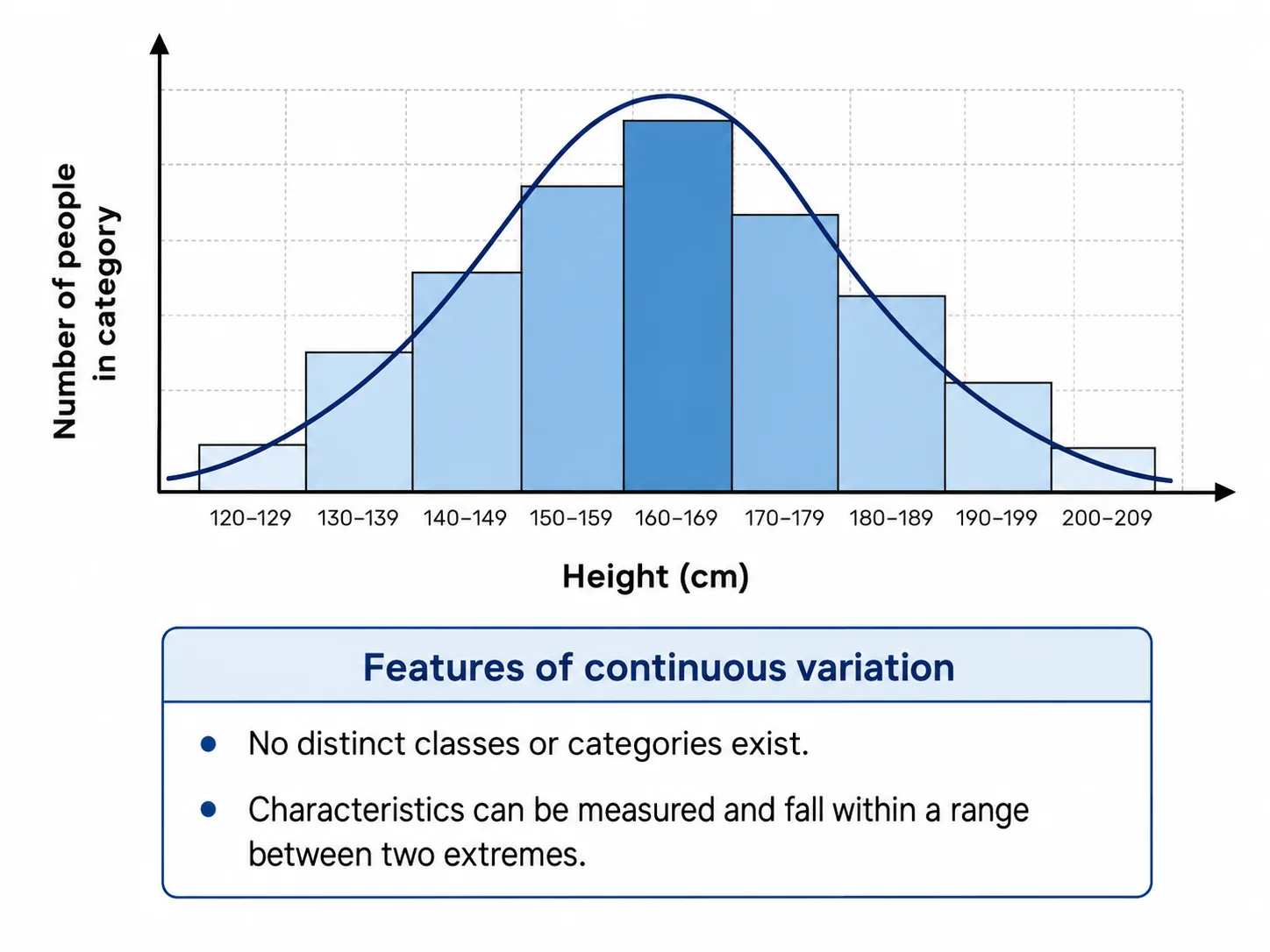
Thinking all variation is genetic; some is caused by the environment.
4
Saying that siblings from the same parents have the same genes; each child receives a different random mix.