2.5.4Structure and Functions in Living Organisms: Part 1
Plants and Mineral Ions
5 min read 7 parts Lesson 20 of 36 1 quiz
Section 1 of 7Why minerals are needed

More than carbohydrates
- More than carbohydrates Photosynthesis only supplies carbohydrates, which contain carbon, hydrogen and oxygen.
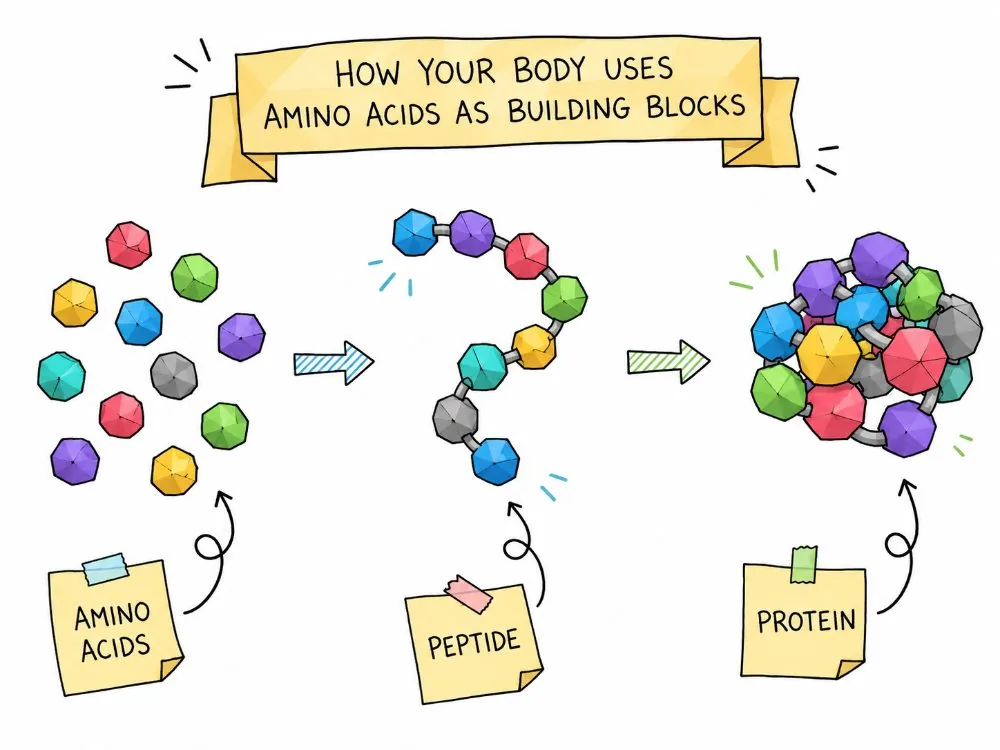
- Plants also need proteins, lipids and nucleic acids such as DNA, and some of these contain extra elements, including nitrogen.
Making their own molecules
- Making their own molecules Plants do not eat,
- so they must build all of these molecules themselves, using elements taken up from the soil as dissolved mineral ions.
Two key ions
- Two key ions Nitrate and magnesium ions are the two you need to know.
- Without them a plant cannot photosynthesise or grow properly.
Section 2 of 7Uptake from the soil






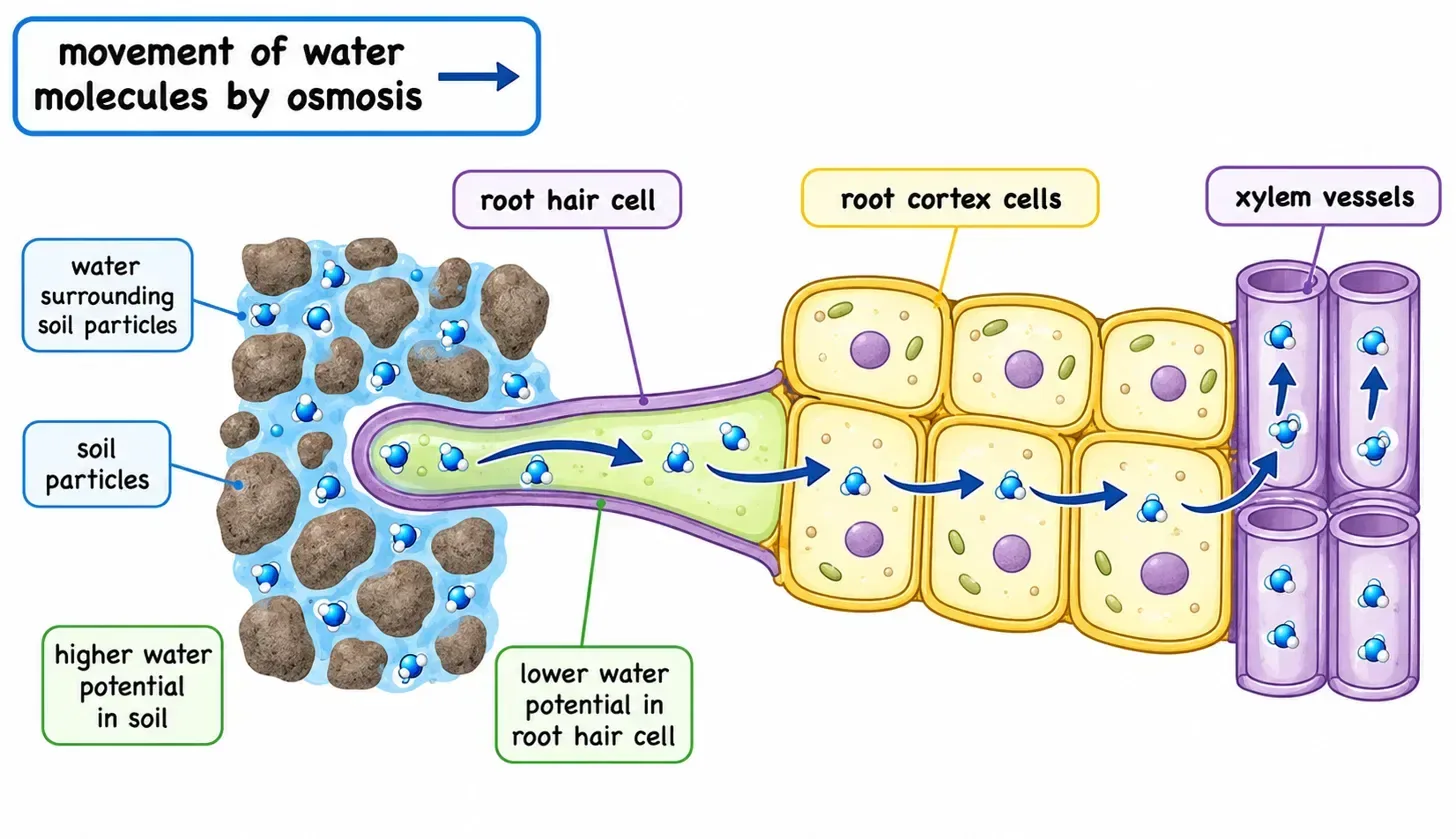

1Ions dissolve in soil water
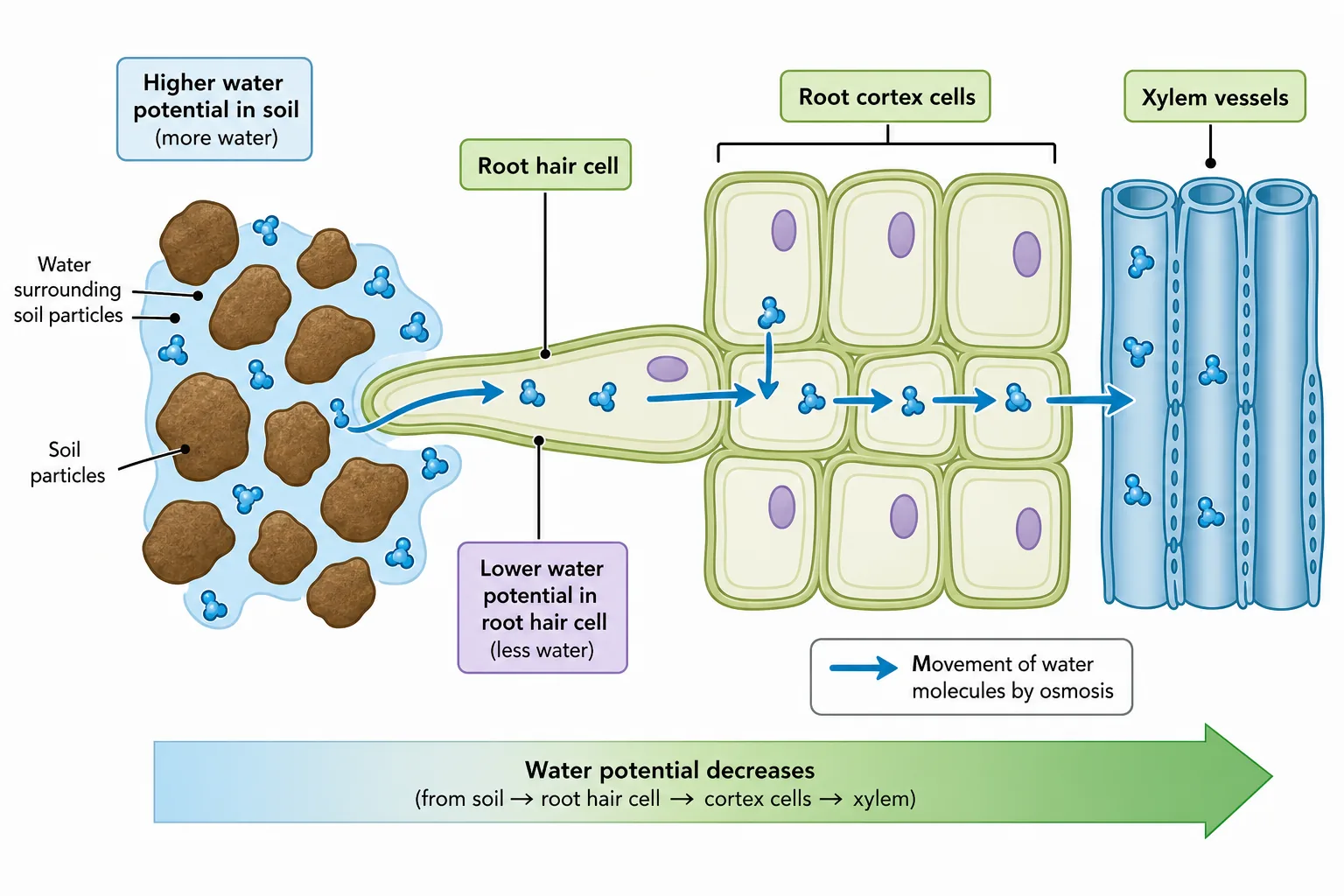
- Ions dissolve in soil water Nitrates and magnesium salts are present in the soil solution.
2Root hair cells absorb
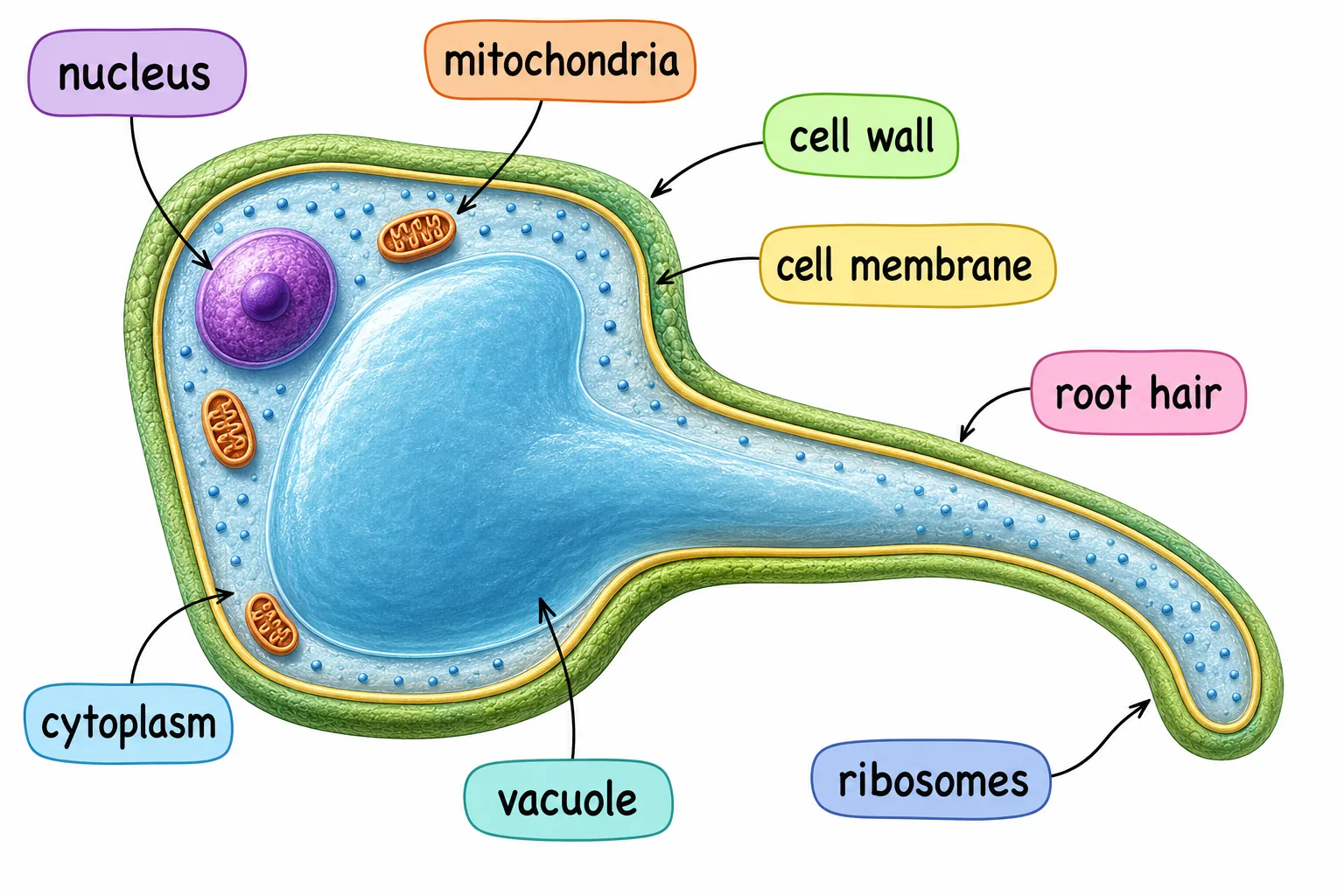
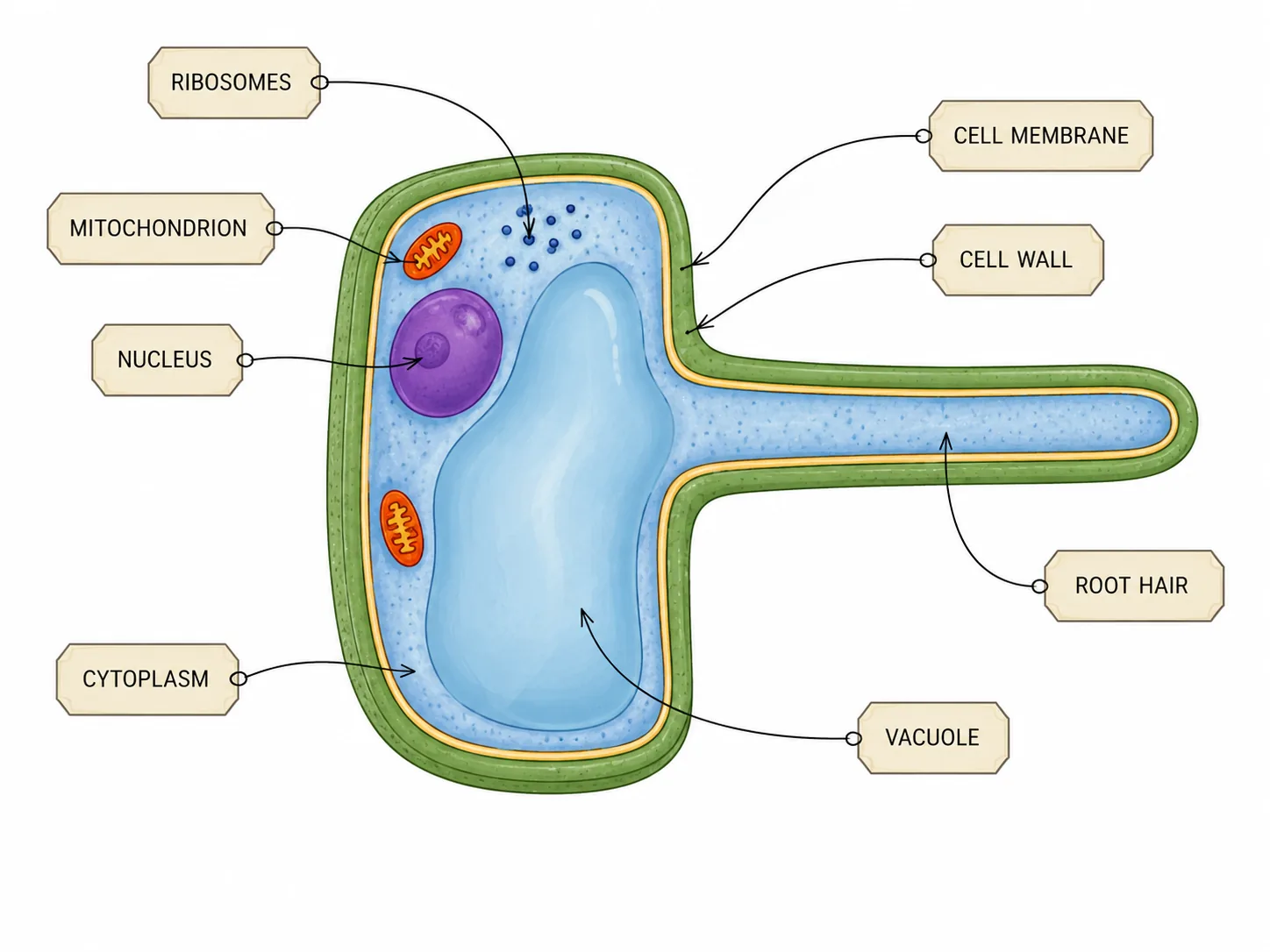
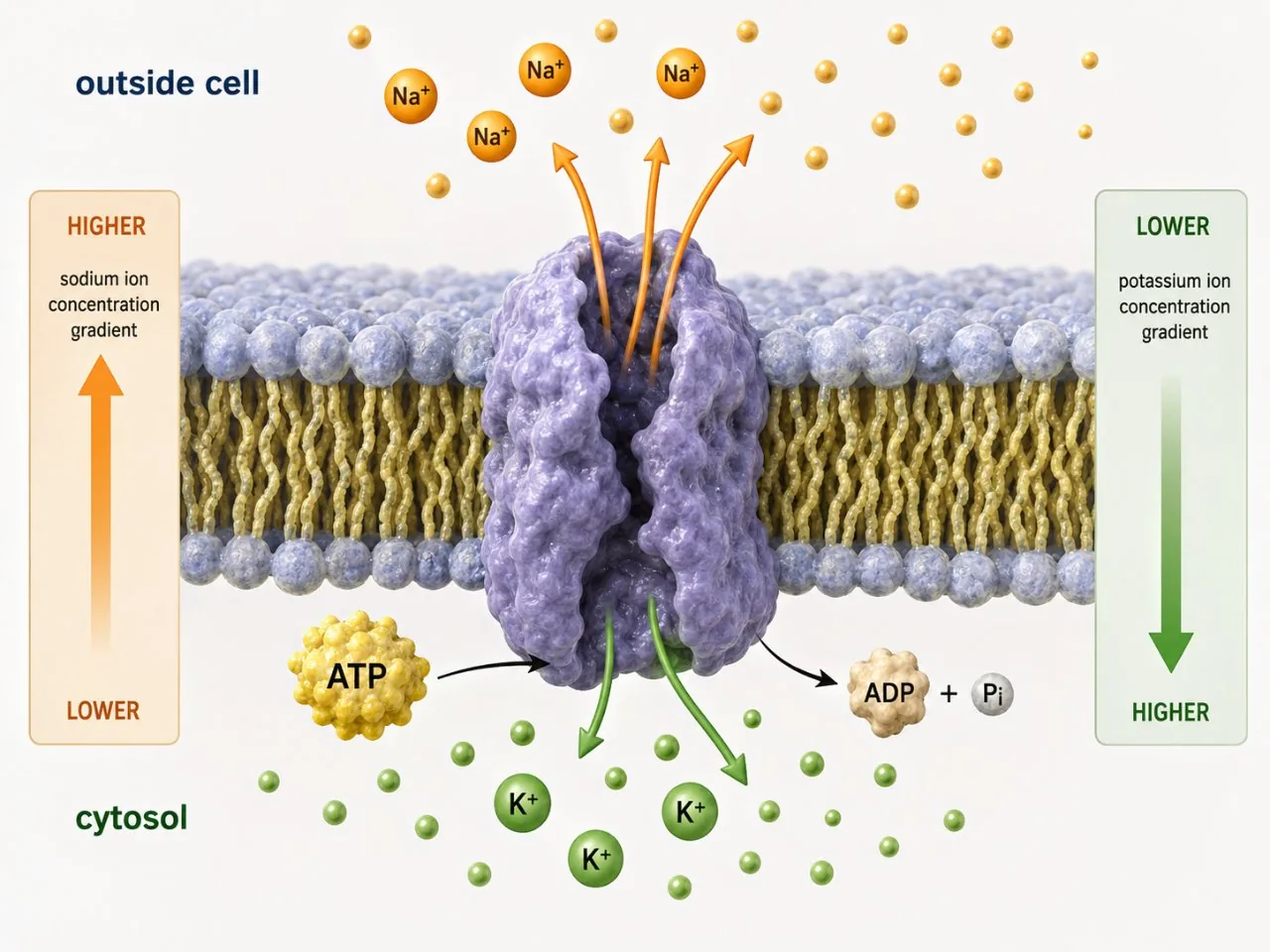
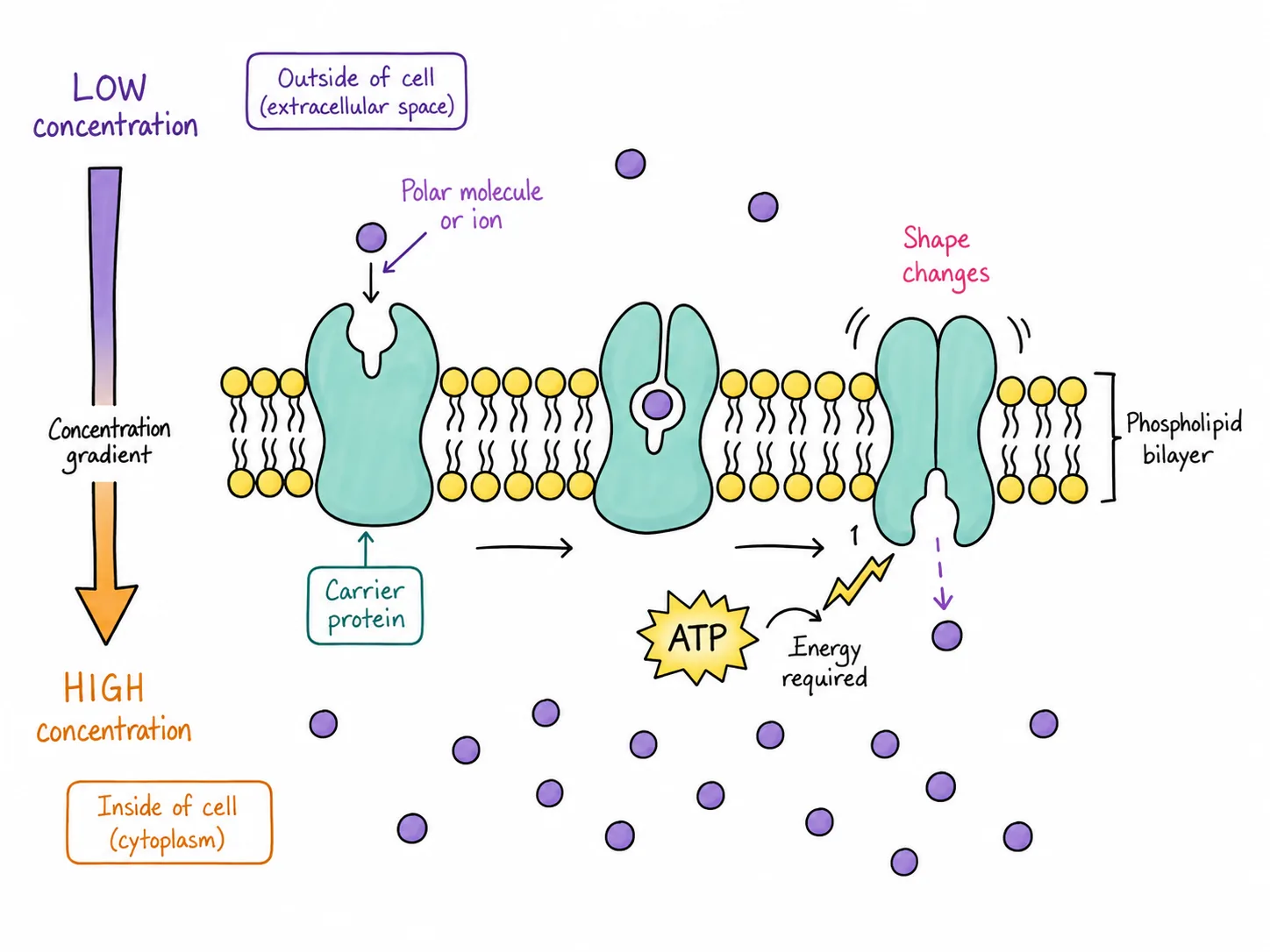
- Root hair cells absorb The root hair cells have a large surface area,
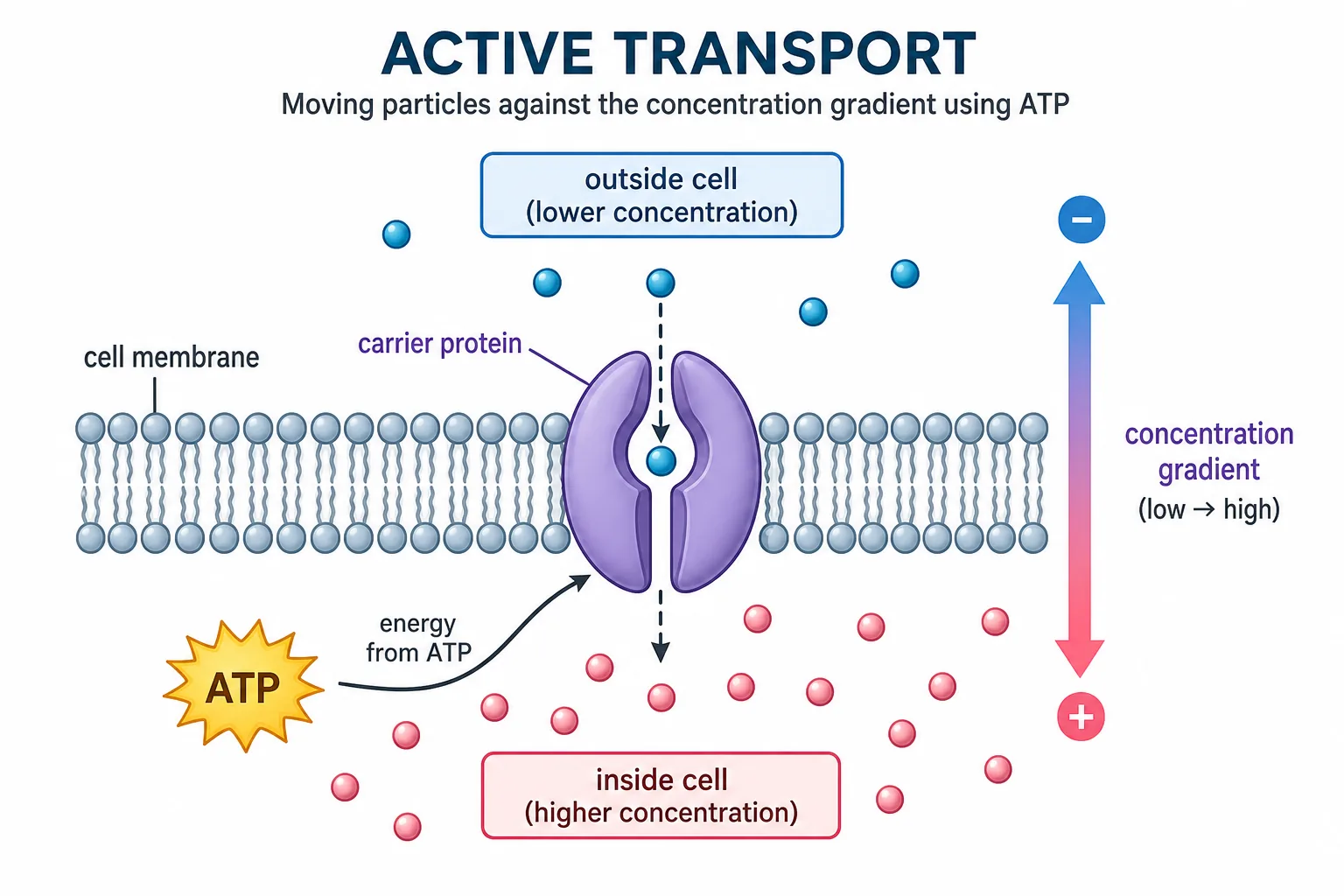
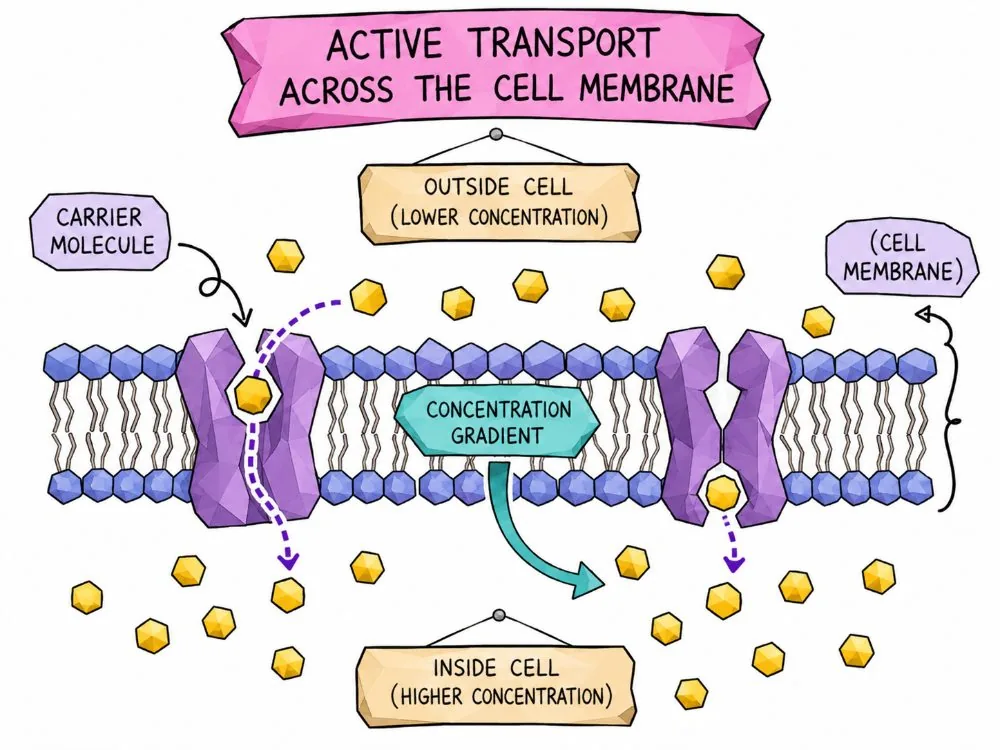
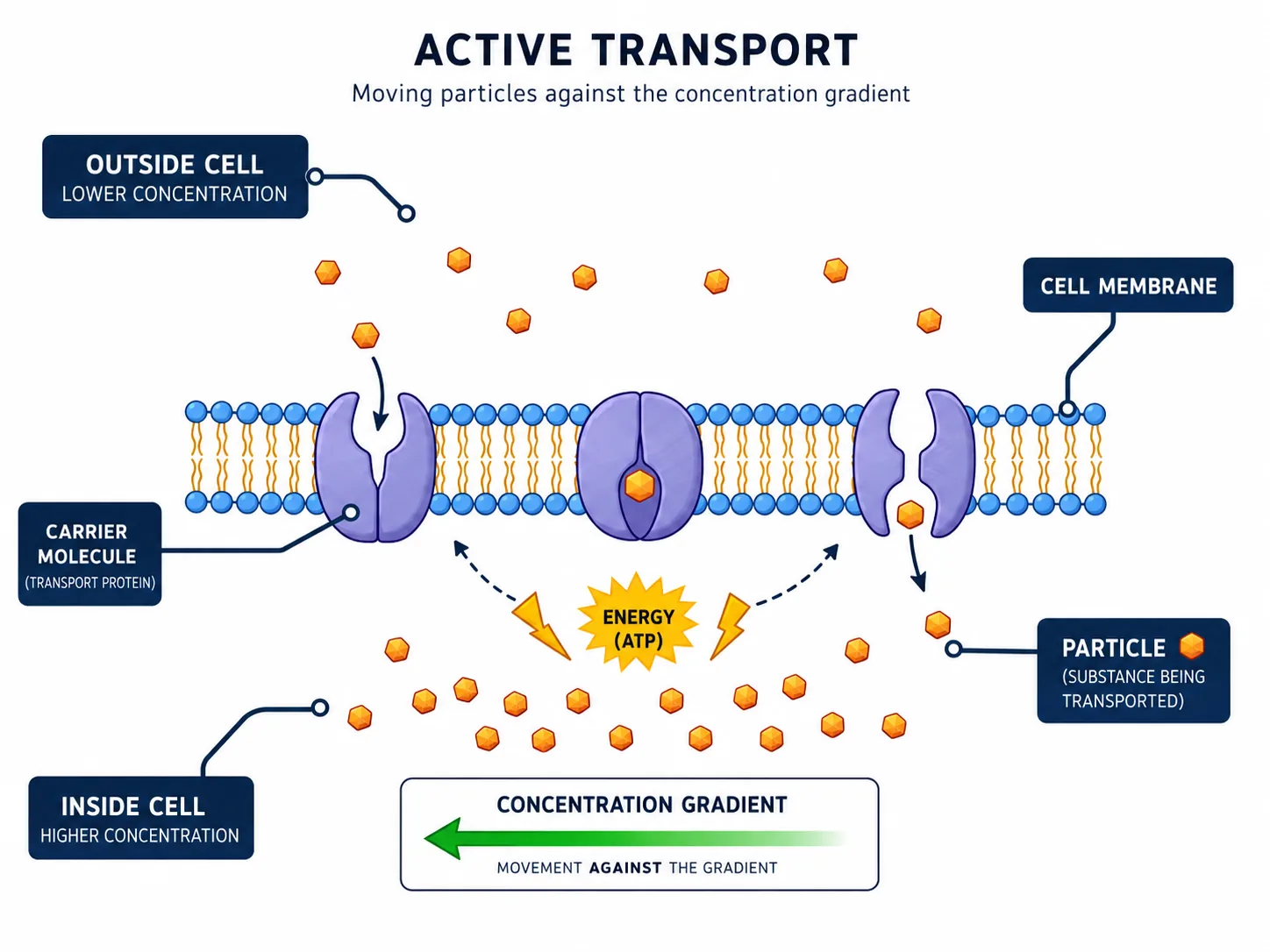
- and they take the ions in by active transport against the concentration gradient.
3Carried upwards
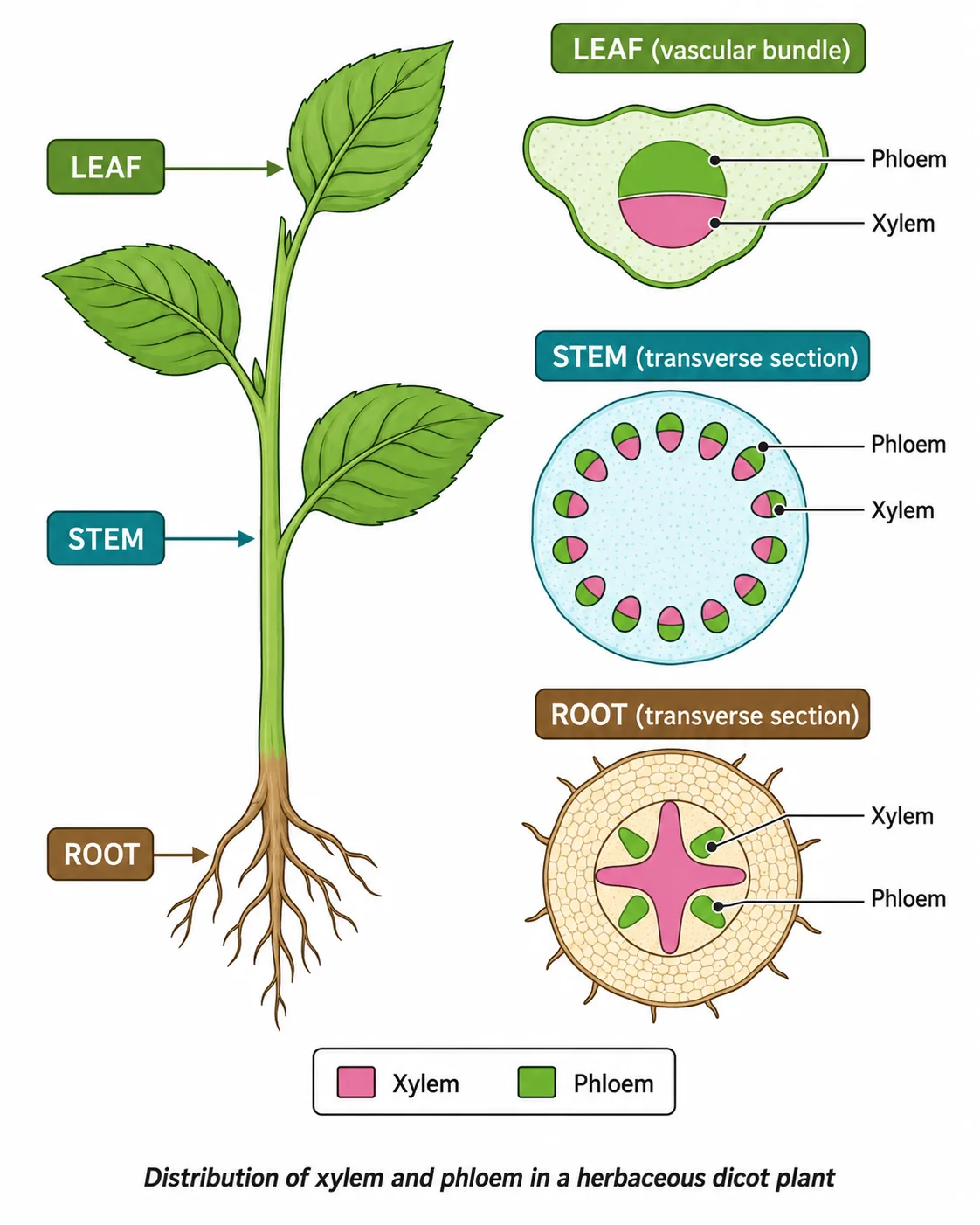
- Carried upwards The ions travel in the water in the xylem to the stem and leaves.
4Used in the cells
- Used in the cells Leaf and growing cells use them to make amino acids, proteins and chlorophyll.
Section 3 of 7Mineral ions and deficiency

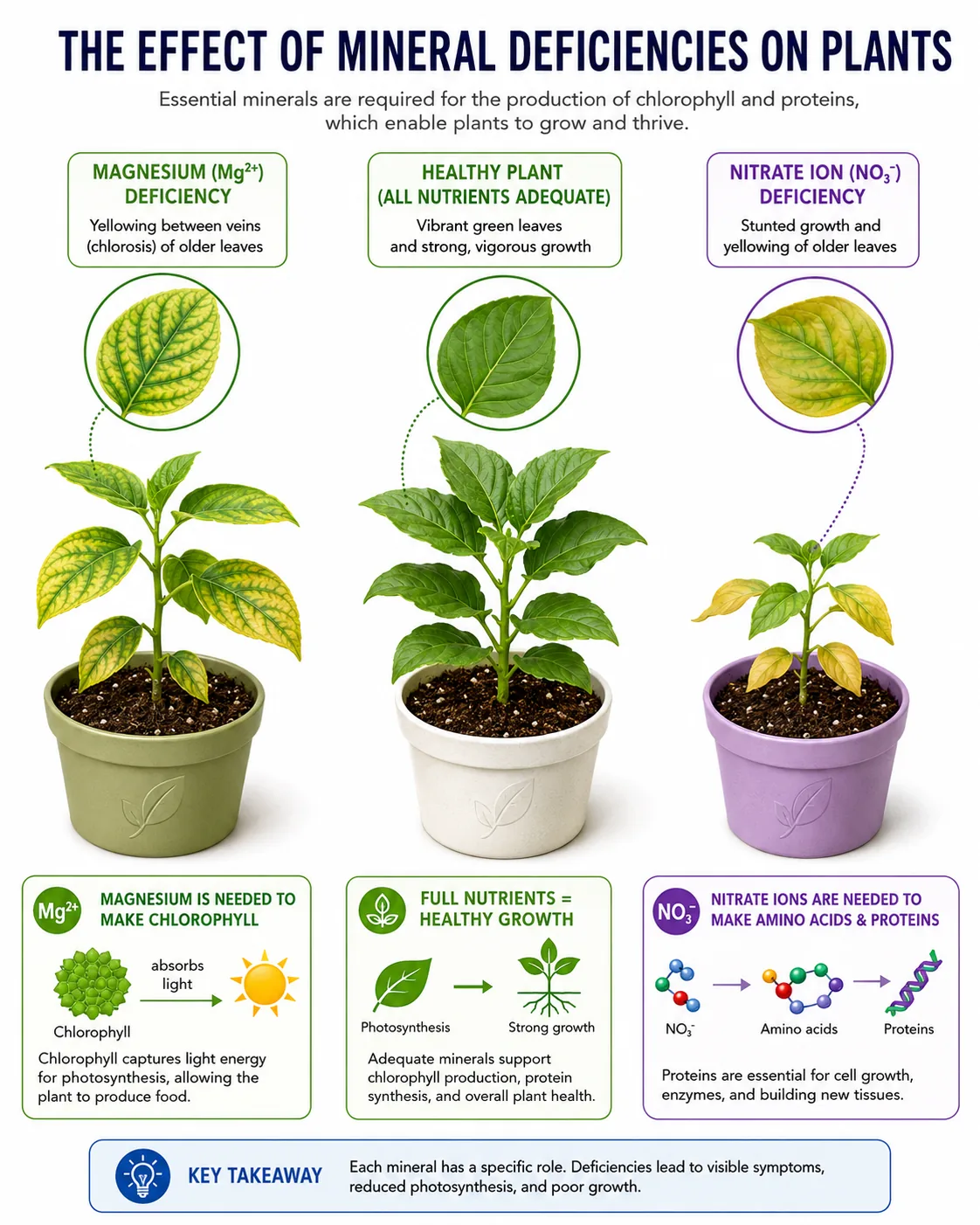
| Mineral ion | Used to make | Symptoms of deficiency |
|---|---|---|
| Nitrate | Amino acids and so proteins; also DNA | Stunted growth and yellowing of older leaves |
| Magnesium | Chlorophyll | Yellow leaves (chlorosis), especially between the veins |
Section 4 of 7Linking deficiency to function


Mineral deficiency
Lack of nitrate
- Lack of nitrate The plant cannot make enough amino acids and proteins, so cells cannot grow and divide, and growth is stunted.
Lack of magnesium
- Lack of magnesium Less chlorophyll is made, so the leaves turn yellow and absorb less light, which lowers the rate of photosynthesis.
Overall effect
- Overall effect Less glucose is produced, so there is less energy and fewer raw materials for growth, and the plant is weak and has lower yields.
Section 5 of 7Providing minerals in practice






Fertilisers
- Fertilisers Farmers add fertilisers containing nitrate to replace what crops remove from the soil.
Investigating deficiency
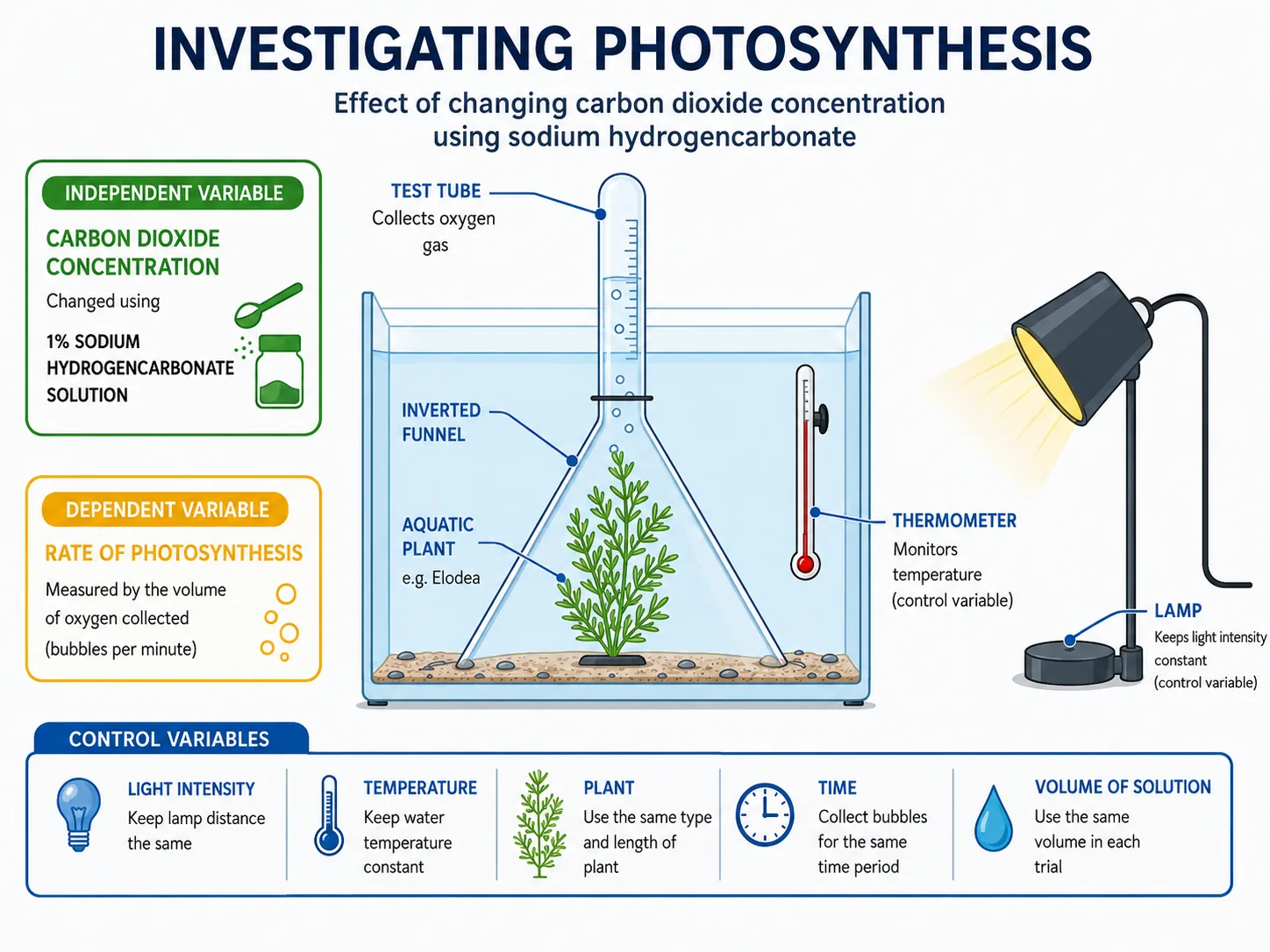
- Investigating deficiency Seedlings can be grown in solutions that are complete or that lack one ion, with all other conditions kept the same.
- The appearance of the leaves and the mass of the plants are then compared.
Section 6 of 7Key terms
| Term | Meaning |
|---|---|
| Mineral ion | A dissolved charged particle from the soil that a plant needs in small amounts. |
| Nitrate | An ion containing nitrogen, used to make amino acids and proteins. |
| Magnesium | An element needed to make chlorophyll. |
| Active transport | The movement of substances against a concentration gradient using energy from respiration. |
| Chlorosis | Yellowing of leaves caused by a lack of chlorophyll. |
| Deficiency | A shortage of a nutrient that stops an organism working properly. |
Section 7 of 7Exam technique
1
Saying that plants get their food from the soil. They make food by photosynthesis; the soil only provides water and mineral ions.
2
Mixing up the two ions. Magnesium is for chlorophyll, and nitrate is for amino acids and proteins.
3
Describing mineral absorption as simple diffusion. Root hair cells use active transport, which needs energy.
4
Claiming that mineral ions are a source of energy for the plant. They provide chemical elements, not energy.