2.6.1Structure and Functions in Living Organisms: Part 1
Process of Respiration
5 min read 6 parts Lesson 29 of 36 1 quiz
Section 1 of 6What respiration is




A chemical reaction in every cell
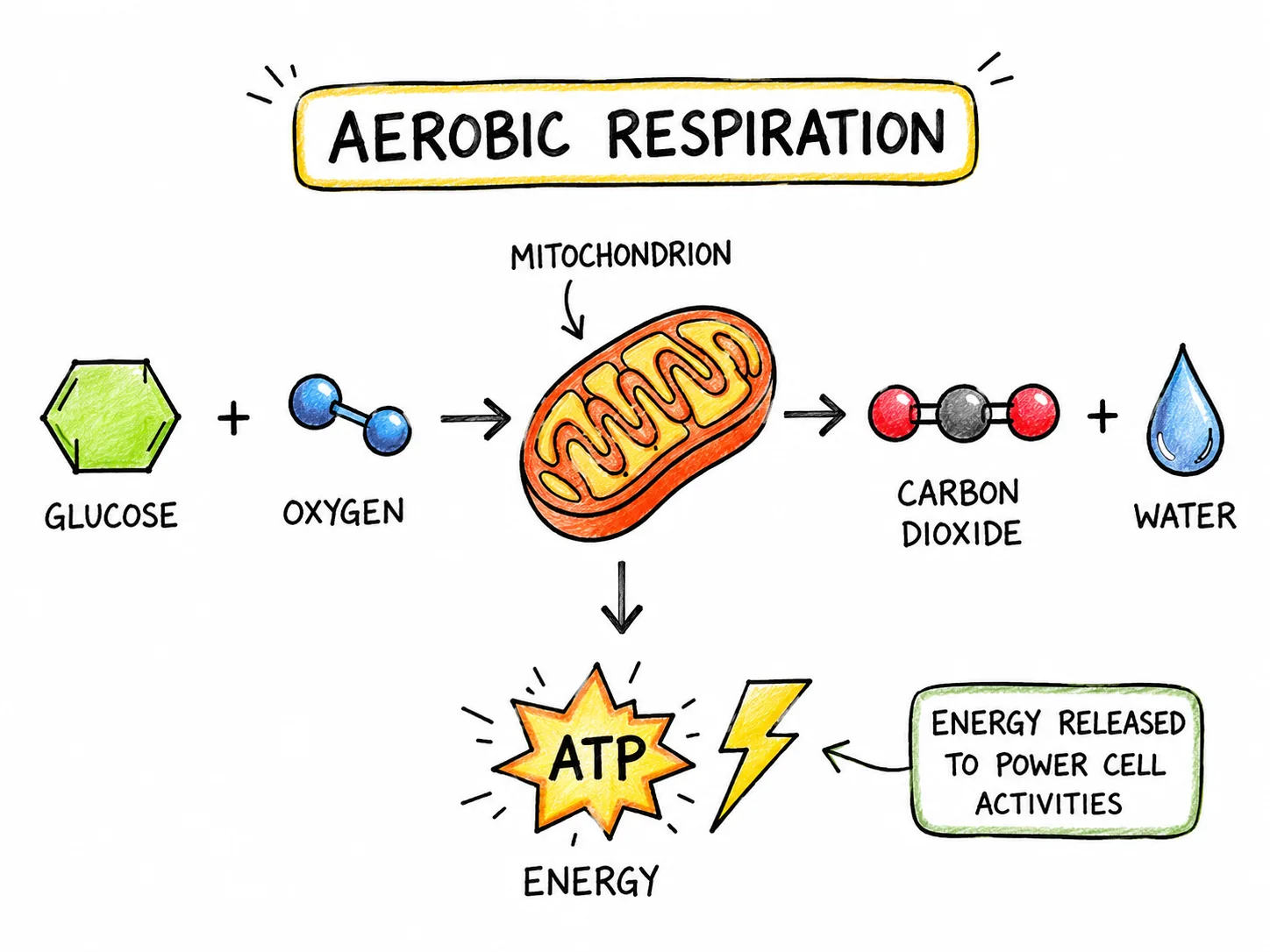
- A chemical reaction in every cell Respiration is the chemical process that releases energy from glucose.
- It happens continuously in all living cells, in plants as well as animals.
- It is not the same thing as breathing.
Aerobic and anaerobic
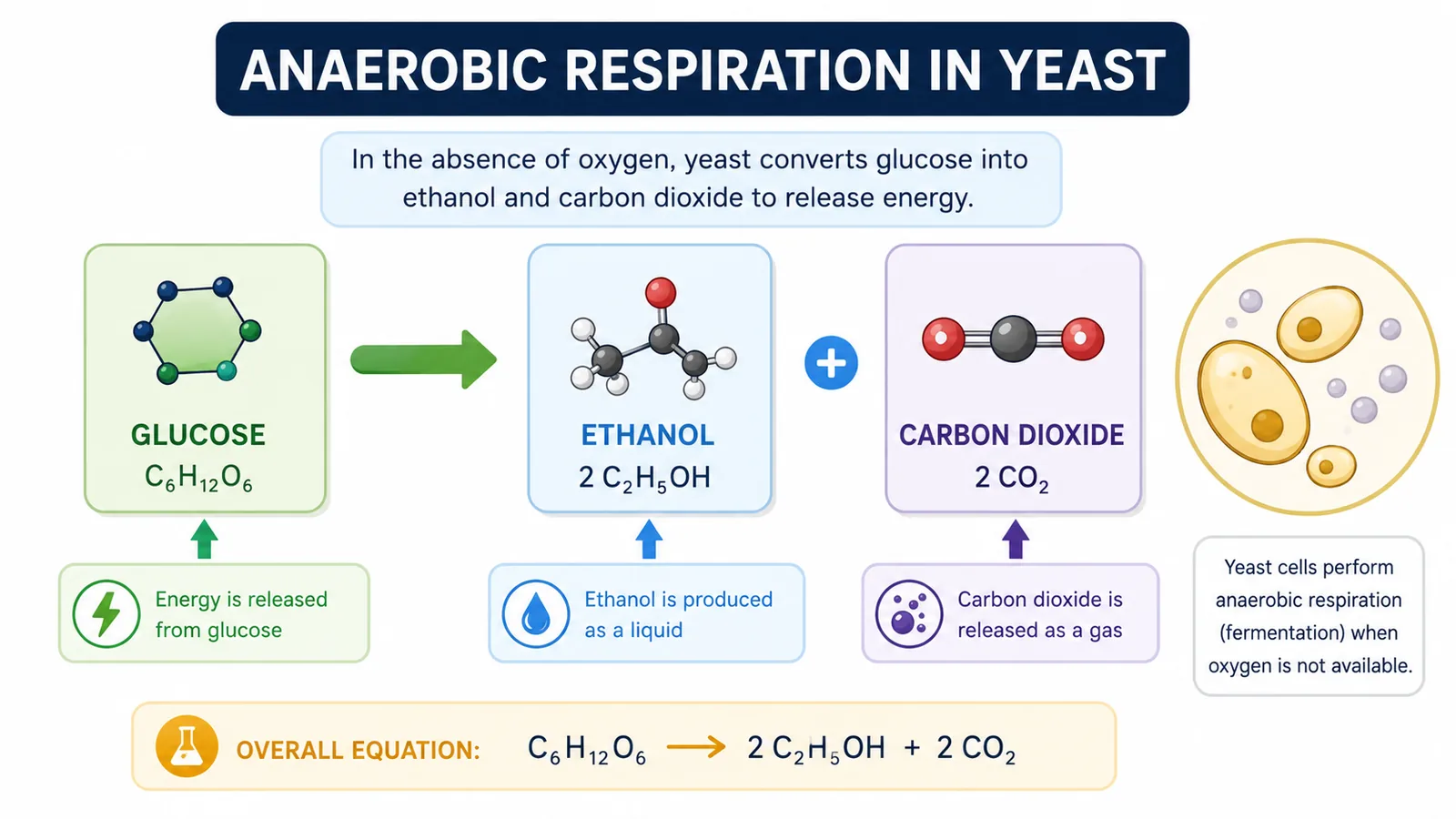
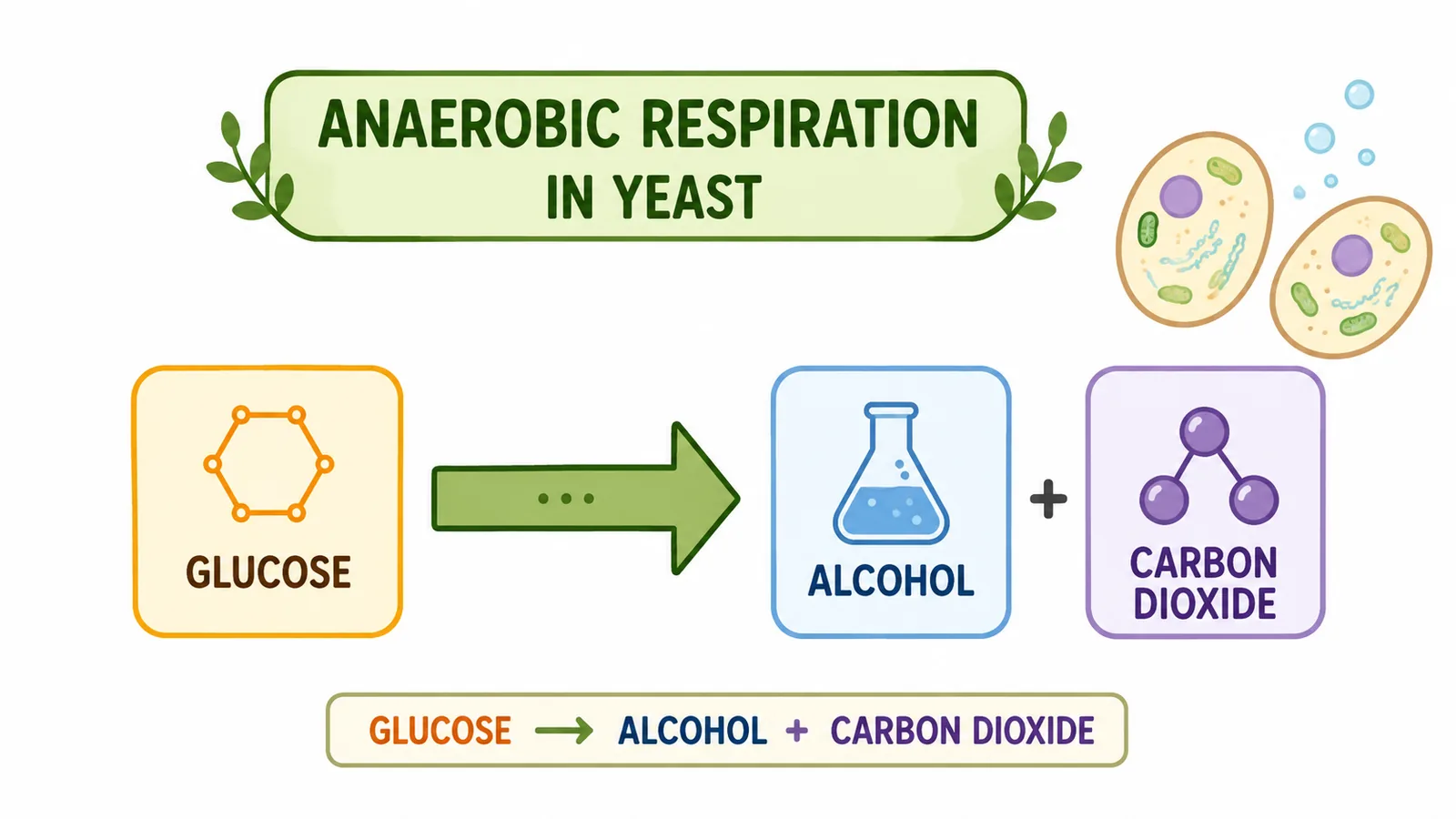
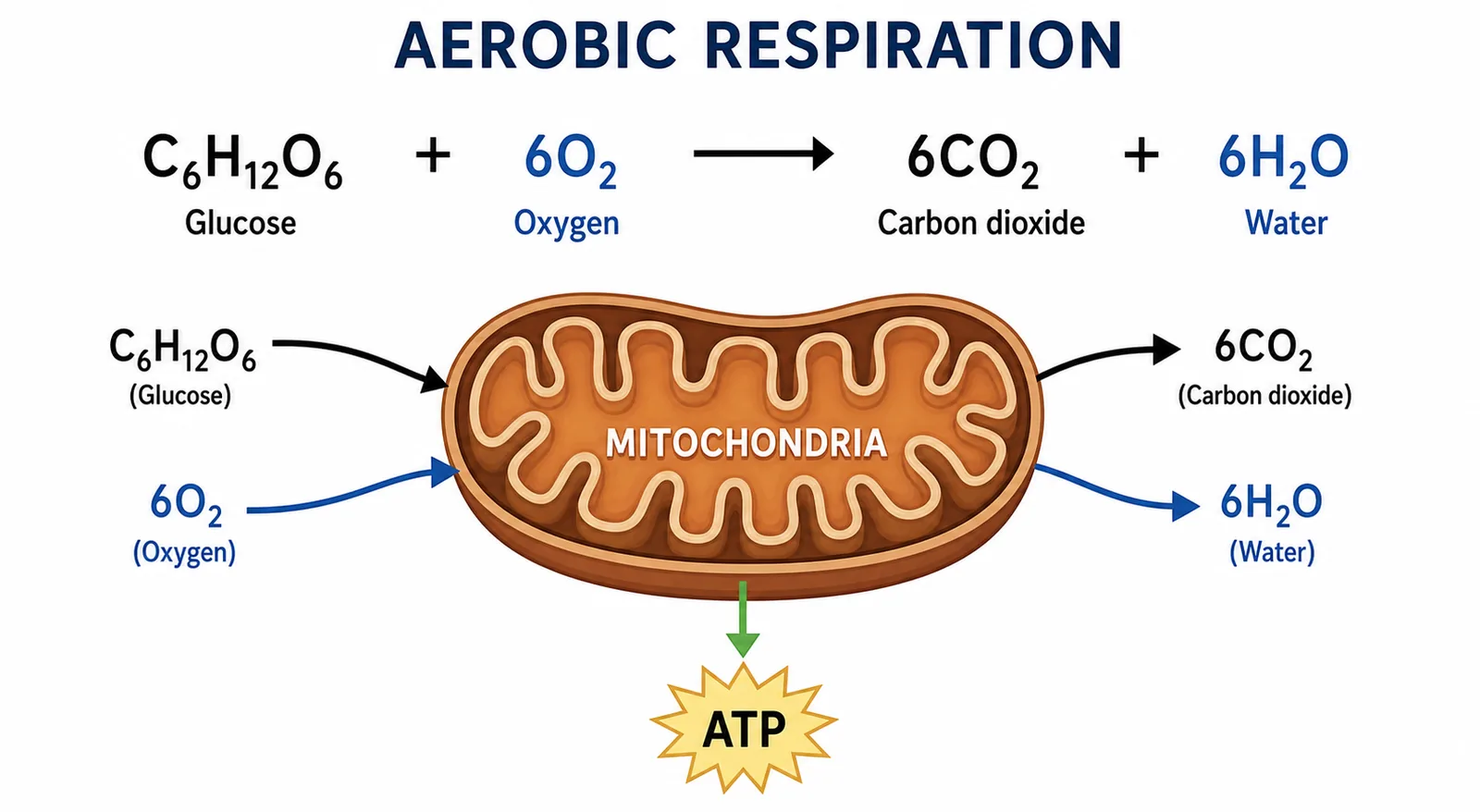
- Aerobic and anaerobic Aerobic respiration uses oxygen, whereas anaerobic respiration releases energy without oxygen.
- Aerobic respiration releases much more energy per glucose molecule.
Energy is transferred, not made
- Energy is transferred, not made Energy cannot be created.
- Respiration transfers the chemical energy stored in glucose into a form cells can use, and some is lost as heat.
Section 2 of 6ATP, the energy carrier


1
Glucose is broken down in the cell, and the energy released is used to build molecules of ATP.
2
ATP molecules move to where energy is needed inside the cell.
3
When an ATP molecule is broken down, it releases a small packet of energy for a cell process.
4
The products are then recycled and rebuilt into ATP using energy from further respiration.
Section 3 of 6What cells use the energy for

Energy from ATP
Building molecules
- Building molecules Small molecules are joined together to make larger ones, for example amino acids into proteins.
Muscle contraction
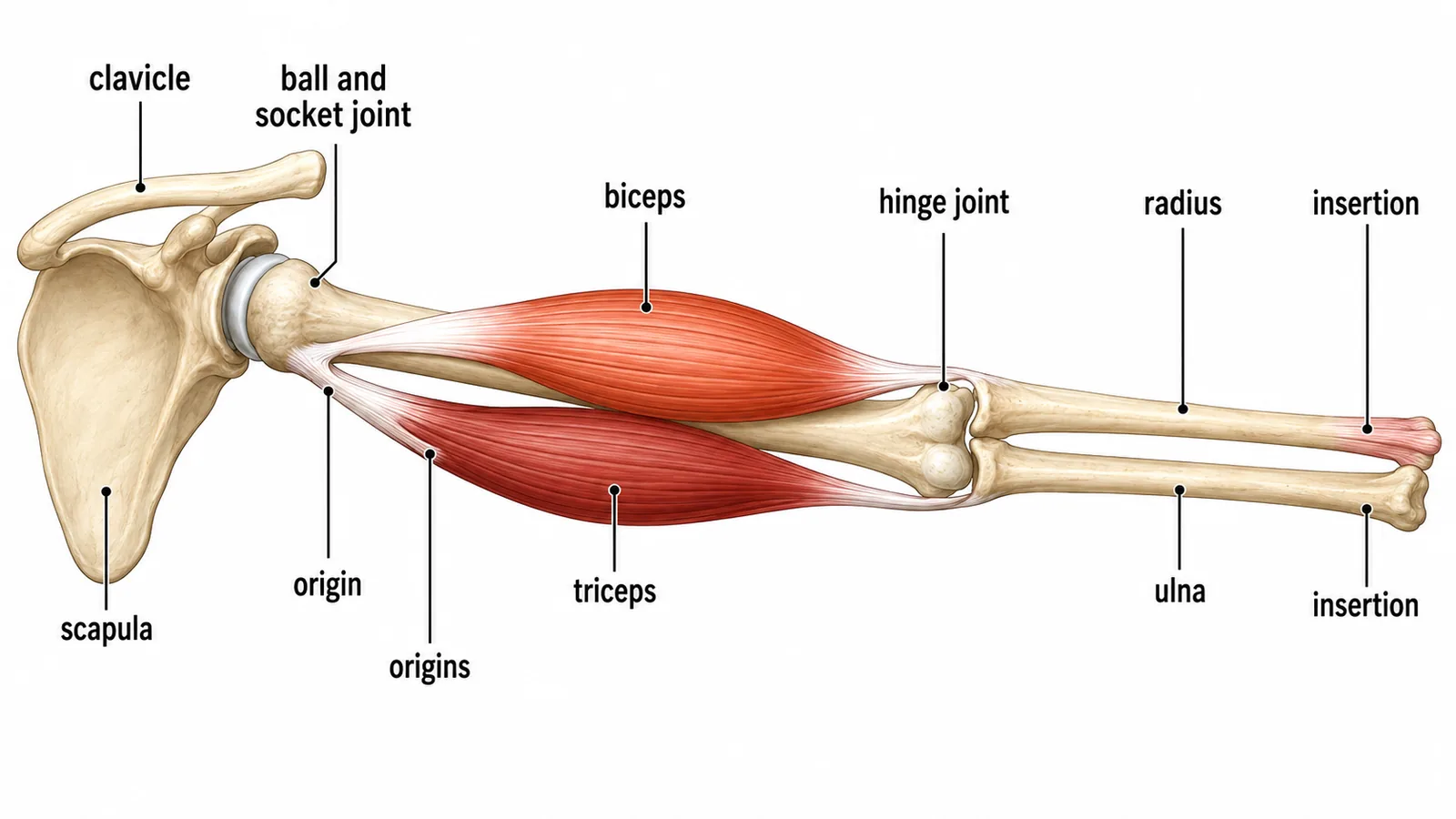
- Muscle contraction Muscle fibres need ATP to shorten, allowing movement, breathing and the beating of the heart.
Keeping warm
- Keeping warm Mammals and birds release heat from respiration to maintain a steady body temperature at which enzymes work well.
Growth and cell division
- Growth and cell division Making new cells and tissues requires a continuous energy supply.
Section 4 of 6Respiration compared with gas exchange







| Gas exchange | Respiration | |
|---|---|---|
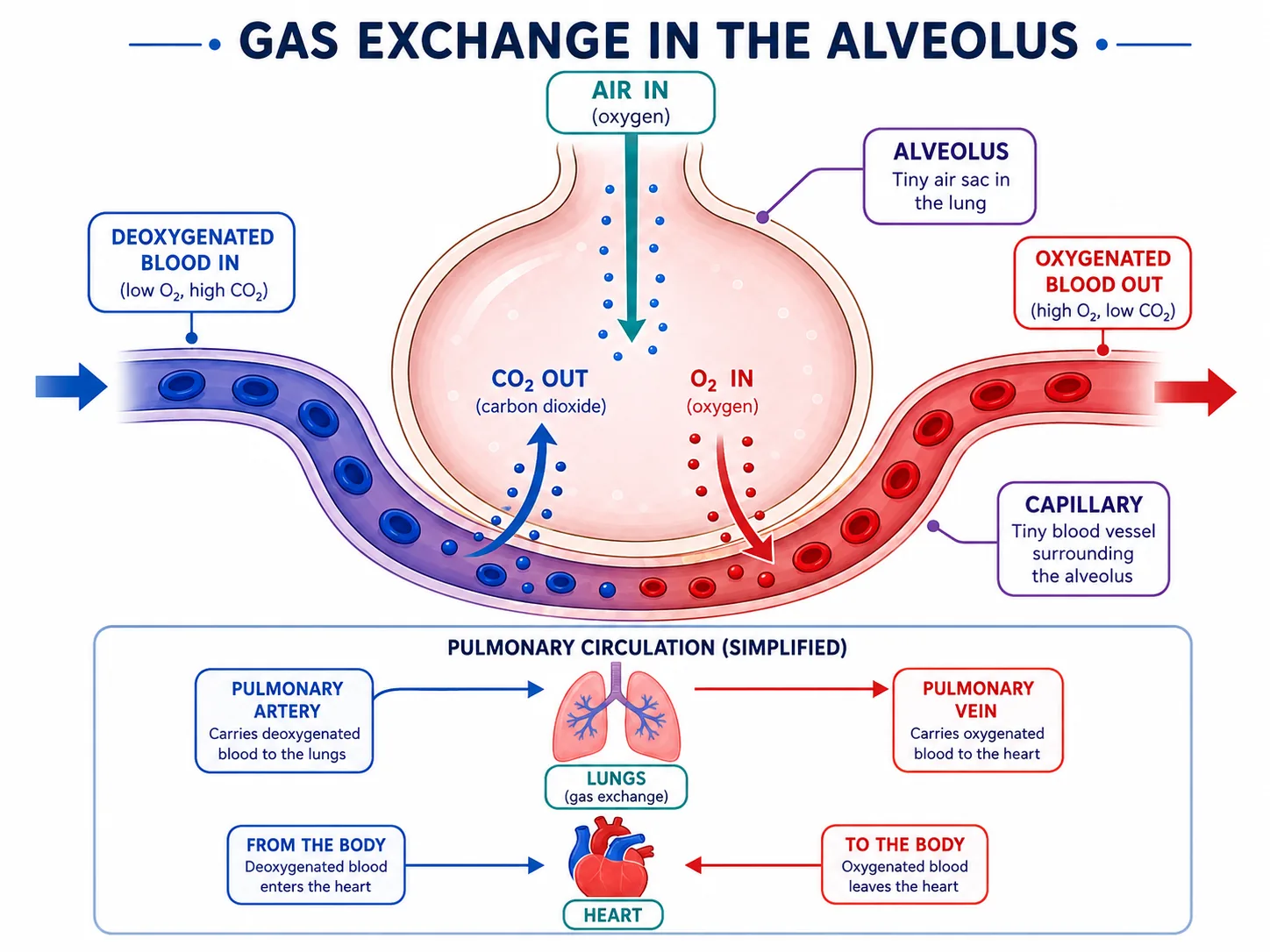
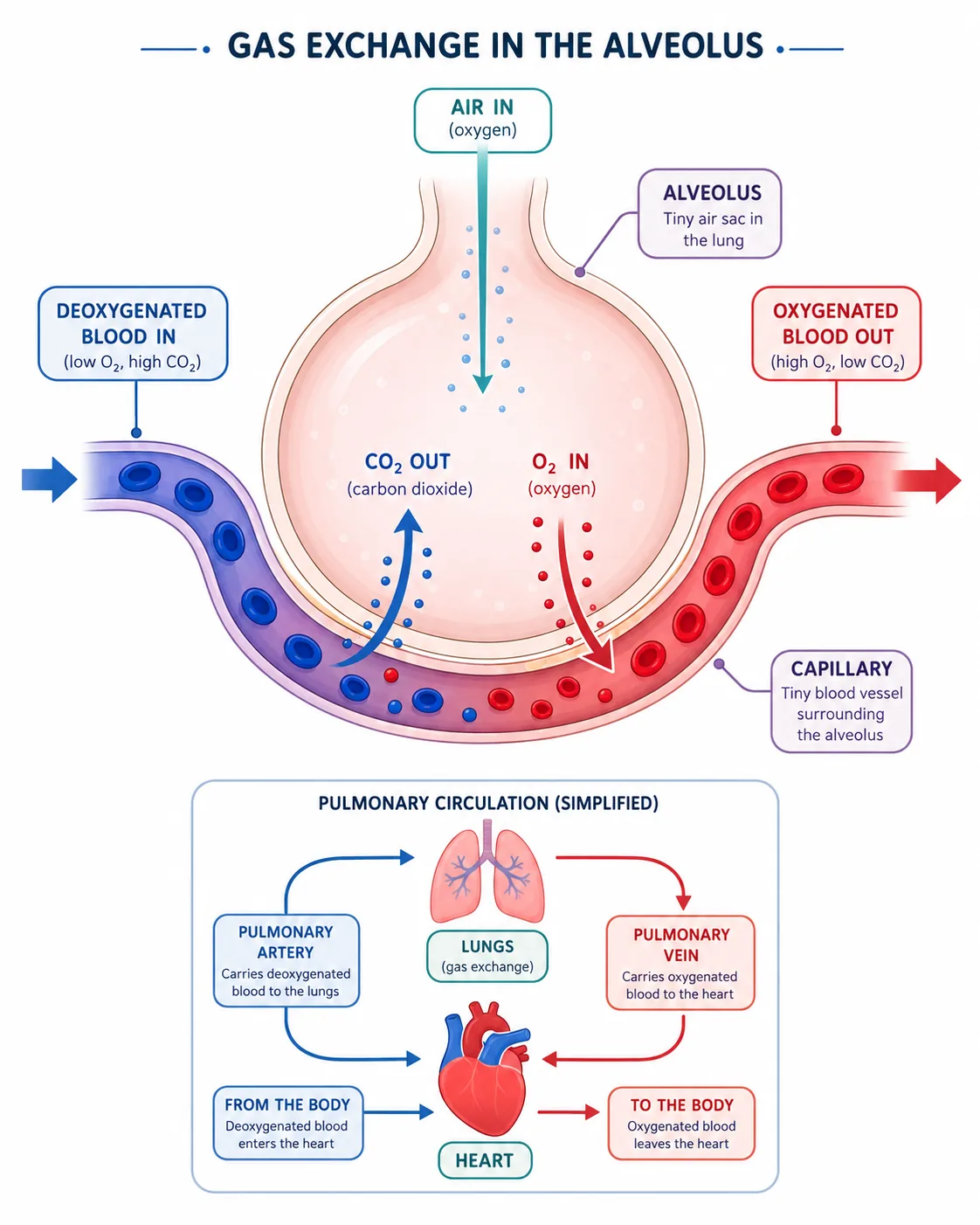
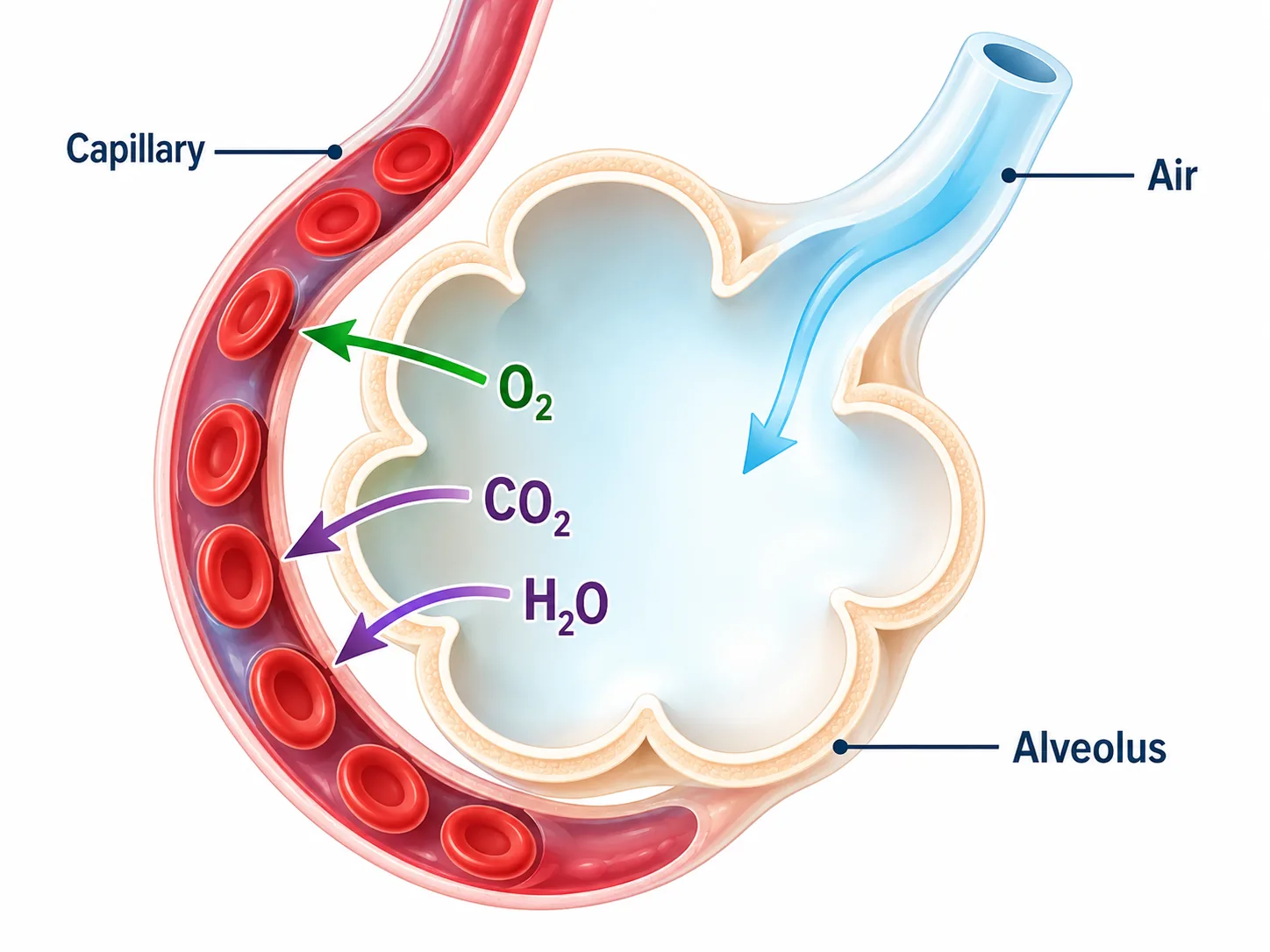
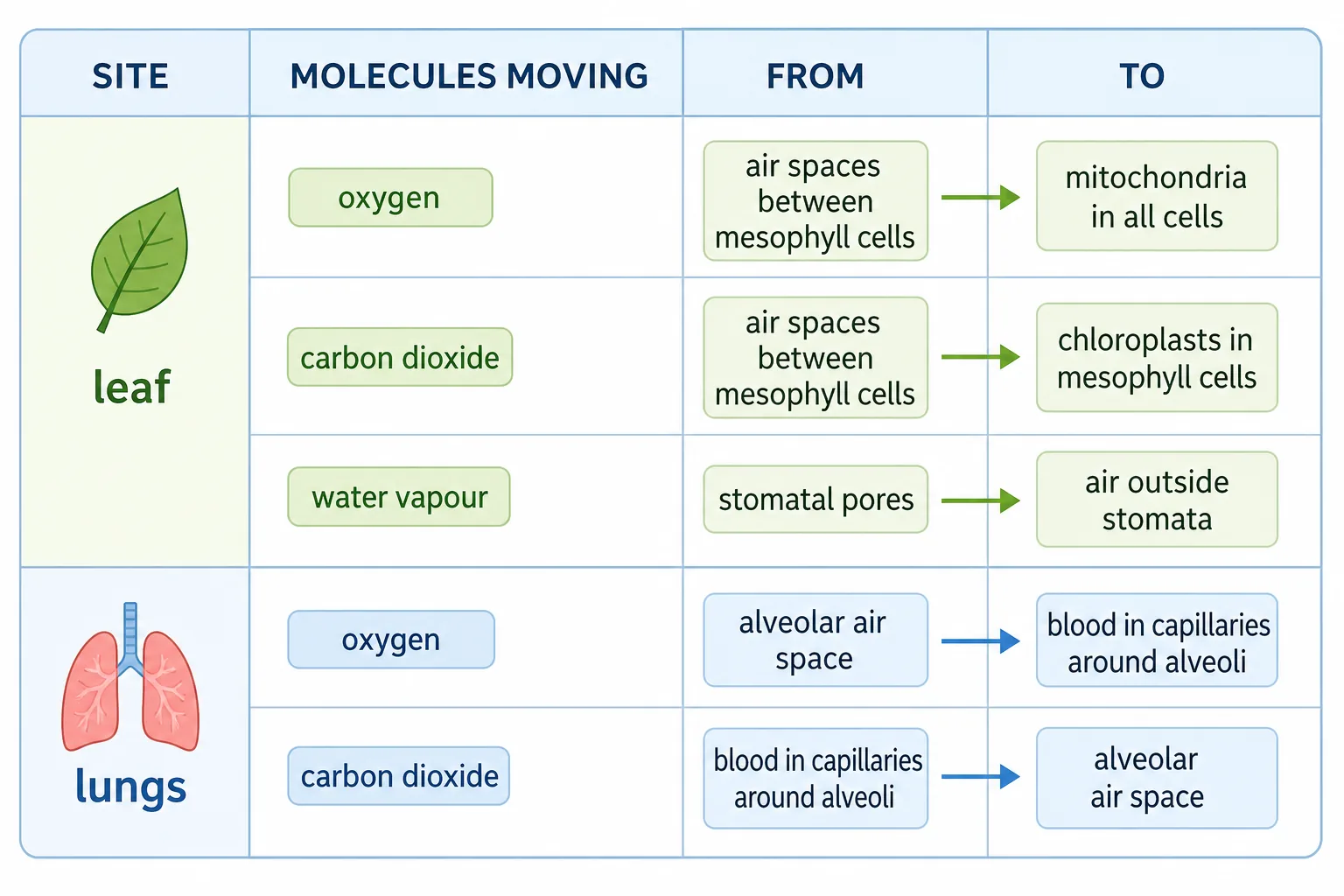
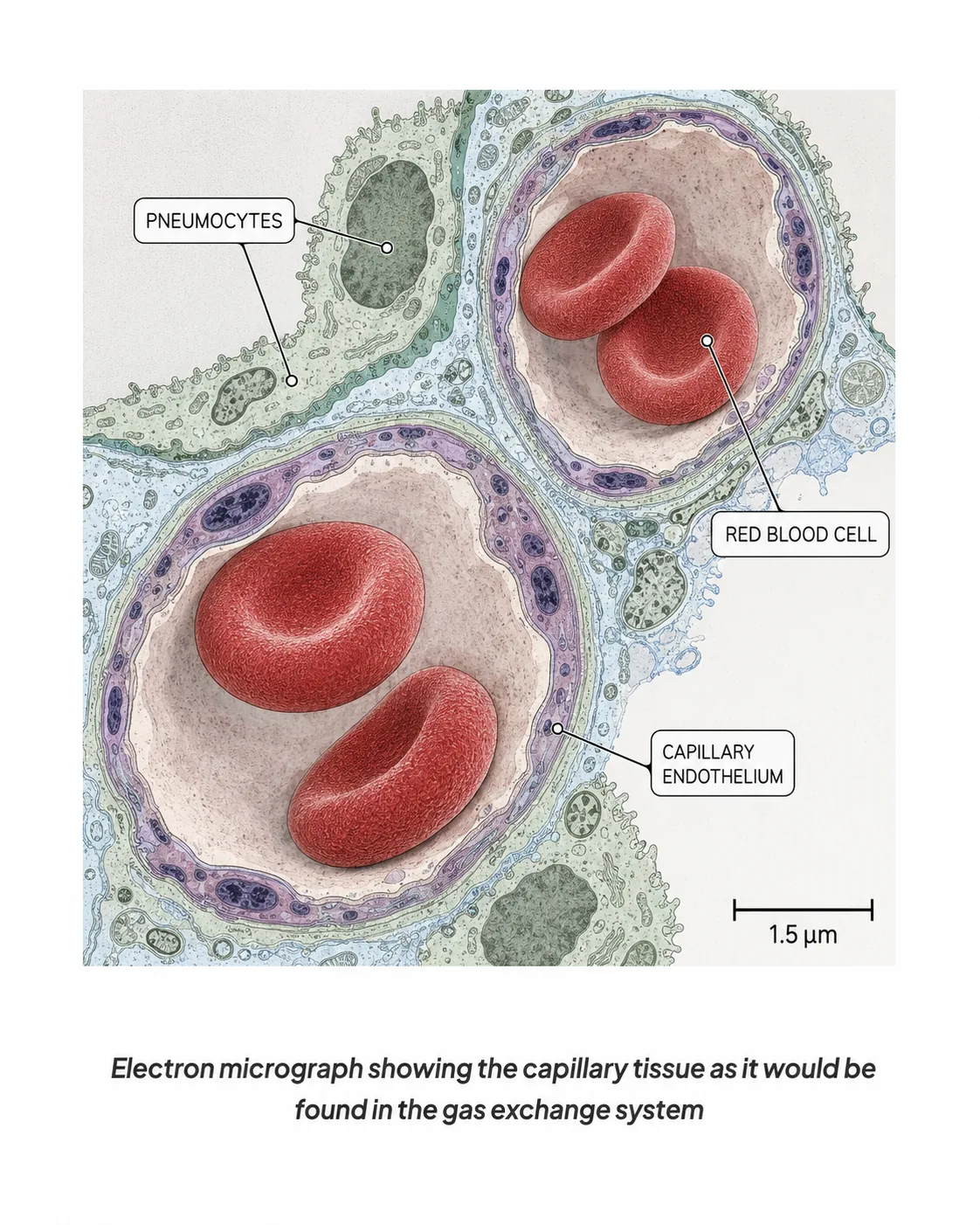
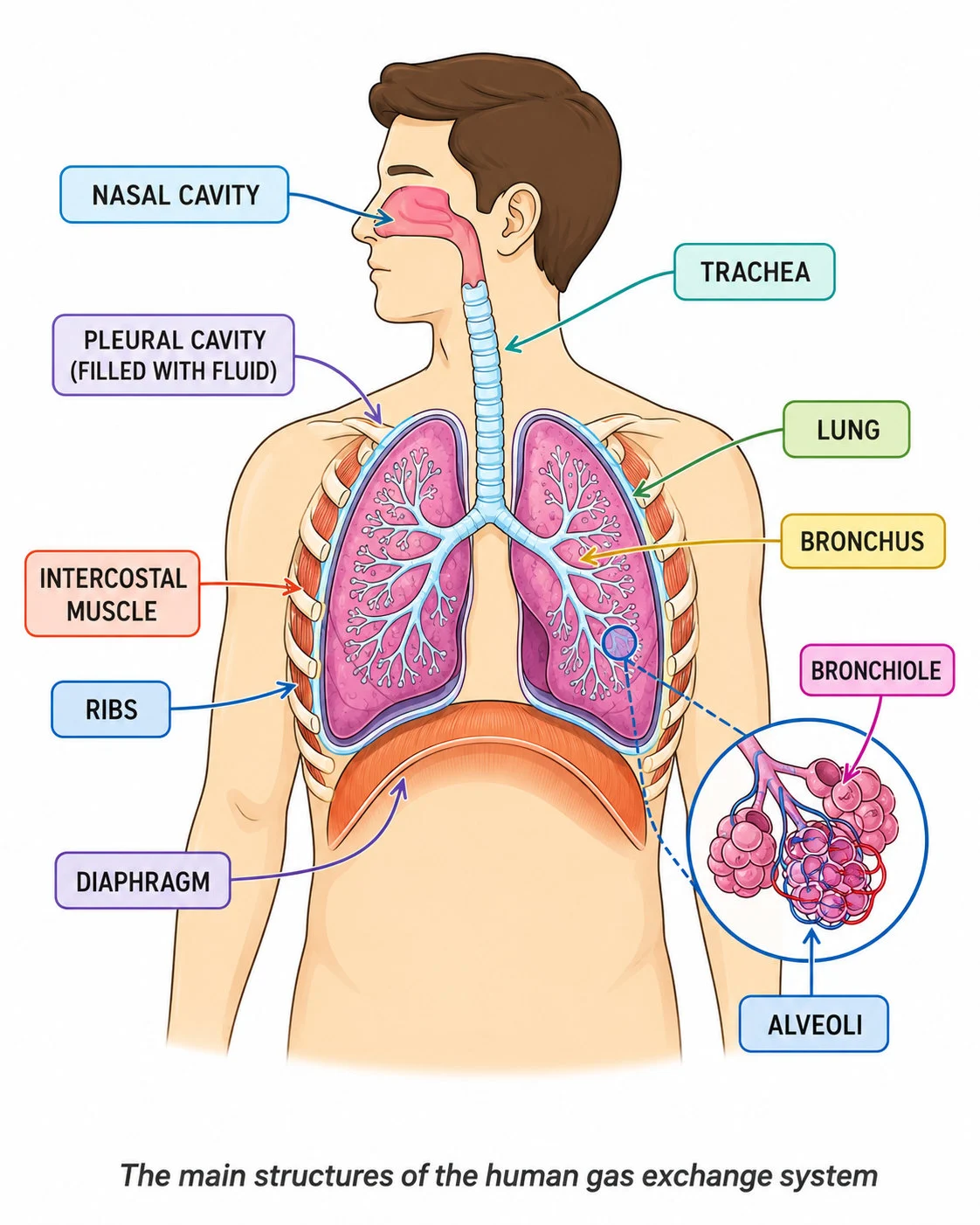
| Where | Lungs (alveoli), leaf surfaces, gills | Inside every living cell |
| What happens | Oxygen moves in and carbon dioxide moves out by diffusion | Glucose is broken down to release energy as ATP |
| Type of process | Physical | Chemical |
| Link | Supplies the oxygen needed | Produces the carbon dioxide and water that must be removed |
Section 5 of 6Key terms
| Term | Meaning |
|---|---|
| Respiration | The chemical reactions in cells that release energy from glucose. |
| ATP | The molecule that transfers energy from respiration to processes that need it. |
| Aerobic respiration | Respiration that uses oxygen to break down glucose. |
| Anaerobic respiration | Respiration that releases energy from glucose without using oxygen. |
| Gas exchange | The diffusion of oxygen into, and carbon dioxide out of, an organism. |
Section 6 of 6Exam technique

1
Confusing respiration with breathing or gas exchange. Respiration is the chemical release of energy inside cells.
2
Saying that energy is 'made' or 'produced'. It is transferred from glucose to ATP and then to cell processes.
3
Thinking only animals respire. Plants respire all the time, including during the day.
4
Writing that ATP is food or an energy store like fat. ATP is a short-term carrier of energy that is constantly broken down and remade.