2.1.1Reproduction and Inheritance
Sexual and Asexual Reproduction: Differences
5 min read 9 parts Lesson 2 of 29 1 quiz
Section 1 of 9Two kinds of reproduction


Reproduction produces new individuals of a species. There are two main types.
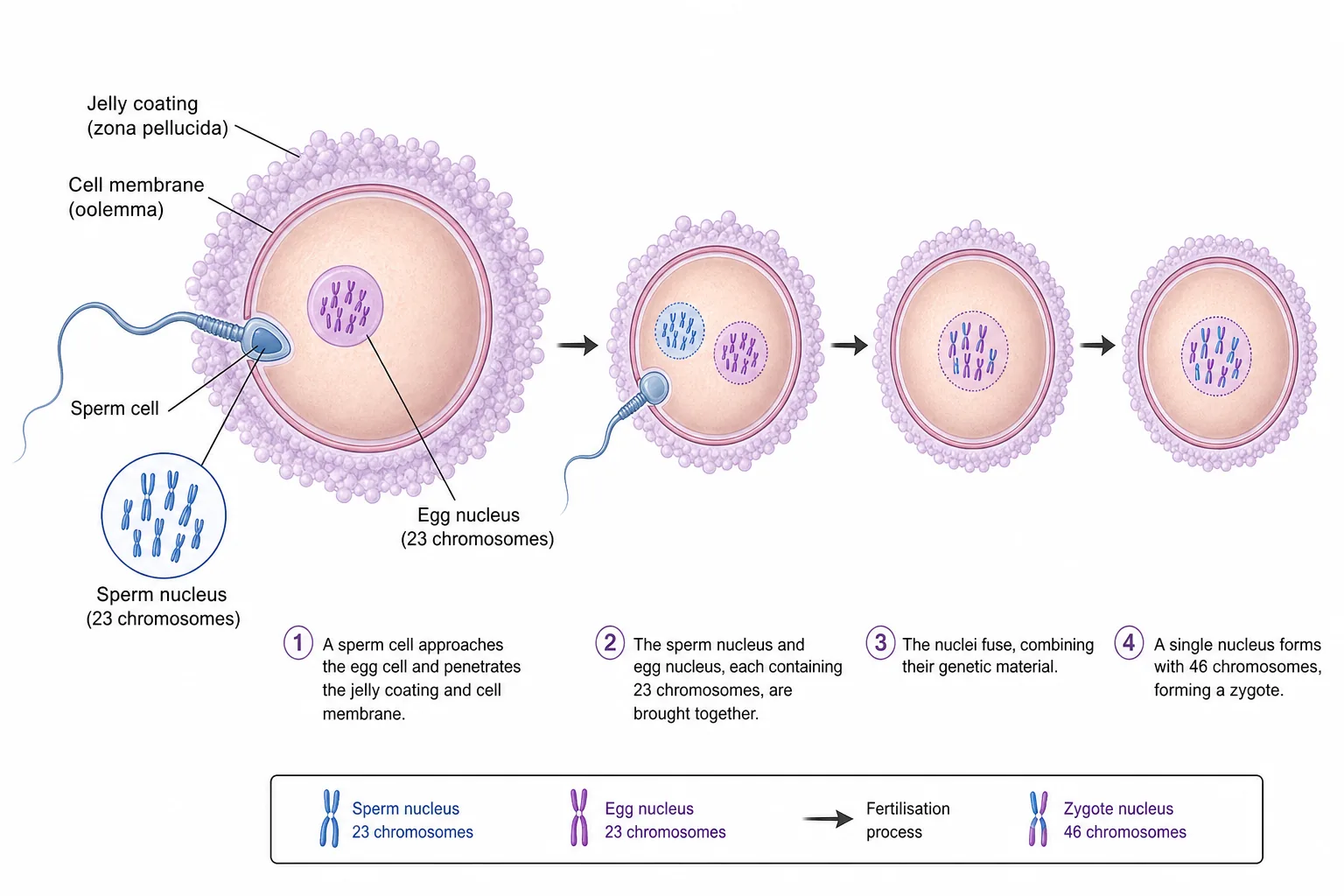
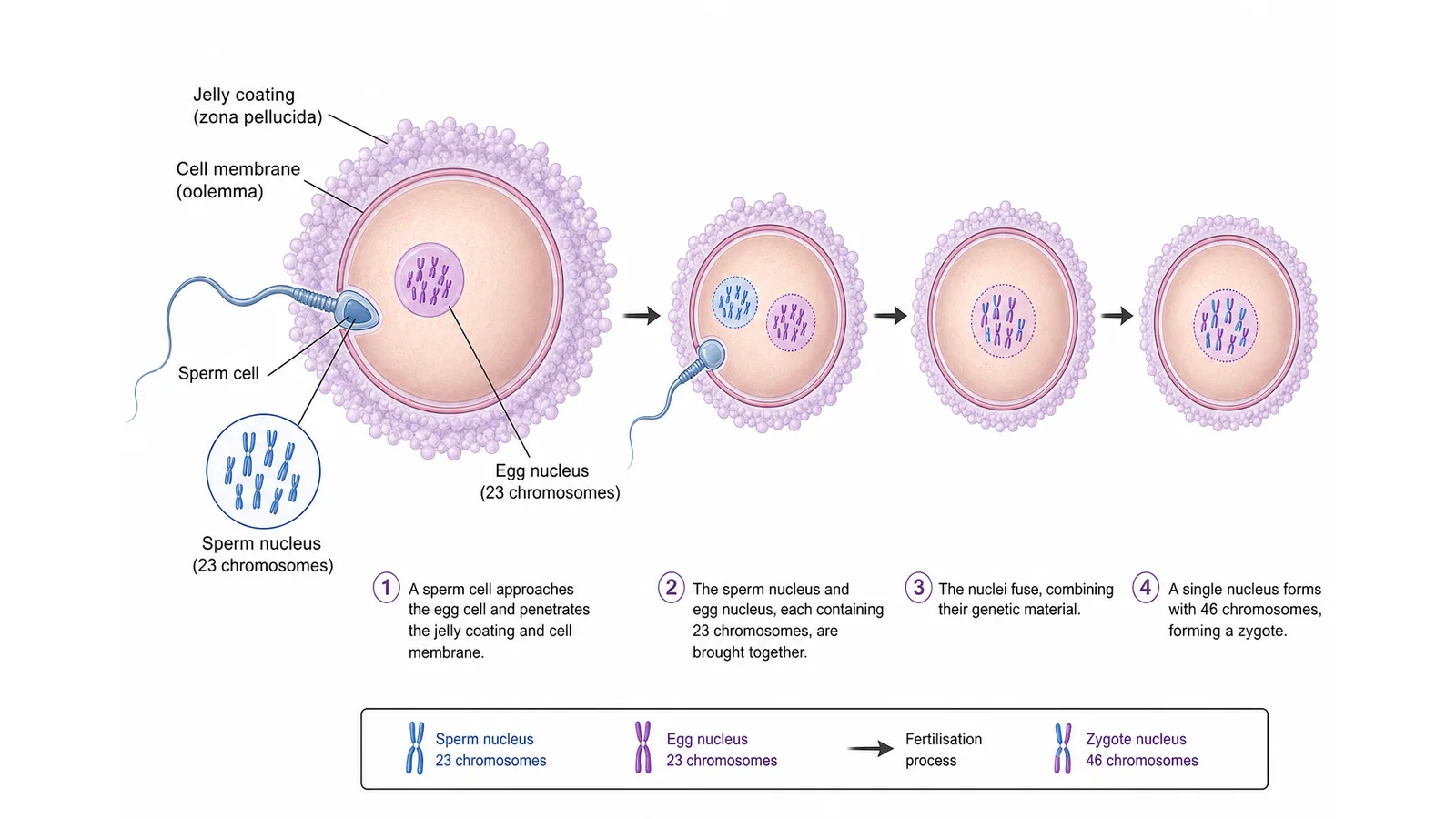
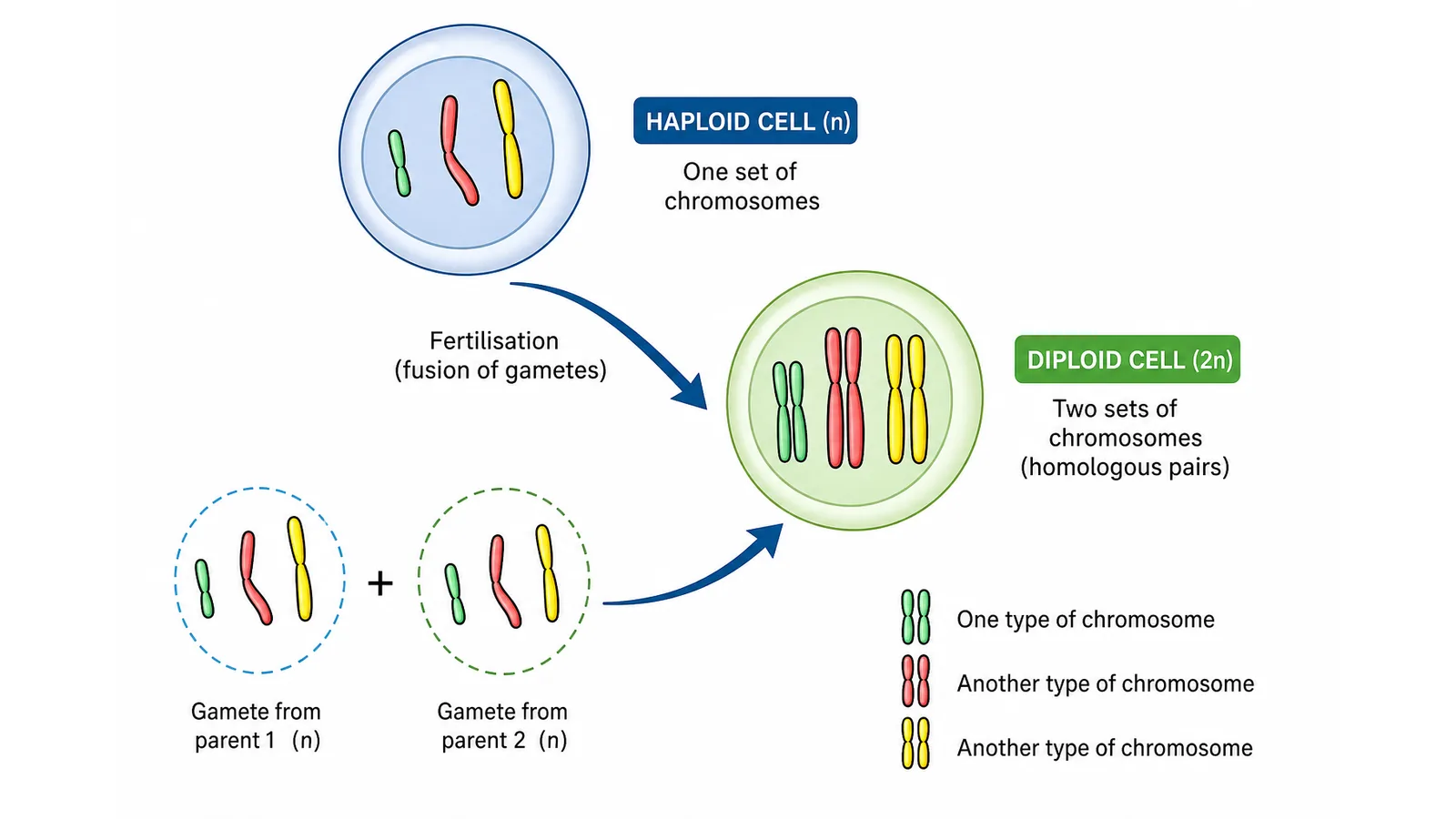
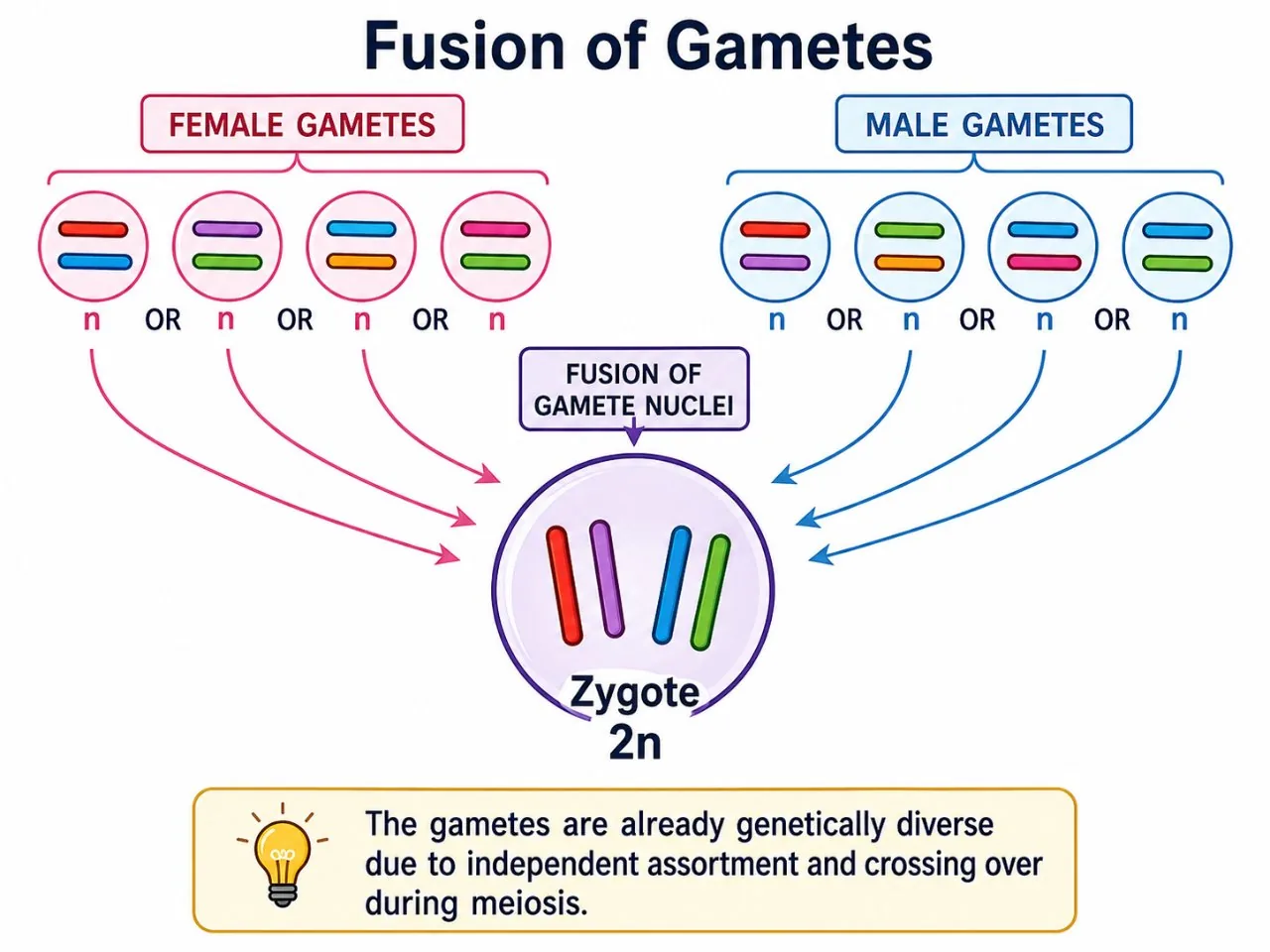
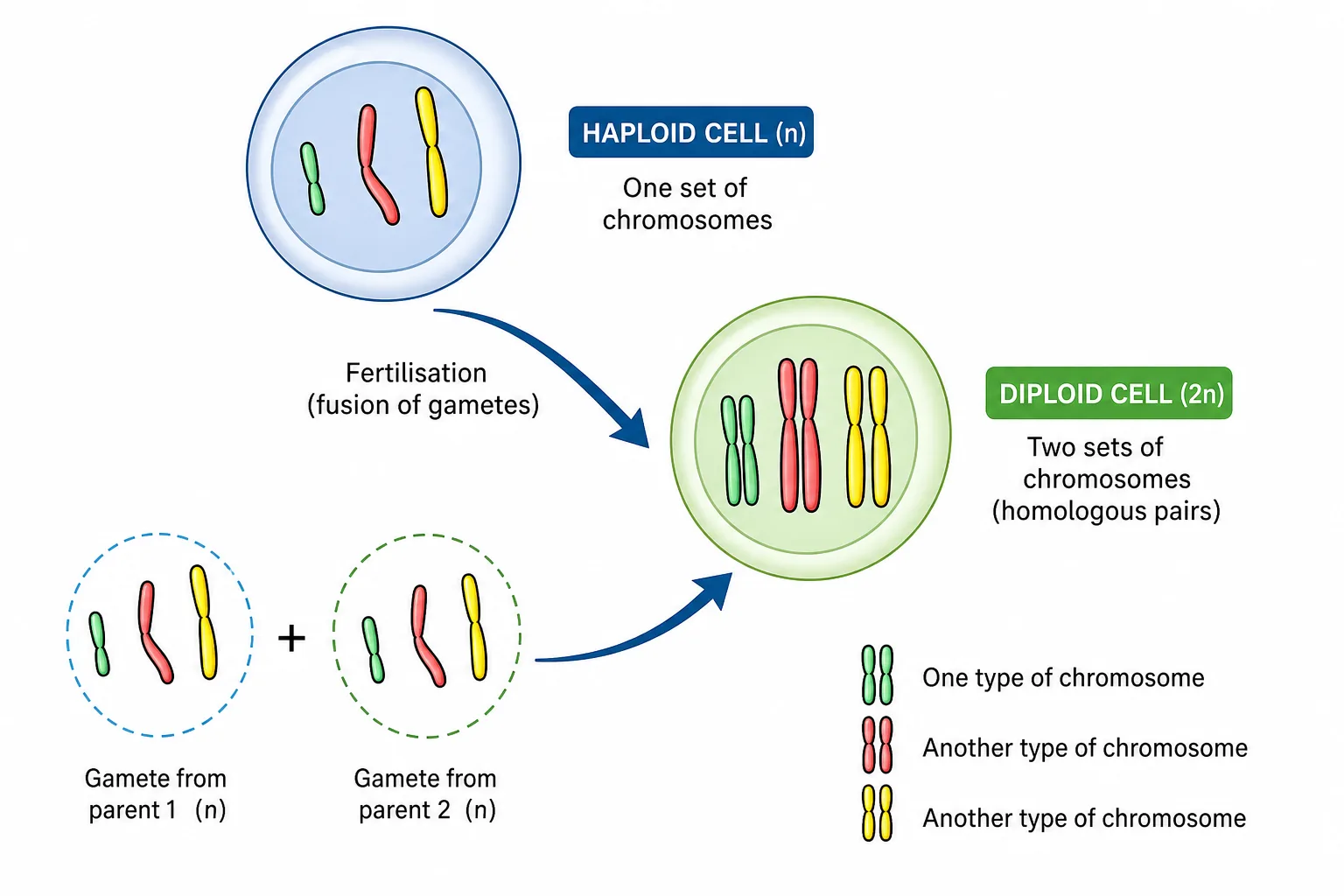
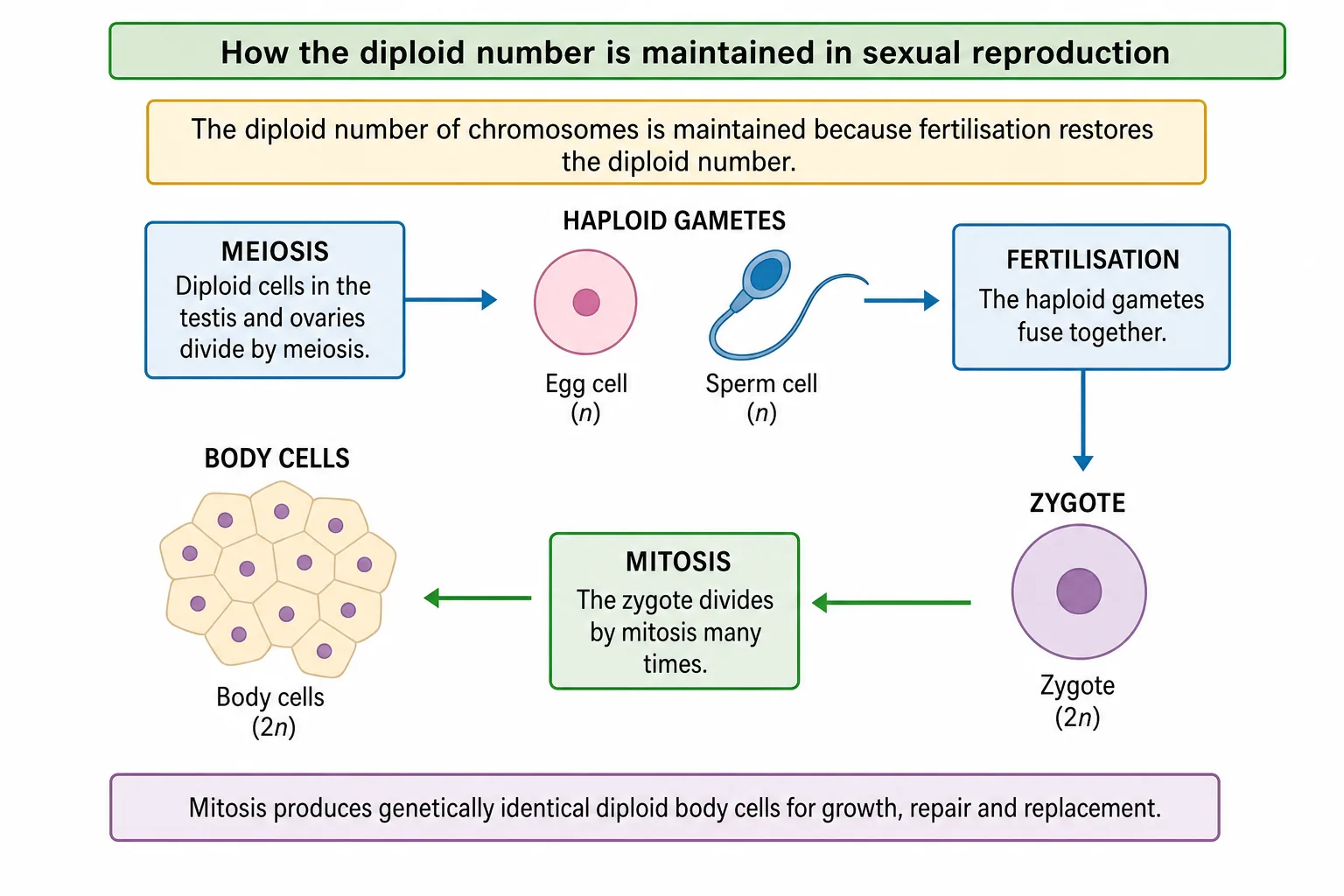
Sexual reproduction involves the joining (fusion) of the nuclei of two specialised sex cells called gametes from two parents. The fusion is called fertilisation, and it forms a single cell called a zygote, which divides to form an embryo. The offspring have a mixture of genetic information from both parents, so they show variation.
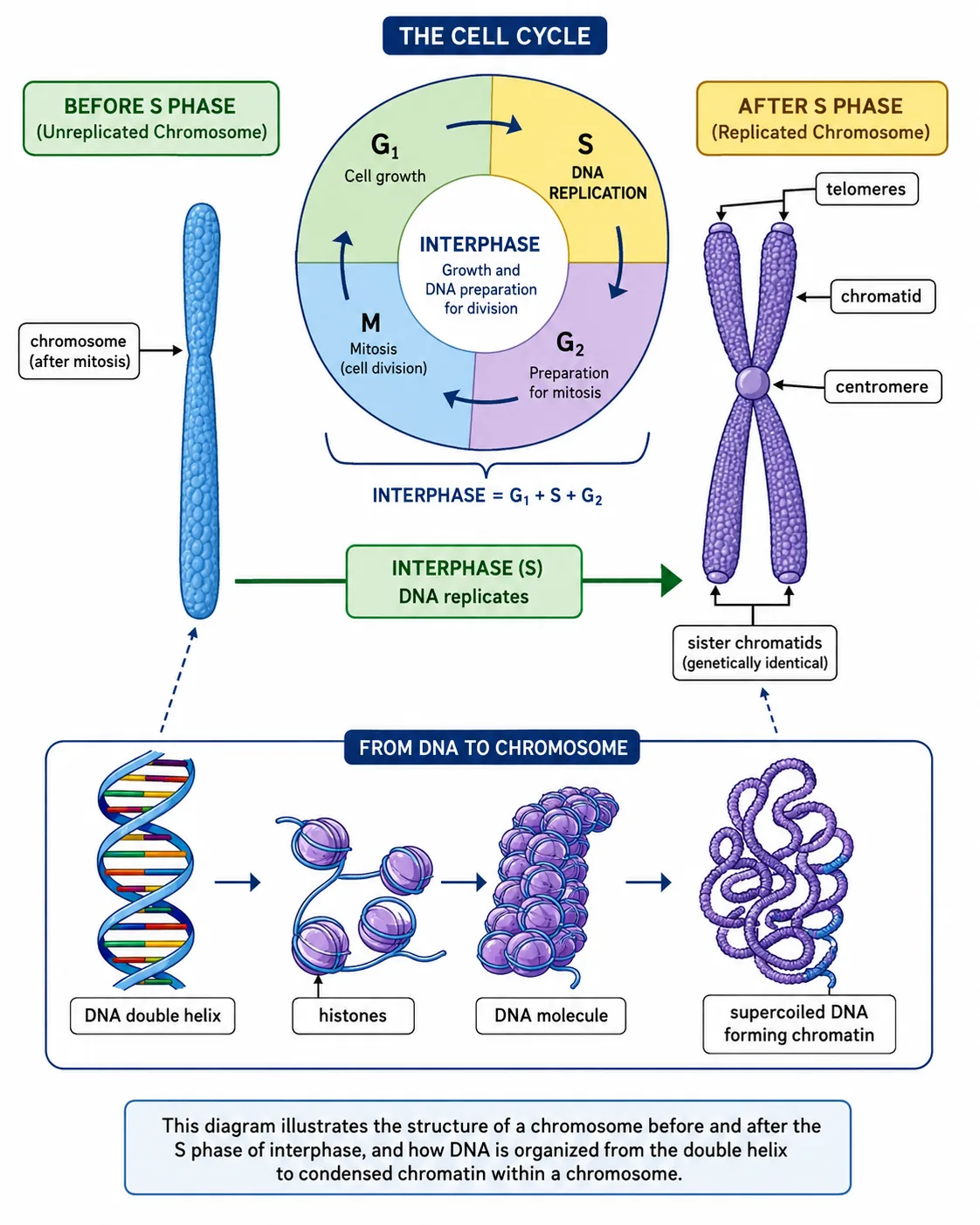
Asexual reproduction involves only one parent and no gametes. The offspring are genetically identical to the parent and to each other, and are called clones. The cells divide by mitosis.
Most animals and flowering plants reproduce sexually, but many plants and microorganisms can do both, switching according to conditions. Sexual reproduction in humans involves internal fertilisation, while many fish and amphibians shed gametes into water, where fertilisation is external and far more gametes are needed to give a few survivors.
Section 2 of 9Gametes
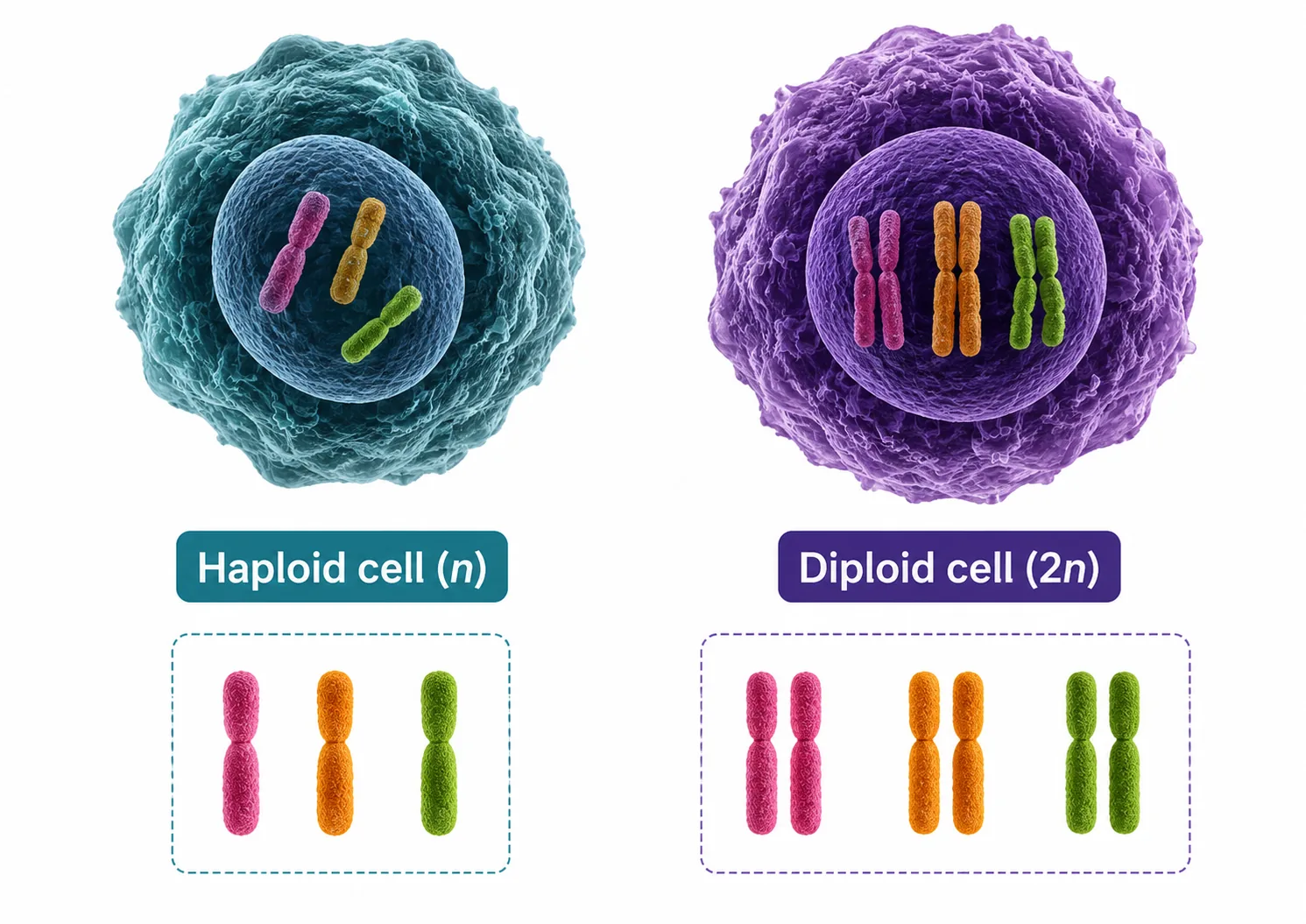

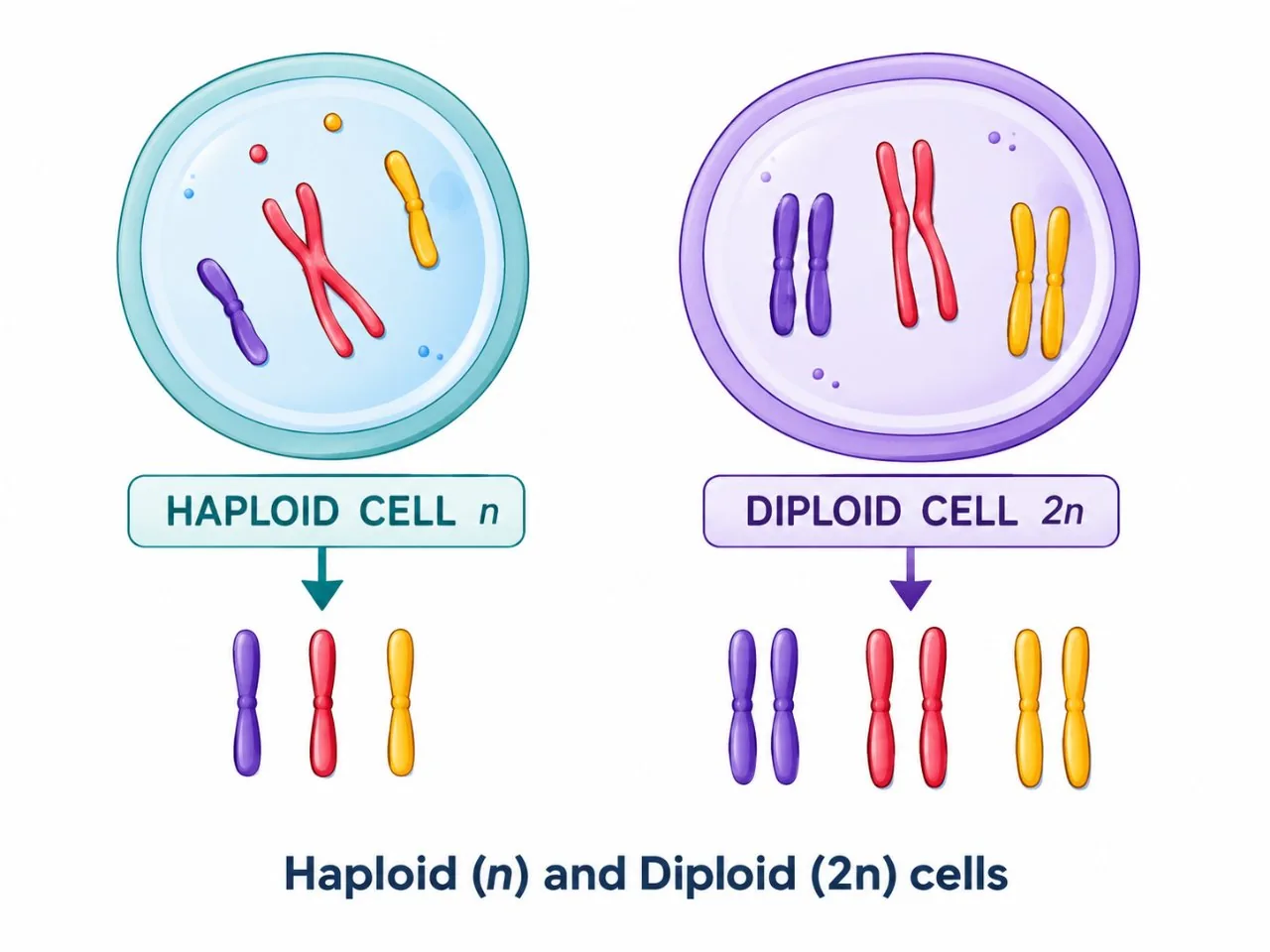
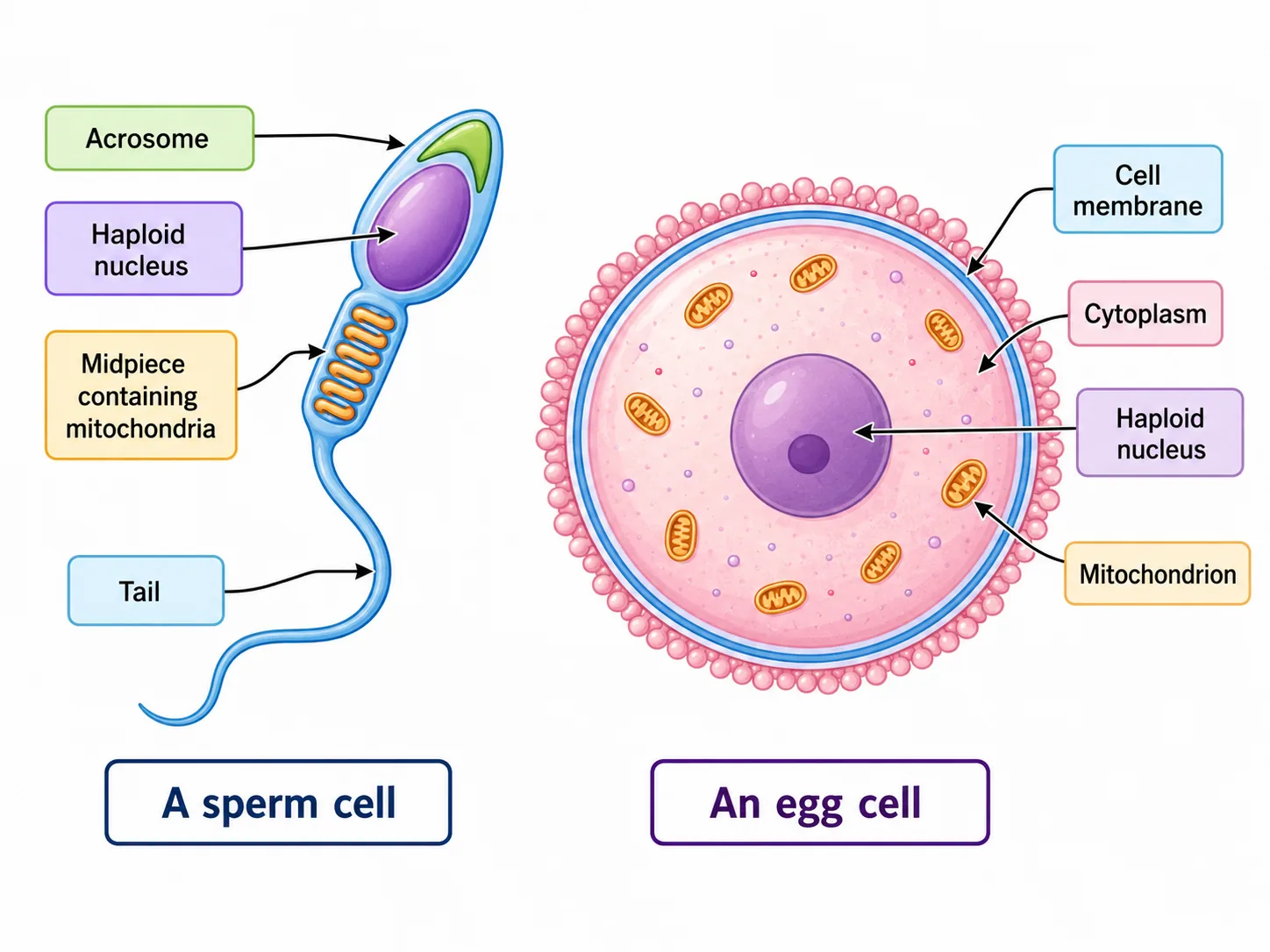
The gametes in animals are the sperm cells in males and the egg cells (ova) in females.
Body cells, in contrast, are diploid and divide by mitosis for growth, repair and asexual reproduction.
Section 3 of 9Why sexual reproduction gives variation

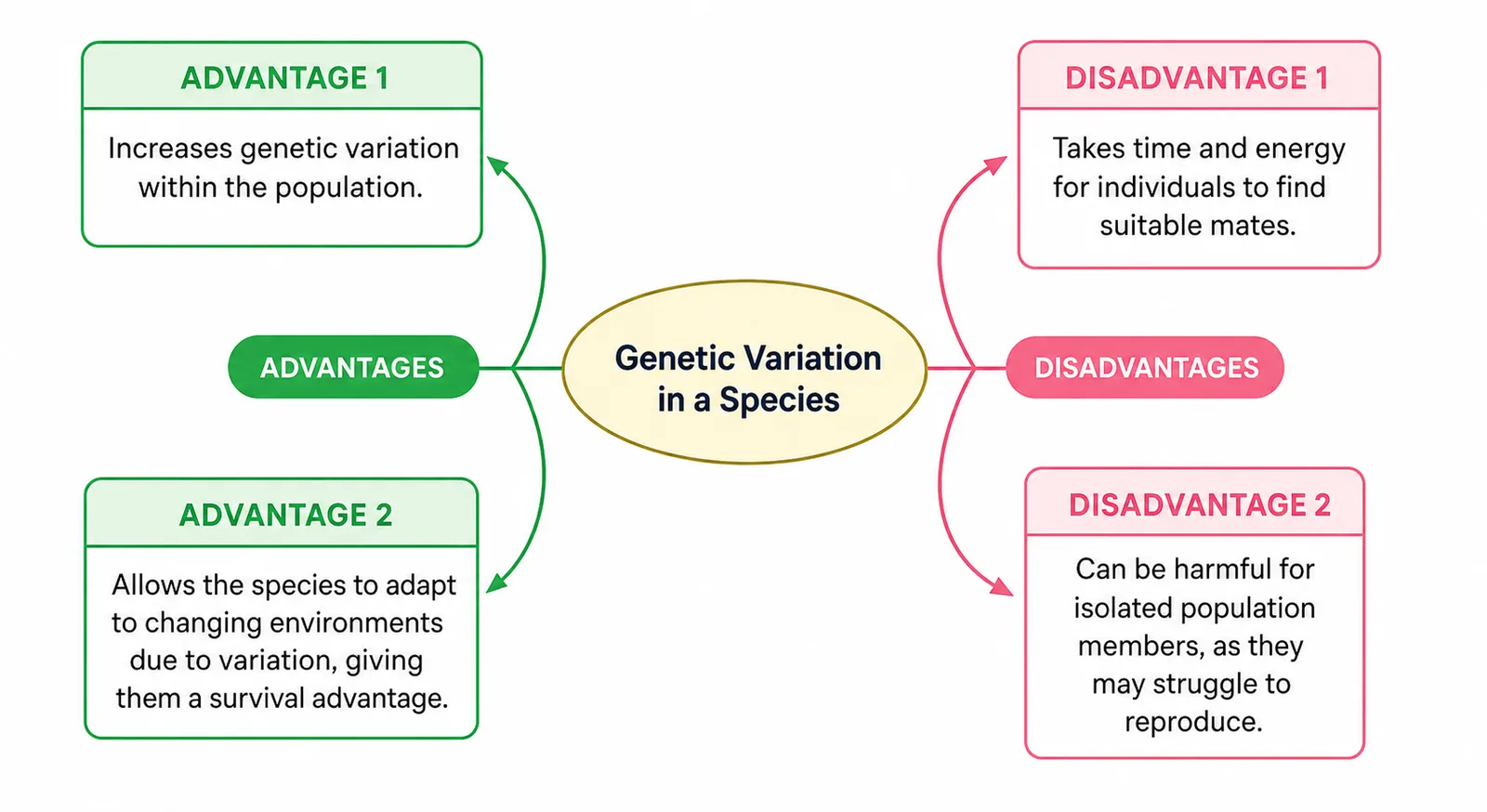
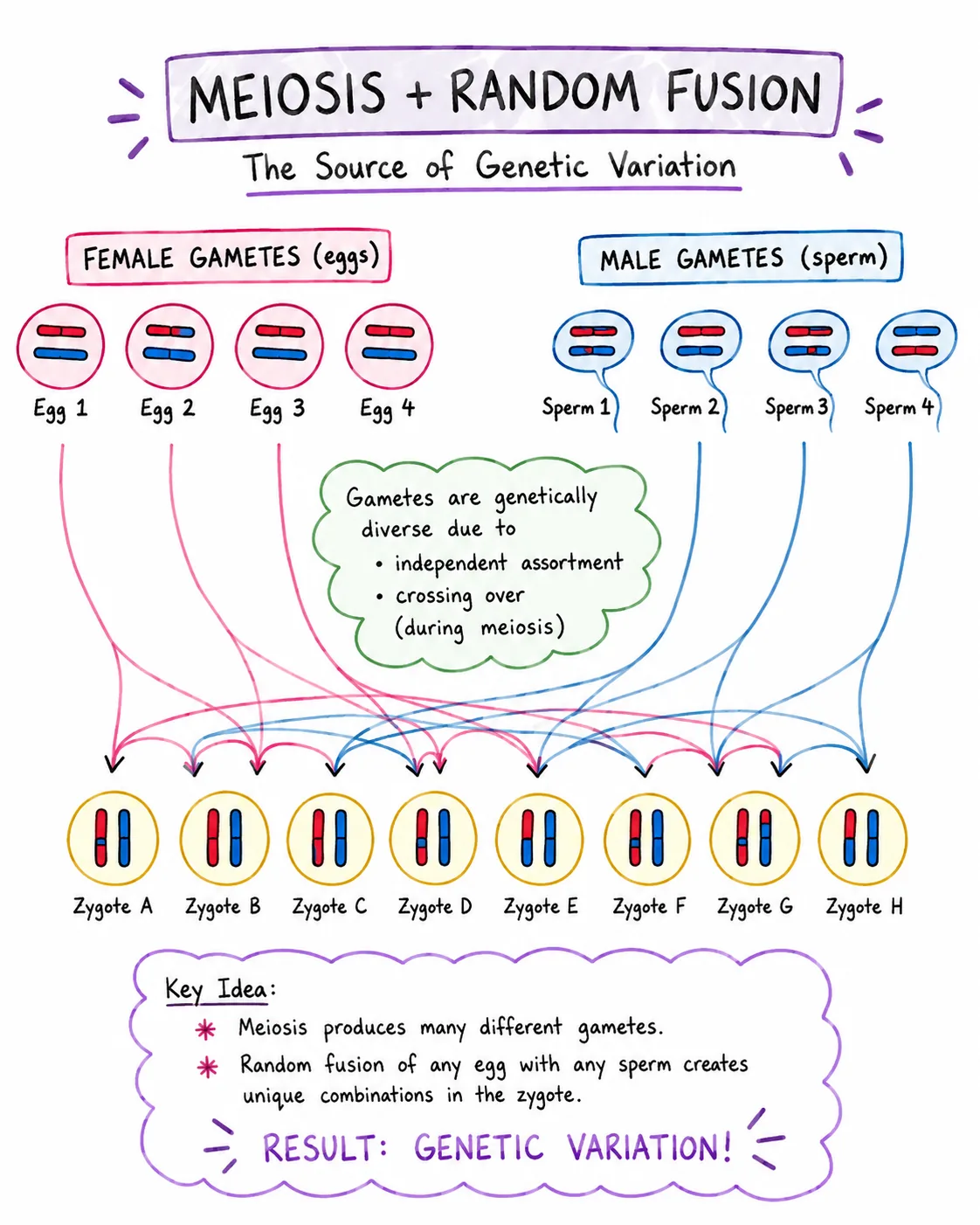
Variation arises in sexual reproduction for several reasons.
Section 4 of 9Examples of asexual reproduction




| Organism | Method |
|---|---|
| Bacteria | Binary fission: the cell copies its DNA and divides in two |
| Fungi (e.g. mushrooms, yeast) | Release of spores; yeast can bud |
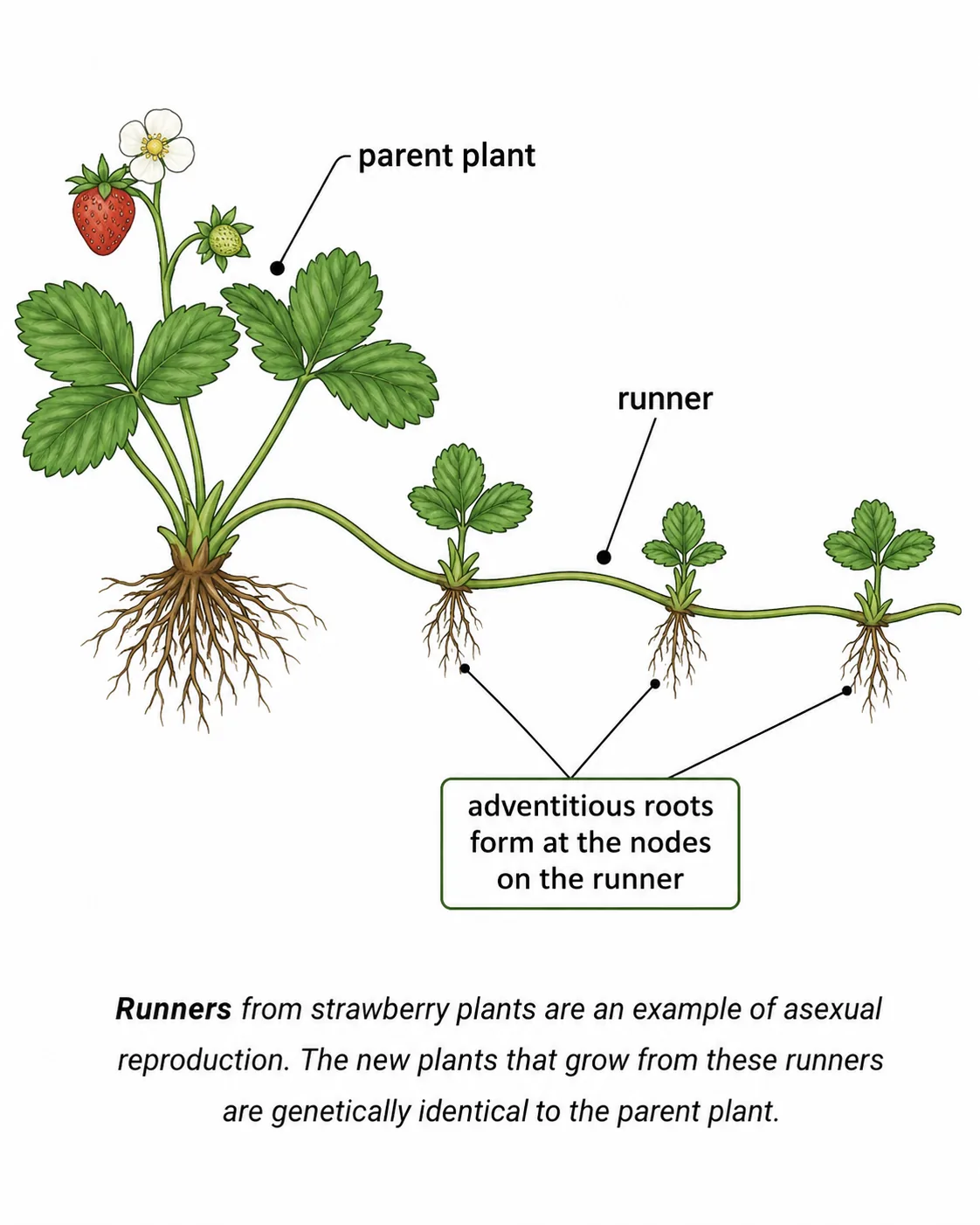
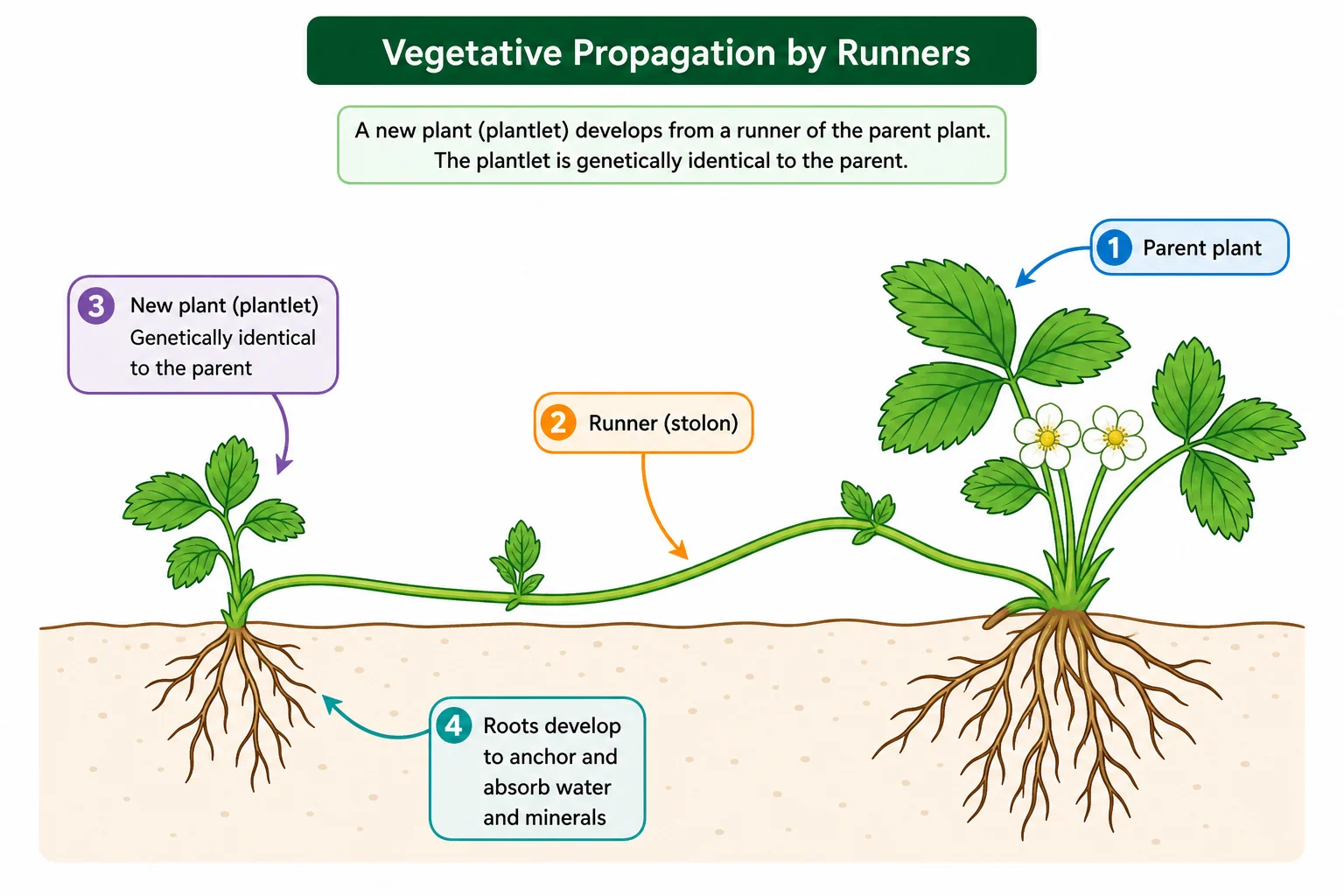
| Strawberry plants | Runners growing from the parent |
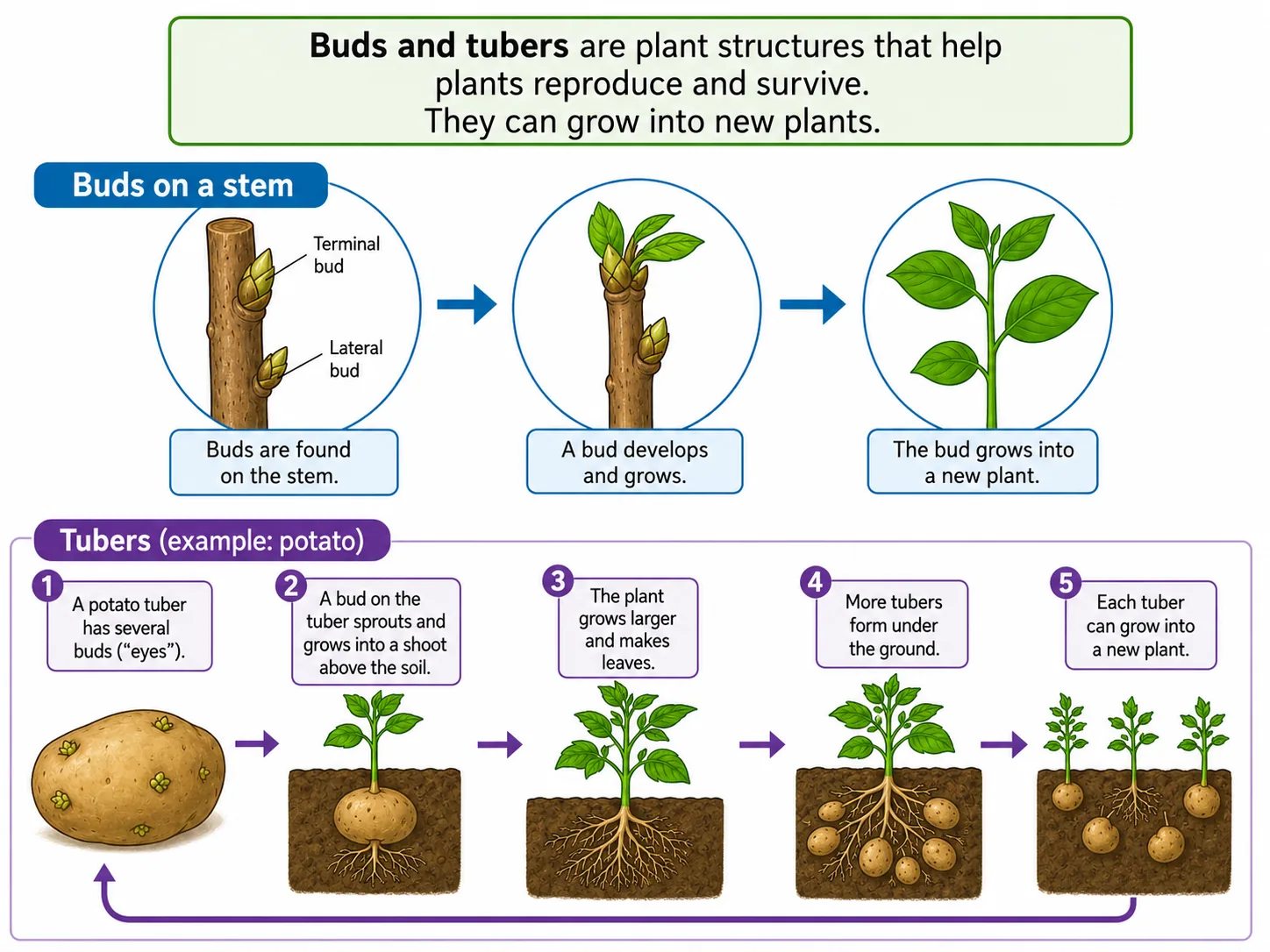
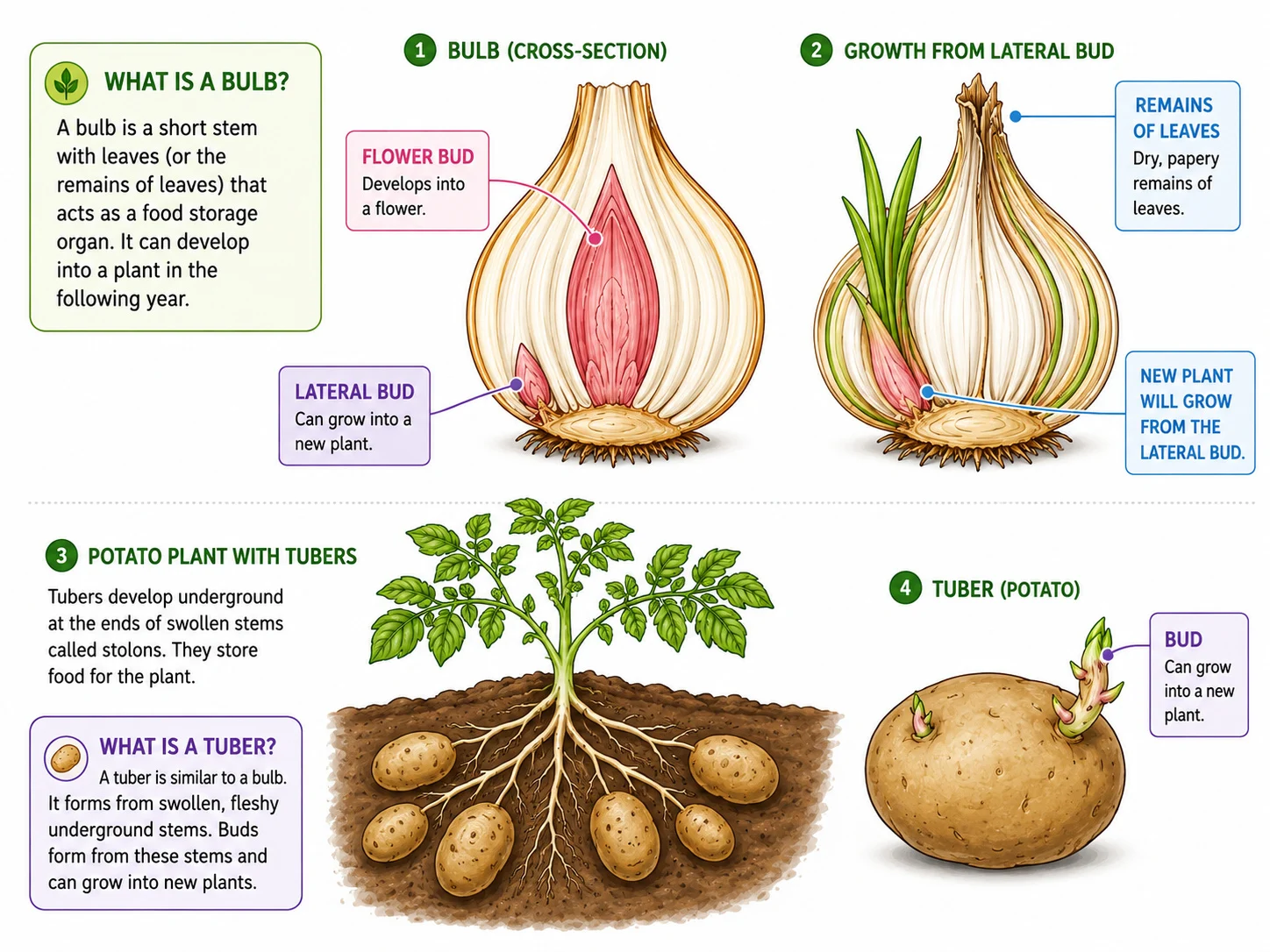
| Potatoes, daffodils | Tubers and bulbs that grow into new plants |
| Malarial parasite | Asexual reproduction in the human host (mitosis) |
Some organisms use both. Plants such as strawberries reproduce sexually through seeds and asexually through runners, and the malarial parasite uses sexual reproduction in mosquitoes and asexual reproduction in humans. Fungi also may switch depending on the conditions.
Section 5 of 9Comparing the two

| Feature | Sexual | Asexual |
|---|---|---|
| Number of parents | Two | One |
| Gametes | Yes | No |
| Cell division | Meiosis then fertilisation | Mitosis |
| Offspring | Genetically different | Genetically identical clones |
This topic links to cell division by mitosis in cell biology, to meiosis (6.1.2), and to the advantages of each type (6.1.3). In humans, the fusion of sperm and egg and the growth of the embryo link to the reproductive system and hormones (5.3).
Section 6 of 9Worked comparison: strawberry plant

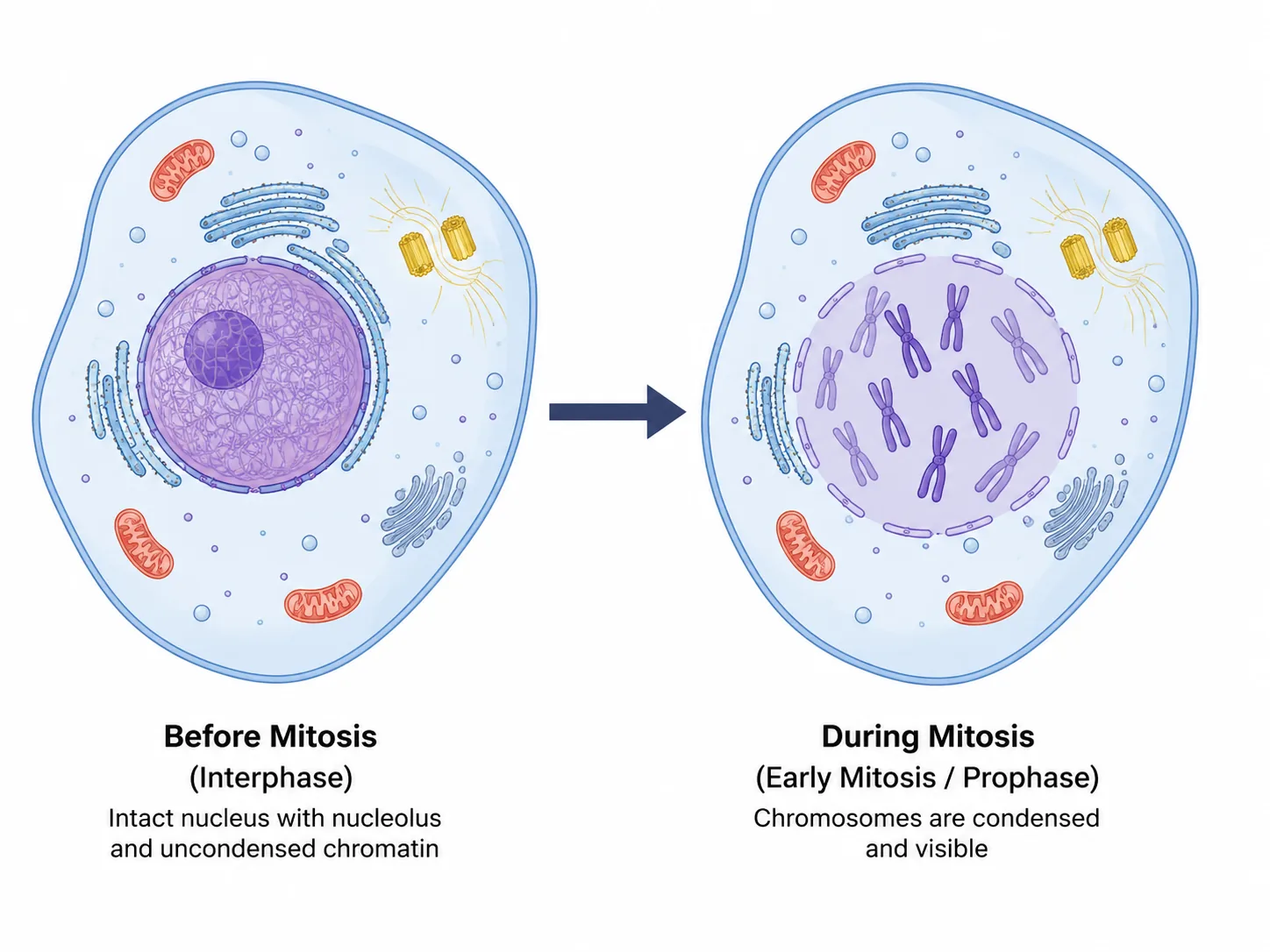
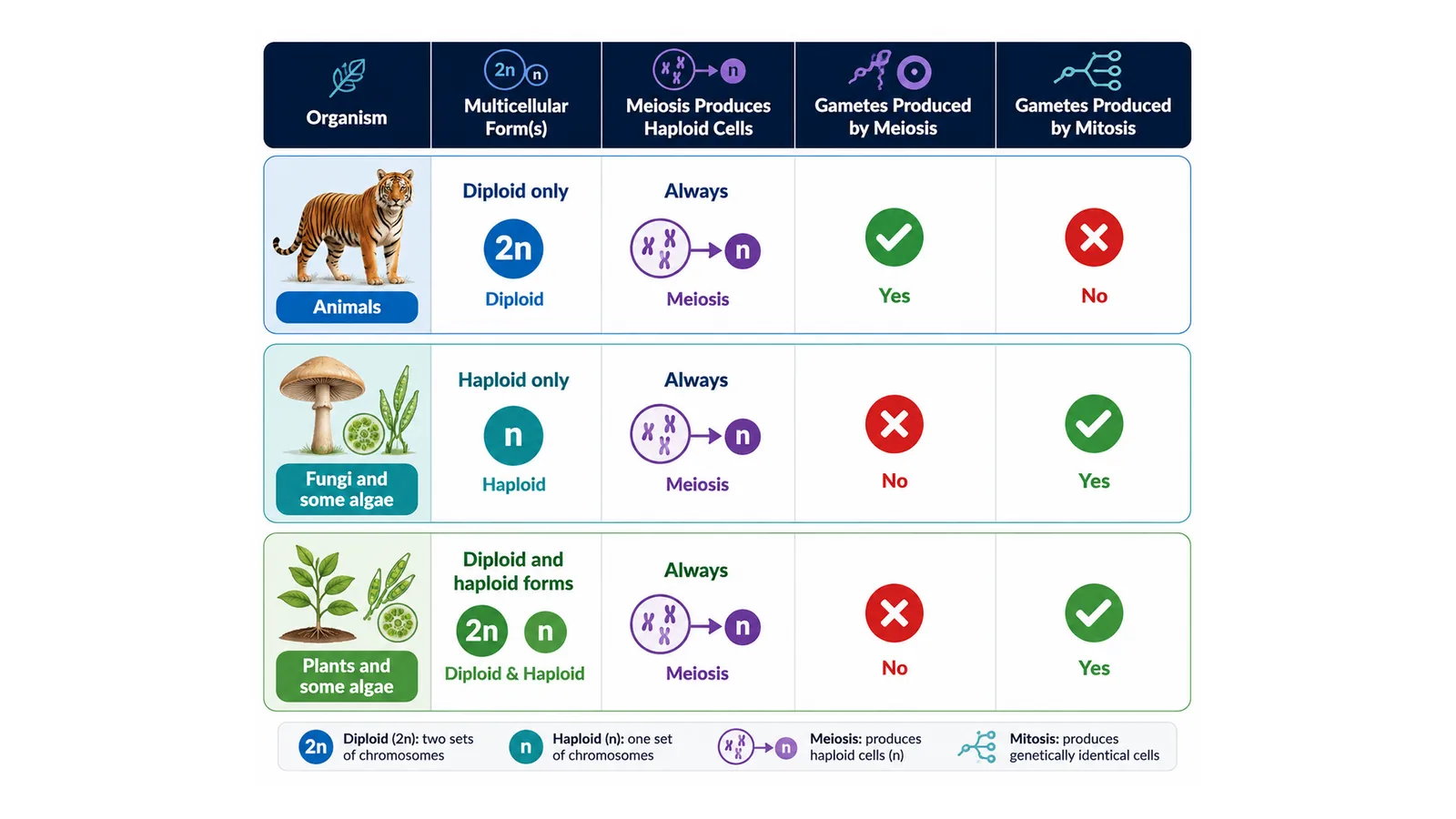


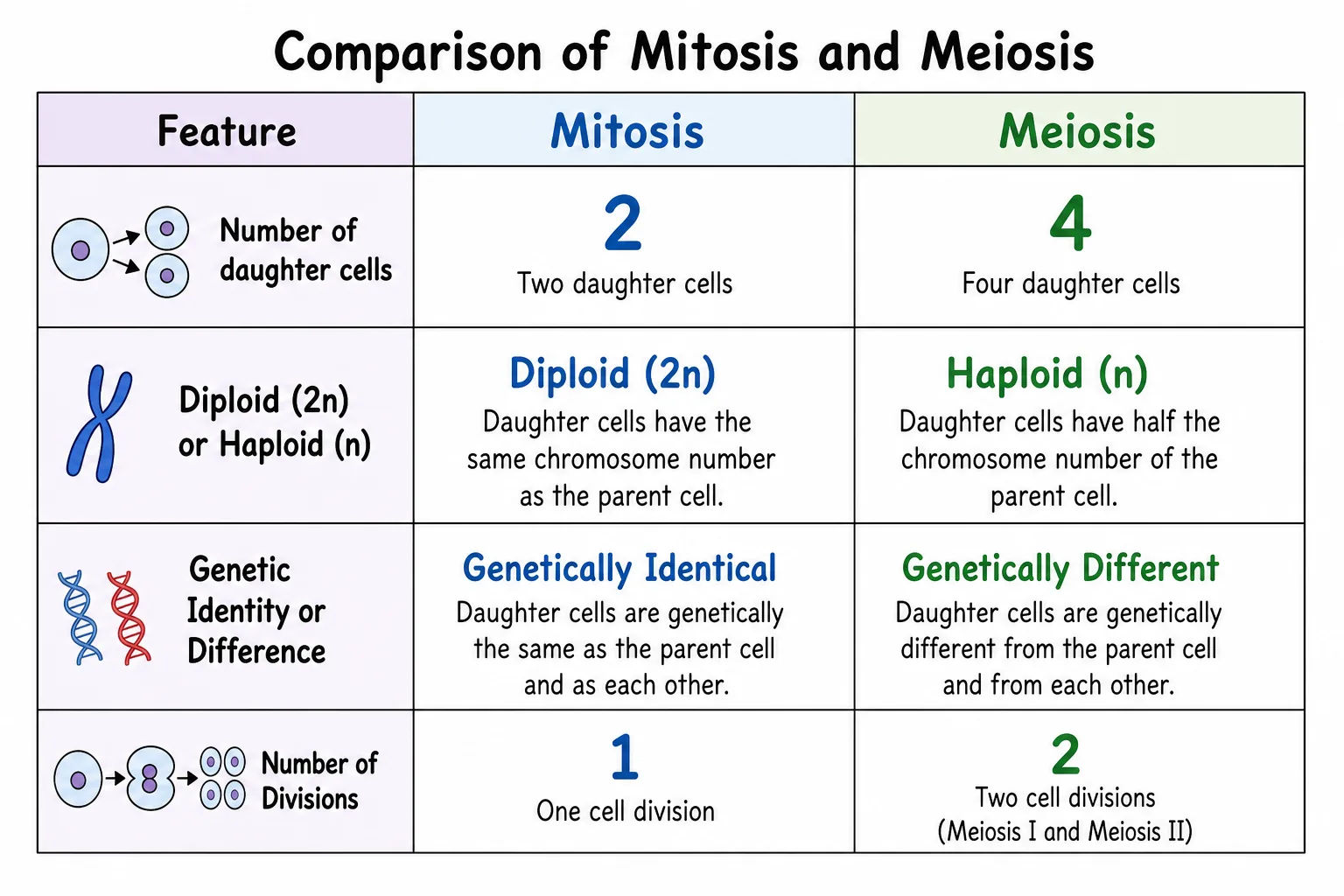


A strawberry plant shows both kinds of reproduction side by side, which makes it a good model for exam answers.
The same plant also makes flowers.
- so there is a chance that some will resist a disease or cope with a dry summer.
For humans, identical twins are a natural example of clones, produced when an embryo splits early in development, but they arise from sexual reproduction and so are different from either parent.
Section 7 of 9Exam-style questions


Describe the differences between sexual and asexual reproduction. [4]4 marks
Sexual involves two parents, asexual only one [1]. Sexual involves gametes and fertilisation, asexual does not [1]. Sexual offspring show genetic variation [1] whereas asexual offspring are clones, genetically identical to the parent [1].
State the number of chromosomes in a human gamete and in a zygote. Explain the difference. [3]3 marks
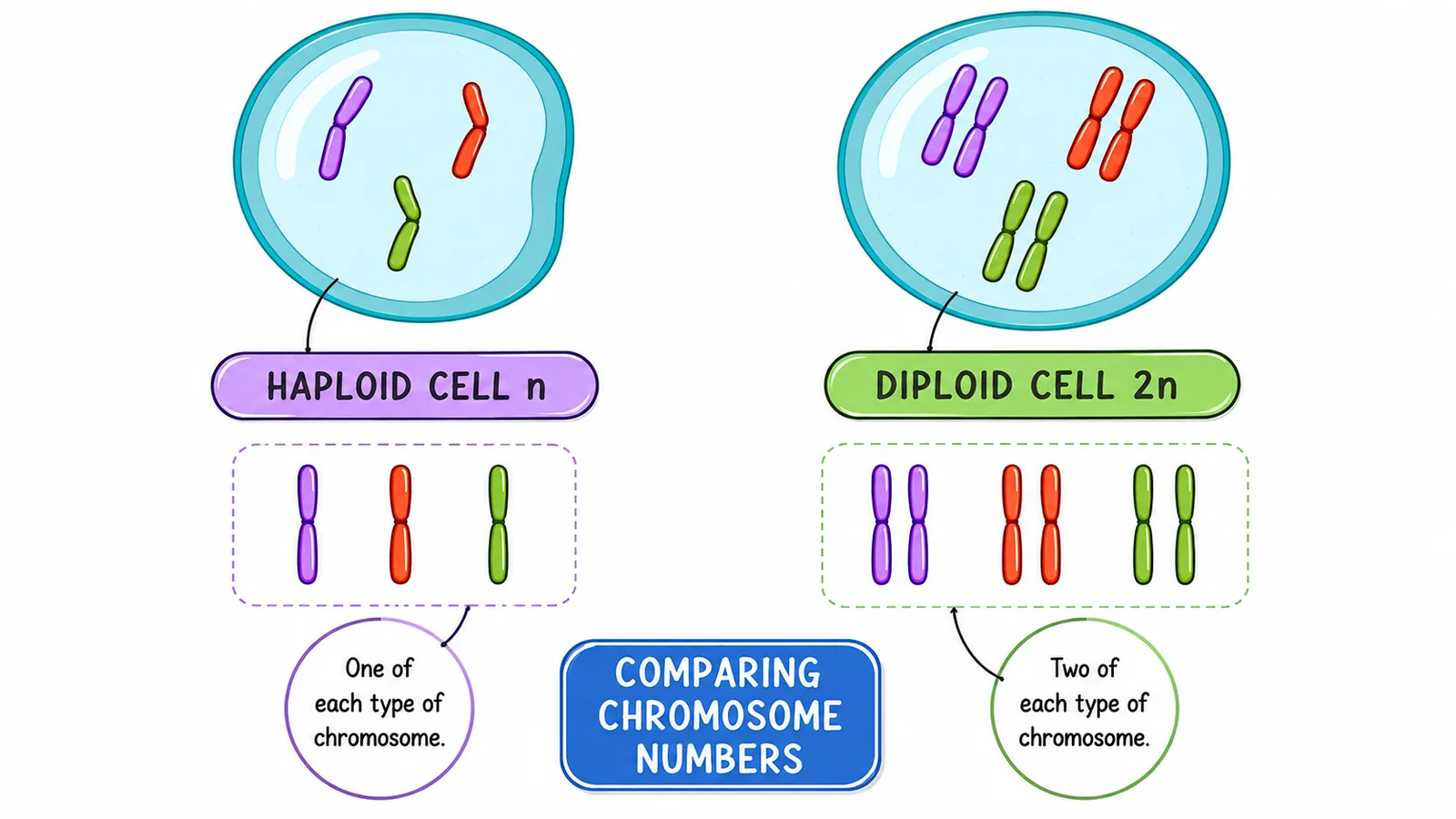
Gamete 23 and zygote 46 [1]. Gametes are haploid, with half the number of chromosomes [1]. At fertilisation two gametes fuse, restoring the full diploid number [1].
Explain why offspring from sexual reproduction are not identical to their parents. [3]3 marks
Gametes are made by meiosis and each contains a different mixture of alleles [1]. Offspring receive genes from two parents [1]. Fertilisation is random so there are many possible combinations [1].
Section 8 of 9Key terms
| Term | Meaning |
|---|---|
| Gamete | A haploid sex cell such as a sperm or egg. |
| Fertilisation | The fusion of the nuclei of two gametes. |
| Zygote | The cell formed when two gametes fuse. |
| Clone | A genetically identical organism produced asexually. |
| Haploid | Having one set of chromosomes. |
| Diploid | Having two sets of chromosomes. |
| Mitosis | Cell division producing identical cells. |
| Meiosis | Cell division producing genetically different gametes. |