Section 1 of 9Overview of blood

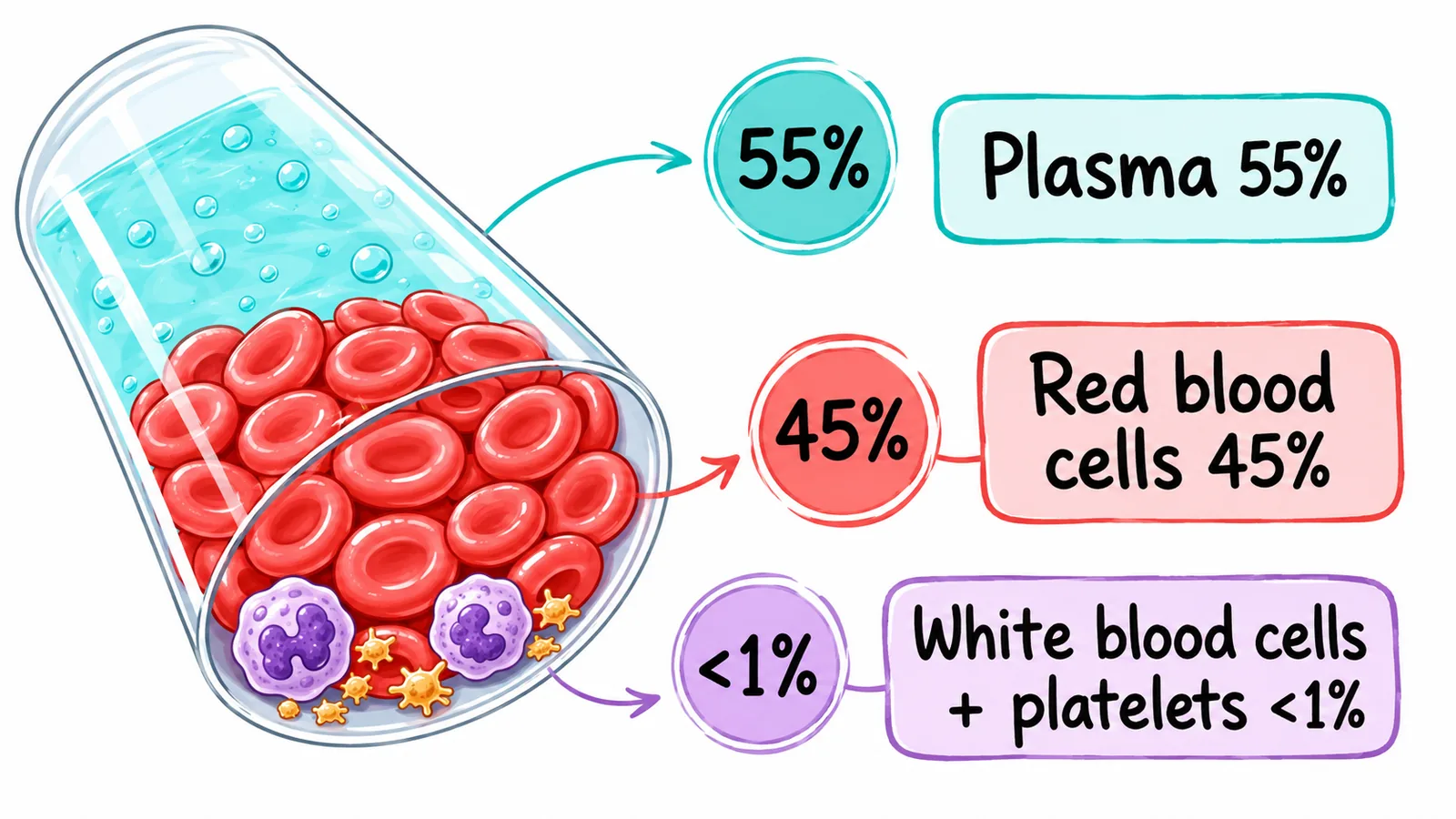
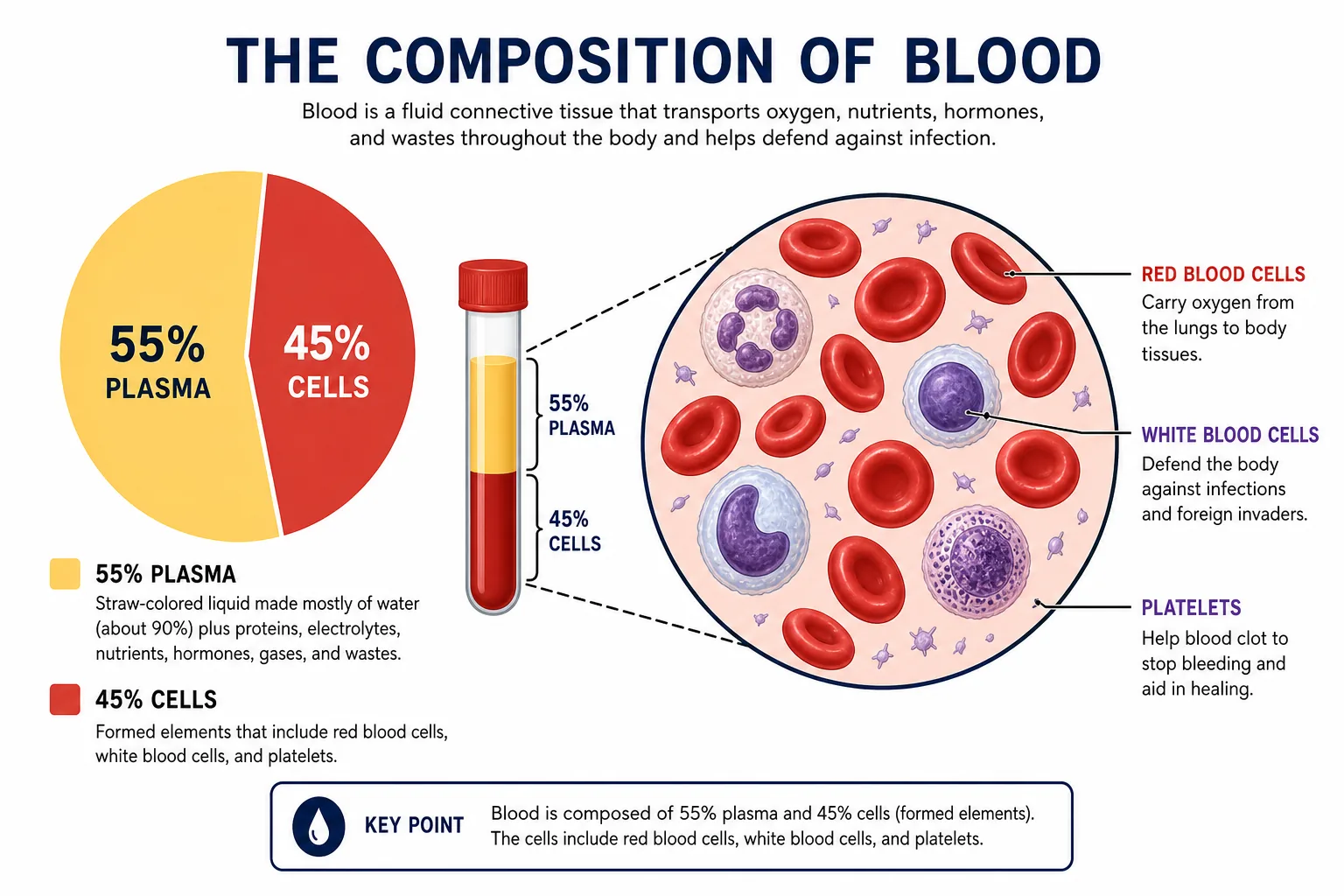
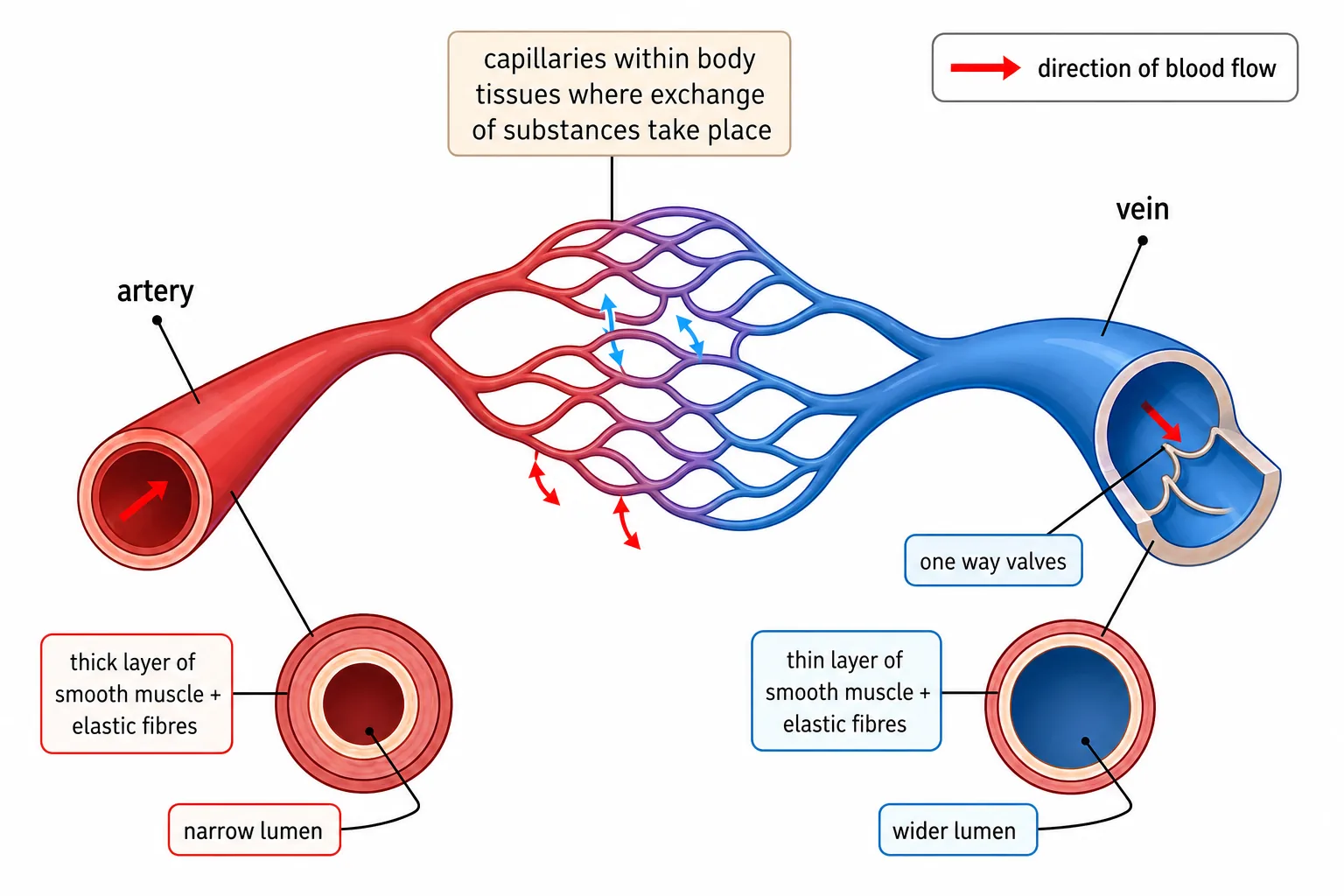
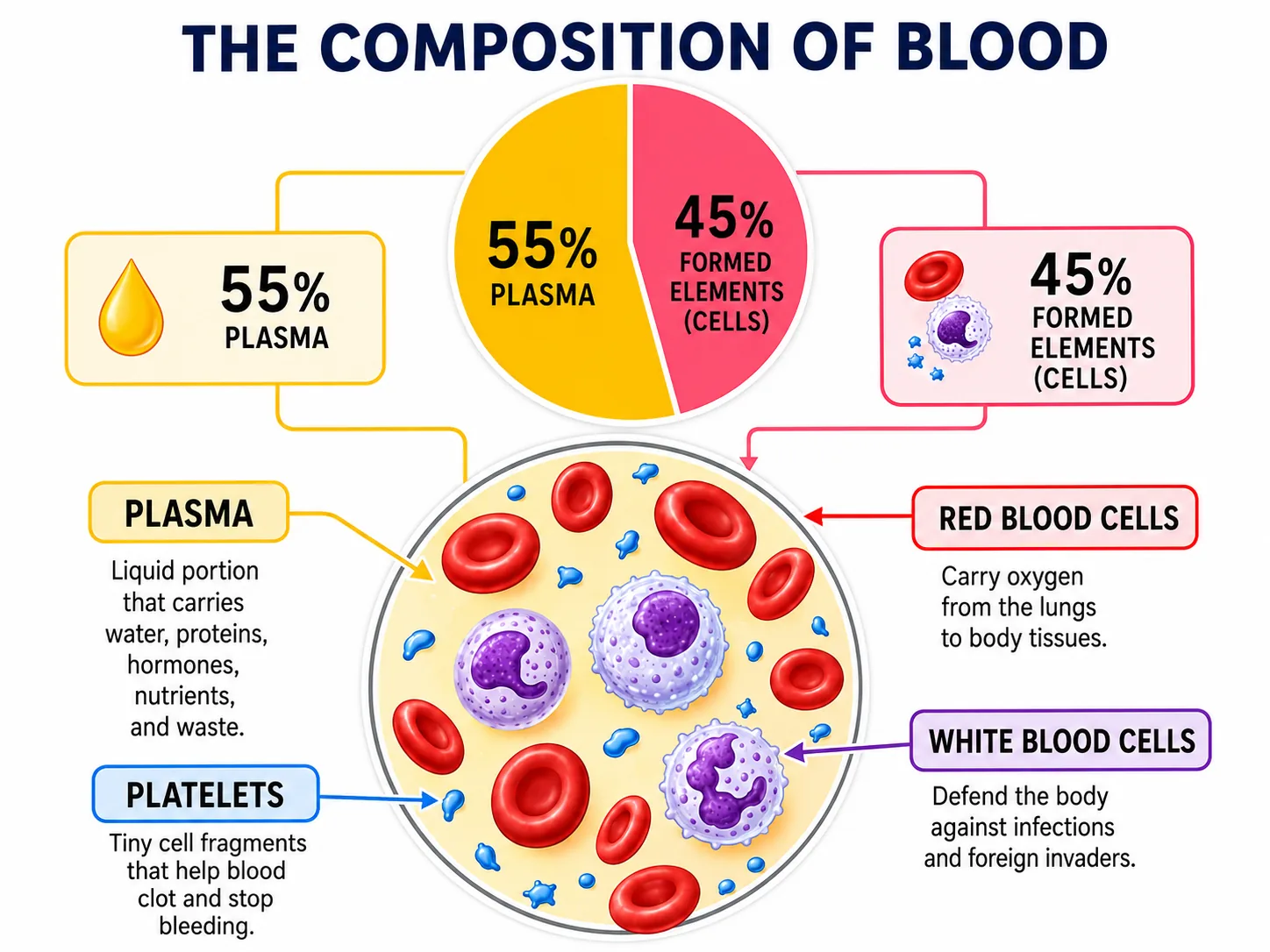
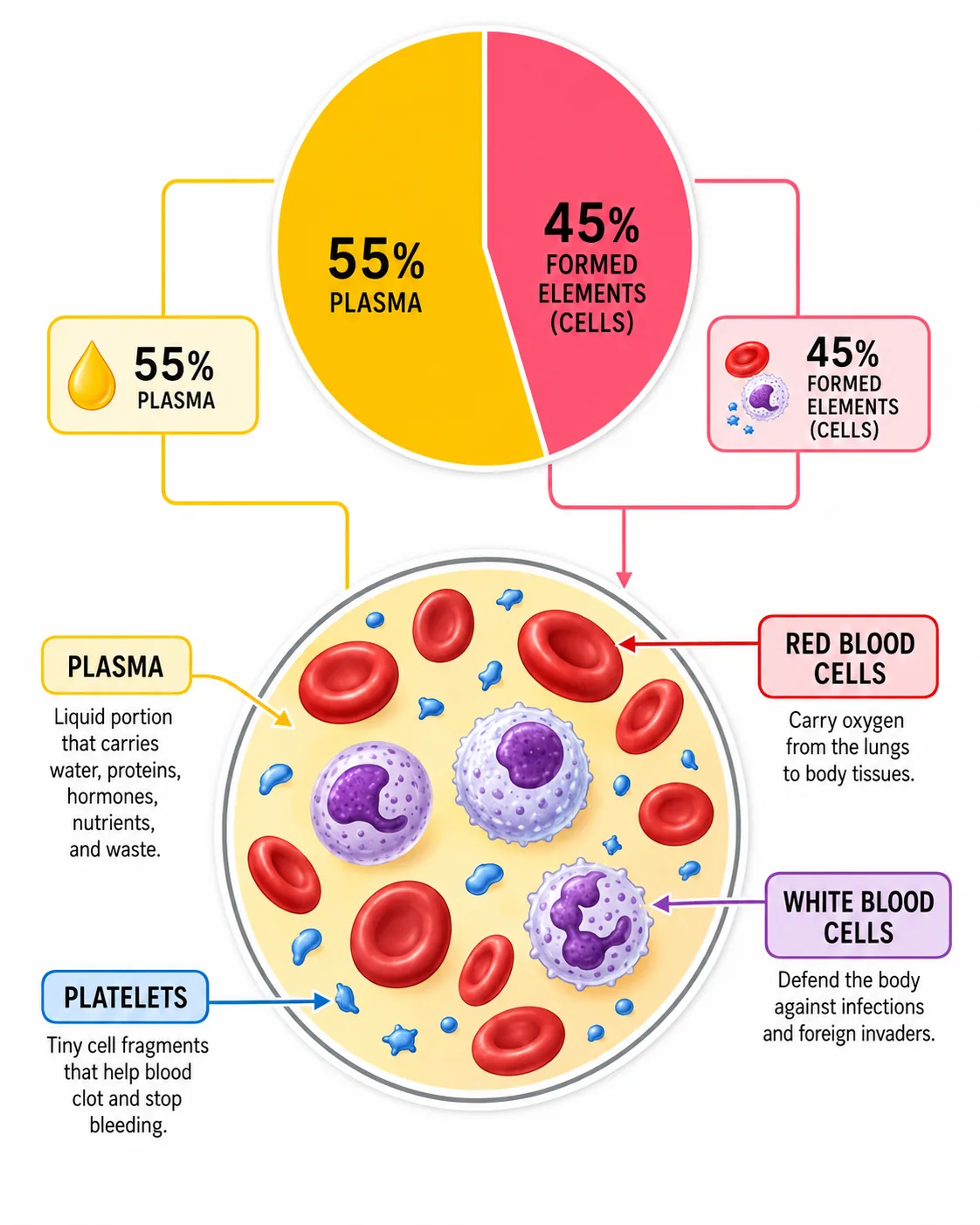
Blood is a tissue made of a liquid, plasma, and cells and cell fragments suspended in it.
Section 2 of 9Plasma

Plasma is a pale yellow liquid that is mostly water. It carries dissolved substances:
Section 3 of 9Red blood cells

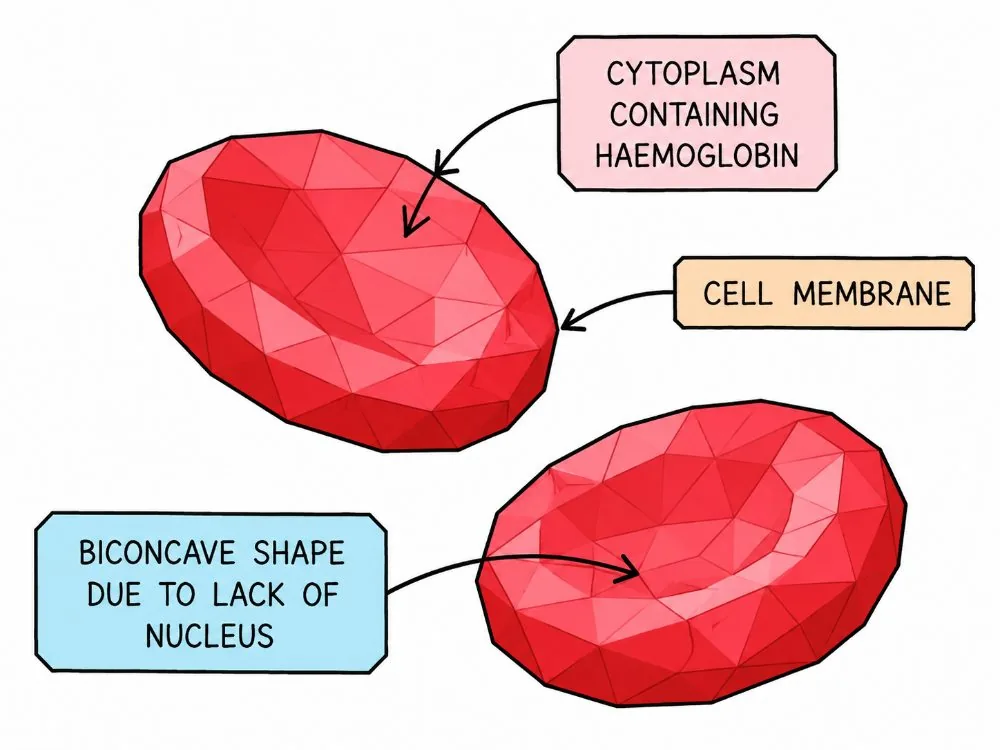
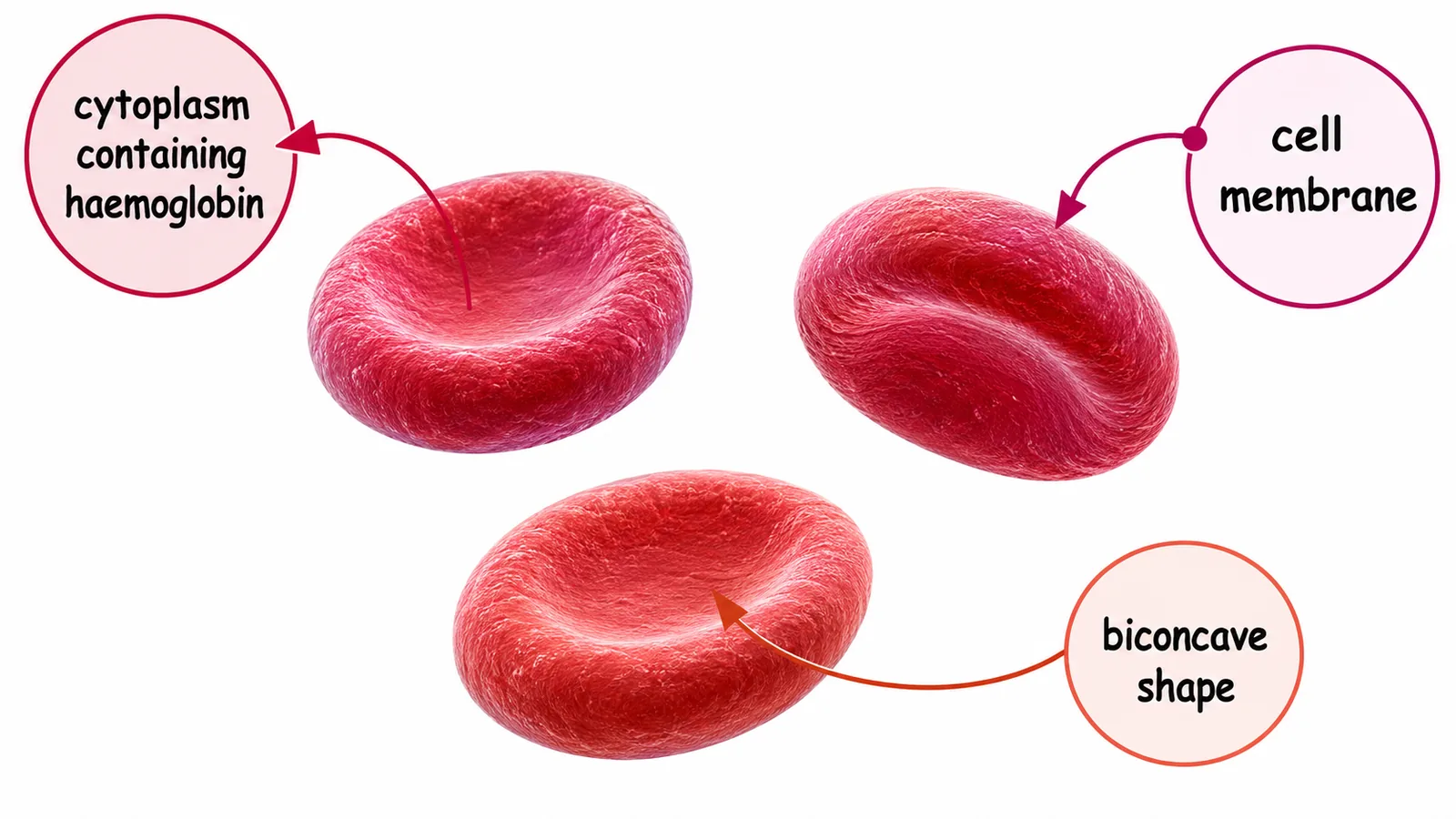

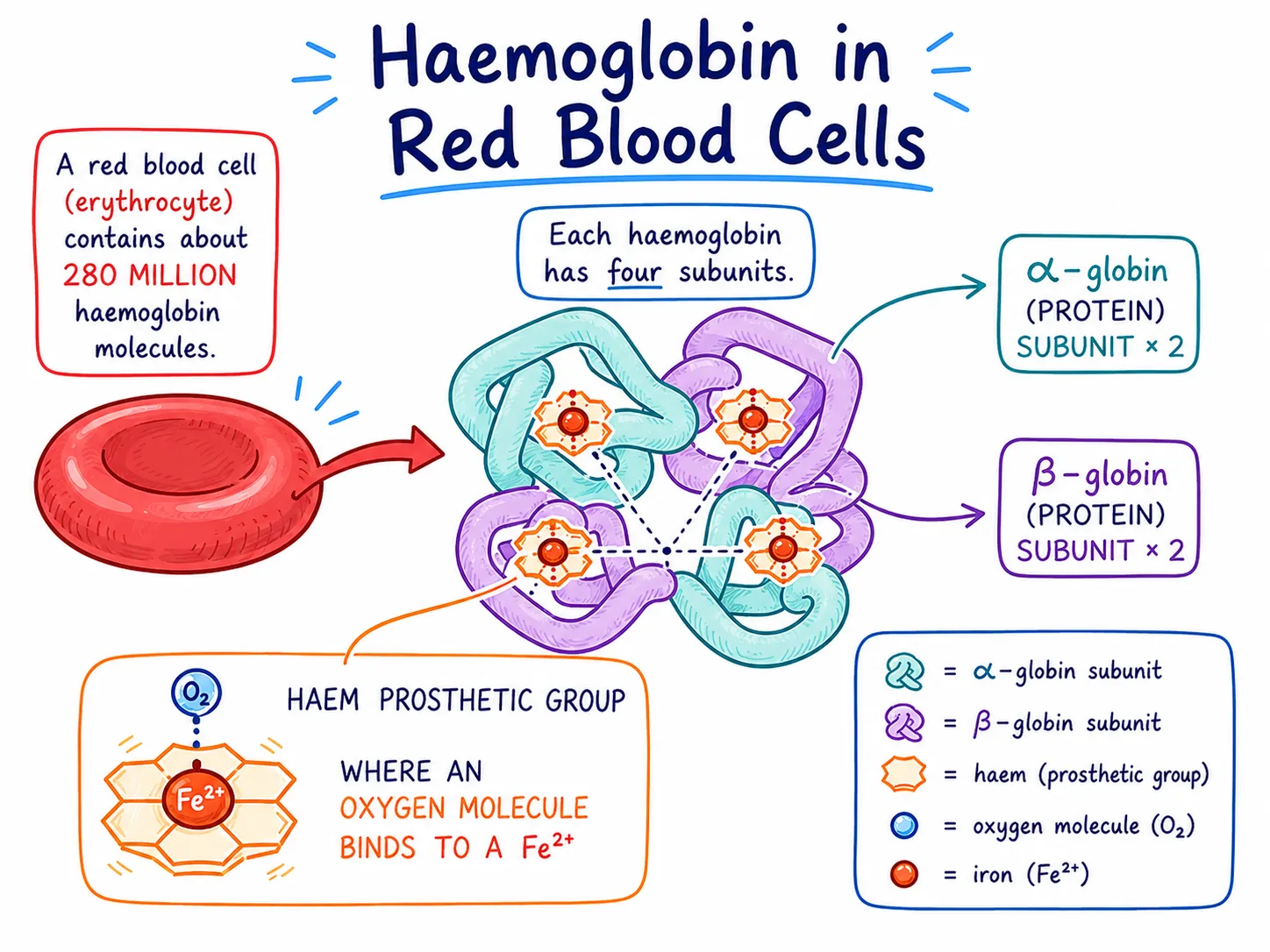

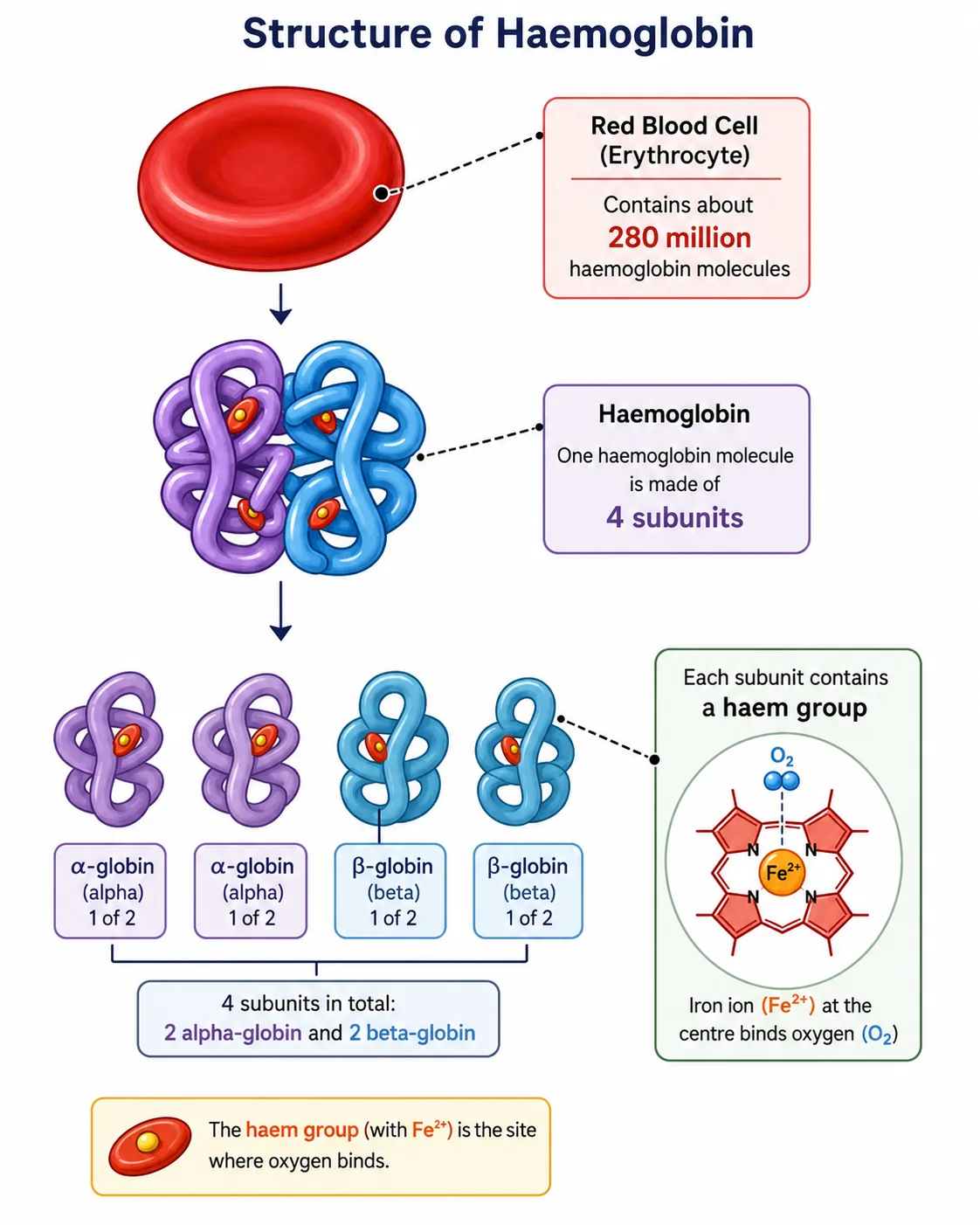
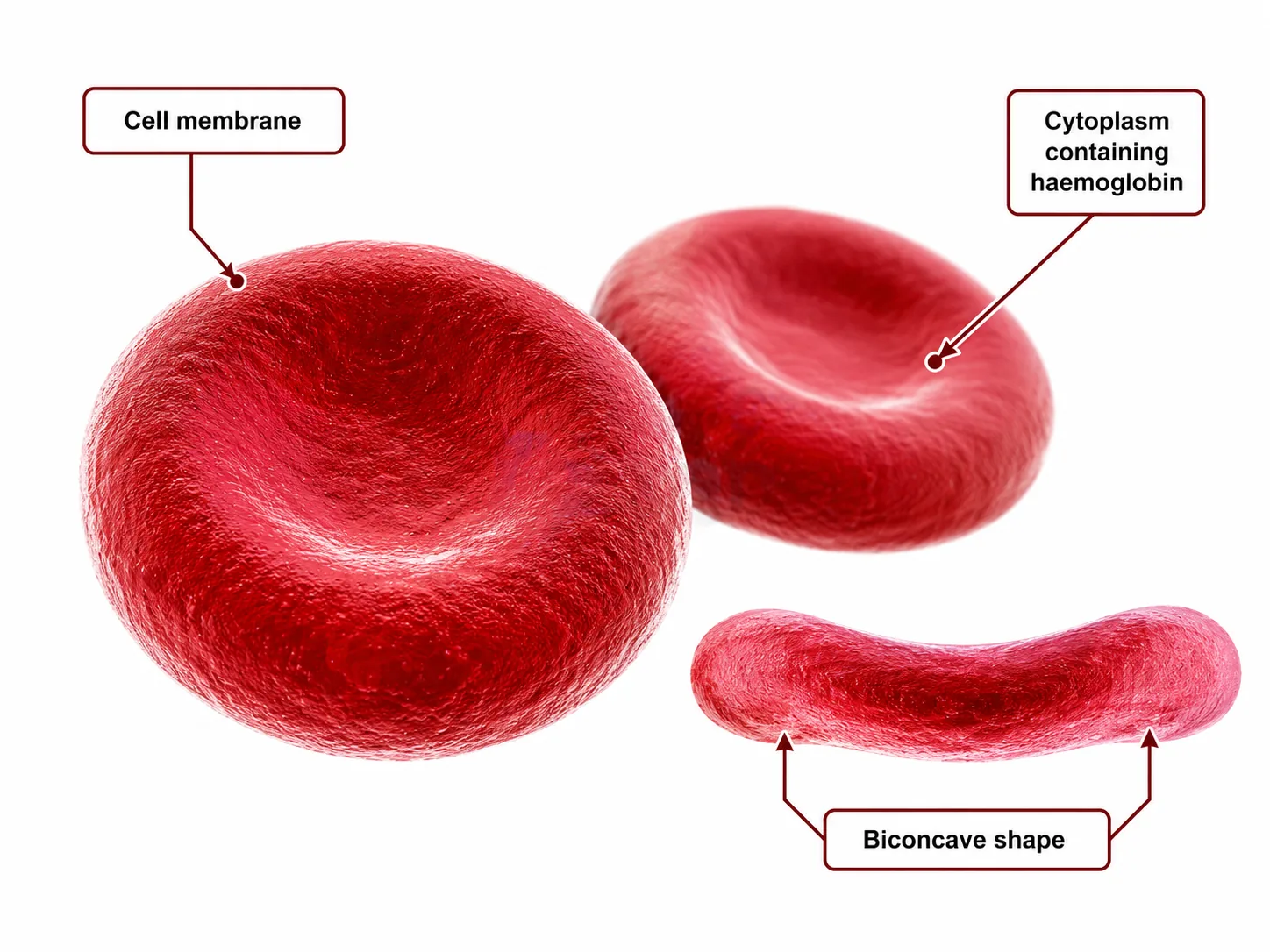
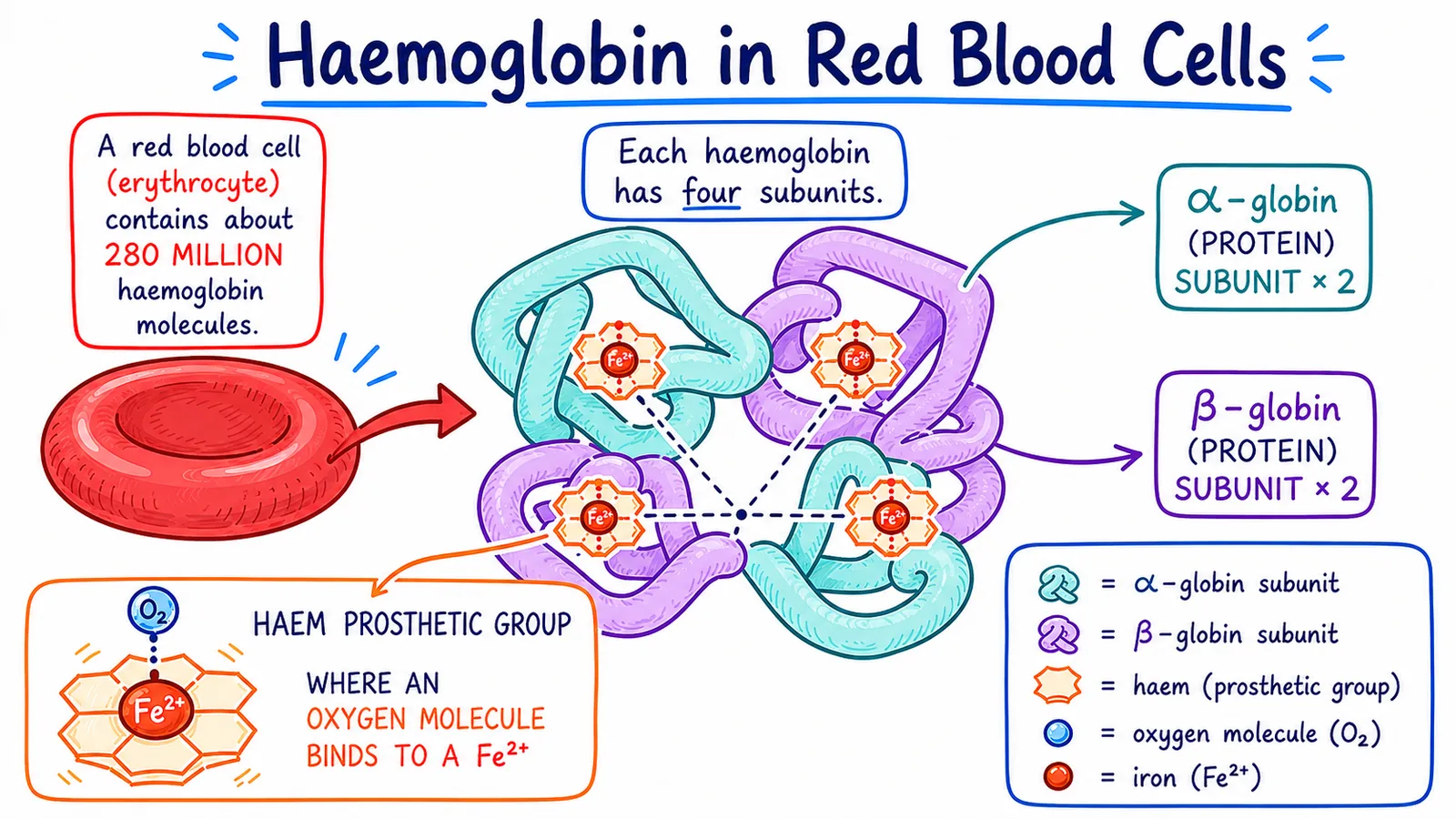
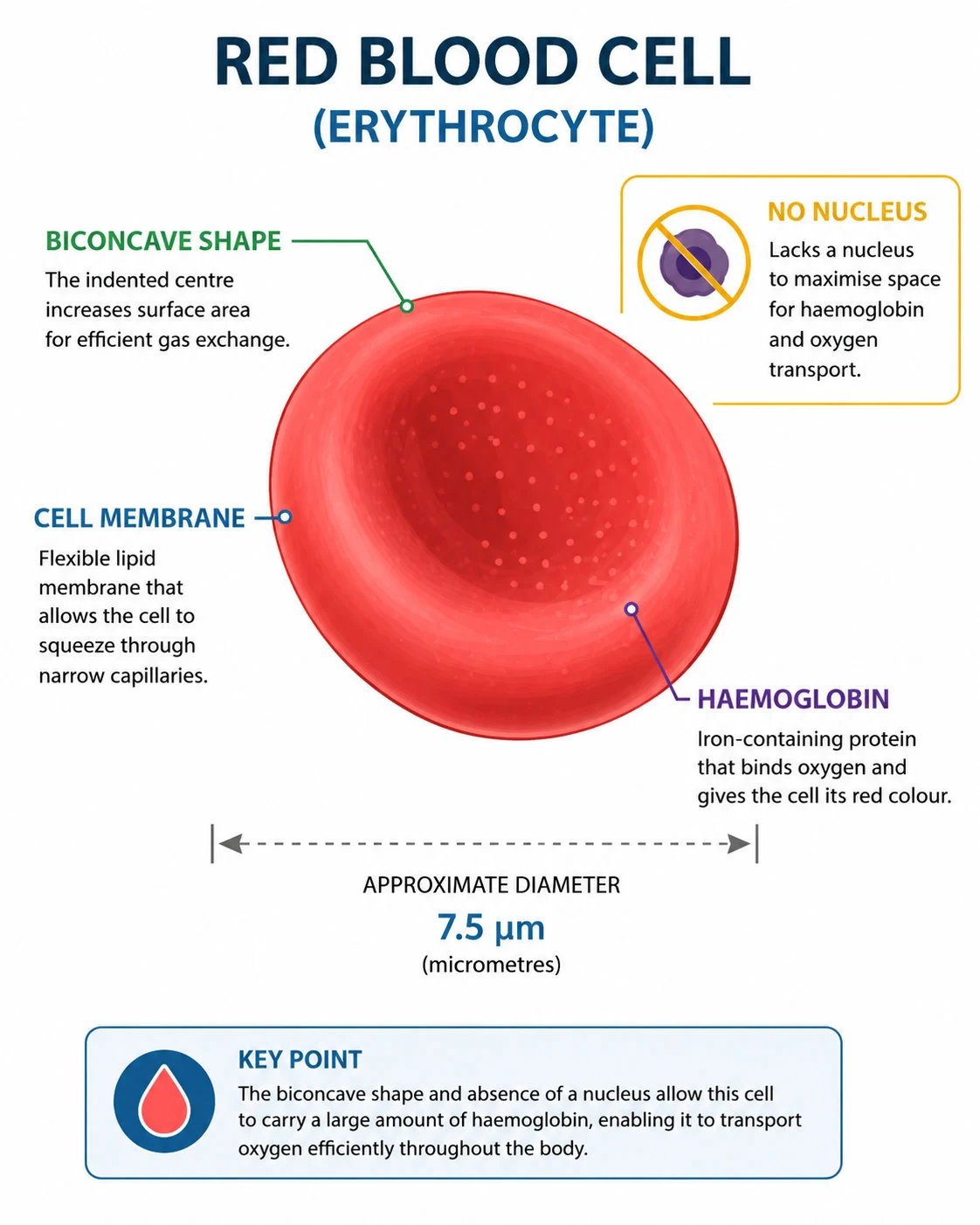
Red blood cells carry oxygen from the lungs to the tissues. Adaptations:
A person with too few red blood cells, or too little iron to make haemoglobin, develops anaemia and feels tired because their cells receive too little oxygen. At altitude, the body makes more red blood cells to compensate for the lower oxygen concentration.
Section 4 of 9White blood cells and platelets

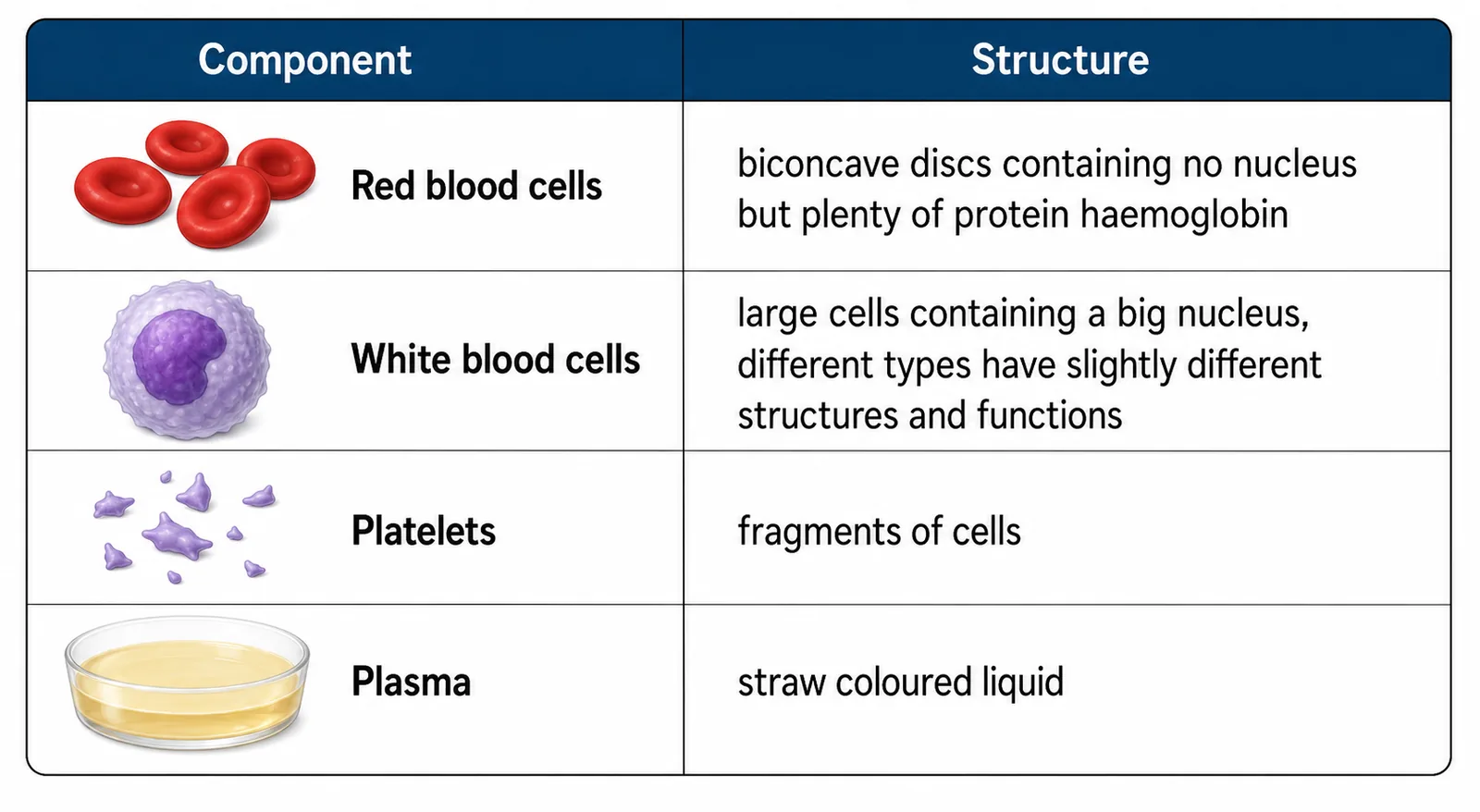

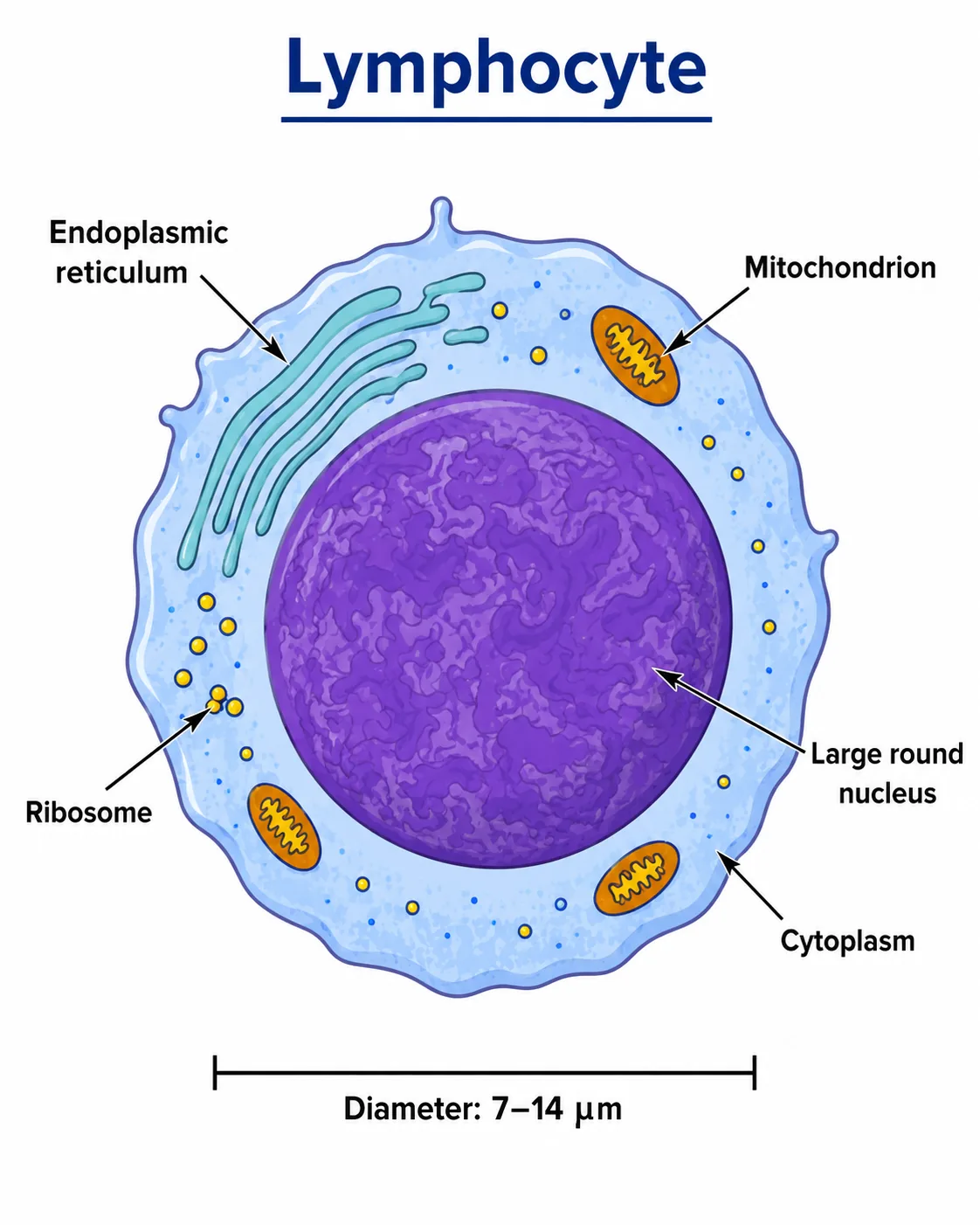

White blood cells defend the body against pathogens. They have a nucleus. Phagocytes engulf and digest microbes (phagocytosis). Lymphocytes produce antibodies that bind to specific antigens on pathogens, and some make antitoxins that neutralise toxins. Memory cells remain after infection to give a faster response on re-infection.
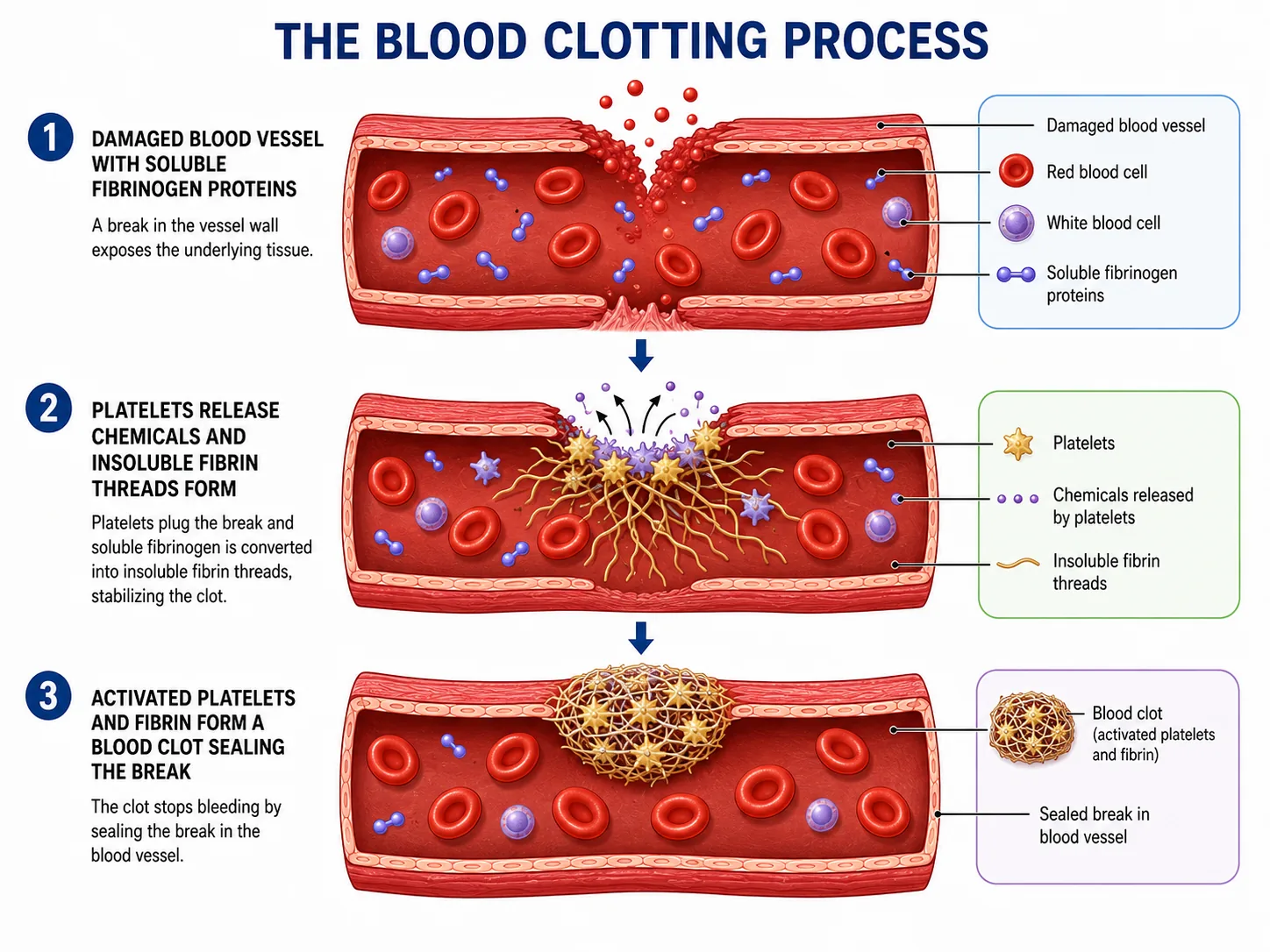
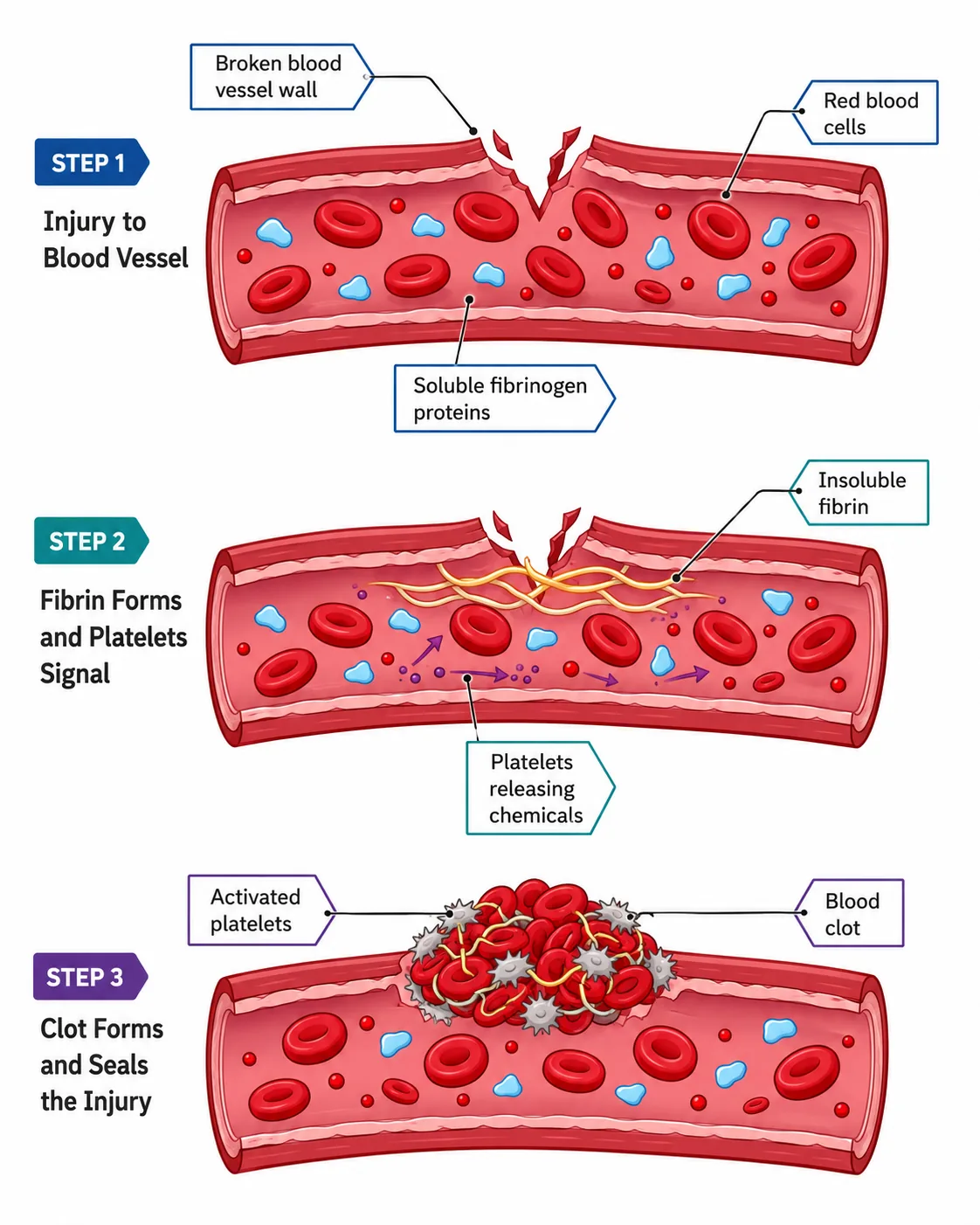
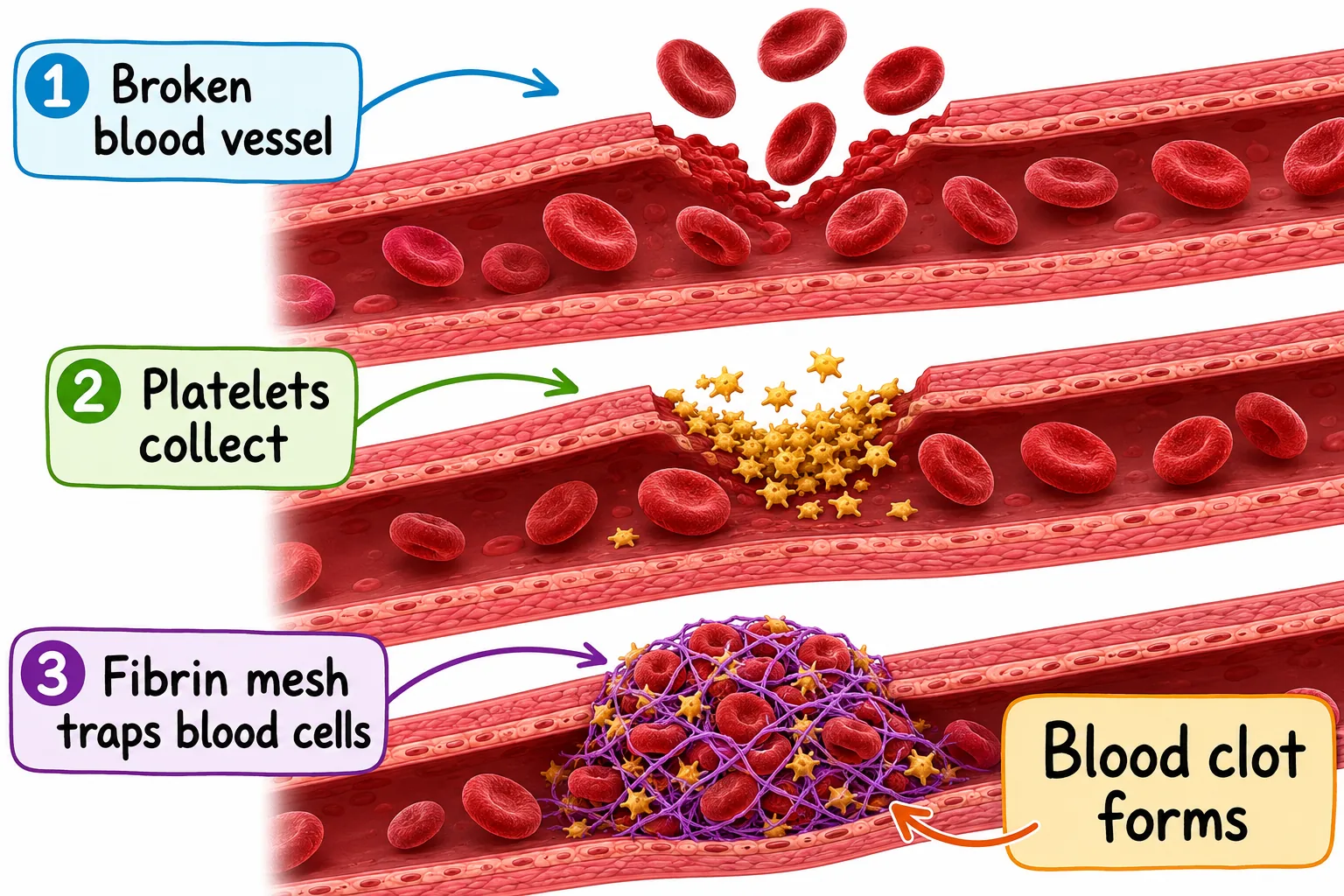
Platelets are small fragments of cells without a nucleus. They help blood to clot at a wound by releasing chemicals that turn the soluble protein fibrinogen into insoluble fibres of fibrin, forming a mesh that traps cells and seals the cut. A scab forms, which prevents the entry of microbes and loss of blood.
Section 5 of 9Comparison and microscopy
| Component | Nucleus? | Function |
|---|---|---|
| Plasma | Not a cell | Transports dissolved substances and heat |
| Red blood cell | No | Carries oxygen |
| White blood cell | Yes | Defence against disease |
| Platelet | No | Blood clotting |
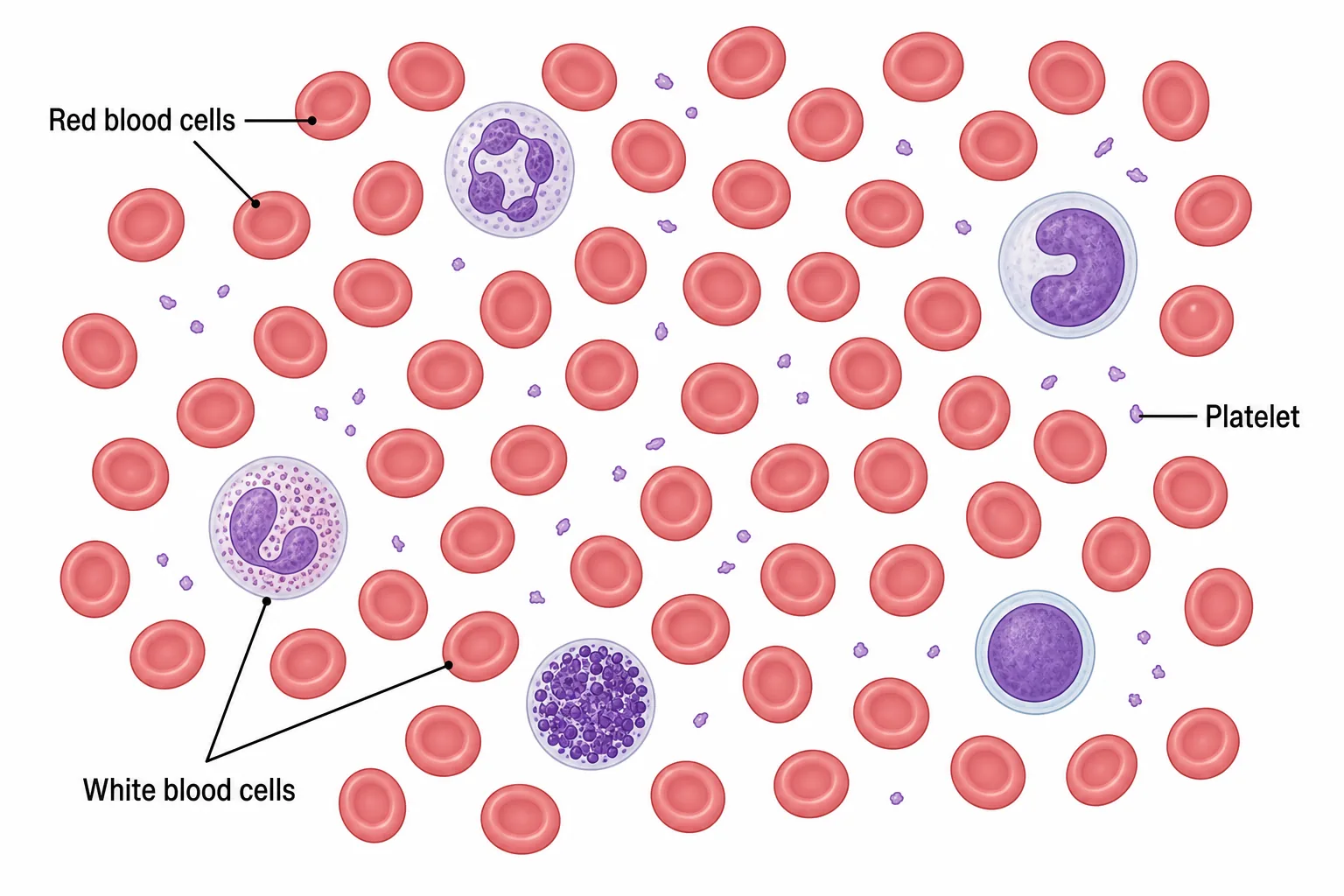
In a stained blood smear, red blood cells are the most numerous and appear as pink discs with a pale centre; white cells are fewer, larger and show a purple-stained nucleus; platelets are tiny fragments. To compare sizes, measure with a scale bar and use the magnification formula: actual size = image size / magnification.
Section 6 of 9Blood in health, disease and medicine




Changes in blood composition give clues about health.
- and a very low platelet count leads to slow clotting and easy bruising.
- because the recipient's antibodies could attack the red cells of an incompatible donor, causing them to clump together and block small vessels.
- and platelets for those with clotting problems.
When answering a question comparing blood cells, state a structural feature and then its function: for example "no nucleus, so more room for haemoglobin". Do not simply list features. Linking the biology to the organisms' needs in other lessons (gas exchange, immunity, vaccination) can gain extra marks, because blood connects all of them.
Stored blood has a limited shelf life, which is why donations are needed constantly.
- which links this lesson to stem cells;
- white cells and platelets also arise from the same stem cells in the marrow.
Section 7 of 9Exam-style questions


Explain how a red blood cell is adapted to carry oxygen. [3]3 marks
It contains haemoglobin which binds oxygen [1]. Its biconcave shape gives a large surface area for oxygen uptake [1]. It has no nucleus, so there is more room for haemoglobin [1].
A red blood cell in a microscope image is 40 mm wide. The magnification is x5000. Calculate the actual diameter in micrometres. [3]3 marks
Actual size = 40 / 5000 = 0.008 mm [1]. 0.008 x 1000 = 8 micrometres [1]. Convert the units correctly, giving 8 micrometres [1].
Describe the role of platelets when a person cuts their finger. [2]2 marks
Platelets collect at the wound and release chemicals that cause fibrinogen to be converted into fibrin [1]; the fibrin mesh traps blood cells and forms a clot that seals the wound [1].
Section 8 of 9Key terms
| Term | Meaning |
|---|---|
| Plasma | The liquid part of blood that carries dissolved substances. |
| Haemoglobin | An iron-containing protein in red blood cells that carries oxygen. |
| Biconcave | Having a dip in both sides, like a disc with a hollow centre. |
| Phagocytosis | Engulfing and digesting of pathogens by a white blood cell. |
| Antibody | A protein made by lymphocytes that binds to a specific antigen. |
| Platelet | A cell fragment involved in blood clotting. |
| Fibrin | Insoluble protein fibres that form the mesh of a blood clot. |