Section 1 of 9What is homeostasis?
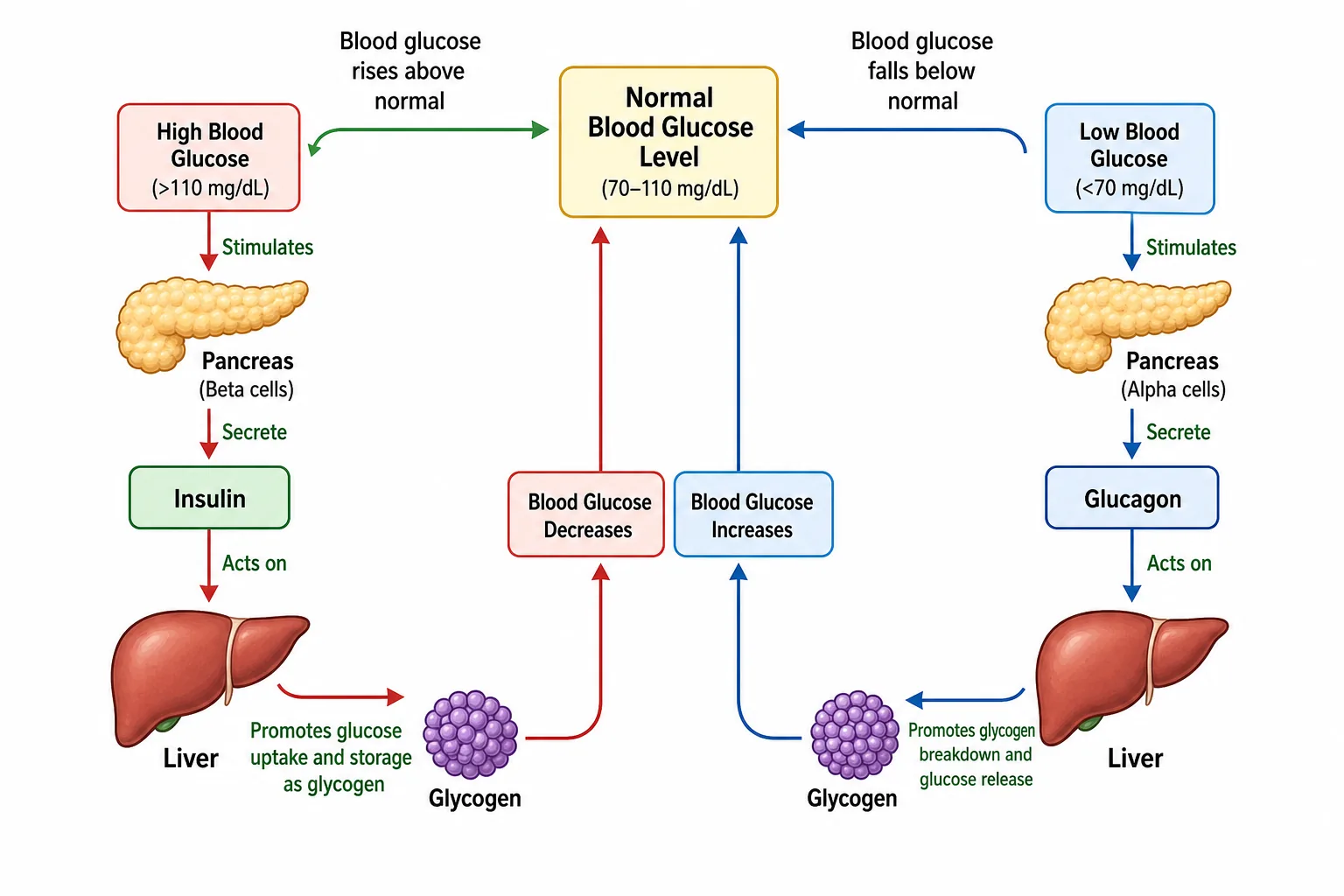


Homeostasis is the regulation of the conditions inside the body to maintain a constant internal environment, in spite of changes outside.
Section 2 of 9Why constant conditions matter
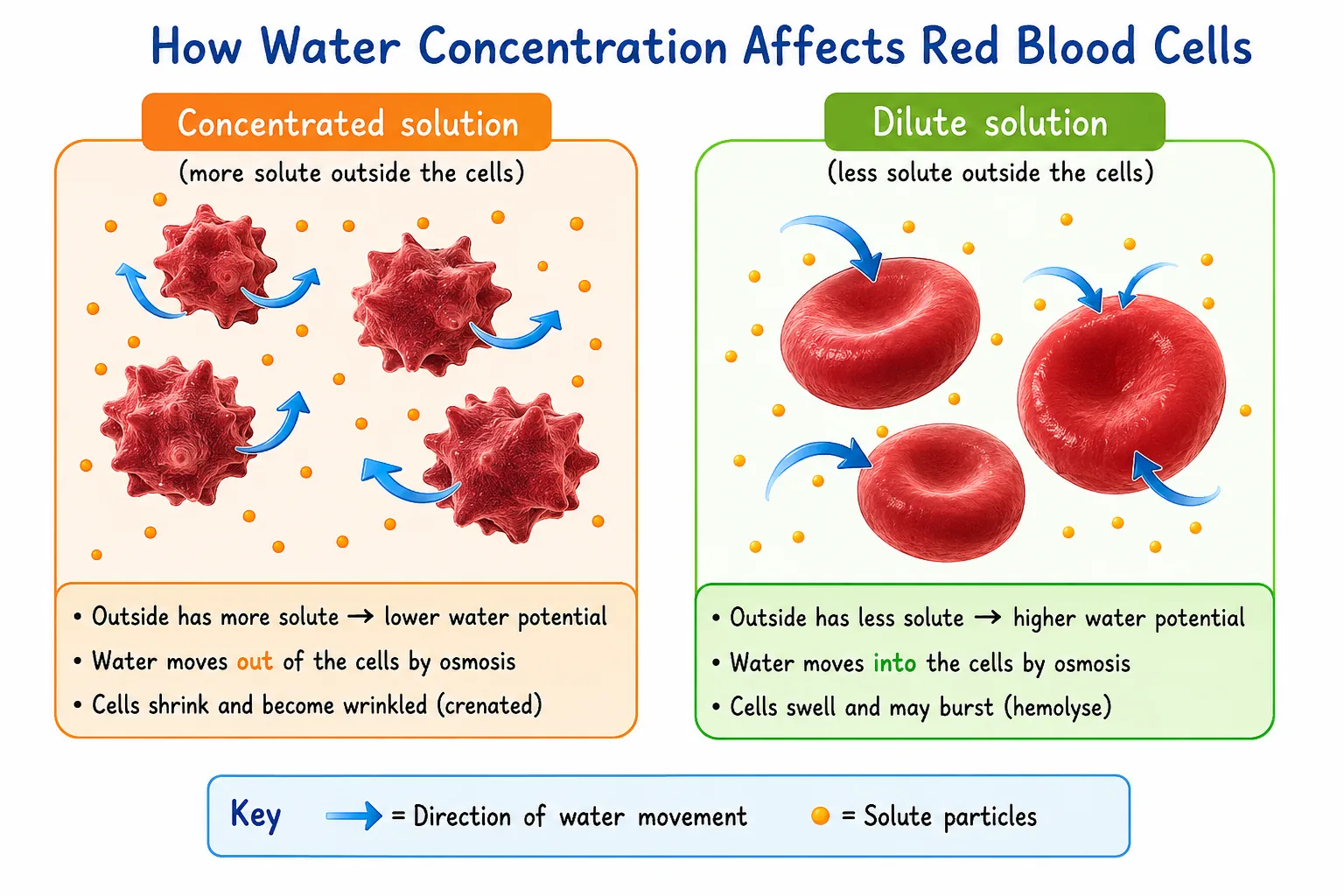

- Human enzymes have an optimum around 37 degrees Celsius.
- If the body is too cold, reactions are too slow;
- if it is too hot, enzymes can denature and lose their shape, so metabolism fails.
- causing them to shrink or swell and burst.
Section 3 of 9The control system

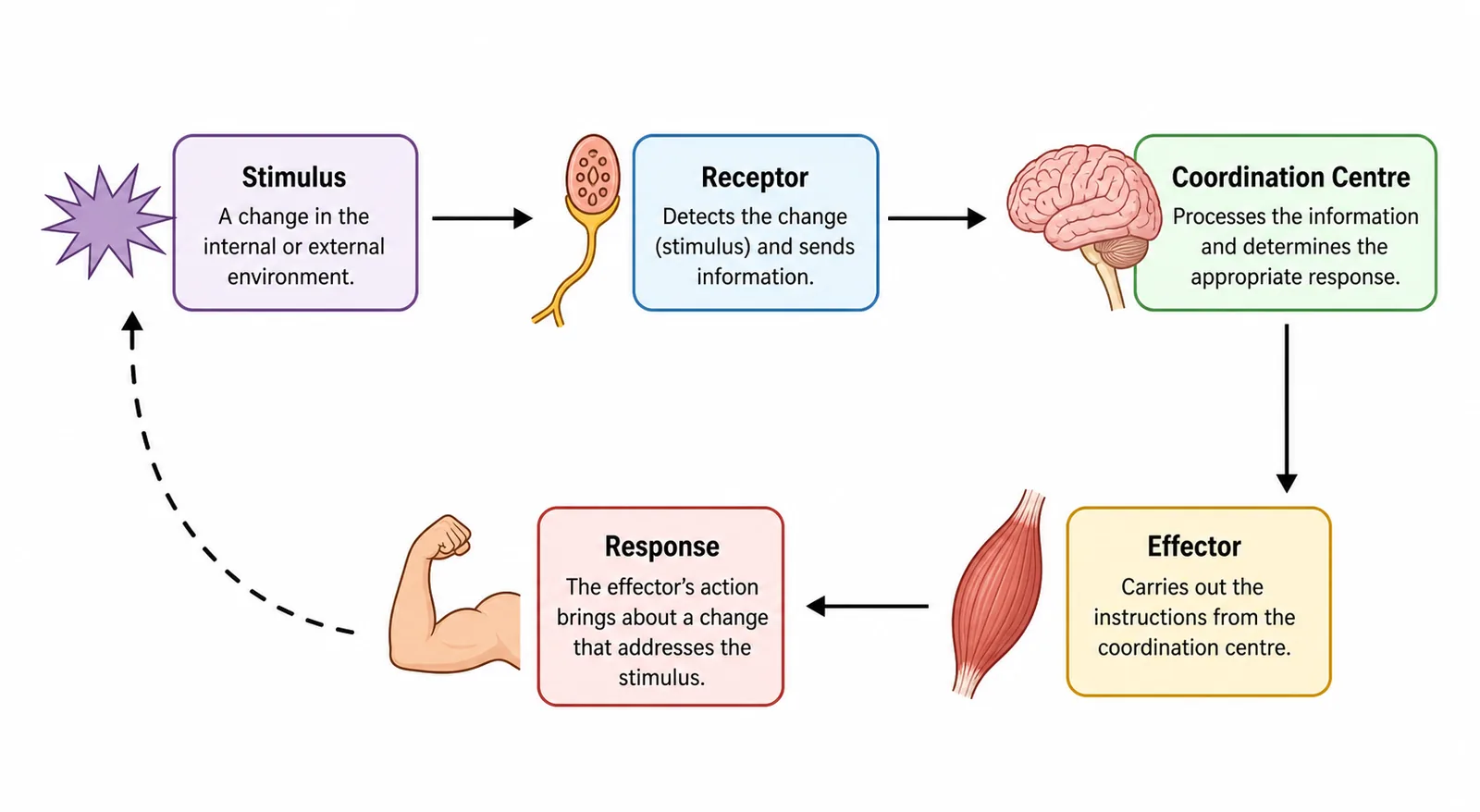
Most homeostatic mechanisms use the same three parts:
The information may travel by nerve impulses or by hormones. Because the response reverses the original change, the system is negative feedback: if a value rises above normal, the effectors lower it; if it falls, they raise it. Negative feedback therefore keeps the level close to the set point.
Section 4 of 9A worked example of negative feedback


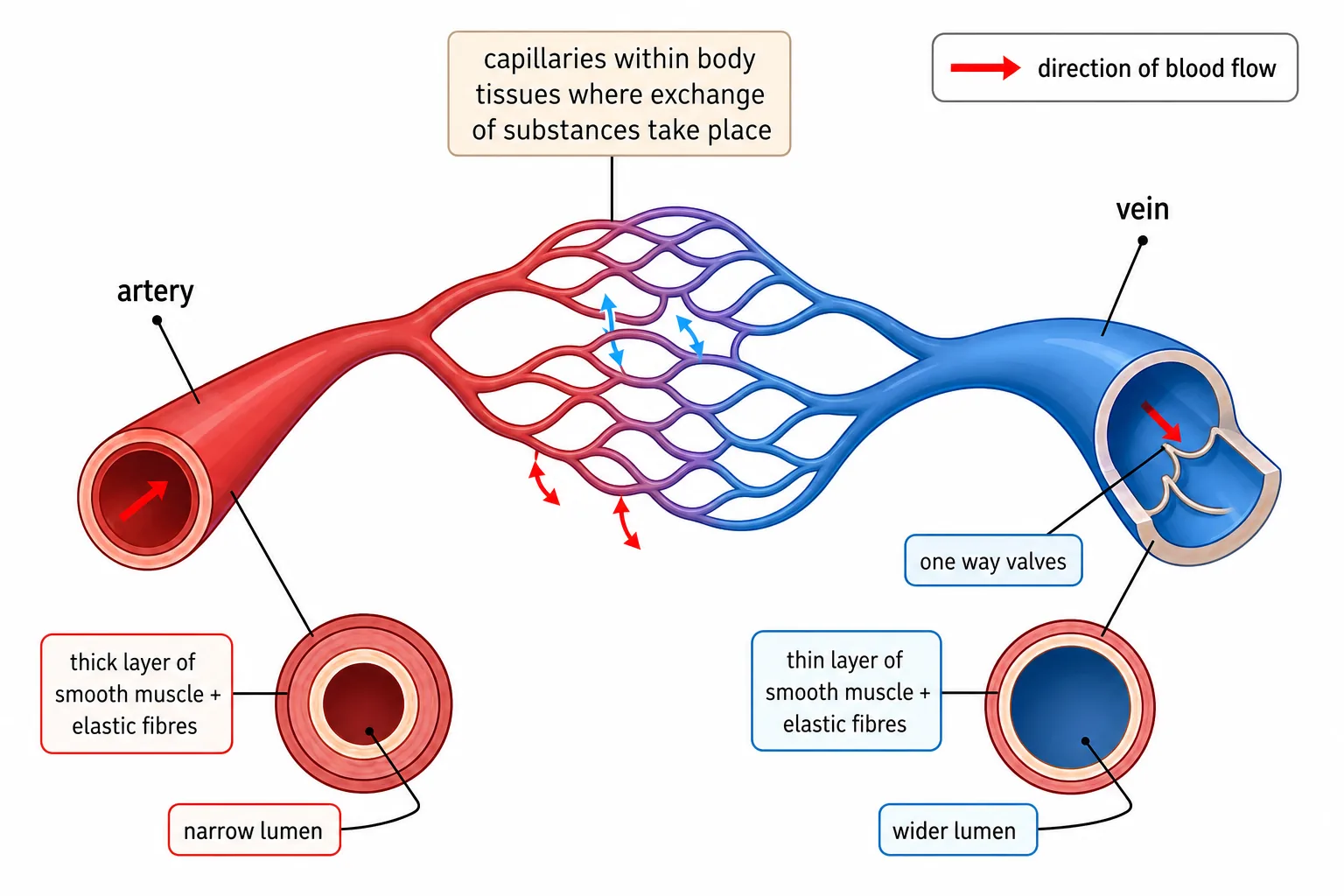


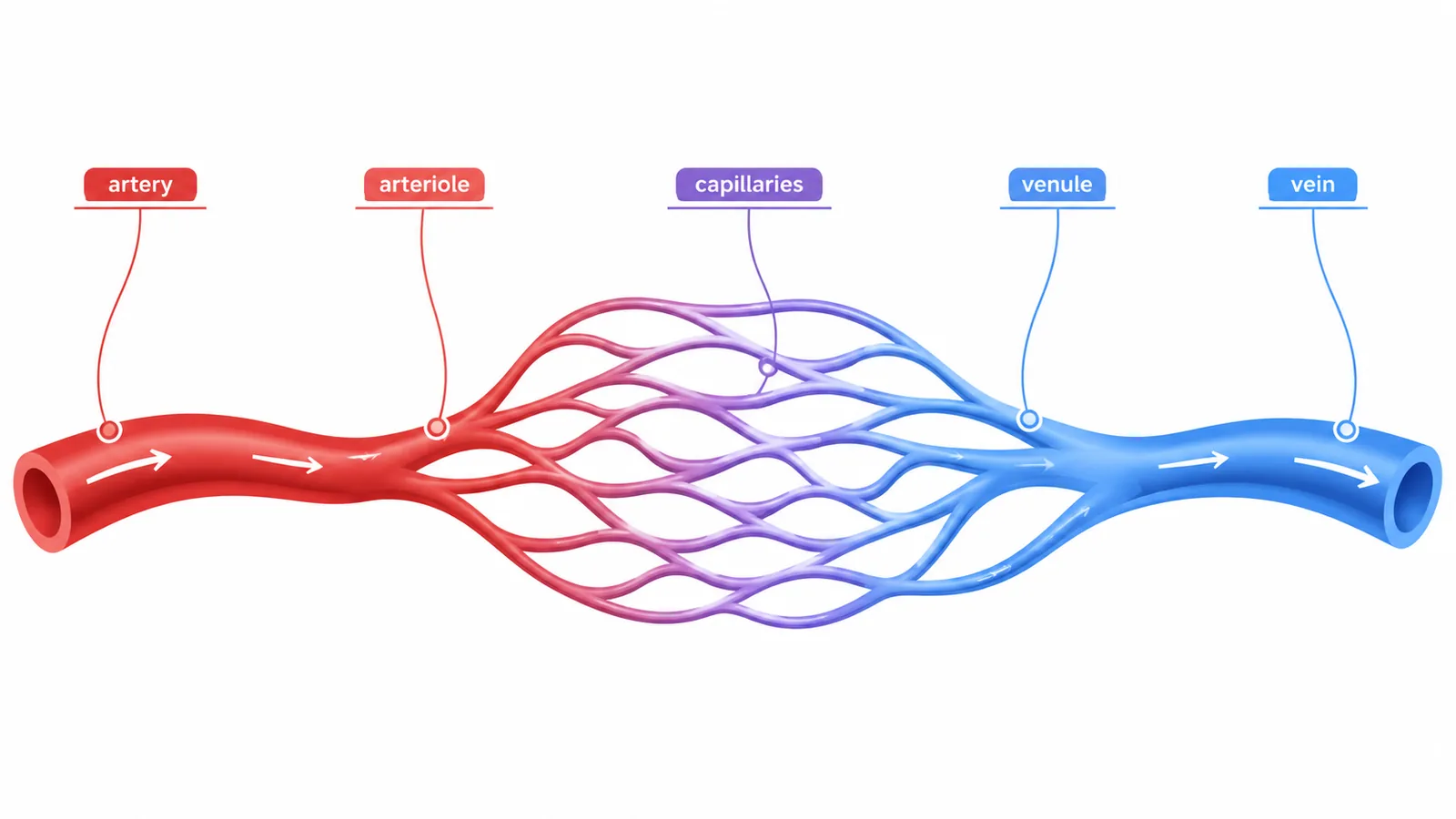
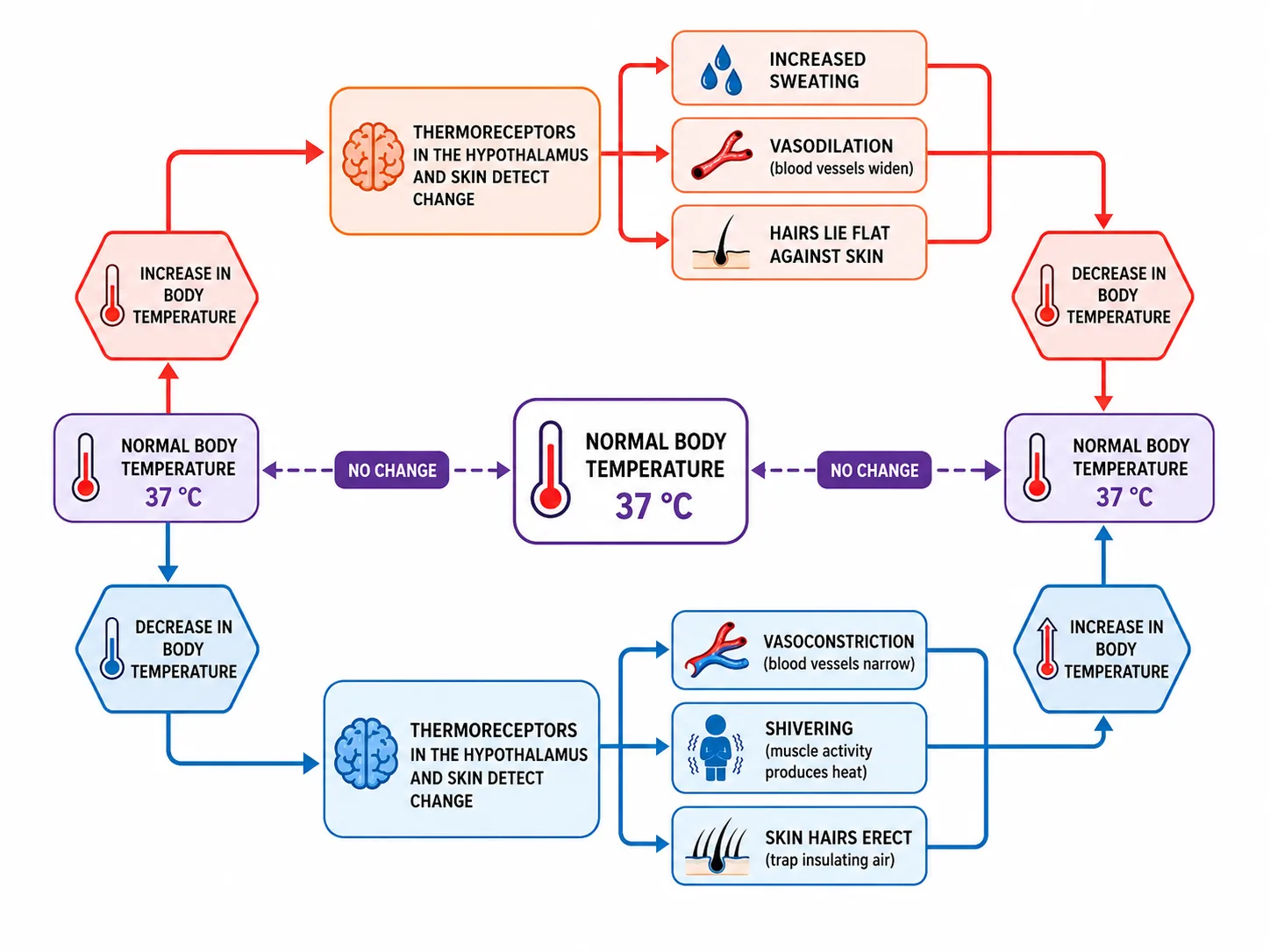
Take body temperature.
- which is typical of a negative feedback system.
| Condition | Controlled by | Effector or organ |
|---|---|---|
| Temperature | Nervous system | Skin, muscles, sweat glands |
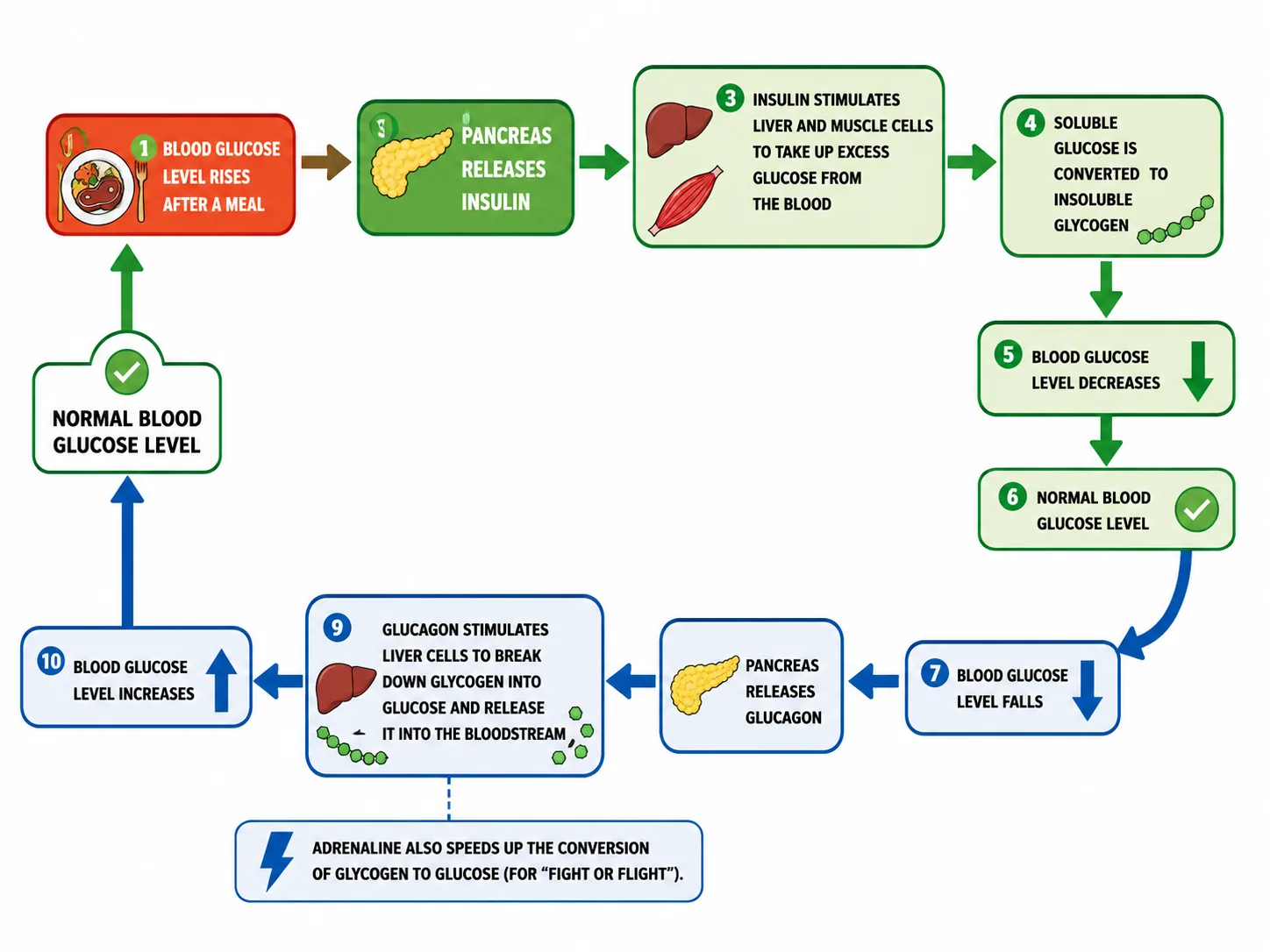
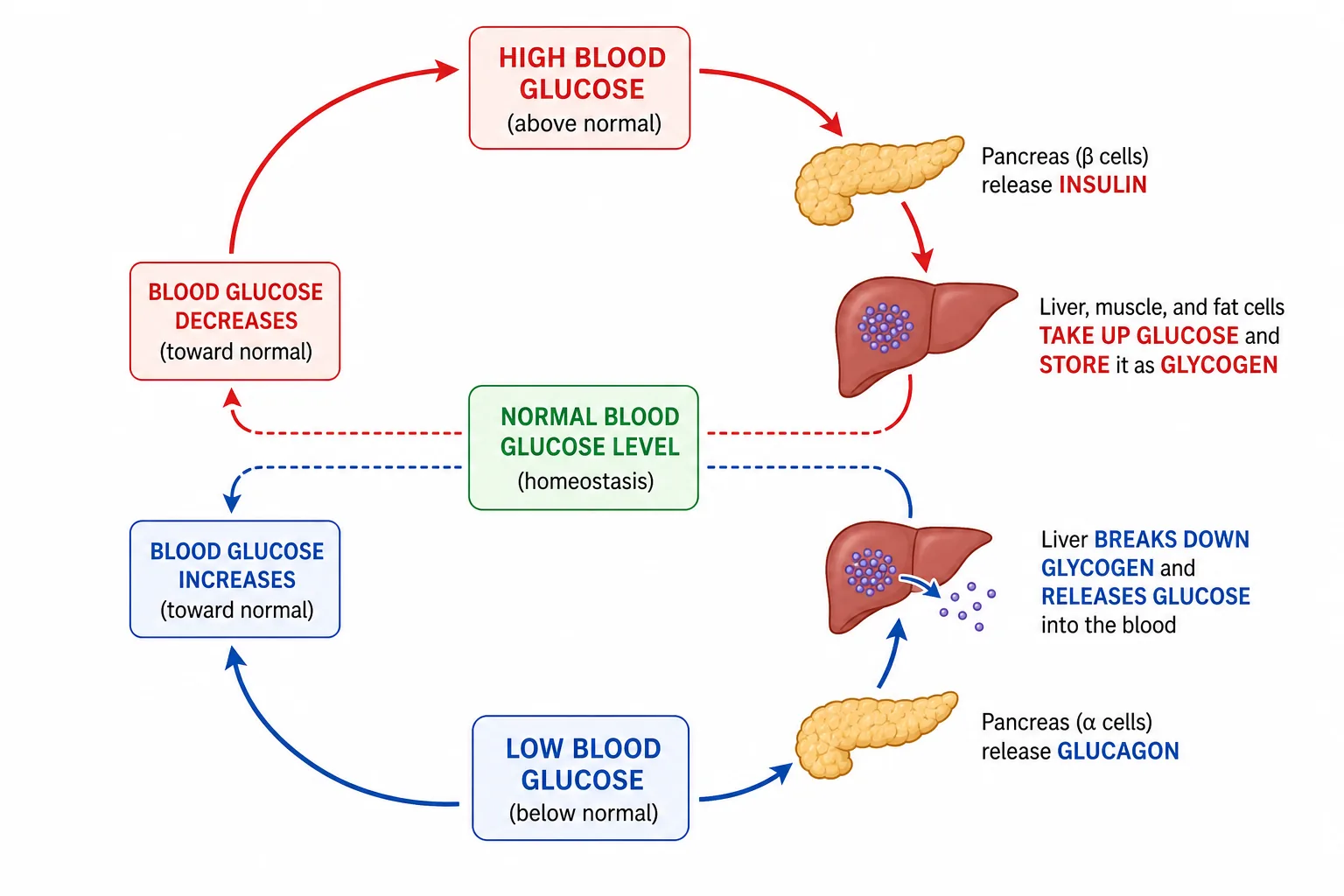
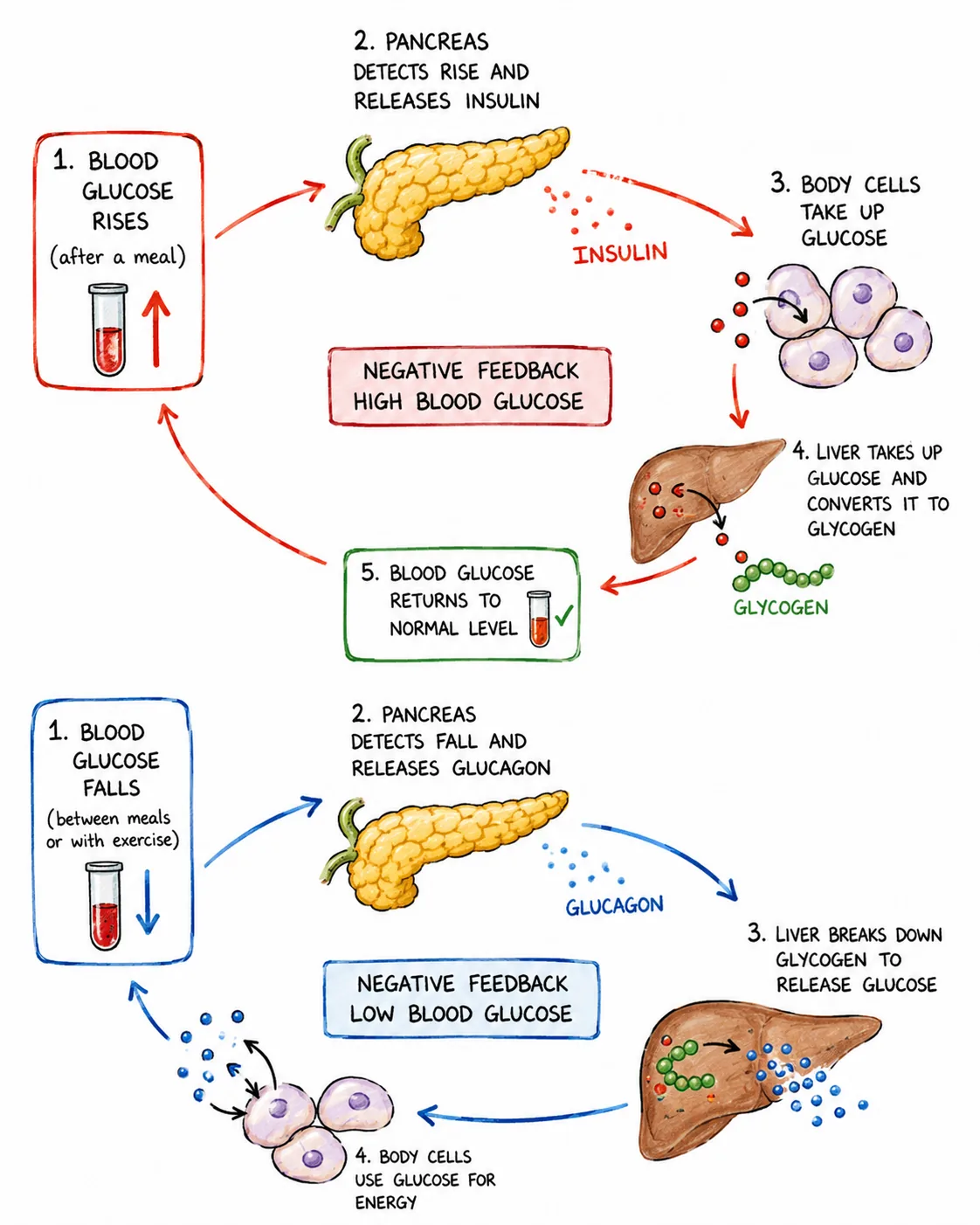
| Blood glucose | Insulin and glucagon | Liver, muscles |
| Water content | ADH | Kidneys |
Section 5 of 9Applying the idea in exam questions
When asked to explain a homeostatic response, use the sequence: stimulus, receptor, coordinator, effector, response, and then say how the change is reversed.
- and in kidney failure the water and ion balance cannot be maintained.
Section 6 of 9Homeostasis across the body
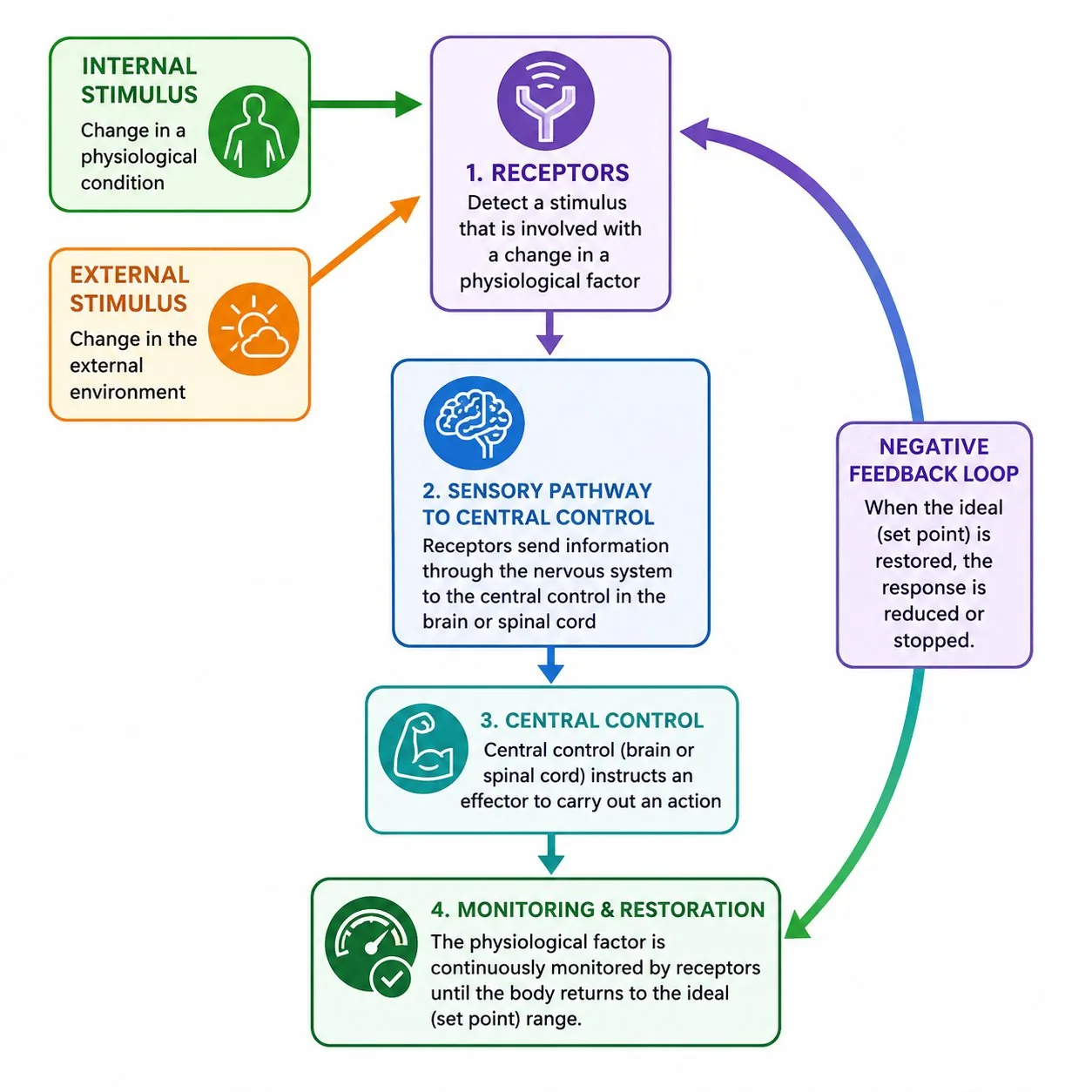

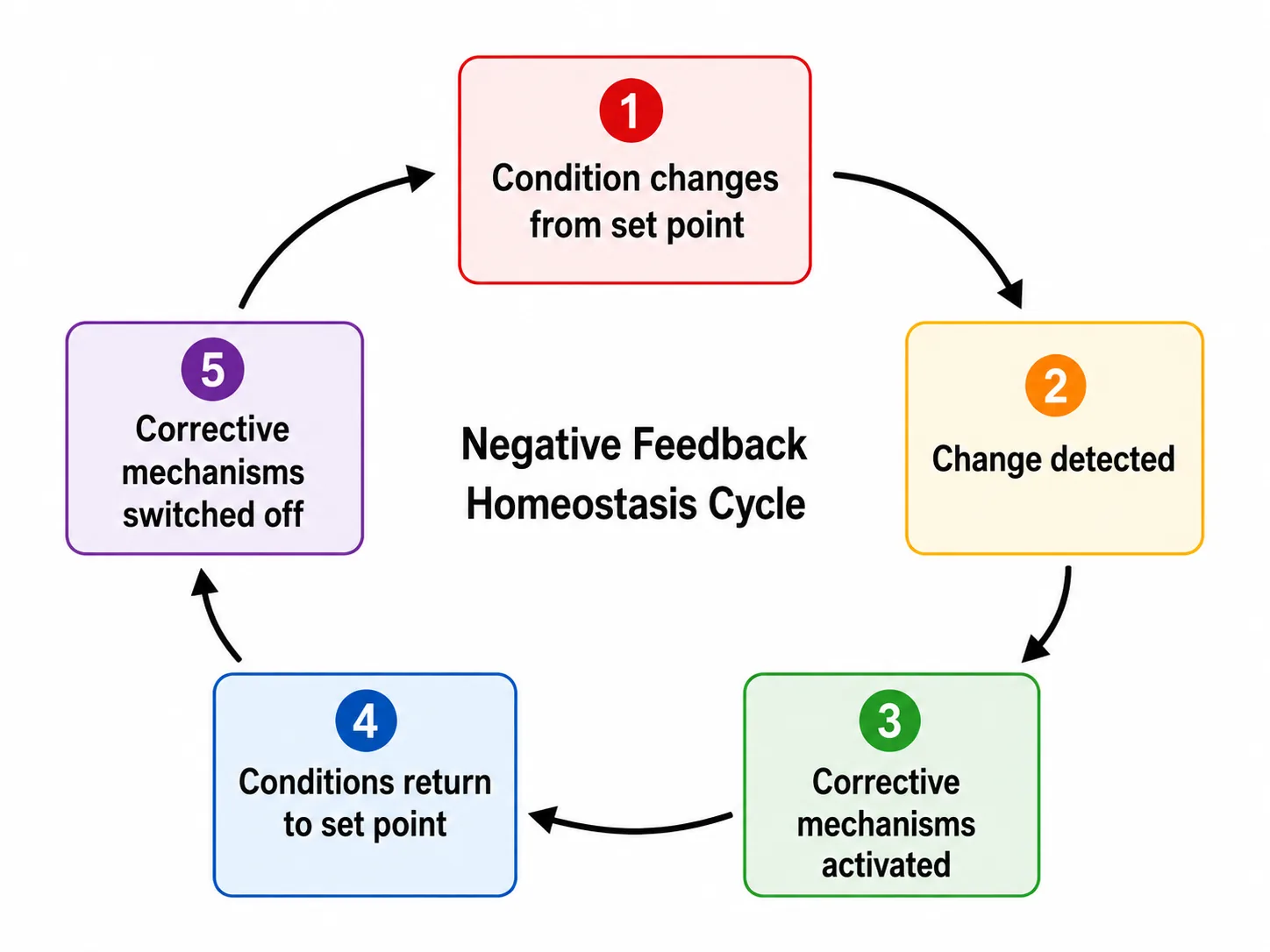


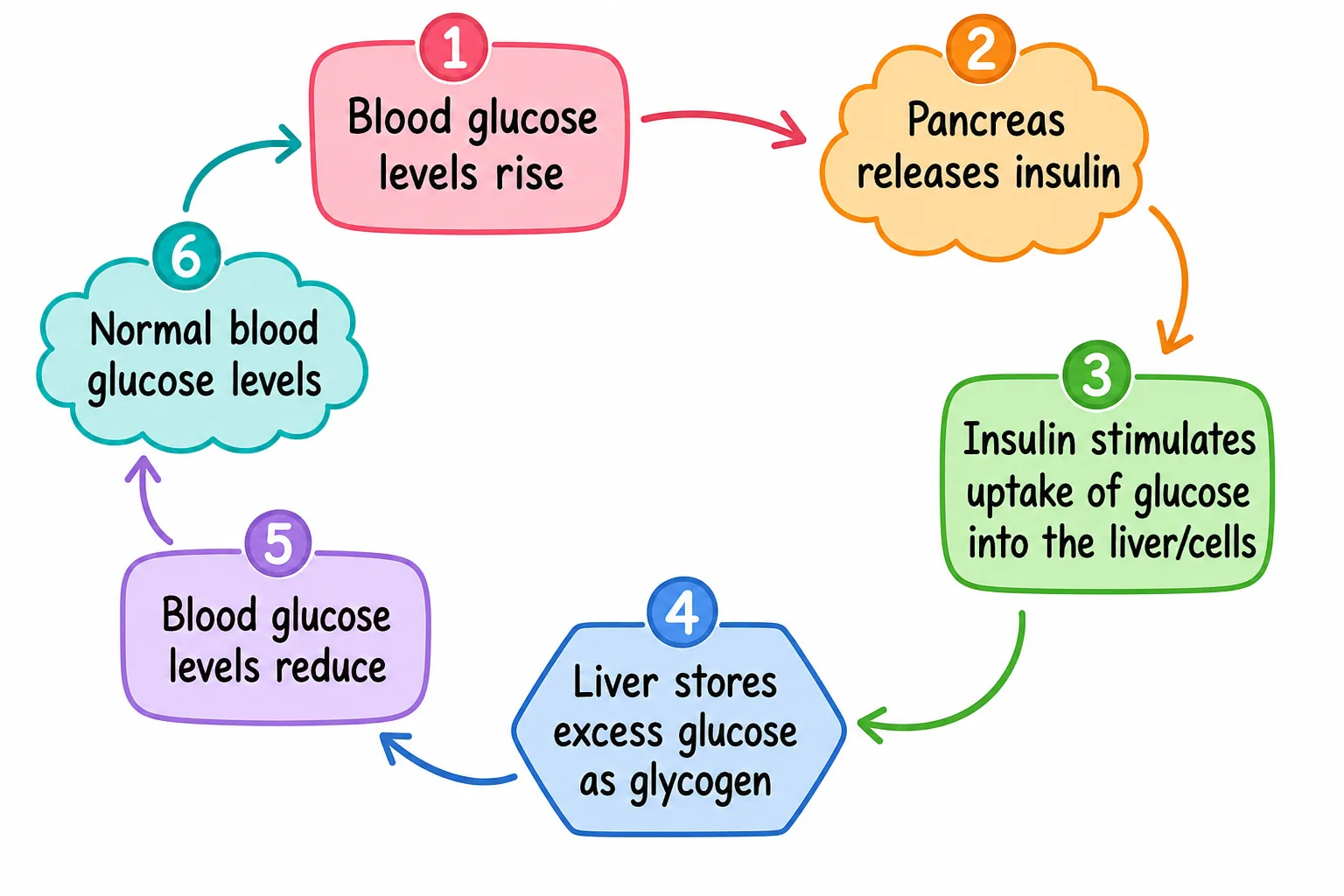
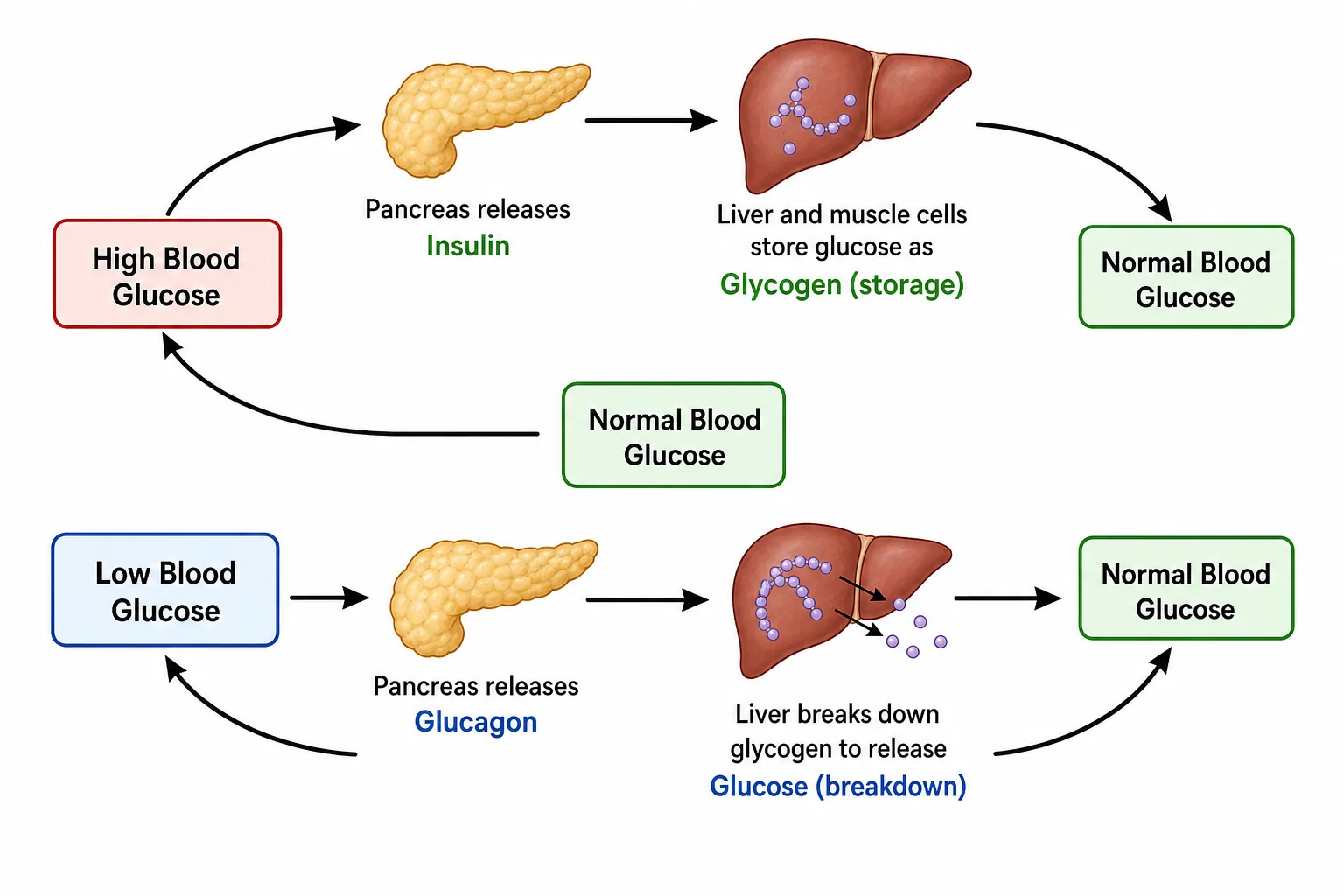
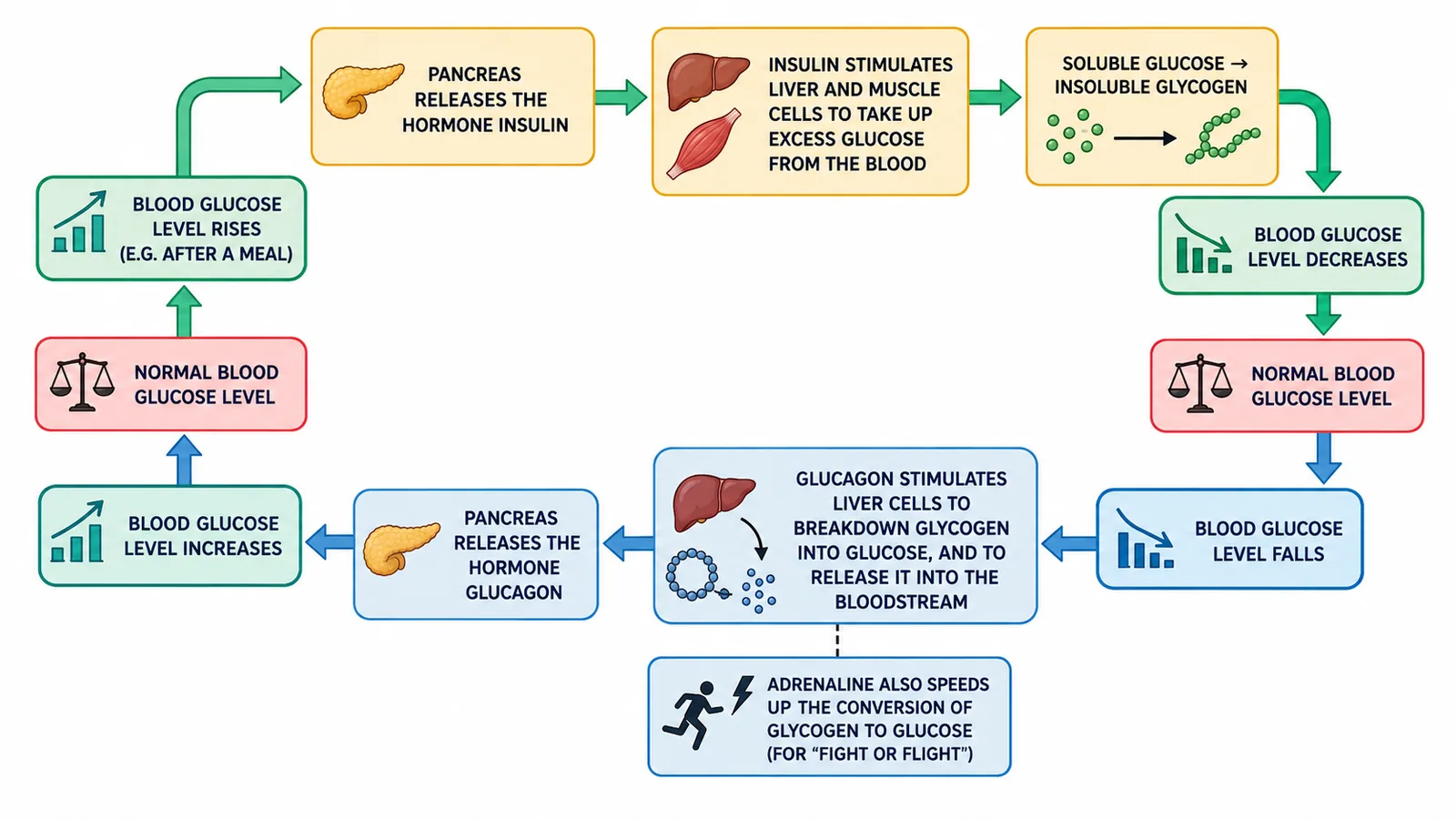
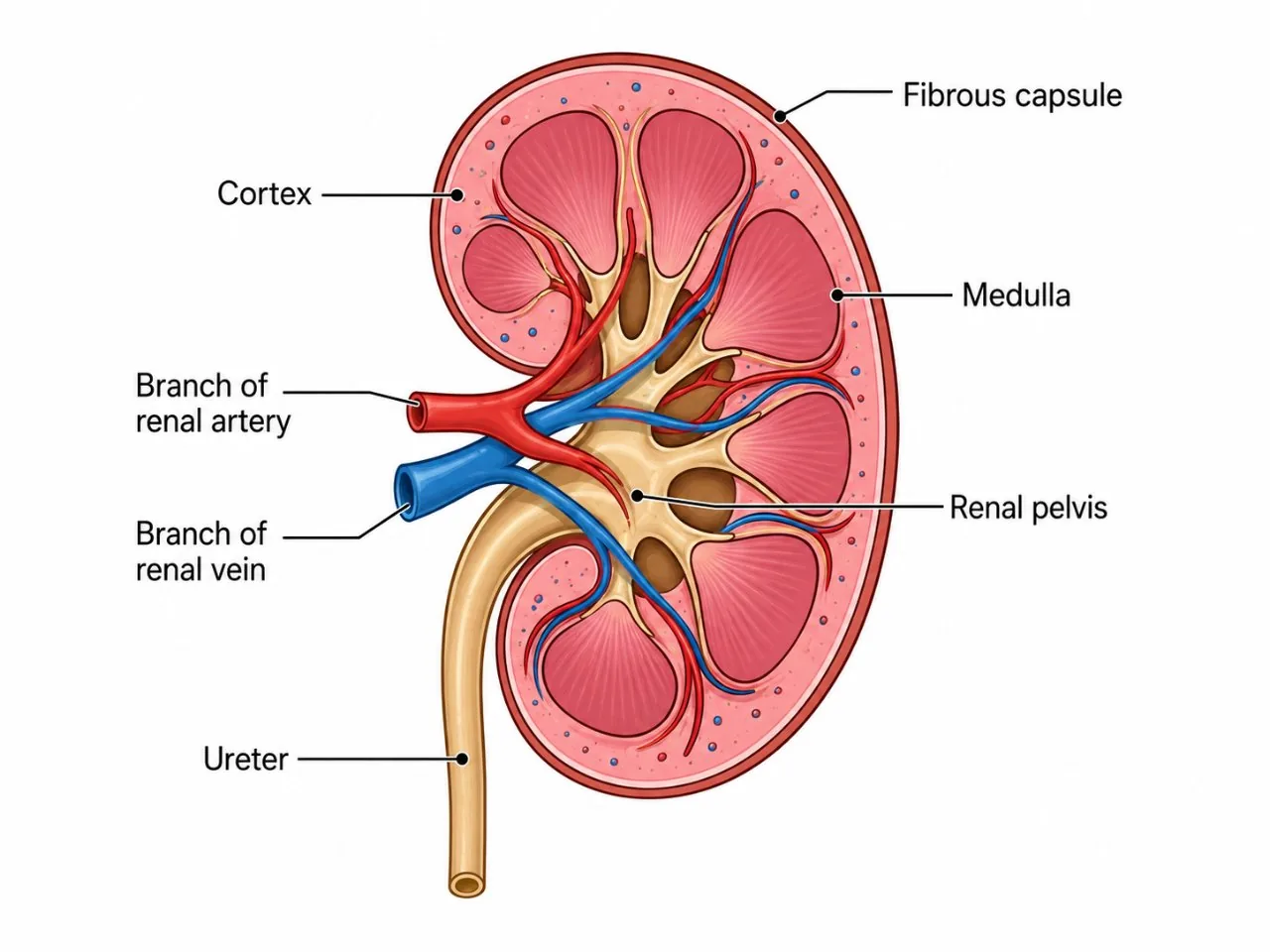
It is useful to see how many different parts of the body contribute to homeostasis.
- which would otherwise make the blood too acidic.
- but the type of messenger differs: temperature control uses mostly nerve impulses,
- while glucose and water balance use hormones.
Several things can disrupt a control system.
- or the effector could be unable to respond.
- (as when the pancreas cannot make insulin)
- and rehydration drinks give water and ions.
Section 7 of 9Exam-style questions



Explain why it is important that body temperature is kept at about 37 degrees Celsius. [3]3 marks
Enzymes have an optimum temperature at about 37 degrees [1]. If the body is too cold, enzyme-controlled reactions are too slow [1]; if too hot, enzymes can denature so reactions stop [1].
Describe the roles of a receptor, coordination centre and effector in a homeostatic system. [3]3 marks
The receptor detects the change in the condition [1]. The coordination centre processes the information and decides on a response [1]. The effector carries out the response that restores the normal level [1].
Blood glucose rises after a meal and then falls to the normal level. Explain why this is an example of negative feedback. [2]2 marks
The rise is detected and triggers a response that lowers glucose [1]. As glucose returns to normal, the response stops, so the change is reversed [1].
Section 8 of 9Key terms
| Term | Meaning |
|---|---|
| Homeostasis | Regulation of internal conditions to keep them stable. |
| Negative feedback | A response that reverses a change and returns a condition to normal. |
| Receptor | Detects a stimulus. |
| Effector | A muscle or gland that carries out a response. |
| Enzyme | A biological catalyst; has optimum temperature and pH. |
| Denature | Permanent change to the shape of a protein such as an enzyme. |
| Set point | The normal value of a controlled condition. |
Section 9 of 9Exam technique
Marked practiceQuizzes for this lesson
قواعد اتجاهات البلمرة ومضاد الكودون
- إنزيم بلمرة RNA: يبني دائماً في الاتجاه 5′ → 3′، ويقرأ شريط القالب فقط في الاتجاه 3′ → 5′.
- كودون البدء: AUG يقابله مضاد كودون UAC ويشفر للميثيونين أول حمض أميني.
- كودونات الوقف: UAA, UAG, UGA ليس لها tRNA يقابلها، بل يرتبط بها بروتين عامل الإطلاق (Release Factor) لإنهاء الترجمة.