Section 1 of 8Why materials must be recycled


Living things are built from a limited supply of atoms.
Two cycles are required for GCSE
- the carbon cycle and the water cycle.
- In both, the key idea is that atoms move between the living world (biotic) and the non-living world (abiotic) in a continuous loop.
Section 2 of 8The carbon cycle
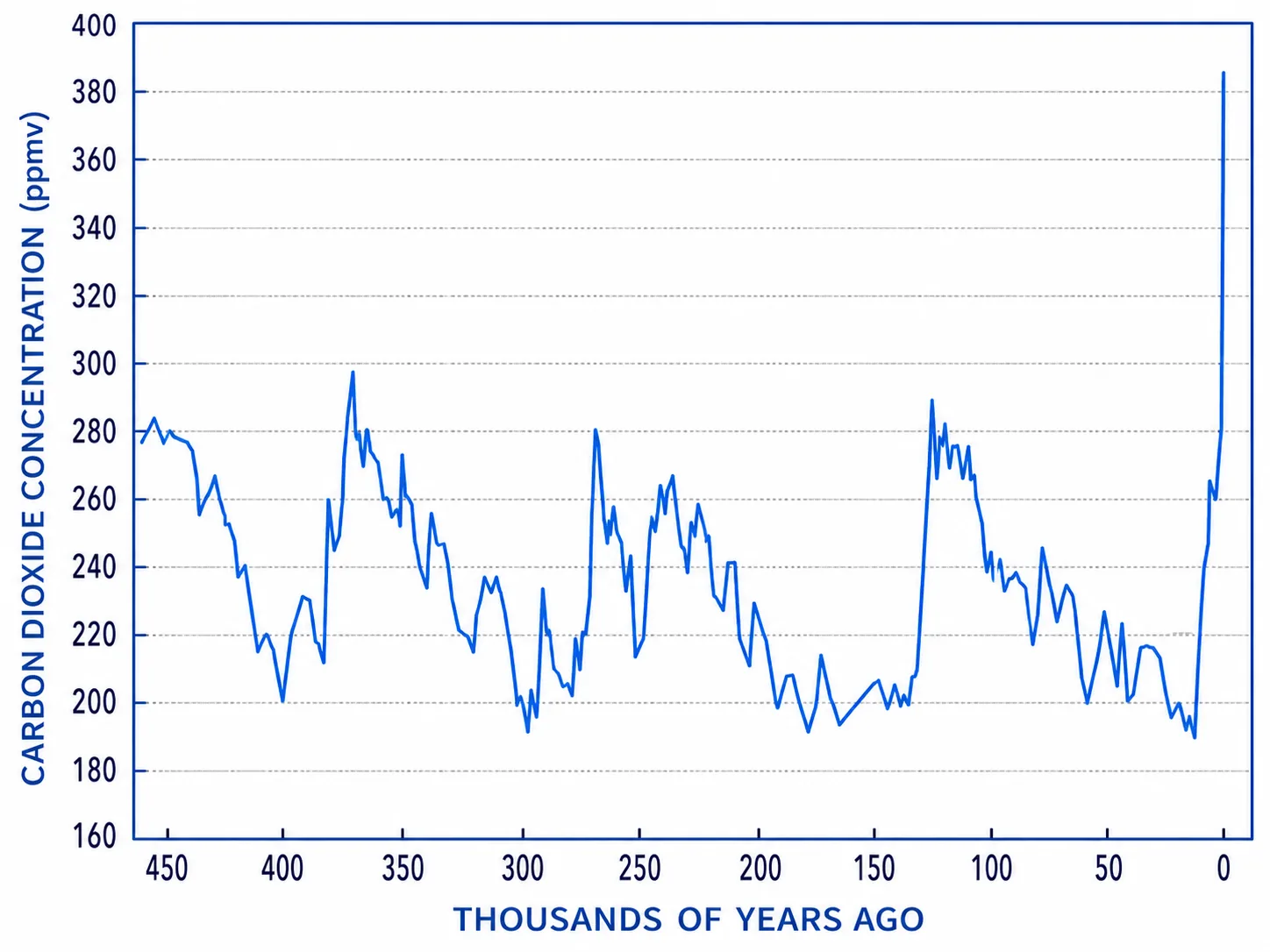

The main store of carbon in the air is carbon dioxide, which makes up only about 0.04% of the atmosphere. Carbon is moved between the air and living things by a small number of processes.
Fossil fuels formed from the remains of organisms that did not fully decay, so the carbon they contain was removed from circulation. Burning them moves that carbon back to the air faster than photosynthesis and the oceans can remove it, which is a major reason why atmospheric carbon dioxide is rising.
Section 3 of 8The role of decomposers
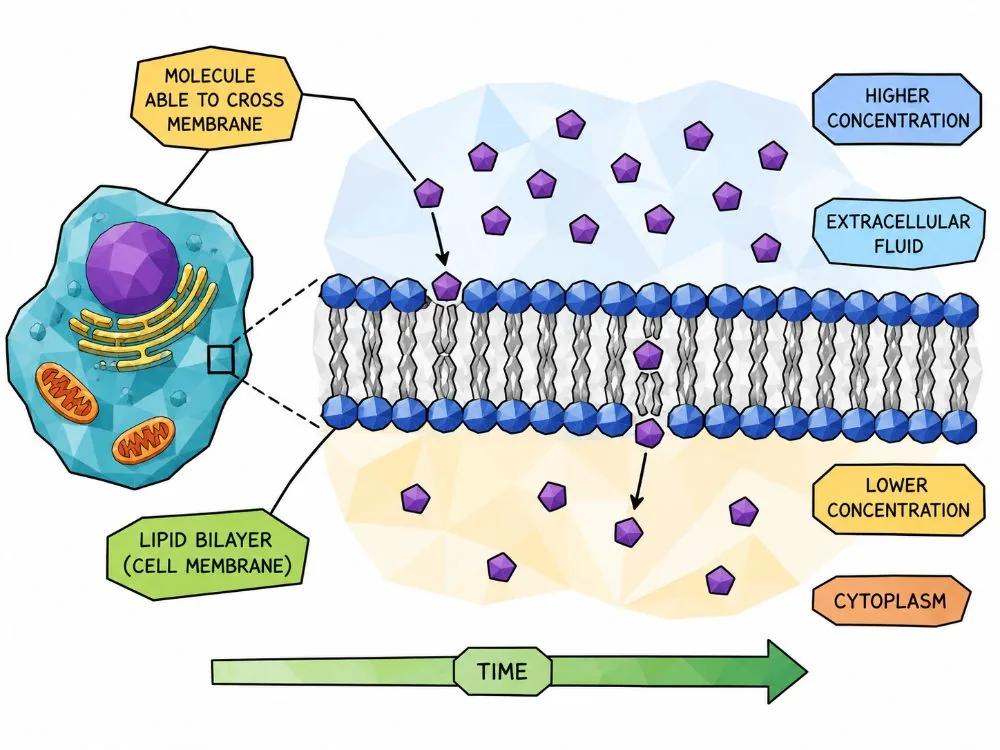


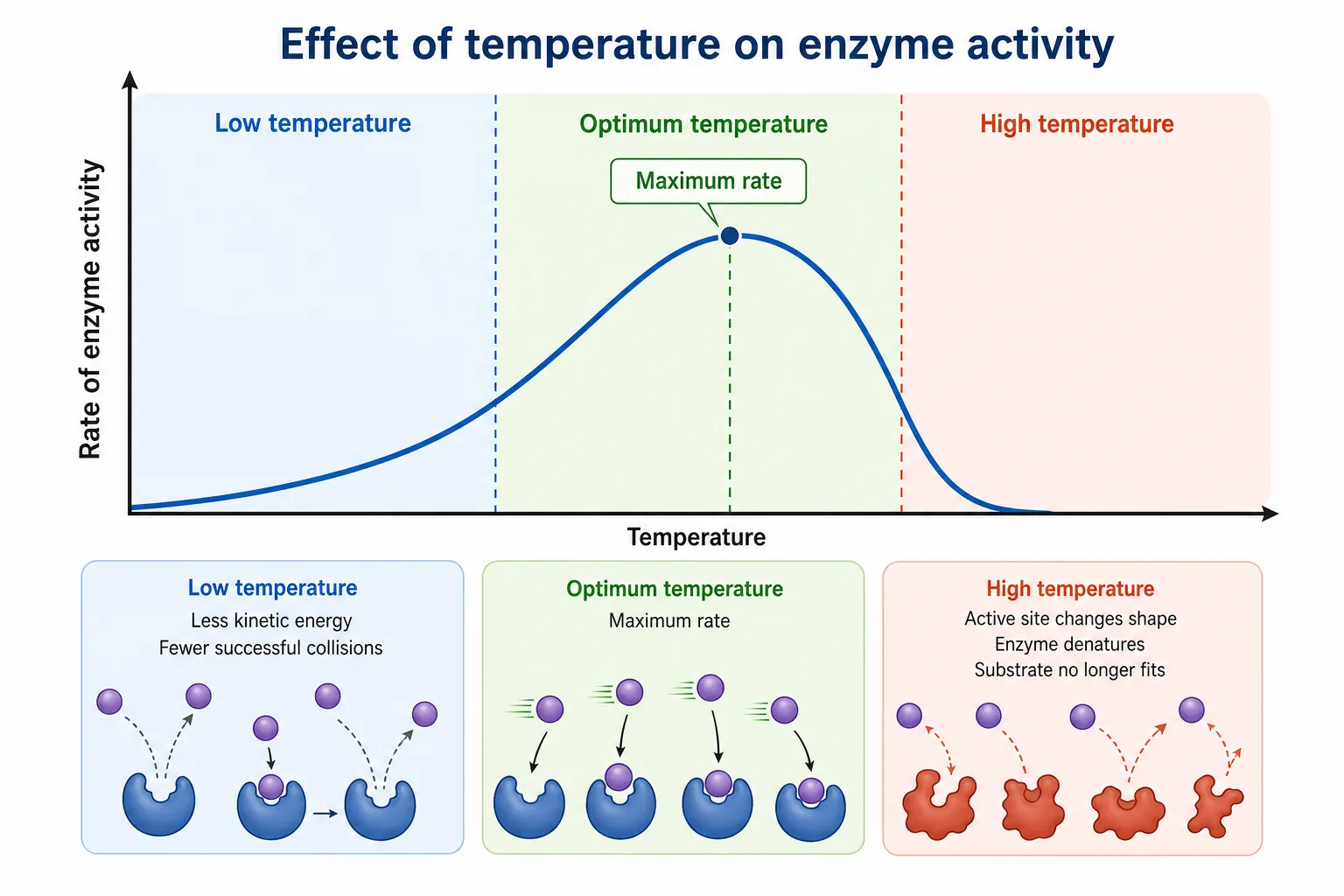
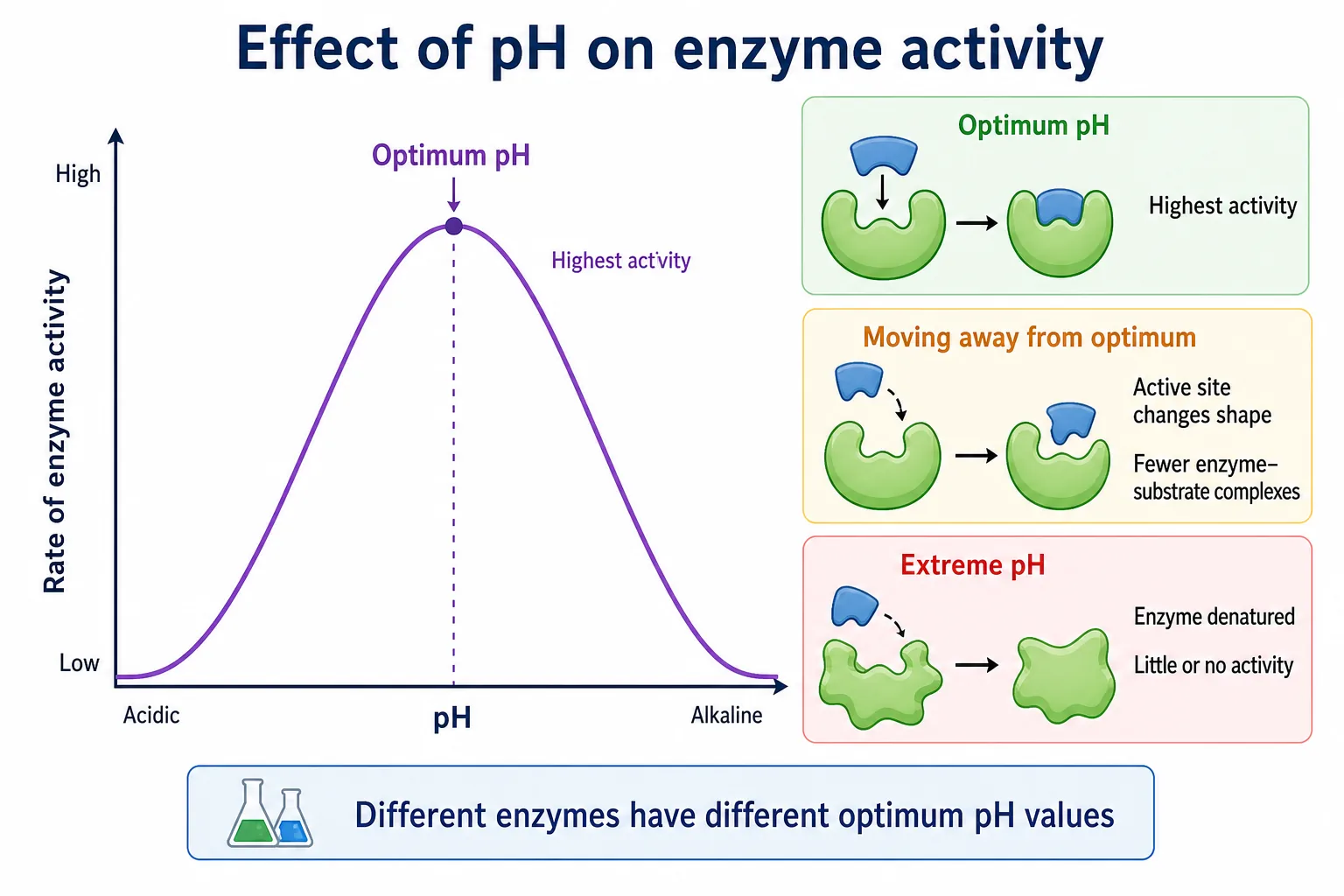
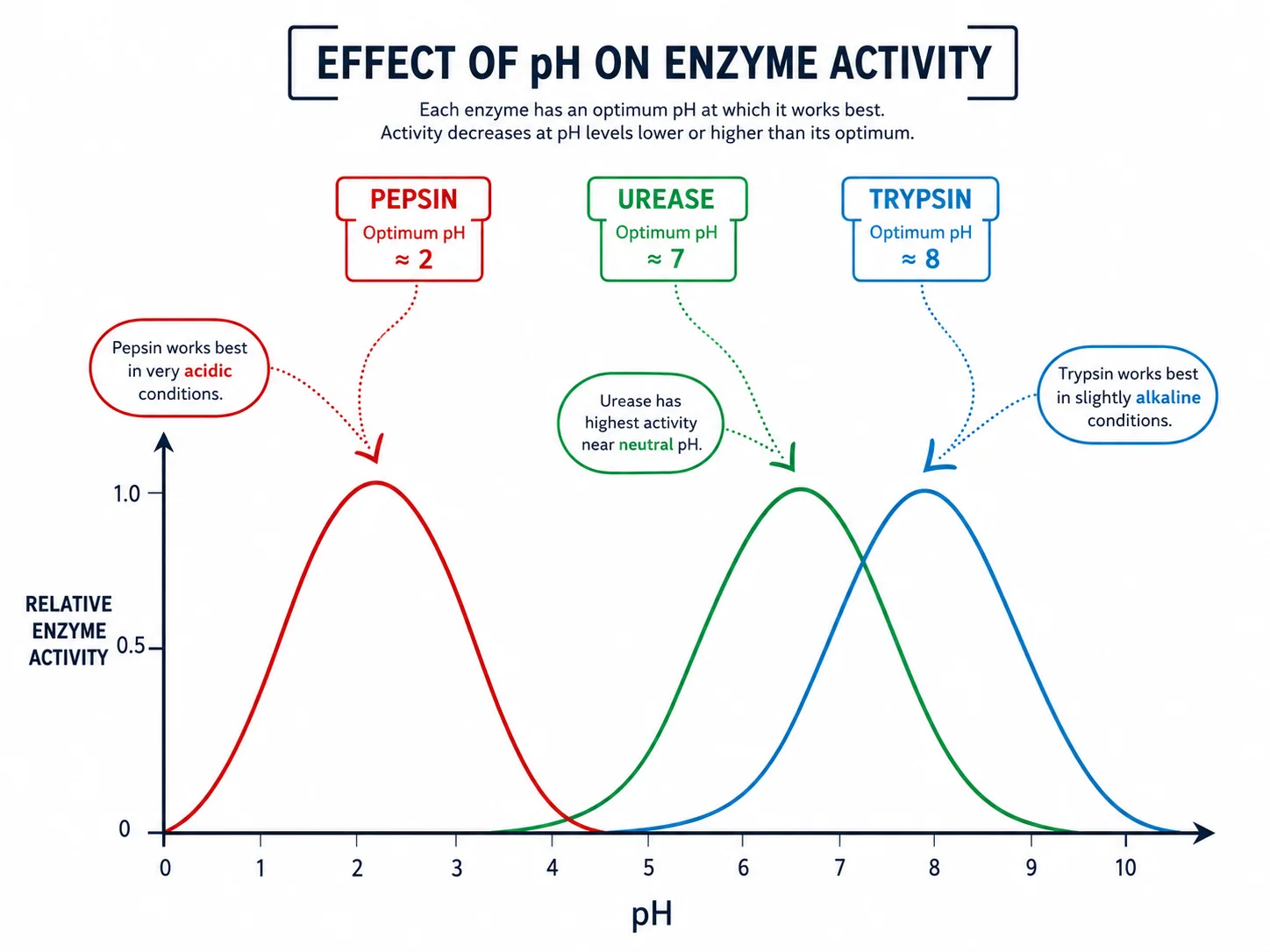
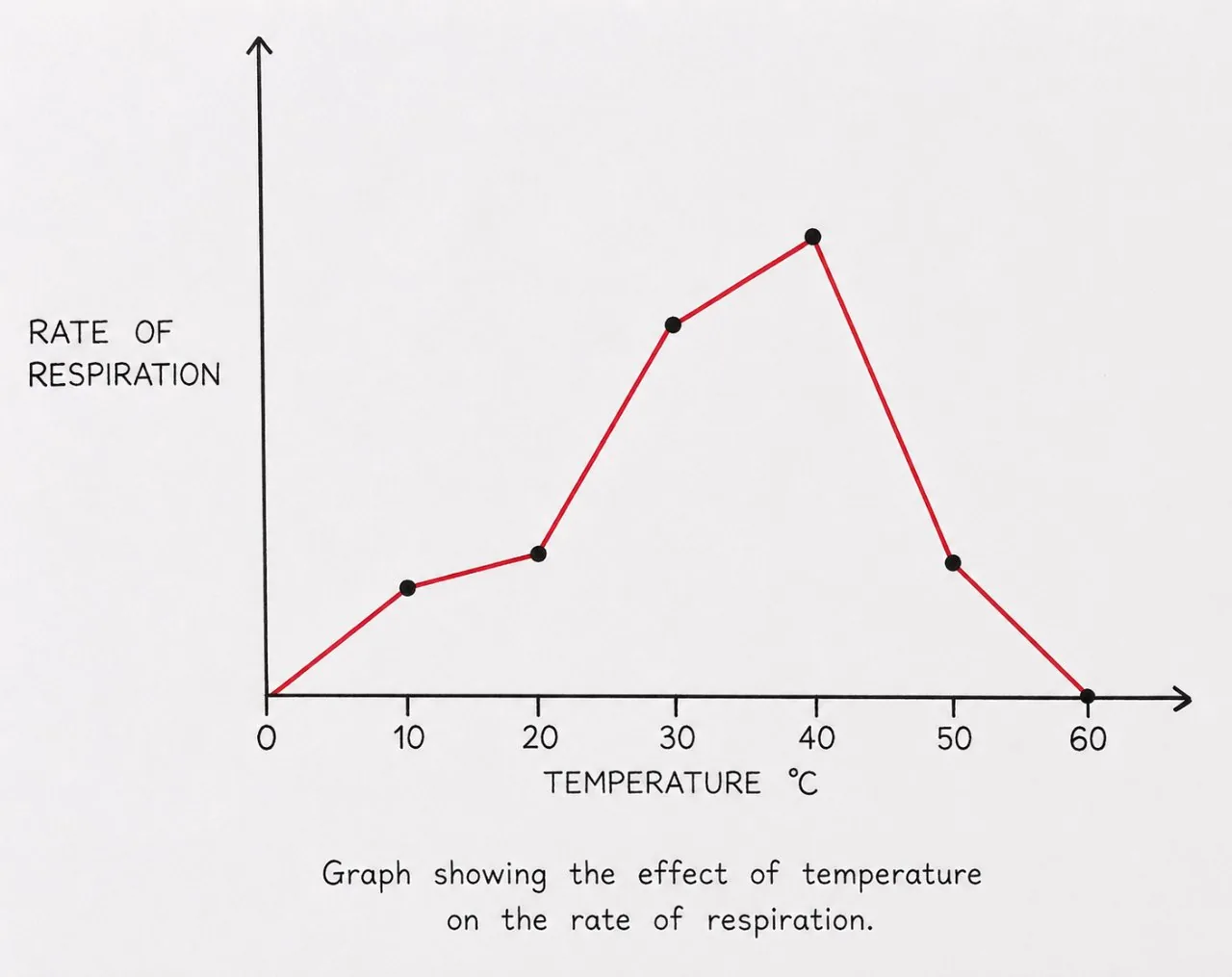
Decomposers secrete enzymes onto dead material and absorb the soluble products. This is extracellular digestion. As a result, large organic molecules are broken down to small molecules and mineral ions, and these are released into the soil where plants can absorb them. Decomposers therefore recycle both carbon (as carbon dioxide from respiration) and nutrients such as nitrates and phosphates.
The rate of decay depends on conditions that affect the enzymes and the growth of the microbes:
Gardeners and farmers use these ideas when they make compost heaps: turning the heap adds air, keeping it damp but not soaking, and the warm centre speeds decay. Compost can then be used as a natural fertiliser, returning minerals to the soil.
Section 4 of 8The water cycle
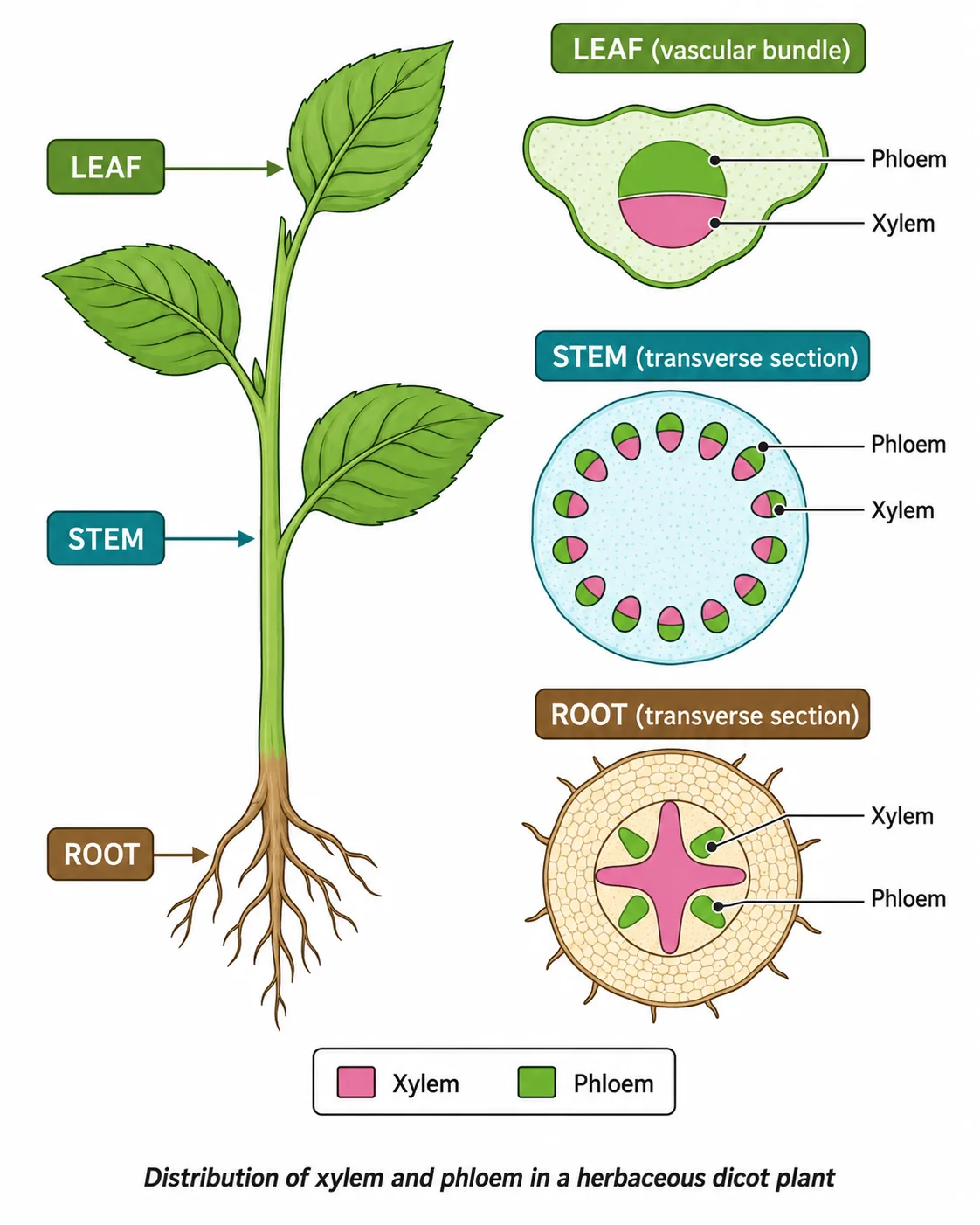


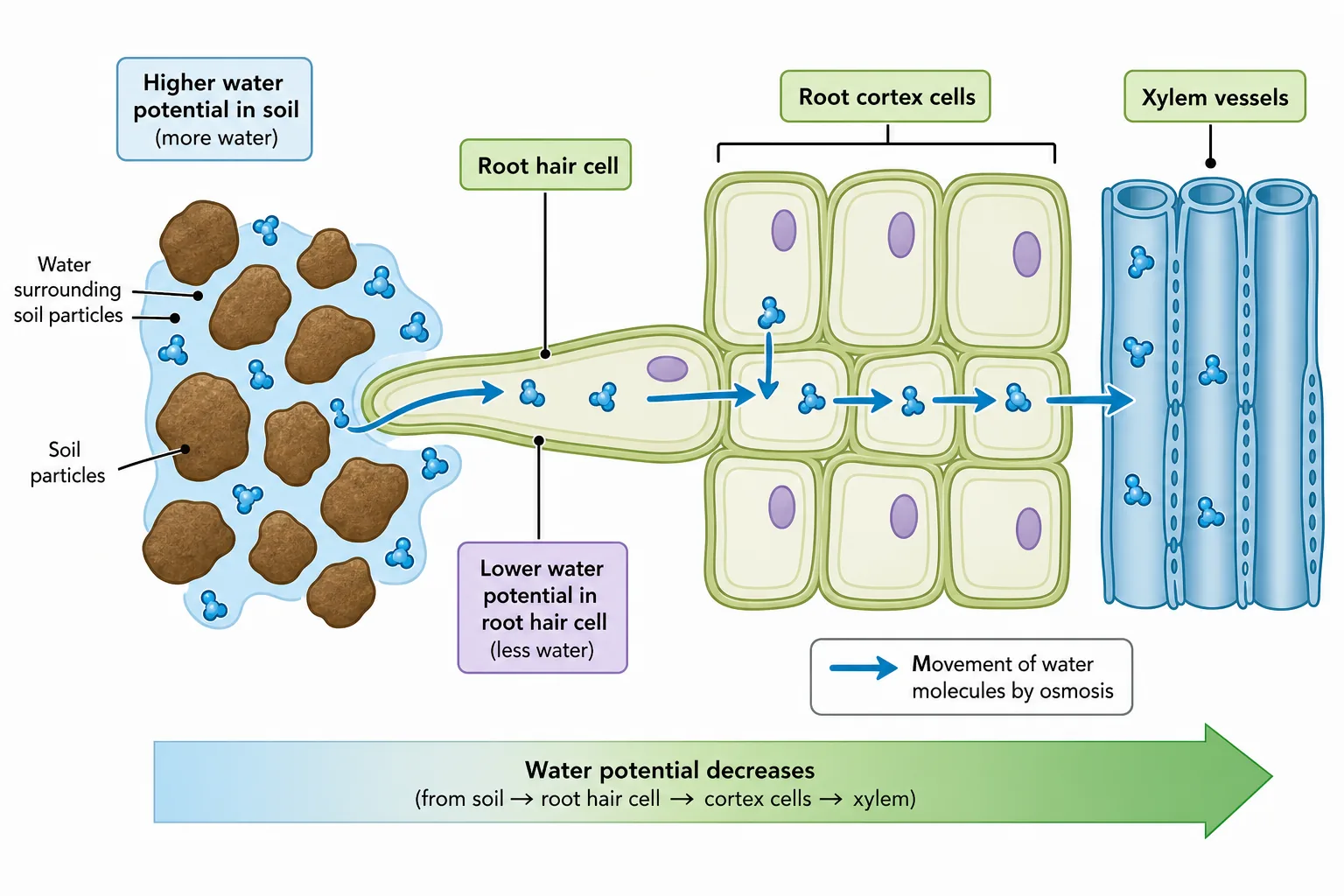


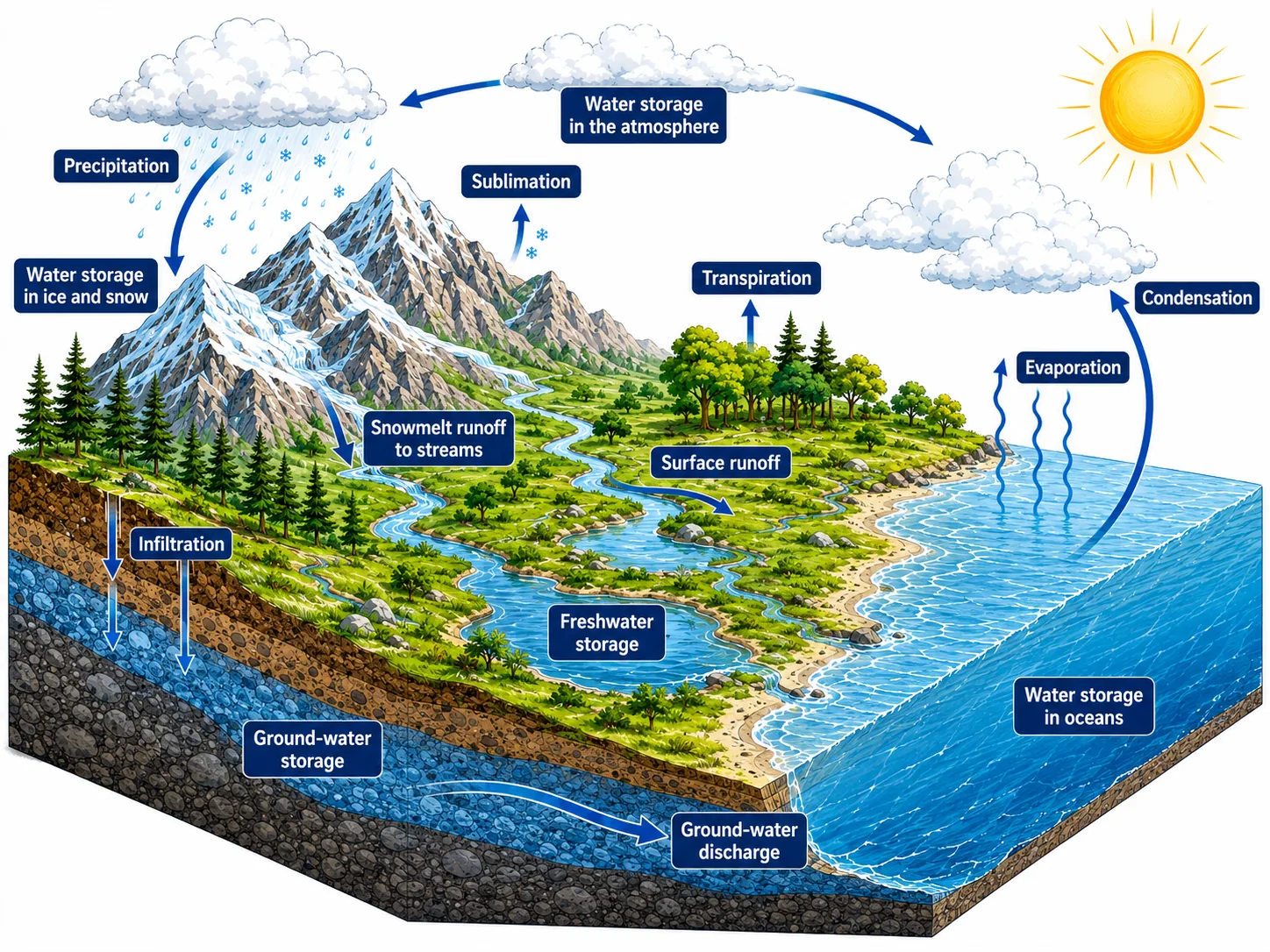
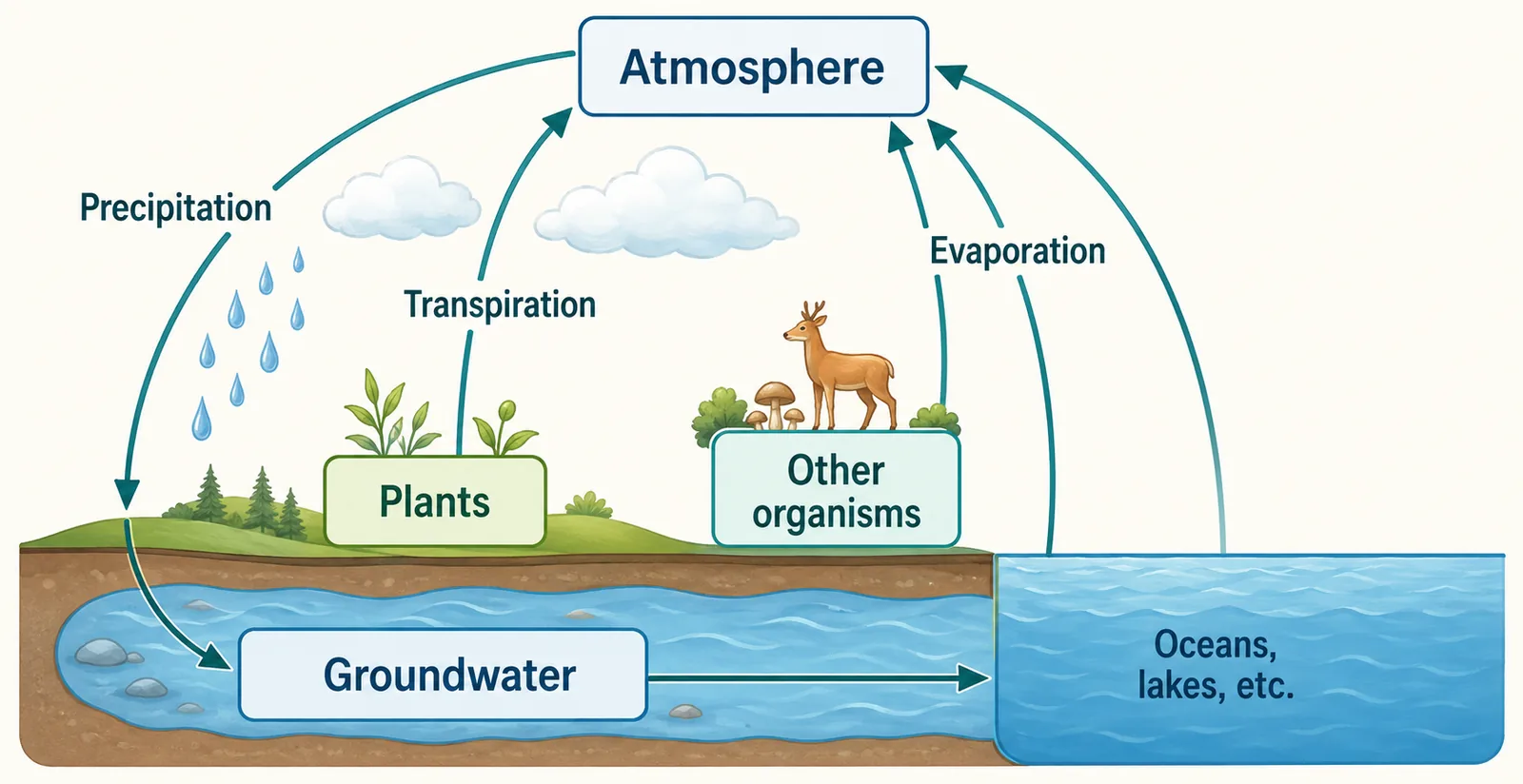
Water is essential as a solvent, a reactant in photosynthesis and a transport medium. It is continuously recycled between the sea, the air, the land and living things.
Animals take in water by drinking and eating, and return it to the environment through sweat, urine, breath and decay. Fresh water that has been purified is a resource that humans use for drinking and industry, so the cycle links closely to the topic of human impact on ecosystems.
Section 5 of 8Putting the cycles together
| Process | Effect on carbon dioxide in the air | Who or what does it |
|---|---|---|
| Photosynthesis | Removes | Plants, algae, some bacteria |
| Respiration | Adds | All living organisms |
| Decay | Adds (through respiration of microbes) | Bacteria and fungi |
| Combustion | Adds | Burning wood, coal, oil, gas |
In a stable ecosystem the removal and release of carbon dioxide are roughly balanced, so the concentration stays steady. Human activity, in particular burning fossil fuels and cutting down forests (which reduces photosynthesis), disturbs this balance. This links to later content on global warming and biodiversity.
Section 6 of 8Exam-style questions



Describe how a carbon atom in carbon dioxide in the air can become part of a fox, and then return to the air. [4]4 marks
11. The carbon dioxide is taken in by a plant and used in photosynthesis to make glucose / organic compounds. [1]22. A herbivore (such as a rabbit) eats the plant and the carbon becomes part of its tissues. [1]33. The fox eats the rabbit, so the carbon is passed to the fox. [1]44. The fox respires, releasing carbon dioxide into the air (or when the fox dies, decomposers respire and release it). [1]Explain why a compost heap that is regularly turned and kept moist rots faster than one left dry and compacted. [3]3 marks
Exam-style questions1. Turning adds oxygen, so decomposers can respire aerobically and release energy for growth. [1]2. Moisture is needed for the microbes to grow and for their enzymes to work. [1]3. More active decomposers secrete more enzymes, so organic matter is digested faster. [1]The concentration of carbon dioxide in the air is 0.04%. Explain why this figure has been rising over the last 200 years. [3]3 marks
Exam-style questions1. Fossil fuels are being burned in much larger amounts (combustion releases carbon dioxide). [1]2. Deforestation reduces the number of plants carrying out photosynthesis, so less carbon dioxide is removed. [1]3. The release is faster than the rate at which photosynthesis and the oceans can absorb it, so the concentration builds up. [1]
Section 7 of 8Key terms
| Term | Meaning |
|---|---|
| Carbon cycle | The movement of carbon between the air, living things, soil and fossil fuels. |
| Decomposer | A bacterium or fungus that breaks down dead material and waste. |
| Photosynthesis | The process in which plants use light to make glucose from carbon dioxide and water. |
| Respiration | The release of energy from glucose in all living cells, producing carbon dioxide in aerobic respiration. |
| Combustion | Burning, which releases carbon dioxide from wood and fossil fuels. |
| Transpiration | Loss of water vapour from the leaves of plants. |
| Precipitation | Water falling from clouds as rain, snow or hail. |
| Fossil fuel | A fuel such as coal, oil or gas formed from the remains of ancient organisms. |