Section 1 of 9Pathogens
A pathogen is a microorganism that causes disease. Four types are important at GCSE.
Section 2 of 9How pathogens spread

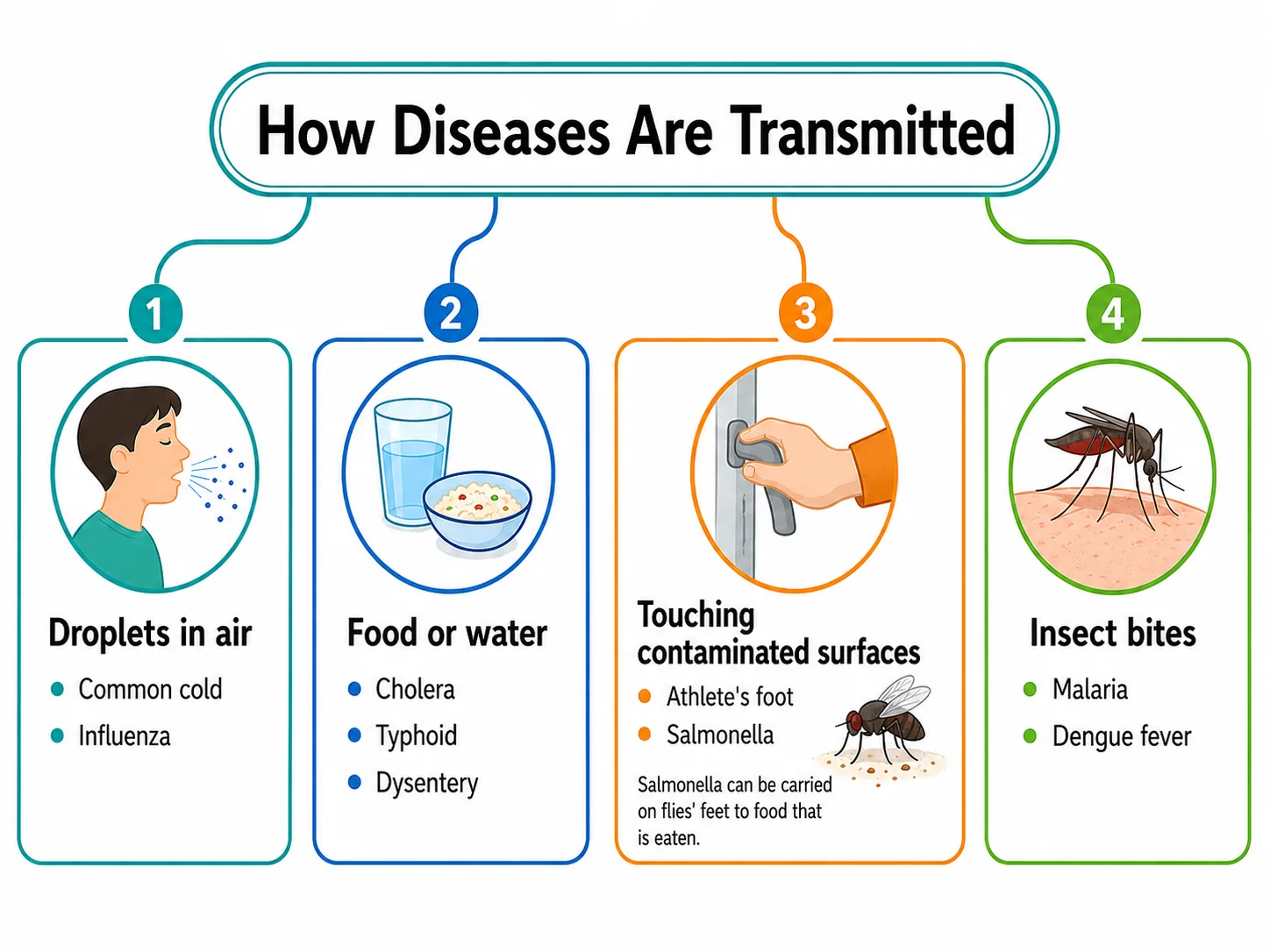
| Route | Example | How it is controlled |
|---|---|---|
| Air (droplets, coughs and sneezes) | Measles, flu, tuberculosis | Vaccination, tissues and covering the mouth, isolation |
| Direct contact | Athlete's foot, HIV (blood, sexual contact) | Hygiene, condoms, not sharing needles, antifungal treatment |
| Water and food | Cholera, Salmonella | Clean water, sewage treatment, cooking food thoroughly, hygiene in kitchens |
| Vectors (animals that carry the pathogen) | Malaria (mosquito) | Mosquito nets, insecticide, draining breeding sites, drugs |
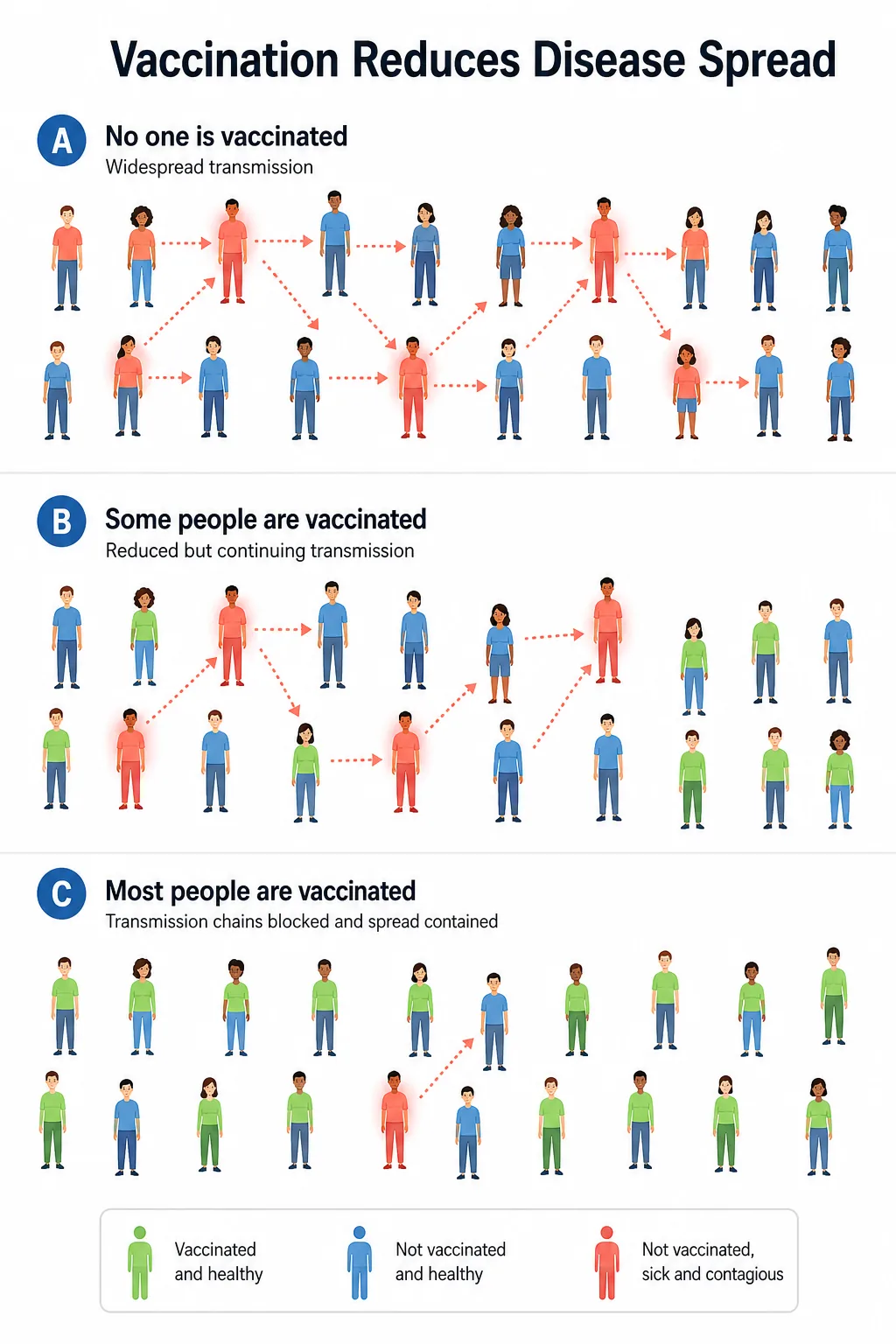
Reducing the spread of disease includes personal hygiene, washing hands, destroying vectors, isolating infected people, and vaccination.
Section 3 of 9Named diseases

- It causes repeated fevers and can damage the liver and blood.
- It is controlled by preventing mosquito bites rather than by killing the protist in the environment.
Section 4 of 9Why are some diseases hard to control?
Factors include
- pathogens that mutate and change (flu, HIV), so that vaccines or the immune memory do not work;
- resistance to antibiotics;
- high population density and travel, which move infection quickly;
- poverty and lack of healthcare, clean water and sanitation;
- and people who carry a pathogen without symptoms.
Section 5 of 9Spread by droplets, contact and vectors: more detail


Pathogens leave the body by routes that depend on where they live.
The idea of a reservoir and transmission route helps in planning control: for each disease decide where the pathogen lives, how it moves, and where the chain can be broken. For malaria the chain can be broken by treating patients, by killing vectors or by stopping mosquitoes biting; for measles the best break is vaccination, which protects people before exposure.
Section 6 of 9Treatment and the limits of antibiotics


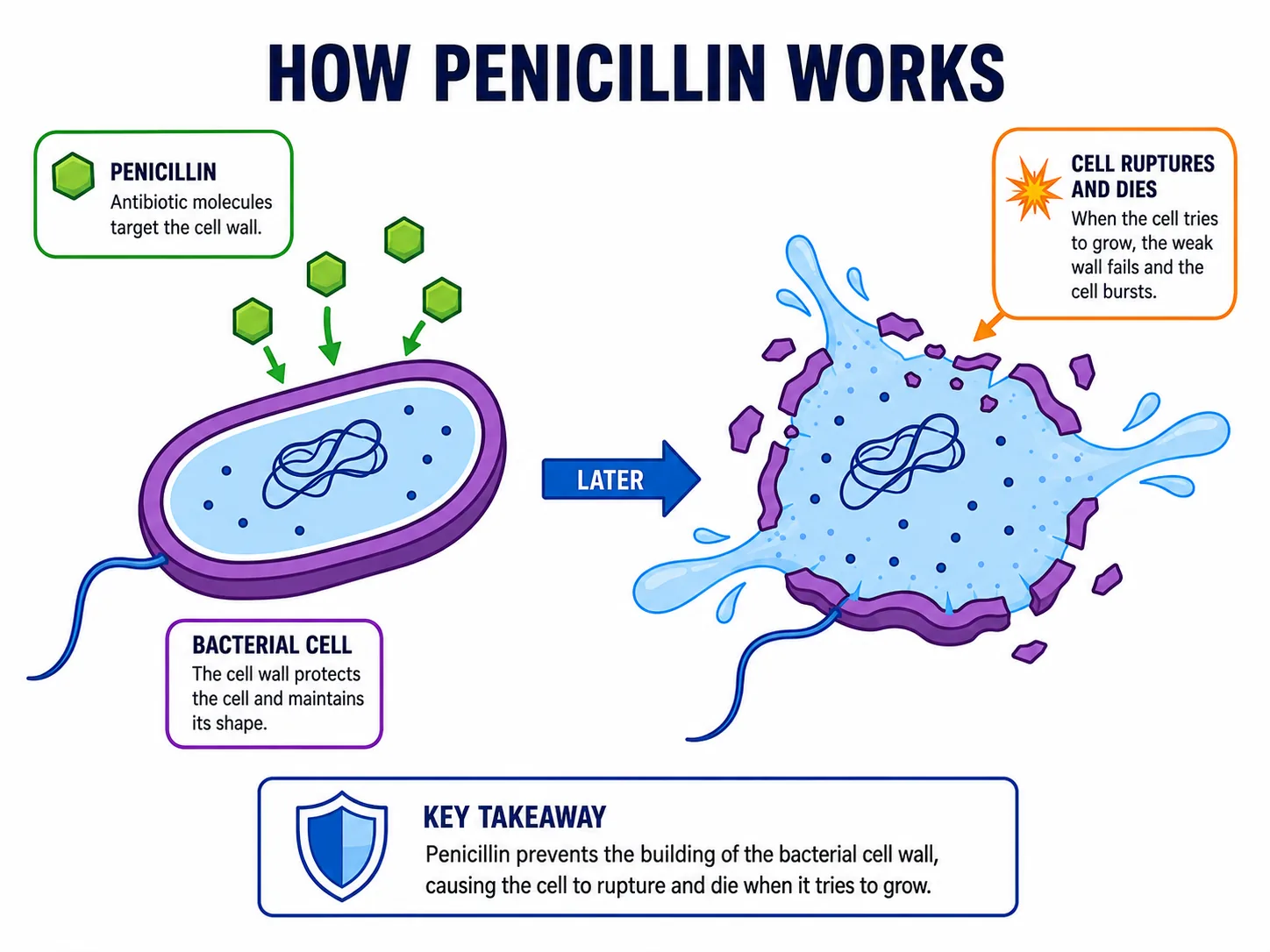

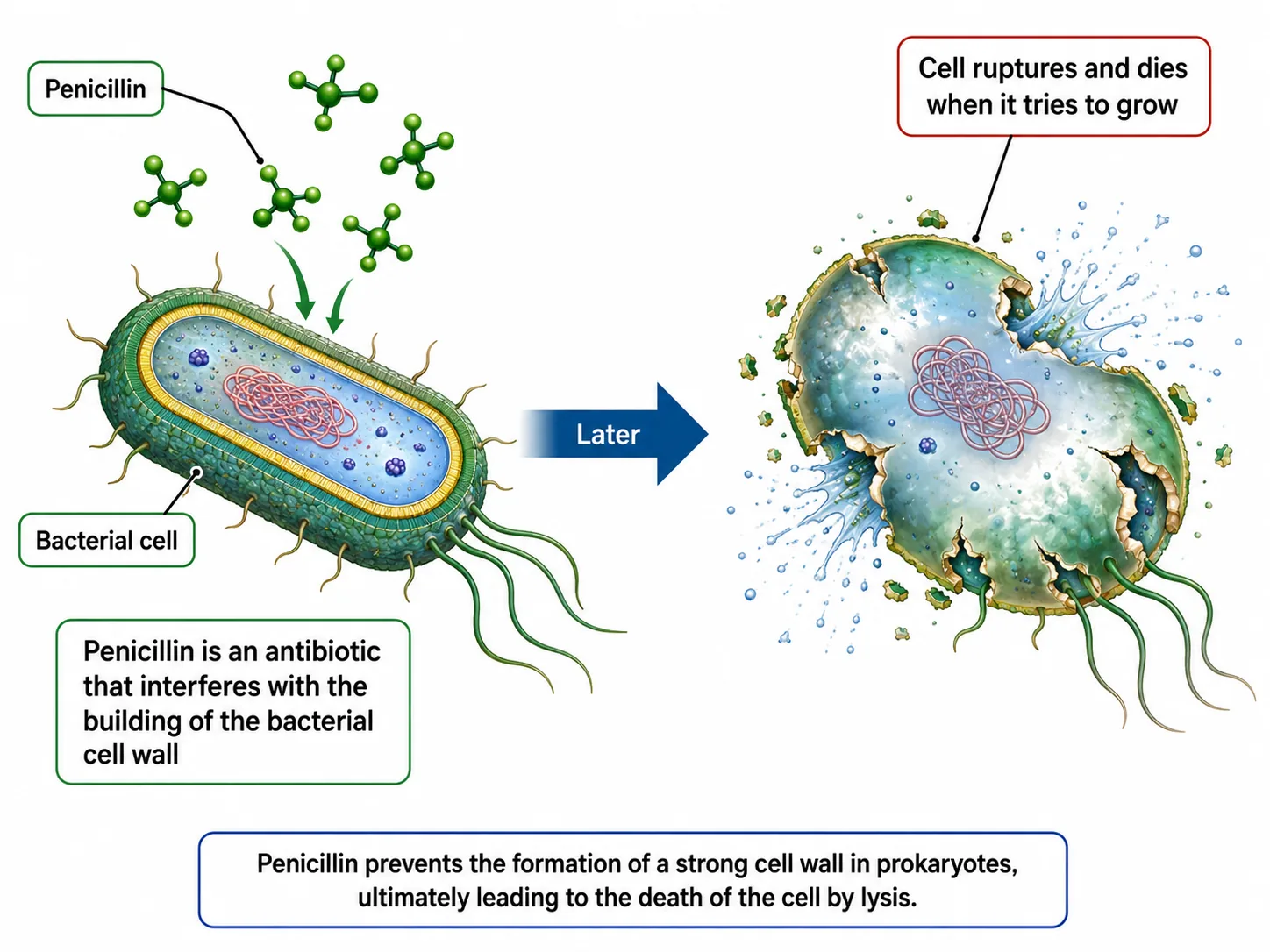

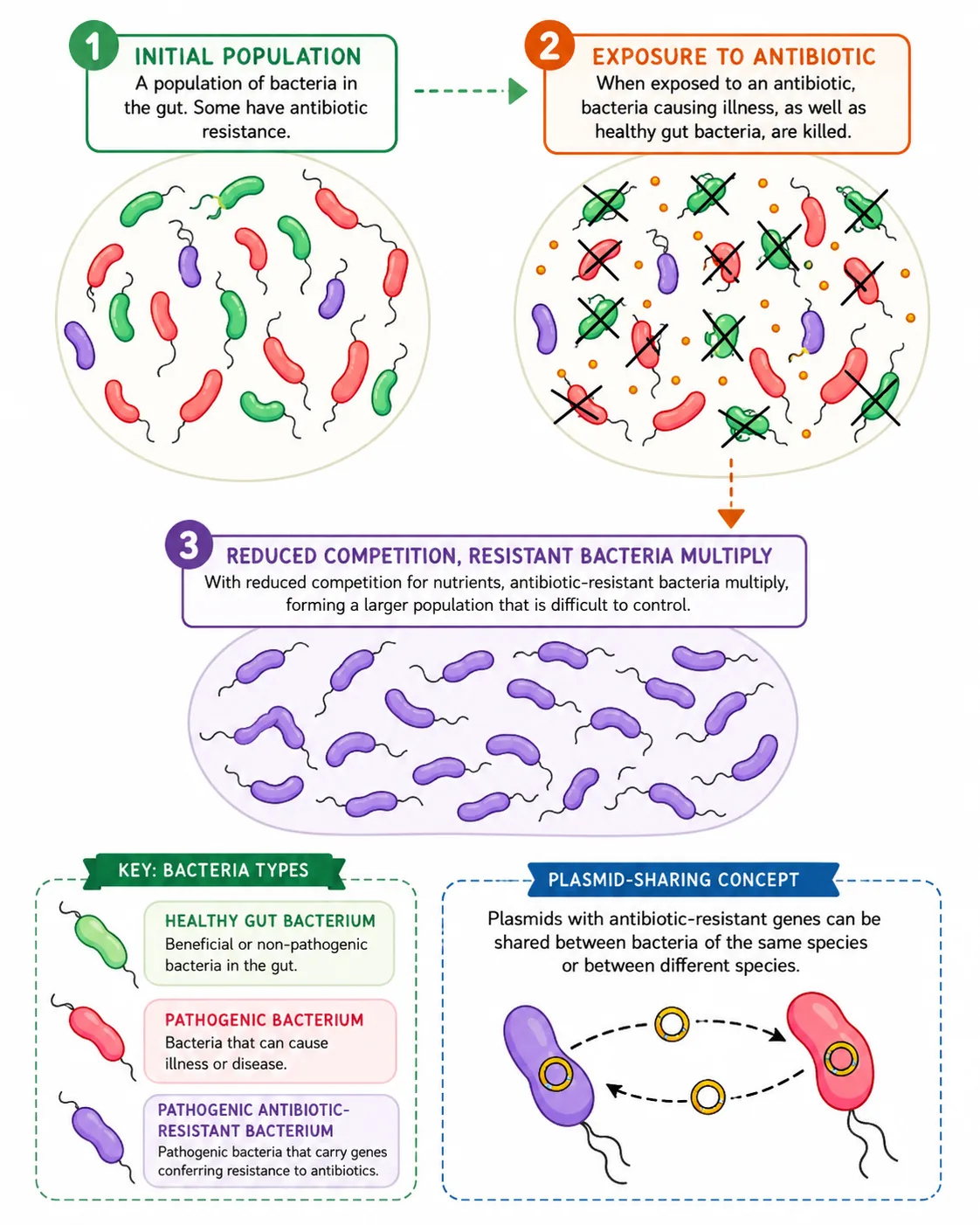
Antibiotics such as penicillin kill bacteria or stop their growth by damaging the cell wall or processes in the bacterial cell without harming human cells.
Section 7 of 9Exam-style questions
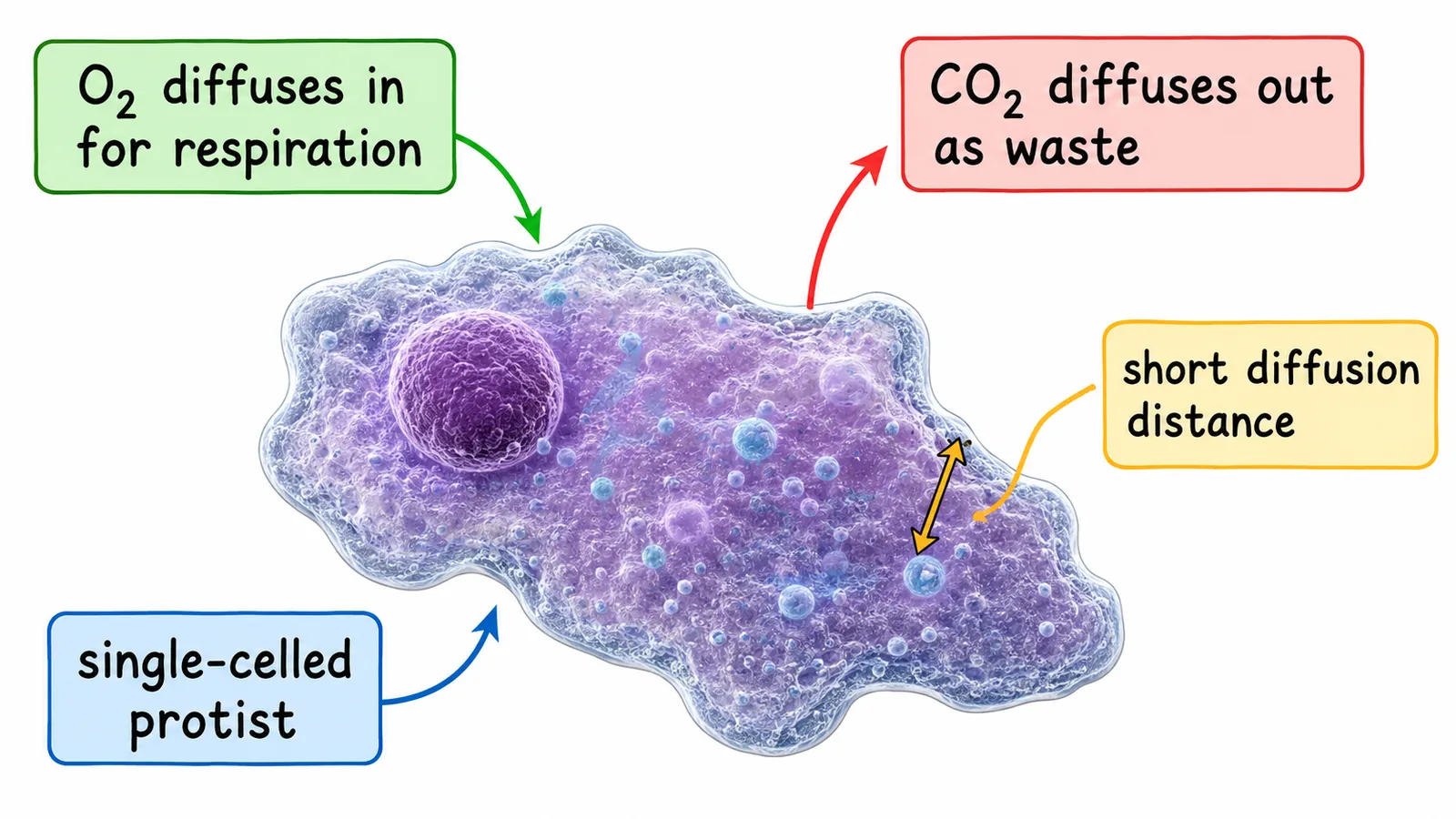
Describe how malaria is spread and suggest two ways of reducing its spread. [4]4 marks
11. The malaria protist is carried by mosquitoes (vector). [1]22. A mosquito picks up the parasite when it bites an infected person and passes it on when it bites another. [1]33. Reduce spread by using mosquito nets or insect repellent. [1]44. Drain standing water or use insecticides to reduce breeding. [1]Explain why washing hands thoroughly after using the toilet helps to control cholera and Salmonella. [2]2 marks
1. Pathogens in faeces can be transferred to food or water by hands. [1]
2. Washing removes them, so other people do not ingest them. [1]
Tobacco mosaic virus causes leaves to have discoloured patches. Explain why infected plants grow poorly. [3]3 marks
Exam-style questions1. The discoloured patches have less chlorophyll. [1]2. So less light is absorbed and photosynthesis is reduced. [1]3. Less glucose is made for growth and respiration. [1]
Section 8 of 9Key terms
| Term | Meaning |
|---|---|
| Pathogen | A microorganism that causes disease. |
| Vector | An organism that carries a pathogen from one host to another. |
| Virus | A tiny non-cellular particle that reproduces inside host cells. |
| Bacterium | A single-celled organism without a nucleus. |
| Protist | A single-celled eukaryote, some of which are parasites. |
| Fungus | An organism that may cause disease by growing on or in a host. |
| Epidemic | A rapid spread of a disease through a population. |
| Antibiotic | A drug that kills bacteria. |