8.1.3The Rate and Extent of Chemical Change
Factors that Affect the Rate of Reactions
5 min read 6 parts Lesson 4 of 16 1 quiz
Section 1 of 6Collision theory
Particles must collide
- Particles must collide A reaction can only happen when reactant particles collide with enough energy.
- This minimum energy is the activation energy.
- The rate of reaction depends on the number of successful collisions per second.
Five factors
- Five factors Temperature, concentration (of solutions), pressure (of gases), surface area of solids and the use of a catalyst all change the rate.
Section 2 of 6How each factor works
| Factor | Change | Effect on particles | Rate |
|---|---|---|---|
| Temperature | Higher | Particles have more kinetic energy, so they collide more often and more collisions have enough energy | Increases |
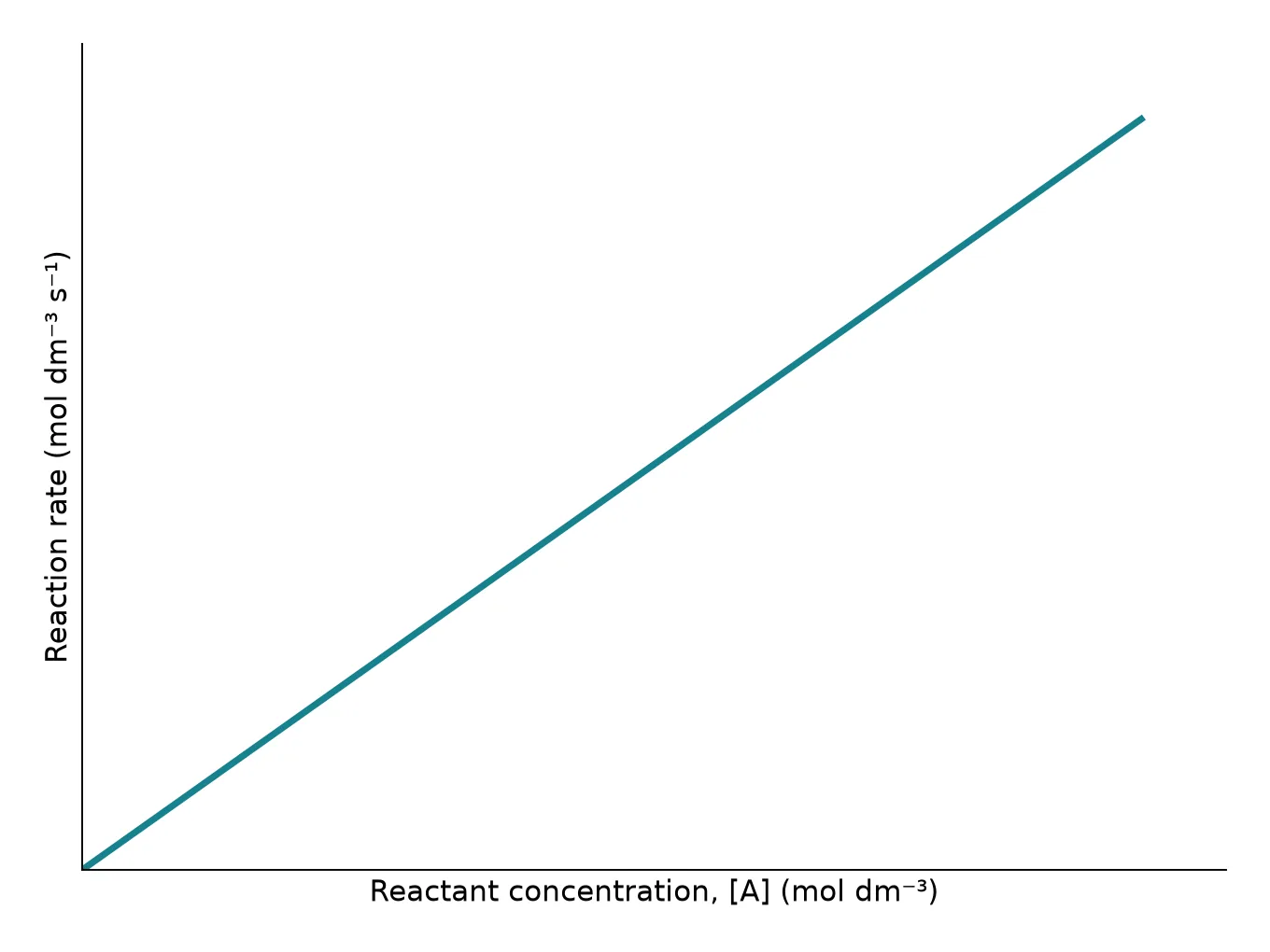
| Concentration | Higher | More particles in the same volume, so collisions are more frequent | Increases |
| Pressure (gases) | Higher | Same number of particles in a smaller volume, so collisions are more frequent | Increases |
| Surface area (solids) | Larger, e.g. powder | More particles exposed, so more collisions per second | Increases |
| Catalyst | Added | Gives a different pathway with lower activation energy, so more collisions are successful | Increases |
Section 3 of 6Temperature in more detail
1Heat the mixture
- Heat the mixture Particles gain kinetic energy and move faster.
2More collisions
- More collisions Faster particles collide more times per second.
3More successful collisions
- More successful collisions A bigger proportion of collisions has energy above the activation energy.
4Rate rises sharply
- Rate rises sharply A small temperature rise gives a large rate increase;
- as a rough guide the rate roughly doubles for every 10 °C rise.
Section 4 of 6Reading rate graphs
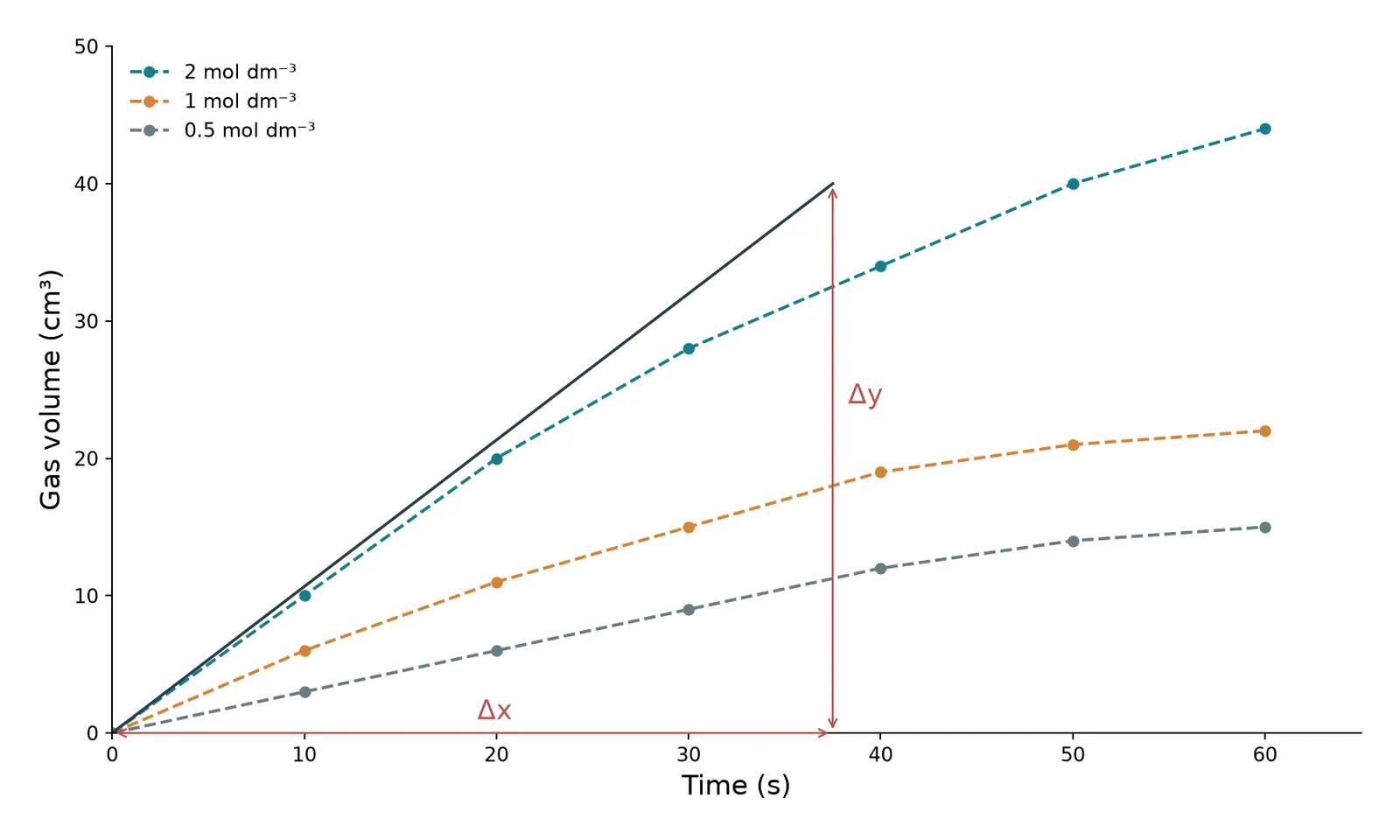

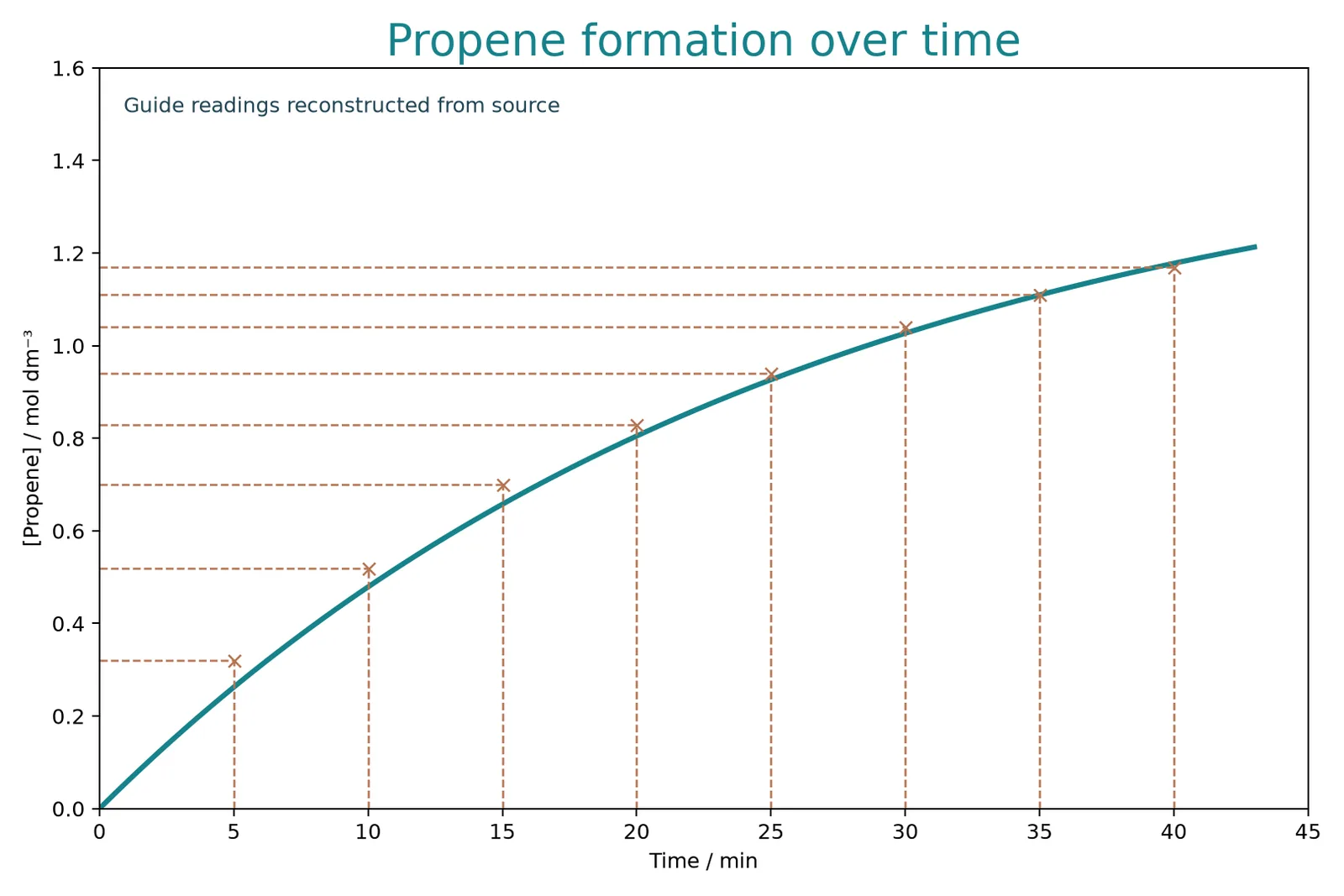

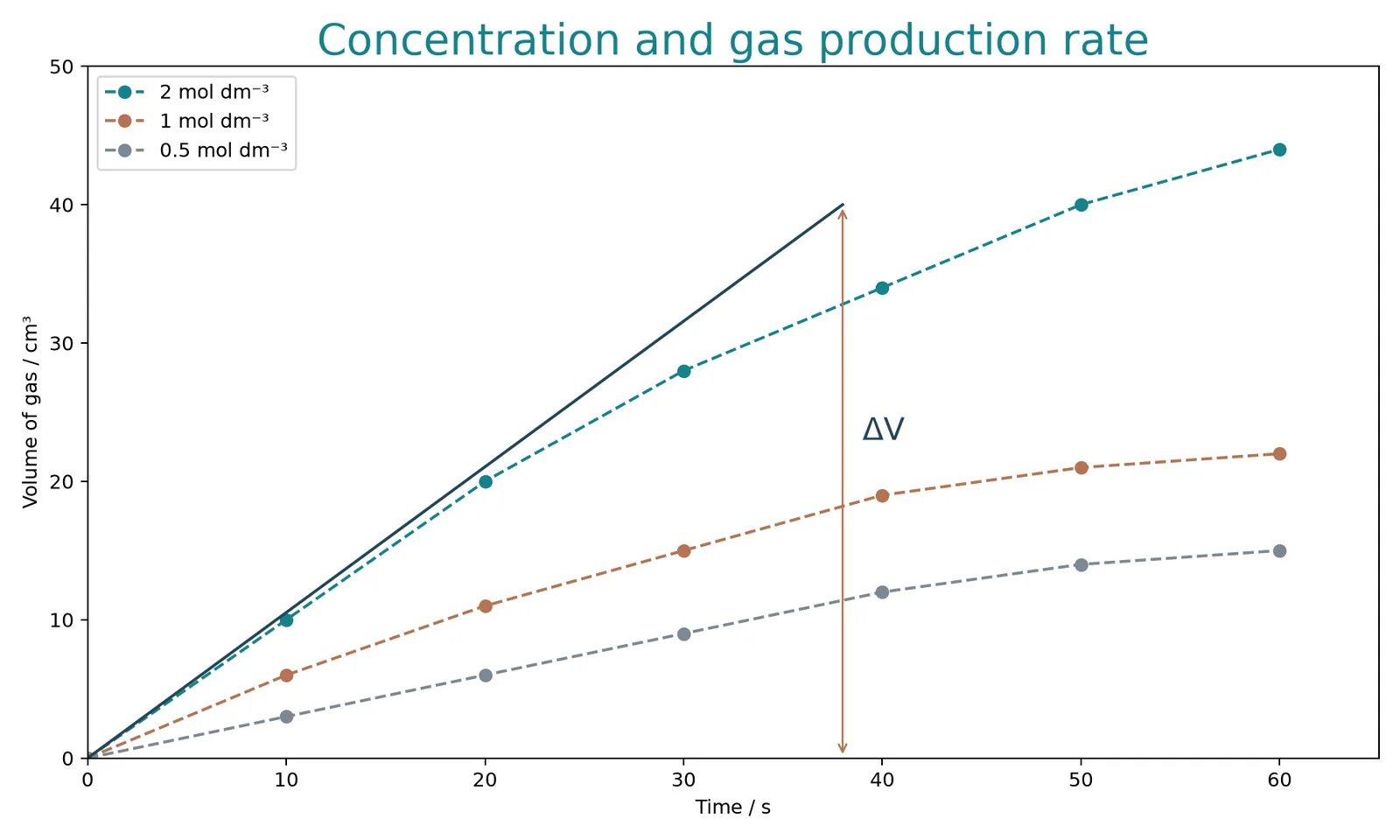
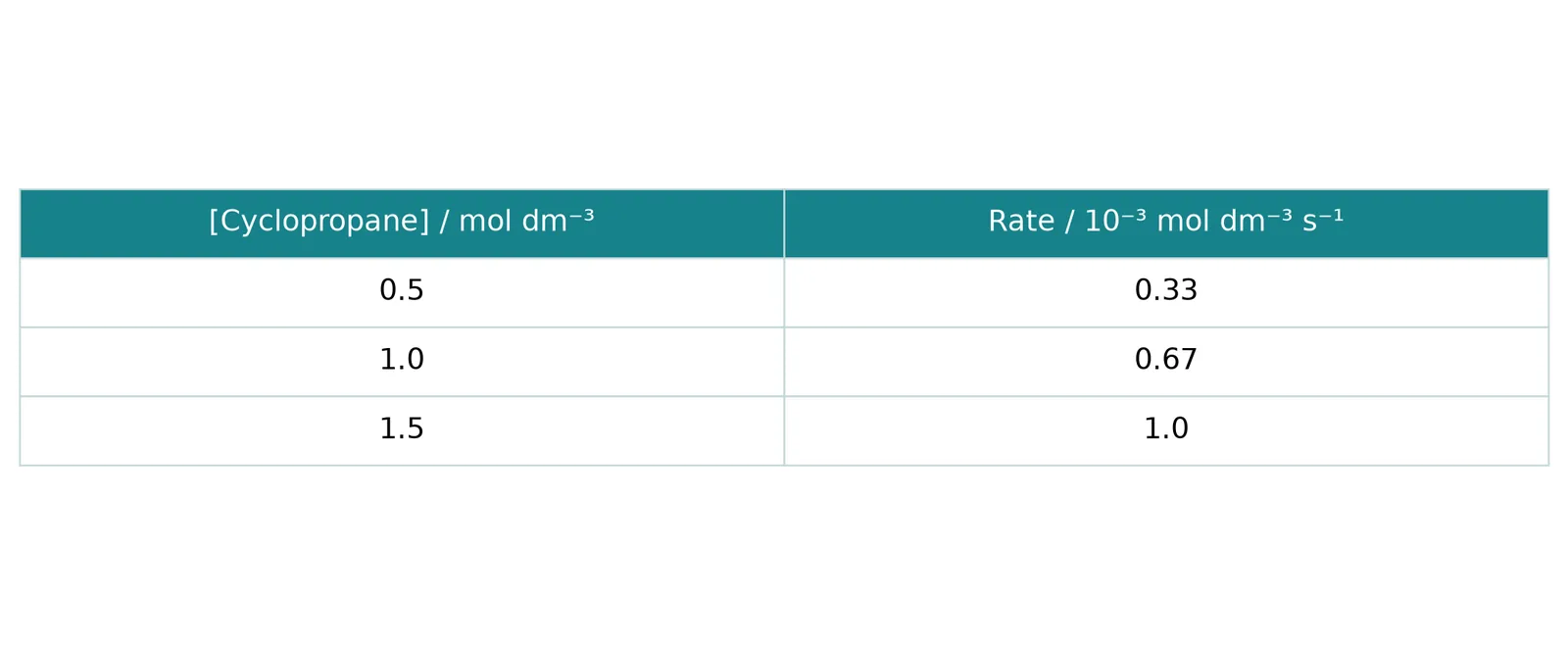
Product against time
Steeper start
- Steeper start A faster reaction gives a steeper initial gradient, because more product forms each second.
Levels off sooner
- Levels off sooner The curve becomes horizontal earlier because the limiting reactant is used up sooner.
Same final amount
- Same final amount Changing temperature, concentration, pressure, surface area or adding a catalyst does not change the total product if the amount of limiting reactant is the same.
Catalysts
- Catalysts A catalyst is not used up, so it can be recovered at the end of the reaction.
Section 5 of 6Key terms
| Term | Meaning |
|---|---|
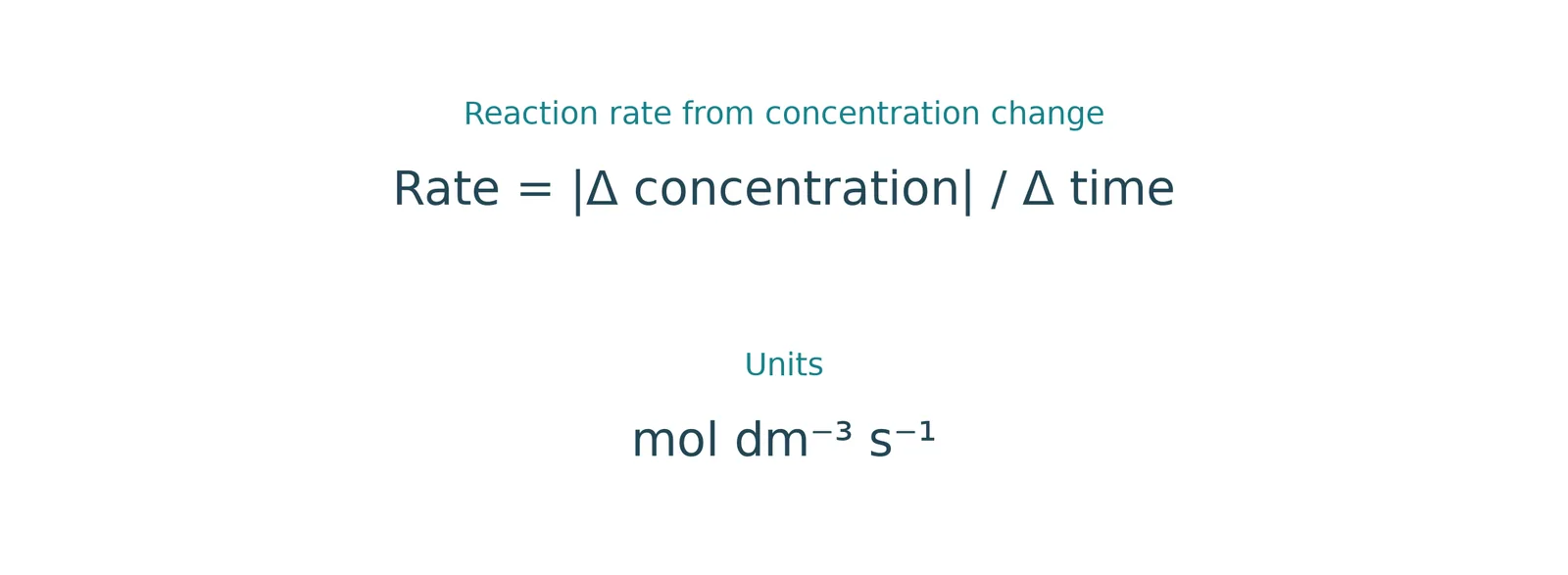
| Rate of reaction | How quickly reactants are turned into products. |
| Collision theory | The idea that reactions occur when particles collide with enough energy. |
| Activation energy | The minimum energy particles need in a collision to react. |
| Catalyst | A substance that speeds up a reaction without being used up. |
| Surface area | The total area of a solid that is exposed and able to react. |
Section 6 of 6Exam technique
1
Saying a higher temperature only makes particles collide more. It also makes each collision more likely to succeed because particles have more energy.
2
Saying a catalyst increases the amount of product. It only changes how fast the product forms.
3
Writing 'more particles' for a concentration increase, rather than more particles per unit volume.
4
Describing a faster reaction as one that ends with more product on the graph. The final level stays the same.