2.6.1Variation, Homeostasis and Micro-organisms
Types of Micro-organisms
5 min read 6 parts Lesson 42 of 51 1 quiz
Section 1 of 6What is a micro-organism?
Too small to see
- Too small to see Micro-organisms are living organisms that are too small to be seen with the naked eye, so a microscope is needed to observe them.
Mostly harmless
- Mostly harmless The great majority of micro-organisms do no harm and many are useful.
- They take part in nutrient recycling, decomposition and partnerships with other organisms, which keep ecosystems working.
A balance
- A balance Public health depends on the balance between helpful and harmful micro-organisms.
- Hygiene, sanitation and disease control measures aim to reduce harmful ones while leaving the helpful ones in place.
Section 2 of 6Beneficial micro-organisms
Useful micro-organisms
Food fermentation
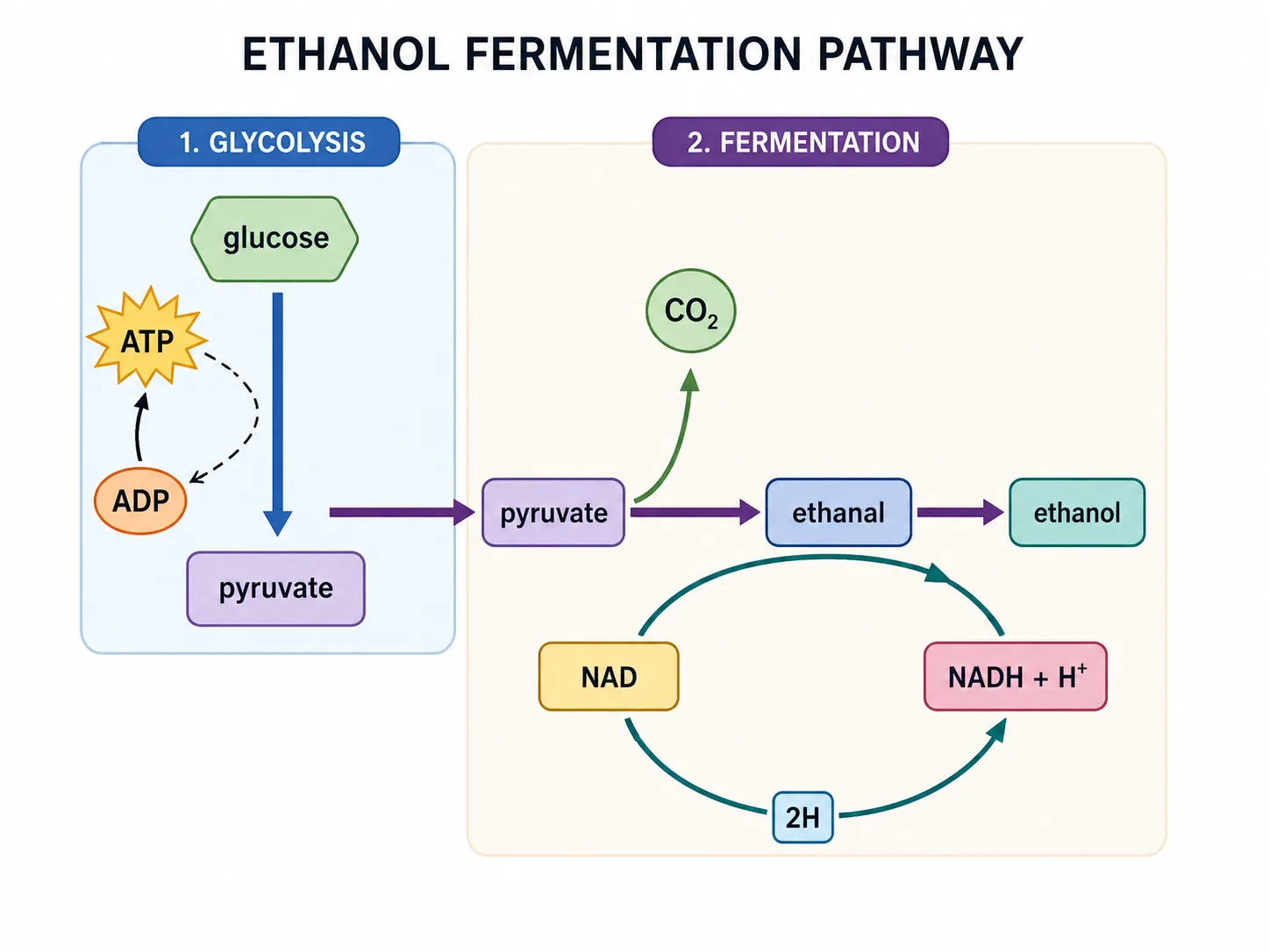
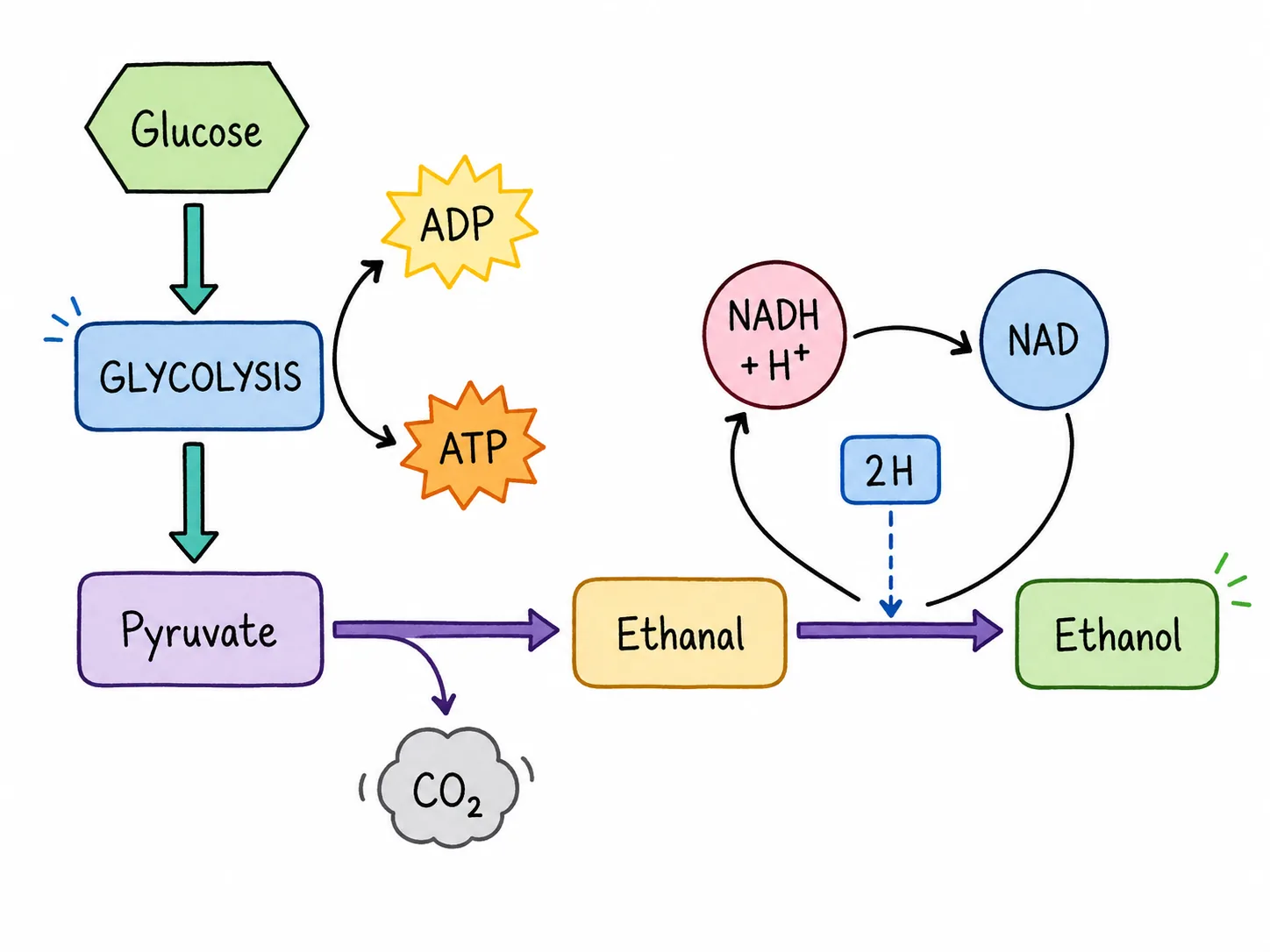
- Food fermentation Yeast and bacteria are used to make bread, yoghurt, cheese and alcoholic drinks.
Genetic engineering
- Genetic engineering Bacteria can be given human genes so that they make useful products such as insulin.
Antibiotic production
- Antibiotic production Some fungi and bacteria naturally make chemicals that kill other bacteria, and these are harvested as medicines.
In nature
- In nature Decomposers break down dead material and return nutrients to the soil, where plants can use them again.
Section 3 of 6Pathogens
Definition
- Definition A pathogen is a micro-organism that causes disease.
- Pathogens can infect plants, animals and humans, and some cause serious illness.
Bacteria
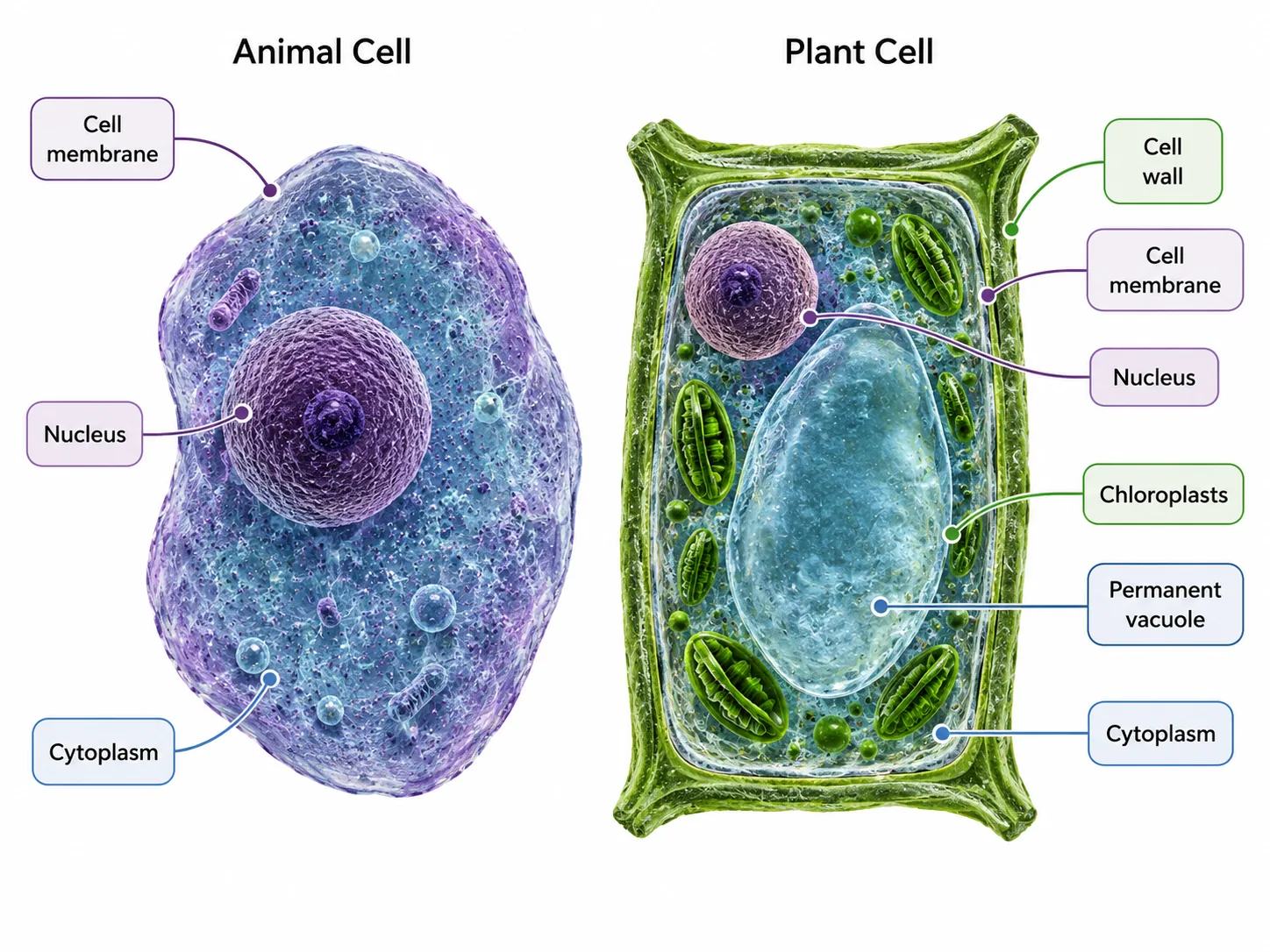
- Bacteria Single-celled organisms with no nucleus.
- They can reproduce quickly inside the body and many release toxins that make us ill.
Viruses
- Viruses Much smaller than bacteria.
- They can only reproduce by invading living cells and taking over the cell's machinery.
Fungi
- Fungi Some fungi infect the skin or other tissues of animals and plants.
Protists
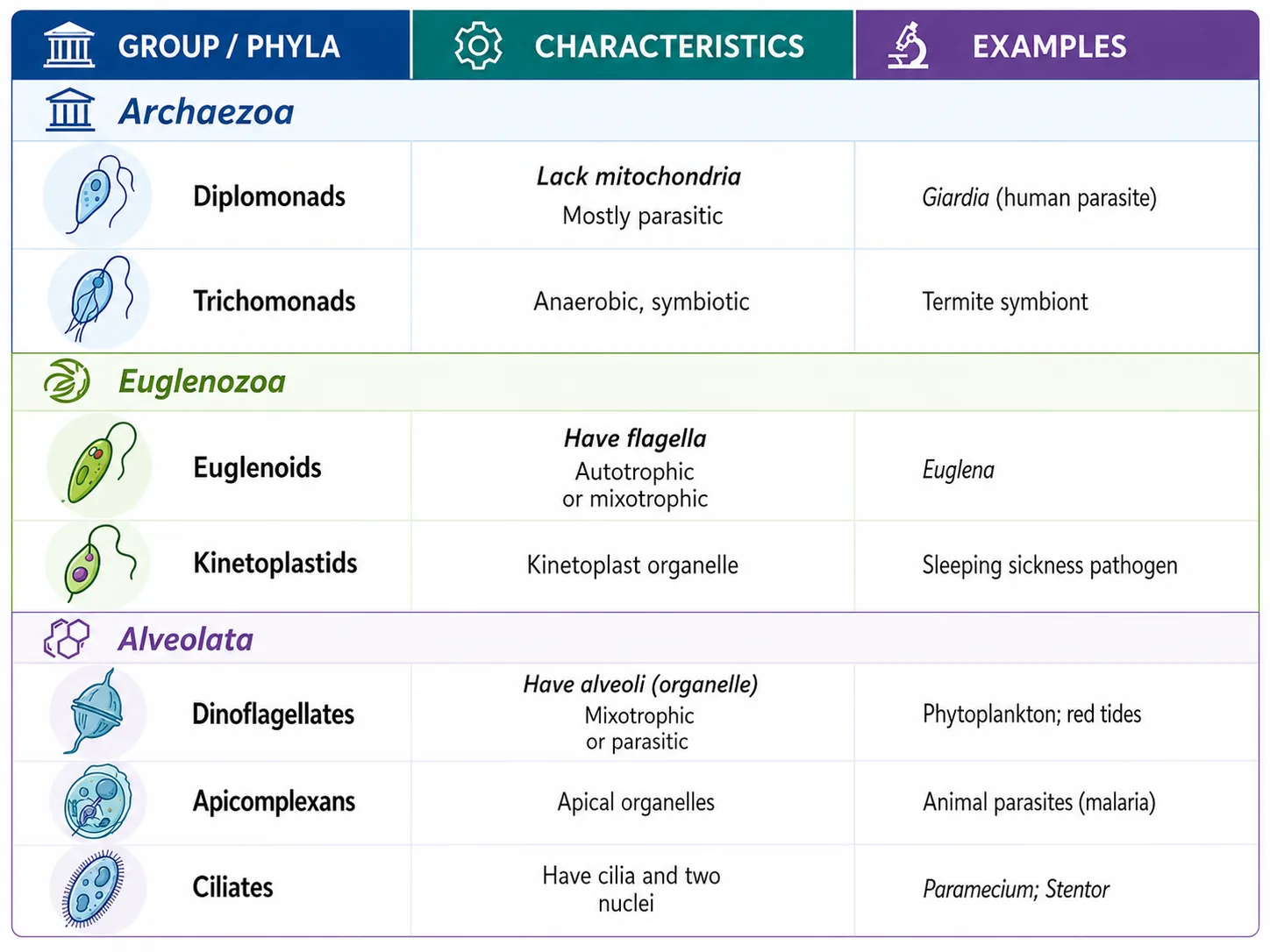
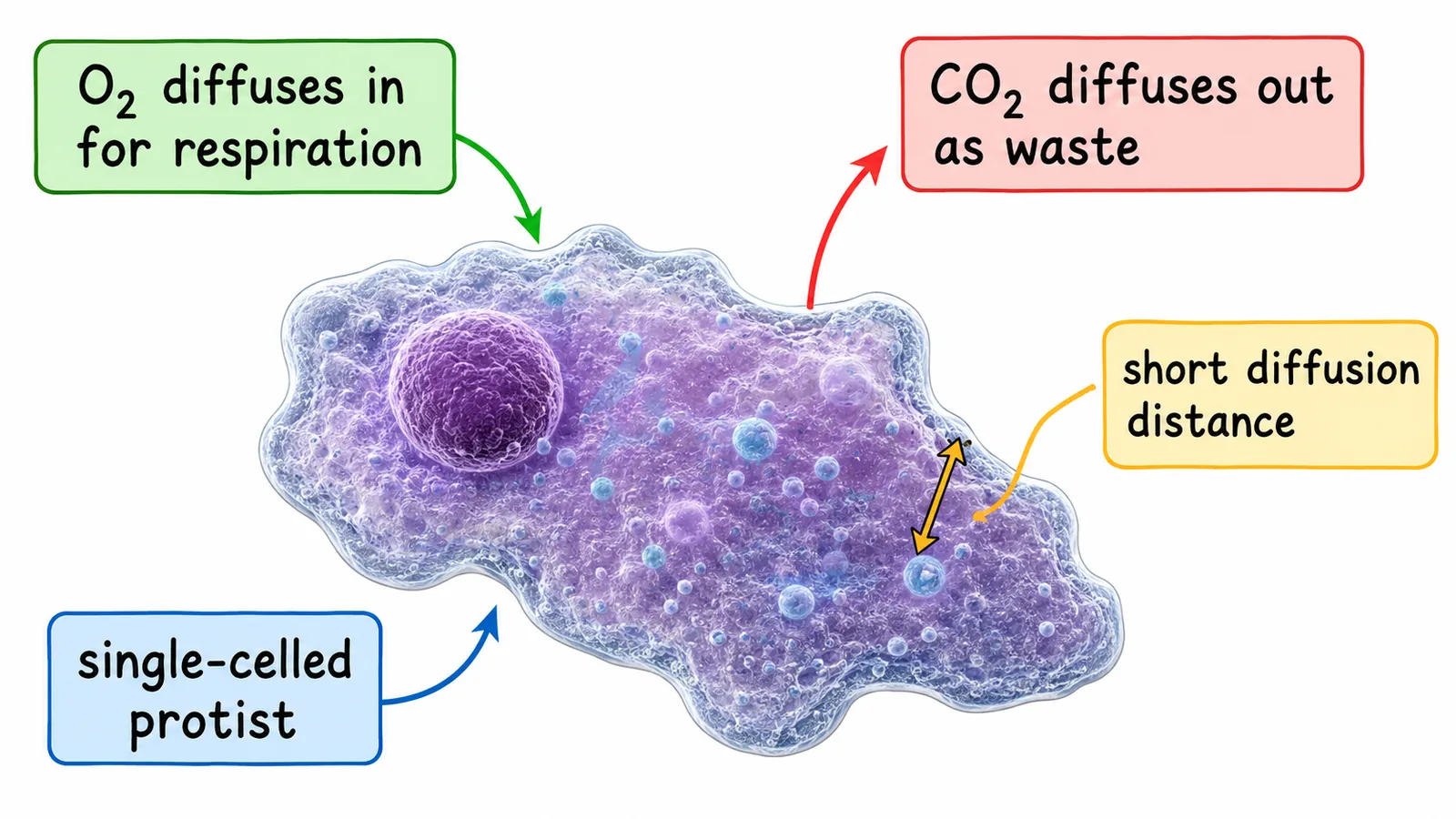
- Protists Single-celled organisms with a nucleus.
- Some are pathogens that are carried from person to person by other animals.
Section 4 of 6Comparing the four groups
| Group | Key feature | Type of effect |
|---|---|---|
| Bacteria | Single-celled, no nucleus | Reproduce rapidly and release toxins |
| Viruses | Tiny, reproduce only inside host cells | Damage the cells they invade |
| Fungi | Cells with a nucleus; many are multicellular | Can infect skin and other tissues |
| Protists | Single-celled with a nucleus | Can cause disease when they infect a host |
Section 5 of 6Key terms
| Term | Meaning |
|---|---|
| Micro-organism | A living organism too small to be seen without a microscope. |
| Pathogen | A micro-organism that causes disease. |
| Beneficial micro-organism | A micro-organism that has a helpful role in nature, industry or medicine. |
| Fermentation | Use of micro-organisms such as yeast to produce foods and drinks. |
| Decomposer | A micro-organism that breaks down dead material and recycles nutrients. |
| Hygiene | Practices such as hand washing that reduce the spread of pathogens. |
Section 6 of 6Exam technique
1
Saying that all micro-organisms are harmful. Most are harmless or useful.
2
Using the words 'germ' or 'bug' in an answer instead of the correct term pathogen, or bacteria, virus, fungus or protist.
3
Describing a virus as a living cell. Viruses are not cells and can only reproduce inside host cells.
4
Listing only bacteria as pathogens; viruses, fungi and protists cause disease as well.
5
Forgetting that micro-organisms can infect plants as well as animals.