Section 1 of 9What is a pathogen?
A pathogen is a microorganism that causes infectious (communicable) disease. Pathogens damage the host by destroying cells or by releasing toxins. Only some bacteria and viruses are pathogenic; many microorganisms are harmless or helpful.
Section 2 of 9The four types

| Type | Features | Examples and diseases |
|---|---|---|
| Bacteria | Single-celled prokaryotes, much smaller than body cells. Reproduce quickly by binary fission. Release toxins that damage tissues. | Salmonella (food poisoning), Streptococcus (sore throat), Mycobacterium tuberculosis (TB), Neisseria gonorrhoeae (gonorrhoea) |
| Viruses | Not cells; a small piece of genetic material in a protein coat. Reproduce only inside living host cells, damaging or destroying them when new viruses burst out. | Influenza, measles virus, HIV, tobacco mosaic virus (plants) |
| Fungi | Some are single-celled (yeast) and some are made of hyphae. Hyphae may grow into tissue and release enzymes to digest it. | Athlete's foot, rose black spot (plants) |
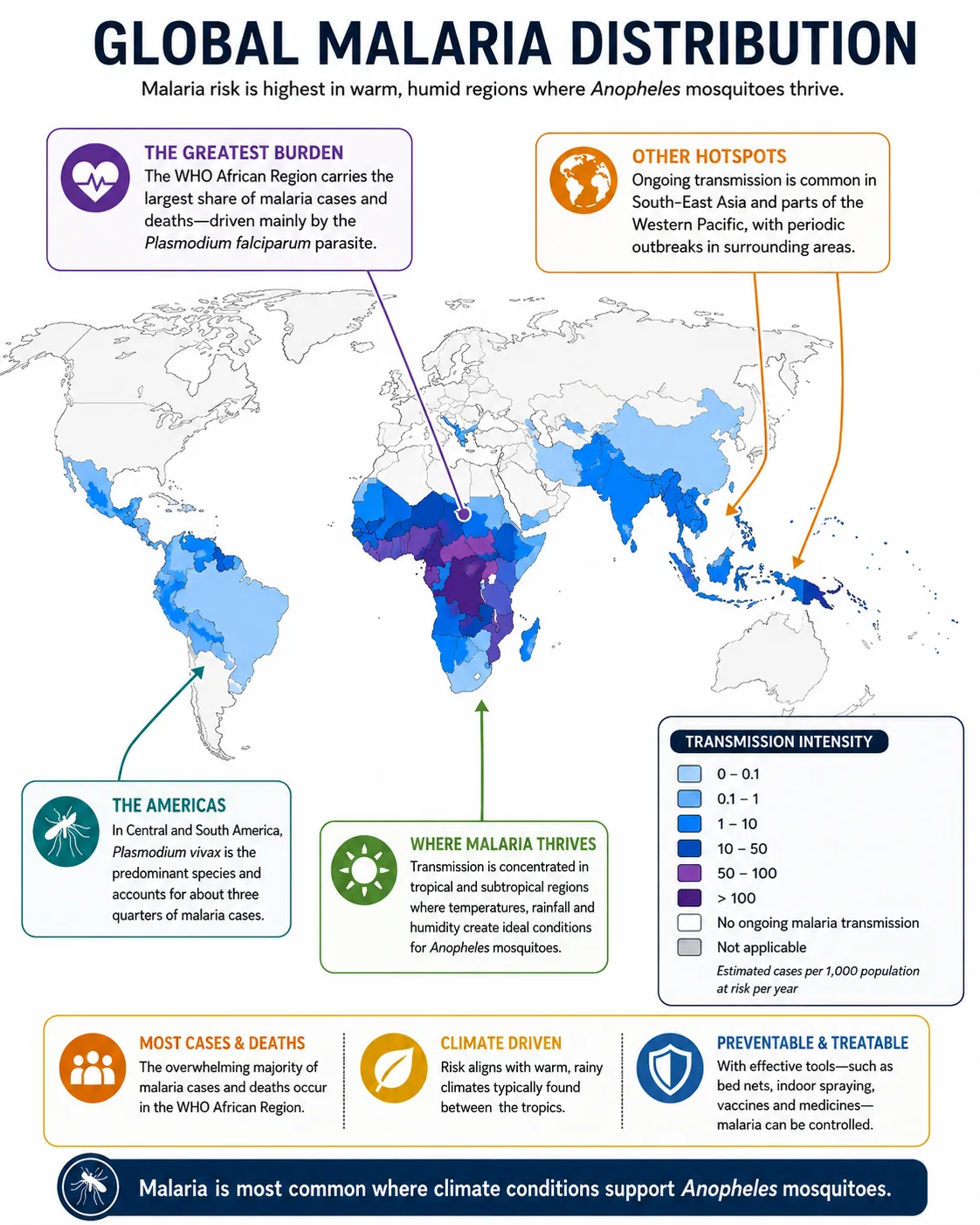
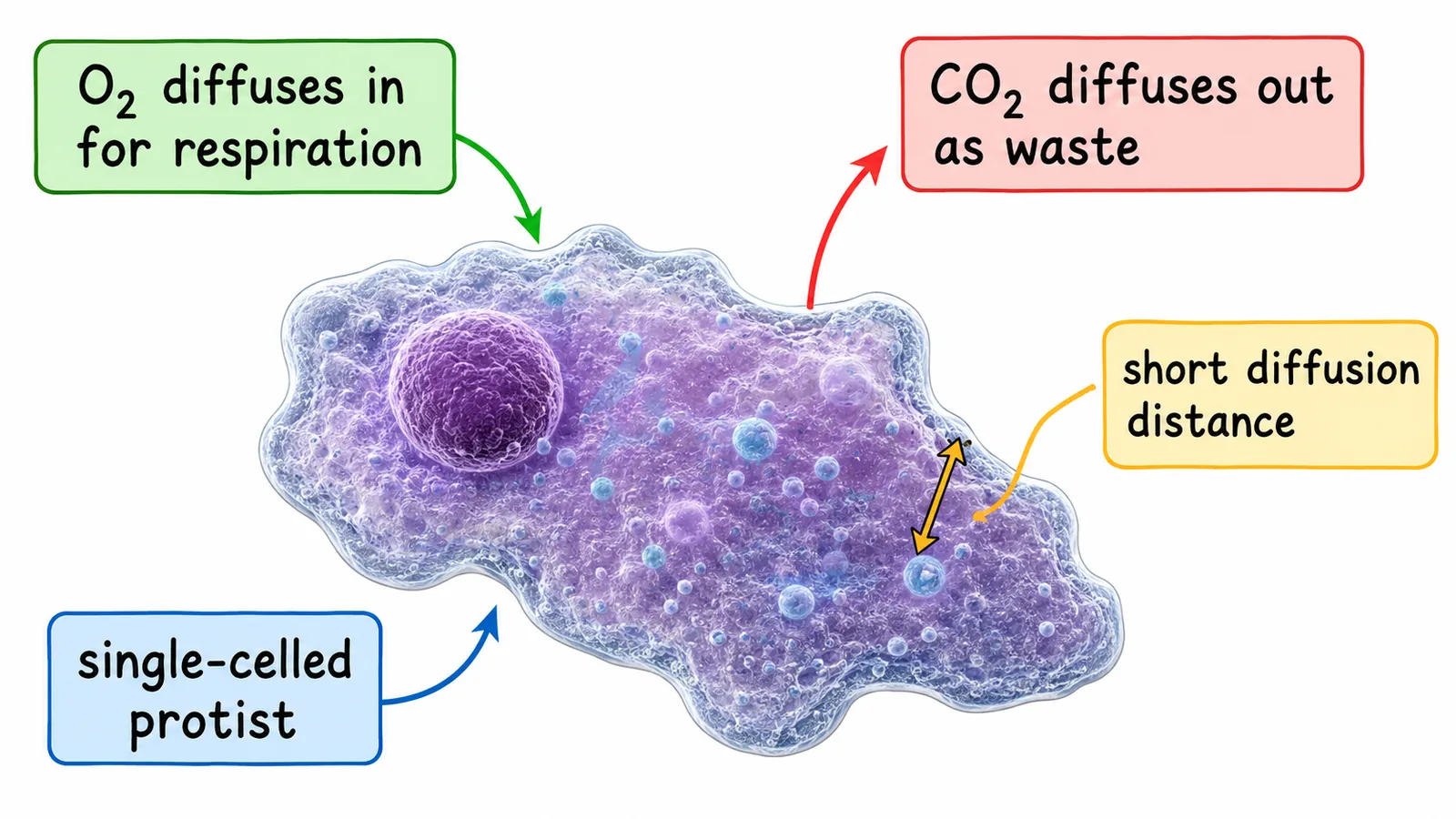
| Protists | Eukaryotic single-celled organisms; many are parasites that live in or on a host. | Plasmodium (malaria) carried by Anopheles mosquitoes |
Section 3 of 9How pathogens cause harm
Pathogens that evolve quickly, like flu viruses, are hard to control because the antibodies made to one strain may not match the next one.
Section 4 of 9How pathogens spread



Section 5 of 9Factors affecting how fast disease spreads
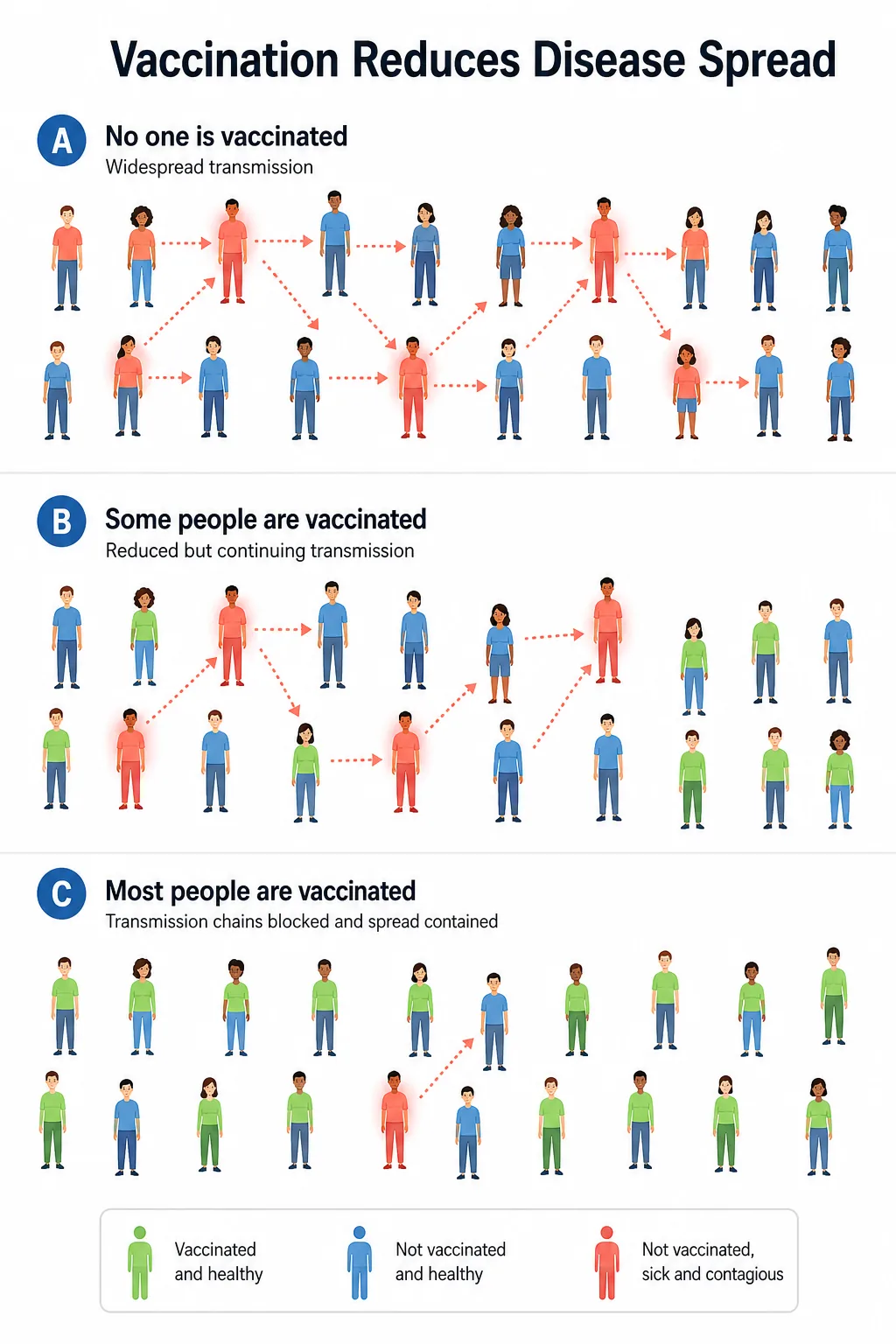



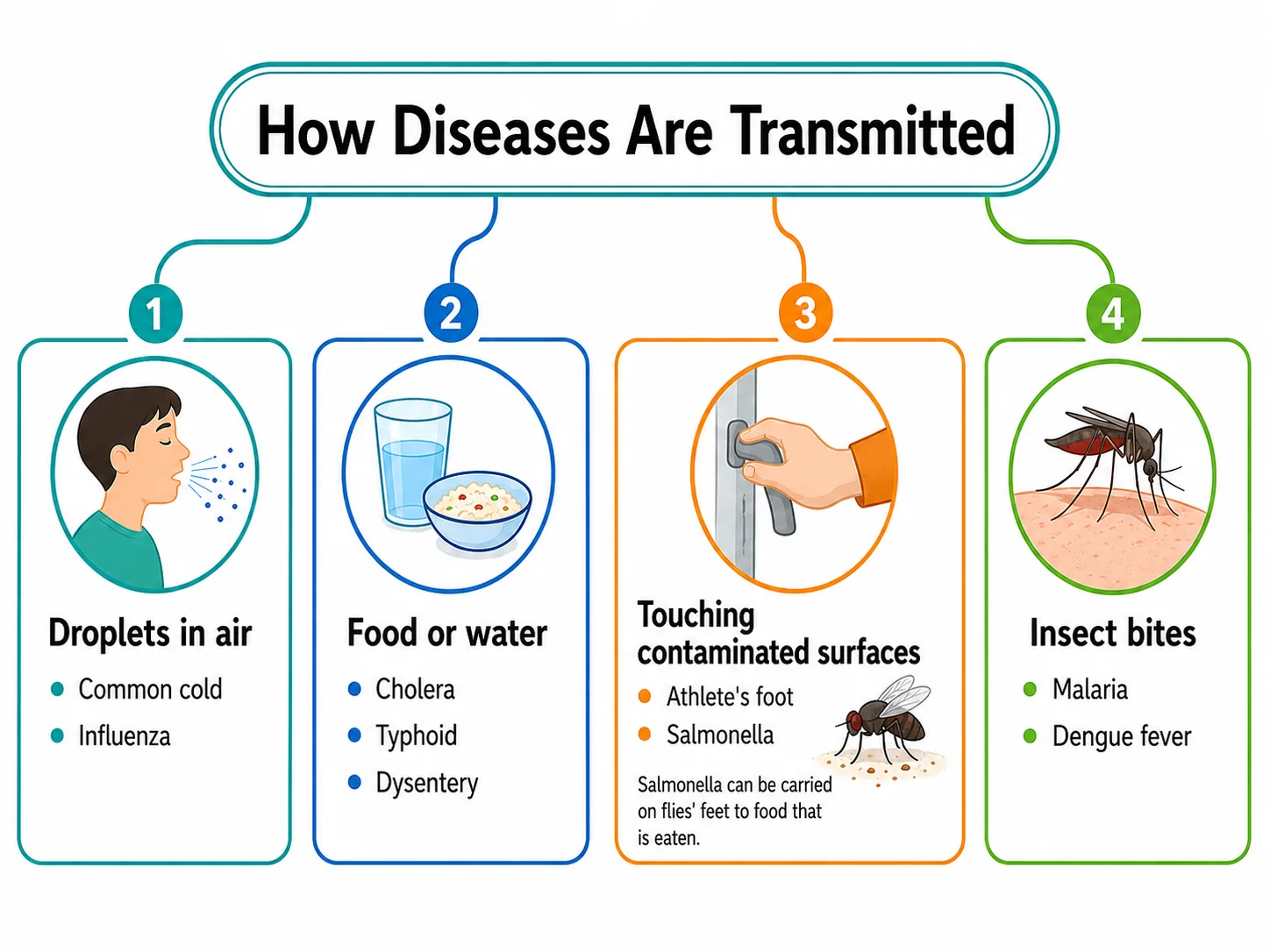
Crowded housing, poor sanitation, travel between countries, poor nutrition, and low levels of vaccination all help the spread of disease. Prevention measures include personal hygiene such as hand washing, sanitation and clean water, killing vectors, isolating infected people, and vaccination.
Note that the size of a virus is far smaller than a bacterium; viruses are not affected by antibiotics, which is why antibiotics are not used to treat a cold.
Section 6 of 9Pathogen reproduction and speed

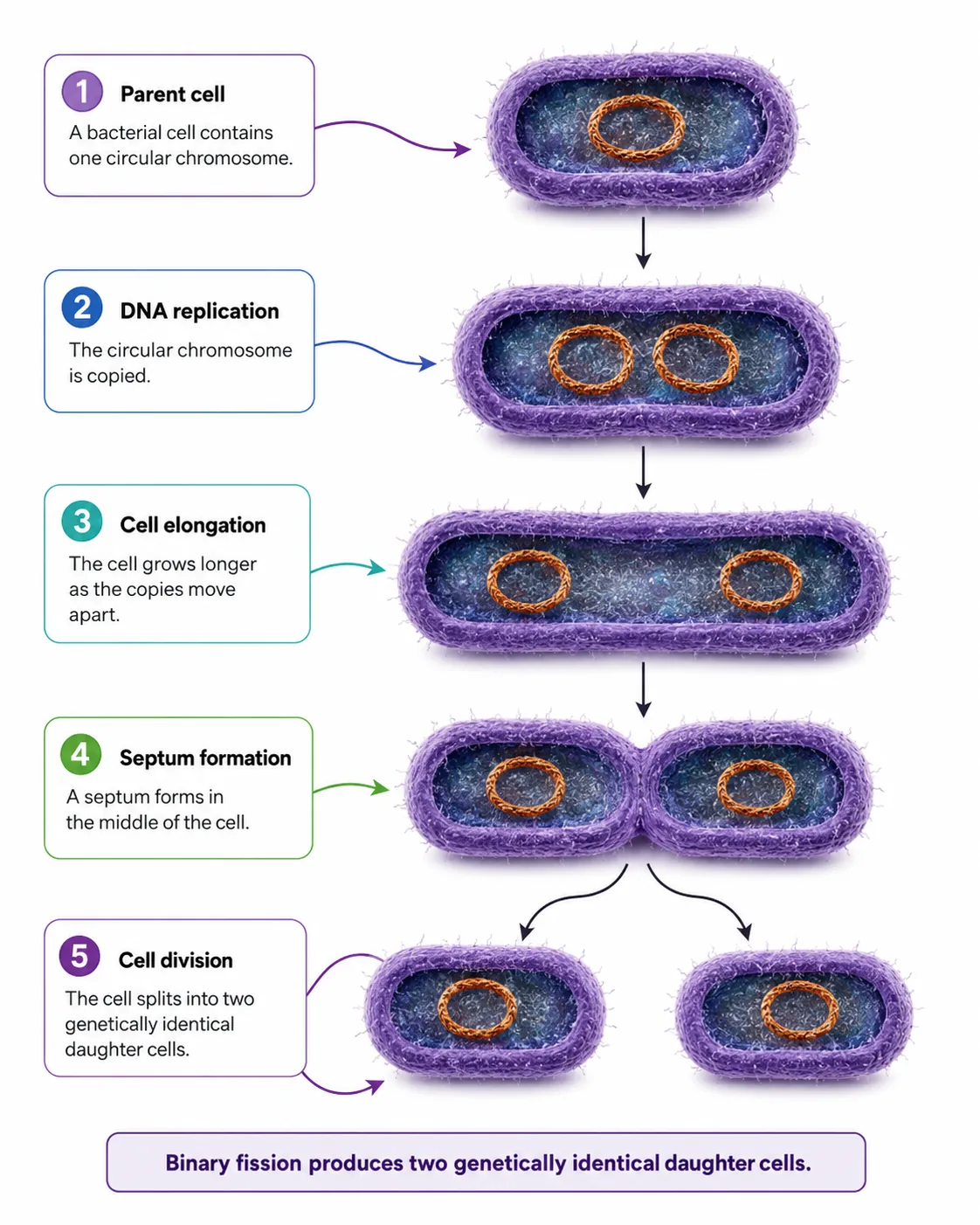
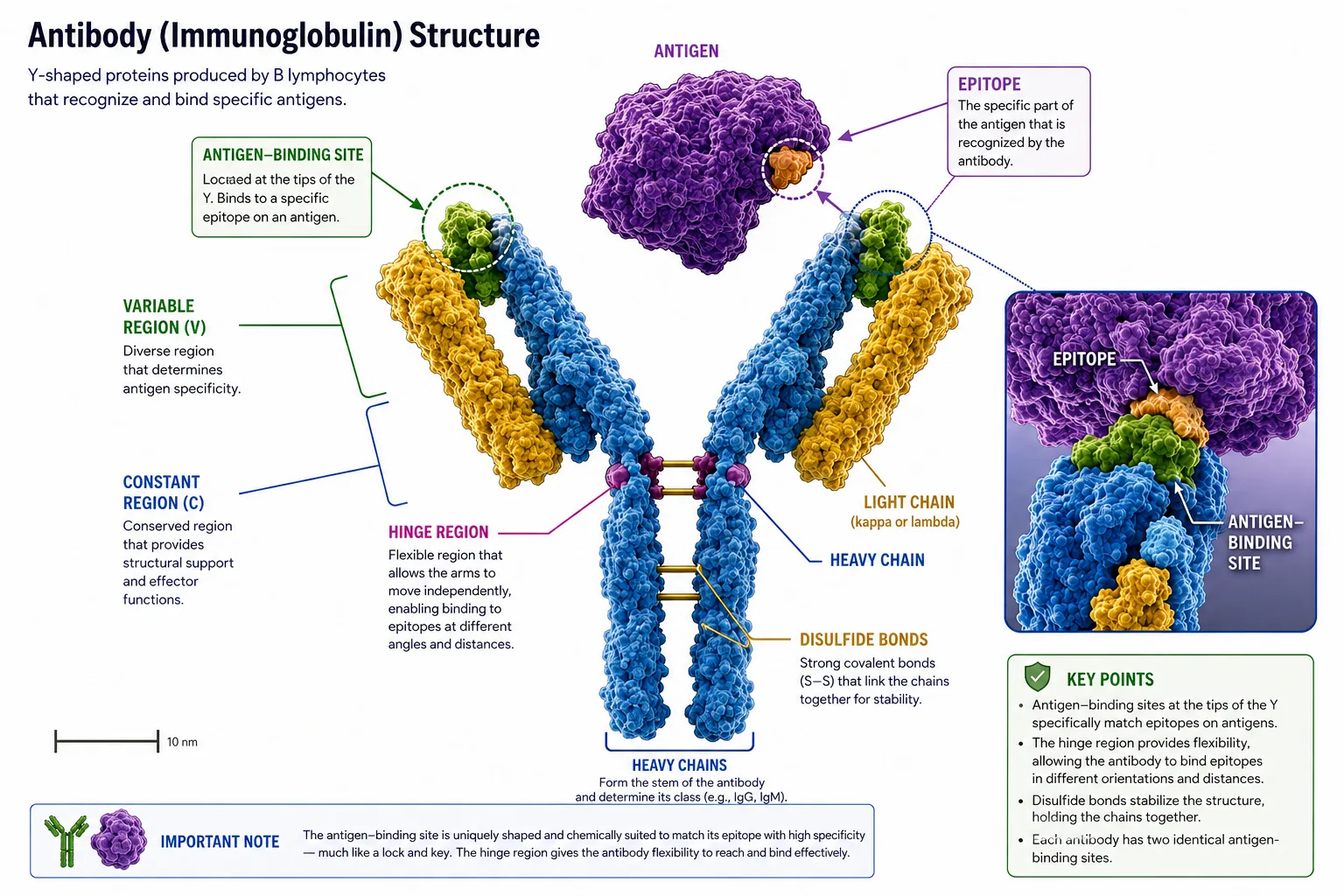


The danger of a pathogen depends on how fast it reproduces and how it is passed on.
Note how a question may ask you to suggest a control measure: always link it to the way that disease is spread, rather than giving a general answer such as stay clean.
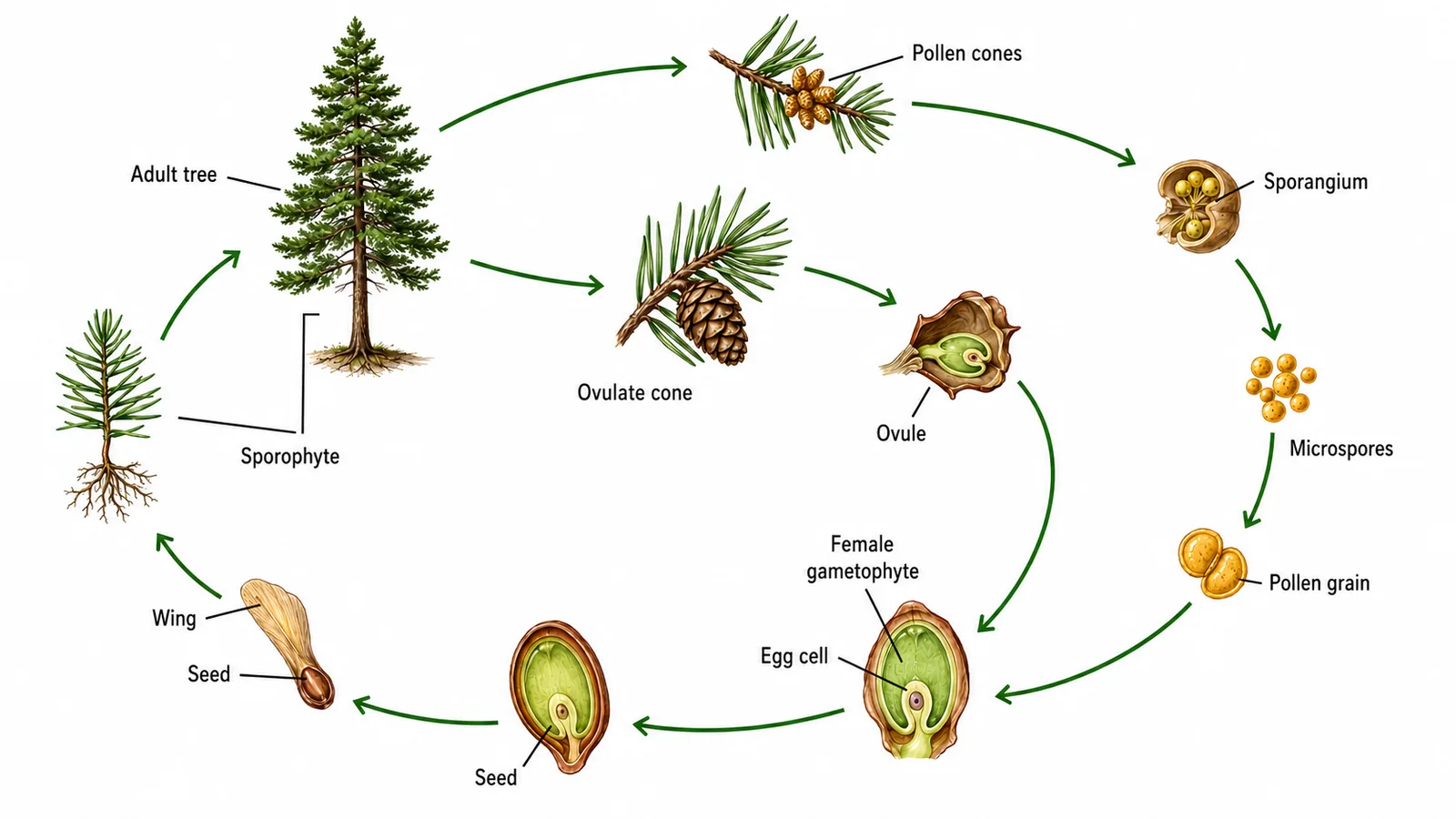
Plants are infected too.
Section 7 of 9Exam-style questions

Describe how bacteria and viruses cause the symptoms of a disease. [4]4 marks
Bacteria reproduce rapidly inside the body [1] and release toxins that damage tissues and cells [1]. Viruses enter host cells and use the cell to reproduce [1] and the cell is destroyed when new viruses are released [1].
Malaria is caused by a protist. Explain how malaria spreads and suggest one way to reduce its spread. [3]3 marks
The protist is carried by the Anopheles mosquito, which acts as a vector [1]. When the mosquito bites an infected person it picks up the protist and passes it on when it bites another person [1]. Spread can be reduced by using bed nets or insecticides or removing the mosquito's breeding sites [1].
Give one reason why antibiotics cannot be used to treat influenza. [1]1 mark
Influenza is caused by a virus, which reproduces inside host cells; antibiotics only act against bacteria [1].
Section 8 of 9Key terms
| Term | Meaning |
|---|---|
| Pathogen | A microorganism that causes disease. |
| Toxin | A poisonous chemical released by bacteria that harms body cells. |
| Vector | An organism that carries a pathogen from one host to another. |
| Bacterium | A single-celled prokaryote. |
| Virus | A non-cellular particle that can only reproduce inside host cells. |
| Protist | A eukaryotic single-celled organism, some of which are parasites. |
| Hyphae | Thread-like structures that make up the body of many fungi. |