1.1.7Chemical Substances, Reactions and Essential Resources
Evidence of a Chemical Reaction
5 min read 6 parts Lesson 8 of 46 Unit quiz
Section 1 of 6Signs that a reaction is happening
Evidence of chemical change
Colour change
- Colour change A new substance with a different colour is made, either in solution or as a solid.
Temperature change
- Temperature change The mixture gets warmer or colder because energy is transferred to or from the surroundings.
Effervescence
- Effervescence Bubbles of a gas form and the mixture fizzes.
Other signs
- Other signs A precipitate forms, a flame or light is produced, a new smell is noticed, or the pH changes.
Section 2 of 6Colour changes in reactions
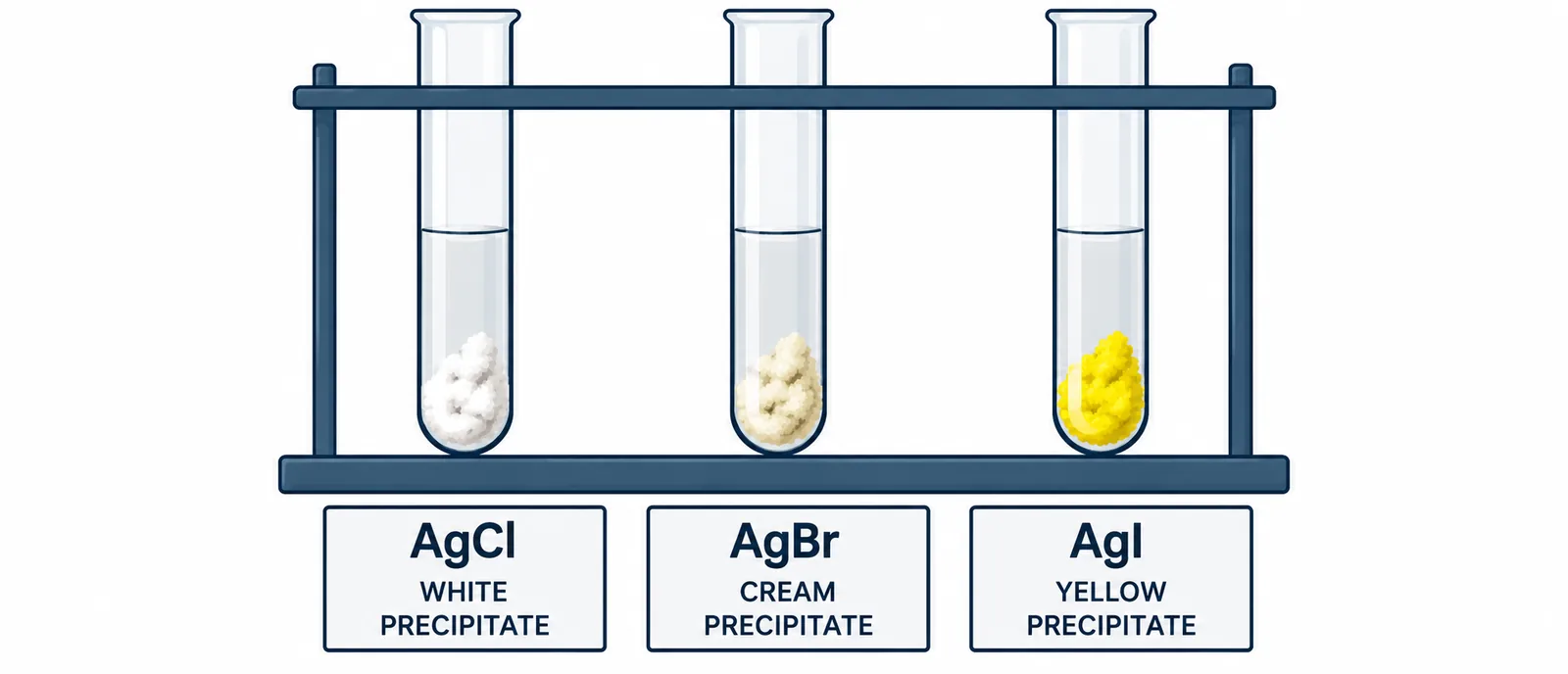
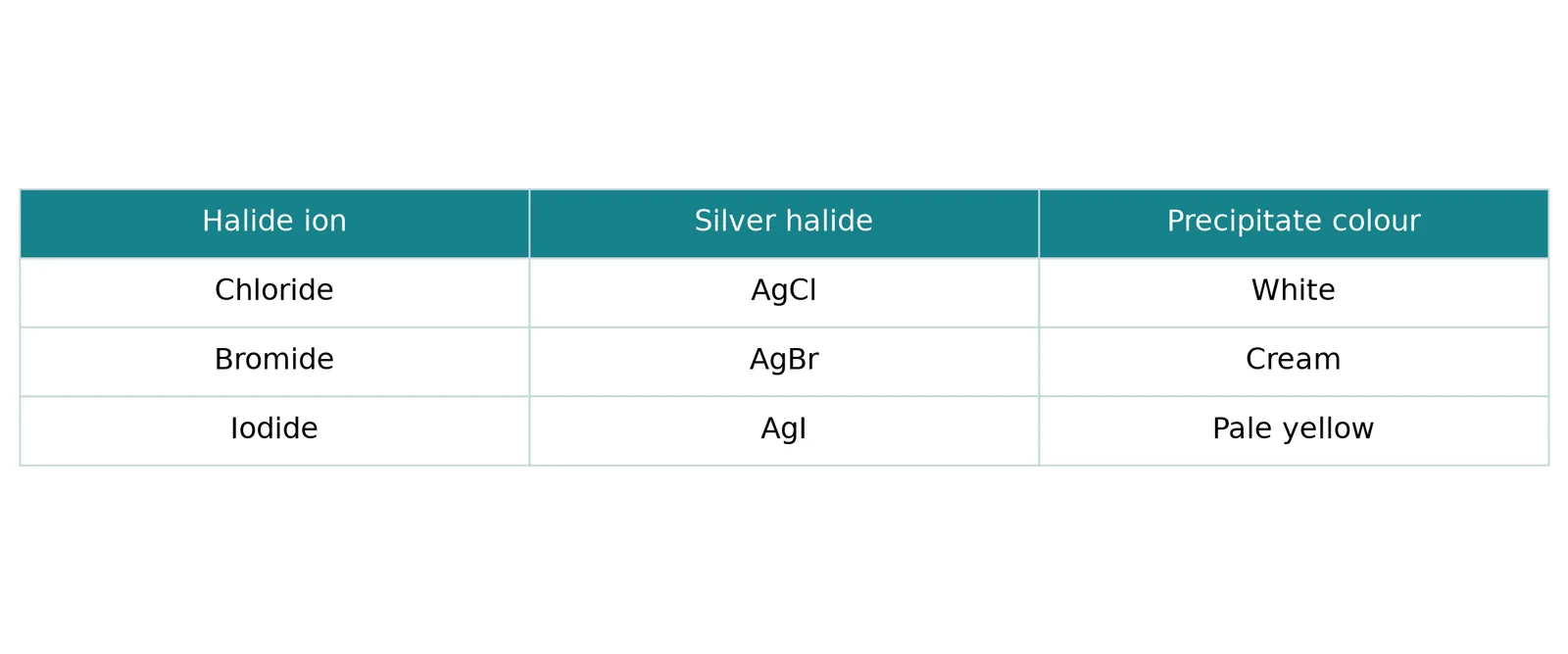
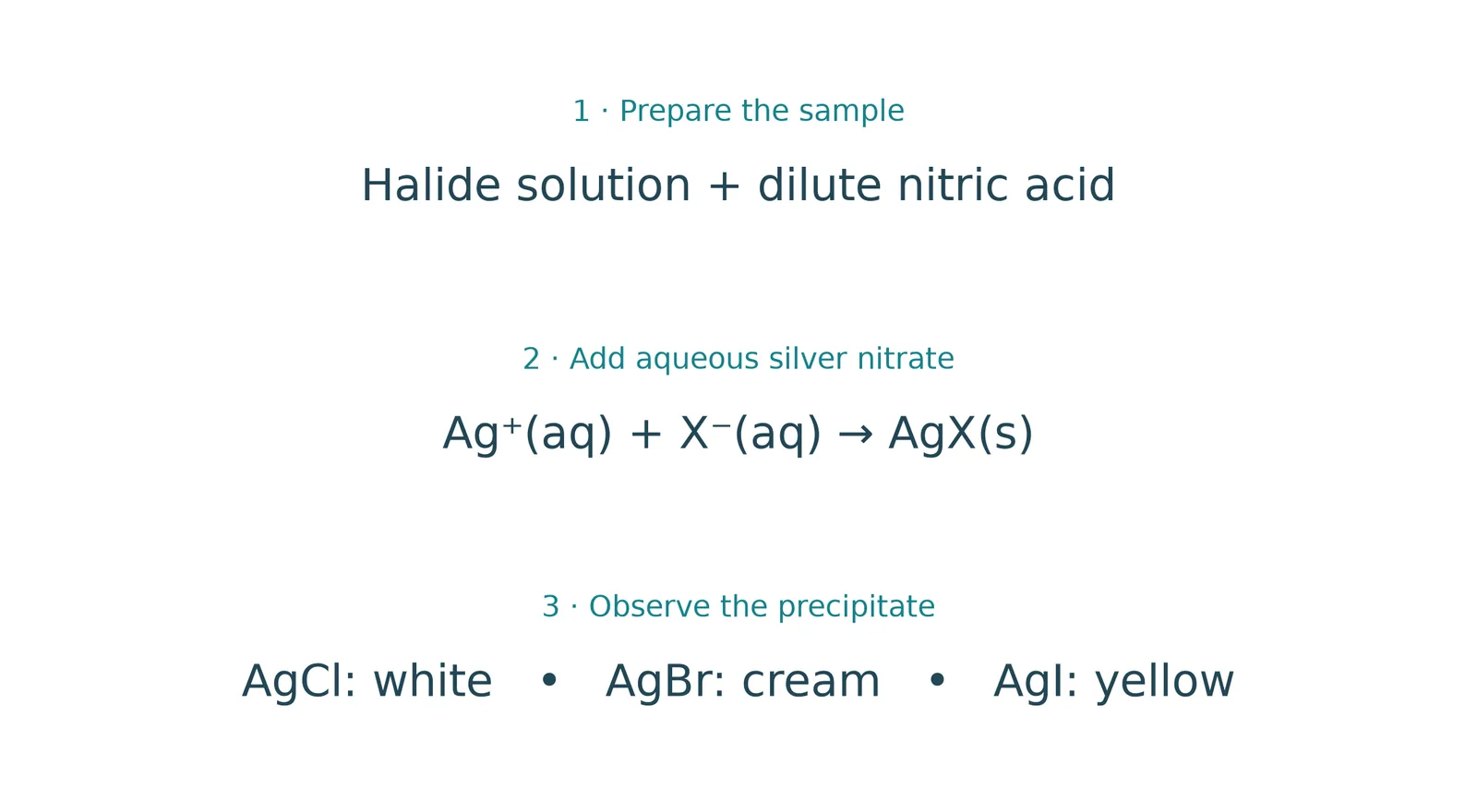
| Reaction | What you see | Notes |
|---|---|---|
| Copper added to silver nitrate solution | Orange-brown copper becomes coated in silver solid, and the colourless solution turns blue | A metal displacement reaction giving copper(II) nitrate |
| Halide ion test with silver nitrate | A colourless solution gives a white, cream or yellow precipitate | Colour depends on whether the halide is chloride, bromide or iodide |
| Hydrochloric acid and sodium thiosulfate | The colourless mixture turns cloudy yellow | Sulfur solid forms and a sharp-smelling gas is released |
| Heating green copper(II) carbonate | Green solid turns black | Thermal decomposition gives copper(II) oxide and carbon dioxide |
Section 3 of 6Temperature changes


Exothermic reactions
- Exothermic reactions Energy is released to the surroundings, so the temperature rises.
- Examples are quicklime (calcium oxide) reacting with water to make calcium hydroxide, and sodium reacting with water.
Endothermic reactions
- Endothermic reactions Energy is taken in from the surroundings, so the temperature falls.
- Examples are photosynthesis, which absorbs light energy, and dissolving ammonium chloride in water, which is used in instant cold packs.
How to detect it
- How to detect it Measure the temperature of the reacting mixture with a thermometer before and during the reaction, and record the change.
Section 4 of 6Effervescence and gas production

1Reactants mix
- Reactants mix Many reactions of acids with metals or carbonates, and of alkali metals with water, make a gas.
2Gas forms
- Gas forms Bubbles appear in the liquid and the mixture fizzes or hisses.
3Identify the gas
- Identify the gas Further tests show which gas is made.
- Hydrogen is made when sodium reacts with water: metal + water → metal hydroxide + hydrogen.
4Write the observation
- Write the observation In an exam, say 'fizzing' or 'bubbles'.
- Saying 'hydrogen is formed' is a conclusion, not an observation.
Section 5 of 6Key terms
| Term | Meaning |
|---|---|
| Exothermic | A reaction that transfers energy to the surroundings, raising the temperature. |
| Endothermic | A reaction that takes in energy from the surroundings, lowering the temperature. |
| Effervescence | The formation of bubbles of gas in a liquid, seen as fizzing. |
| Precipitate | An insoluble solid formed when two solutions react. |
| Displacement reaction | A reaction in which a more reactive element takes the place of a less reactive one in a compound. |
Section 6 of 6Exam technique
1
Stating the name of the gas as an observation. Write what you can see or hear, such as bubbles or fizzing.
2
Saying an endothermic reaction 'gives out cold'. It absorbs energy from the surroundings.
3
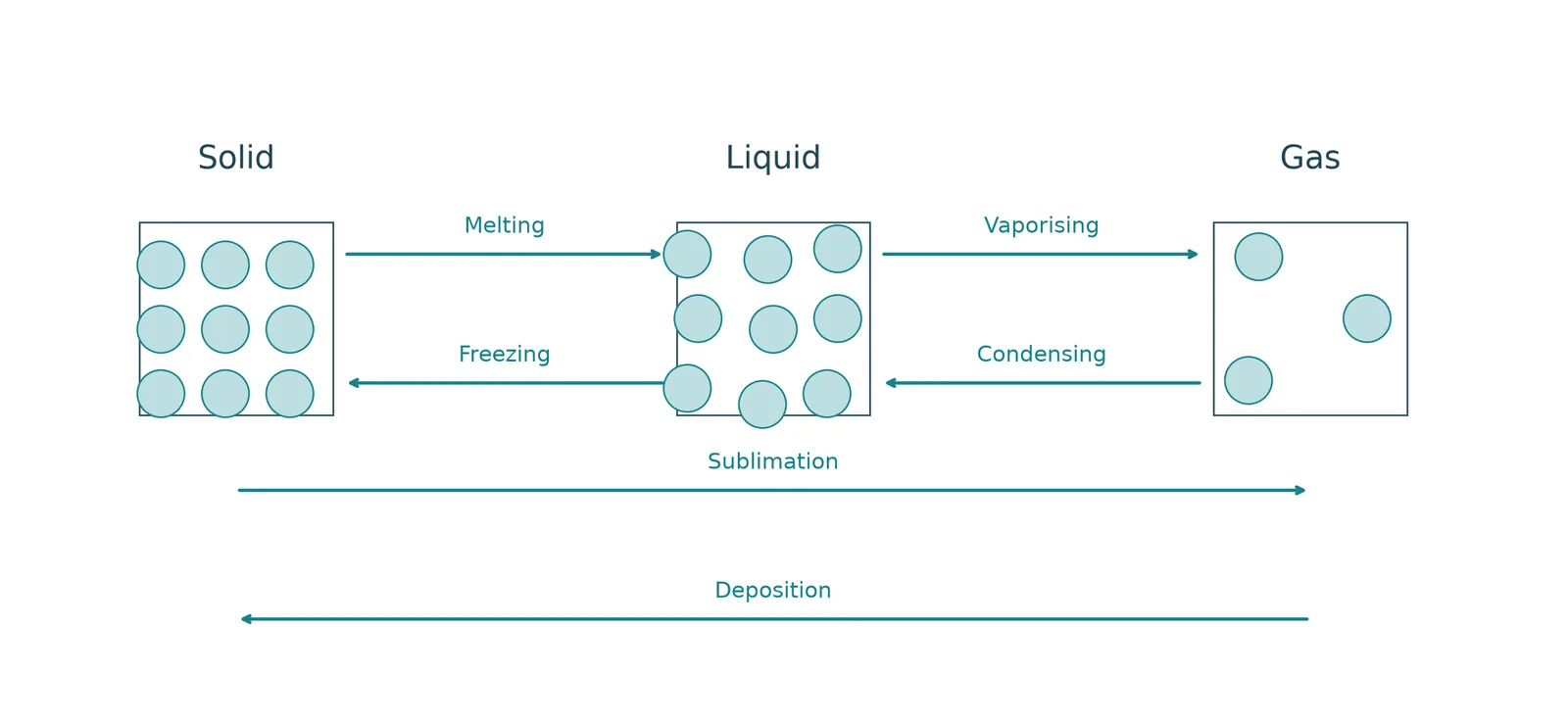
Forgetting that a precipitate is a change of state seen when two clear solutions form a cloudy mixture.
4
Assuming every dissolving or melting change is chemical. A chemical reaction makes at least one new substance.