Chemical Bonding, Application Of Chemical Reactions and Organic Chemistry
Unit 2 overview: Chemical Bonding, Application Of Chemical Reactions and Organic Chemistry
5 min read 2 parts Lesson 1 of 54 Unit quiz
Section 1 of 2Unit cover

Section 2 of 2Lessons in this unit
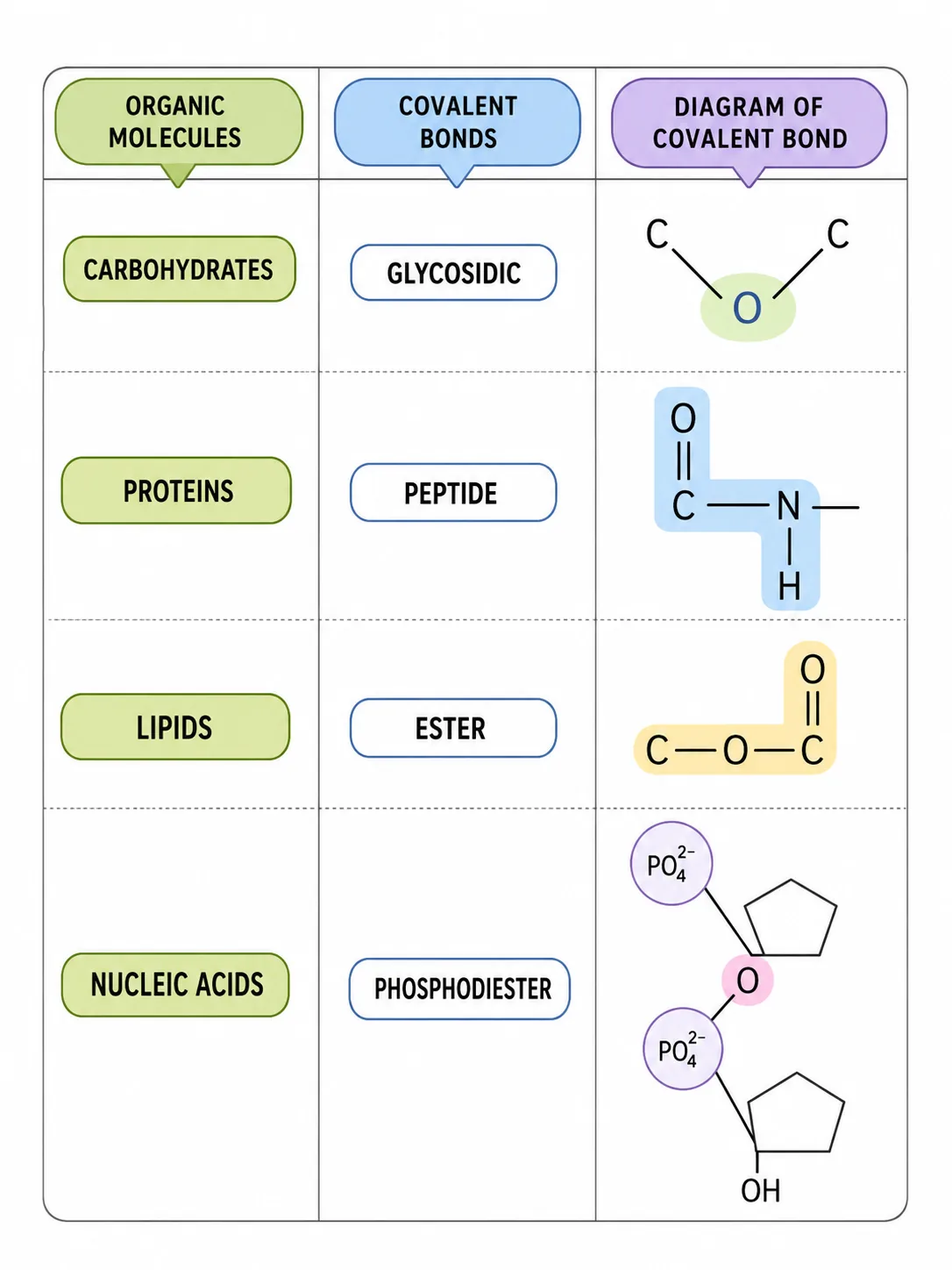
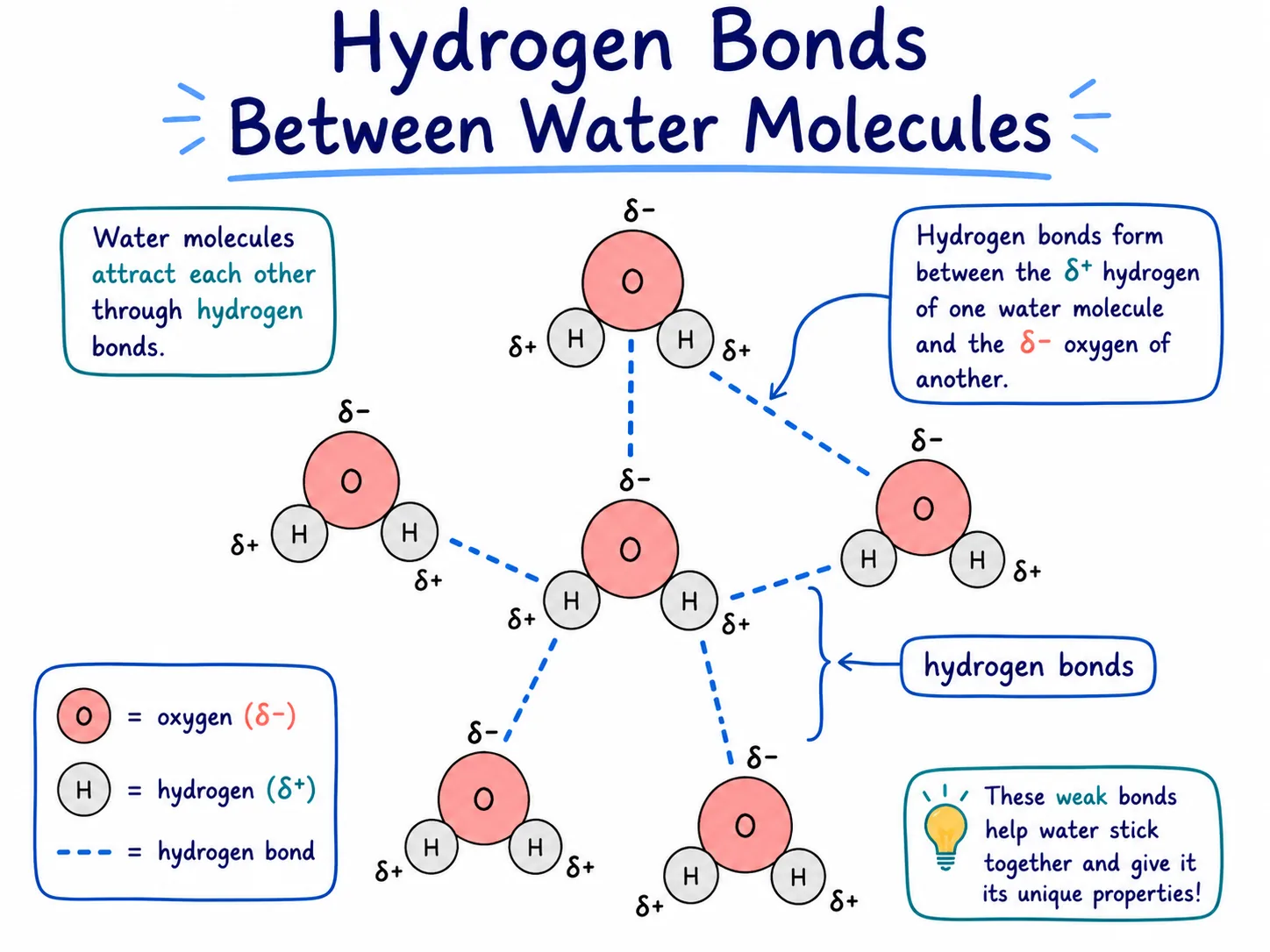
| Topic | Lessons |
|---|---|
| 2.1 Bonding, Structure and Properties | 2.1.1 Properties of Substances 2.1.2 Metallic Bonding 2.1.3 Ionic Bonding 2.1.4 Giant Ionic Structures 2.1.5 Covalent Bonding 2.1.6 Intermolecular Bonding 2.1.7 Diamond and Graphite 2.1.8 Fullerenes 2.1.9 Carbon Nano-tubes and Graphene 2.1.10 Bulk Properties 2.1.11 Nano-scale Particles 2.1.12 Smart Materials |
| 2.2 Acids, Bases and Salts | 2.2.1 The pH Scale 2.2.2 Hydrogen and Hydroxide Ions 2.2.3 Acids Reacting with Metals 2.2.4 Neutralisation of Acids 2.2.5 The Acid-Carbonate Reaction 2.2.6 Making Soluble Salts 2.2.7 Preparing Crystals of a Soluble Salt 2.2.8 Naming Salts 2.2.9 Testing for Sulfate Ions 2.2.10 Titrations 2.2.11 Acid-Base Titration |
| 2.3 Metals and Their Extraction | 2.3.1 Metal Ores 2.3.2 Native Metals 2.3.3 Metal Reactivity 2.3.4 Metal Displacement Reactions 2.3.5 Oxidation and Reduction 2.3.6 Extraction of Iron 2.3.7 Electrolysis of Molten Ionic Compounds 2.3.8 Oxidation and Reduction Using Electrons 2.3.9 Extraction of Aluminium 2.3.10 Properties of Metals 2.3.11 Transition Metals 2.3.12 Alloys 2.3.13 Factors Affecting Extraction Processes |
| 2.4 Chemical Reactions and Energy | 2.4.1 Exothermic and Endothermic Reactions 2.4.2 Energy Profiles 2.4.3 Bond Energy Calculations |
| 2.5 Crude Oil, Fuels and Organic Chemistry | 2.5.1 Crude Oil 2.5.2 Fractions in Crude Oil 2.5.3 Impact of the Oil Industry 2.5.4 Combustion of Hydrocarbons 2.5.5 Energy Density of a Fuel 2.5.6 Energy from Fuels 2.5.7 Hydrogen as a Fuel 2.5.8 The Fire Triangle 2.5.9 Cracking Hydrocarbons 2.5.10 Naming Alkanes and Alkenes 2.5.11 Isomerism in Hydrocarbons 2.5.12 Addition Polymerisation 2.5.13 Alkenes 2.5.14 Plastics |