4.1Chapter 4: Chemical Reactions 1
What are chemical reactions? — Alhussan Chemistry - Stage 7 Revision Notes & Topical Questions
5 min read 12 parts Lesson 1 of 6 3 quizzes
4.1 What are chemical reactions?
- Not easily reversed
- Everywhere
- Word equation
- Different properties
- Physical changes
- Reactants and product
Section 1 of 12What a chemical reaction is
- Not easily reversed at the end it is difficult to get back to the starting substances.
- Energy all chemical reactions transfer energy to or from the surroundings.
- Everywhere chemical reactions happen in places such as engines, kitchens and inside your body.
Section 2 of 12Reactants and products
- Word equation an arrow means "react to make", with reactants on the left and products on the right.
- Hydrogen + oxygen → water.
- Different properties the products have different properties from the reactants because their atoms are rearranged into new substances.
Section 3 of 12Signs of a chemical reaction
- Physical changes dissolving and changing state are not chemical reactions.
Section 4 of 12Burning magnesium
- Reaction a piece of shiny magnesium held in a flame burns brightly, joins with oxygen from the air and leaves white ash.
- Reactants and product the reactants are magnesium and oxygen, and the one product is magnesium oxide (the white ash).
- Different properties the reactants and the product look different.
Section 5 of 12Magnesium and acid
- Observation magnesium added to hydrochloric acid bubbles.
- Product the bubbles are hydrogen gas, one of the products.
- Displacement magnesium reacts with iron oxide to make magnesium oxide and iron.
Section 6 of 12Working safely
- Flammable magnesium burns quickly and has the hazard symbol "flammable".
- Reducing risks keep the roll of magnesium away from flames.
- Hold the magnesium with tongs because it burns with a hot flame.
- The bright white flame can damage eyesight, so do not look at it directly.
Section 7 of 12Types of reaction
- Combustion a fuel burns in oxygen, giving out energy, for example methane + oxygen → carbon dioxide + water.
- Thermal decomposition one substance breaks down on heating, for example calcium carbonate → calcium oxide + carbon dioxide.
- Oxidation a substance gains oxygen, for example magnesium + oxygen → magnesium oxide.
- Displacement a more reactive metal pushes out a less reactive one from a compound.
- Neutralisation an acid and alkali react to form a salt and water.
Section 8 of 12Energy changes
- Uses hand warmers use exothermic reactions and instant cold packs use endothermic ones.
Section 9 of 12Chemical or physical change
- Chemical change new substances form and it is usually hard to reverse, for example burning paper.
- Physical change no new substances form and it can be reversed easily, such as melting, boiling or dissolving.
Section 10 of 12Speed of reactions
- Everyday reactions baking, digestion, photosynthesis and fireworks, where metal compounds burn with coloured flames.
- Starting a reaction many need activation energy, which is why a match must be struck.
- Catalyst it makes a reaction go faster without being used up.
- Atoms the total number of atoms stays the same because reactions rearrange atoms only.
Section 11 of 12Key terms
| Term | Meaning |
|---|---|
| Chemical reaction | A change that makes new substances. |
| Reactant | A starting substance in a chemical reaction. |
| Product | A substance made in a chemical reaction. |
| Hazard symbol | A symbol showing how a substance can cause harm. |
| Exothermic | Giving out energy to the surroundings. |
| Endothermic | Taking in energy from the surroundings. |
Section 12 of 12Exam technique
Marked practiceQuizzes for this lesson
?What do you want to solve now?
✓Checkpoint Quiz
25 multiple-choice questions from real exam papers on this lesson.
Question 1 of 25 1:30

Question 2 of 25 1:30
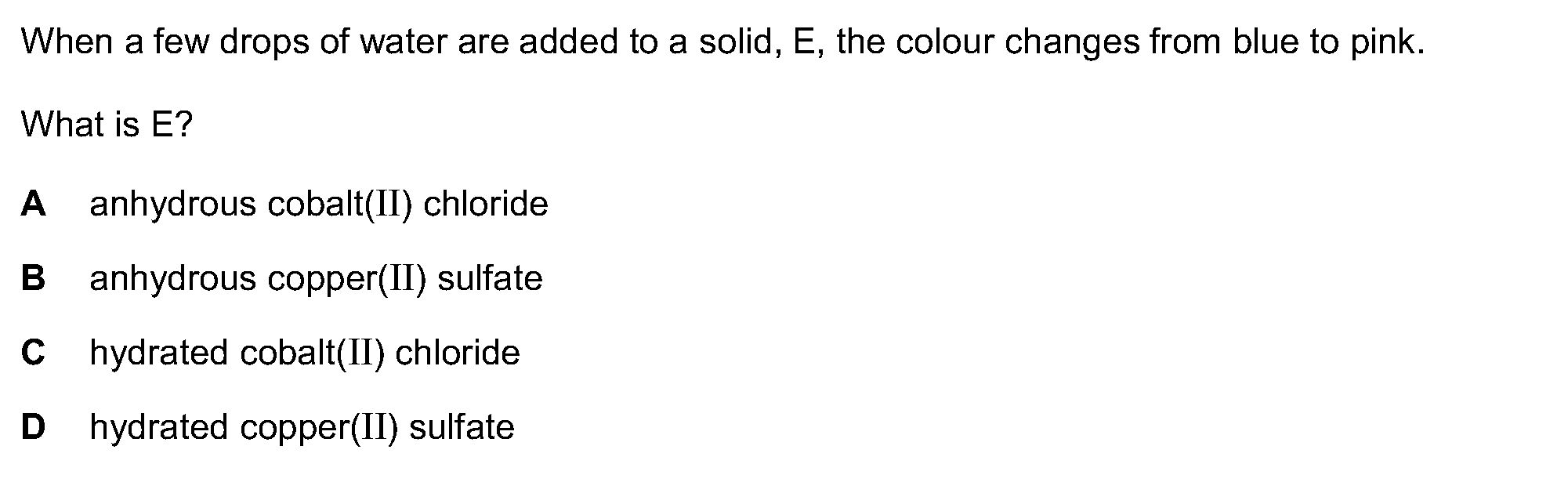
Question 3 of 25 1:30

Question 4 of 25 1:30
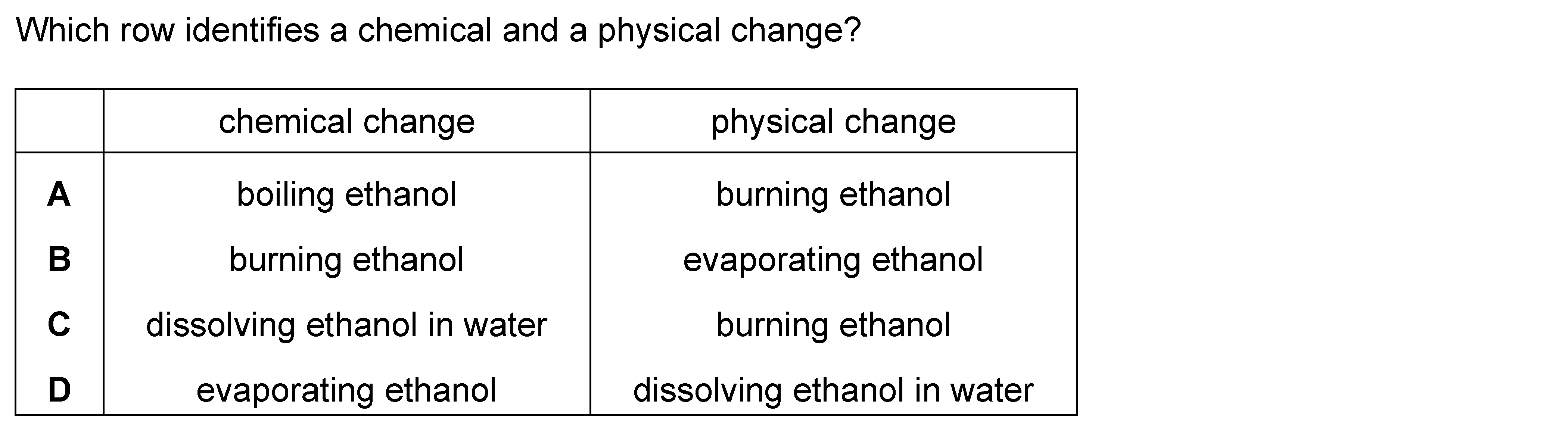
Question 5 of 25 1:30

Question 6 of 25 1:30

Question 7 of 25 1:30

Question 8 of 25 1:30
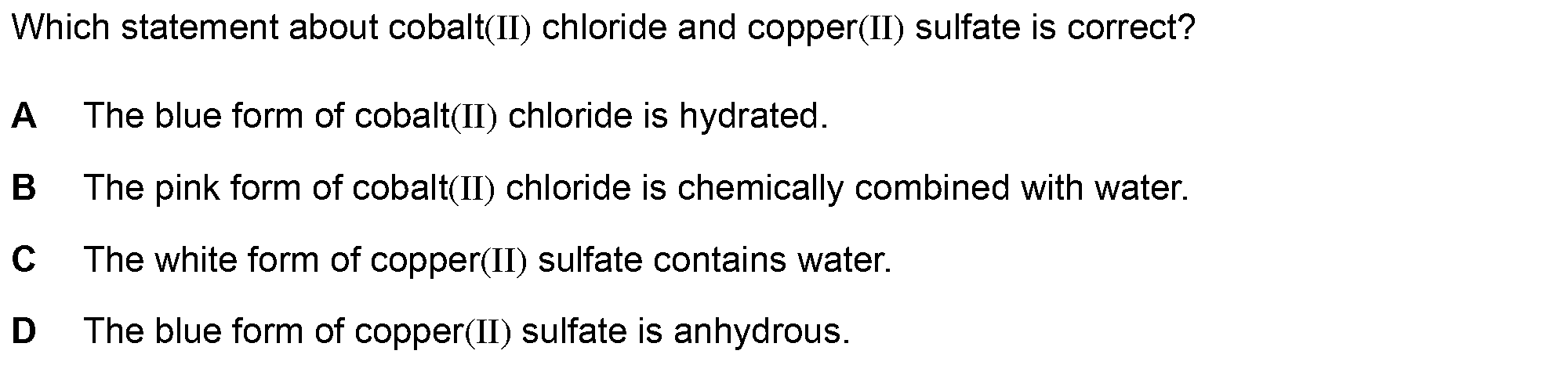
Question 9 of 25 1:30
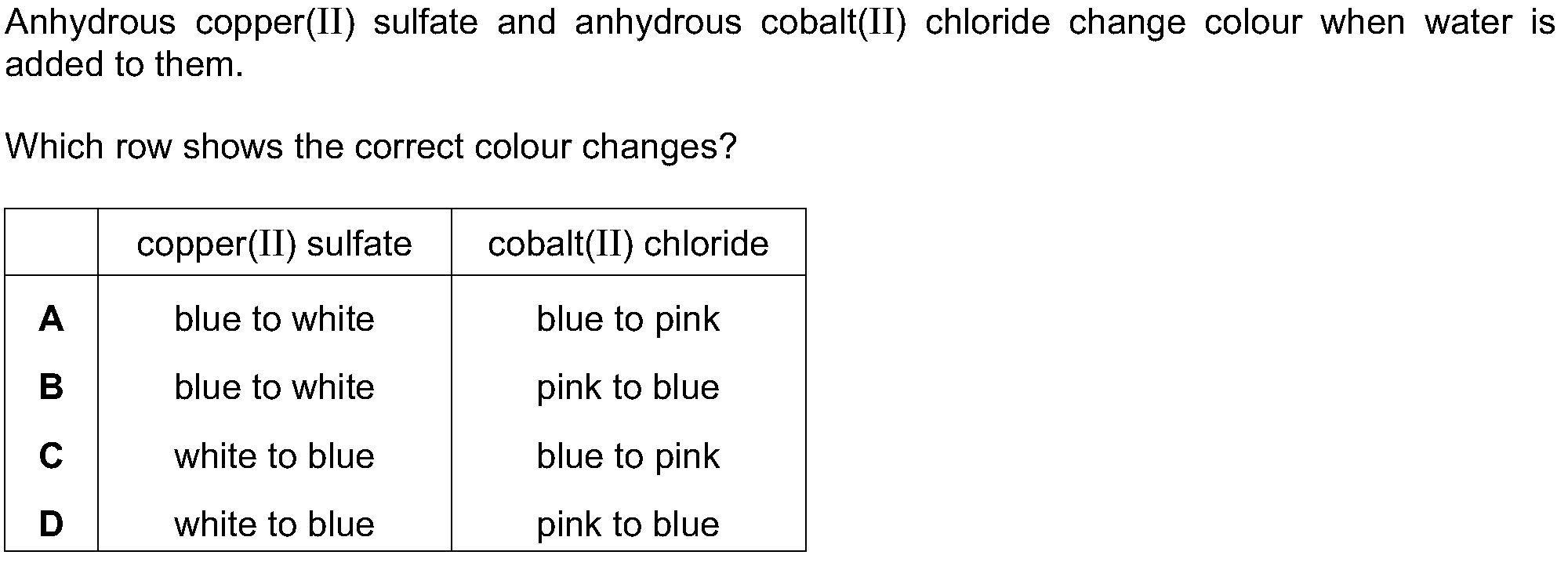
Question 10 of 25 1:30
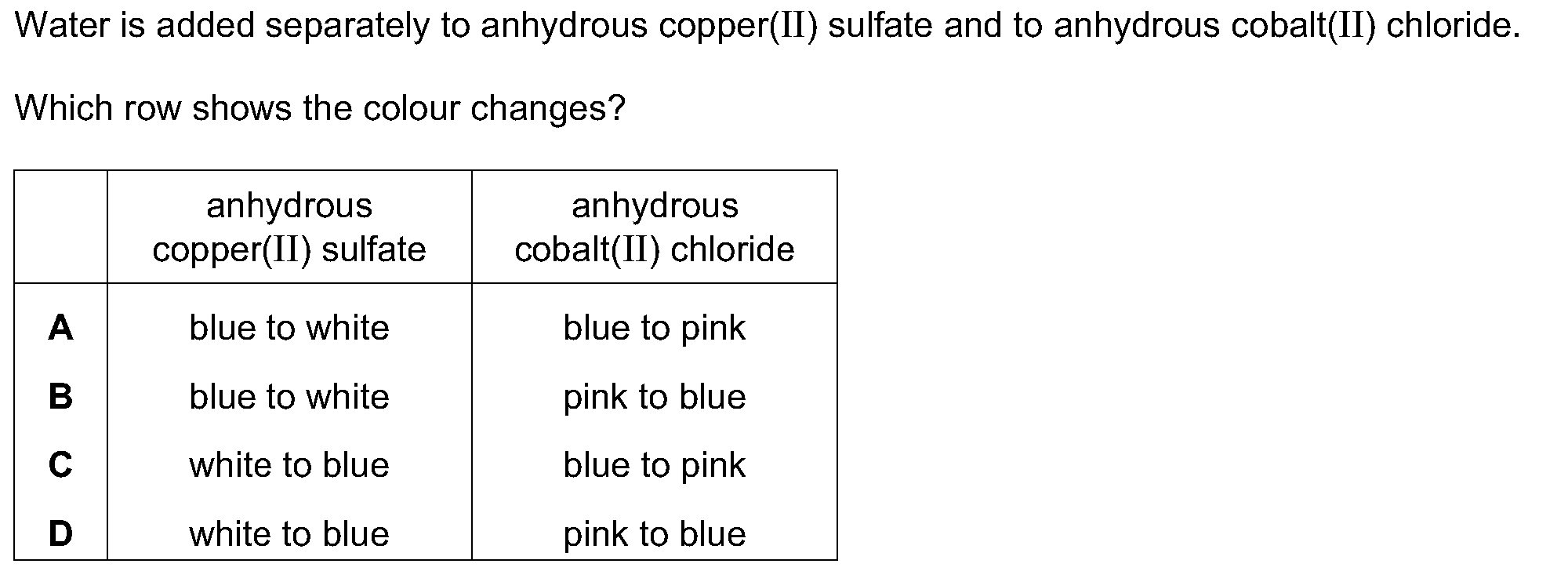
Question 11 of 25 1:30
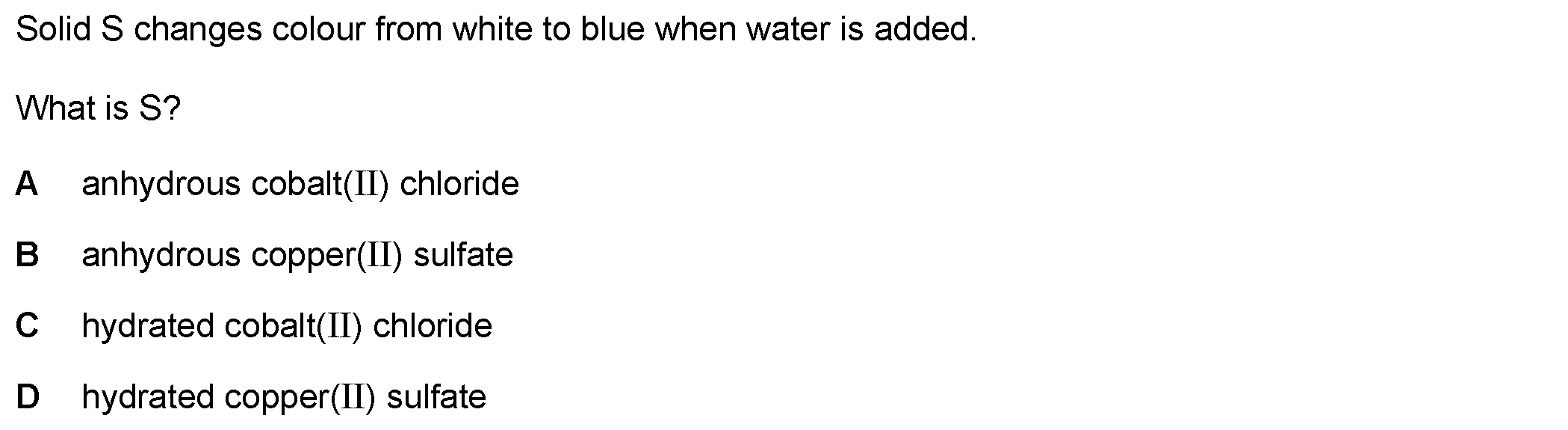
Question 12 of 25 1:30
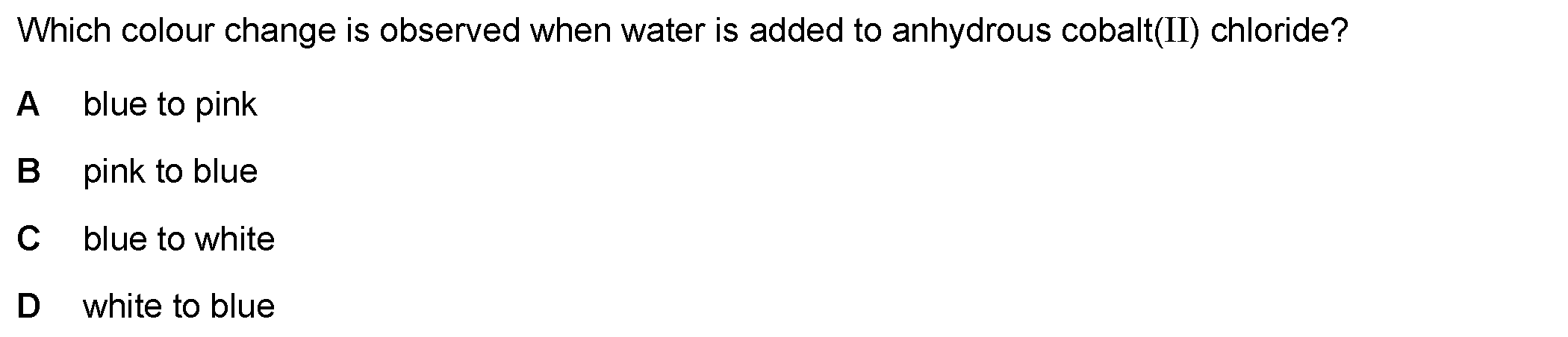
Question 13 of 25 1:30

Question 14 of 25 1:30
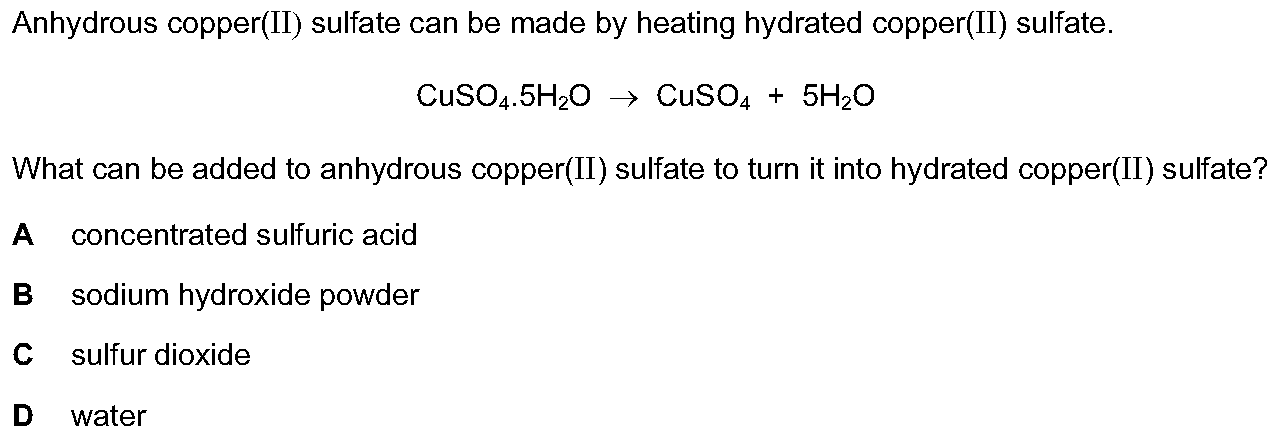
Question 15 of 25 1:30
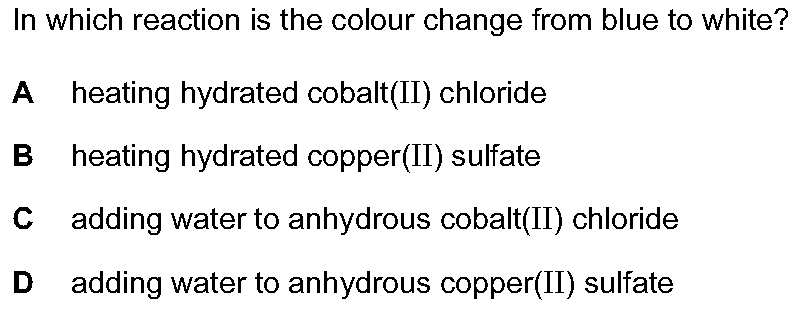
Question 16 of 25 1:30

Question 17 of 25 1:30

Question 18 of 25 1:30
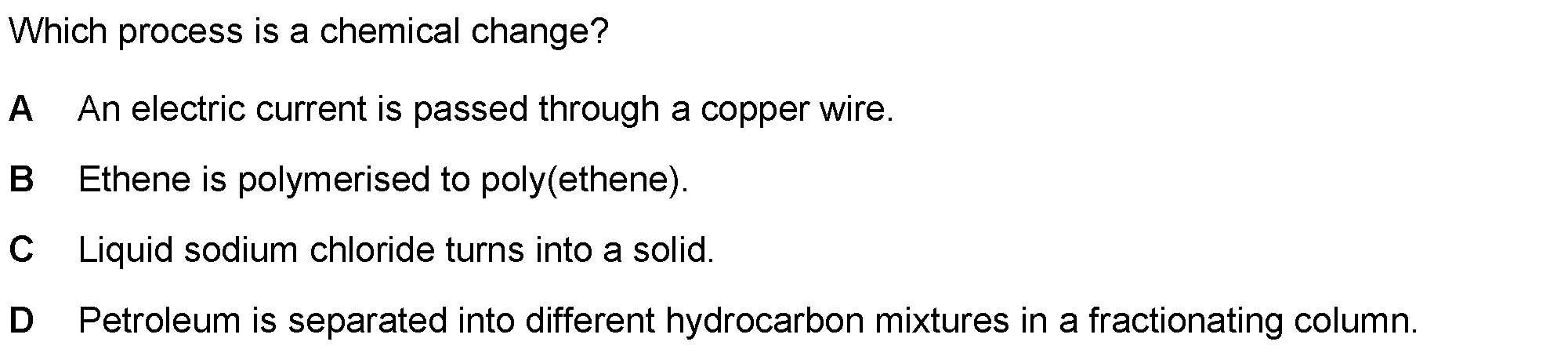
Question 19 of 25 1:30

Question 20 of 25 1:30

Question 21 of 25 1:30

Question 22 of 25 1:30

Question 23 of 25 1:30
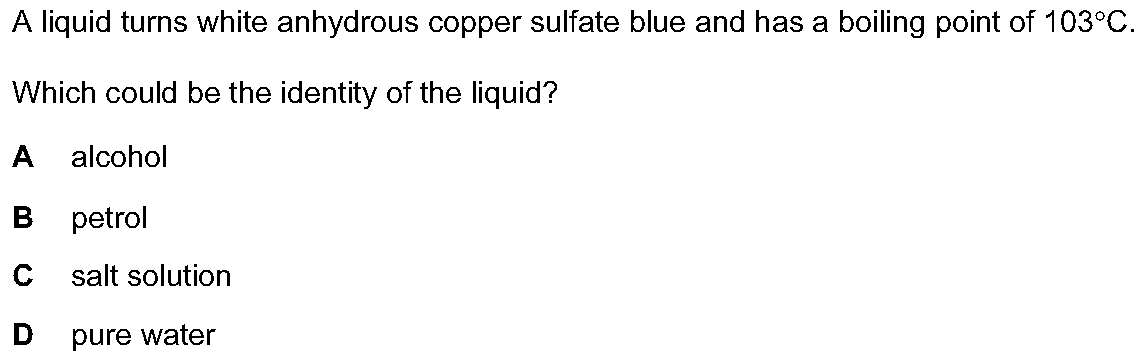
Question 24 of 25 1:30

Question 25 of 25 1:30
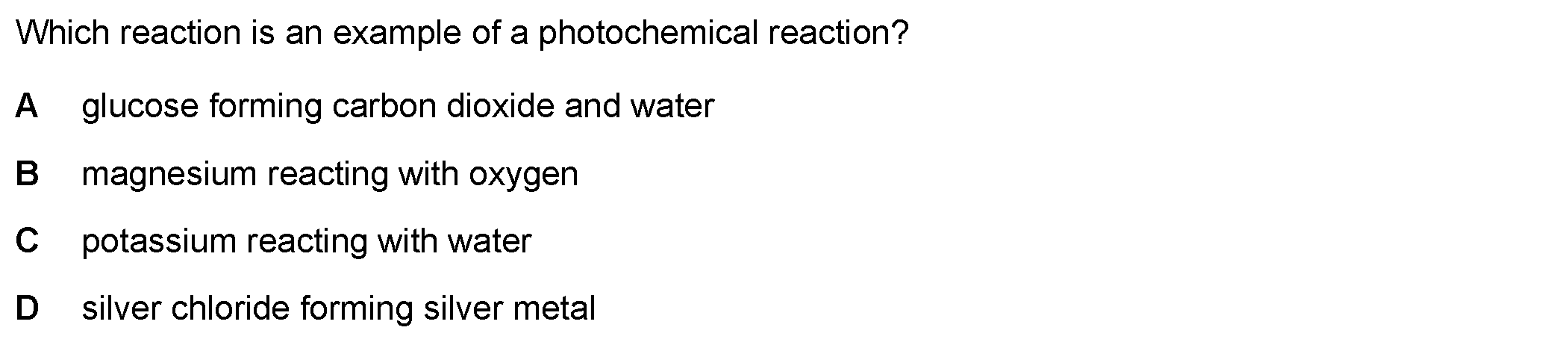
Answer key
1 B2 A3 C4 B5 D6 D7 D8 B9 C10 C11 B12 A13 B14 D15 B16 B17 D18 B19 C20 C21 B22 B23 C24 C25 D
Last updated: