1.3Characteristics and Classification of Living Organisms
Features of organisms — Cambridge IGCSE Biology 0610 Revision Notes & Topical Questions
5 min read 10 parts Lesson 3 of 6 1 quiz
Lesson summary
1.3 Features of organisms — IGCSE BIOLOGY notes: State the main features used to place organisms into kingdoms and into groups within the animal and plant kingdoms.Five kingdoms — All living organisms are placed in one of animals, plants, fungi, protoctists or prokaryotes.Animals…
- Vertebrates
- Arthropods
- Defining feature
- Arthropod identification
- Invertebrate
- Endothermic
Part 1 of 8Animal and plant kingdoms
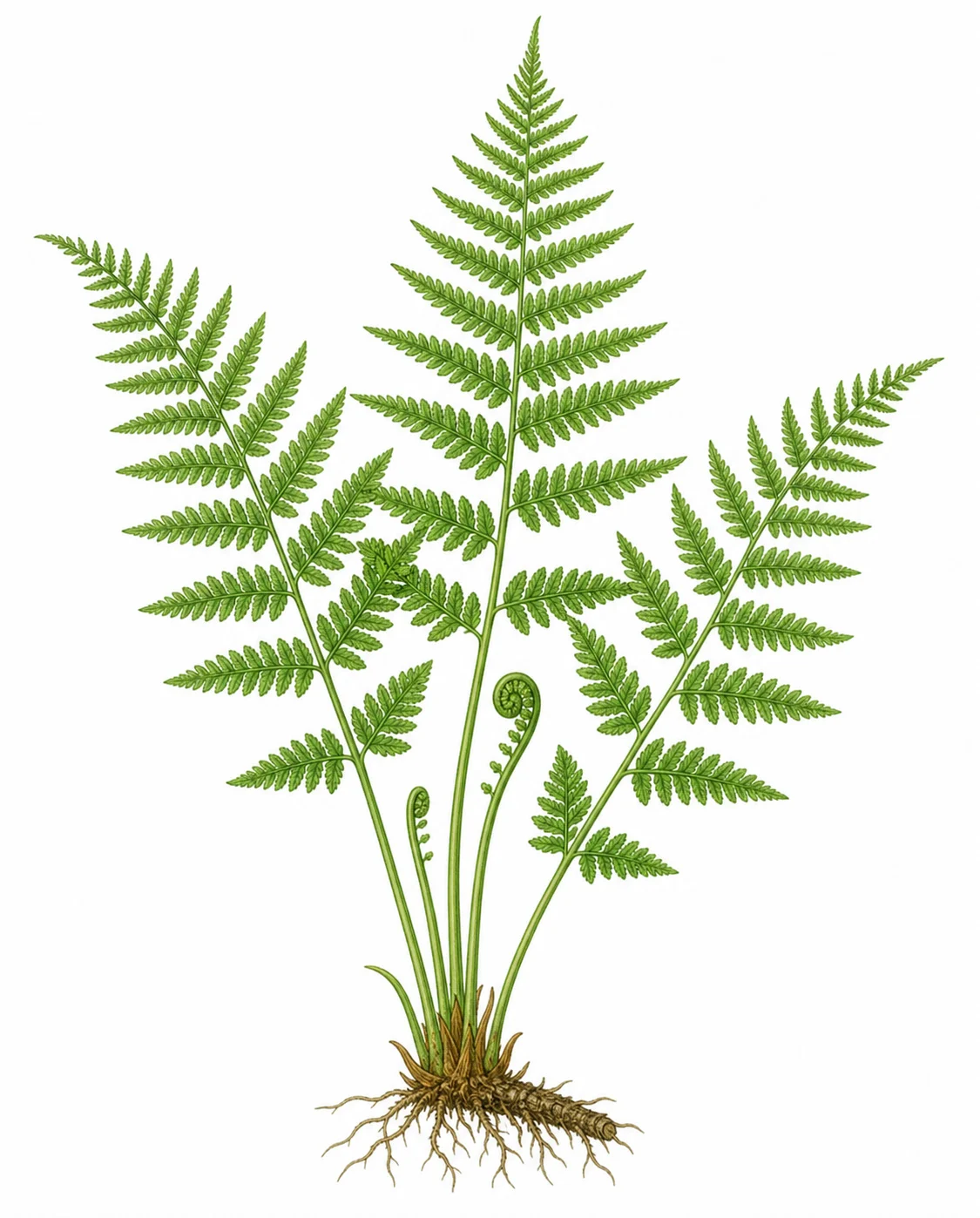
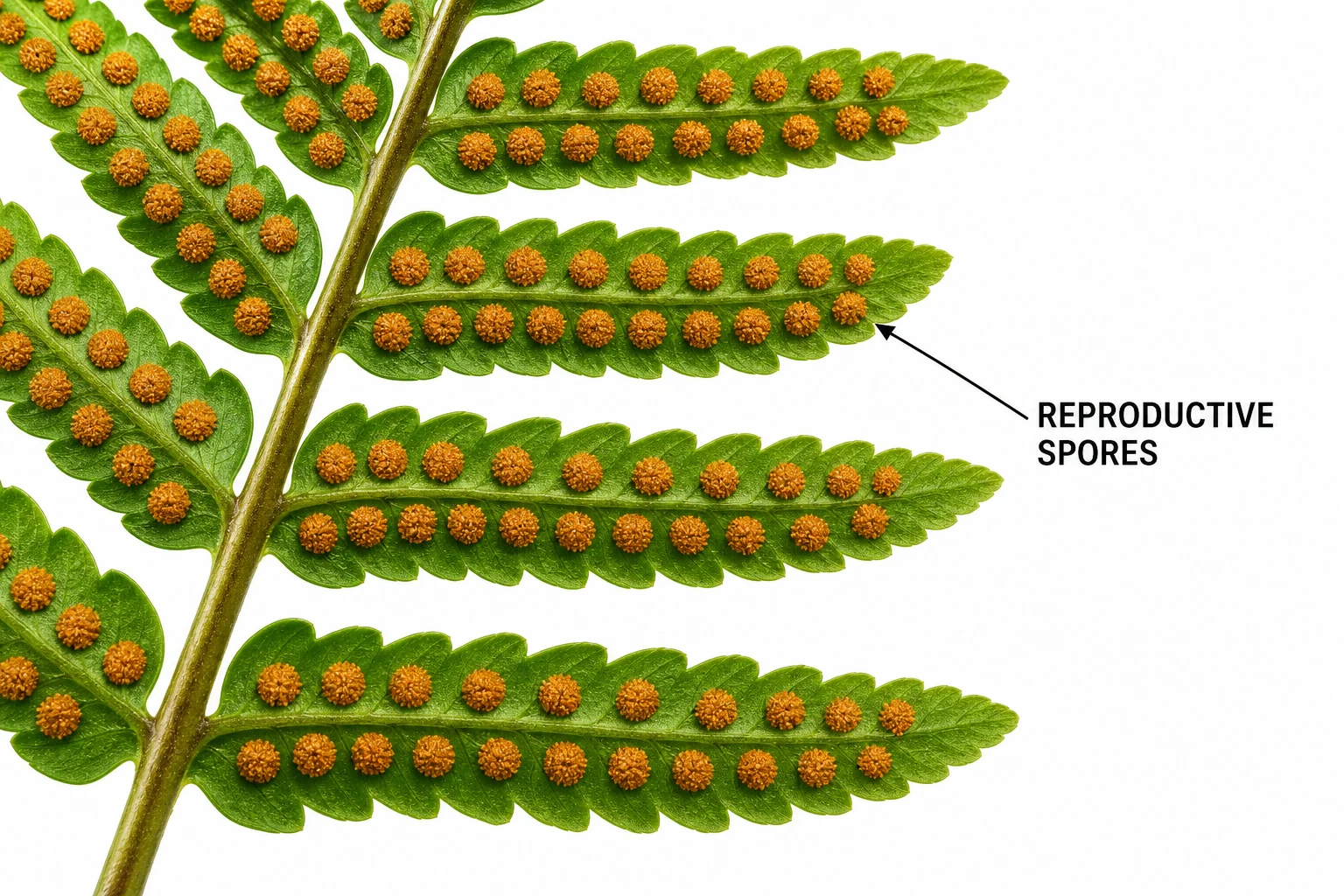
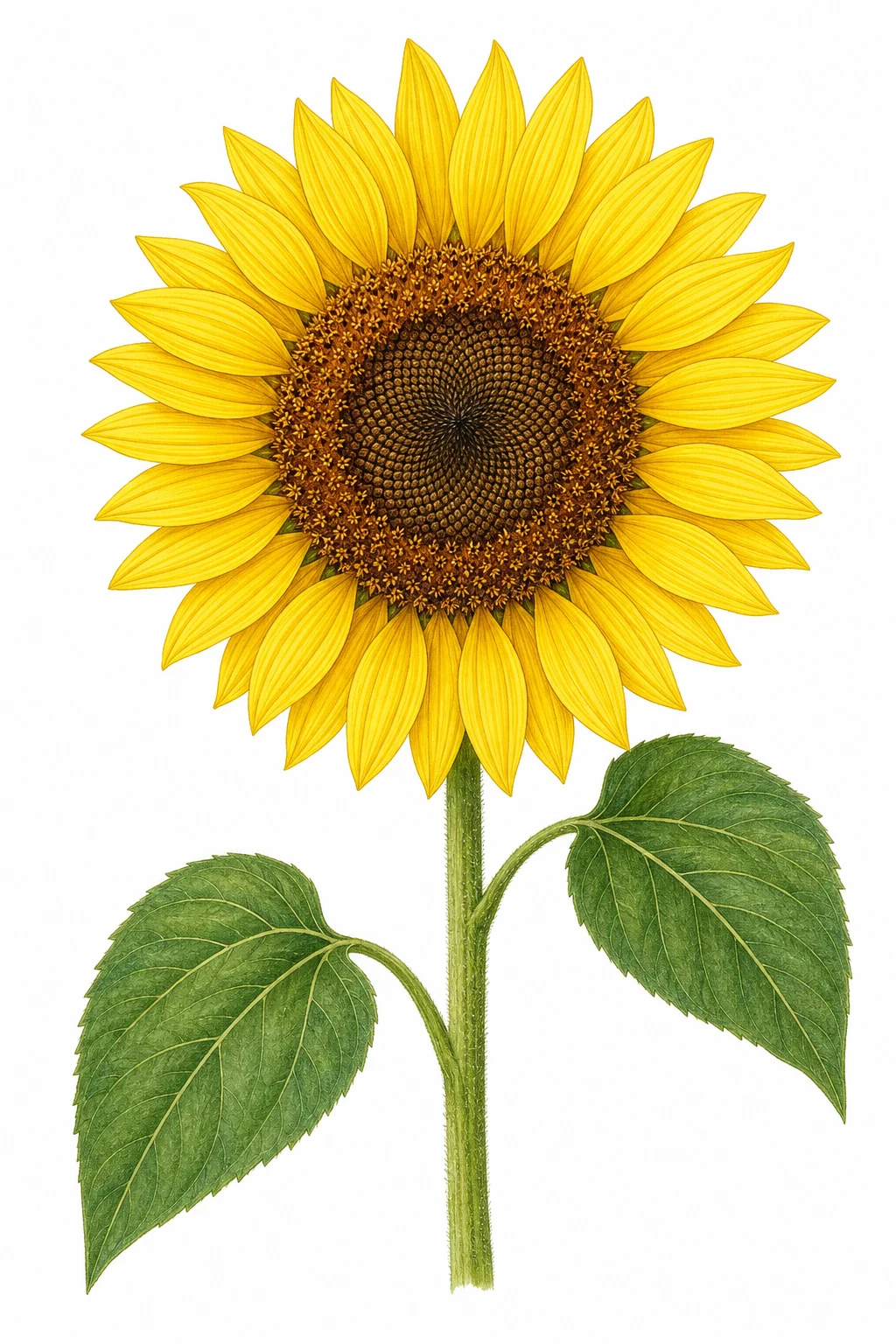
Five kingdoms
- All living organisms are placed in one of animals, plants, fungi, protoctists or prokaryotes.
Animals
- Multicellular organisms whose cells have a nucleus but no cell wall and no chloroplasts.
- They feed on organic substances made by other living things.
- Carbohydrate is stored as glycogen.
Plants
- Multicellular organisms whose cells have a nucleus, chloroplasts and cellulose cell walls.
- They feed by photosynthesis.
- Carbohydrate is stored as starch or sucrose.
Part 2 of 8Fungi, protoctists and prokaryotes
Fungi
- Usually multicellular, with a nucleus and cell walls that are not made of cellulose.
- They do not photosynthesise; they feed saprophytically on dead material or parasitically on living material.
- Moulds, mushrooms and yeast are examples.
Protoctists
- Mostly unicellular organisms whose cells always have a nucleus.
- Some have cell walls and chloroplasts, so some photosynthesise and others feed on organic matter.
- Amoeba, Paramecium and Plasmodium are examples.
Prokaryotes
- Often unicellular organisms with a cell wall (not cellulose) and cytoplasm but no nucleus and no mitochondria.
- Bacteria and cyanobacteria are examples.
Part 3 of 8Five kingdoms compared
| Kingdom | Nucleus | Cell wall | Chloroplasts | Nutrition |
|---|---|---|---|---|
| Animals | Yes | No | No | Take in organic substances |
| Plants | Yes | Cellulose | Yes | Photosynthesis |
| Fungi | Yes | Not cellulose | No | Saprophytic or parasitic |
| Protoctists | Yes | Some | Some | Photosynthesis or feeding |
| Prokaryotes | No | Yes, not cellulose | No | Varied |
Part 4 of 8Vertebrate classes
- Vertebrates
- Animals with a backbone, divided into five classes: mammals, birds, reptiles, amphibians and fish.
| Class | Main features |
|---|---|
| Mammals | Fur or hair on skin; placenta; young fed on milk from mammary glands; external ears (pinnae); endothermic |
| Birds | Skin covered in feathers; two legs and two wings; hard-shelled eggs laid on land; beak; endothermic |
| Reptiles | Dry, fixed scales on skin; rubbery-shelled eggs laid on land |
| Amphibians | Smooth, moist skin; adults usually on land with lungs; larvae in water with gills; eggs without shells laid in water |
| Fish | Loose, wet scales on skin; gills for breathing; eggs without shells laid in water |
Part 5 of 8Arthropod features
Arthropod features
Invertebrates
- Animals without a backbone.
Arthropods
- All invertebrates with jointed legs belong to the arthropod phylum.
- They have an exoskeleton.
- They have a segmented body.
- They have jointed legs.
Part 6 of 8Arthropod classes
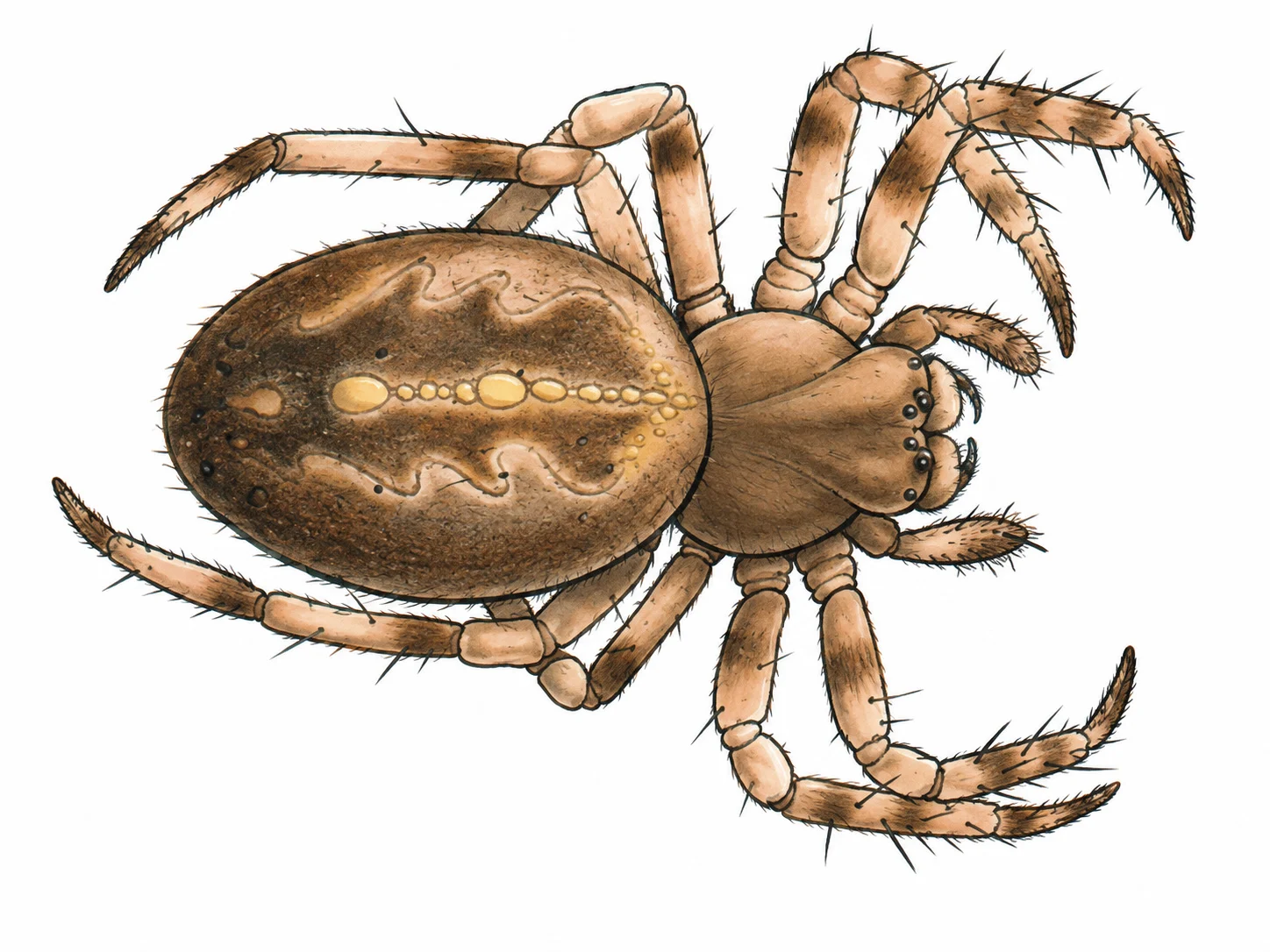
| Class | Main features | Example |
|---|---|---|
| Myriapods | Many body segments; at least one pair of jointed legs per segment; one pair of antennae | Centipede |
| Insects | Head, thorax and abdomen; six jointed legs; two pairs of wings (may be vestigial); one pair of antennae | Butterfly |
| Arachnids | Cephalothorax and abdomen; four pairs of jointed legs; no antennae | Spider |
| Crustaceans | More than four pairs of jointed legs; chalky calcium exoskeleton; gills; two pairs of antennae | Crab |
Part 7 of 8Main features and defining features
Main features and defining features
Main features
- Features that describe a group but may be shared with other groups, such as a backbone in all vertebrates.
Defining feature
- A feature that sets one group apart from the others.
- Mammals alone have fur.
- Crustaceans alone have two pairs of antennae.
Arthropod identification
- Any one of exoskeleton, jointed legs or segmented body shows an organism is an arthropod.
Part 8 of 8More from the specification
1
Species and Genus
- In the binomial classification system, the genus represents closely related organisms while the species designates individuals capable of interbreeding to produce fertile offspring.
2
Molecular Phylogeny
- DNA base sequences and amino acid sequences are used to classify organisms with greater accuracy than purely morphological characteristics.
3
Monocotyledonous vs Dicotyledonous Leaves
- Monocots exhibit narrow leaves with parallel vein systems, whereas dicots possess broad leaves with branching network systems of veins.
4
Binomial
- A two-part Latin name of genus then species.
5
Dichotomous
- Branching into two.
6
Binomial system
- An internationally agreed system naming each organism with a genus and a species in Latin.
7
Multiple choice
- Section I, 60 questions in 90 minutes.
8
Species
- A group of organisms that can reproduce to produce fertile offspring.
9
Classification
- Grouping organisms by shared features and relationships.
10
Sequence
- The order of bases in DNA or amino acids in a protein.
11
Monocotyledon
- A flowering plant with one cotyledon, parallel leaf veins and petals in threes.
12
Dicotyledon
- A flowering plant with two cotyledons, reticulated leaf veins and petals in fours or fives.
Key terms
| Term | Meaning |
|---|---|
| Vertebrate | An animal with a backbone. |
| Invertebrate | An animal without a backbone. |
| Arthropod | An invertebrate with an exoskeleton, a segmented body and jointed legs. |
| Endothermic | Able to keep a constant body temperature using heat made by the body. |
| Saprophytic | Feeding on dead or decaying material. |
| Prokaryote | An organism whose cells have no nucleus. |
| Protoctist | A mostly unicellular organism whose cells have a nucleus. |
Avoid these mistakes
1
Giving habitat as a classification feature — whales live in water but are mammals because they have fur or hair and feed milk.
2
Confusing arachnids with crustaceans — arachnids have four pairs of legs and no antennae, crustaceans have two pairs of antennae.
3
Saying fungi photosynthesise — they have no chloroplasts and feed saprophytically or parasitically.
4
Saying reptiles lay eggs in water — reptile eggs have rubbery shells and are laid on land.
Marked practiceQuizzes for this lesson
Last updated:
\n