1.1Chapter 1: Classification and Life
What is life? — Alhussan Biology - Stage 7 Revision Notes & Topical Questions
5 min read 7 parts Lesson 1 of 11 2 quizzes
Lesson summary
Biology 1.1 What is life?
- Memory word
- Reproduction
- Sensitivity
- Respiration
- Excretion versus egestion
- Biology = the study of living organisms, and the scientists who study it are biologists
Part 1 of 5Biology and living organisms
Biology
Biology the study of living organisms, and the scientists who study it are biologists.
Organism
- Organism a living thing;
- organisms differ in size and shape, from a bacterium to a blue whale, but all show the same seven characteristics.
Memory word
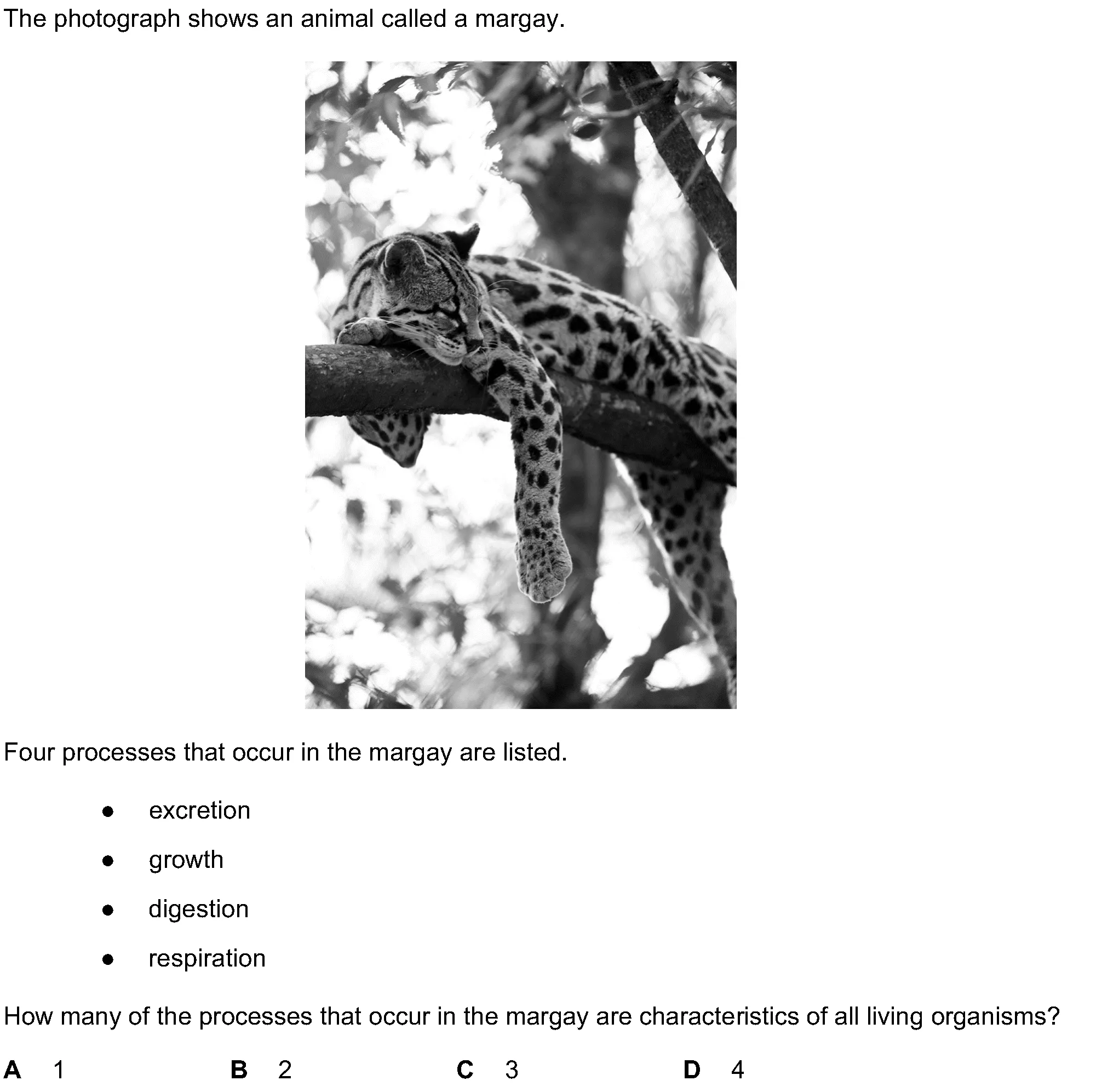
- MRS GRENMovement, Respiration, Sensitivity, Growth, Reproduction, Excretion, Nutrition.
Part 2 of 5Movement, reproduction and sensitivity
Movement
- Movement living things move their whole bodies or parts of their bodies, and even plants move parts of themselves to face the Sun.
Reproduction
- Reproduction all living organisms make more of themselves, which is important so that organisms do not die out.
Sensitivity
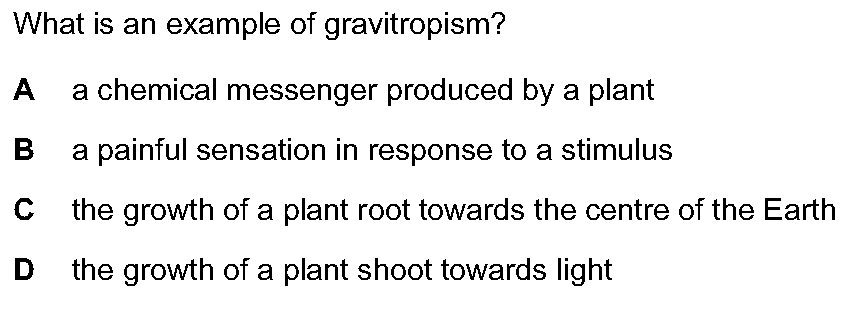
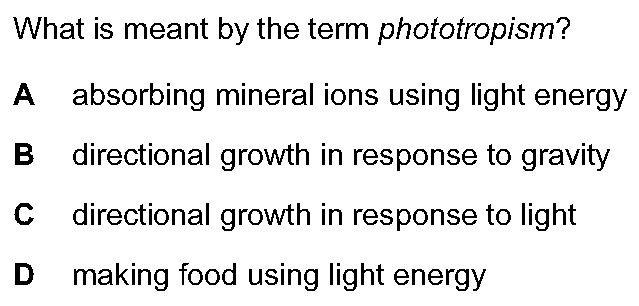
- Sensitivity living organisms respond to their surroundings, such as animals using eyes to see.
- A change in surroundings that an organism detects is a stimulus.
Part 3 of 5Growth, respiration, excretion and nutrition
Growth
- Growth living organisms get bigger, which often happens as a young organism gets older.
Respiration
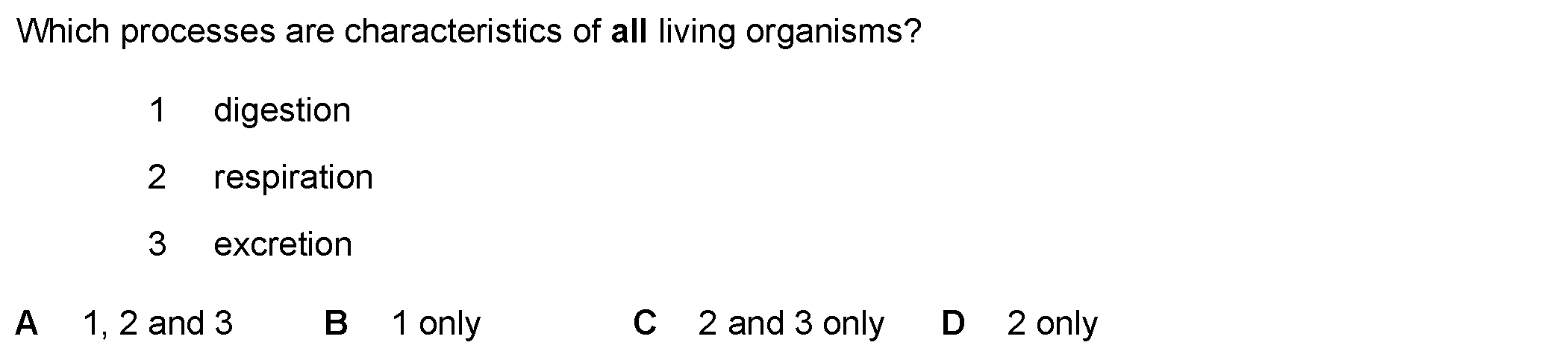
- Respiration this process makes the energy in food available for organisms to use.
- They use the energy to carry out all the other characteristics of life.
- Many organisms need oxygen to respire and produce waste carbon dioxide gas.
Excretion
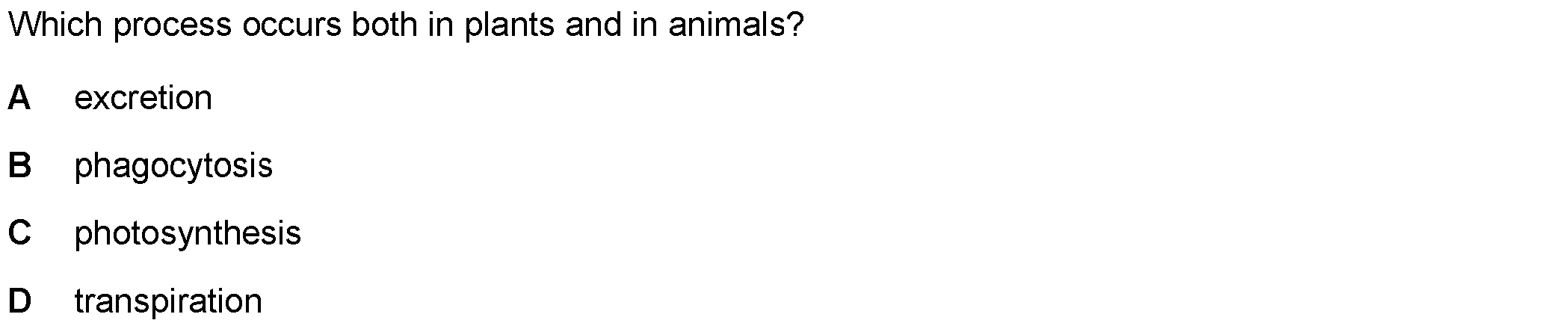
- Excretion living organisms get rid of the waste they produce, such as carbon dioxide or urea.
Nutrition
- Nutrition all living things need food, as plants make their own food and animals eat plants or other animals.
Part 4 of 5Respiration, breathing and excretion
Respiration, breathing and excretion
Respiration
- Respiration a chemical process in every living cell that releases energy from glucose.
- glucose + oxygen → carbon dioxide + water (+ energy).
- Plants respire all day and all night, even though they also photosynthesise in the light.
Breathing
- Breathing moving air in and out of the lungs, which is different from respiration.
Excretion versus egestion
- Excretion versus egestion excretion removes waste made by chemical reactions inside cells, while faeces are undigested food removed by egestion.
Part 5 of 5Deciding whether something is alive
Rule
- Rule an object is alive only if it shows all seven characteristics, and one feature alone is not enough.
Car
- Car it moves and uses fuel, but it cannot grow, reproduce or sense its surroundings by itself, so it is not alive.
Seed
- Seed it respires slowly and grows when conditions allow, so it is alive.
Fire
- Fire it seems to move, grow and use fuel and oxygen, but it does not reproduce or respond like an organism, so it is not alive.
Evidence
- Evidence give evidence for each characteristic claimed for a living thing.
Key terms
| Term | Meaning |
|---|---|
| Organism | A living thing. |
| Stimulus | A change in surroundings that an organism can detect. |
| Respiration | Chemical reactions in cells that release energy from food. |
| Excretion | Removal of waste made by chemical reactions in cells. |
| Nutrition | Taking in materials needed for energy and growth. |
| Reproduction | Producing more organisms of the same kind. |
Avoid these mistakes
1
Saying respiration is the same as breathing — respiration is a chemical reaction in cells.
2
Thinking excretion means getting rid of faeces — that is egestion.
3
Saying plants do not move or respire — they do both.
4
Judging something to be alive from one feature only — it must show all seven.
Marked practiceQuizzes for this lesson
?What do you want to solve now?
✓Checkpoint Quiz
18 multiple-choice questions from real exam papers on this lesson.
Question 1 of 18 1:30

Question 2 of 18 1:30
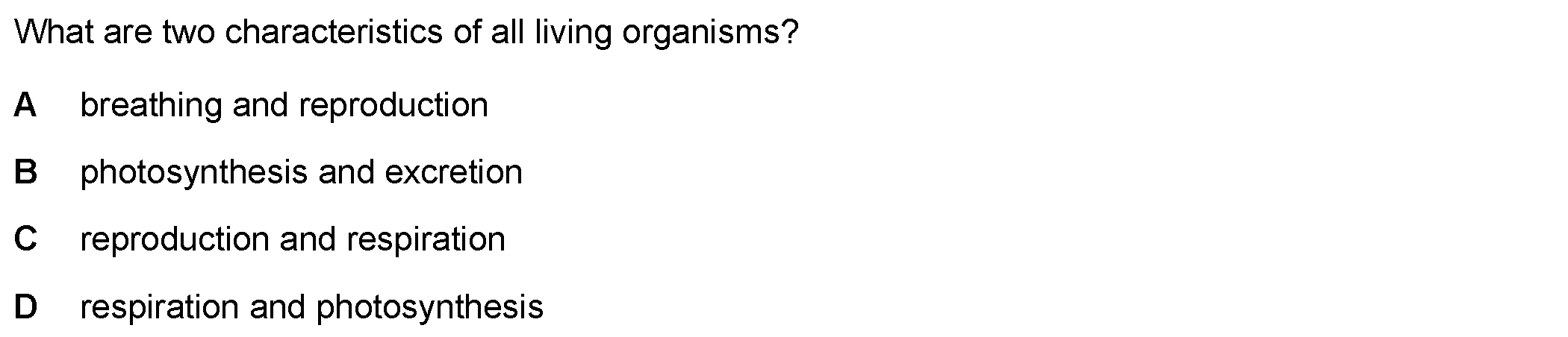
Question 3 of 18 1:30

Question 4 of 18 1:30
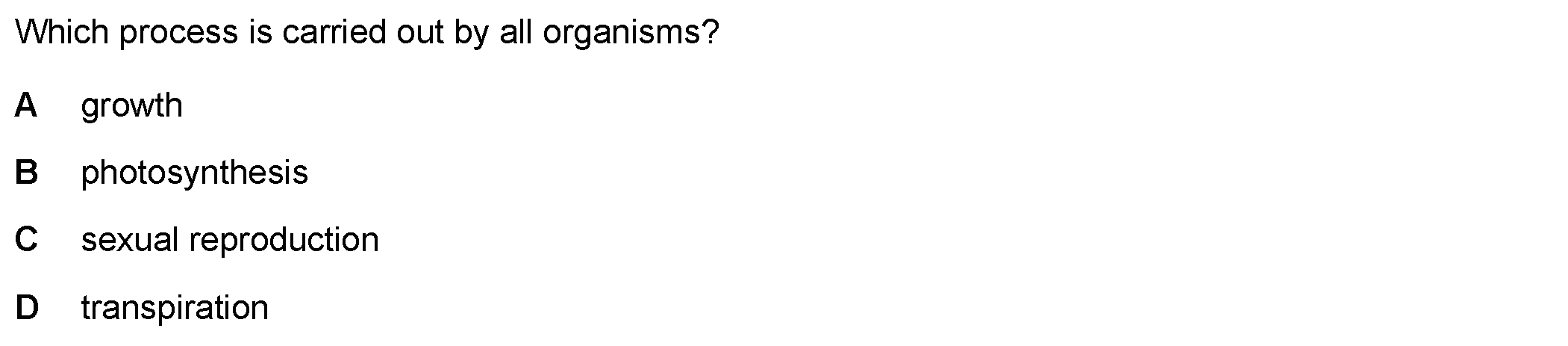
Question 5 of 18 1:30
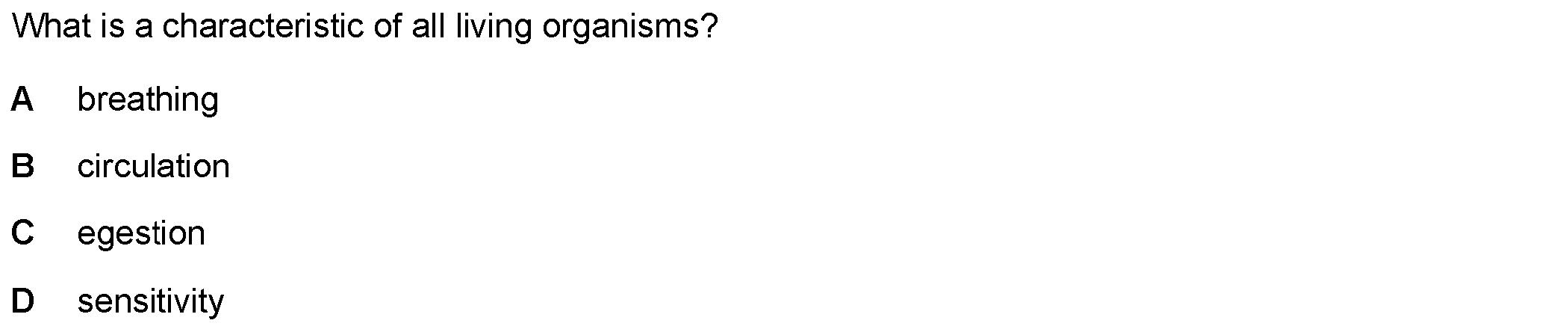
Question 6 of 18 1:30
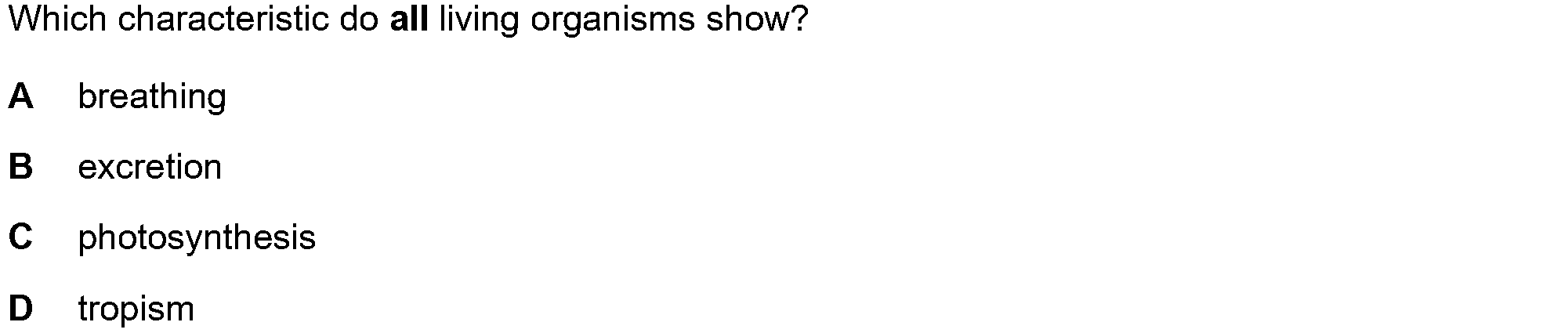
Question 7 of 18 1:30

Question 8 of 18 1:30

Question 9 of 18 1:30

Question 10 of 18 1:30

Question 11 of 18 1:30

Question 12 of 18 1:30
Question 13 of 18 1:30

Question 14 of 18 1:30
Question 15 of 18 1:30
Question 16 of 18 1:30
Question 17 of 18 1:30

Question 18 of 18 1:30
Score: 0 / 18
Answer key
1 D2 C3 C4 A5 D6 B7 D8 A9 A10 C11 C12 A13 D14 C15 C16 C17 D18 C
Last updated: