14.3Chapter 14: Electrical Circuits, Resistance and Power
Resistance — Alhussan Physics - Stage 9 Revision Notes & Topical Questions
5 min read 8 parts Lesson 3 of 6 2 quizzes
Physics 14.3 Resistance — Ohm's Law (R = V / I), Variable Resistors and Ohms (Ω) — Alhussan International Academy — Physics (Stages 7–9) notes: Describe how resistance affects current, calculate resistance and know the circuit symbols for fixed and variable resistors.Resistance =…
- Depends on components
- More resistance
- Particle picture
- Comparing components
- Fixed resistor
- Same voltage
Part 1 of 6What resistance is
- The current in a circuit depends on the components as well as on the battery.
- Two lamps give more resistance than one, so less charge flows per second.
- A buzzer in place of a lamp can reduce the current because it has a bigger resistance.
- Flowing electrons are slowed down by obstacles such as vibrating atoms.
Part 2 of 6The rope model
- It is like the speed of the rope sliding through your hands.
- It is like how hard the "battery" person pulls the rope.
- It is like how hard the "component" person squeezes the rope.
- More resistance gives a smaller current for the same voltage.
Part 3 of 6The resistance equation
- Current (A) = voltage (V) ÷ resistance (Ω), or I = V ÷ R.
- Resistance (Ω) = voltage (V) ÷ current (A), or R = V ÷ I.
- V = I × R.What the symbols mean: V = potential difference (V) · I = current (A) · R = resistance (Ω)
- At the same voltage, the component with the smaller current has the bigger resistance.
| Quantity | Symbol | Unit | Instrument |
|---|---|---|---|
| Voltage | V | volt (V) | Voltmeter, in parallel |
| Current | I | ampere (A) | Ammeter, in series |
| Resistance | R | ohm (Ω) | Calculated |
Part 4 of 6Fixed and variable resistors
- Its resistance does not change.
- Its resistance can be changed.
- Increasing the resistance reduces the current, so a lamp becomes dimmer.
- Dimmer switches, volume controls and motor controls.
Part 5 of 6Parallel branches
- Each branch has the full battery voltage.
- The current from the battery equals the sum of the branch currents, so an unknown branch current is found by subtraction.
- The branch with the smaller current has the bigger resistance.
- Adding a branch gives the current another path, so the overall resistance of the circuit falls.
Part 6 of 6Measuring resistance
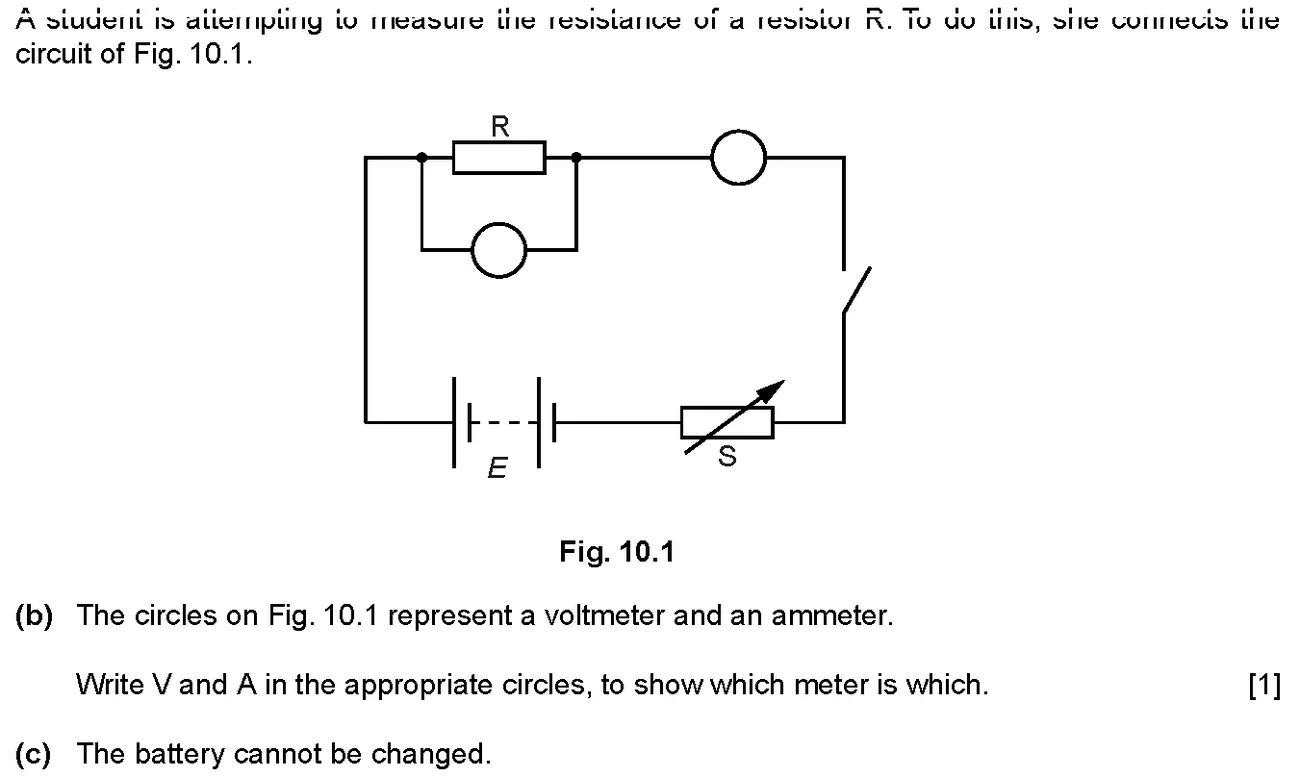
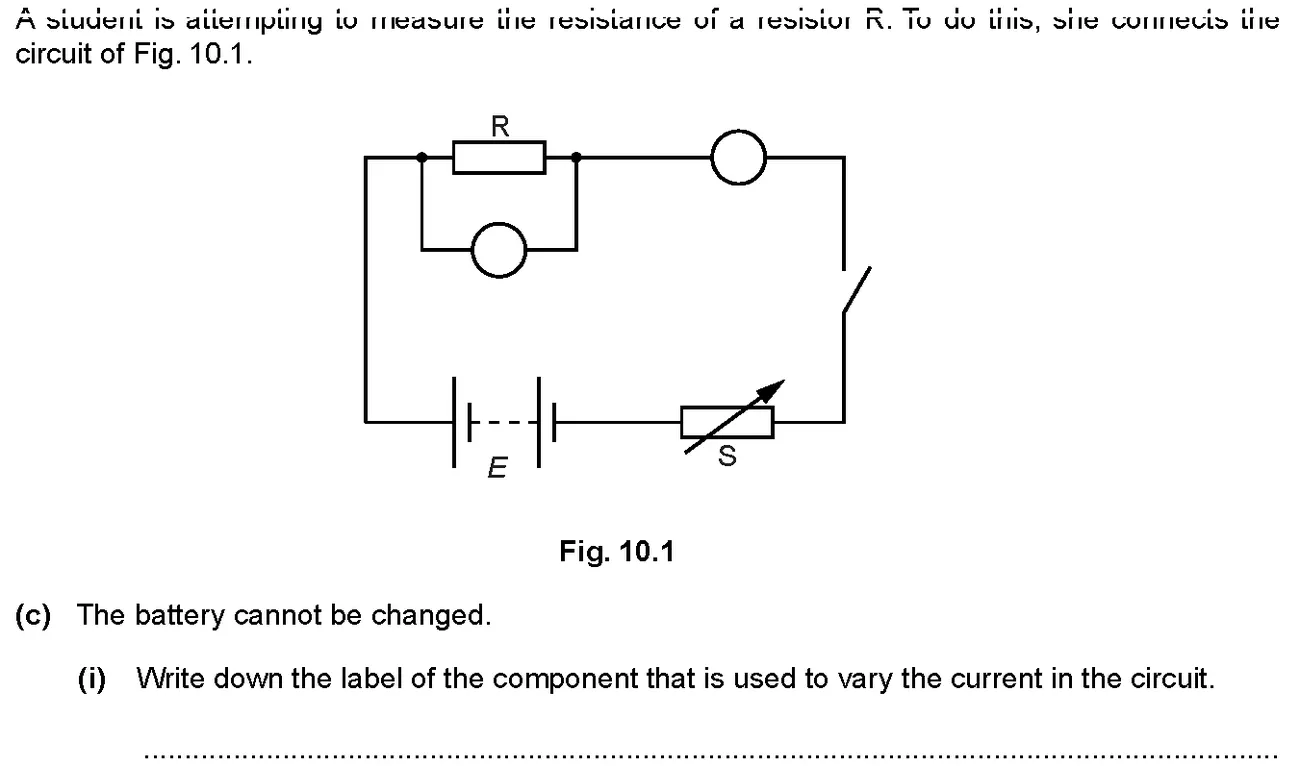
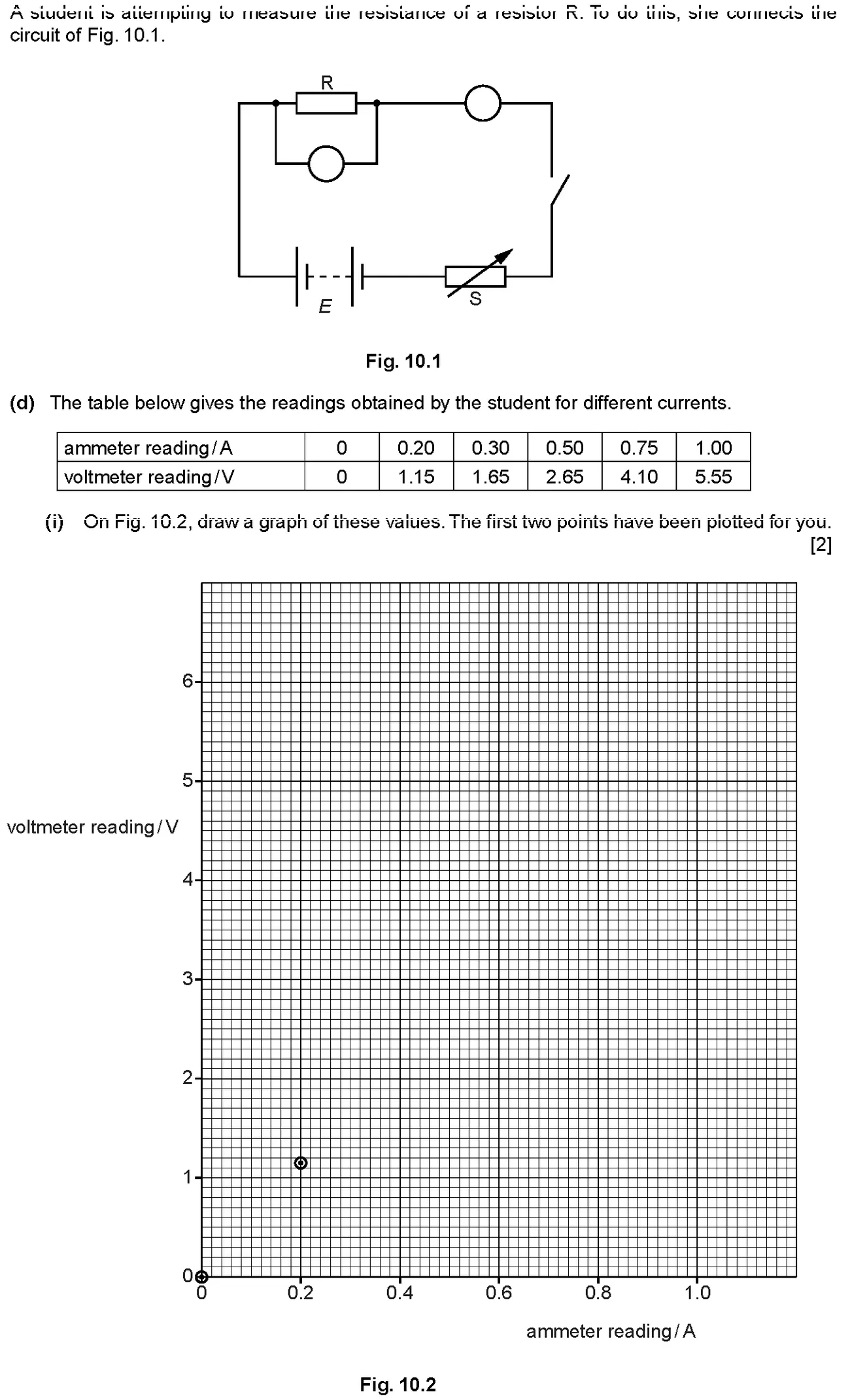
- A graph of voltage against current is a straight line through the origin, showing V is proportional to I (Ohm's law).
- The line curves because resistance rises as the filament heats up.
Key terms
| Term | Meaning |
|---|---|
| Resistance | How difficult it is for current to flow, in ohms. |
| Ohm (Ω) | The unit of resistance. |
| Fixed resistor | A resistor with a constant resistance. |
| Variable resistor | A resistor whose resistance can be changed. |
| Ohm's law | For a metal at constant temperature, voltage is proportional to current. |
Avoid these mistakes
Marked practiceQuizzes for this lesson
?What do you want to solve now?
✓Checkpoint Quiz
20 multiple-choice + 19 written questions from real exam papers on this lesson.
Question 1 of 20 1:30
Question 2 of 20 1:30
Question 3 of 20 1:30
Question 4 of 20 1:30
Question 5 of 20 1:30
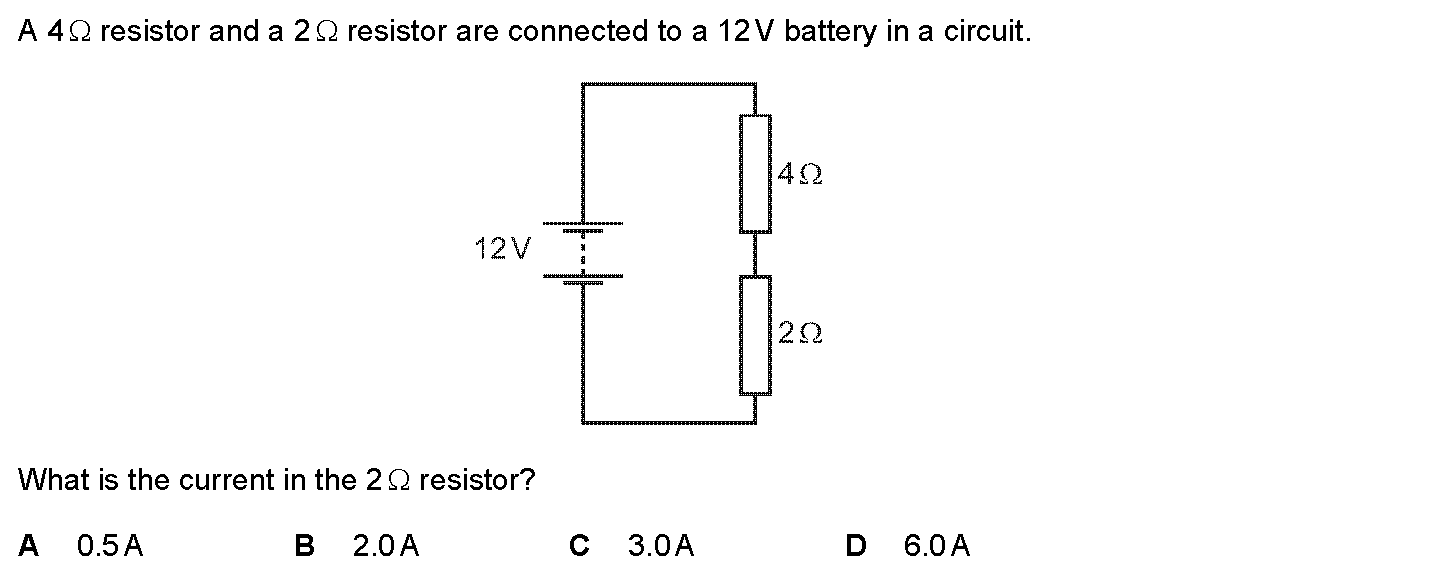
Question 6 of 20 1:30

Question 7 of 20 1:30
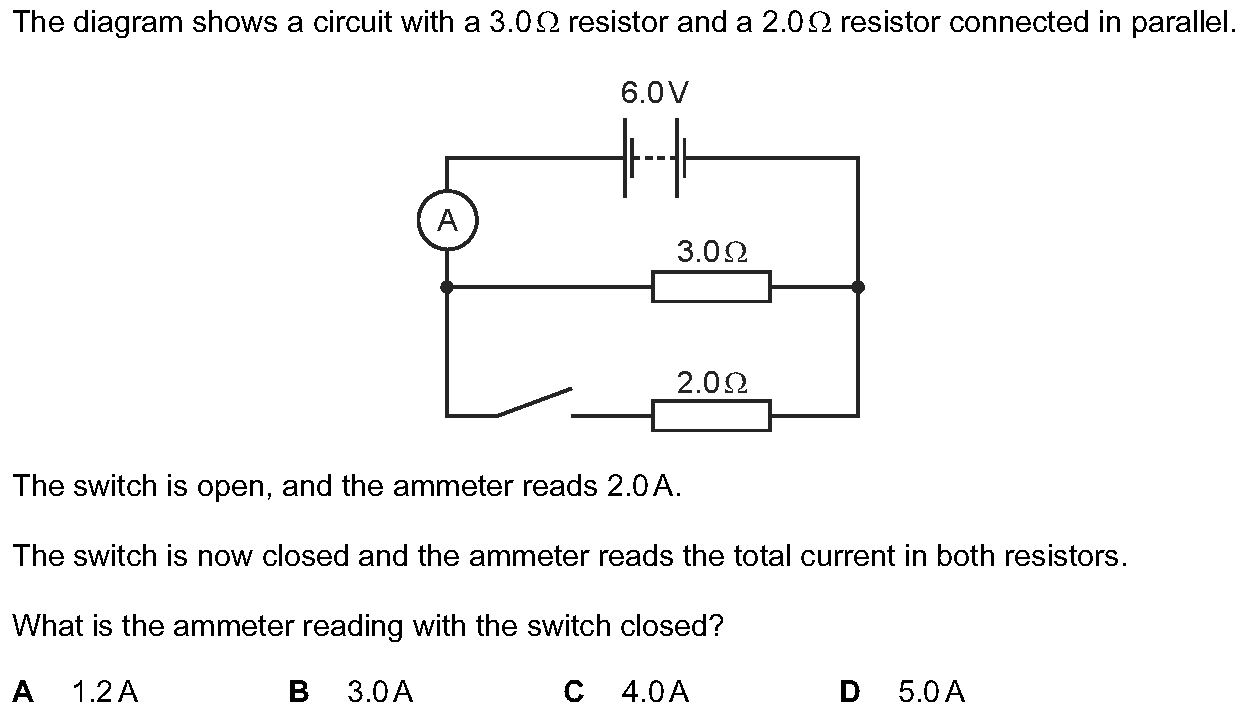
Question 8 of 20 1:30
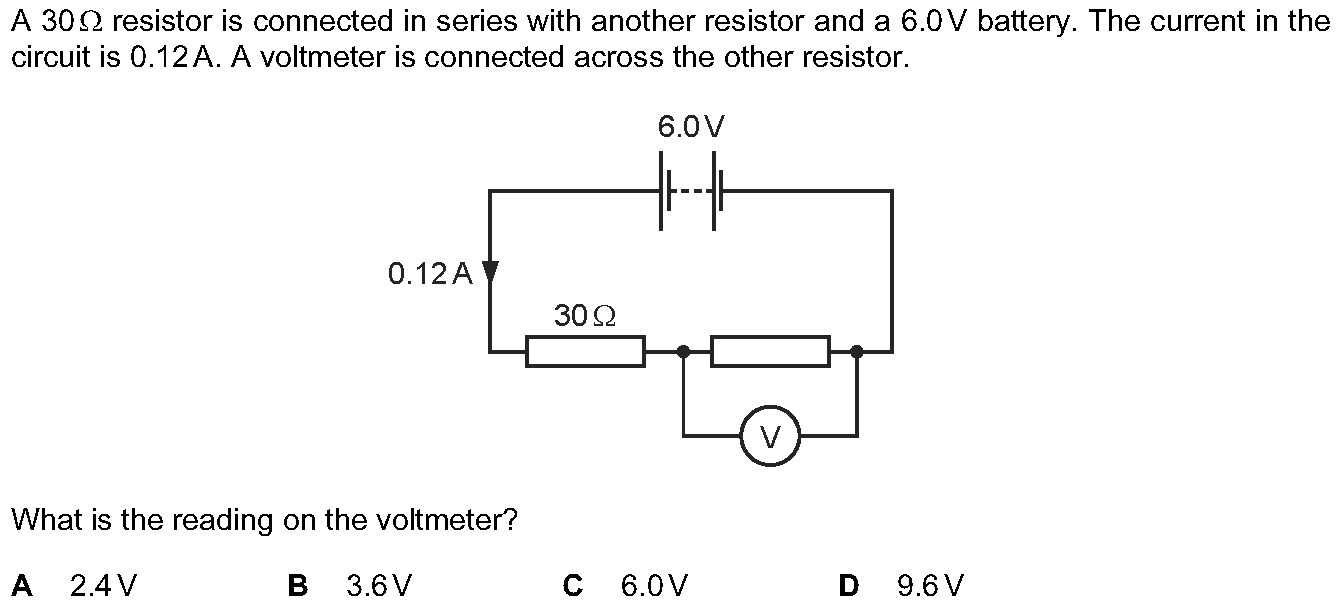
Question 9 of 20 1:30
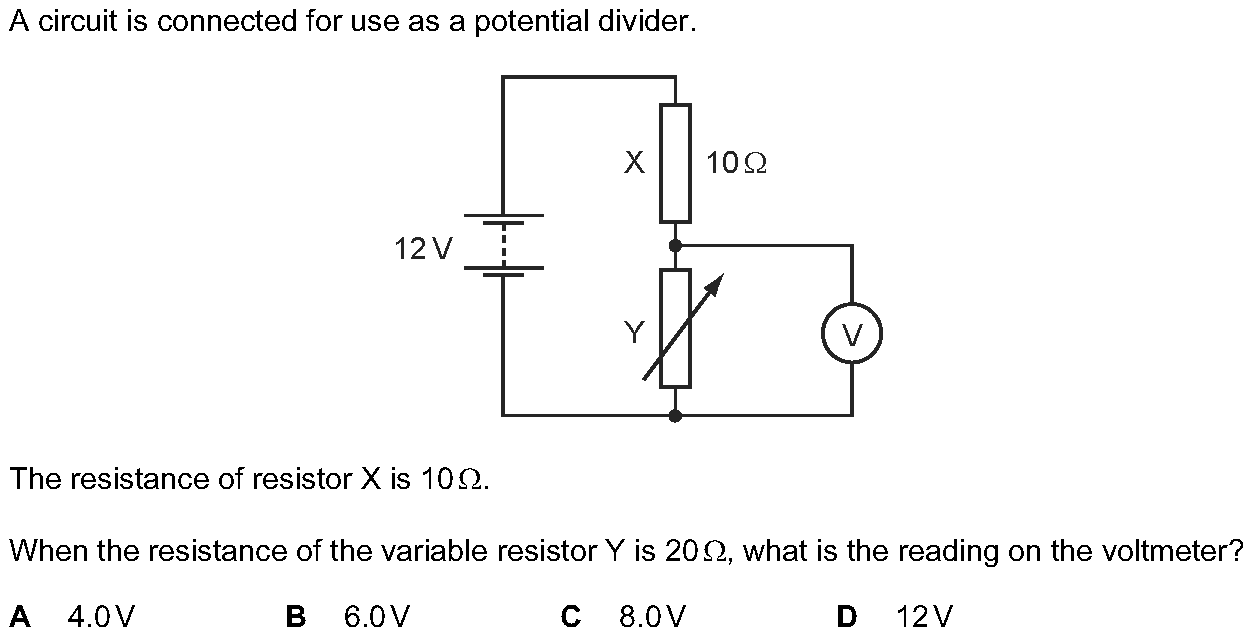
Question 10 of 20 1:30
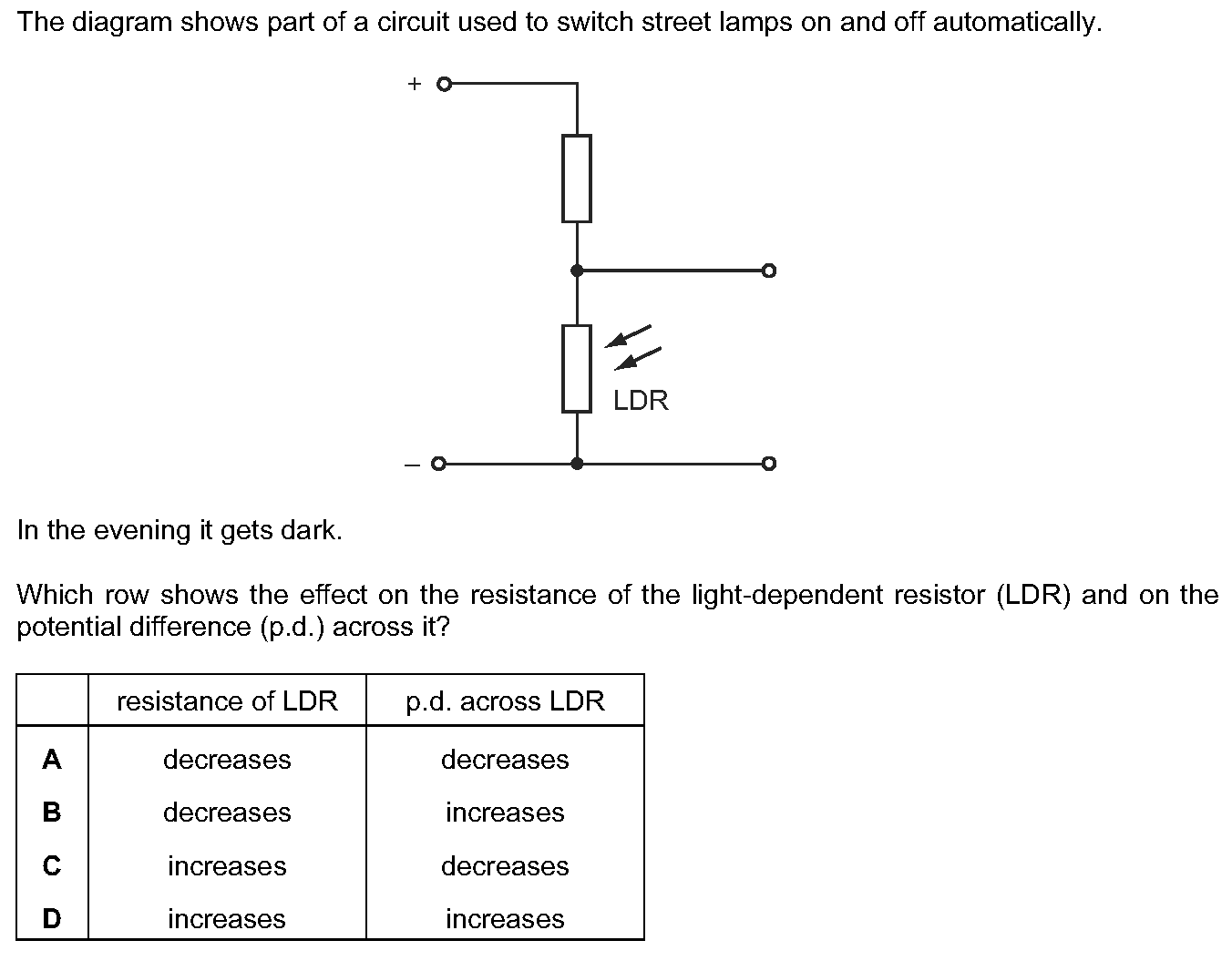
Question 11 of 20 1:30
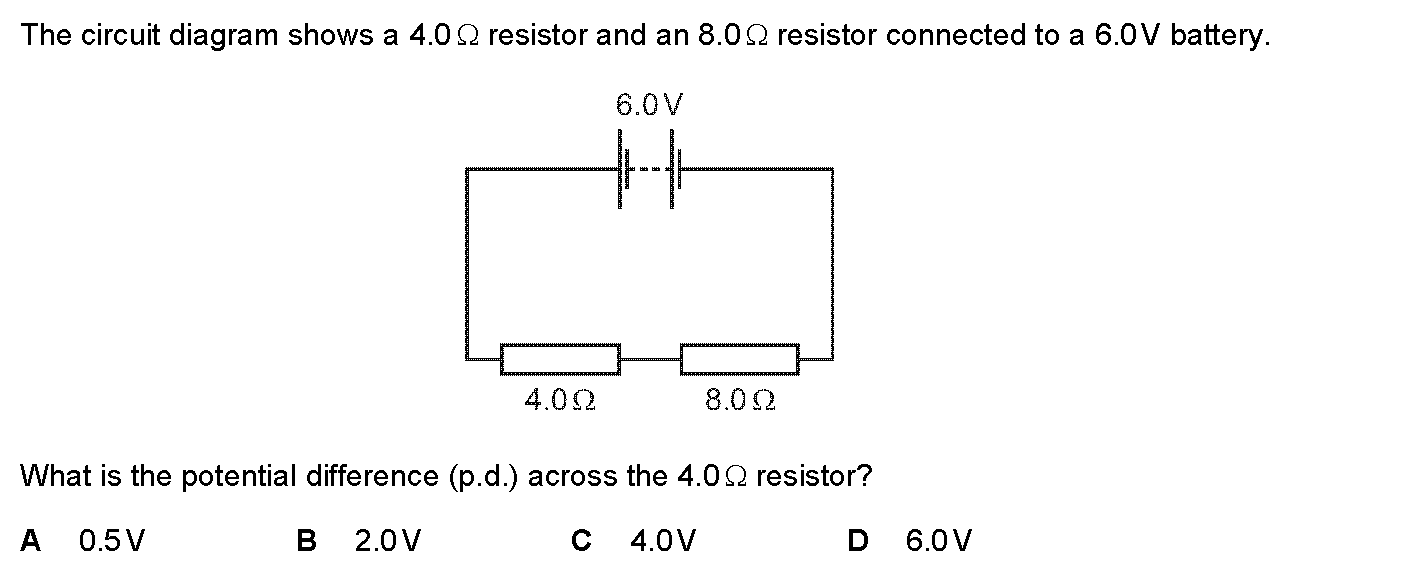
Question 12 of 20 1:30

Question 13 of 20 1:30
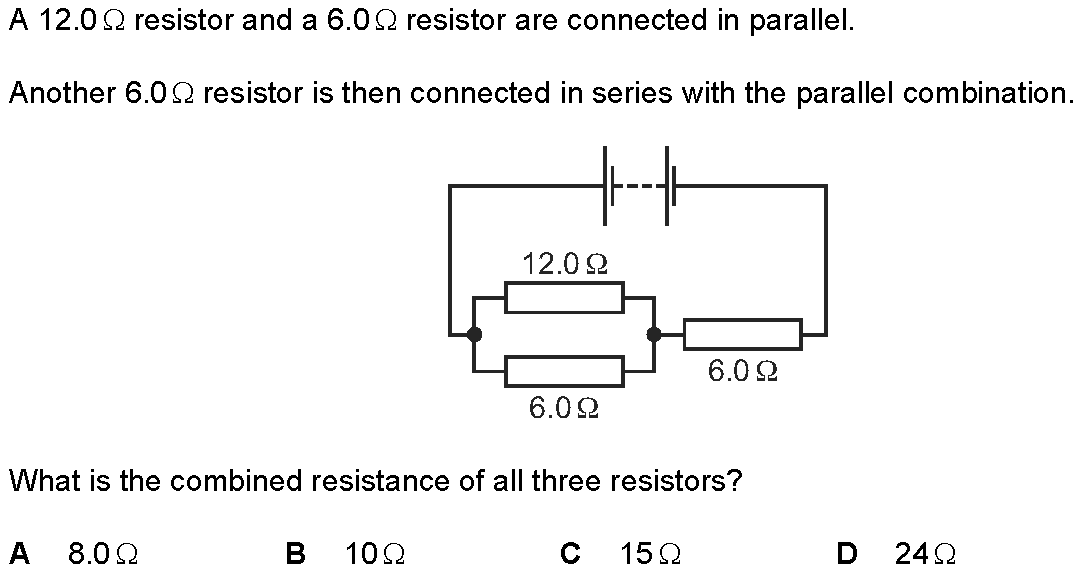
Question 14 of 20 1:30

Question 15 of 20 1:30
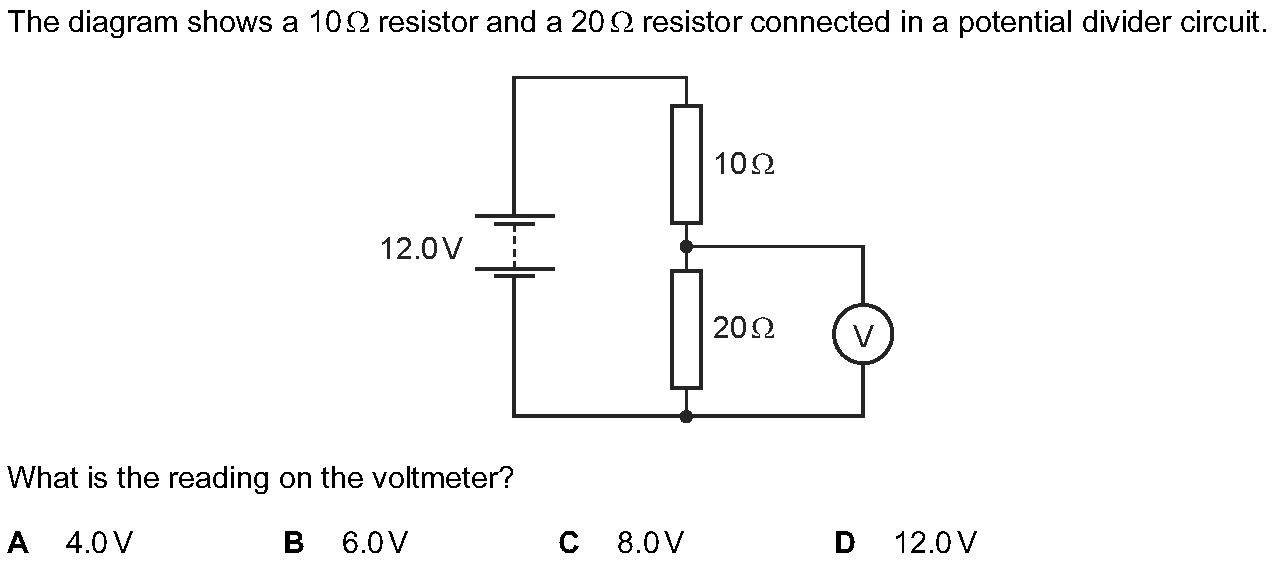
Question 16 of 20 1:30
Question 17 of 20 1:30
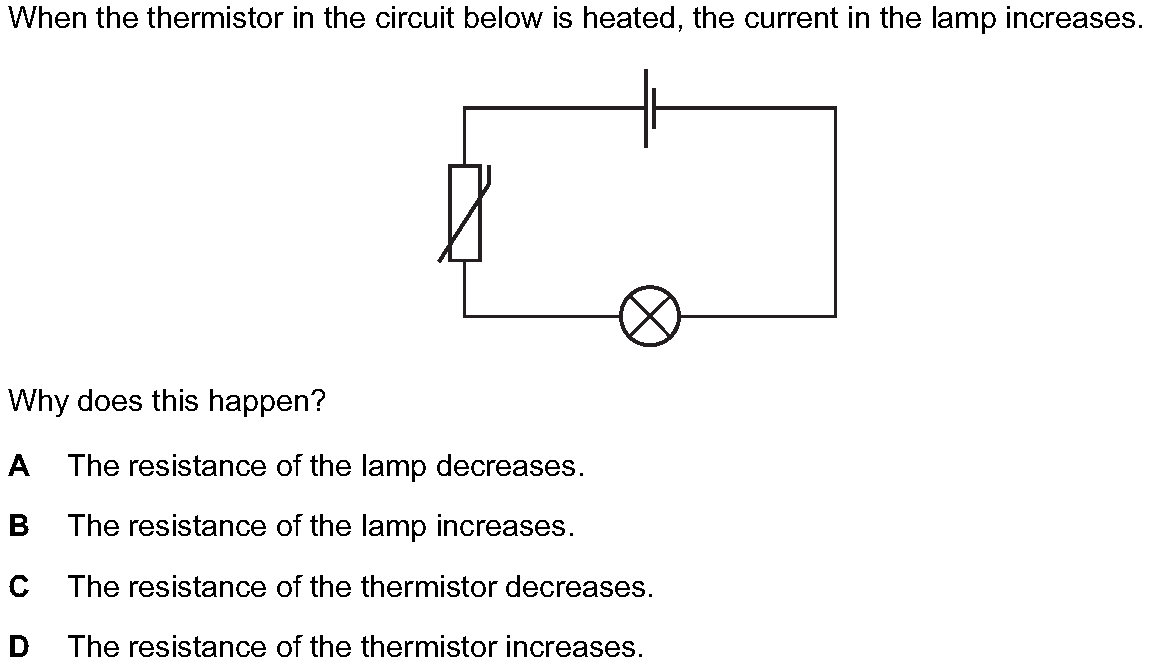
Question 18 of 20 1:30
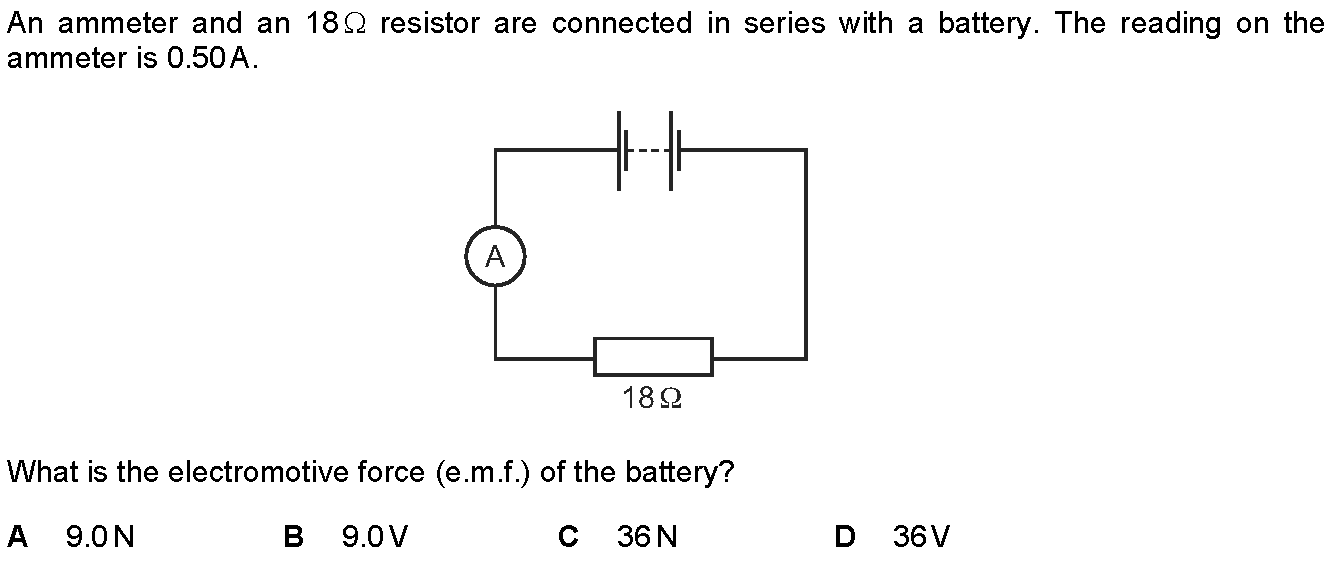
Question 19 of 20 1:30
Question 20 of 20 1:30

Answer key
1 D2 A3 B4 D5 B6 A7 D8 A9 C10 D11 B12 B13 B14 D15 C16 D17 C18 B19 D20 A
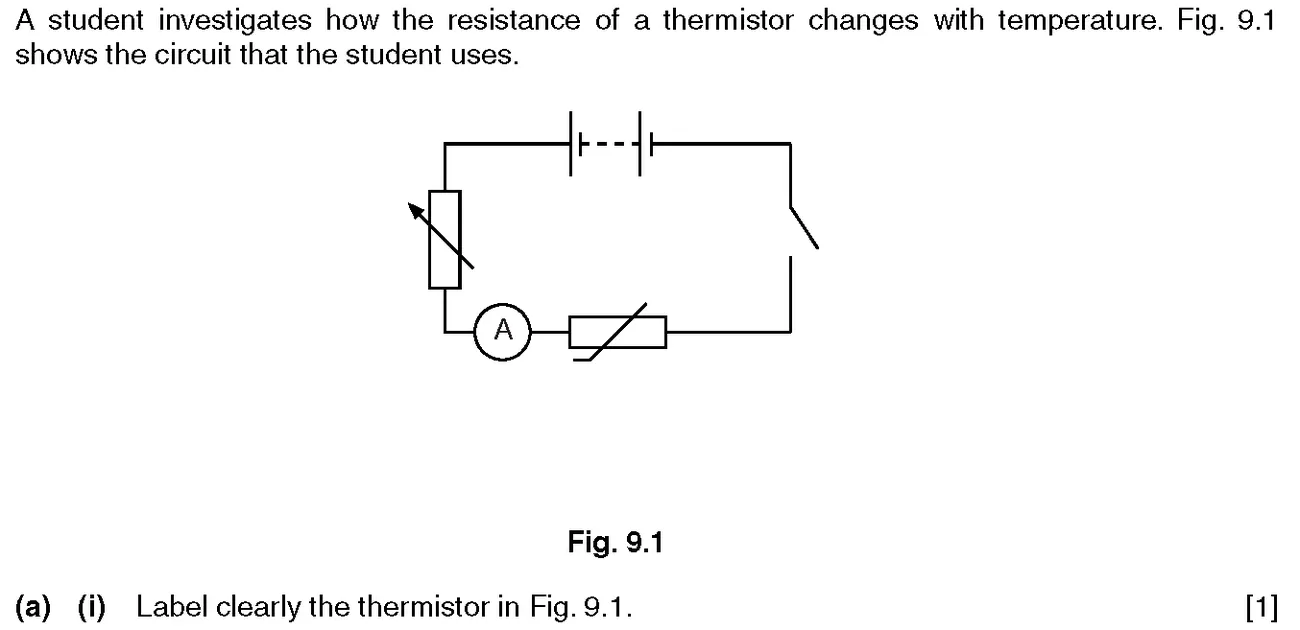
Written question 1 of 19 · part (a)(i) (1 / 4) 3:00
Show the answer

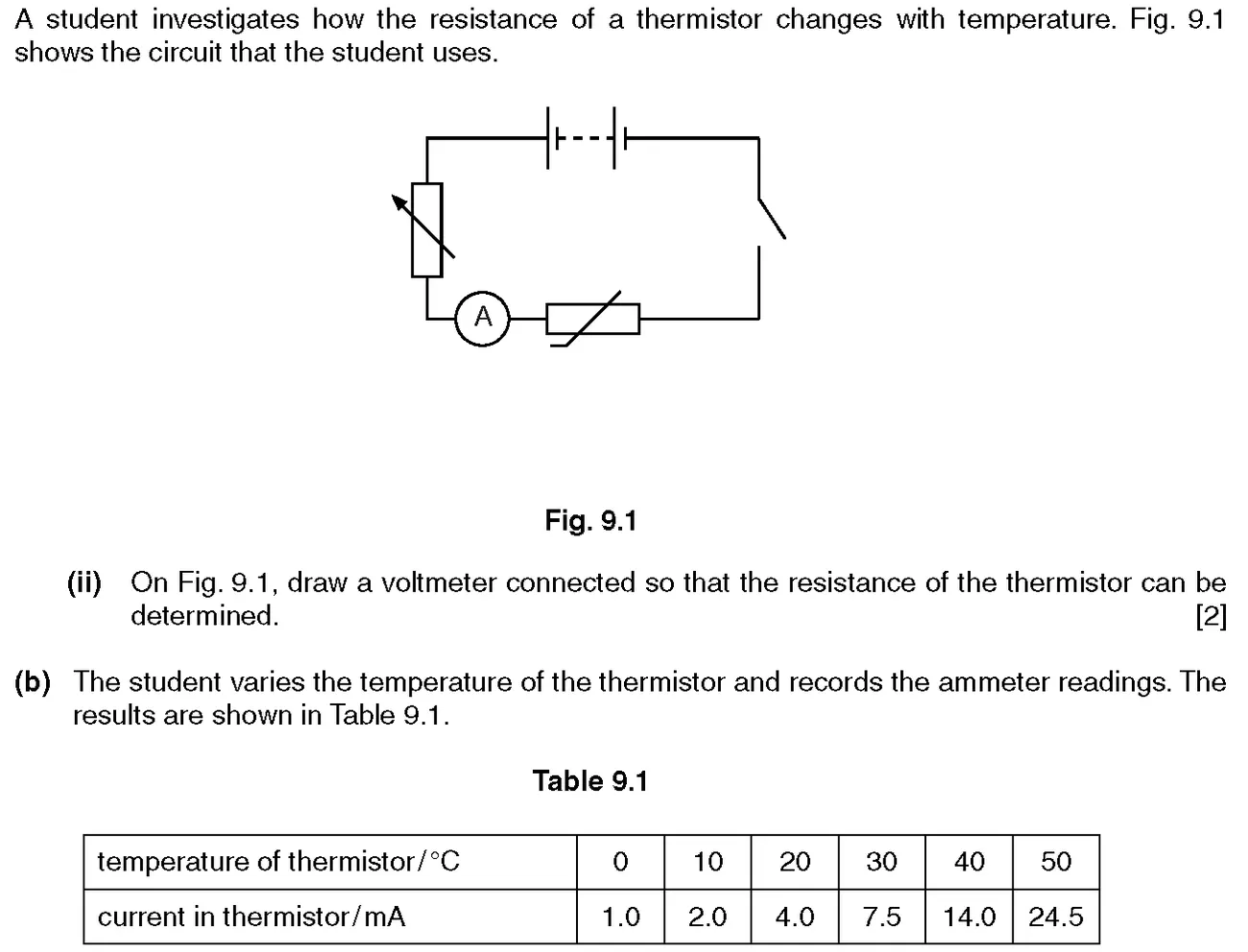
Written question 1 of 19 · part (a)(ii) (2 / 4) 3:00
Show the answer
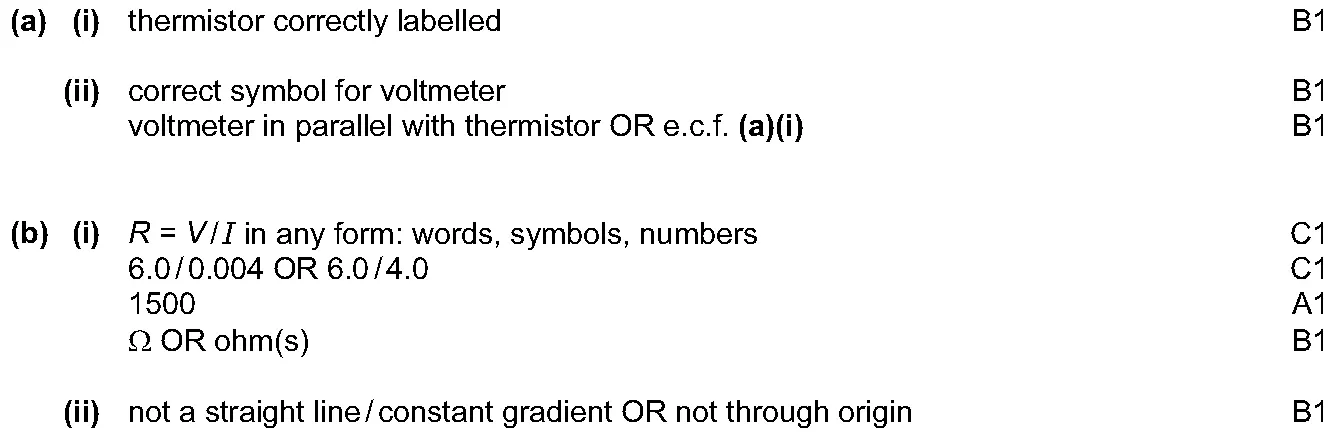
Written question 1 of 19 · part (b)(i) (3 / 4) 3:00

Show the answer
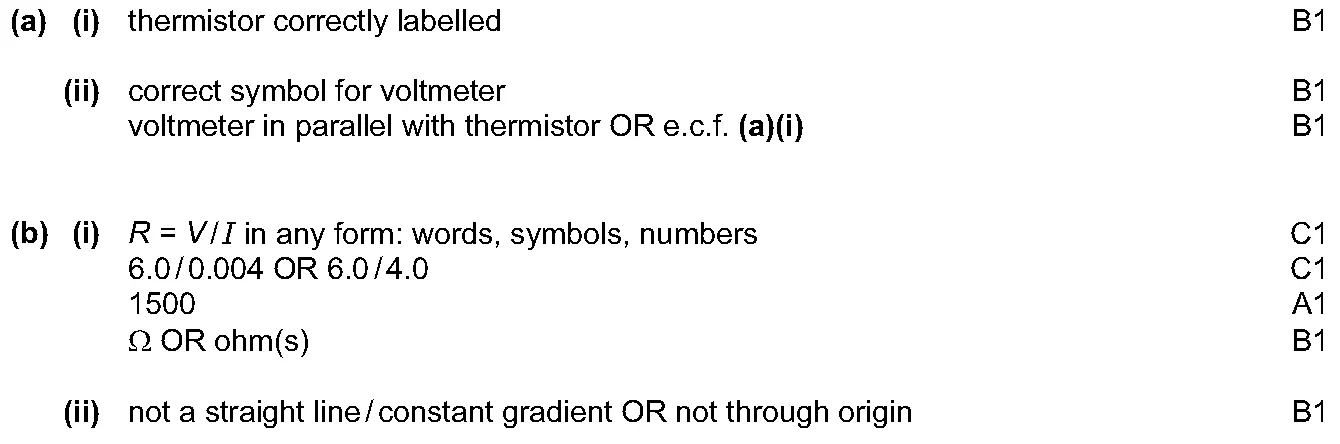
Written question 1 of 19 · part (b)(ii) (4 / 4) 3:00

Show the answer
Written question 2 of 19 · part (a)(i) (1 / 4) 3:00

Show the answer
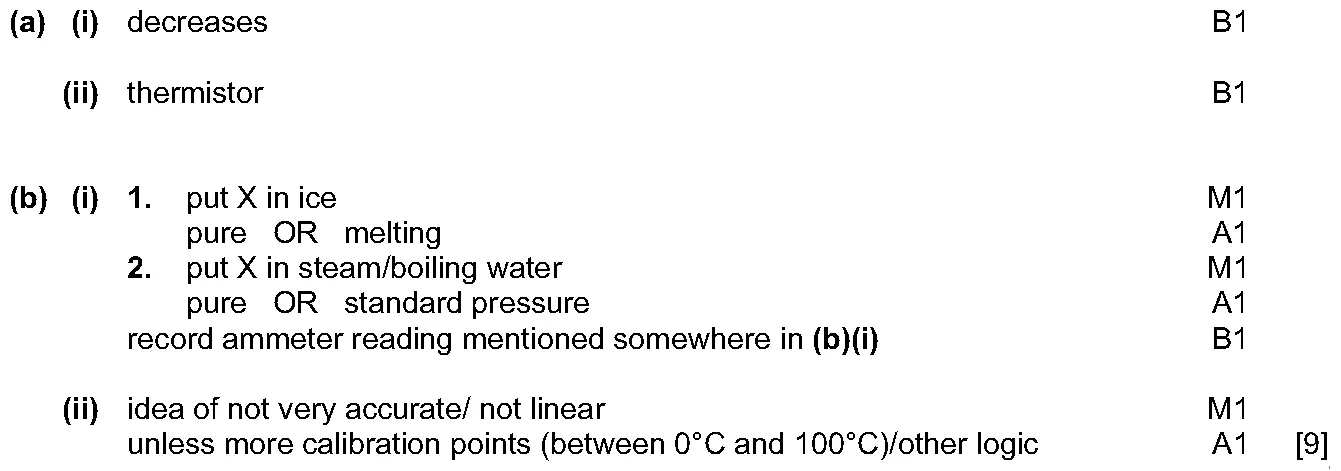
Written question 2 of 19 · part (a)(ii) (2 / 4) 3:00

Show the answer
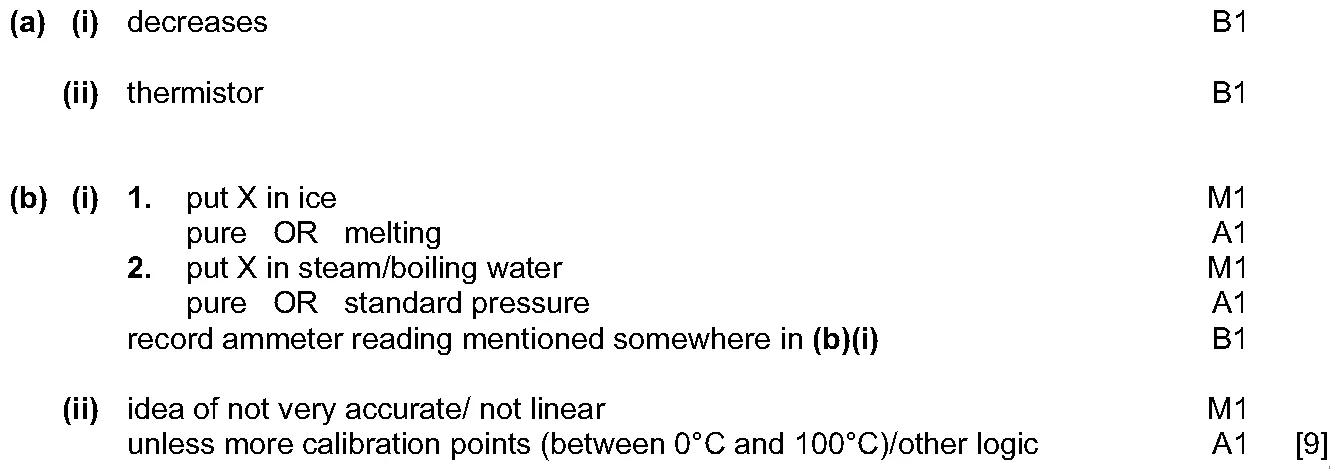
Written question 2 of 19 · part (b)(i) (3 / 4) 3:00

Show the answer
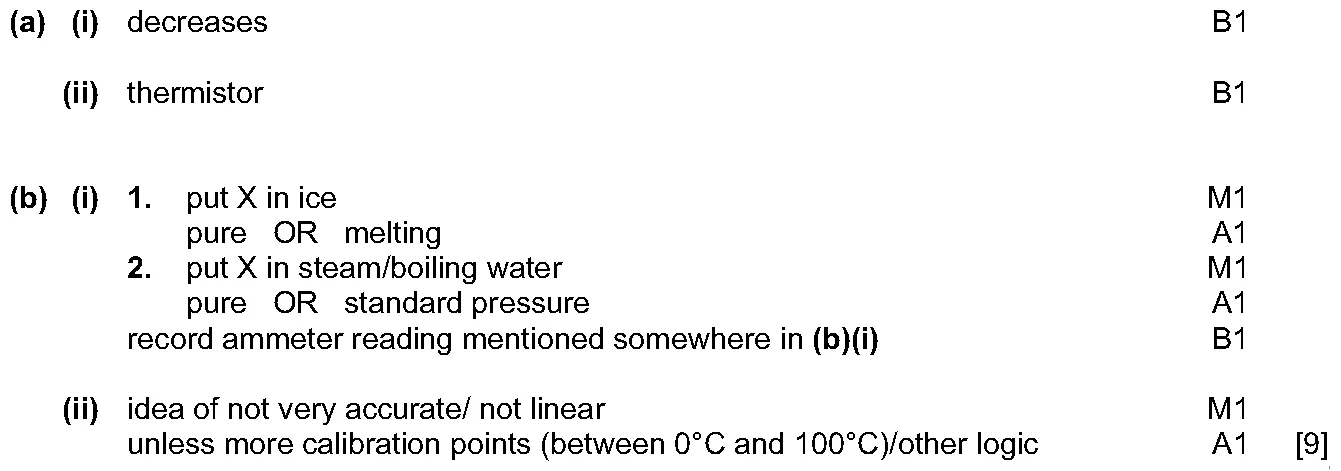
Written question 2 of 19 · part (b)(ii) (4 / 4) 3:00

Show the answer
Written question 3 of 19 · part (a)(i) (1 / 5) 3:00

Show the answer
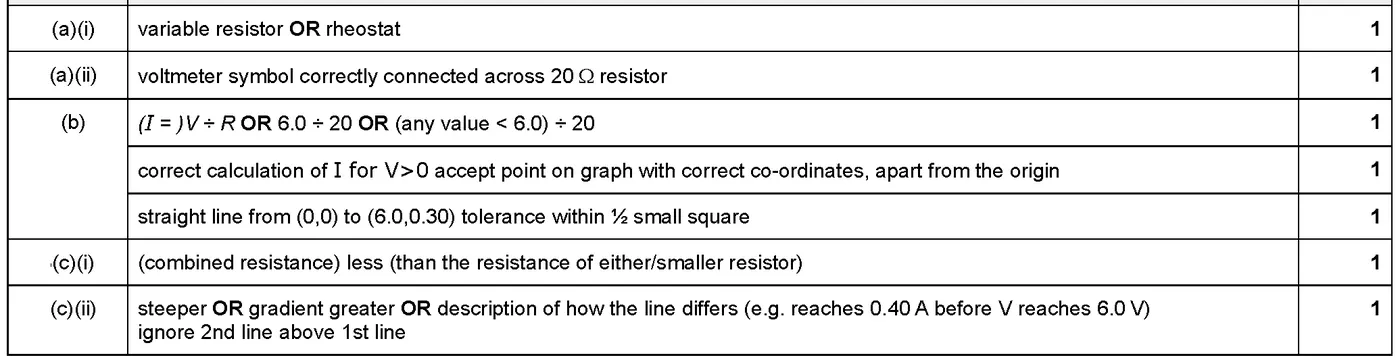
Written question 3 of 19 · part (a)(ii) (2 / 5) 3:00
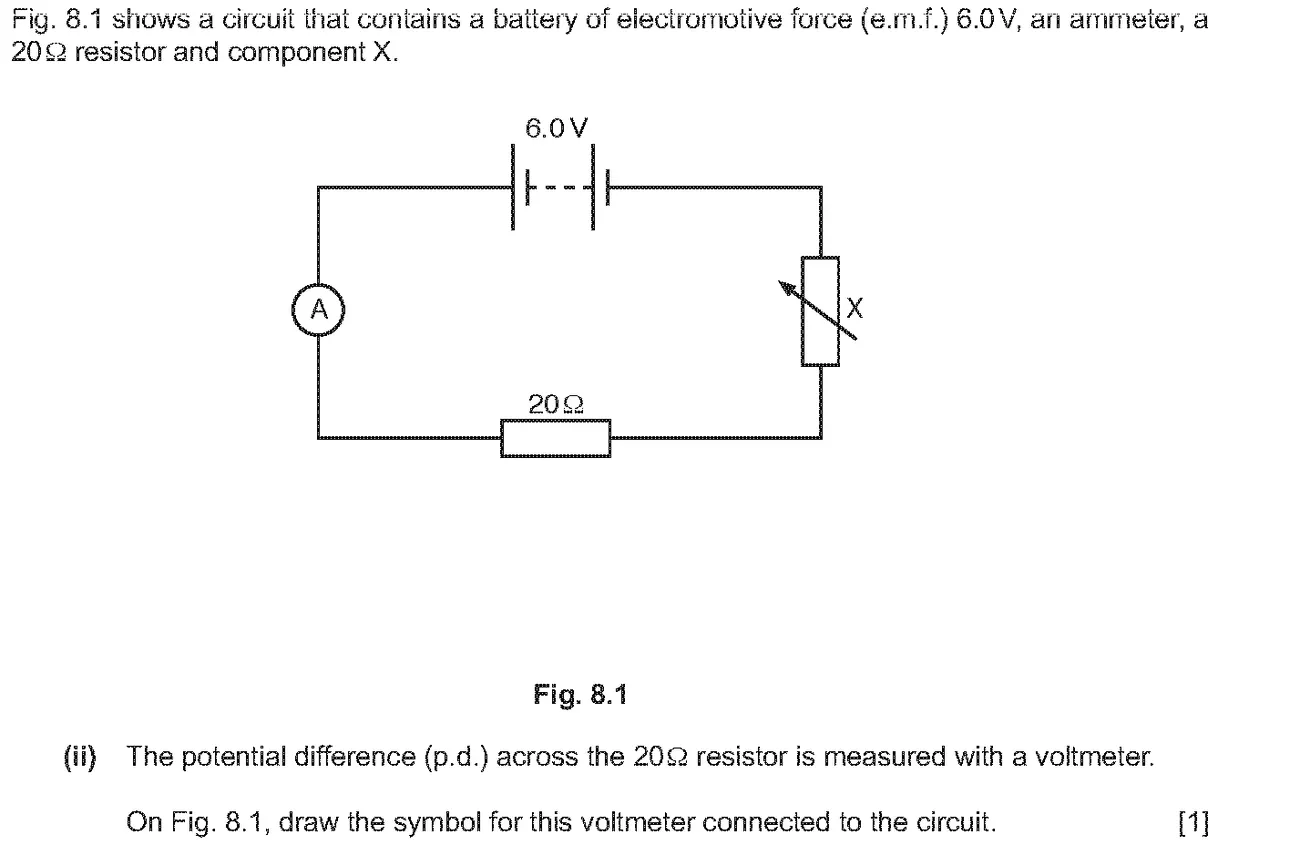
Show the answer
Written question 3 of 19 · part (b) (3 / 5) 3:00
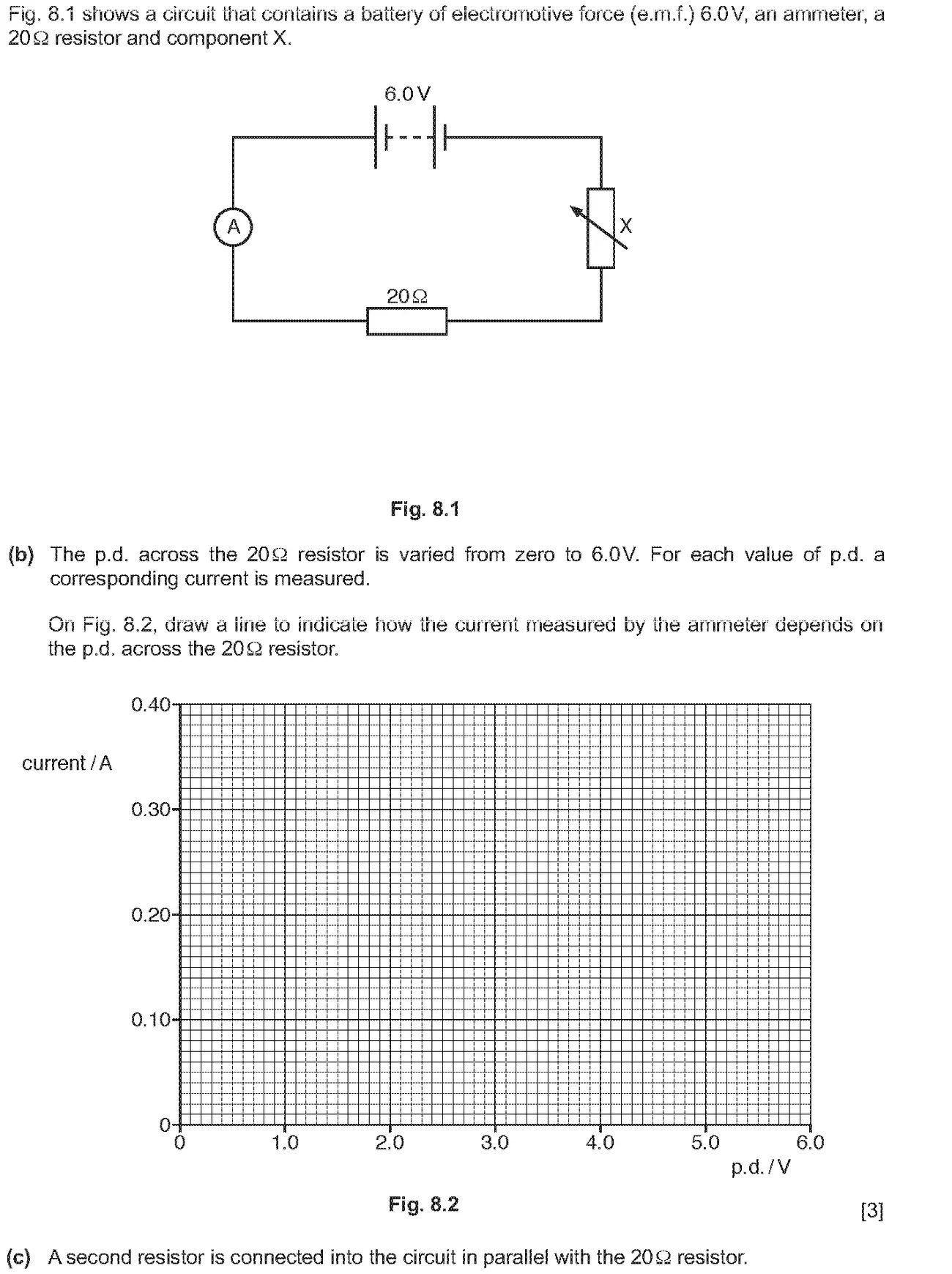
Show the answer
Written question 3 of 19 · part (c)(i) (4 / 5) 3:00

Show the answer
Written question 3 of 19 · part (c)(ii) (5 / 5) 3:00

Show the answer
Written question 4 of 19 · part (a)(i) (1 / 2) 3:00

Show the answer

Written question 4 of 19 · part (a)(ii) (2 / 2) 3:00
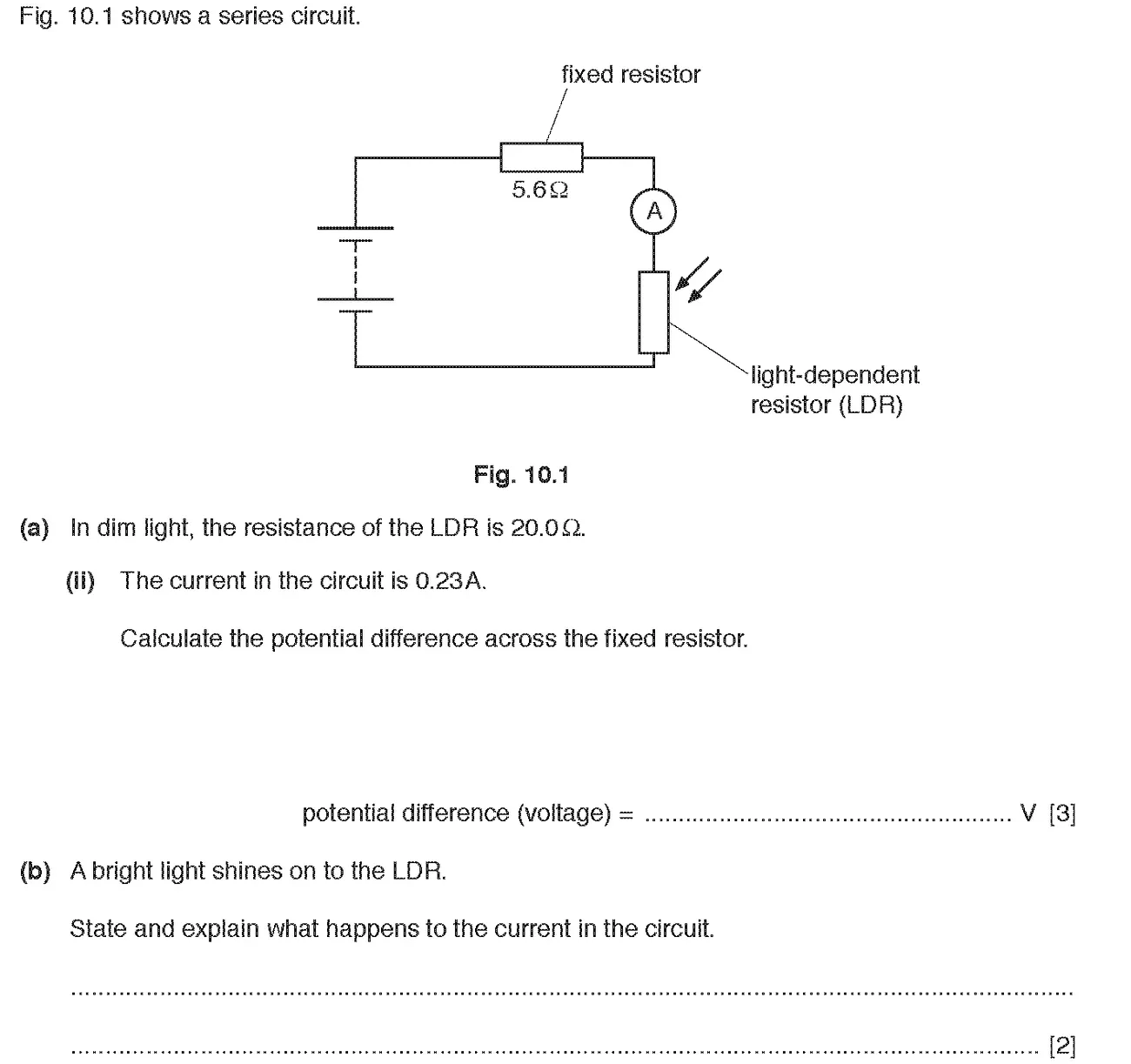
Show the answer
Written question 5 of 19 · part (a)(i) (1 / 6) 3:00

Show the answer
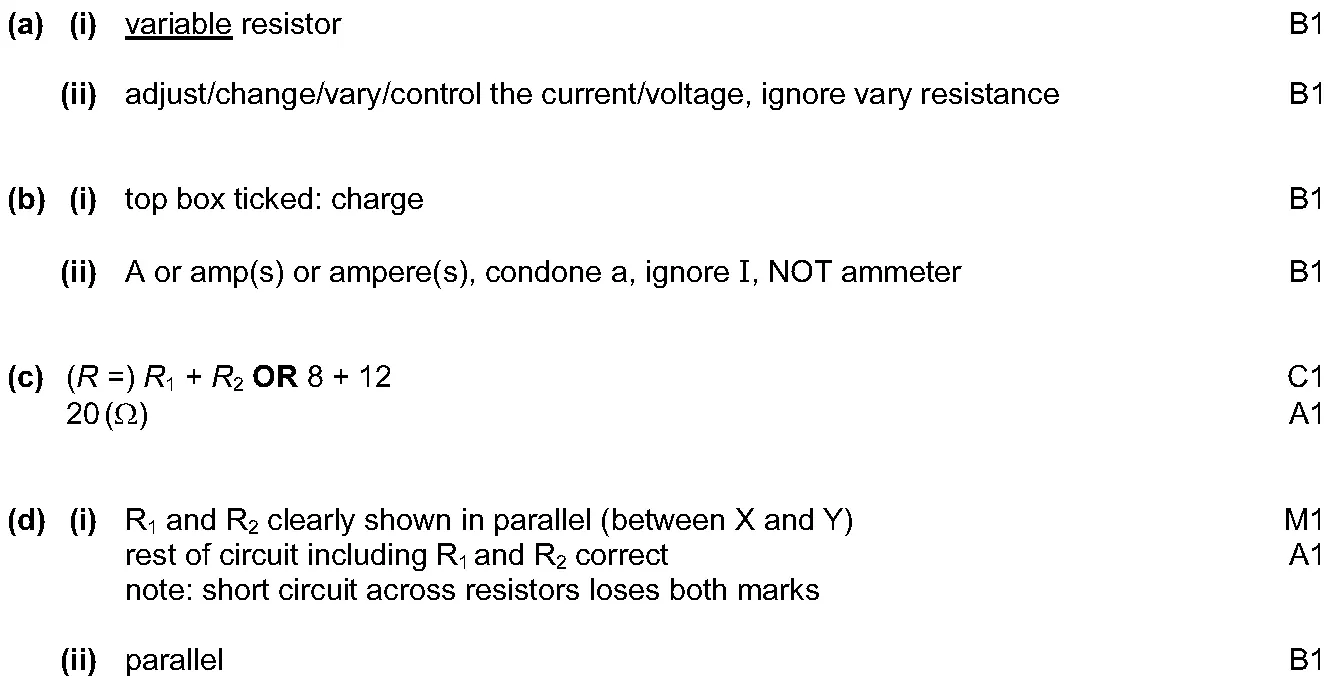
Written question 5 of 19 · part (a)(ii) (2 / 6) 3:00

Show the answer
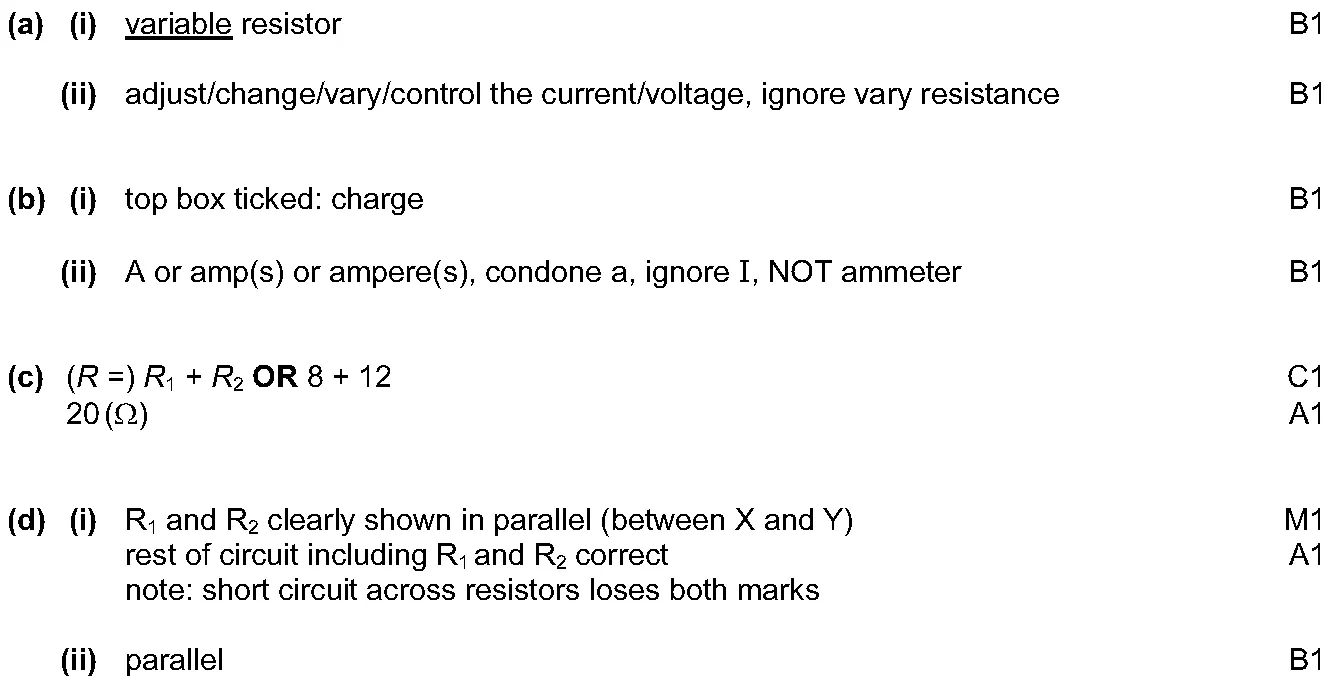
Written question 5 of 19 · part (b)(i) (3 / 6) 3:00
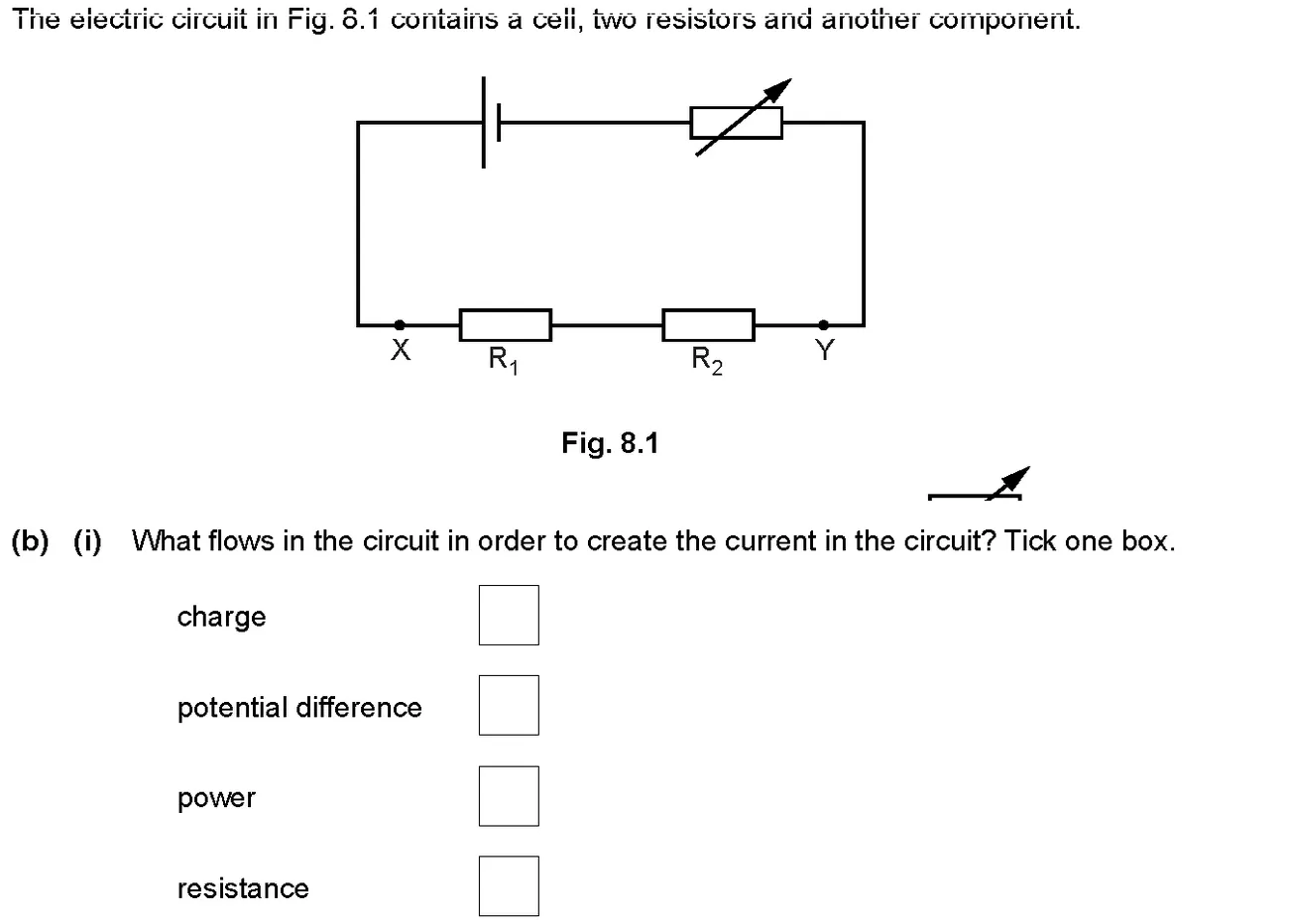
Show the answer
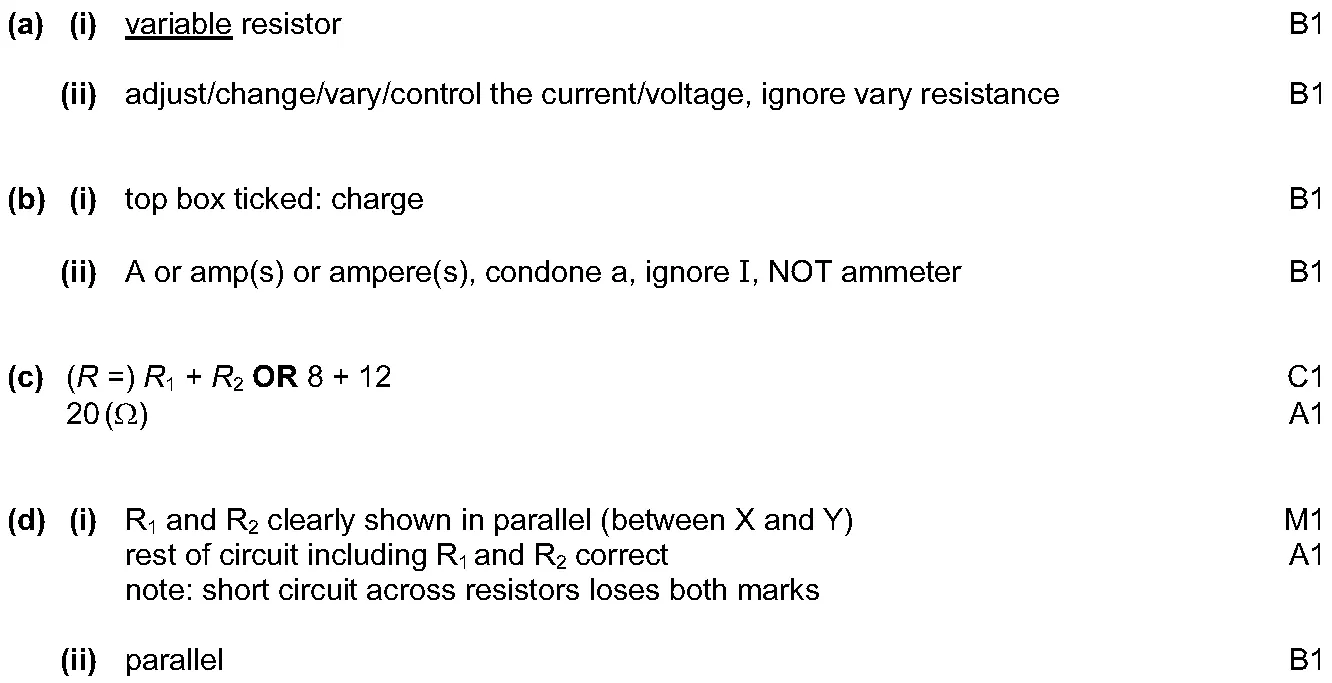
Written question 5 of 19 · part (b)(ii) (4 / 6) 3:00
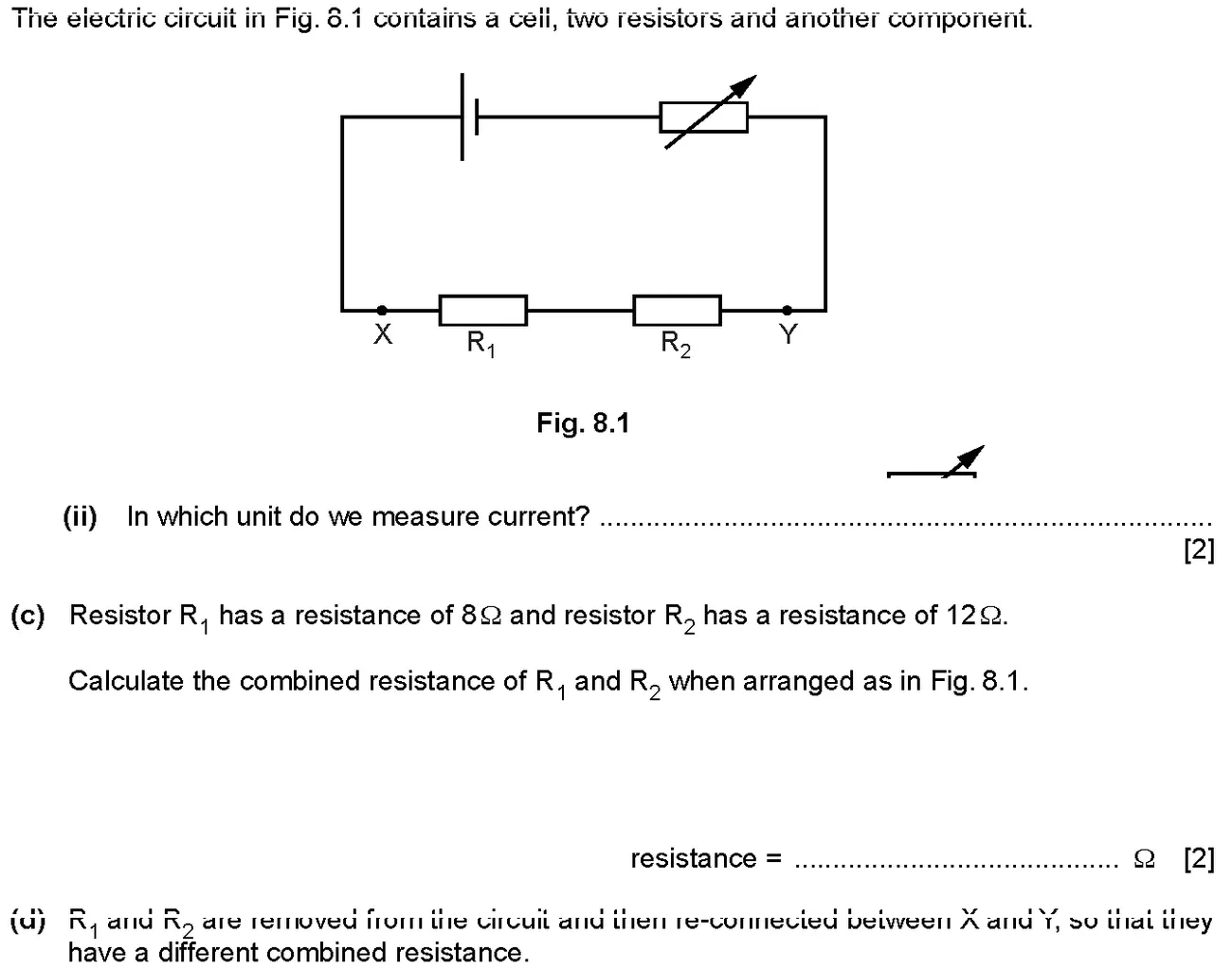
Show the answer
Written question 5 of 19 · part (c)(i) (5 / 6) 3:00

Show the answer
Written question 5 of 19 · part (c)(ii) (6 / 6) 3:00

Show the answer
Written question 6 of 19 · part (a) (1 / 2) 3:00

Show the answer

Written question 6 of 19 · part (b) (2 / 2) 3:00

Show the answer

Written question 7 of 19 · part (a) (1 / 8) 3:00

Show the answer
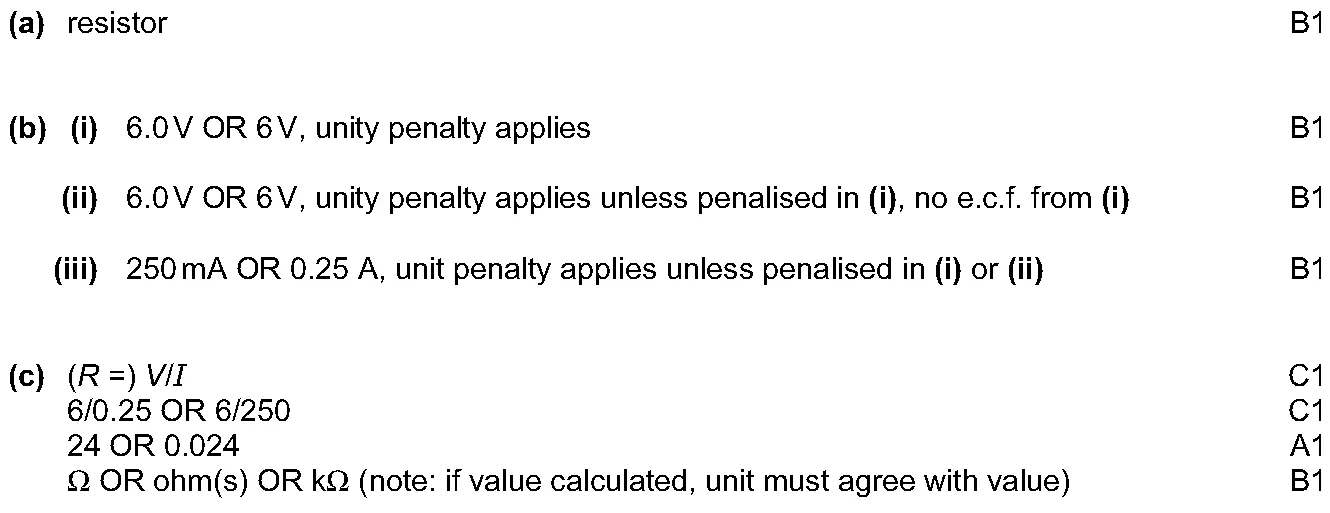
Written question 7 of 19 · part (b)(i) (2 / 8) 3:00

Show the answer

Written question 7 of 19 · part (b)(ii) (3 / 8) 3:00

Show the answer
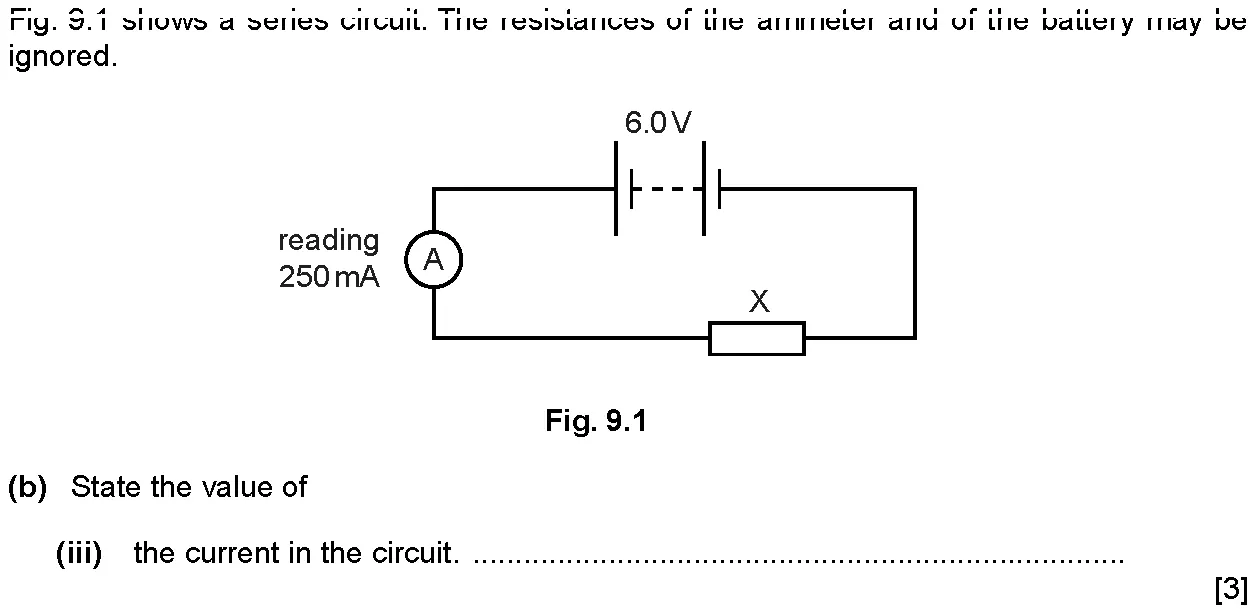
Written question 7 of 19 · part (b)(iii) (4 / 8) 3:00
Show the answer
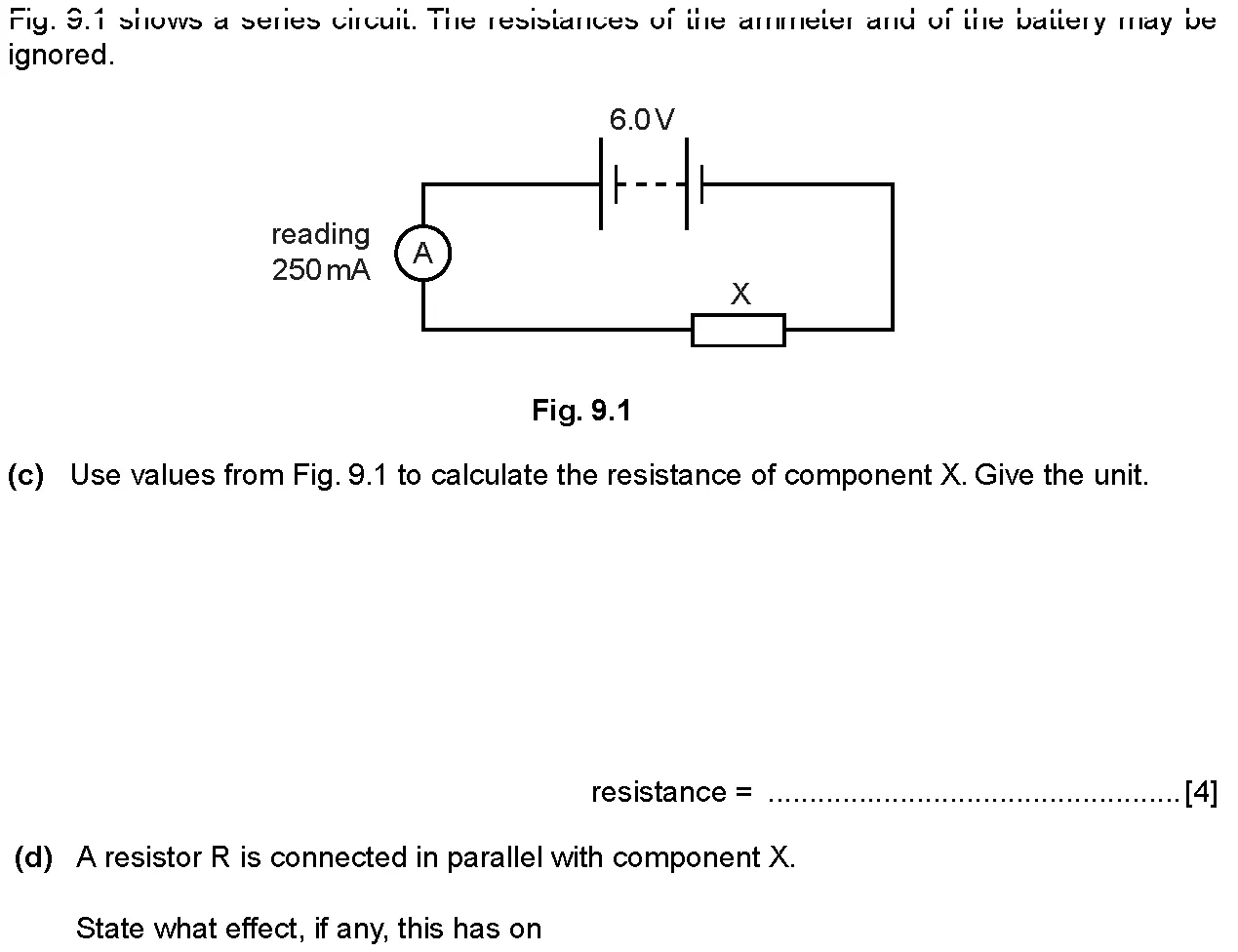
Written question 7 of 19 · part (c) (5 / 8) 3:00
Show the answer
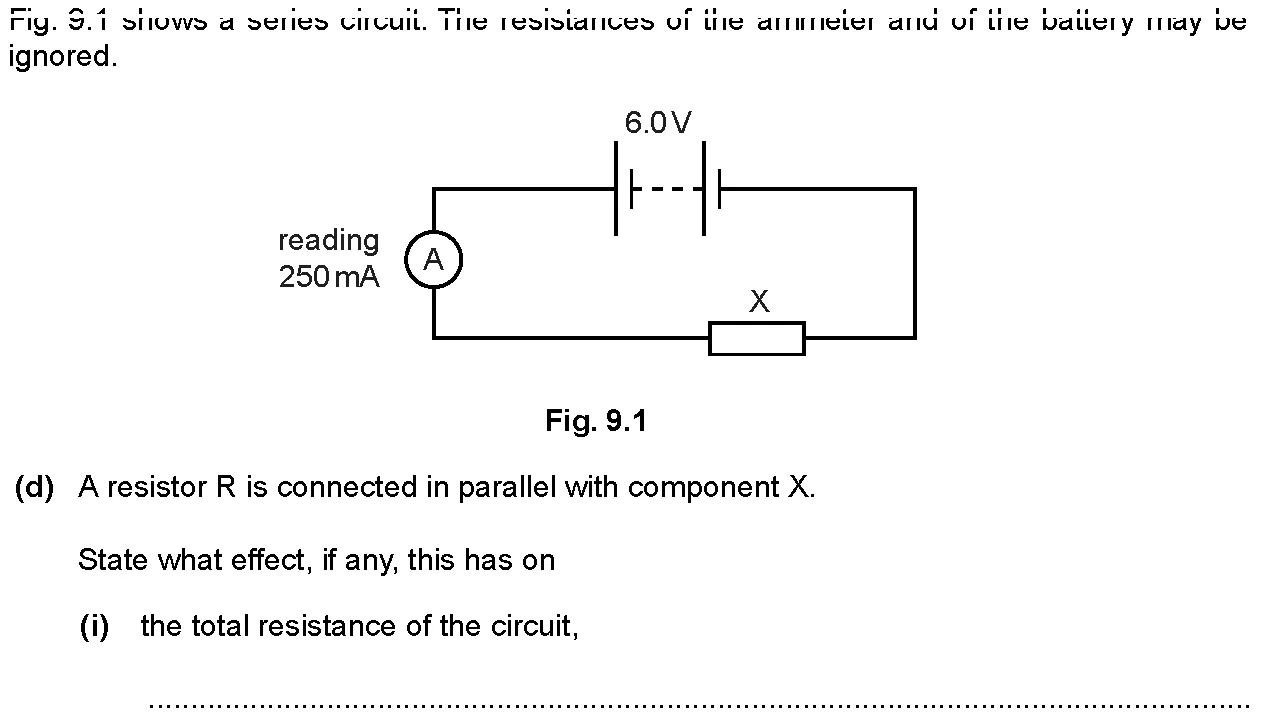
Written question 7 of 19 · part (d)(i) (6 / 8) 3:00
Show the answer
Written question 7 of 19 · part (d)(ii) (7 / 8) 3:00
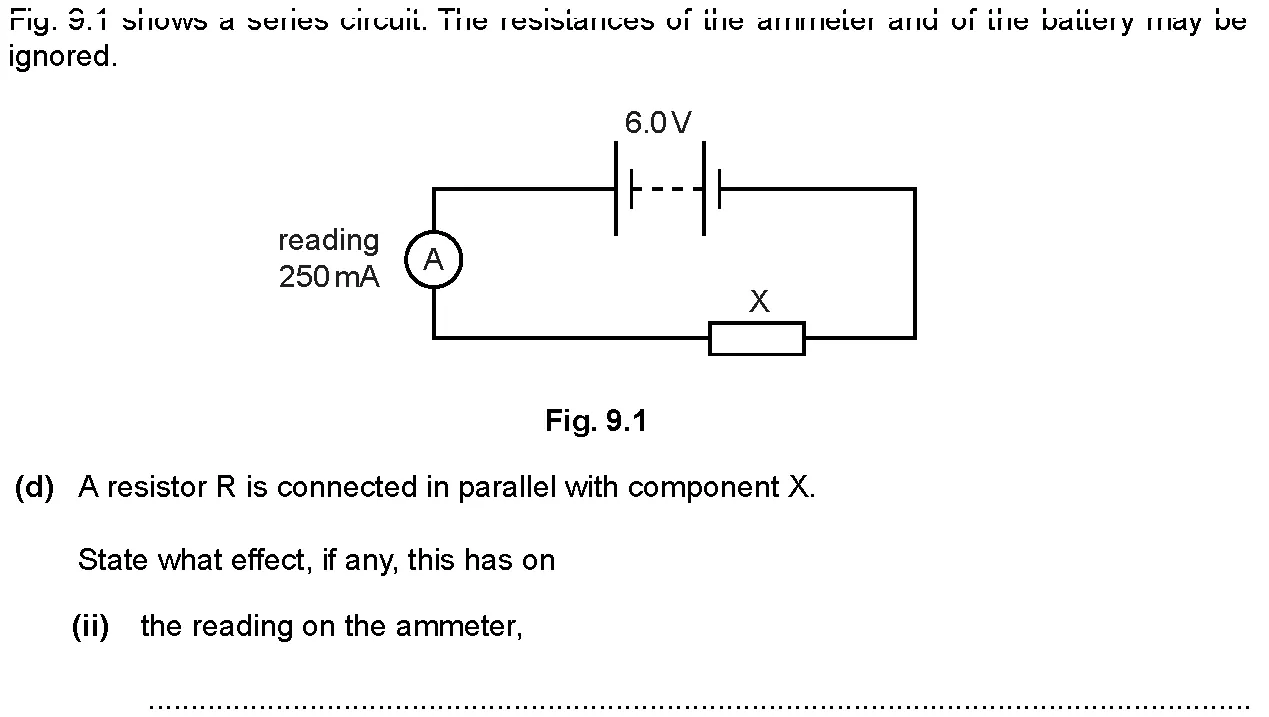
Show the answer
Written question 7 of 19 · part (d)(iii) (8 / 8) 3:00

Show the answer
Written question 8 of 19 · part (b)(i) (1 / 4) 3:00
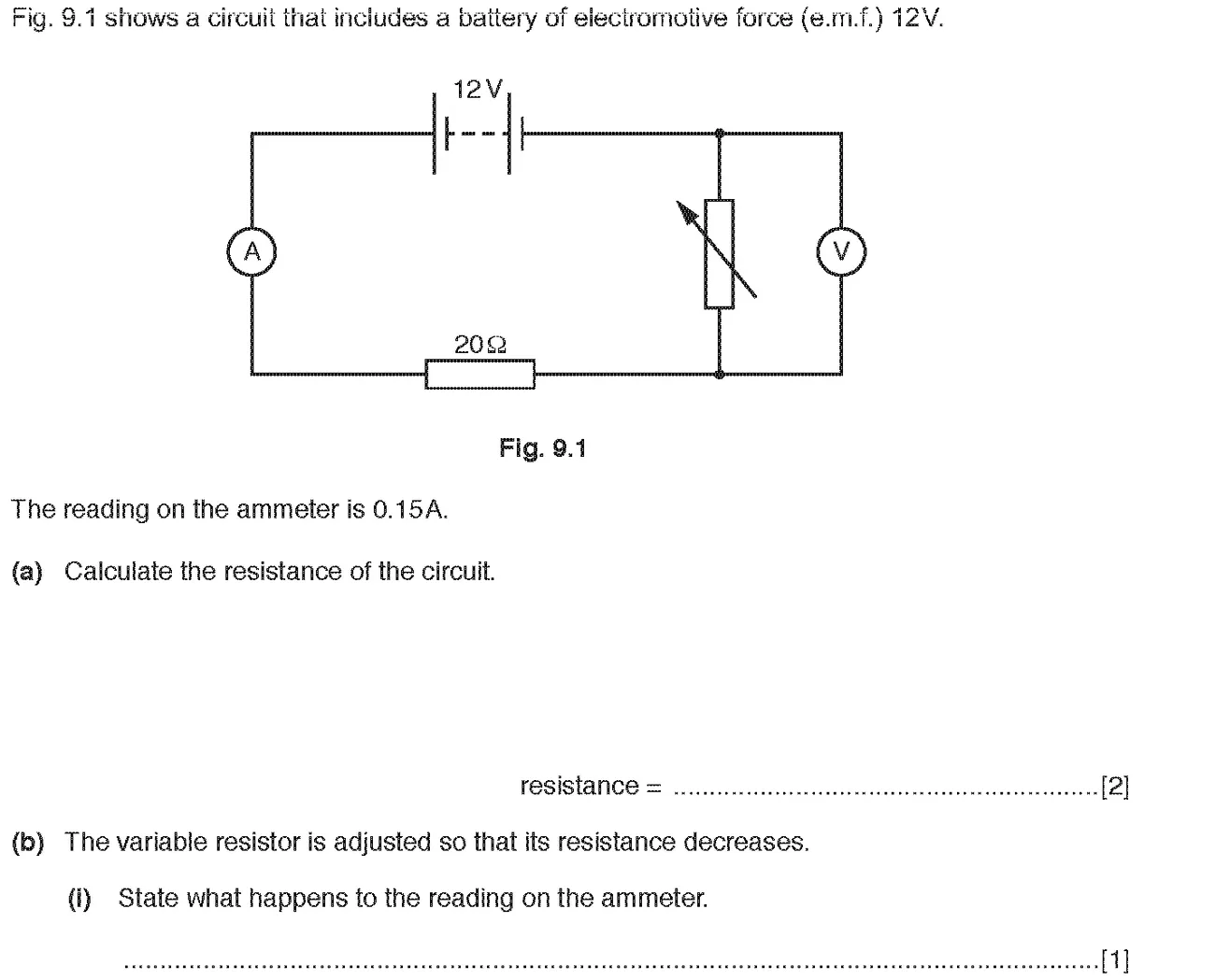
Show the answer
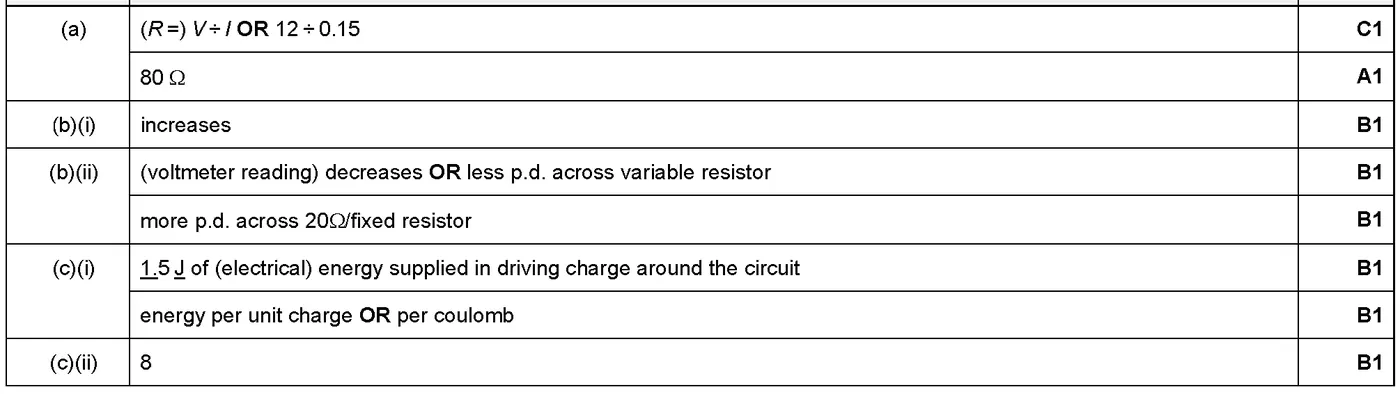
Written question 8 of 19 · part (b)(ii) (2 / 4) 3:00
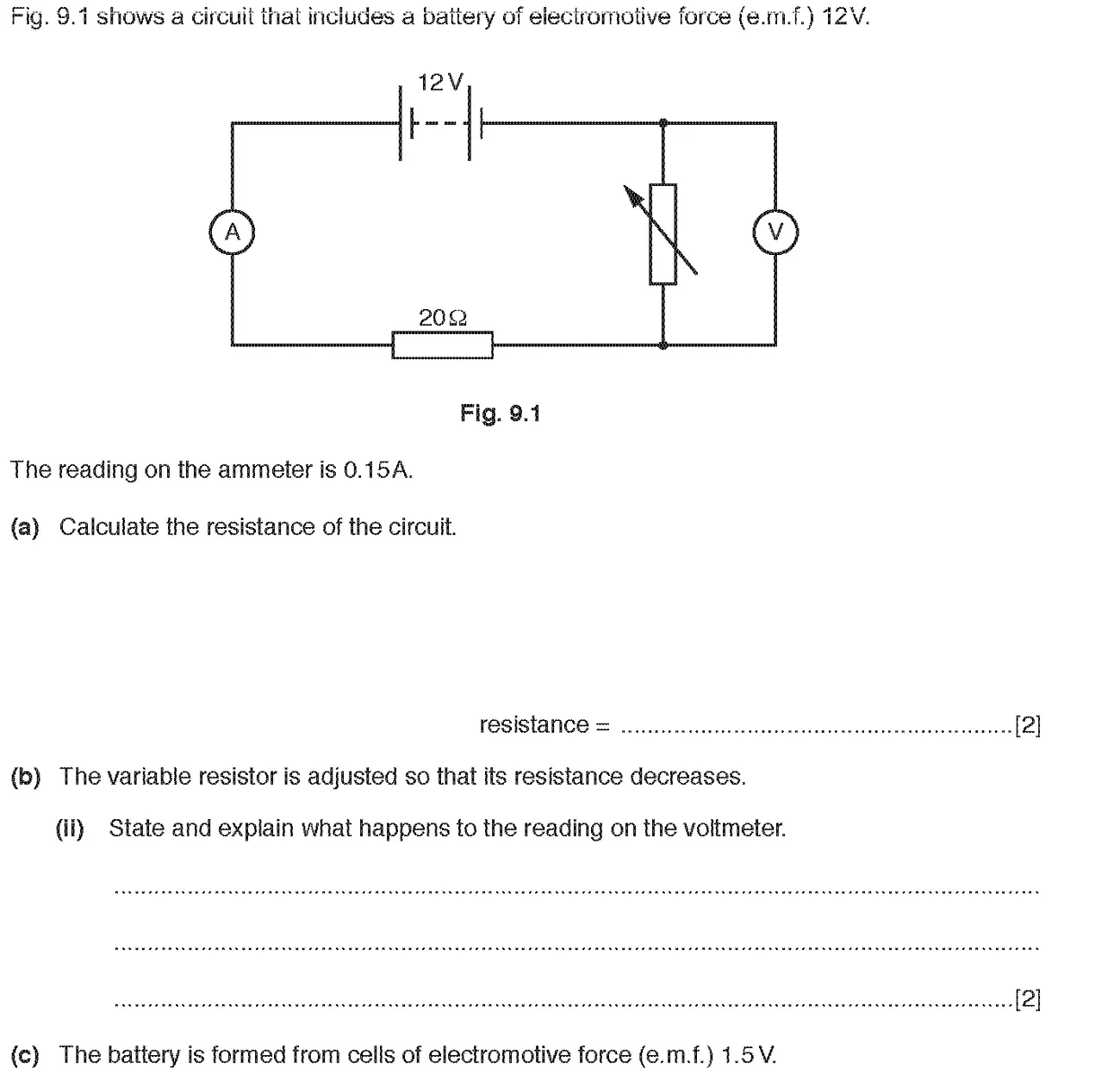
Show the answer
Written question 8 of 19 · part (c)(i) (3 / 4) 3:00
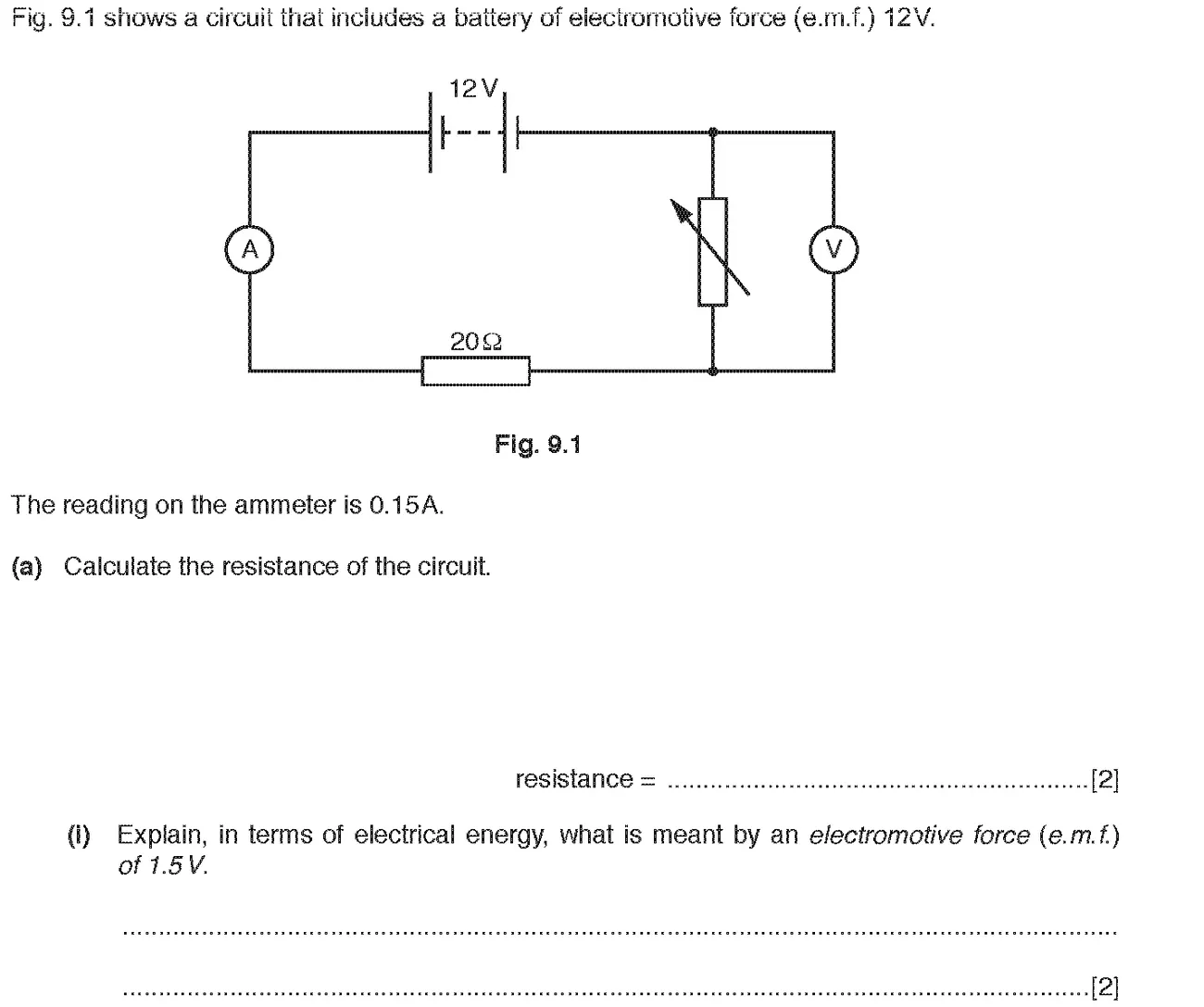
Show the answer
Written question 8 of 19 · part (c)(ii) (4 / 4) 3:00
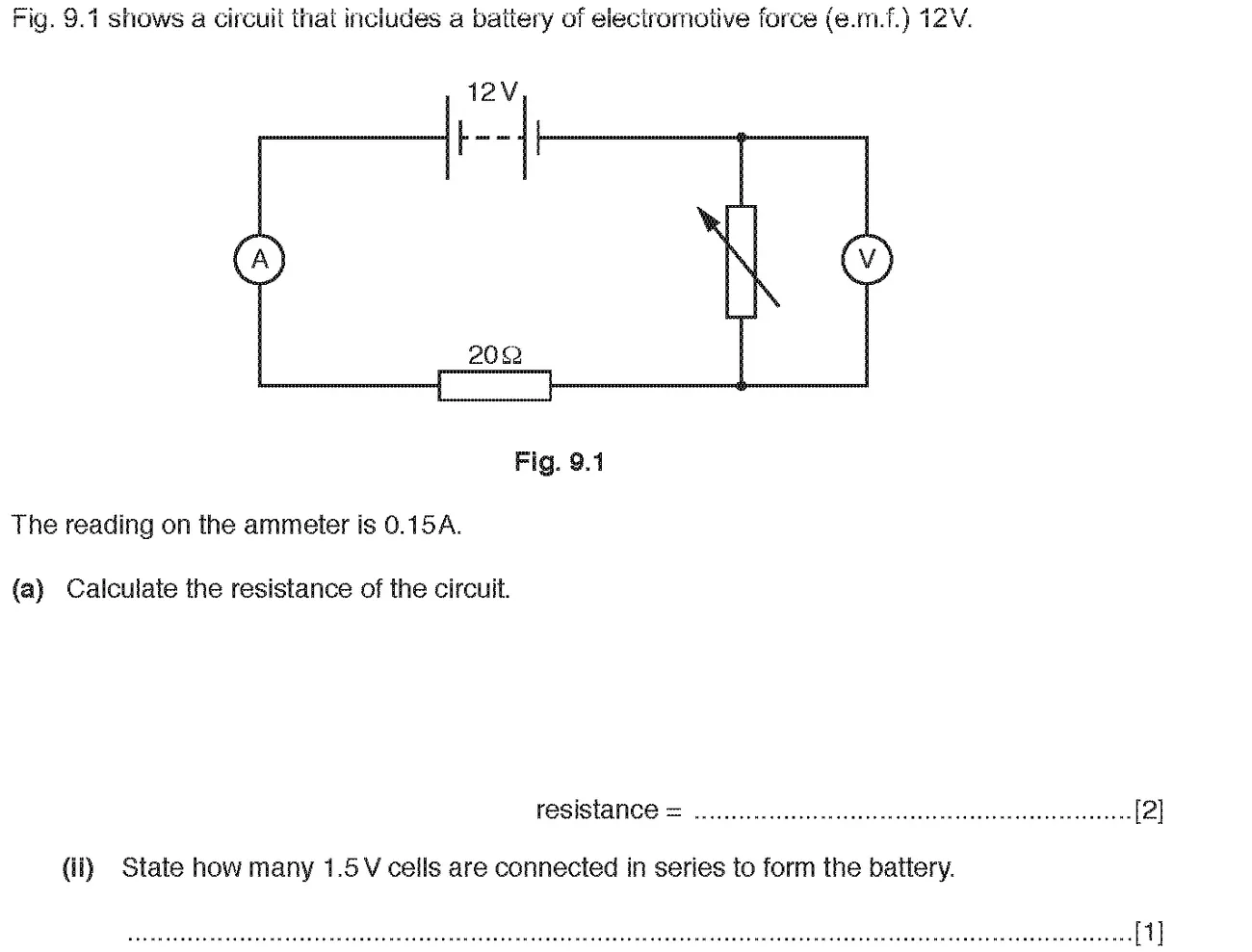
Show the answer
Written question 9 of 19 · part (a) (1 / 6) 3:00
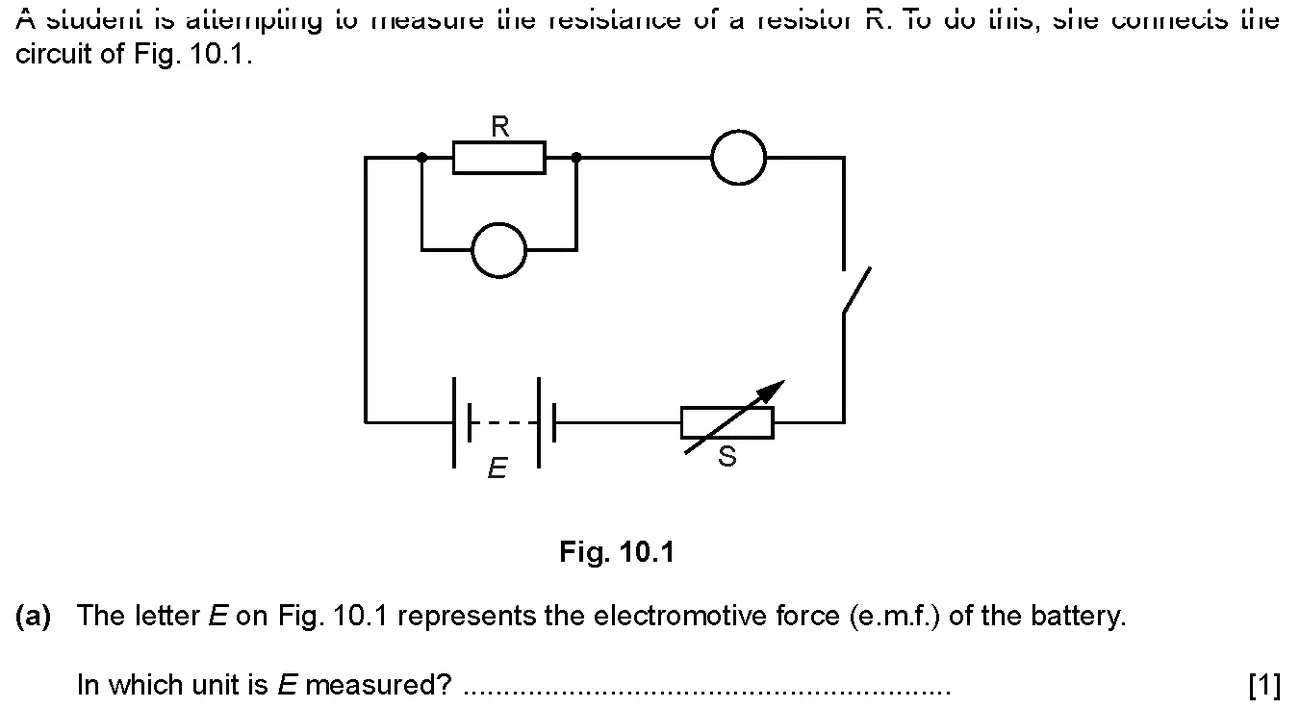
Show the answer
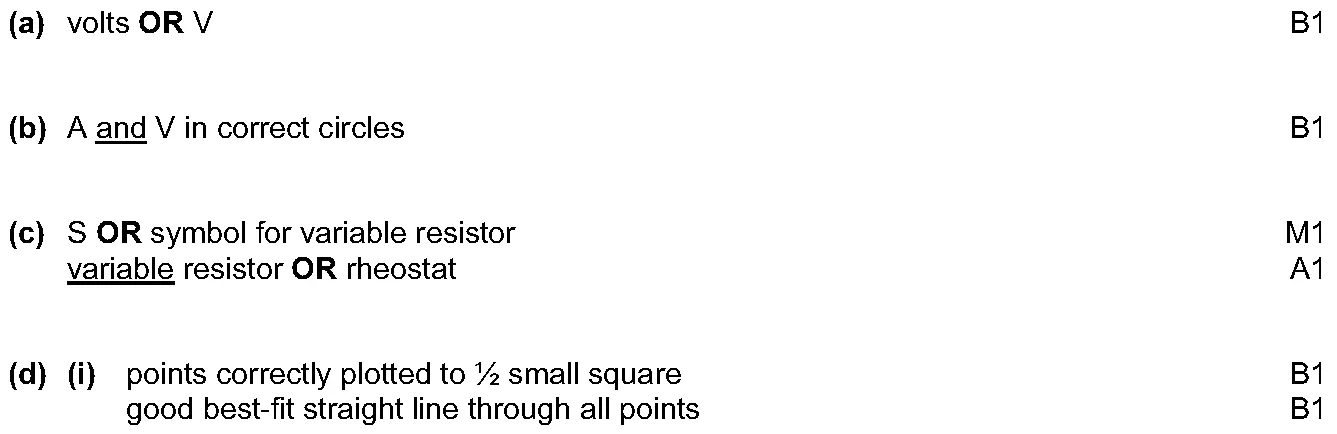
Written question 9 of 19 · part (b) (2 / 6) 3:00
Show the answer
Written question 9 of 19 · part (c)(i) (3 / 6) 3:00
Show the answer
Written question 9 of 19 · part (c)(ii) (4 / 6) 3:00

Show the answer
Written question 9 of 19 · part (d)(i) (5 / 6) 3:00
Show the answer
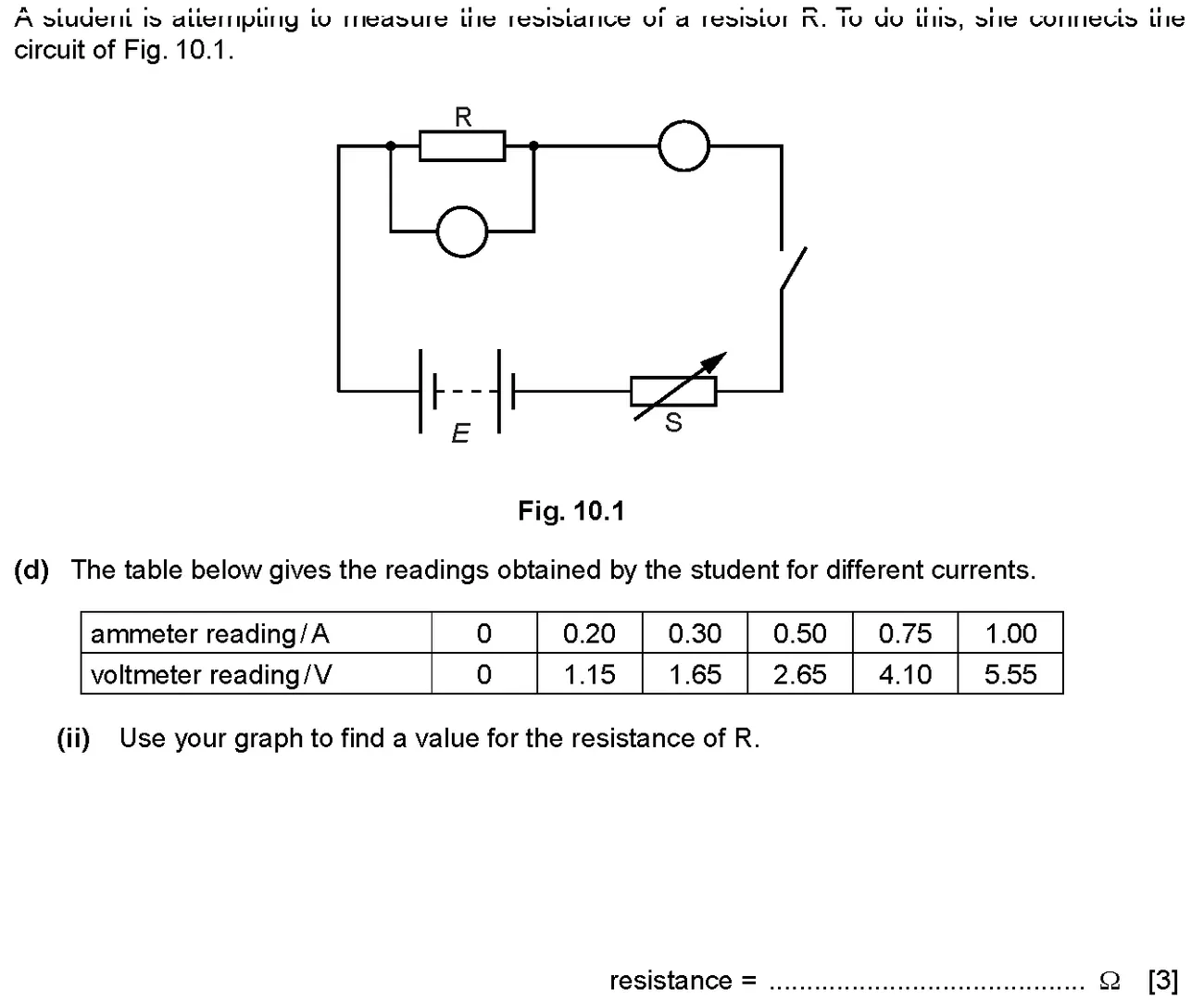
Written question 9 of 19 · part (d)(ii) (6 / 6) 3:00
Show the answer
Written question 10 of 19 · part (a)(i) (1 / 4) 3:00

Show the answer

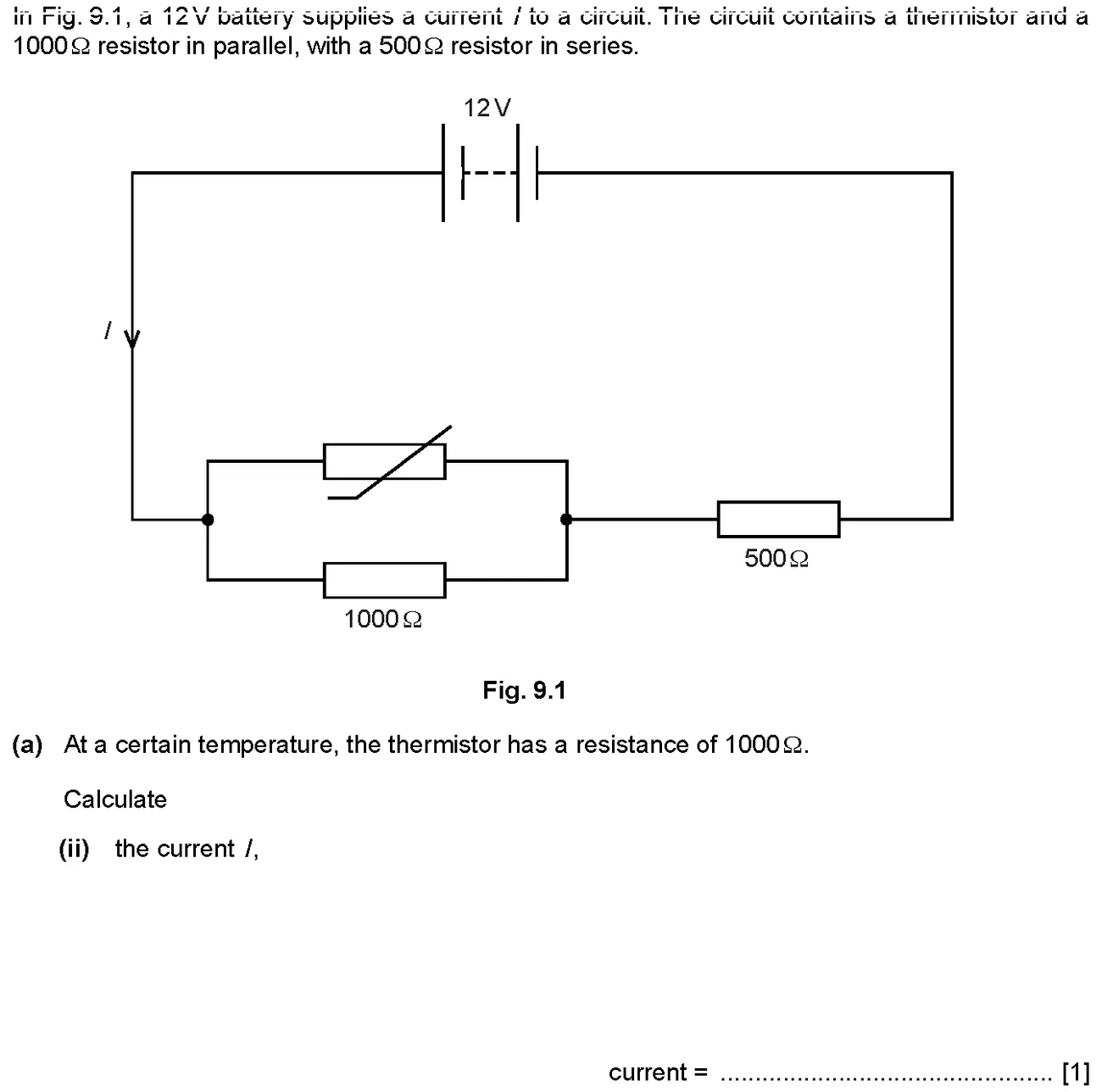
Written question 10 of 19 · part (a)(ii) (2 / 4) 3:00
Show the answer
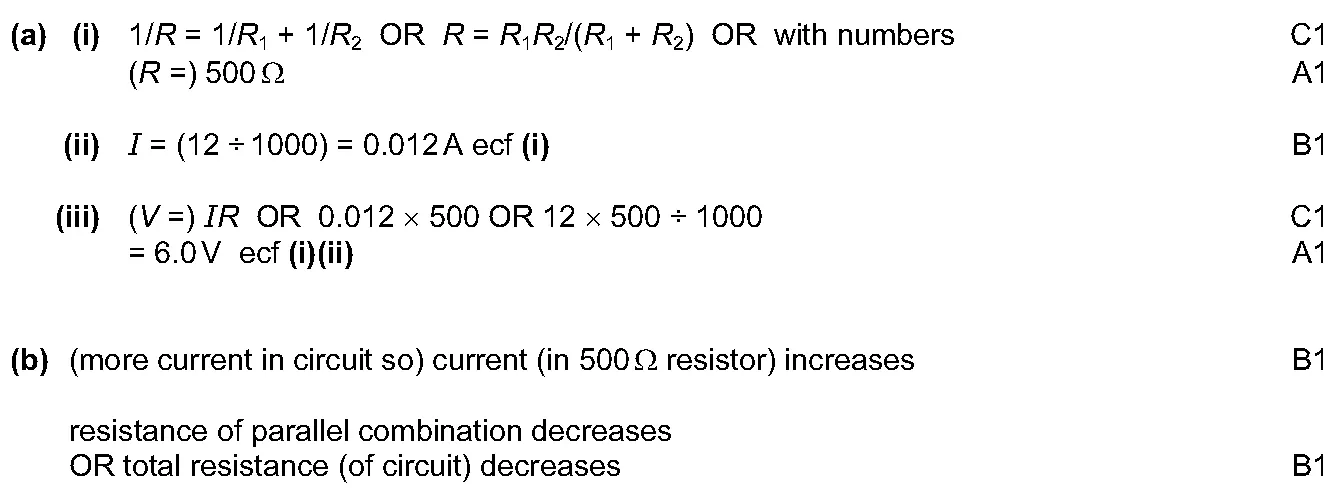
Written question 10 of 19 · part (a)(iii) (3 / 4) 3:00

Show the answer

Written question 10 of 19 · part (b) (4 / 4) 3:00

Show the answer

Written question 11 of 19 · part (a)(i) (1 / 4) 3:00

Show the answer

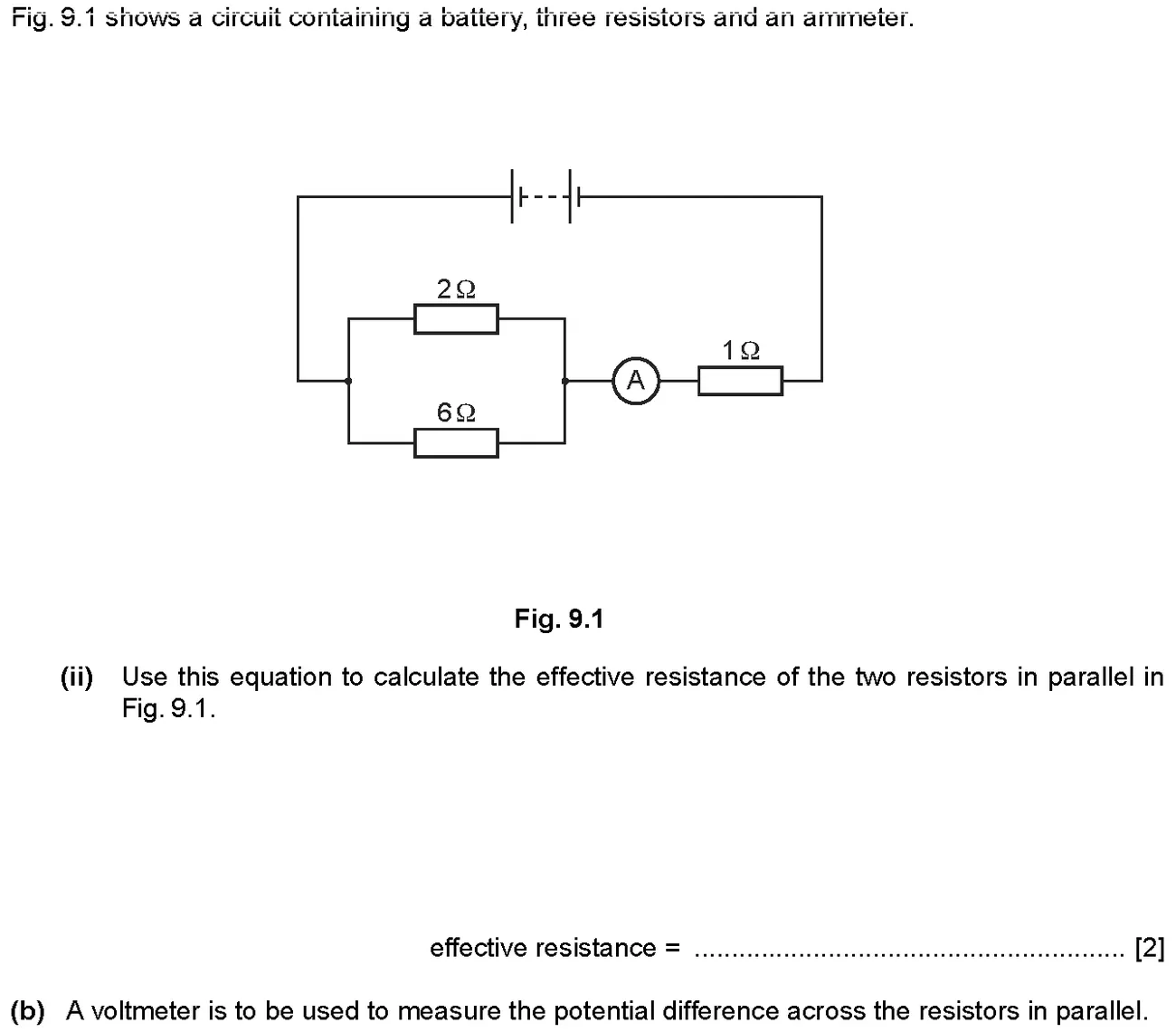
Written question 11 of 19 · part (a)(ii) (2 / 4) 3:00
Show the answer

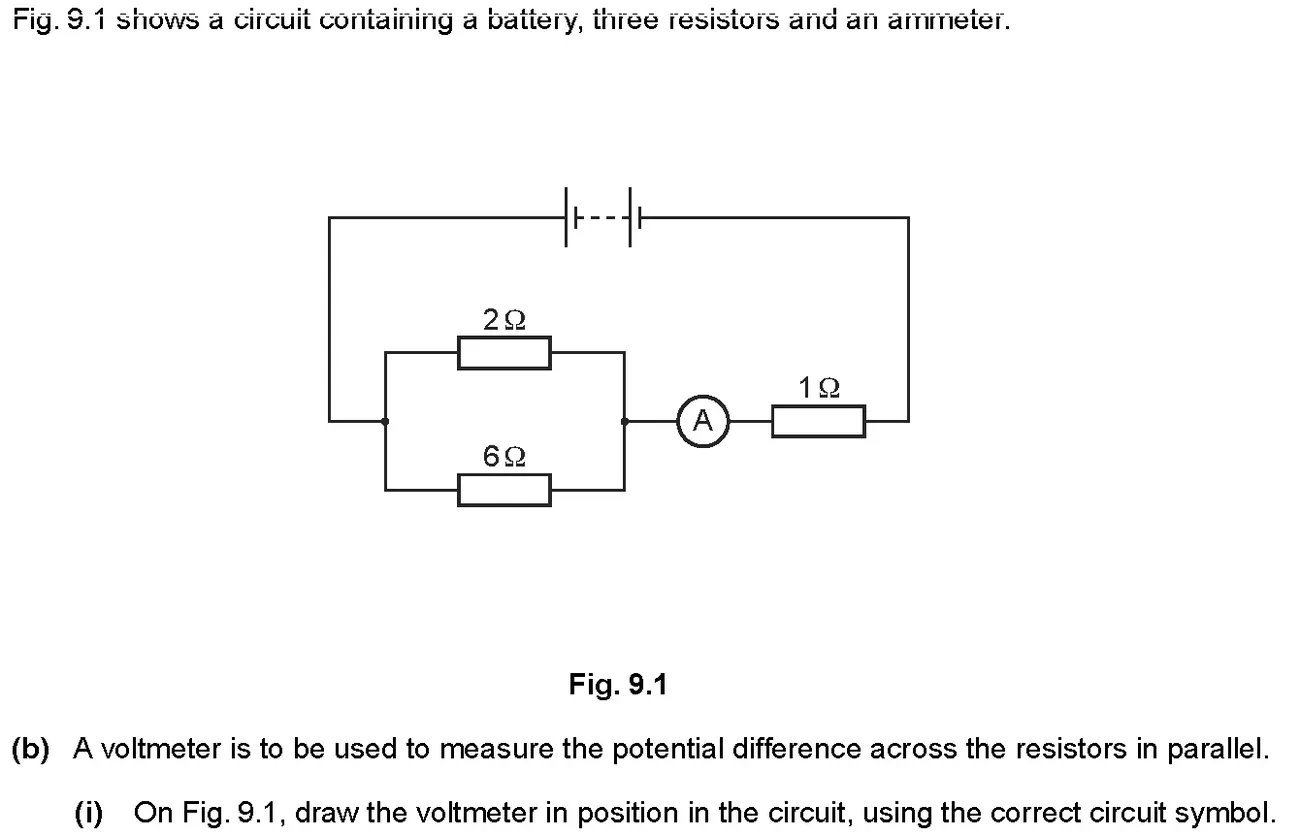
Written question 11 of 19 · part (b)(i) (3 / 4) 3:00
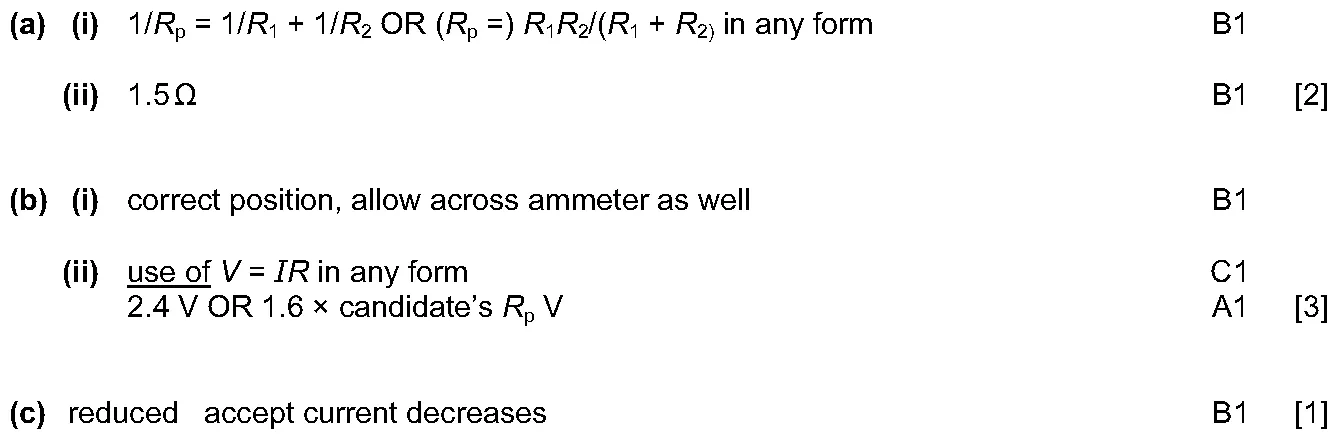
Show the answer
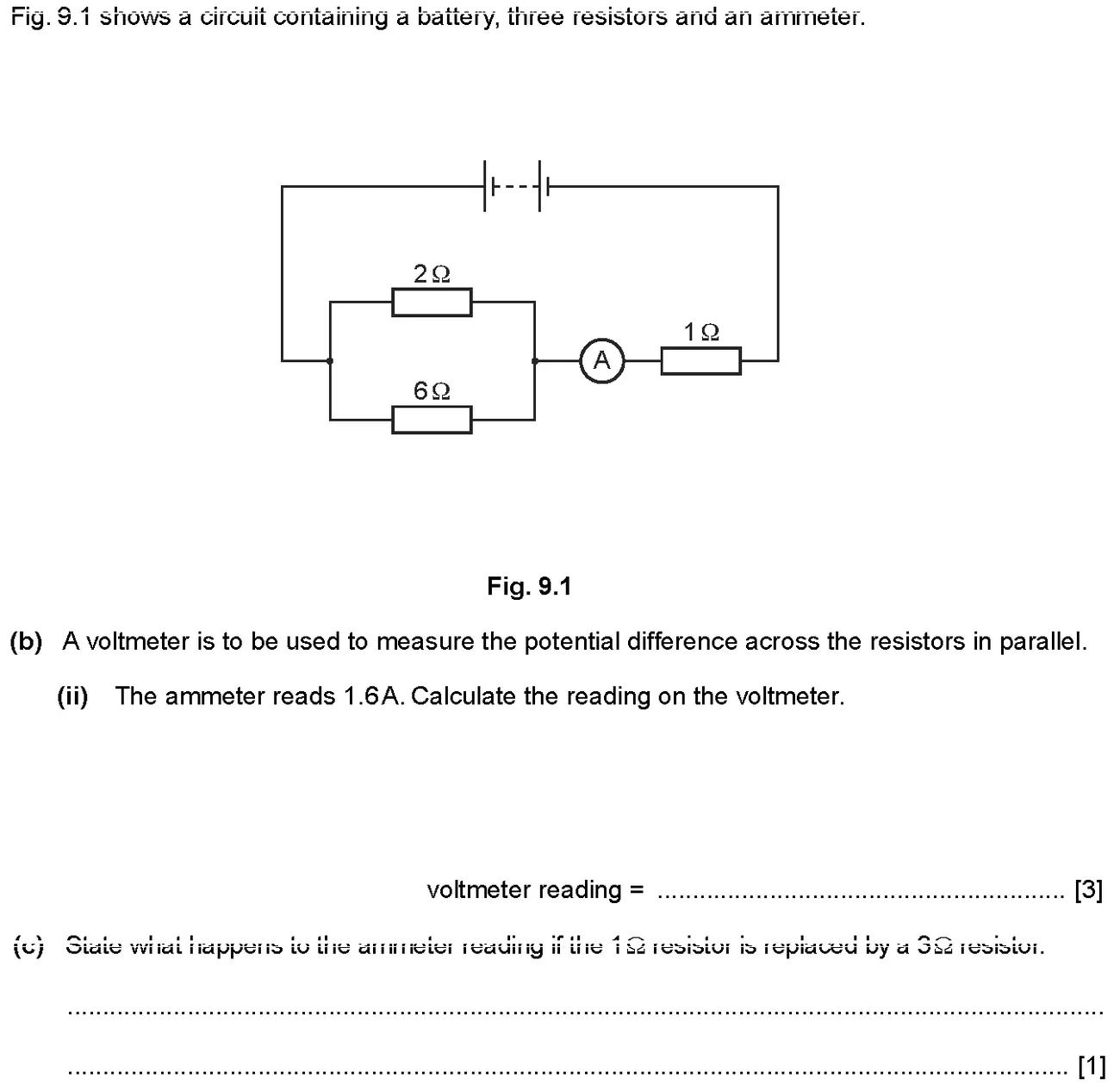
Written question 11 of 19 · part (b)(ii) (4 / 4) 3:00
Show the answer
Written question 12 of 19 · part (a)(i) (1 / 3) 3:00

Show the answer
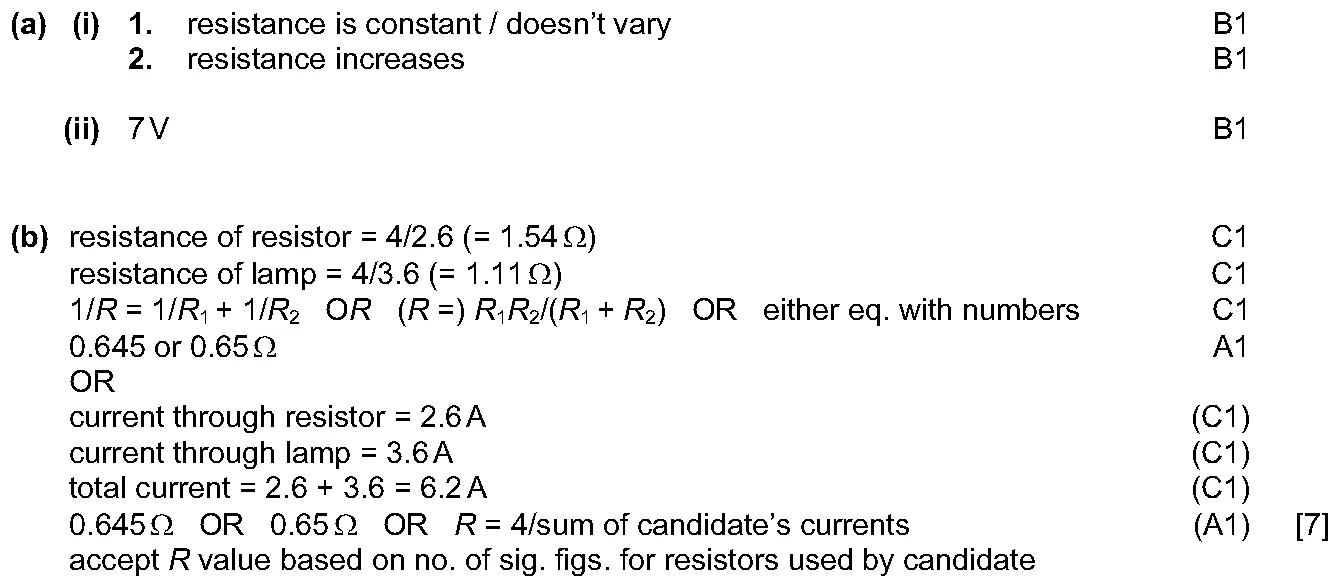
Written question 12 of 19 · part (a)(ii) (2 / 3) 3:00

Show the answer
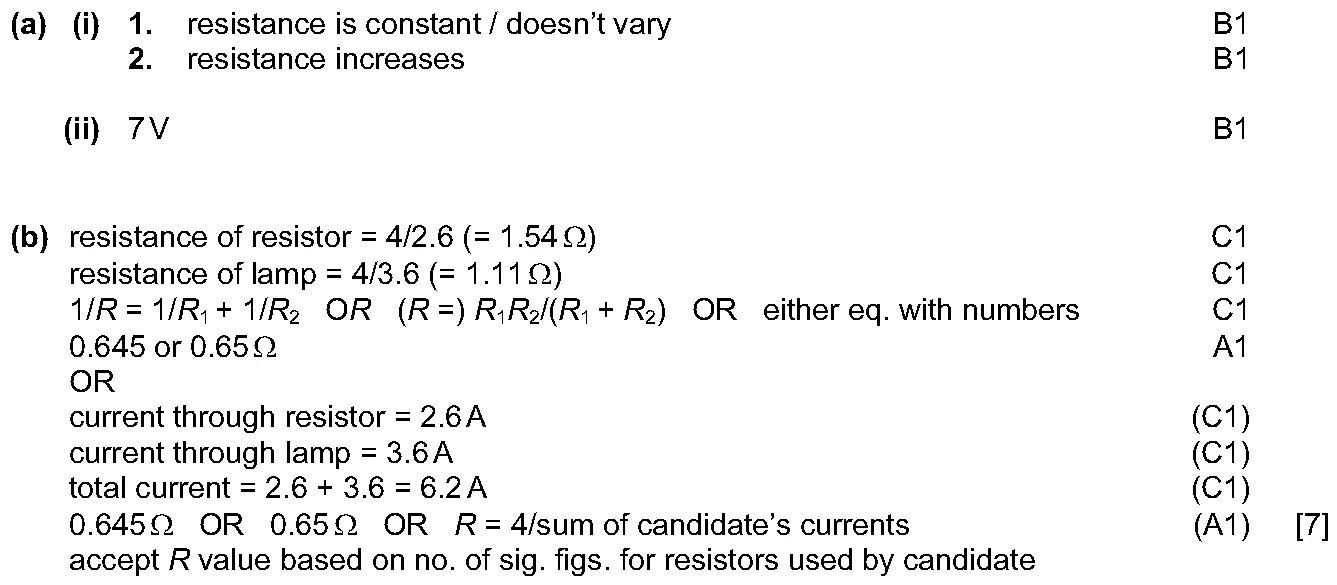
Written question 12 of 19 · part (b) (3 / 3) 3:00

Show the answer

Written question 13 of 19 7:00
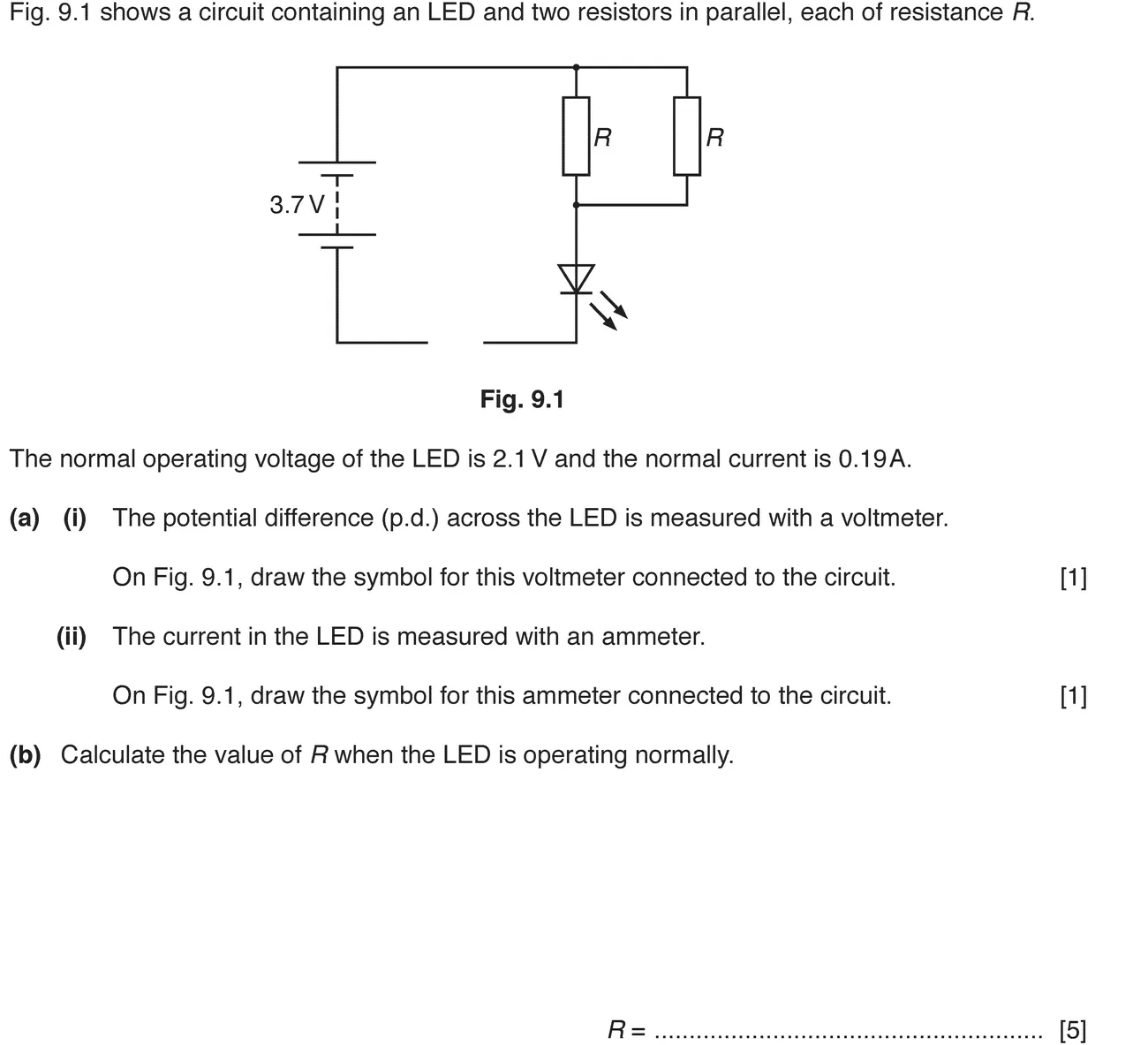
Show the answer
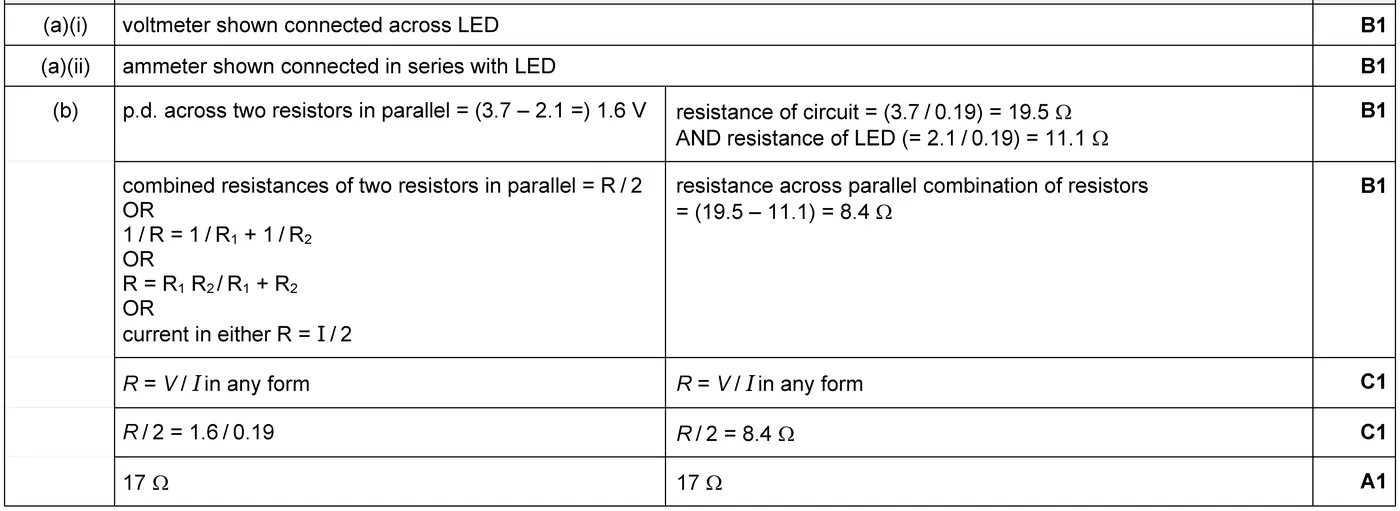
Written question 14 of 19 · part (a)(i) (1 / 7) 3:00

Show the answer
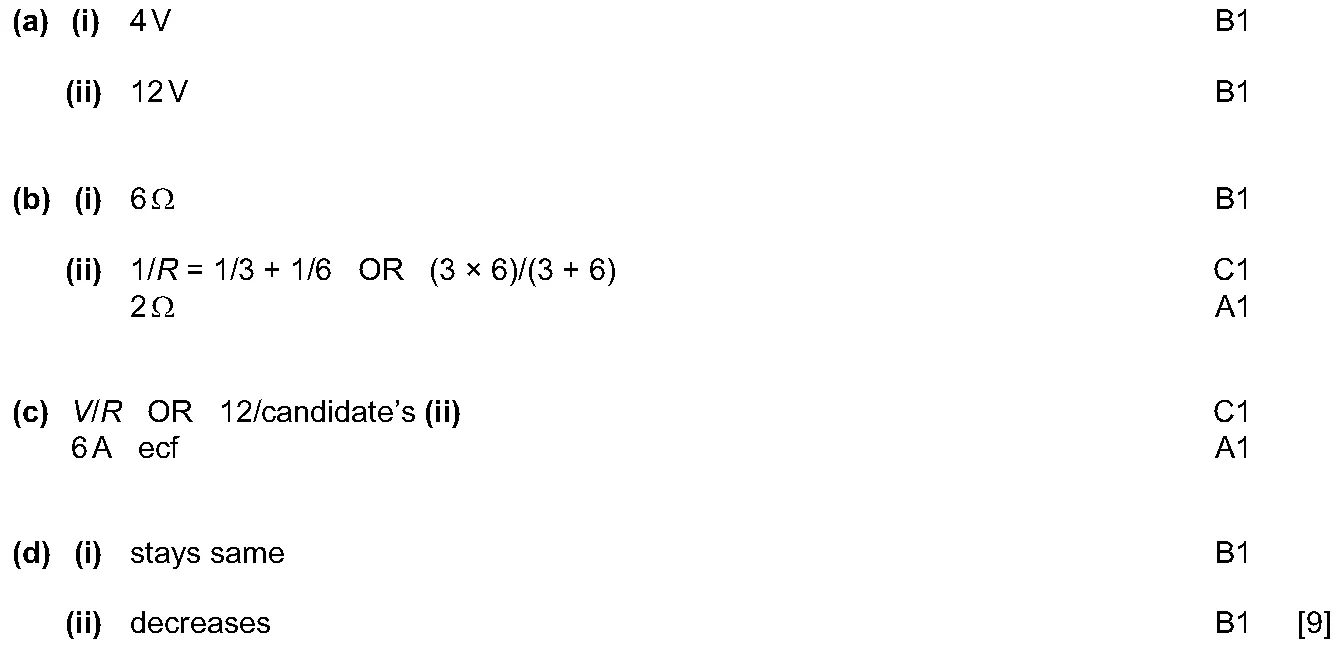
Written question 14 of 19 · part (a)(ii) (2 / 7) 3:00

Show the answer

Written question 14 of 19 · part (b)(i) (3 / 7) 3:00

Show the answer

Written question 14 of 19 · part (b)(ii) (4 / 7) 3:00

Show the answer
Written question 14 of 19 · part (c) (5 / 7) 3:00

Show the answer
Written question 14 of 19 · part (d)(i) (6 / 7) 3:00

Show the answer
Written question 14 of 19 · part (d)(ii) (7 / 7) 3:00

Show the answer
Written question 15 of 19 · part (a)(i) (1 / 7) 3:00

Show the answer

Written question 15 of 19 · part (a)(ii) (2 / 7) 3:00

Show the answer

Written question 15 of 19 · part (b)(i) (3 / 7) 3:00

Show the answer

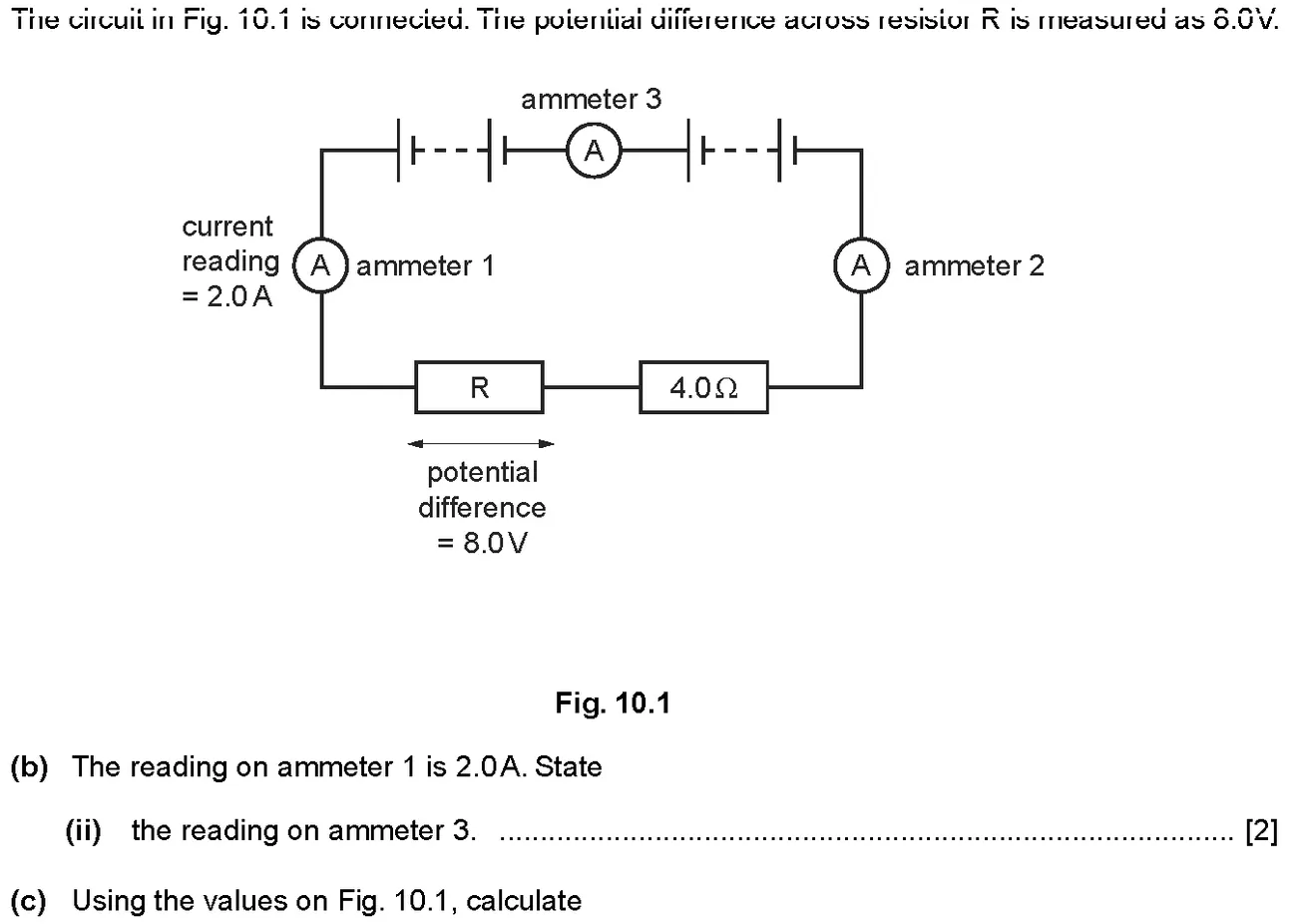
Written question 15 of 19 · part (b)(ii) (4 / 7) 3:00
Show the answer
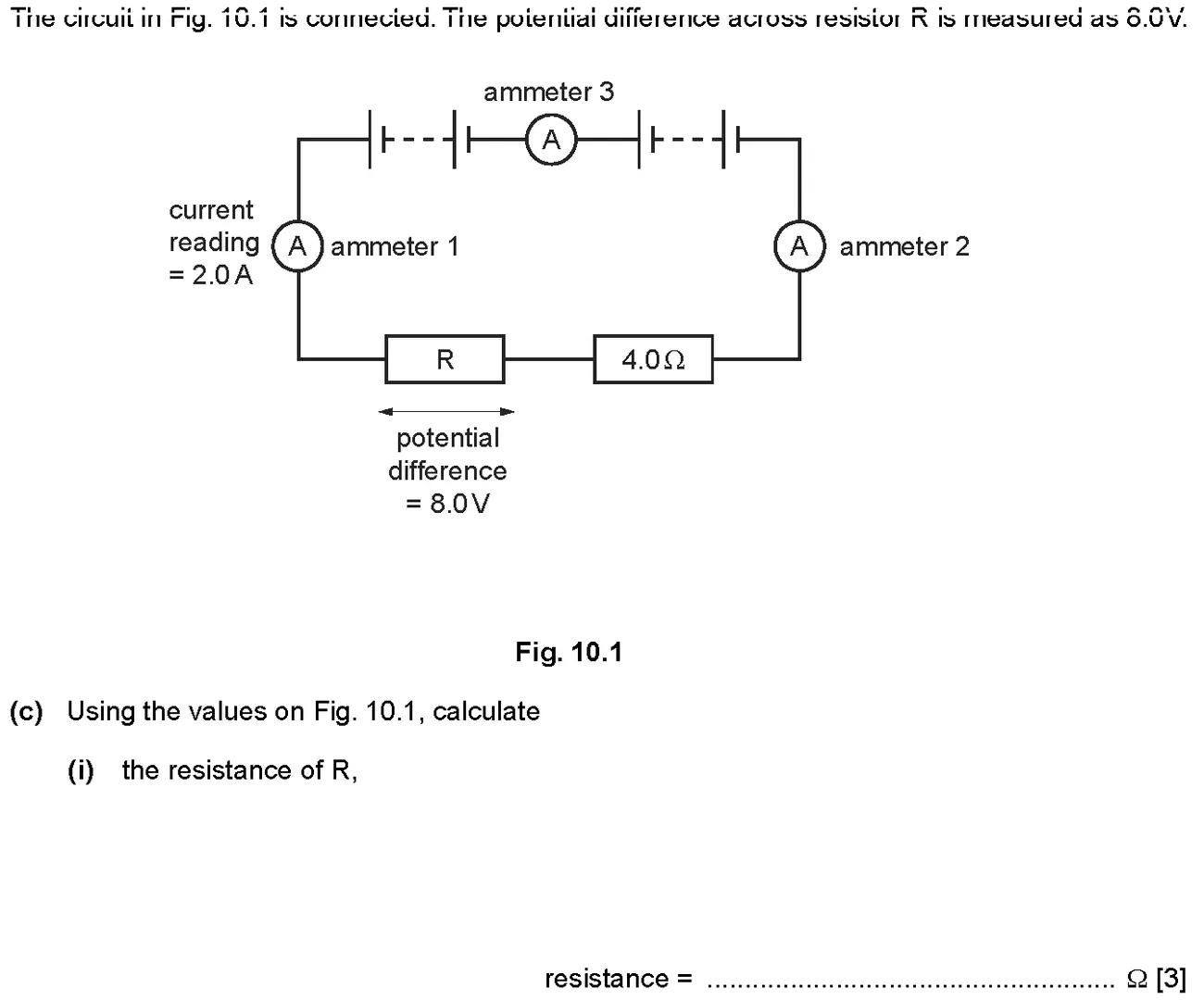
Written question 15 of 19 · part (c)(i) (5 / 7) 3:00
Show the answer
Written question 15 of 19 · part (c)(ii) (6 / 7) 3:00

Show the answer
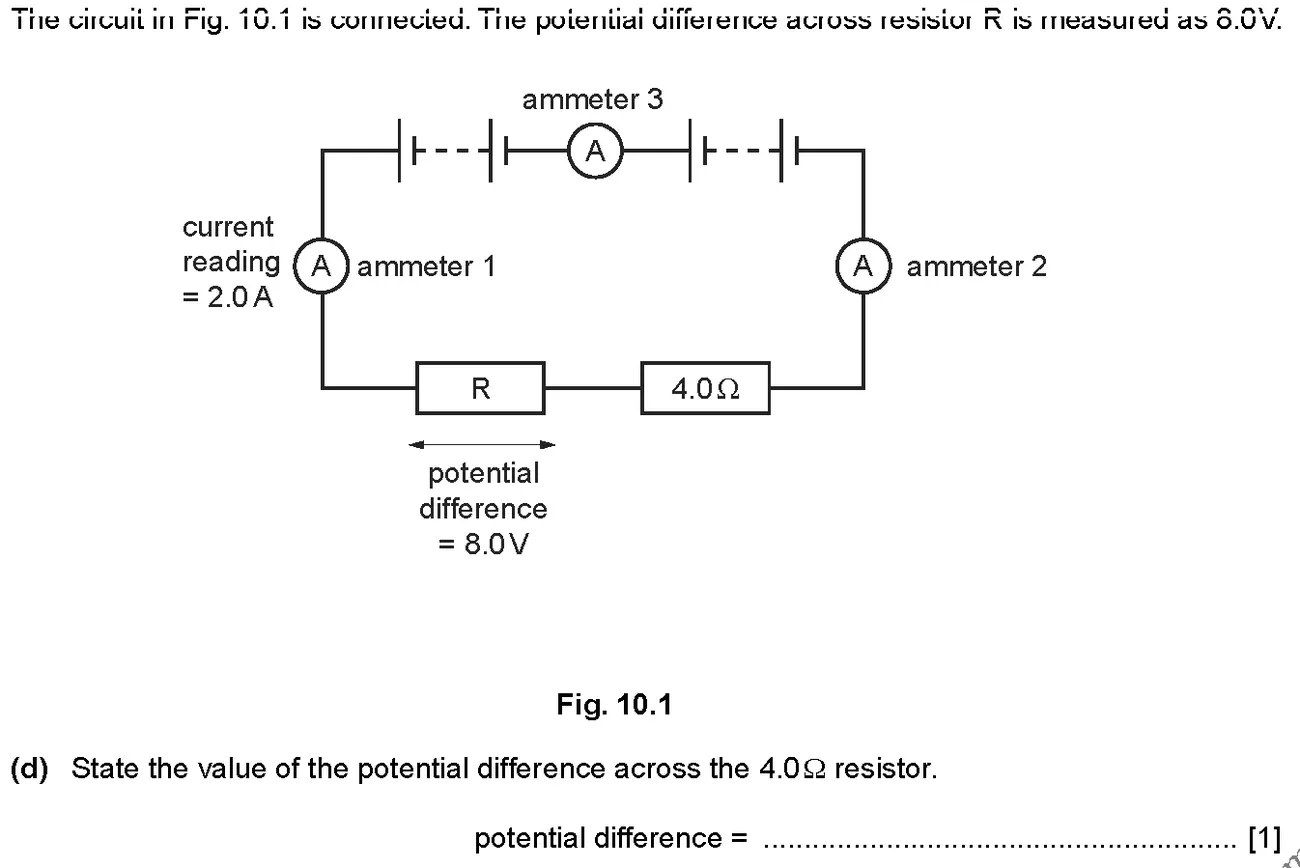
Written question 15 of 19 · part (d) (7 / 7) 3:00
Show the answer
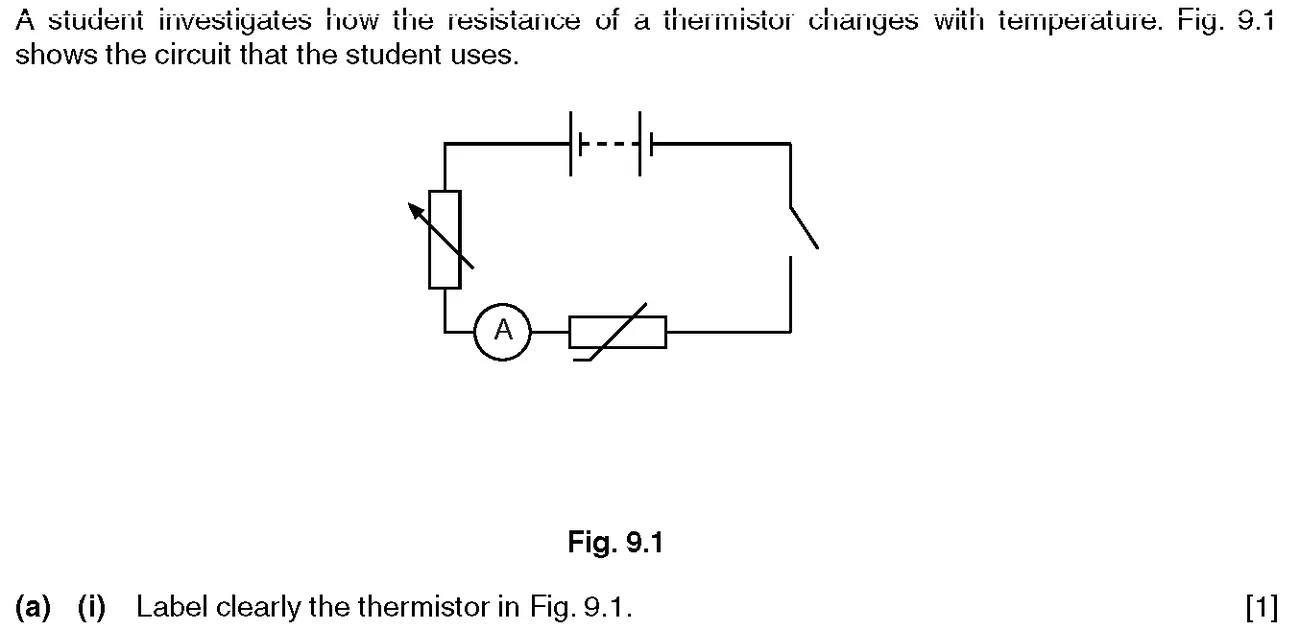


Written question 17 of 19 · part (a)(i) (1 / 9) 3:00
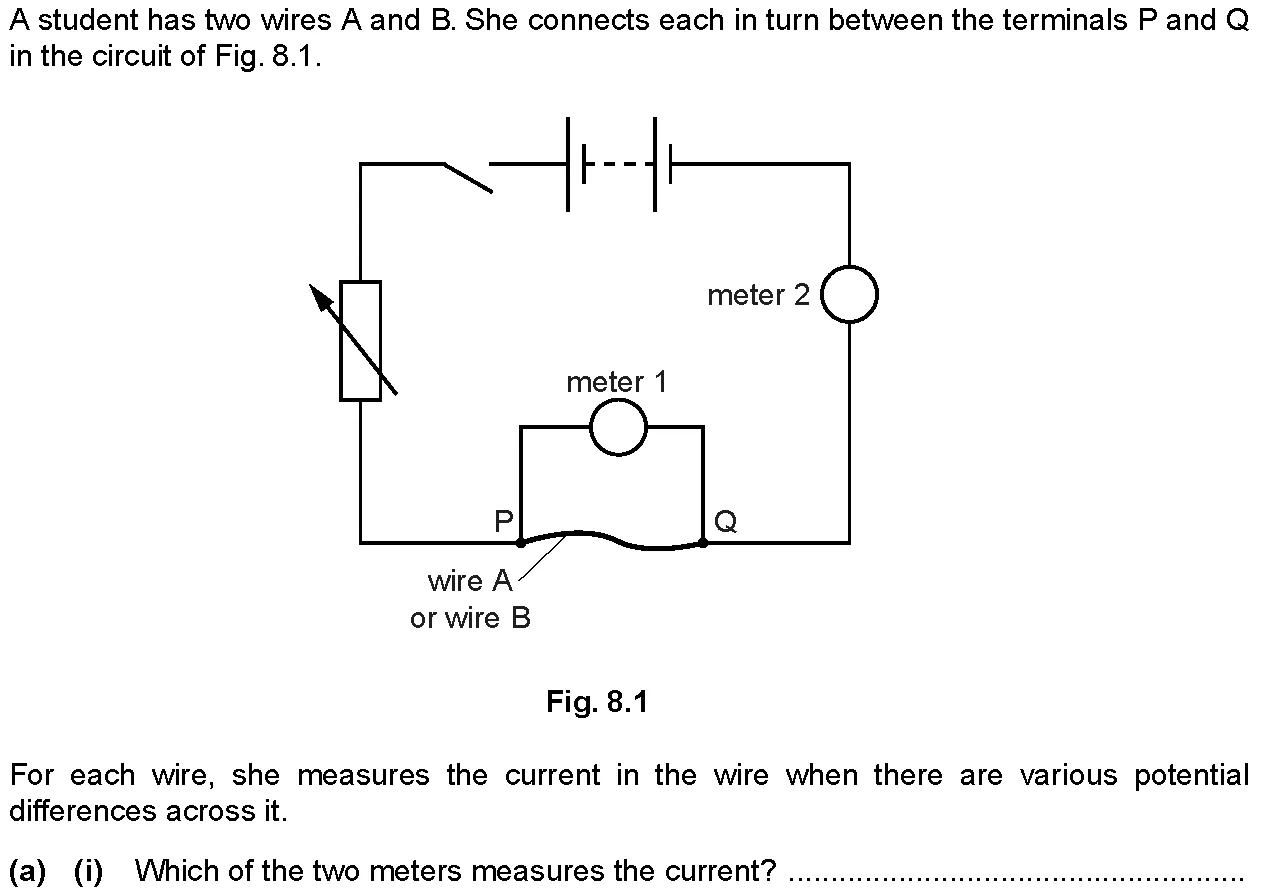
Show the answer

Written question 17 of 19 · part (a)(ii) (2 / 9) 3:00

Show the answer
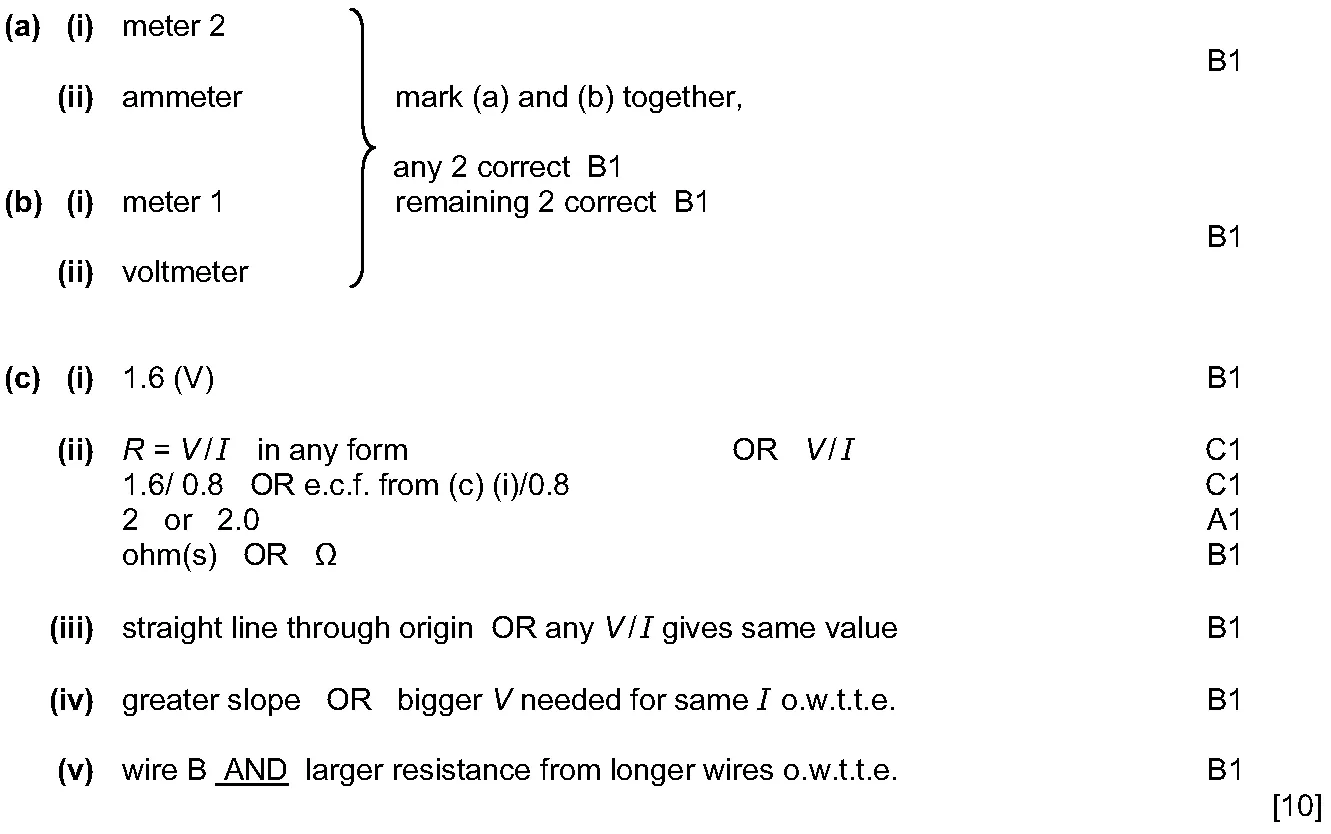
Written question 17 of 19 · part (b)(i) (3 / 9) 3:00

Show the answer
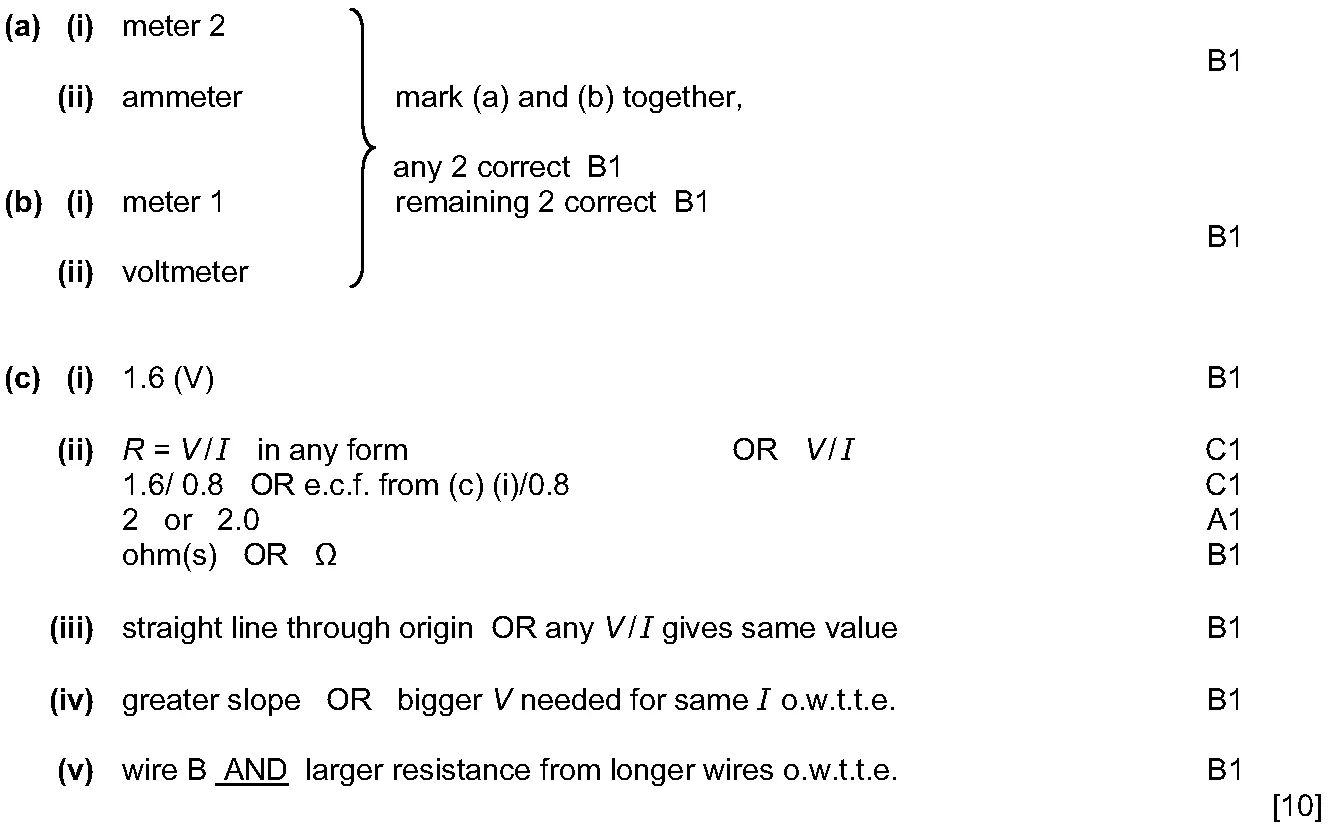
Written question 17 of 19 · part (b)(ii) (4 / 9) 3:00
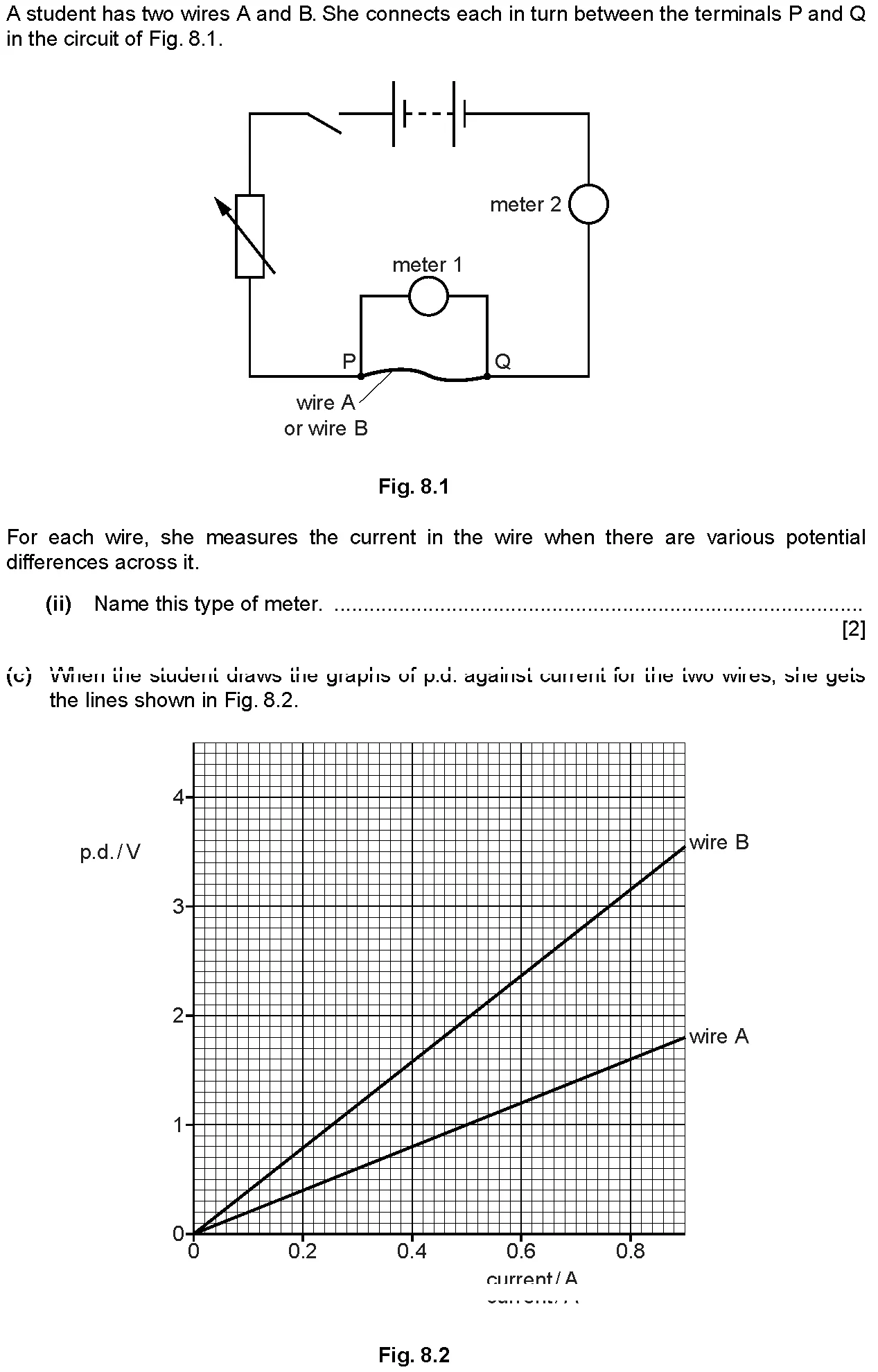
Show the answer
Written question 17 of 19 · part (c)(i) (5 / 9) 3:00
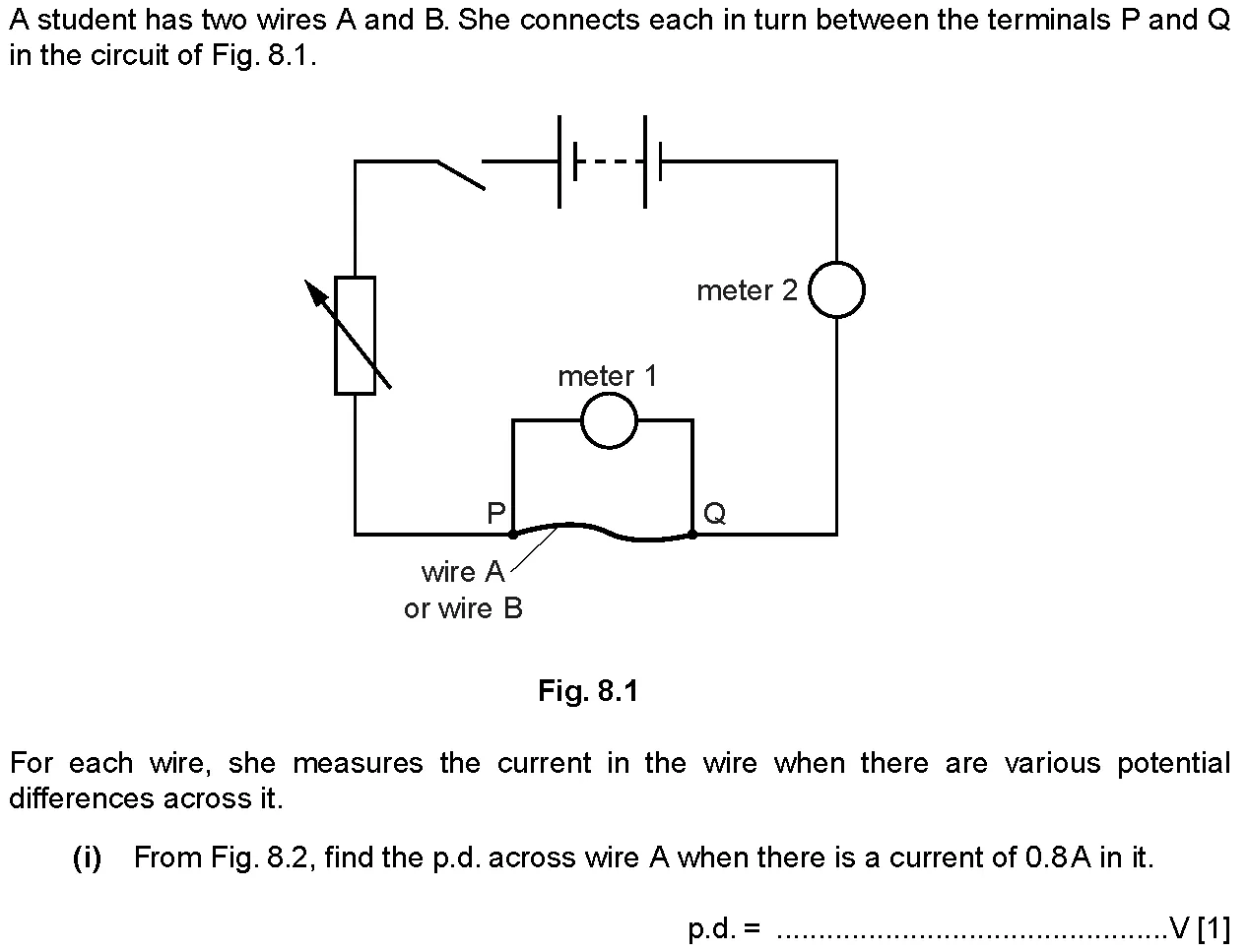
Show the answer
Written question 17 of 19 · part (c)(ii) (6 / 9) 3:00

Show the answer
Written question 17 of 19 · part (c)(iii) (7 / 9) 3:00

Show the answer
Written question 17 of 19 · part (c)(iv) (8 / 9) 3:00

Show the answer
Written question 17 of 19 · part (c)(v) (9 / 9) 3:00

Show the answer
Written question 18 of 19 7:00

Show the answer

Written question 19 of 19 · part (a) (1 / 6) 3:00

Show the answer

Written question 19 of 19 · part (b)(i) (2 / 6) 3:00

Show the answer
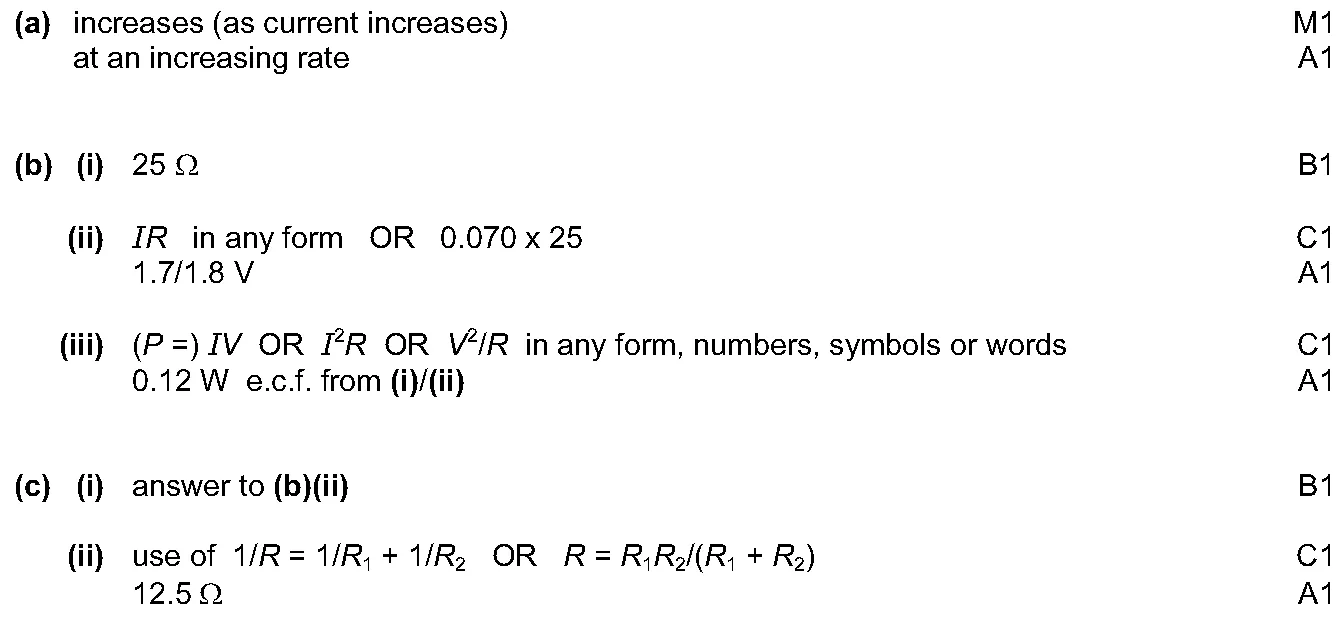
Written question 19 of 19 · part (b)(ii) (3 / 6) 3:00
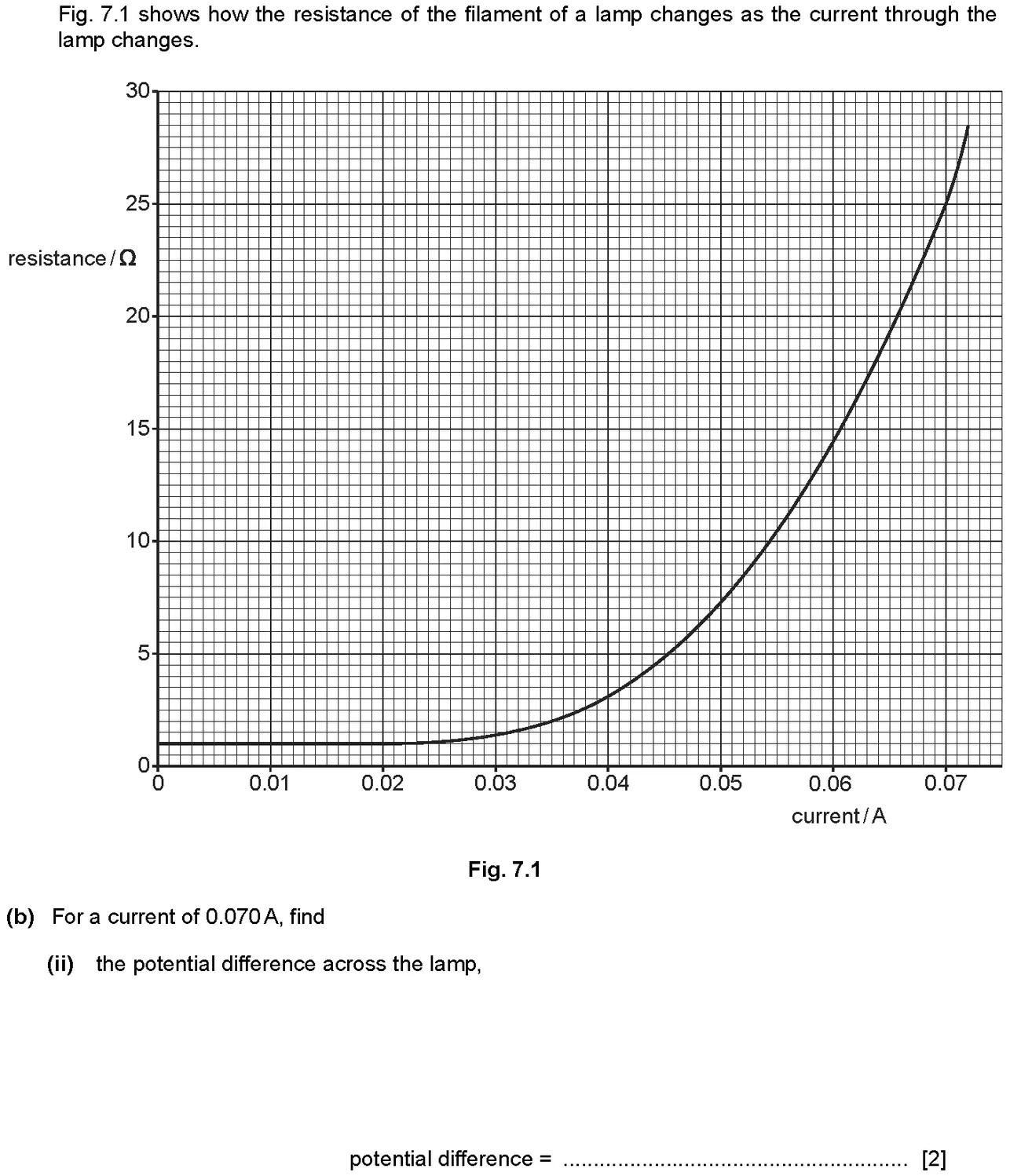
Show the answer
Written question 19 of 19 · part (b)(iii) (4 / 6) 3:00

Show the answer
Written question 19 of 19 · part (c)(i) (5 / 6) 3:00

Show the answer
Written question 19 of 19 · part (c)(ii) (6 / 6) 3:00
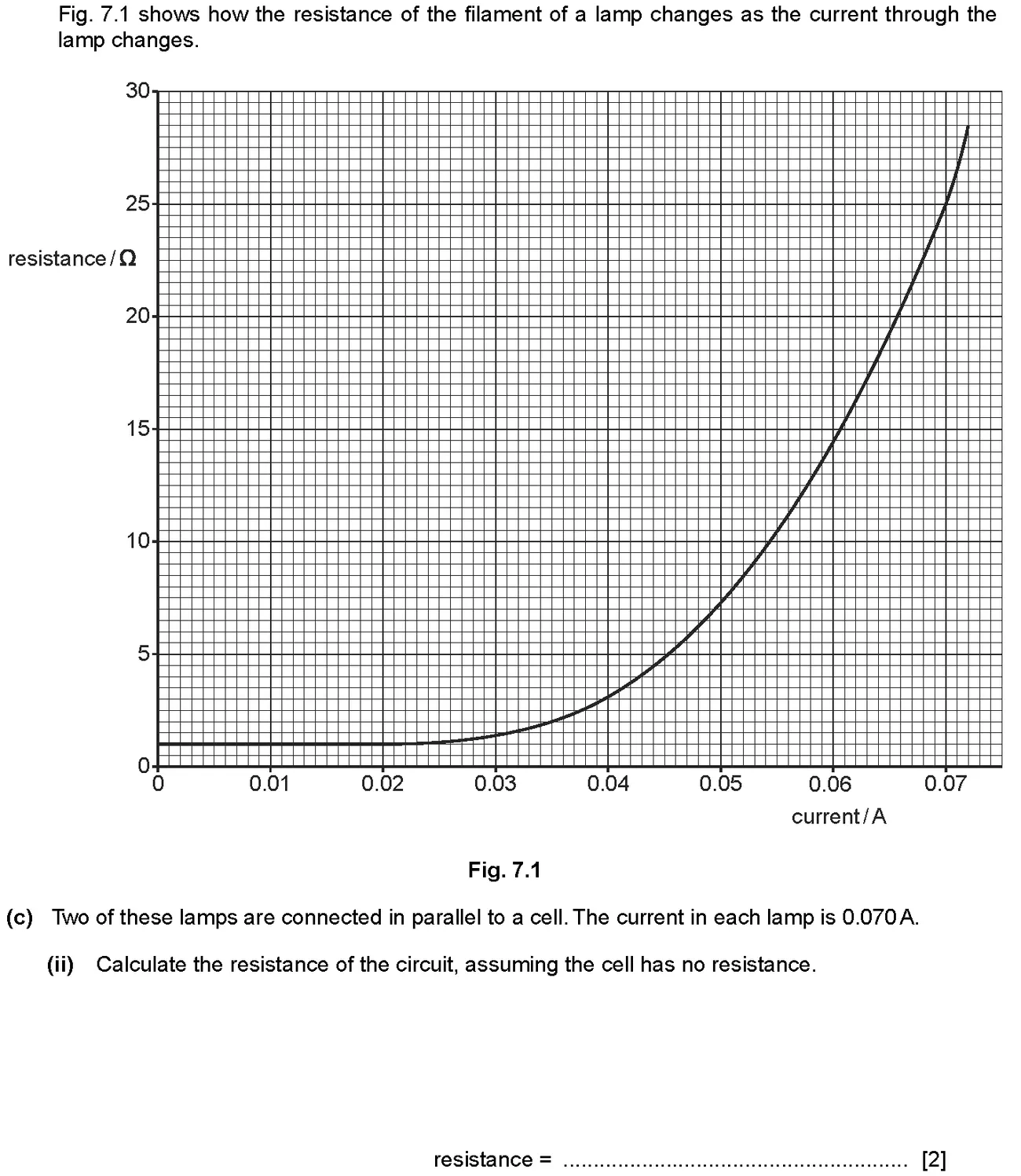
Show the answer
Each part of a written question is on its own screen. Write your answer first, then open "Show the answer" to check it against the mark scheme.
Last updated: