3.1Reproduction & Inheritance
Reproduction — Edexcel International GCSE Biology 4BI1 Revision Notes & Topical Questions
10 min read 8 parts Lesson 1 of 4 1 quiz
Reproduction Edexcel IGCSE Biology 4BI1 notes: Compare sexual and asexual reproduction.Human body cells are diploid (46 chromosomes); gametes are haploid (23 chromosomes).Seeds need water, oxygen and a suitable temperature to germinate; light is not needed.During germination, sto…
- Asexual reproduction in plants
- Sexual vs asexual
- Gametes and fertilisation
- Flower structure
- Adaptations for pollination
- Fertilisation in plants
Part 1 of 8Key ideas
Part 2 of 8Learning objectives
Part 3 of 8Essential knowledge
- Asexual reproduction uses mitosis and one parent, so offspring are genetically identical.
- Asexual is quicker and needs no mate;
- sexual gives variation that can help a species survive changes such as new diseases.
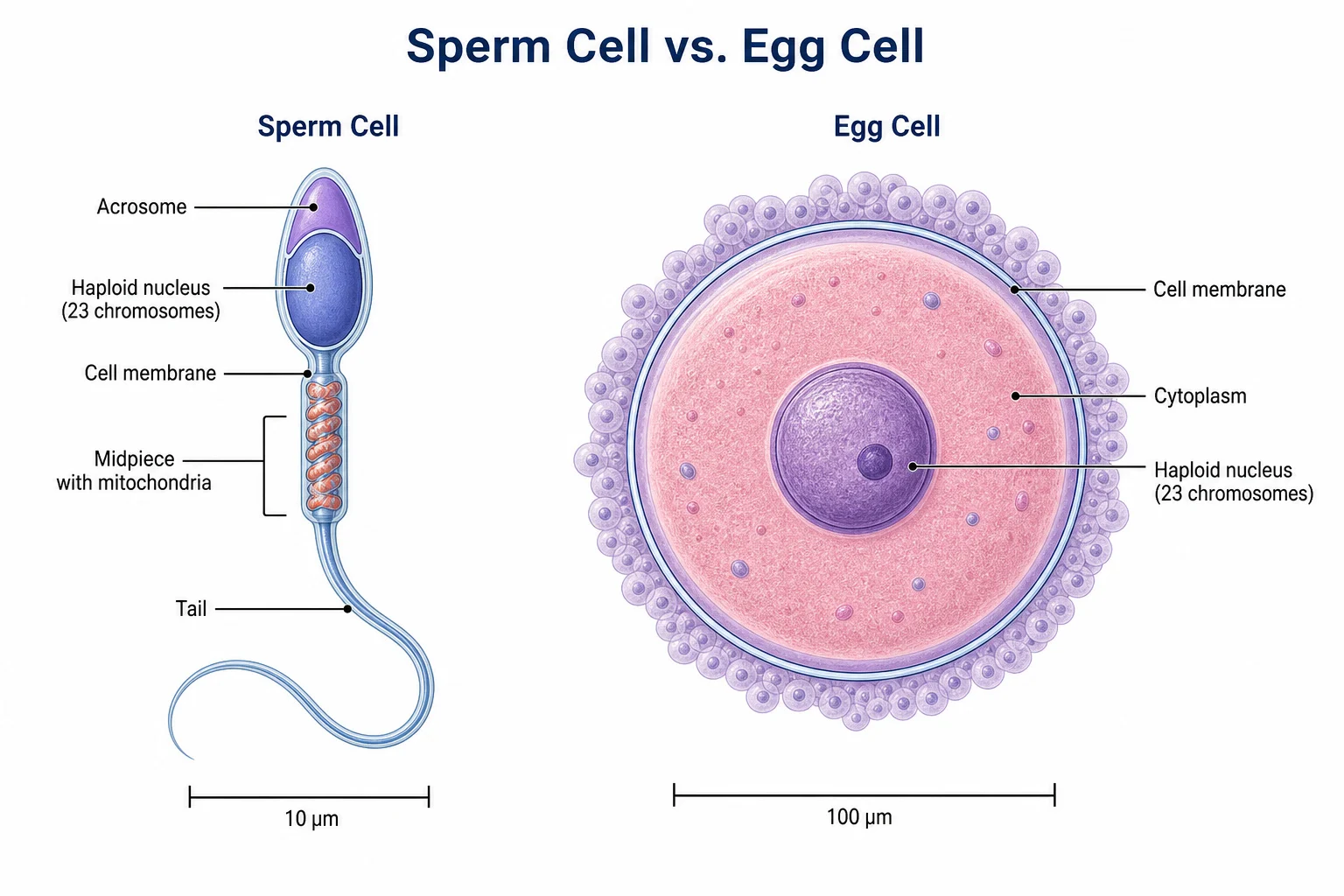
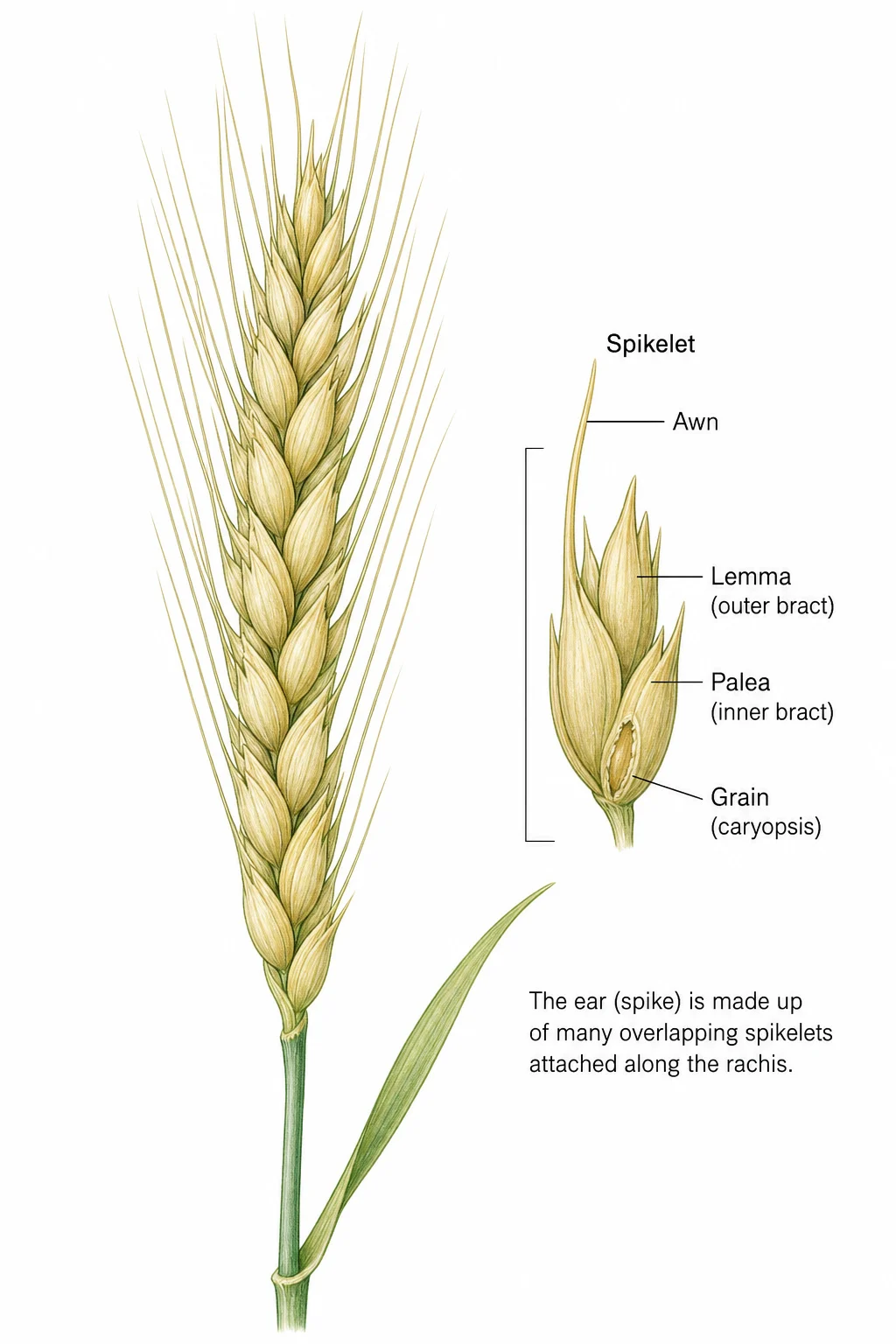
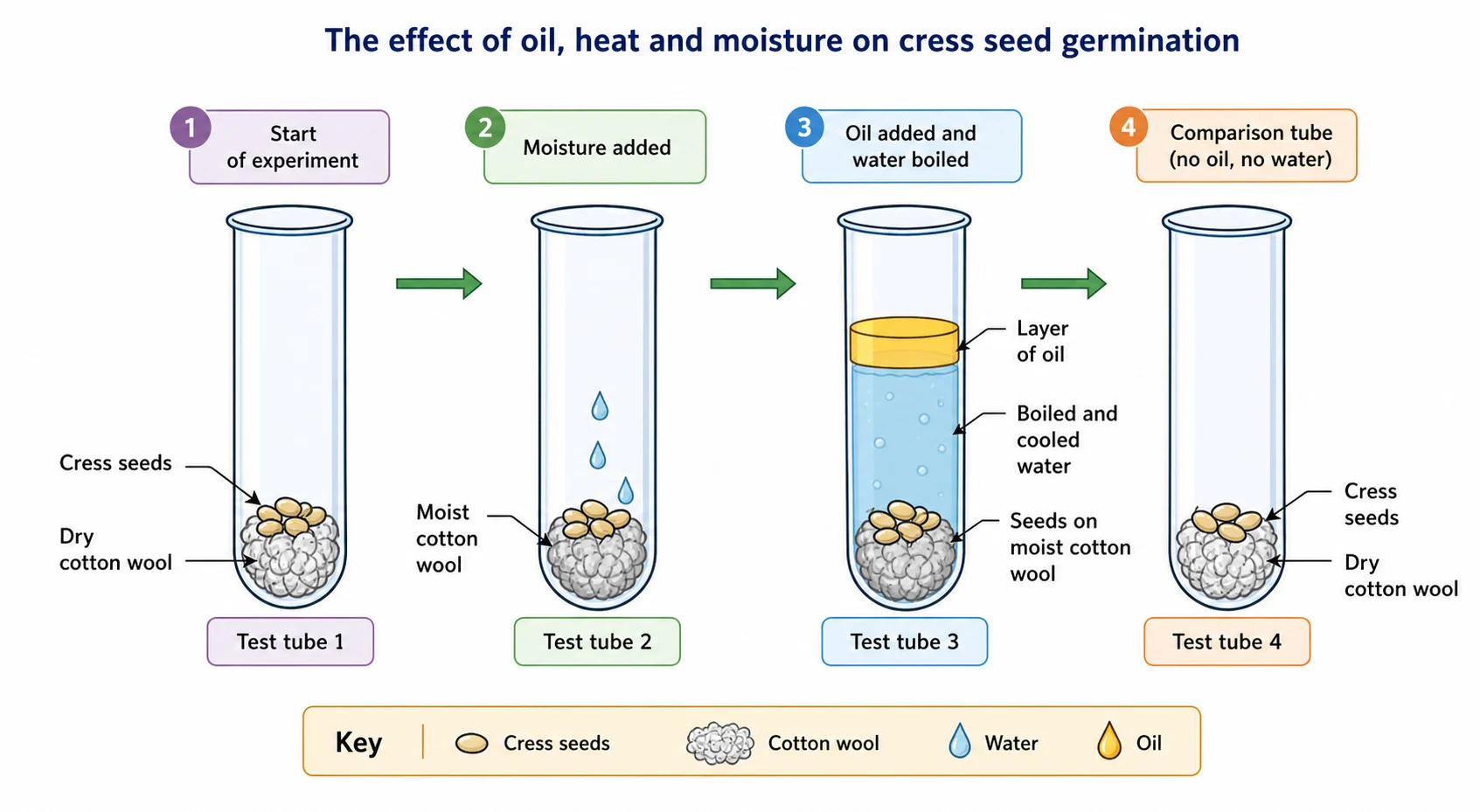
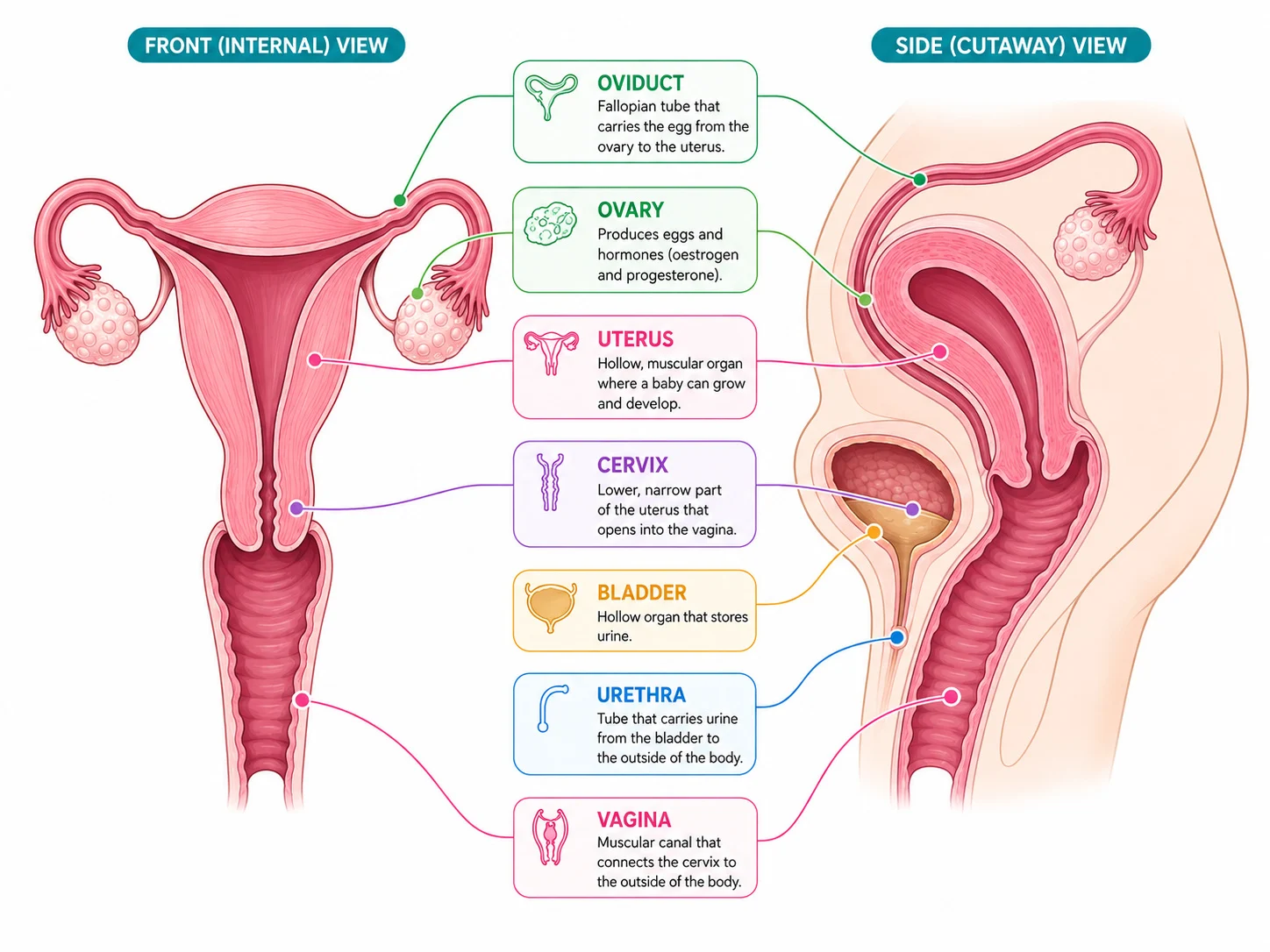
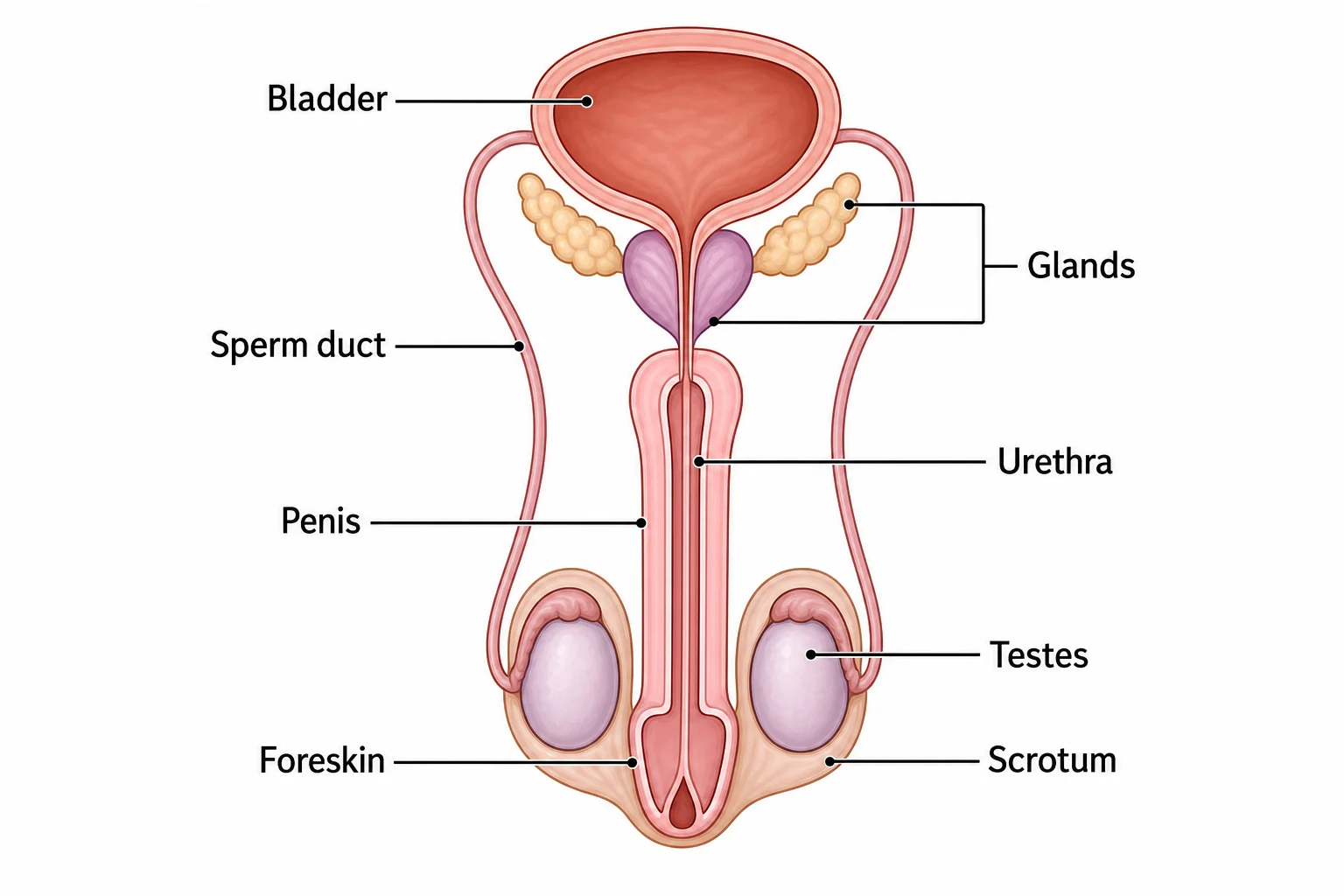
- Female – ovaries, oviducts (site of fertilisation), uterus (where the fetus develops), cervix and vagina.
- (release eggs, make oestrogen and progesterone)
- The placenta lets oxygen and nutrients diffuse to the fetus and carbon dioxide and urea to the mother; the amnion and amniotic fluid protect the fetus.
- facial and body hair, muscle growth, deeper voice, sperm production.
- Oestrogen in girls: breast development, wider hips, body hair and the start of menstrual cycles.
- These changes happen at puberty.
Part 4 of 8Process & sequence
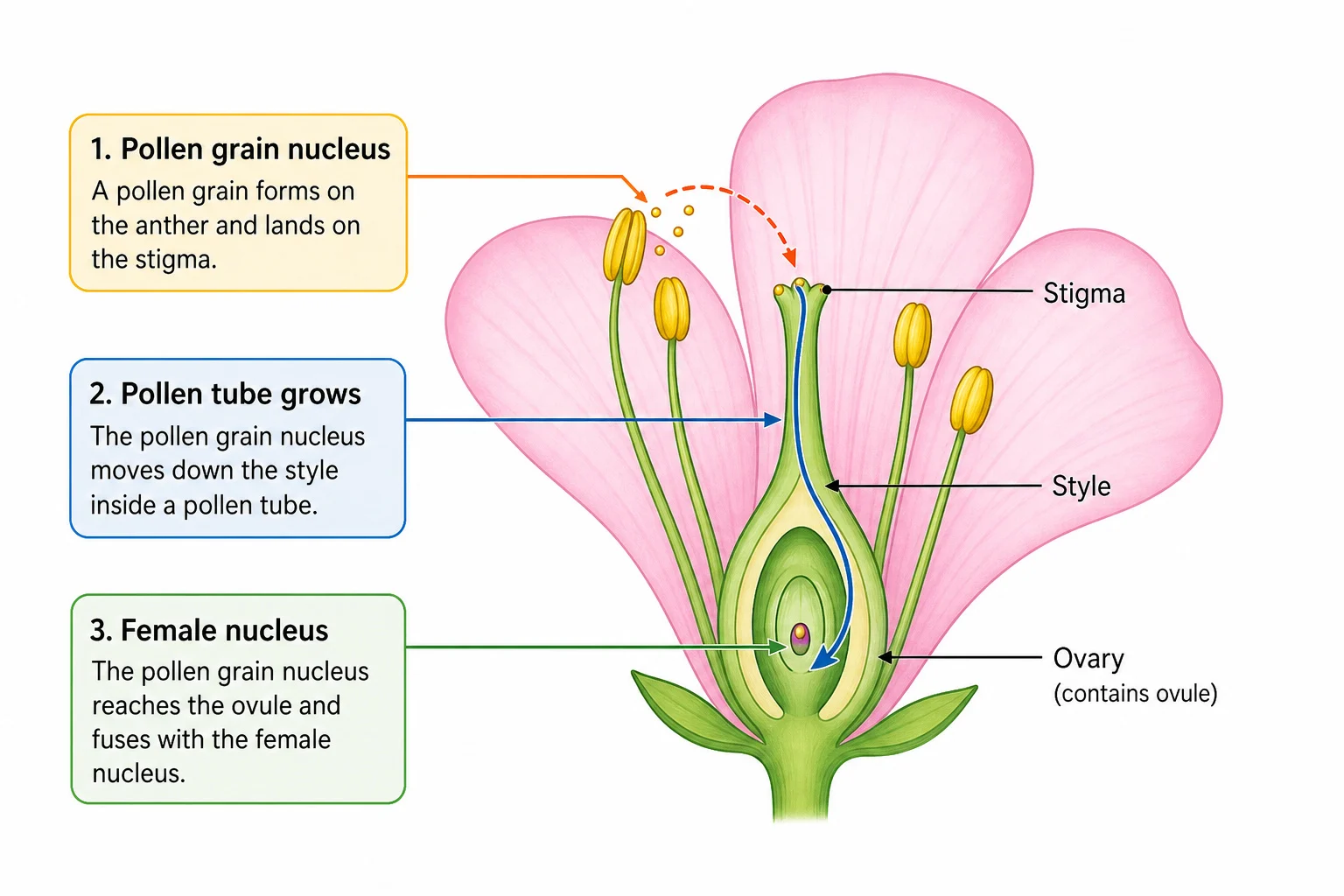
- Pollen lands on a stigma of the same species (pollination).
- A pollen tube grows out of the pollen grain, down through the style.
- The male nucleus travels down the pollen tube.
- The tube enters the ovule through the micropyle.
- The male nucleus fuses with the female nucleus in the ovule (fertilisation), forming a zygote.
- The ovule develops into a seed and the ovary into a fruit.
From pollination to seedwrite these steps in this order; each step is a marking point.
- Pollen lands on stigma
- Pollen tube grows down style
- Male nucleus enters ovule
- Nuclei fusezygote formed
- Ovule becomes seed
- Ovary becomes fruit
Part 5 of 8Worked examples
Explain why the dry mass of germinating seeds decreases during the first few days.
- Before leaves grow the seedling cannot photosynthesise.
- Stored starch is broken down to glucose, which is used in respiration to release energy for growth.
- Respiration converts glucose into carbon dioxide and water, which are lost, so dry mass falls until photosynthesis begins.
Suggest one advantage and one disadvantage to a farmer of growing crops from cuttings.
- Advantage: all plants are genetically identical to a parent with desired features (e.g. high yield) and are produced quickly.
- Disadvantagethere is no genetic variation, so a single disease or change in conditions could affect the whole crop.
Part 6 of 8Summary
- Sexual reproduction gives variation; asexual gives clones.
- Gametes are haploid; fertilisation restores the diploid number.
- Flowers are adapted for insect or wind pollination.
- Seeds need water, oxygen and warmth to germinate.
- Human fertilisation happens in the oviduct; the embryo implants in the uterus.
Part 7 of 8Keep going
Reproduction Edexcel IGCSE Biology 4BI1: what to do next
These Reproduction Edexcel IGCSE Biology 4BI1 notes covered the key ideas, worked examples and exam technique for this topic. Check your Reproduction Edexcel IGCSE Biology 4BI1 understanding with the practice questions below, then reread any Reproduction Edexcel IGCSE Biology 4BI1 point you were unsure about before moving on.
Reproduction Edexcel IGCSE Biology 4BI1: revision checklist
- Revise the main Reproduction Edexcel IGCSE Biology 4BI1 definitions until you can write them from memory.
- Practise Reproduction Edexcel IGCSE Biology 4BI1 exam questions under timed conditions.
- Link each Reproduction Edexcel IGCSE Biology 4BI1 idea to a diagram or a worked example.
- List the common Reproduction Edexcel IGCSE Biology 4BI1 mistakes and how to avoid them.
- Practice: Reproduction Edexcel IGCSE Biology 4BI1 practice questions
- Previous lesson: 2.10 Co-ordination & Response — Notes
- Next lesson: 3.2 Inheritance — Notes
- Course: Edexcel International Gcse Biology 4BI1 — all units
- Official syllabus: Pearson Edexcel International GCSEs
Part 8 of 8Compare: Compare
| Feature | Insect-pollinated | Wind-pollinated |
|---|---|---|
| Petals | Large, brightly coloured, scented | Small, dull or absent |
| Nectar | Present | Absent |
| Anthers | Inside flower, firmly attached | Hang outside flower on long filaments |
| Stigma | Small, sticky, inside flower | Large, feathery, outside flower |
| Pollen | Small amounts, larger, sticky or spiky | Large amounts, small, light and smooth |
| Feature | Sexual | Asexual |
|---|---|---|
| Number of parents | Two (usually) | One |
| Gametes | Yes | No |
| Offspring | Genetically varied | Genetically identical clones |
| Speed | Slower | Fast, many offspring |
| Advantage | Variation helps survive environmental change | No mate needed; good traits kept |
Key terms
Command terms
Exam technique
Keywords the mark scheme looks for in this lesson
How to get full marks (examiner guidance)
Marked practiceQuizzes for this lesson
Last updated:
\n