3.2Chapter 3: Microorganisms and Decomposers
Microorganisms are our friends — Alhussan Biology - Stage 7 Revision Notes & Topical Questions
5 min read 9 parts Lesson 2 of 8 2 quizzes
3.2 Microorganisms are our friends — Food Production and Biotechnology — Alhussan International Academy — Biology (Stages 7–9) notes: Describe how bacteria and fungi are used to make foods and other useful products.Number — scientists estimate there are 5 million trillion bacteri…
- Fermentation
- Beer and wine
- Milk sources
- Fresh cheese
- Matured cheese
- Competition
Section 1 of 9Useful microorganisms
- Number scientists estimate there are 5 million trillion bacteria on Earth, more than the stars in the Universe.
- Roles some microorganisms cause disease or make food rot, but many are useful.
- History people have used microorganisms to make foods for thousands of years, before anyone knew they existed.
- Methods bacteria and fungi work by respiring or by producing enzymes.
Section 2 of 9Yeast: bread, beer and wine
- Yeast a single-celled fungus that respires and grows fast when given sugar, warmth and air.
- Fermentation yeast respiring without oxygen: glucose → ethanol + carbon dioxide.
- Bread yeast is mixed into the dough and ferments the sugar.
- The carbon dioxide forms bubbles that make the dough rise and give a light texture.
- Baking makes the bubbles bigger, kills the yeast and evaporates the ethanol.
- Beer and wine yeast ferments sugars from barley or grapes, and the ethanol is the useful product.
Section 3 of 9Bacteria: yoghurt
- Milk sources milk from camels, cows, goats, horses and sheep can be used.
- Keeping the bacteria and the acid stop other bacteria growing, so yoghurt keeps for longer.
Section 4 of 9Bacteria: cheese
- Process cheese is made by the reaction of bacteria with milk.
- The bacteria make lots of lactic acid, so the milk separates into solid curds and liquid whey.
- Fresh cheese the curds may be mixed with seasoning and herbs and used fresh.
- Matured cheese curds may be mixed with salt and other bacteria, pressed and left to dry for weeks, months or years.
- Extra enzymes and moulds are added for certain types.
Section 5 of 9Microorganisms and medicine
- Competition microorganisms battle each other for territory on skin, food or soil and make poisons to destroy their enemies.
- Alexander Fleming noticed in the early 20th century a clear area around a mould growing on his bacteria cultures.
- A substance from the mould stopped the bacteria growing and became known as penicillin.
- It was the first antibiotic and has saved millions of lives.
- Other antibiotics streptomycin and chloramphenicol come from bacteria.
- How they work antibiotics target bacterial structures such as cell walls.
- They do not work against viruses and do not harm human cells.
Section 6 of 9Microorganism factories
| Product | Microorganism | Use |
|---|---|---|
| Antibiotics such as penicillin | Penicillium mould | Kill bacteria |
| Human insulin | Genetically modified bacteria | Treating diabetes |
| Biofuels (ethanol, biogas) | Yeast, bacteria | Renewable fuel |
| Mycoprotein (Quorn) | Fungus | Meat-free protein |
- Fermenters huge metal tanks in which the microorganisms grow.
- The insulin is separated from the microorganisms and the liquid they grew in.
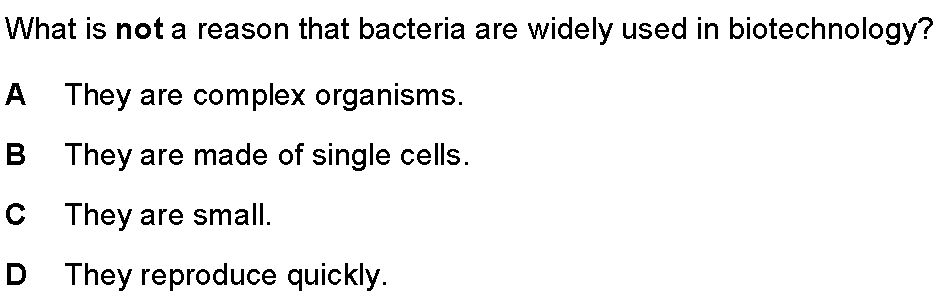
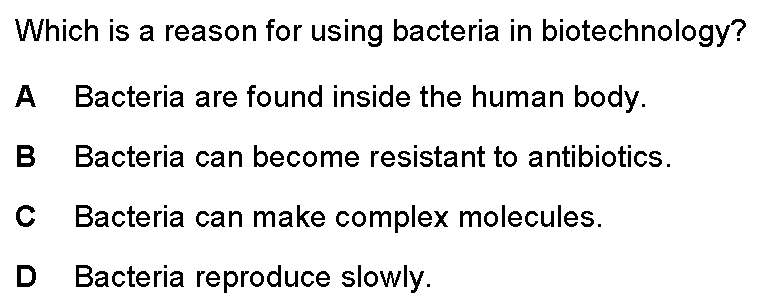
- Advantages microorganisms grow and reproduce rapidly, use cheap waste as food and need little land.
Section 7 of 9Controlling conditions in food production
- Hygiene equipment is sterilised so unwanted microorganisms do not compete with useful ones or spoil the product.
- Temperature lactic acid bacteria work best at about 40 °C and yeast prefers about 30 to 35 °C.
- If it is too low the microorganisms work slowly.
- If it is too high their enzymes are denatured and they die.
- Acidity it is tested because too much or too little acid affects flavour and safety.
Section 8 of 9Key terms
| Term | Meaning |
|---|---|
| Biotechnology | The use of living organisms or their products to make useful things. |
| Fermentation | Respiration without oxygen, producing ethanol and carbon dioxide in yeast. |
| Lactic acid | The acid made by bacteria that thickens milk into yoghurt. |
| Antibiotic | A medicine that stops bacteria growing or kills them. |
| Fermenter | A huge tank in which microorganisms are grown. |
| Curds and whey | The solid and liquid parts of milk separated during cheese making. |
Section 9 of 9Exam technique
Marked practiceQuizzes for this lesson
?What do you want to solve now?
✓Checkpoint Quiz
12 multiple-choice + 3 written questions from real exam papers on this lesson.
Question 1 of 12 1:30

Question 2 of 12 1:30
Question 3 of 12 1:30

Question 4 of 12 1:30
Question 5 of 12 1:30
Question 6 of 12 1:30

Question 7 of 12 1:30
Question 8 of 12 1:30
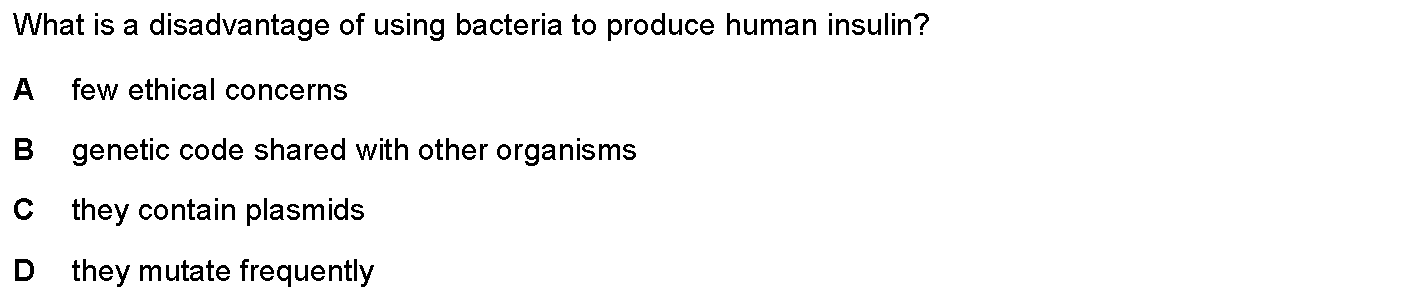
Question 9 of 12 1:30
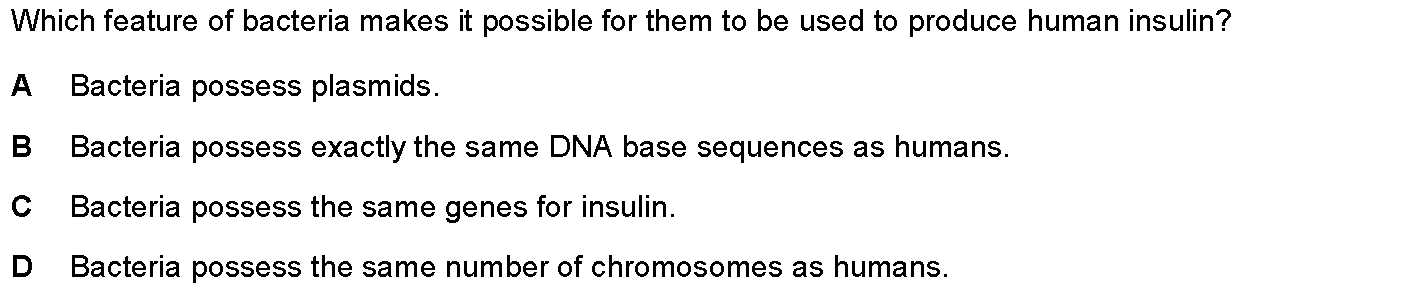
Question 10 of 12 1:30
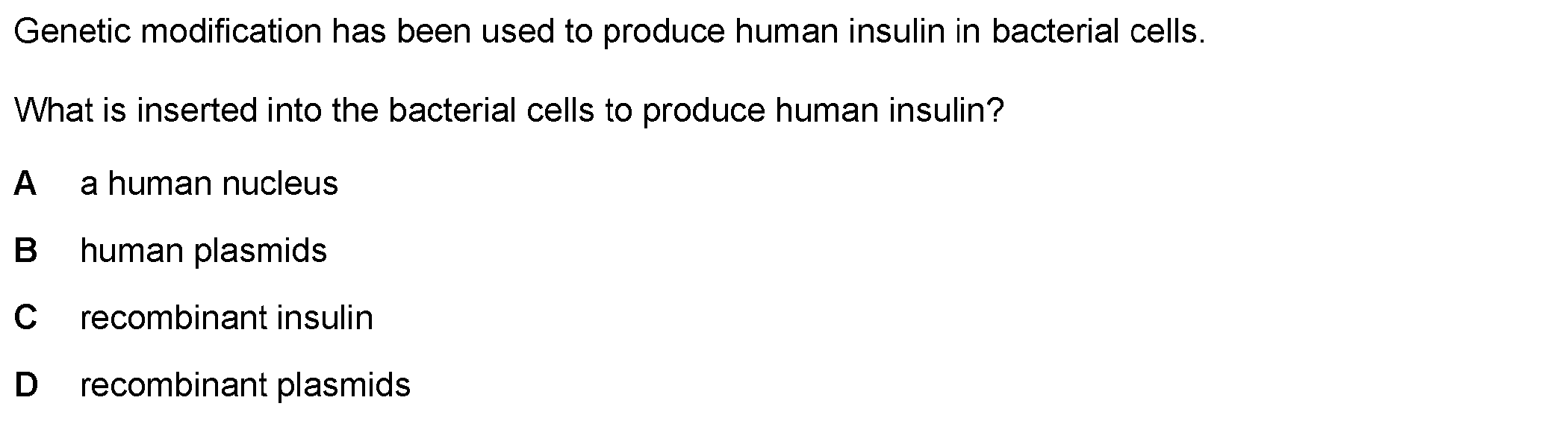
Question 11 of 12 1:30
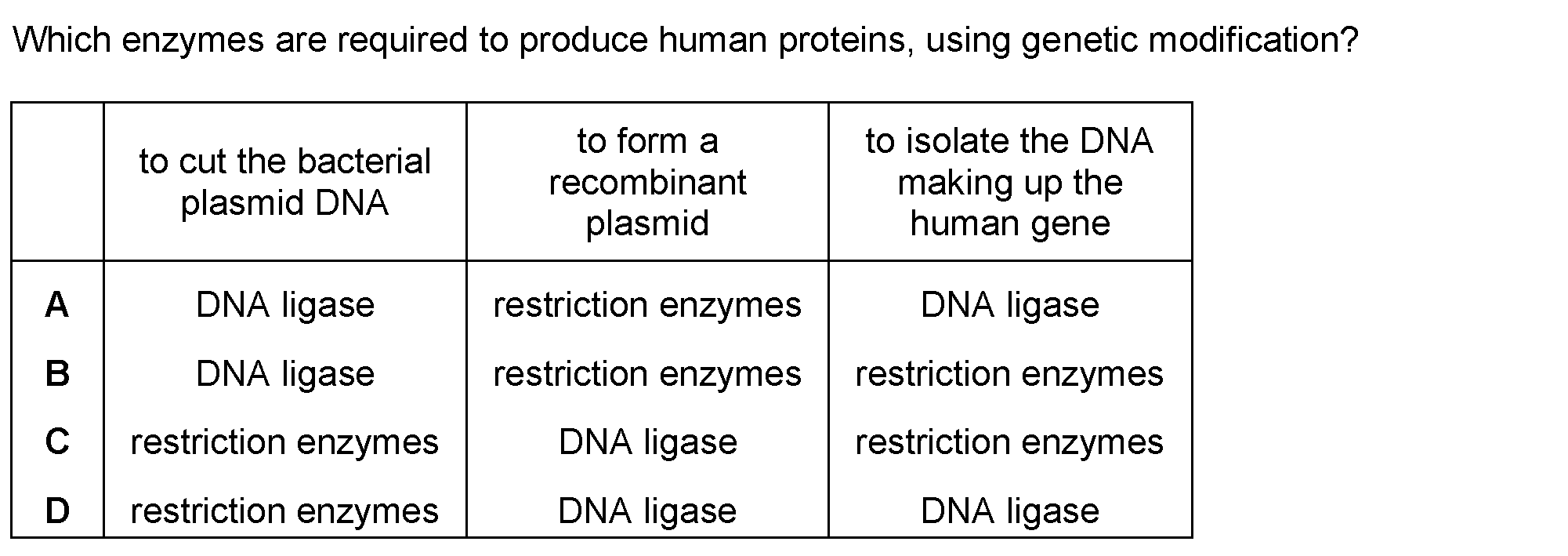
Question 12 of 12 1:30
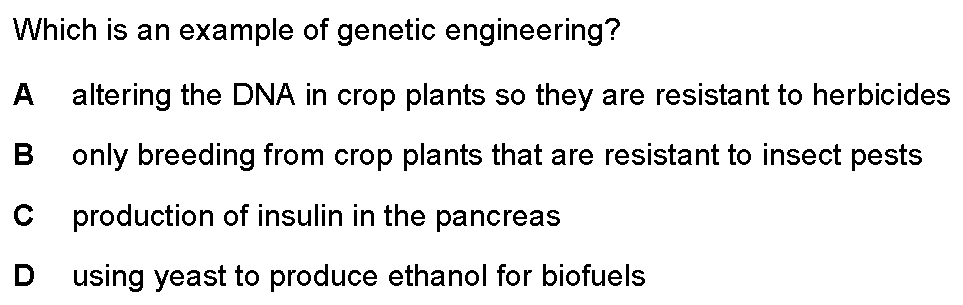
Answer key
1 A2 A3 C4 C5 D6 B7 C8 D9 A10 D11 C12 A
Written question 1 of 3 · part (a)(i) (1 / 8) 3:00

Show the answer
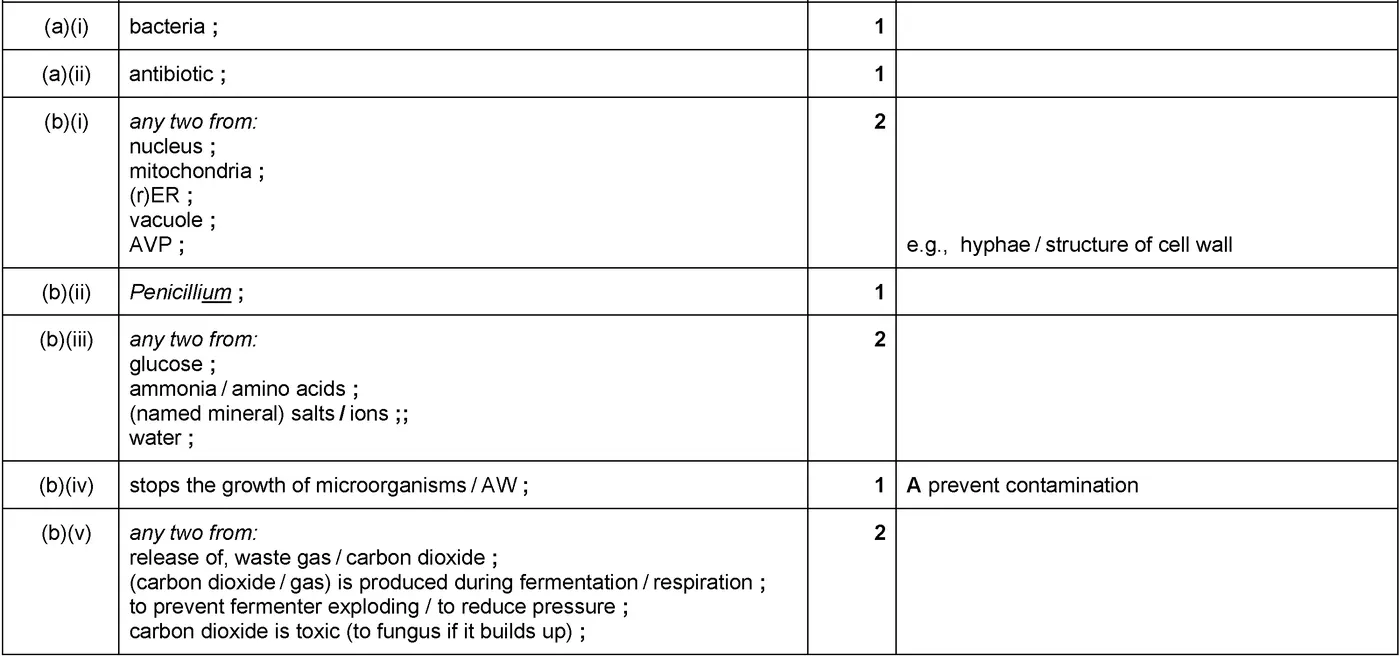
Written question 1 of 3 · part (a)(ii) (2 / 8) 3:00
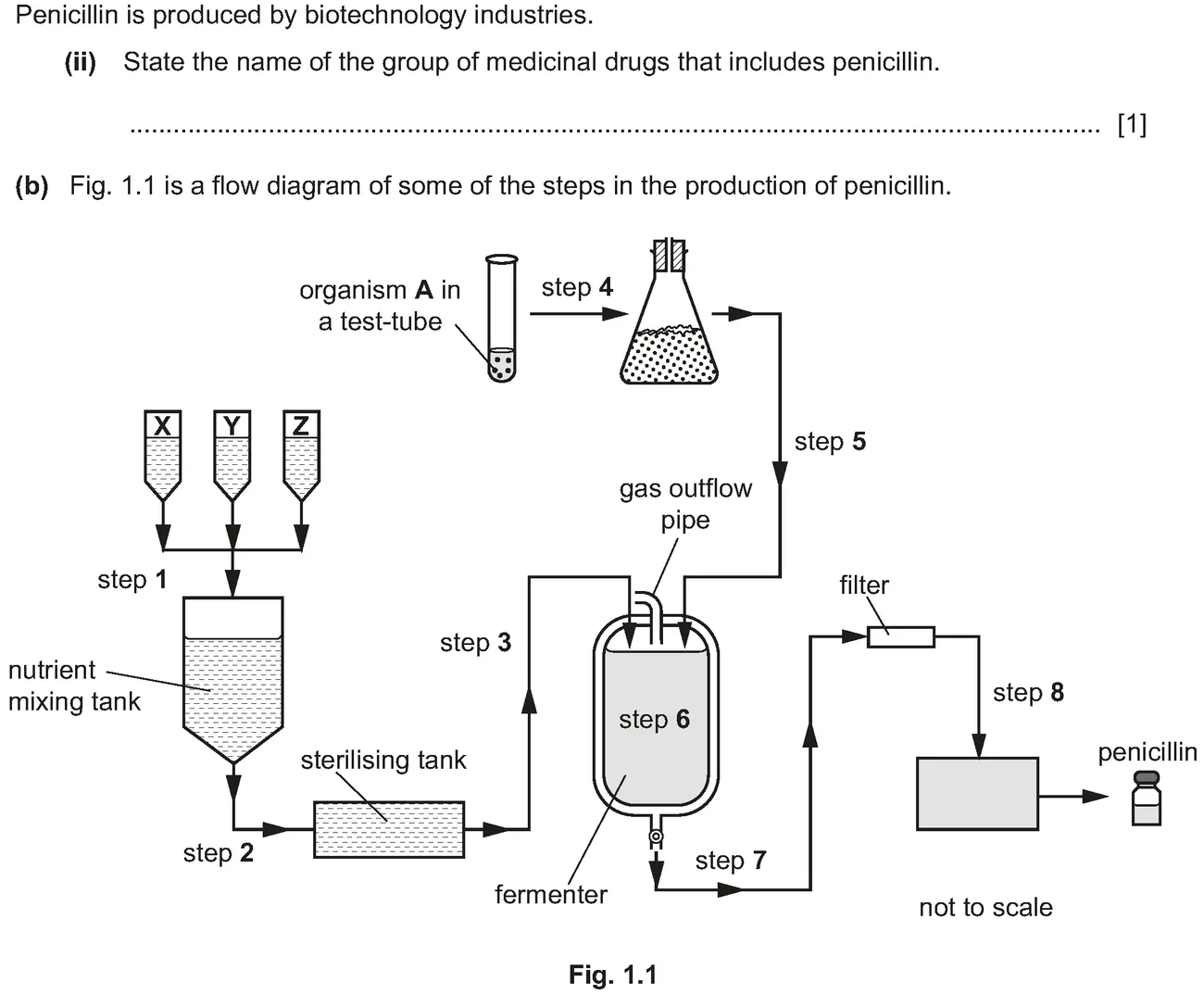
Show the answer
Written question 1 of 3 · part (b)(i) (3 / 8) 3:00
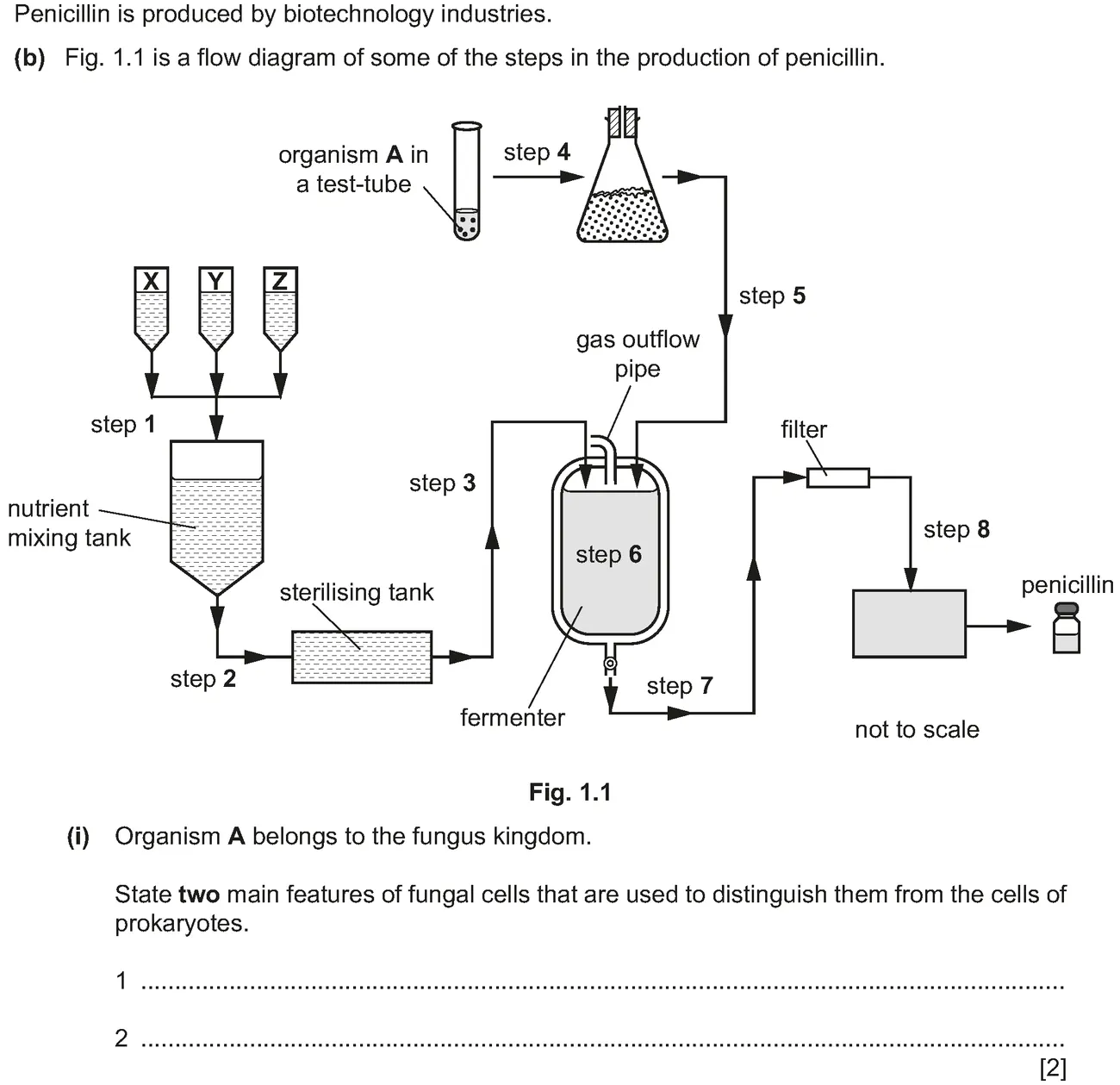
Show the answer
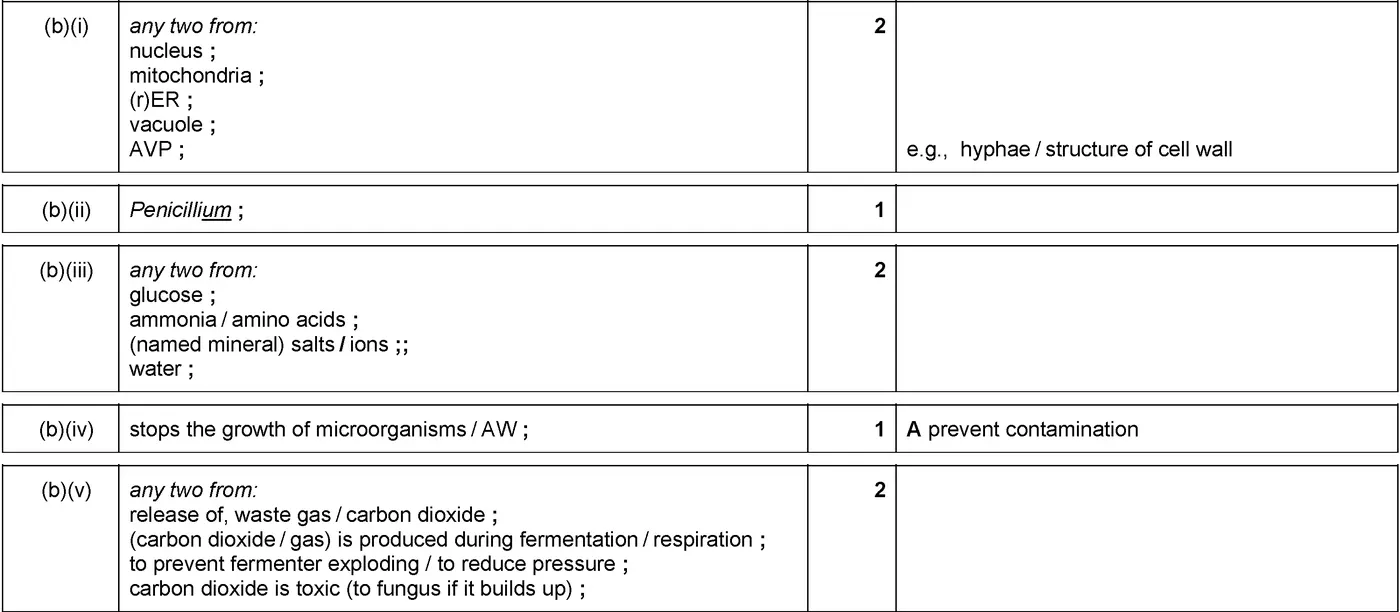
Written question 1 of 3 · part (b)(ii) (4 / 8) 3:00
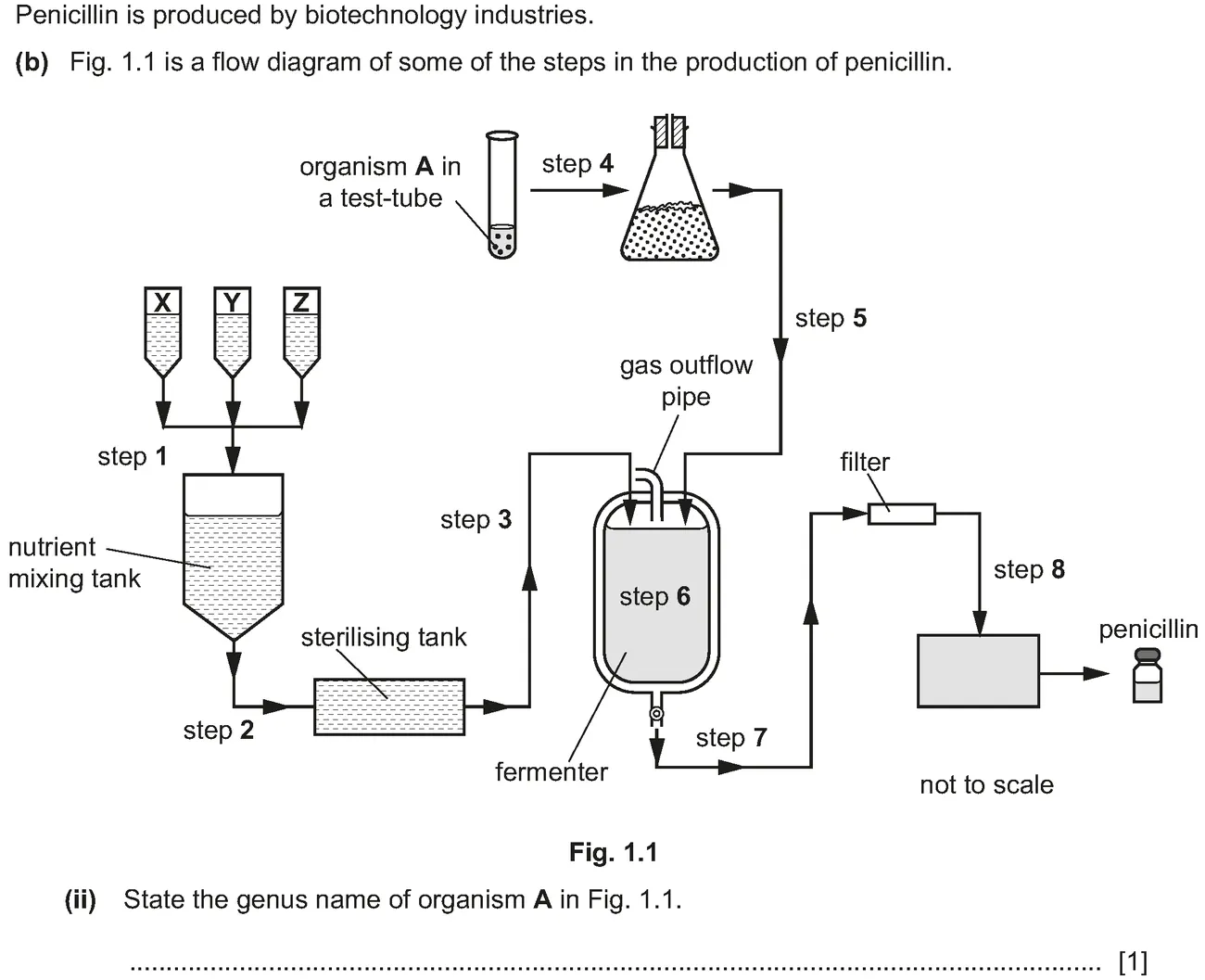
Show the answer
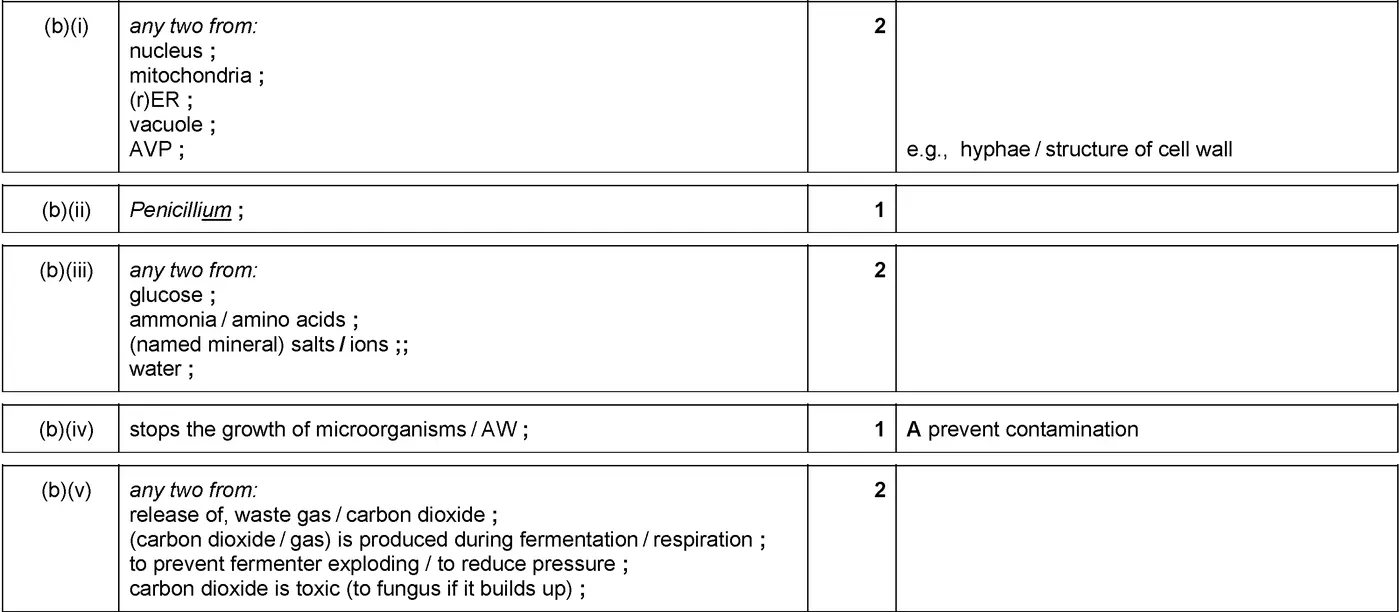
Written question 1 of 3 · part (b)(iii) (5 / 8) 3:00
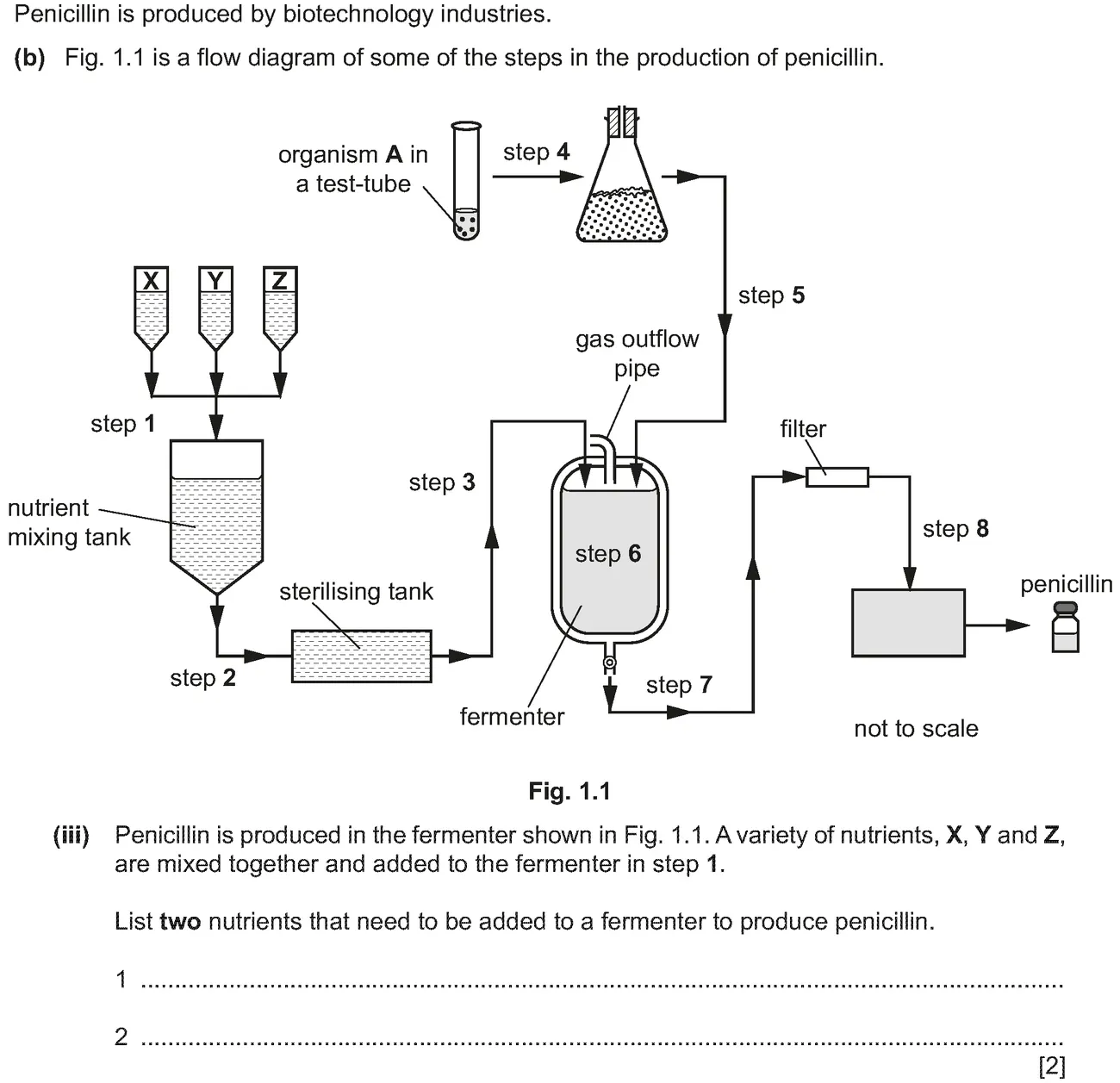
Show the answer
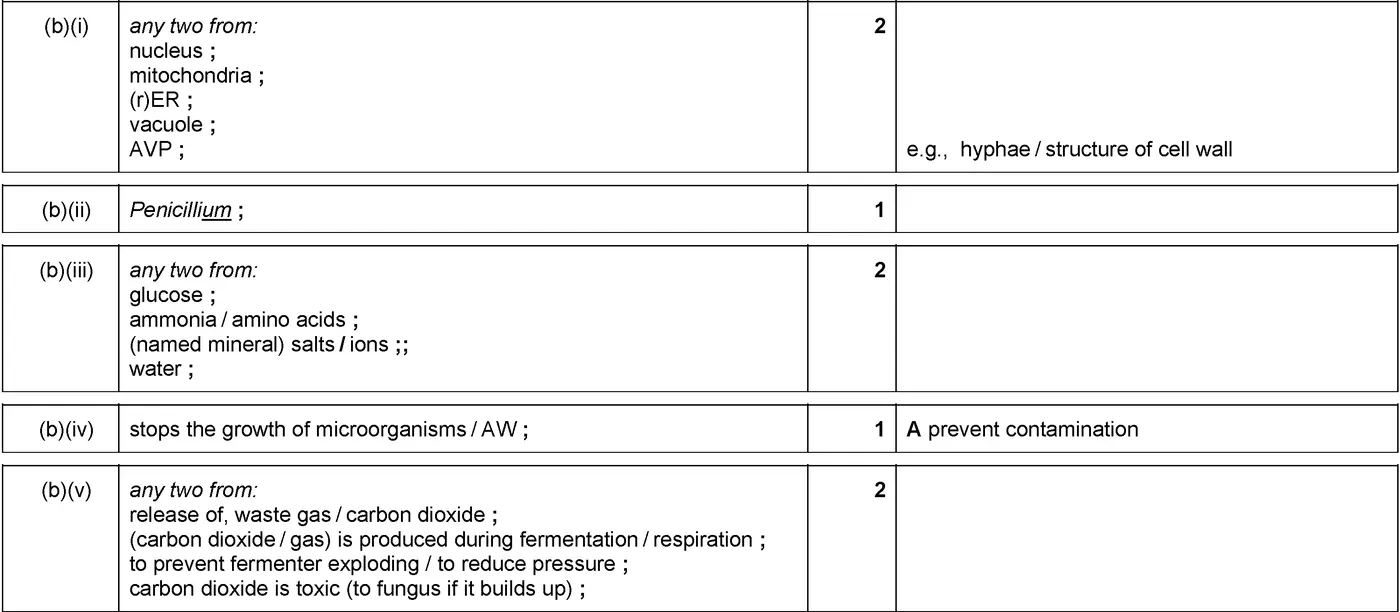
Written question 1 of 3 · part (b)(iv) (6 / 8) 3:00
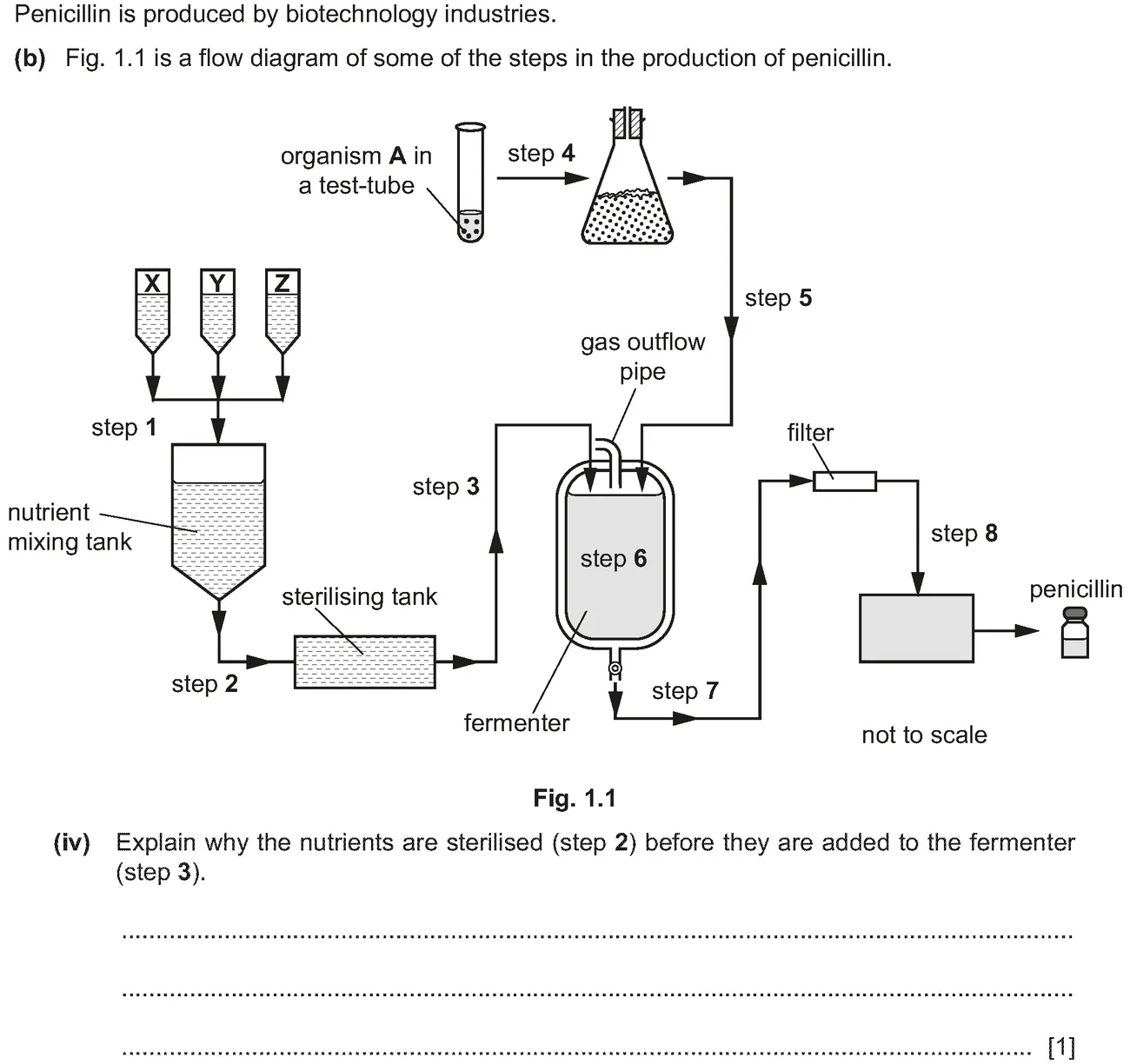
Show the answer
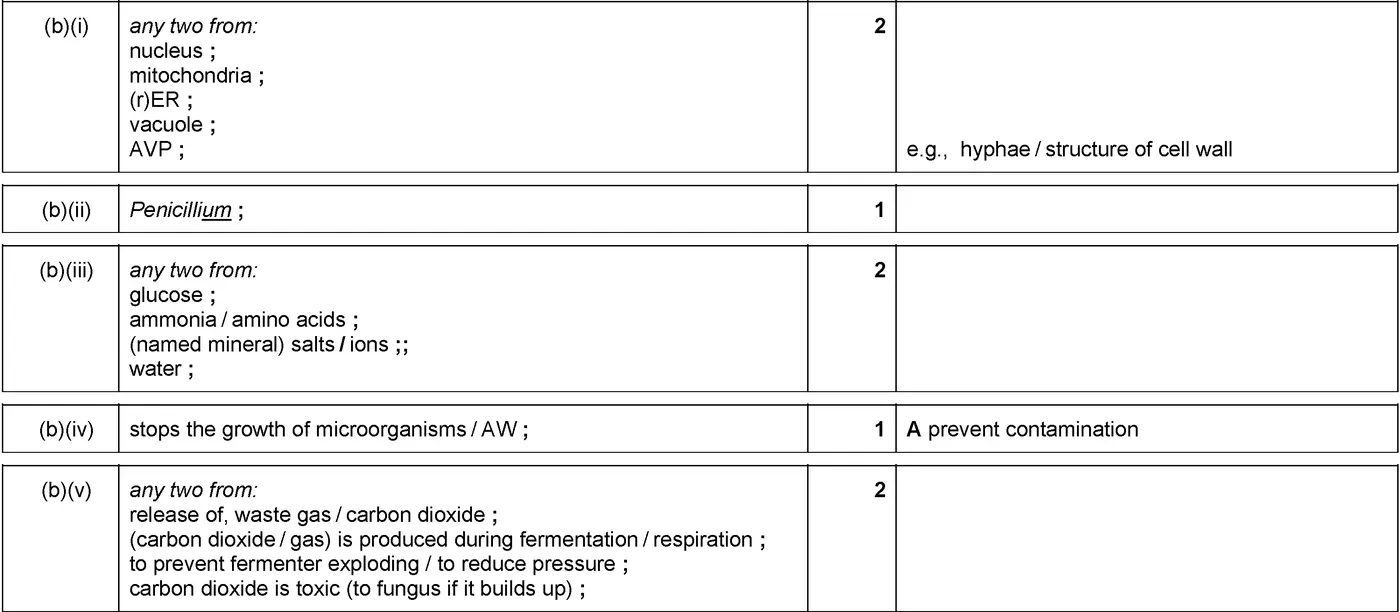
Written question 1 of 3 · part (b)(v) (7 / 8) 3:00
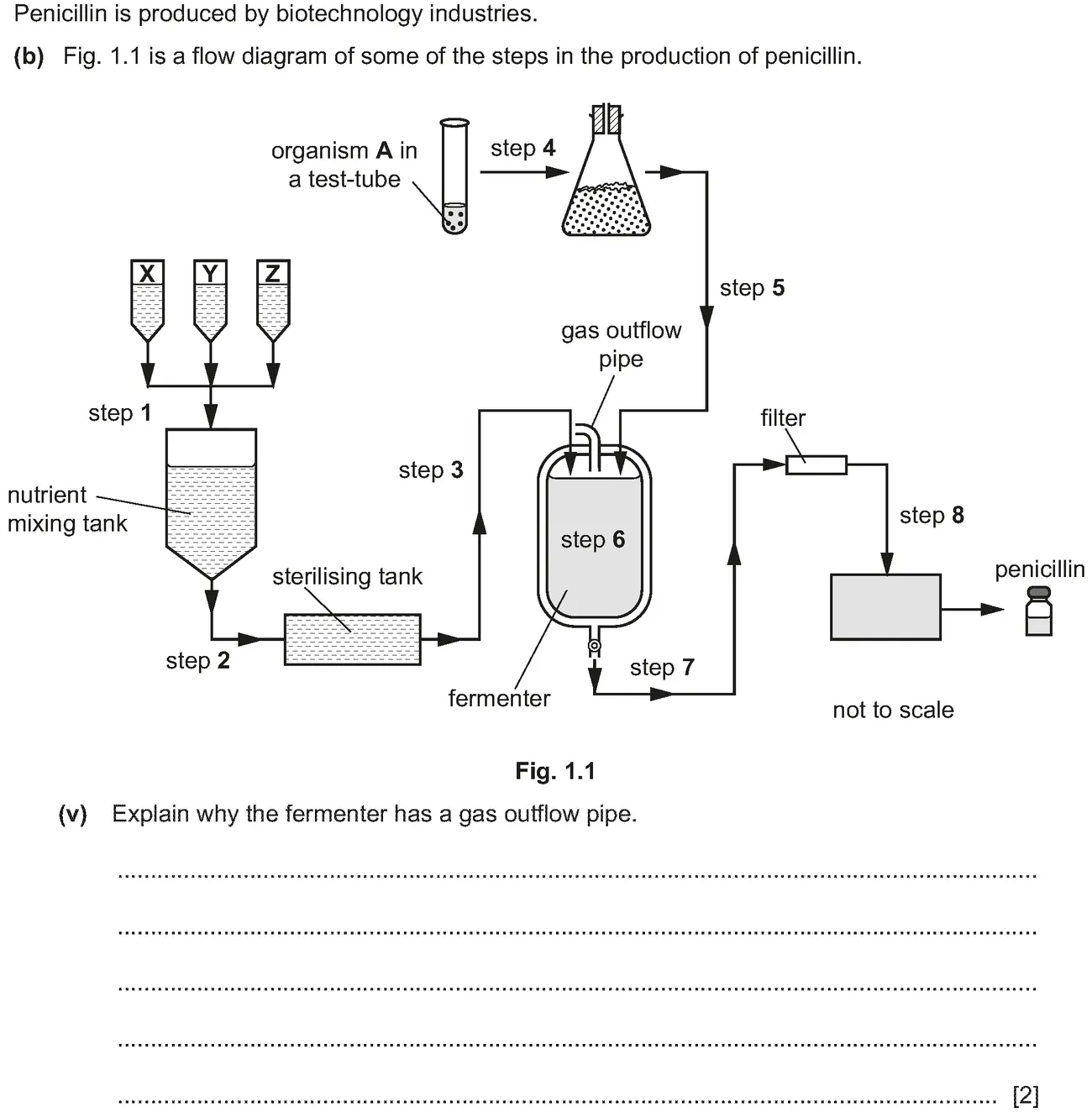
Show the answer
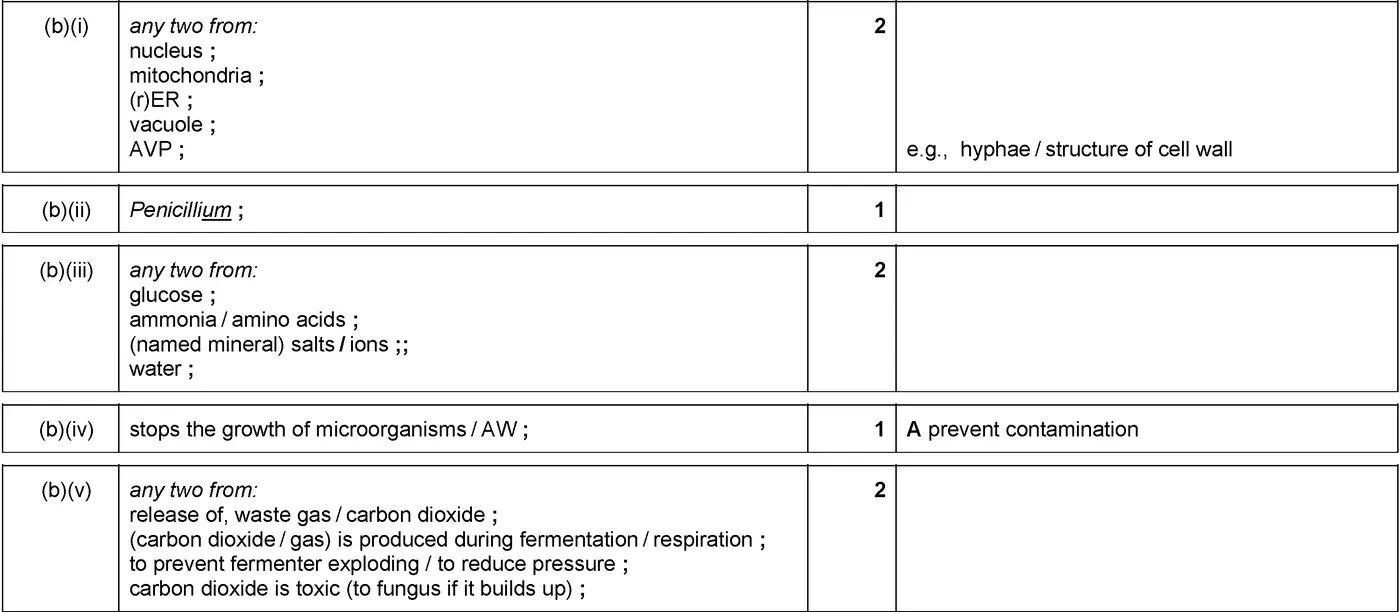
Written question 1 of 3 · part (b)(vi) (8 / 8) 3:00
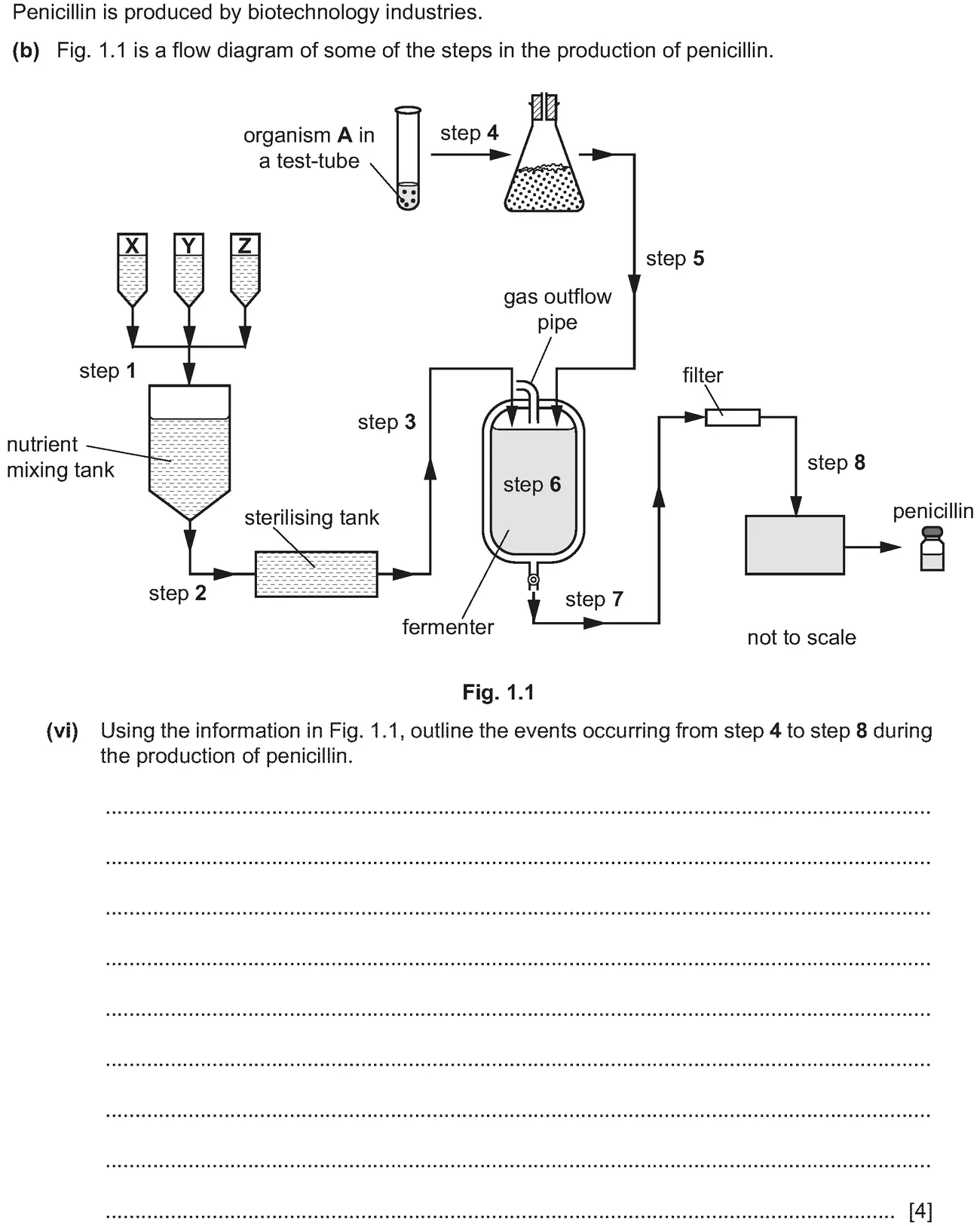
Show the answer
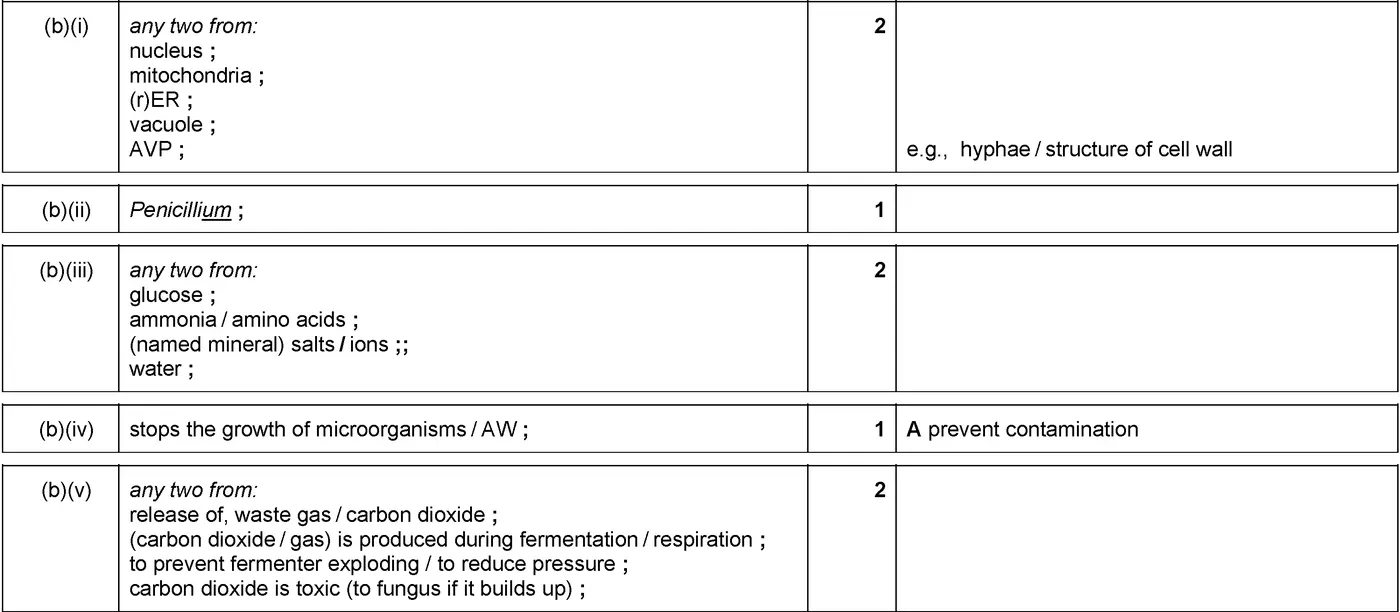
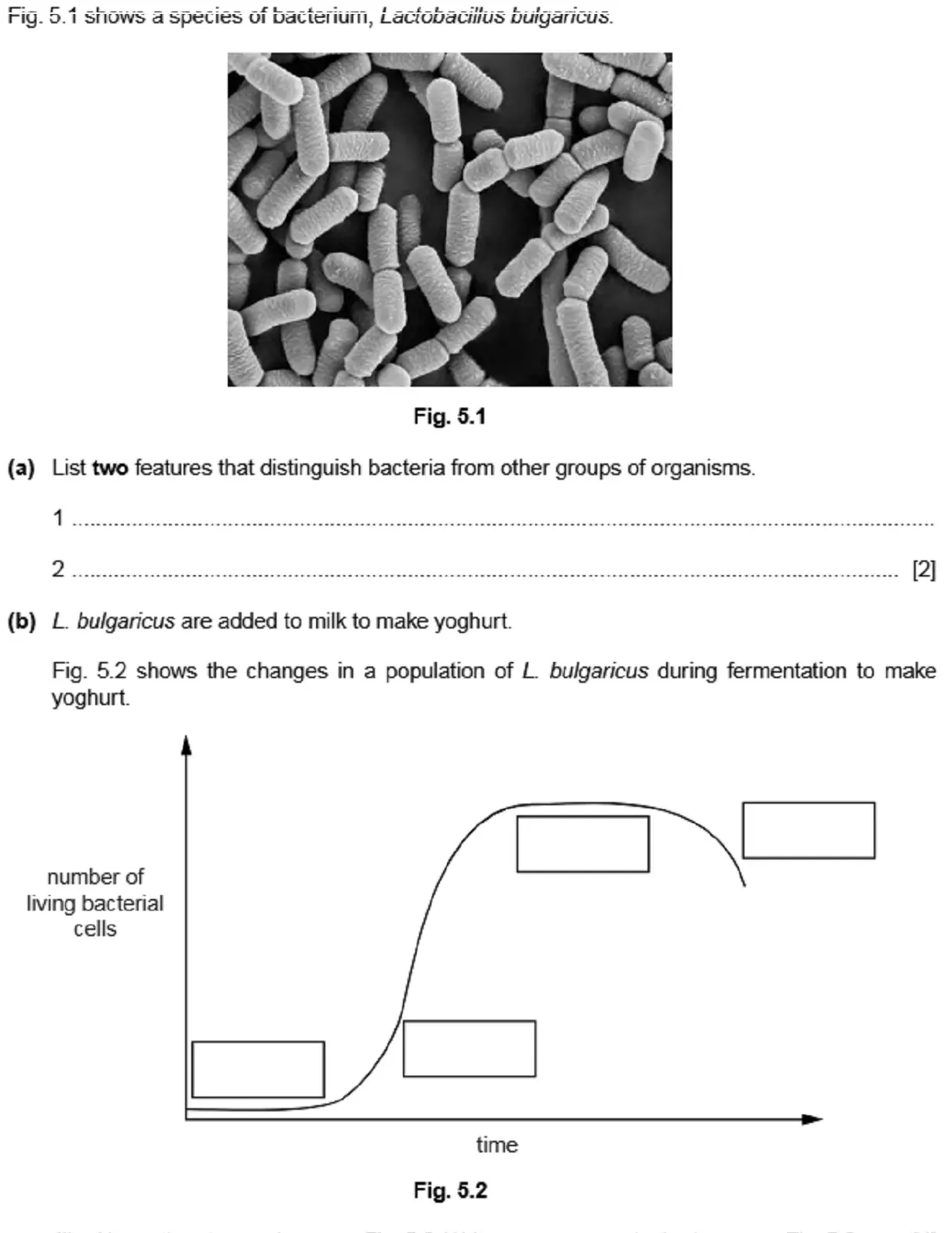
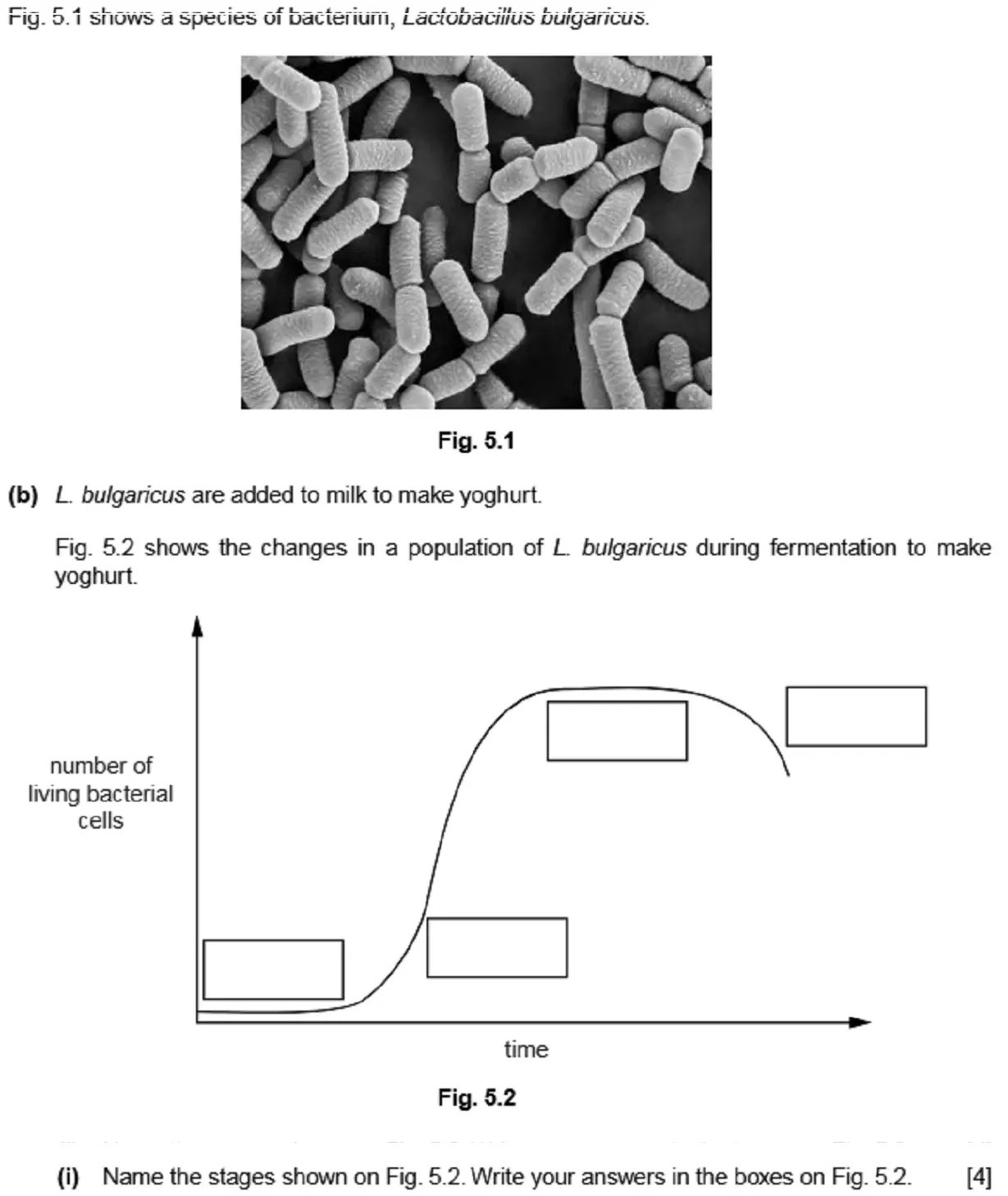
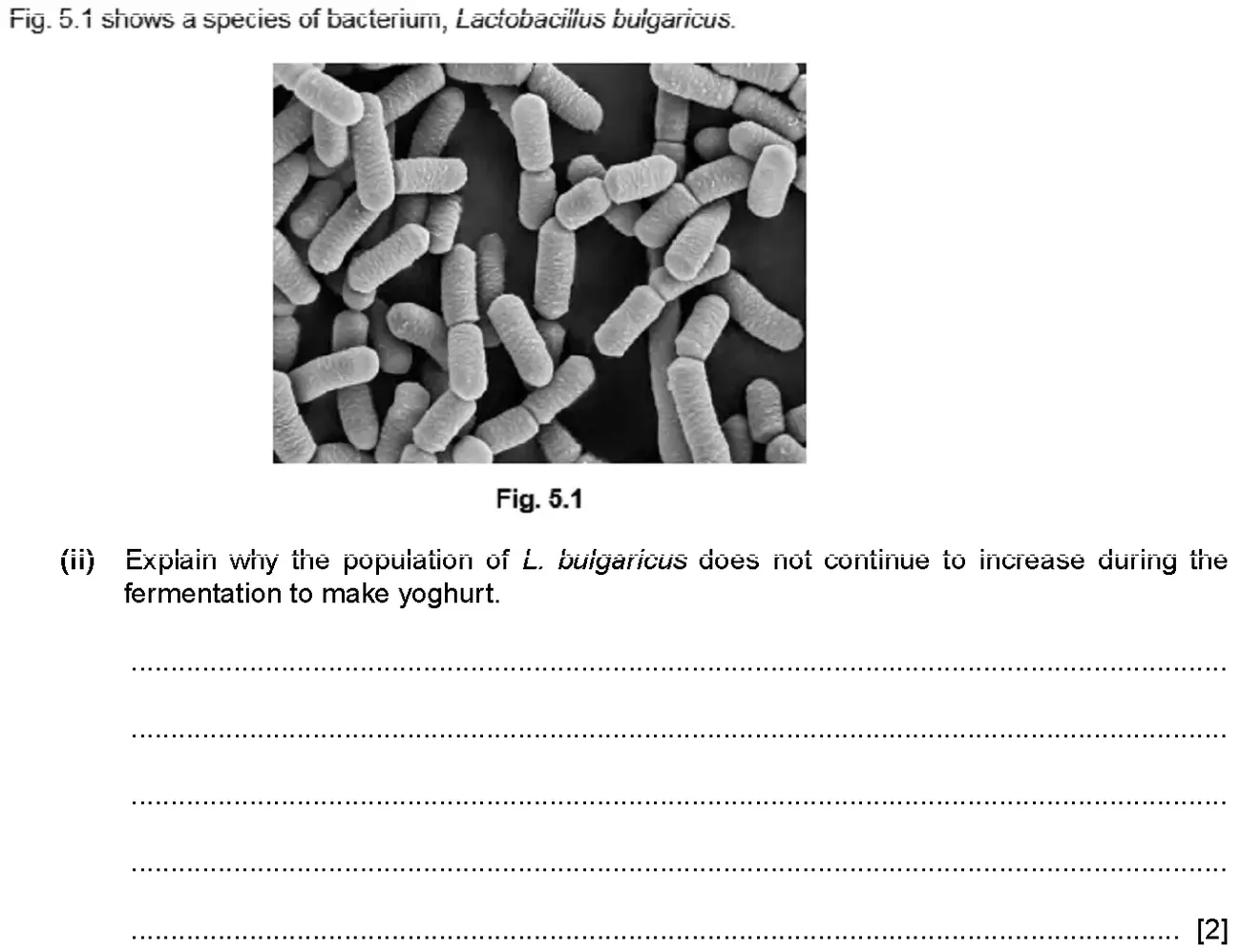

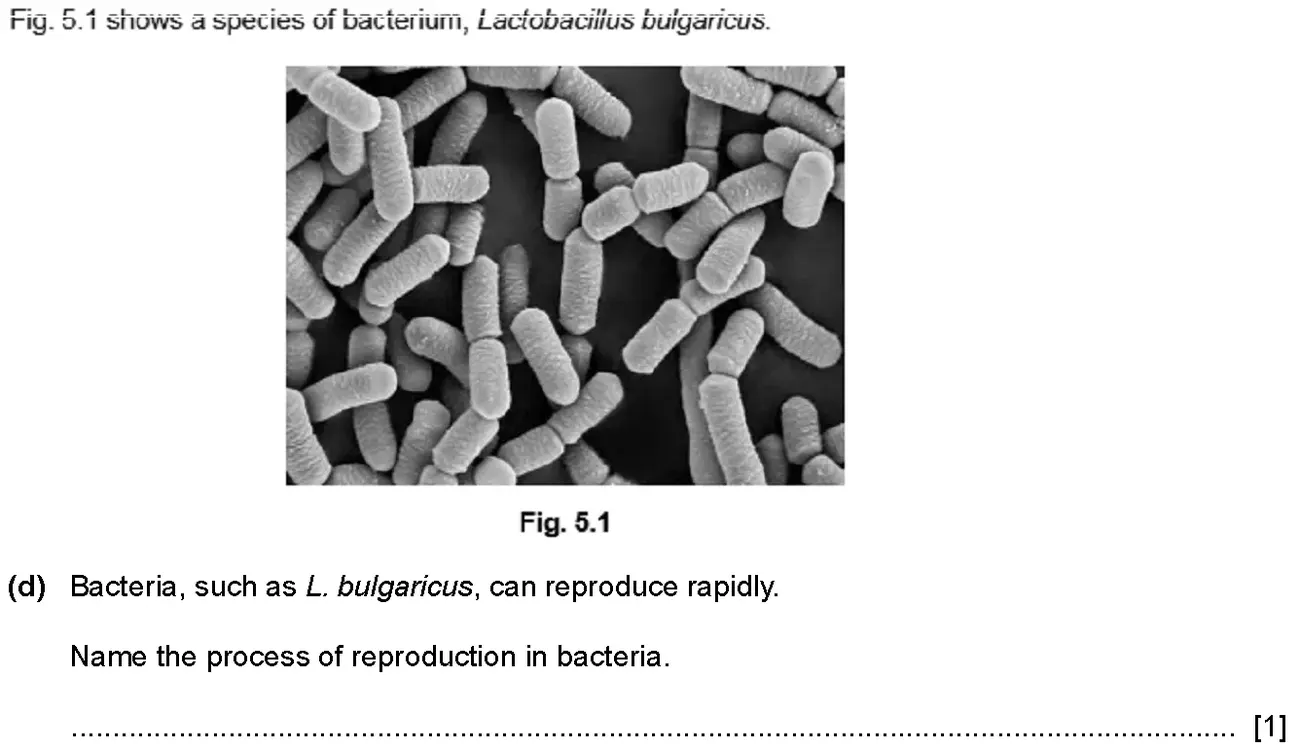
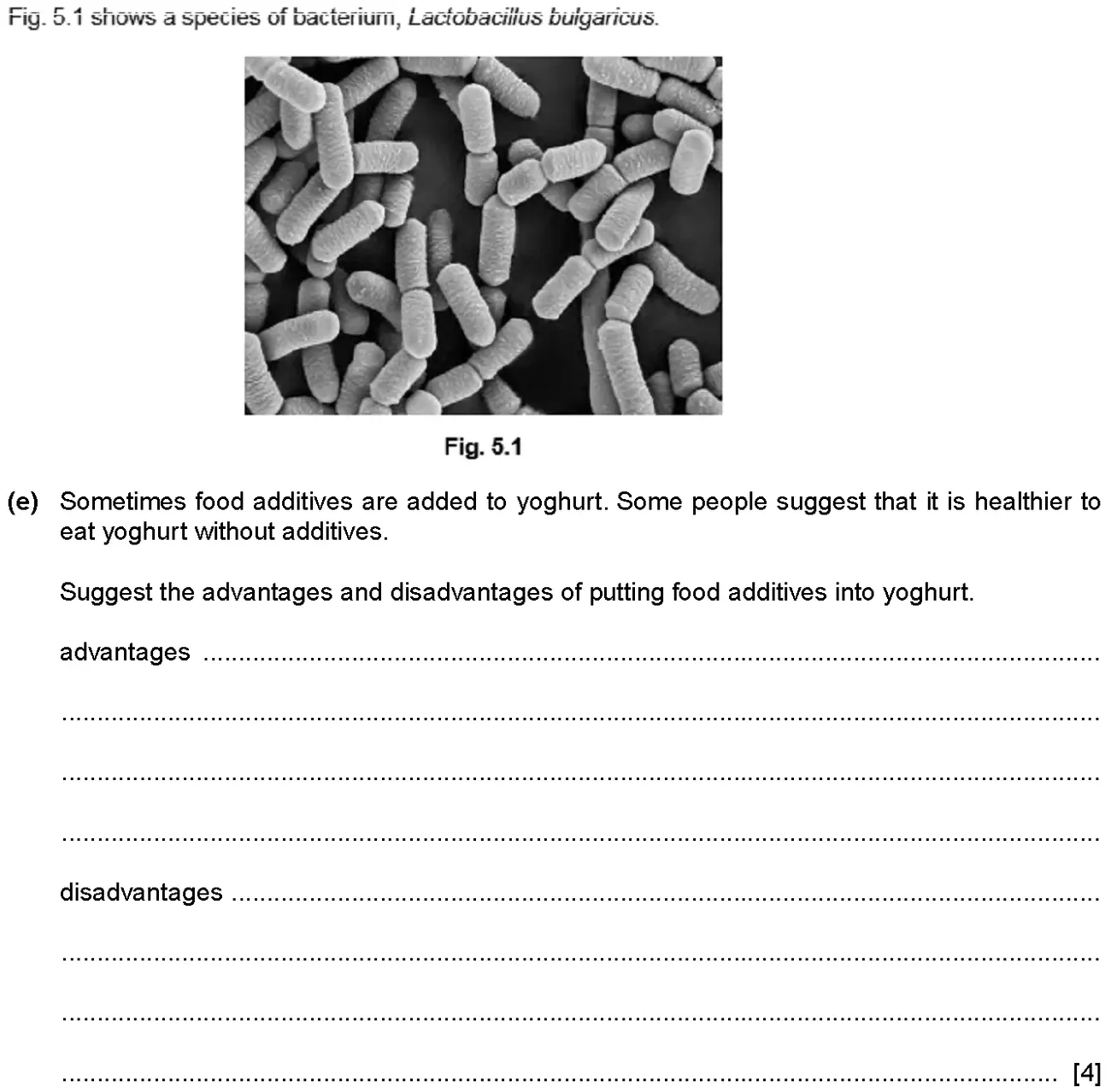
Written question 3 of 3 · part (b)(i) (1 / 5) 3:00

Show the answer

Written question 3 of 3 · part (b)(ii) (2 / 5) 3:00
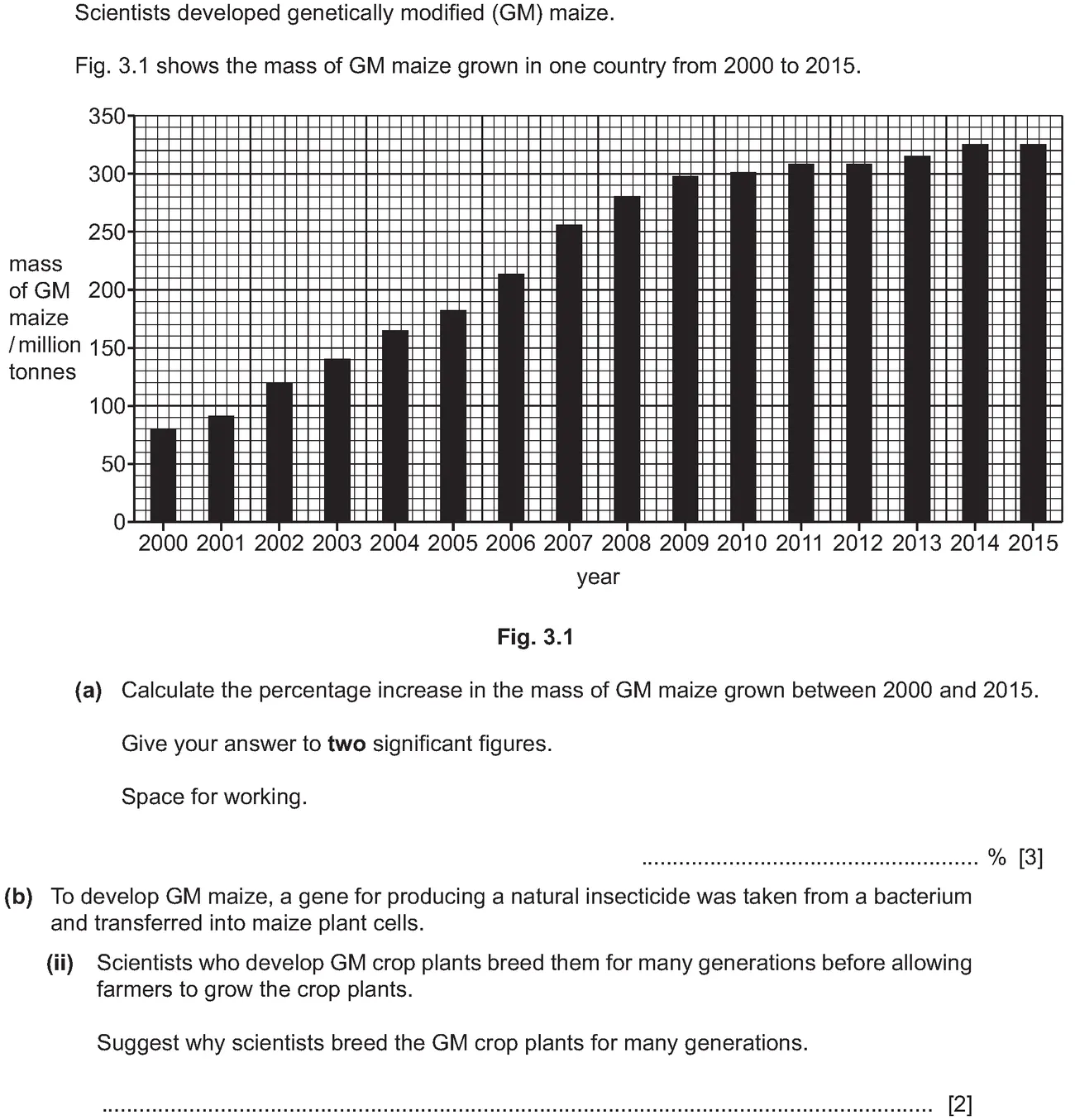
Show the answer
Written question 3 of 3 · part (b)(iii) (3 / 5) 3:00
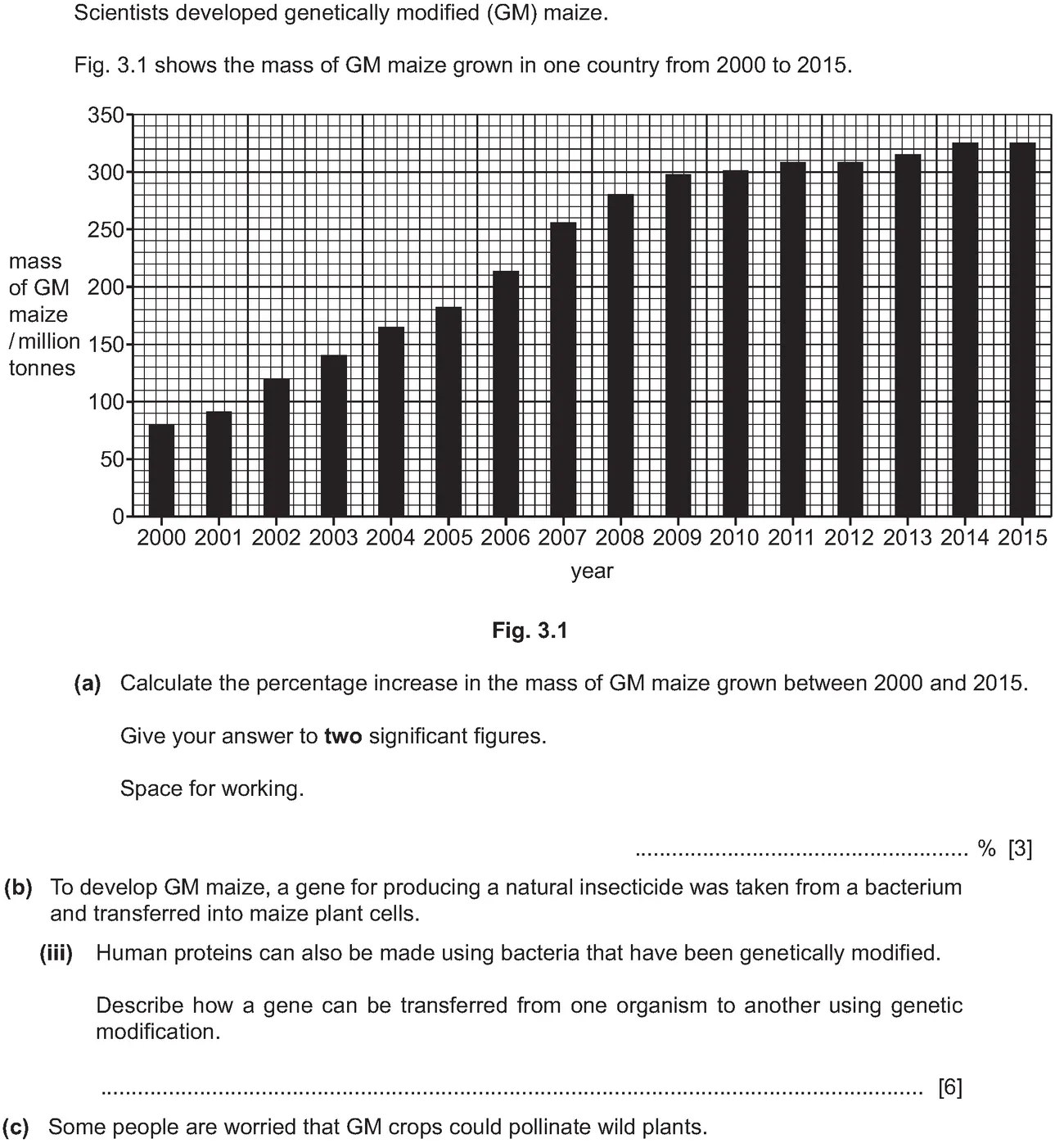
Show the answer
Written question 3 of 3 · part (c)(i) (4 / 5) 3:00
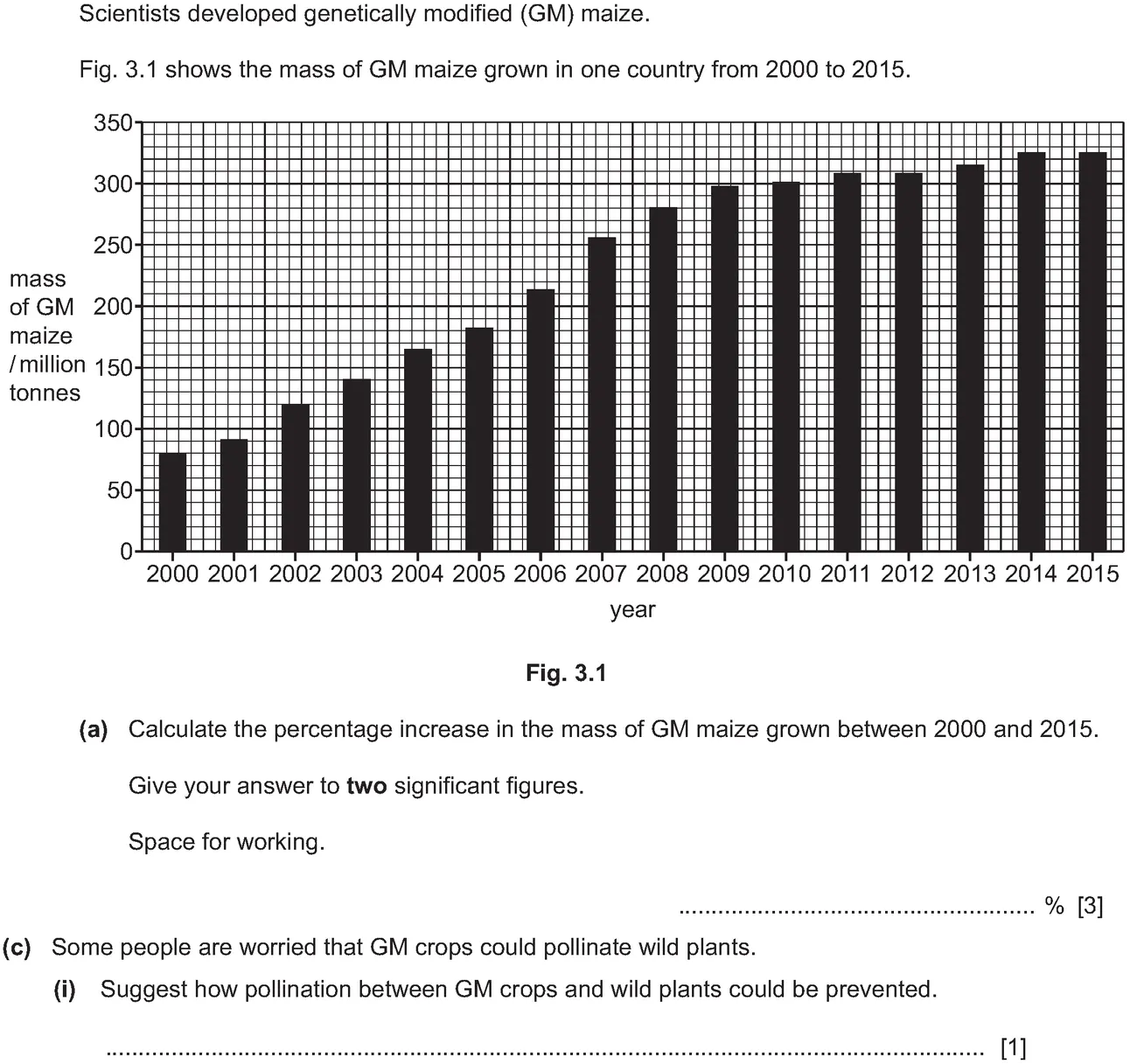
Show the answer
Written question 3 of 3 · part (c)(ii) (5 / 5) 3:00

Show the answer
Each part of a written question is on its own screen. Write your answer first, then open "Show the answer" to check it against the mark scheme.
Last updated: