1.3Chapter 1: The Particle Model and States of Matter
Using the particle model — Alhussan Chemistry - Stage 7 Revision Notes & Topical Questions
5 min read 10 parts Lesson 3 of 8 4 quizzes
1.3 Using the particle model — Explaining Compression, Flow and Shape — Alhussan International Academy — Chemistry (Stages 7–9) notes: Use the particle model to explain why solids, liquids and gases differ in shape, flow and compressibility, and define a vacuum.Basic idea — all m…
- Solids and liquids
- Aerosol cans
- Scuba and firefighters' cylinders
- Hydraulic jacks and brakes
- Bicycle pumps
- Change of state
Section 1 of 10The particle model of three states
- Basic idea all matter is made of tiny particles that are always in motion.
- The state depends on how the particles are arranged and how strongly they attract each other.
- Solid particles touch in a regular pattern, hold together strongly and vibrate about fixed positions.
- Liquid particles touch in a random arrangement and move past one another.
- Gas particles are far apart, move quickly in random directions and have very weak forces between them.
Section 2 of 10Explaining shape
- Solid it keeps its own shape because its particles are held in fixed positions by strong forces.
- Solid carbon dioxide (dry ice) lumps keep their shape and size if kept cold.
- Liquid it has a fixed volume but takes the shape of its container, because particles slide over each other but stay in contact.
- The shape of liquid water keeps changing when a child pours it from jar to jar.
- Gas it spreads out to fill any container, because particles move freely and the forces between them are too weak to hold them in one place.
- Carbon dioxide gas spreads out and mixes with the air all around the Earth.
Section 3 of 10Explaining flow
- Fluids liquids and gases are called fluids because their particles move from place to place, so they can flow.
- Liquid mercury flows and carbon dioxide flows in the gas state.
- Solids a solid cannot flow because its particles are in fixed positions and cannot change places.
- Solid mercury and solid carbon dioxide cannot flow.
- Powders sand seems to pour, but each grain is a tiny solid.
- The grains slide over one another and the particles inside each grain are still locked in place.
Section 4 of 10Explaining compression
- Gases all substances can be compressed in the gas state, because the particles are far apart and get closer together when squeezed.
- The particles themselves stay the same and do not change size.
- The oxygen in a firefighter's cylinder would normally fill about 1000 soda bottles.
- Solids and liquids they can be compressed only a very tiny bit, because their particles are already touching.
Section 5 of 10Comparing the states
| Property | Solid | Liquid | Gas |
|---|---|---|---|
| Shape | Fixed | Takes container shape | Fills container |
| Can flow | No | Yes | Yes |
| Compressible | No | Almost not | Yes |
| Density | High | High | Low |
Section 6 of 10Vacuum
- Vacuum = a space that has no particles and so no matter.
- Most of outer space is close to a vacuum, though a few particles are very far apart.
Section 7 of 10Everyday applications
- Dry ice solid carbon dioxide packed around vaccine bottles keeps them very cold.
- Aerosol cans they hold gas squeezed into a small volume, and the particles spread out when the valve opens.
- Scuba and firefighters' cylinders many gas particles are packed into a small container.
- Hydraulic jacks and brakes liquid cannot be compressed, so a force applied at one point is passed on through the liquid to another point.
- Bicycle pumps they use air, which is easily compressed.
Section 8 of 10Giving a full explanation
- Change of state the particles themselves stay the same, and only the arrangement, spacing and energy change, so the mass is unchanged.
Section 9 of 10Key terms
| Term | Meaning |
|---|---|
| Vacuum | A space with no particles and so no matter. |
| Fluid | A substance that can flow: a liquid or a gas. |
| Compress | To squeeze into a smaller volume. |
| Dry ice | Solid carbon dioxide. |
| Particle model | A model describing the arrangement and movement of particles. |
| Flow | Movement of a substance from place to place as its particles move around. |
Section 10 of 10Exam technique
Marked practiceQuizzes for this lesson
?What do you want to solve now?
✓Checkpoint Quiz
1 multiple-choice + 1 written questions from real exam papers on this lesson.
Question 1 of 1 1:30
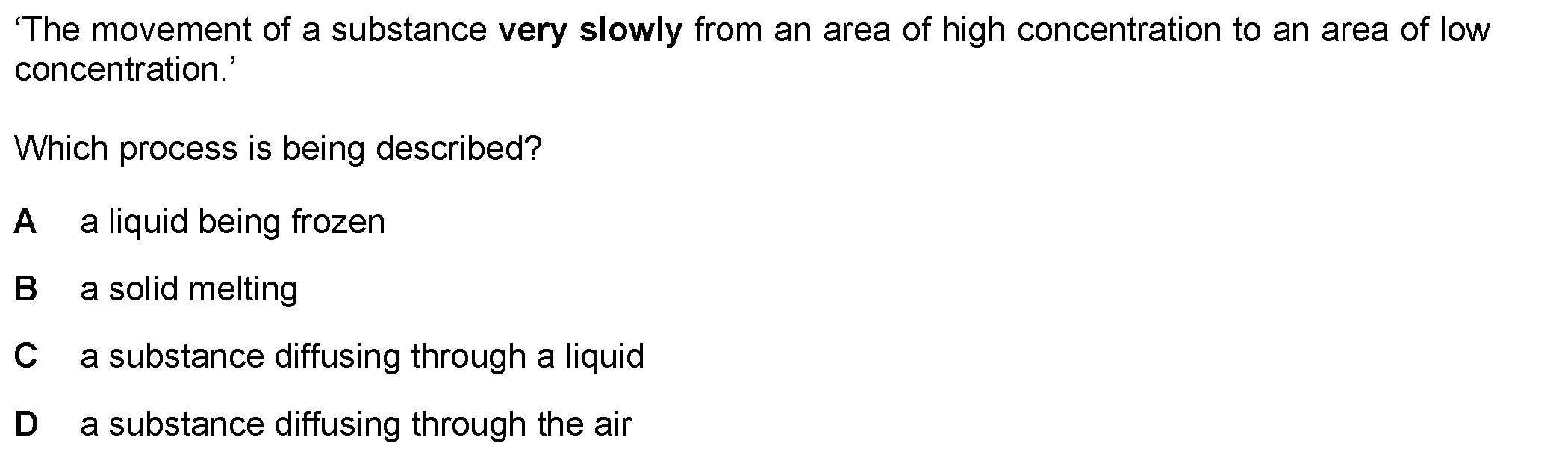
Answer key
1 C
Written question 1 of 1 · part (a)(i) (1 / 12) 3:00
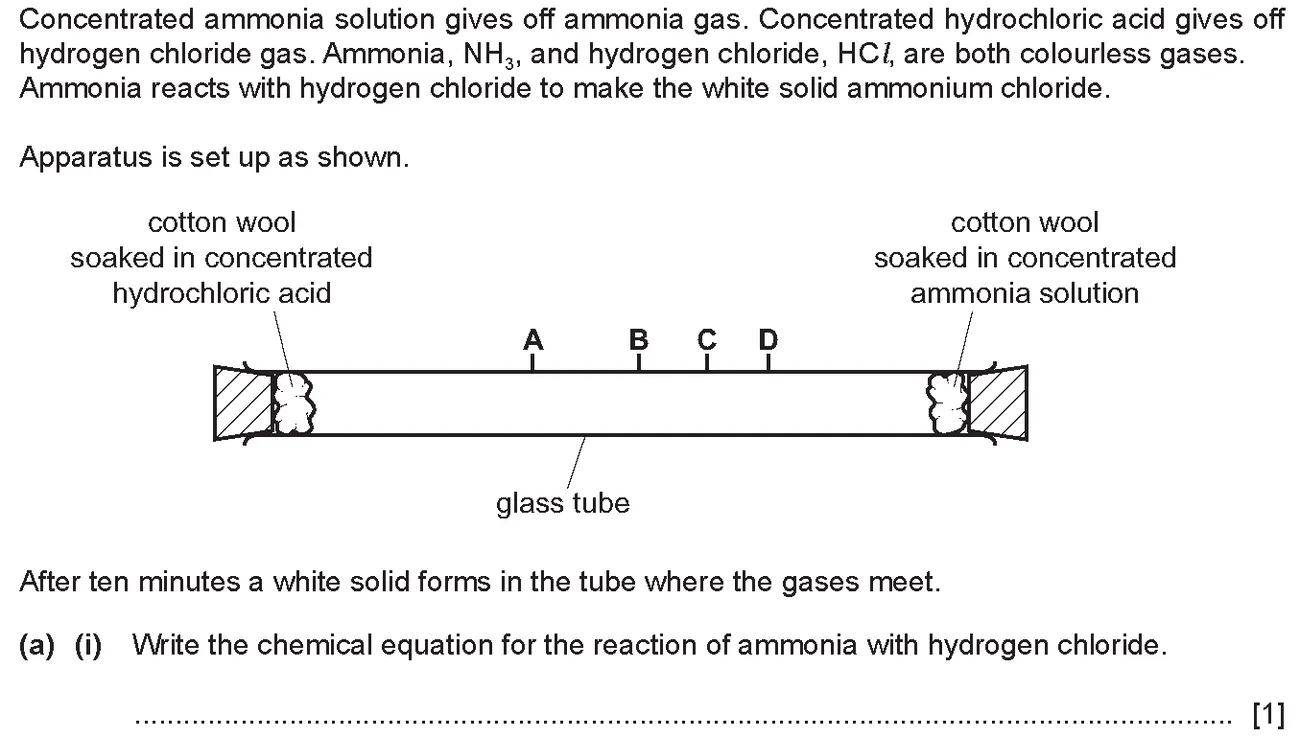
Show the answer

Written question 1 of 1 · part (a)(ii) (2 / 12) 3:00

Show the answer

Written question 1 of 1 · part (a)(iii) (3 / 12) 3:00

Show the answer

Written question 1 of 1 · part (a)(iv) (4 / 12) 3:00
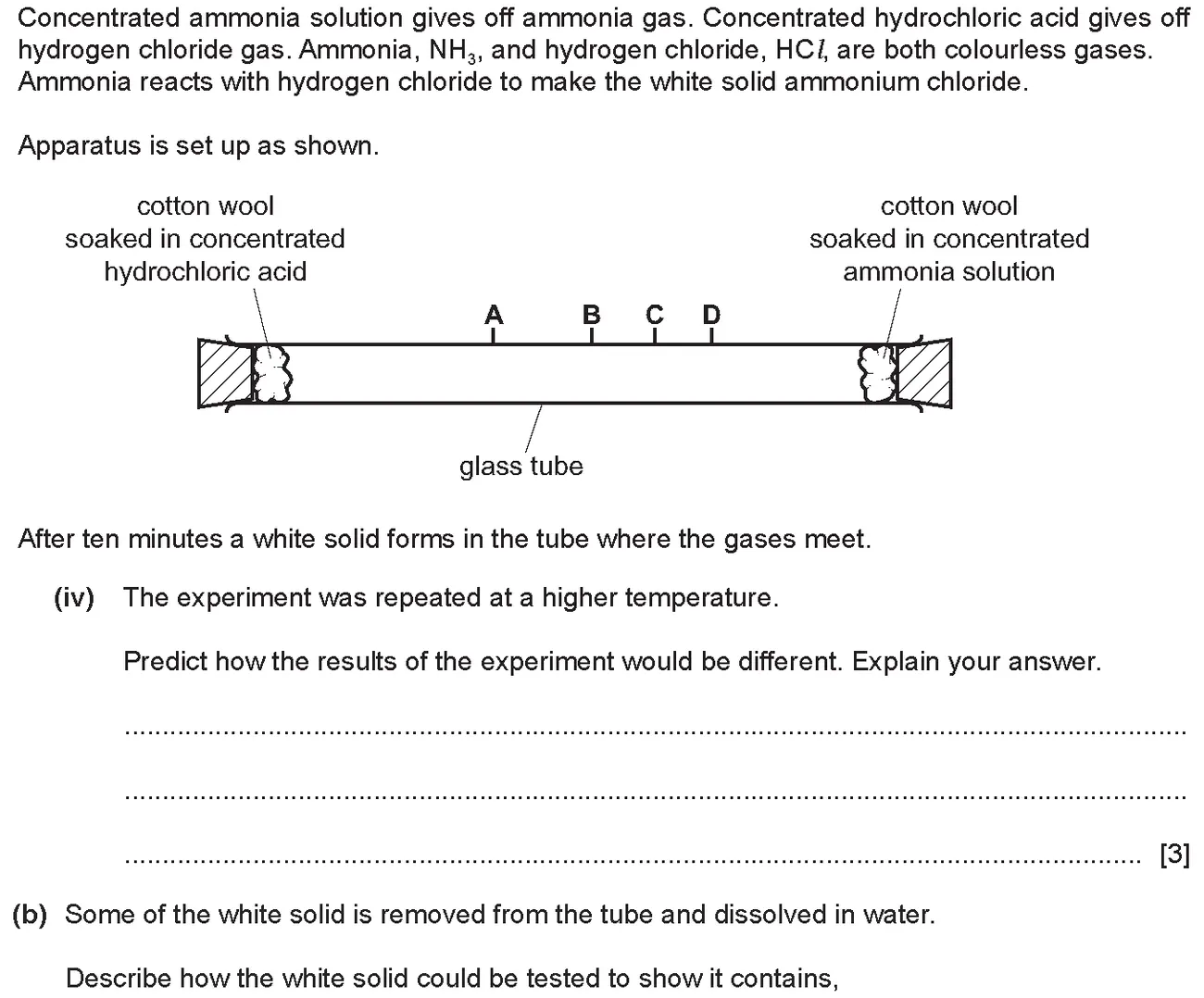
Show the answer

Written question 1 of 1 · part (b)(i) (5 / 12) 3:00

Show the answer

Written question 1 of 1 · part (b)(ii) (6 / 12) 3:00
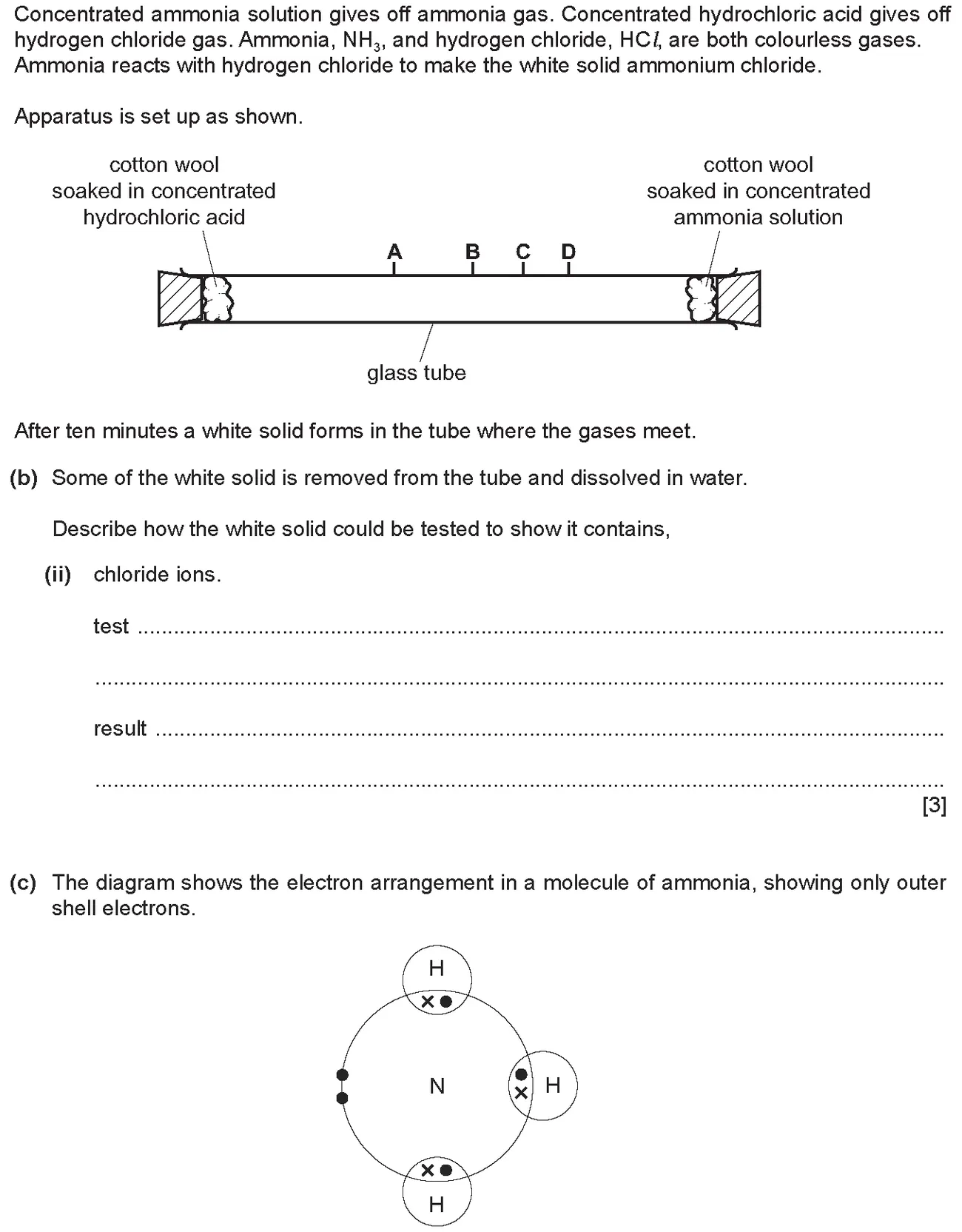
Show the answer

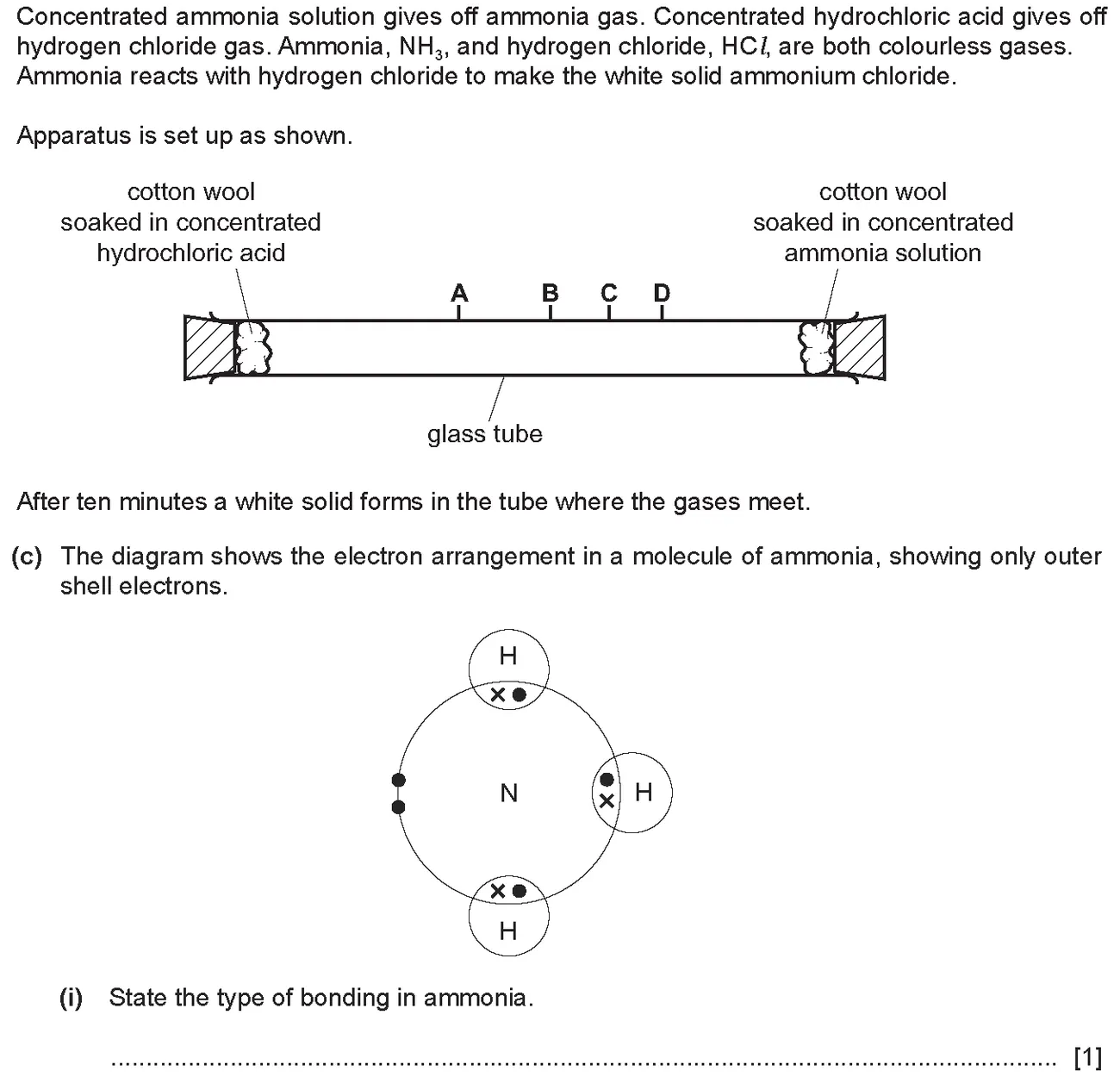
Written question 1 of 1 · part (c)(i) (7 / 12) 3:00
Show the answer

Written question 1 of 1 · part (c)(ii) (8 / 12) 3:00

Show the answer
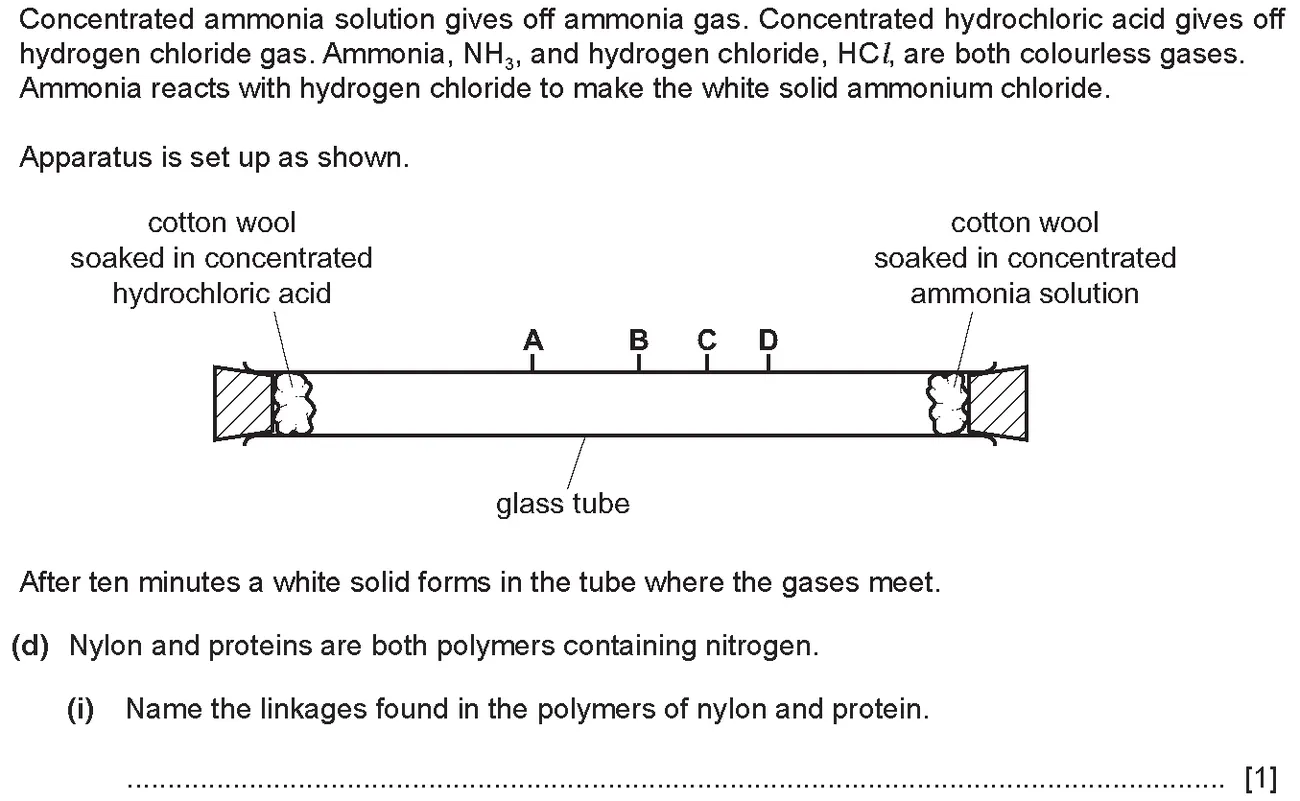
Written question 1 of 1 · part (d)(i) (9 / 12) 3:00
Show the answer
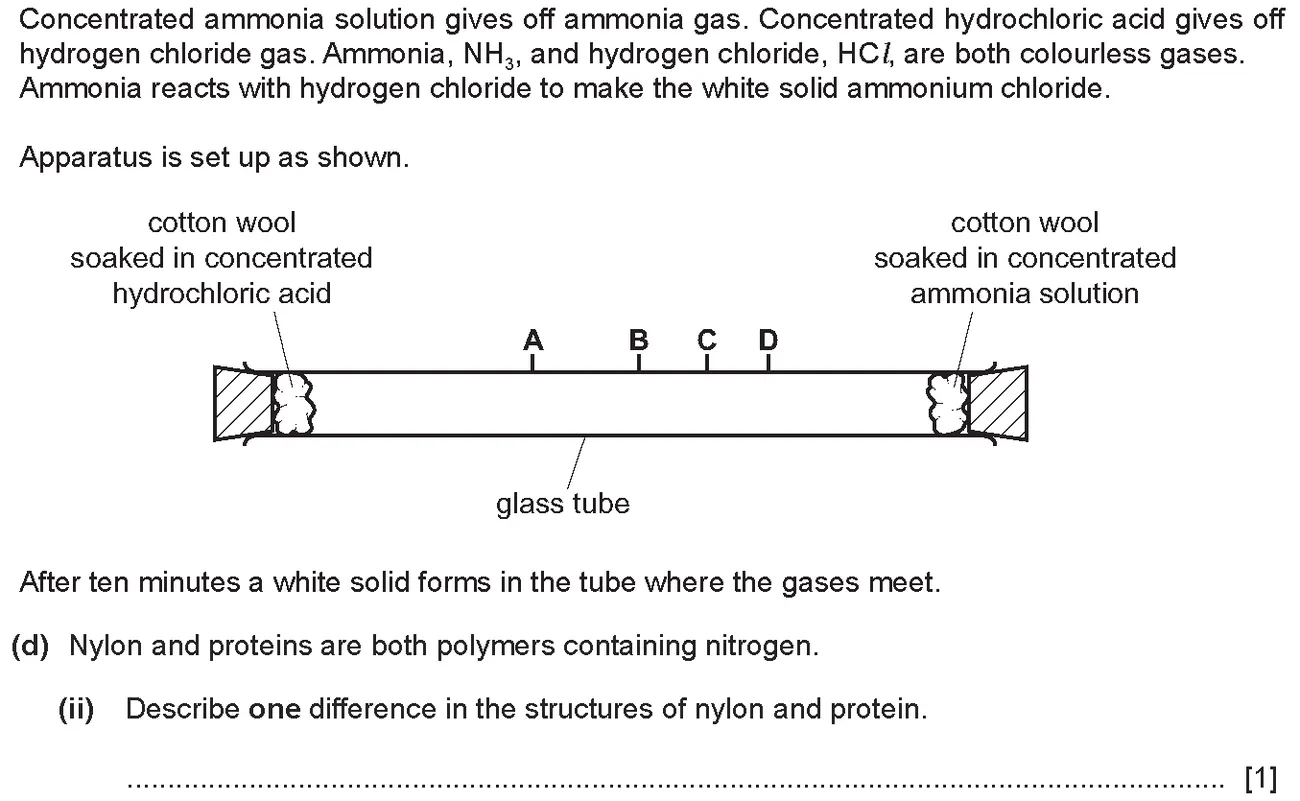
Written question 1 of 1 · part (d)(ii) (10 / 12) 3:00
Show the answer
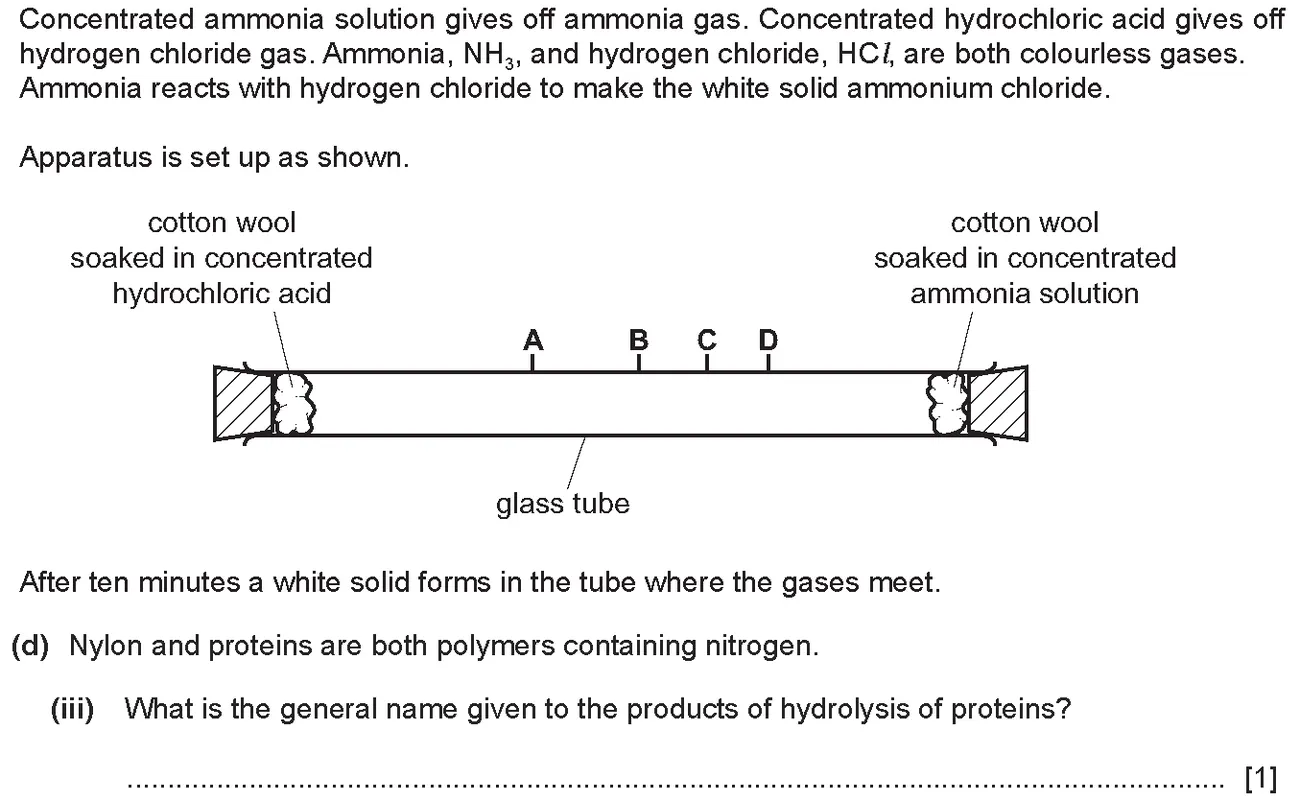
Written question 1 of 1 · part (d)(iii) (11 / 12) 3:00
Show the answer
Written question 1 of 1 · part (e) (12 / 12) 3:00
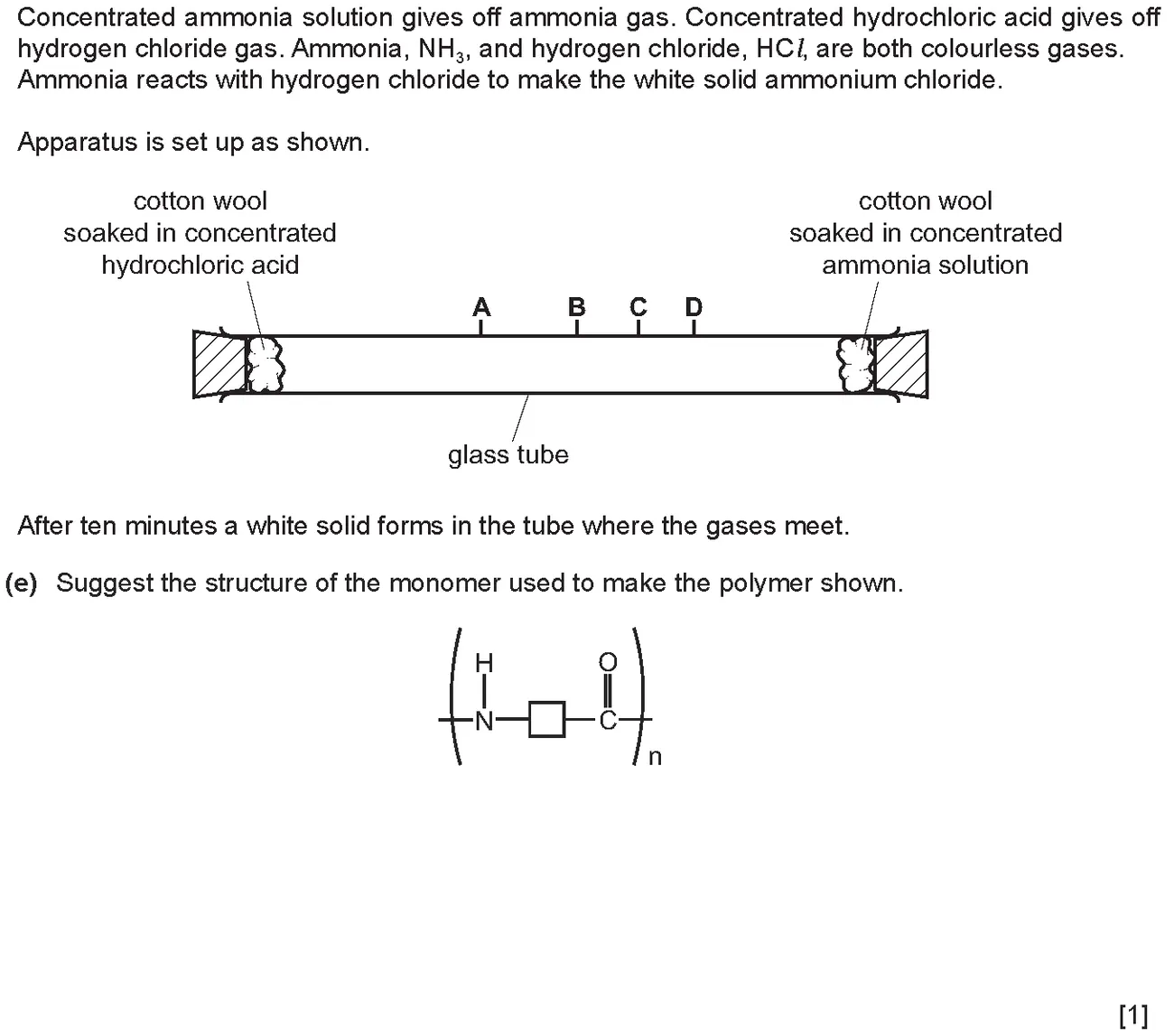
Show the answer
Each part of a written question is on its own screen. Write your answer first, then open "Show the answer" to check it against the mark scheme.
Last updated: