8.2Chapter 8: Pure Substances and Solutions
Drinking seawater — Alhussan Chemistry - Stage 8 Revision Notes & Topical Questions
5 min read 6 parts Lesson 2 of 10 3 quizzes
8.2 Drinking seawater — Desalination and Simple Distillation — Alhussan International Academy — Chemistry (Stages 7–9) notes: Define desalination, describe how simple distillation produces pure water from seawater, and evaluate the benefits and problems of desalination.Dry countr…
- Dry countries
- Apparatus details
- Reduced-pressure distillation
- Reverse osmosis
- Other users
- Electricity
Section 1 of 6Why seawater is a water source
- Saudi Arabia has very little rain, no permanent rivers and only one lake.
- About half of its drinking water comes from the sea.
- Seawater it contains about 3.5% dissolved salts, which the body cannot remove in large amounts.
- Drinking seawater dehydrates you because the kidneys need extra water to remove the salt.
Section 2 of 6Simple distillation in the laboratory
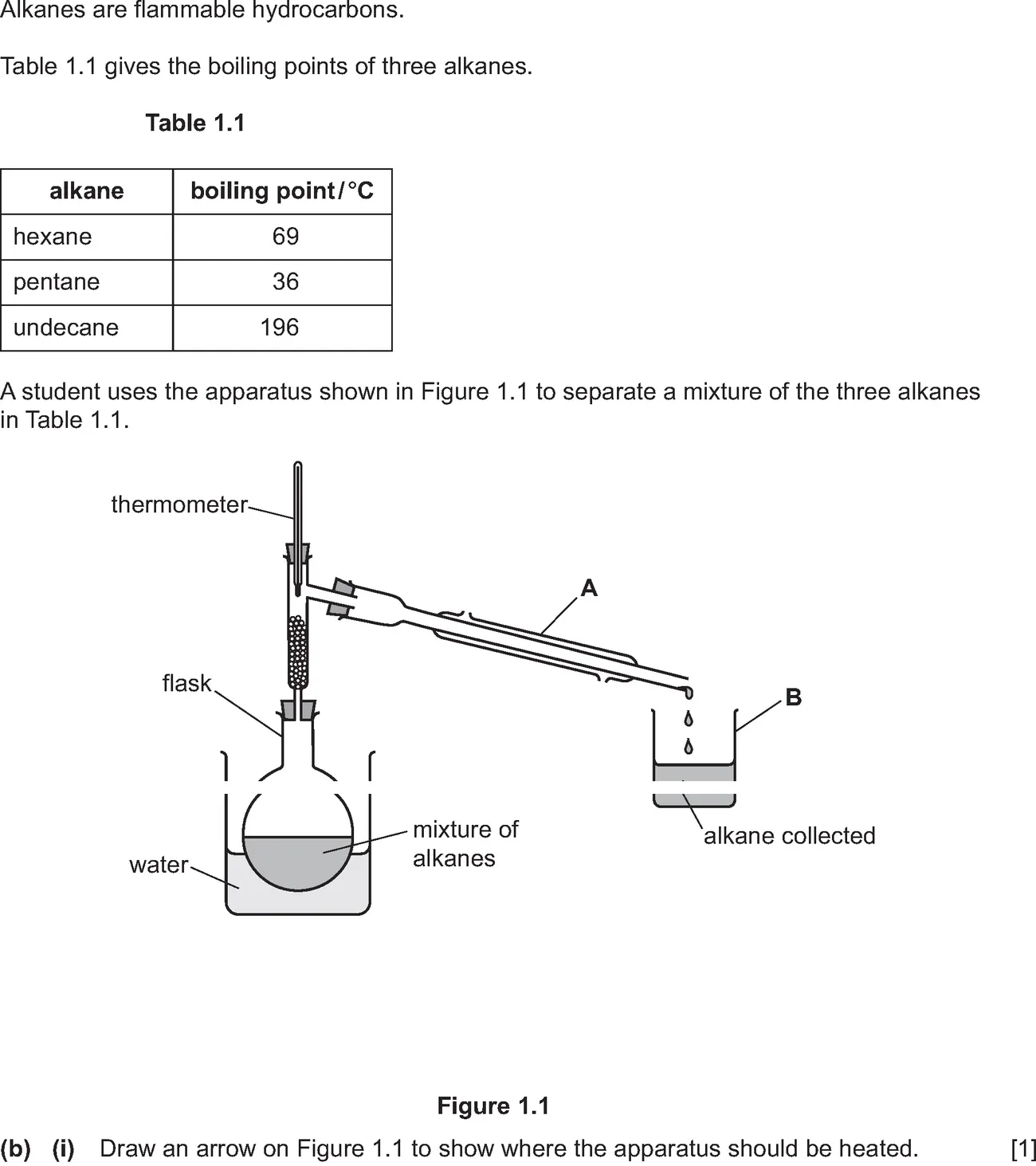
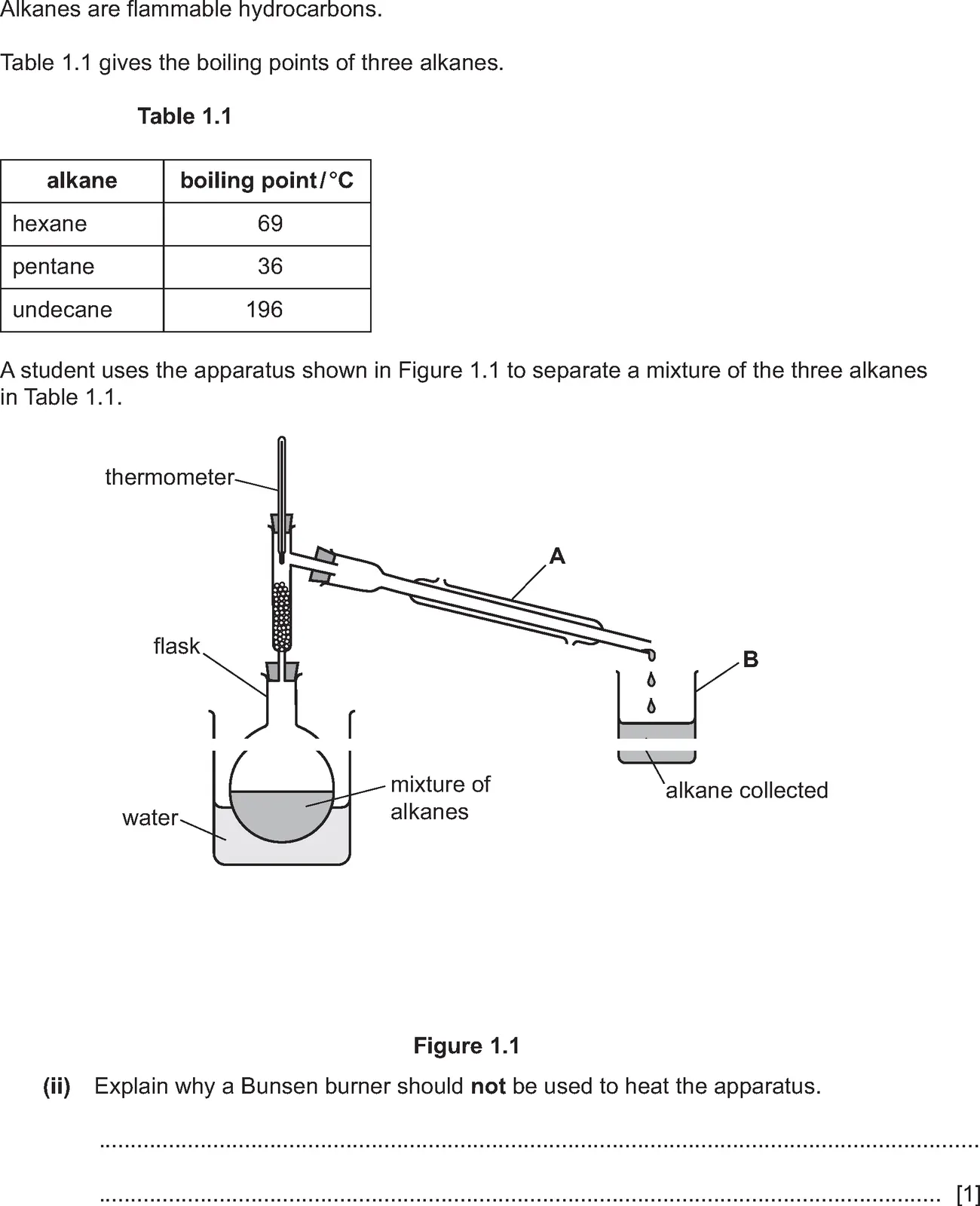
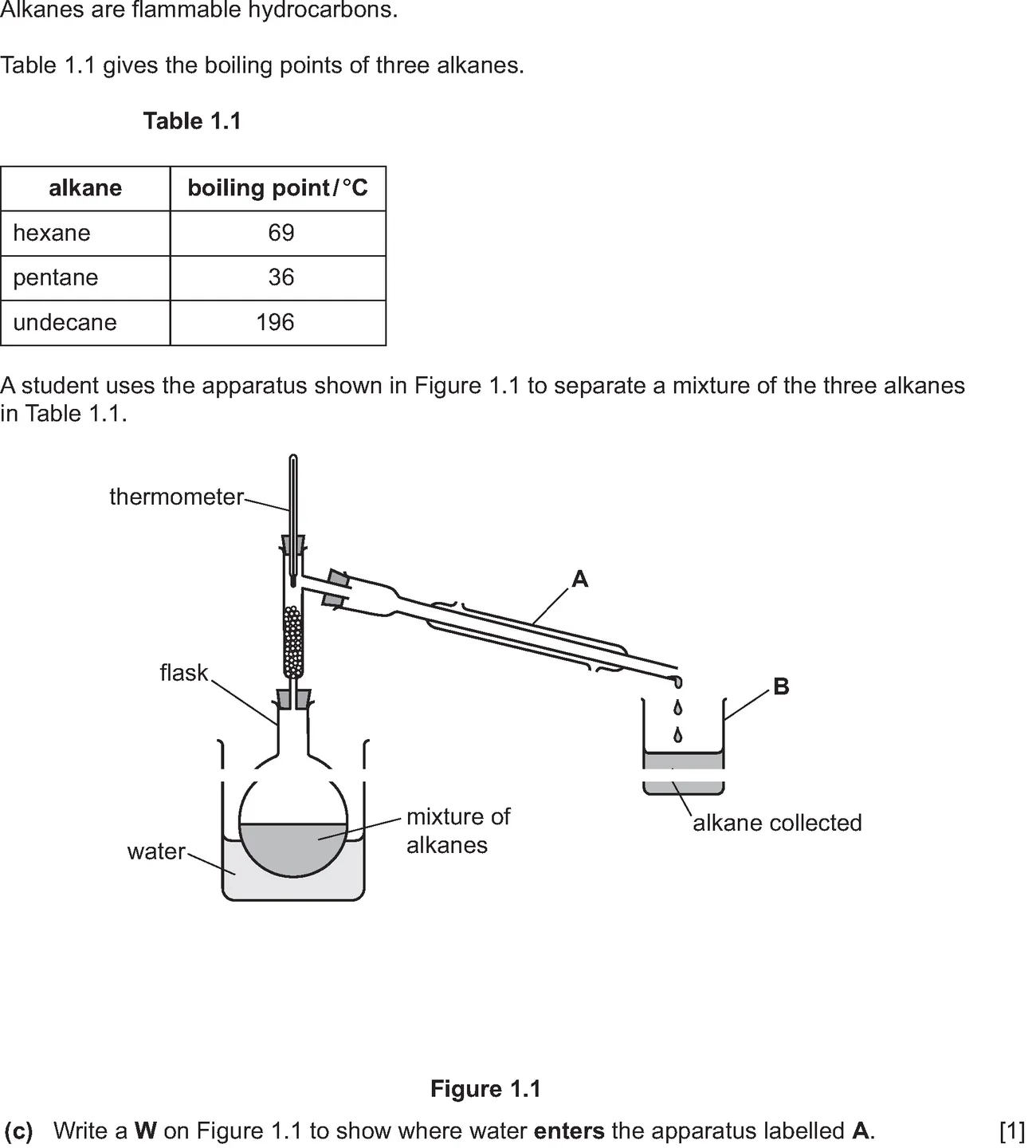
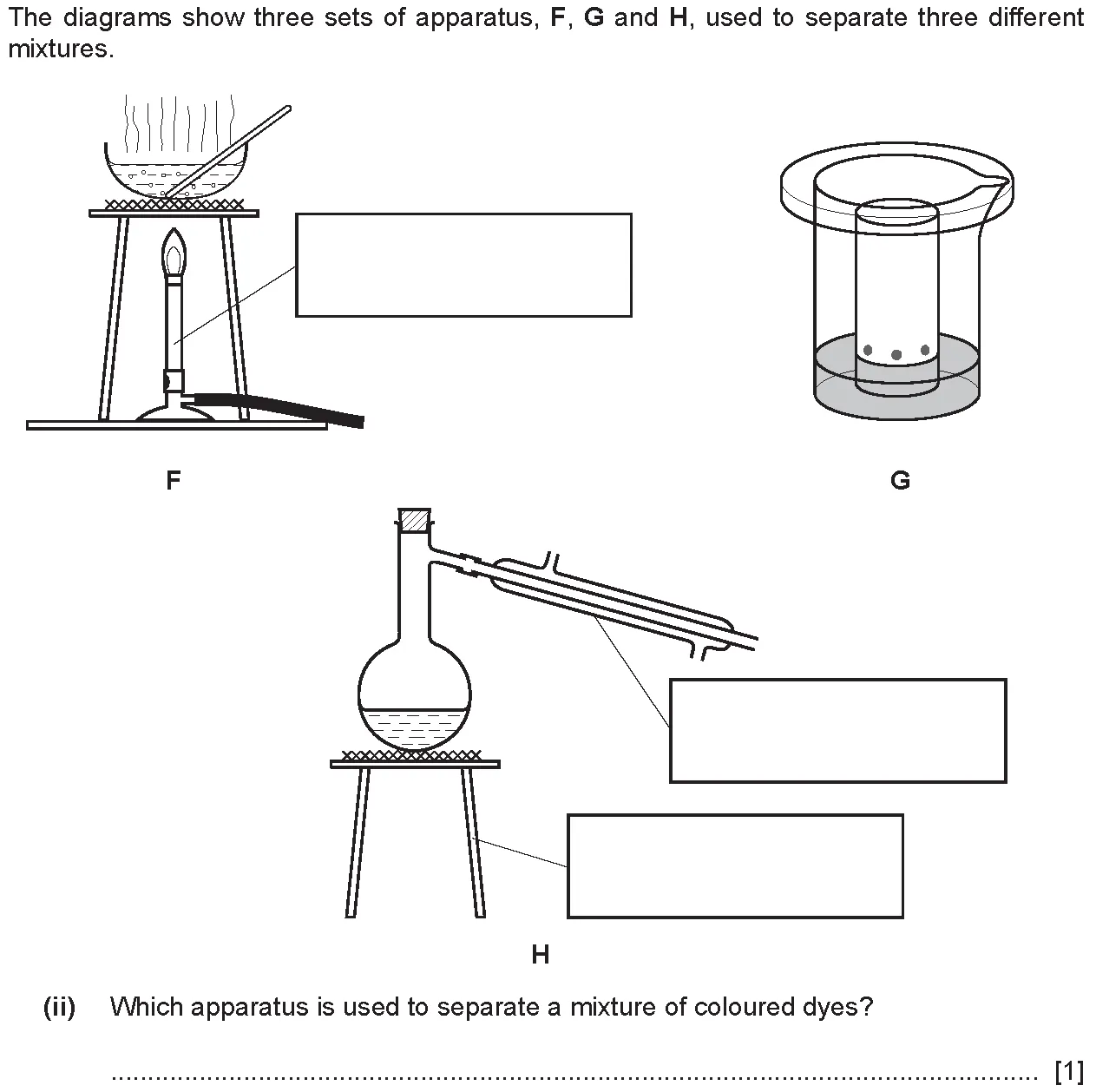
- Principle it separates a solvent from a solution because the solvent has a much lower boiling point than the solute.
- Water boils at about 100 °C while the salt does not boil.
- Apparatus details the thermometer bulb is at the side arm and shows the boiling point of the pure liquid, 100 °C.
- Anti-bumping granules stop violent boiling.
- The apparatus must not be sealed, so pressure cannot build up.
Section 3 of 6Large-scale desalination
- Reduced-pressure distillation it is similar to laboratory distillation,
- but the pressure is reduced so water boils at a lower temperature,
- which makes it cheaper.
- Large plants use multi-stage flash distillation.
- Reverse osmosis it works a bit like filtering, forcing seawater at high pressure through a membrane that lets water through but holds back salt particles.
- It uses less energy than distillation but needs electricity for pumps, and the membranes must be cleaned and replaced.
- Other users ships and submarines make pure water by desalination too.
| Method | Advantage | Disadvantage |
|---|---|---|
| Distillation | Very pure water | Uses a lot of energy |
| Reverse osmosis | Less energy | Expensive membranes and pumps |
Section 4 of 6Benefits and problems of desalination
- Benefit it supplies drinking water for millions of people independent of rainfall.
- Taste the water is completely pure, and some people do not like its taste.
- Health pure water has no dissolved calcium compounds, which other sources contain and which benefit health.
- Electricity some methods need huge amounts of electricity.
- Fossil fuel energy contributes to global warming, so some countries use solar energy instead.
- Environment sea animals and plants may die where very salty brine returns to the sea.
- Cost plants are expensive to build and run.
- Alternatives rainwater collection, recycling waste water and reducing leakage.
Section 5 of 6Key terms
| Term | Meaning |
|---|---|
| Desalination | removing salt from seawater. |
| Distillation | separating by evaporating and condensing. |
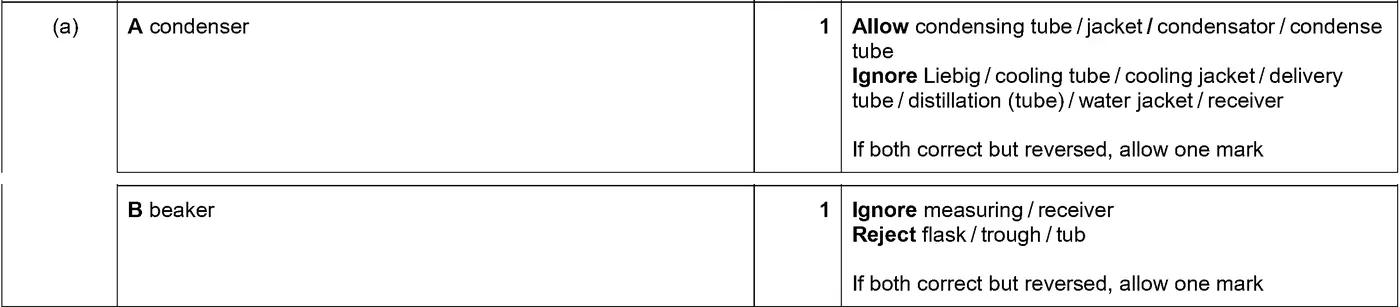
| Condenser | a tube that cools vapour into liquid. |
| Distilled water | pure water made by distillation. |
| Reverse osmosis | forcing water through a membrane to remove salts. |
| Brine | very salty water left after desalination. |
Section 6 of 6Exam technique
Marked practiceQuizzes for this lesson
?What do you want to solve now?
✓Checkpoint Quiz
2 multiple-choice + 3 written questions from real exam papers on this lesson.
Question 1 of 2 1:30

Question 2 of 2 1:30

Answer key
1 B2 B
Written question 1 of 3 · part (a) (1 / 6) 3:00

Show the answer
Written question 1 of 3 · part (b)(i) (2 / 6) 3:00
Show the answer

Written question 1 of 3 · part (b)(ii) (3 / 6) 3:00
Show the answer

Written question 1 of 3 · part (c) (4 / 6) 3:00
Show the answer

Written question 1 of 3 · part (d) (5 / 6) 3:00

Show the answer
Written question 1 of 3 · part (e) (6 / 6) 3:00

Show the answer
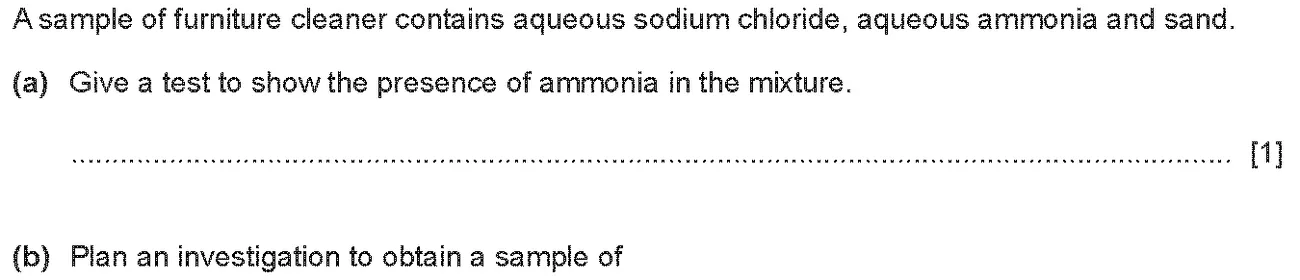
Written question 2 of 3 · part (a) (1 / 3) 3:00
Show the answer

Written question 2 of 3 · part (b)(i) (2 / 3) 3:00

Show the answer
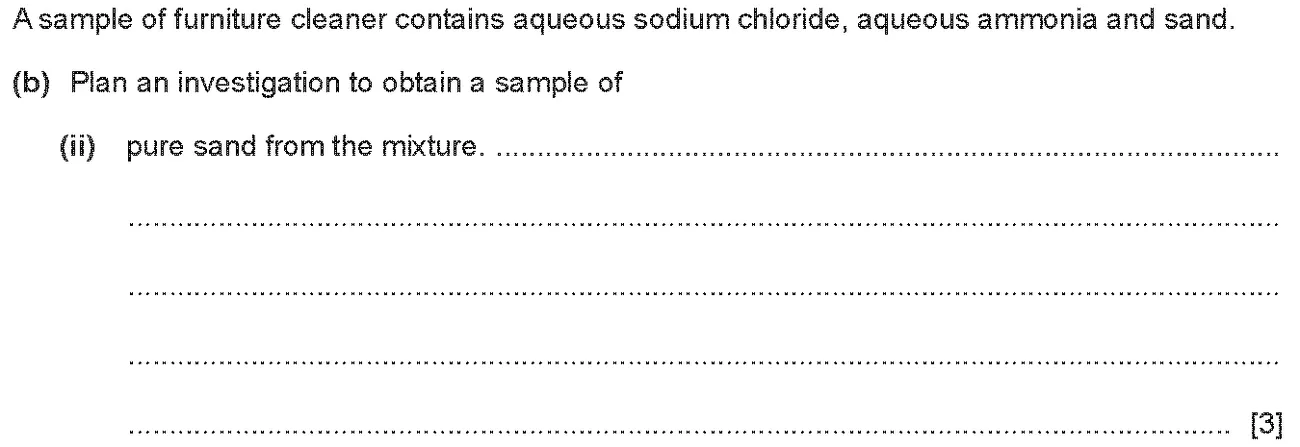
Written question 2 of 3 · part (b)(ii) (3 / 3) 3:00
Show the answer
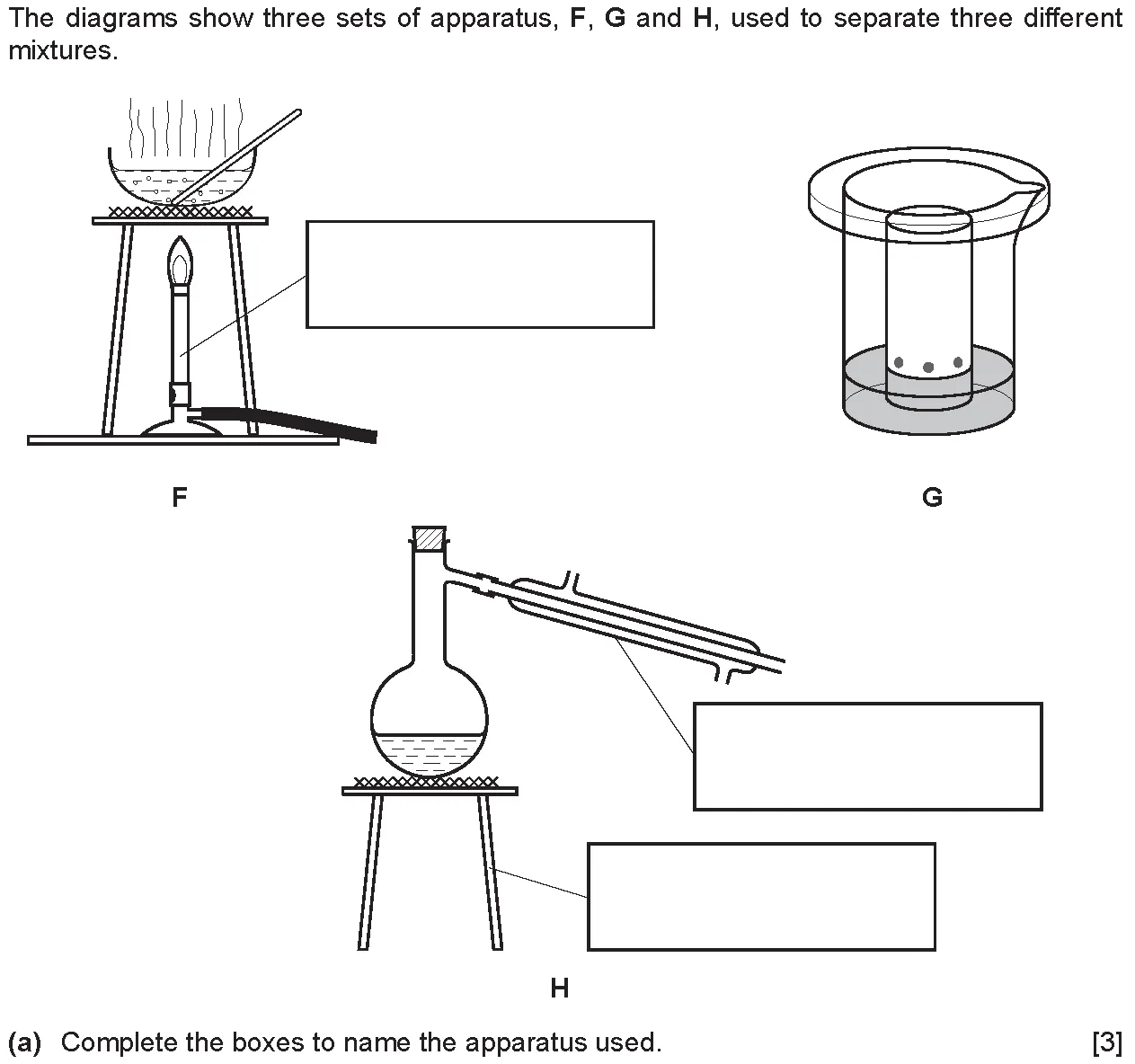
Written question 3 of 3 · part (a) (1 / 3) 3:00
Show the answer

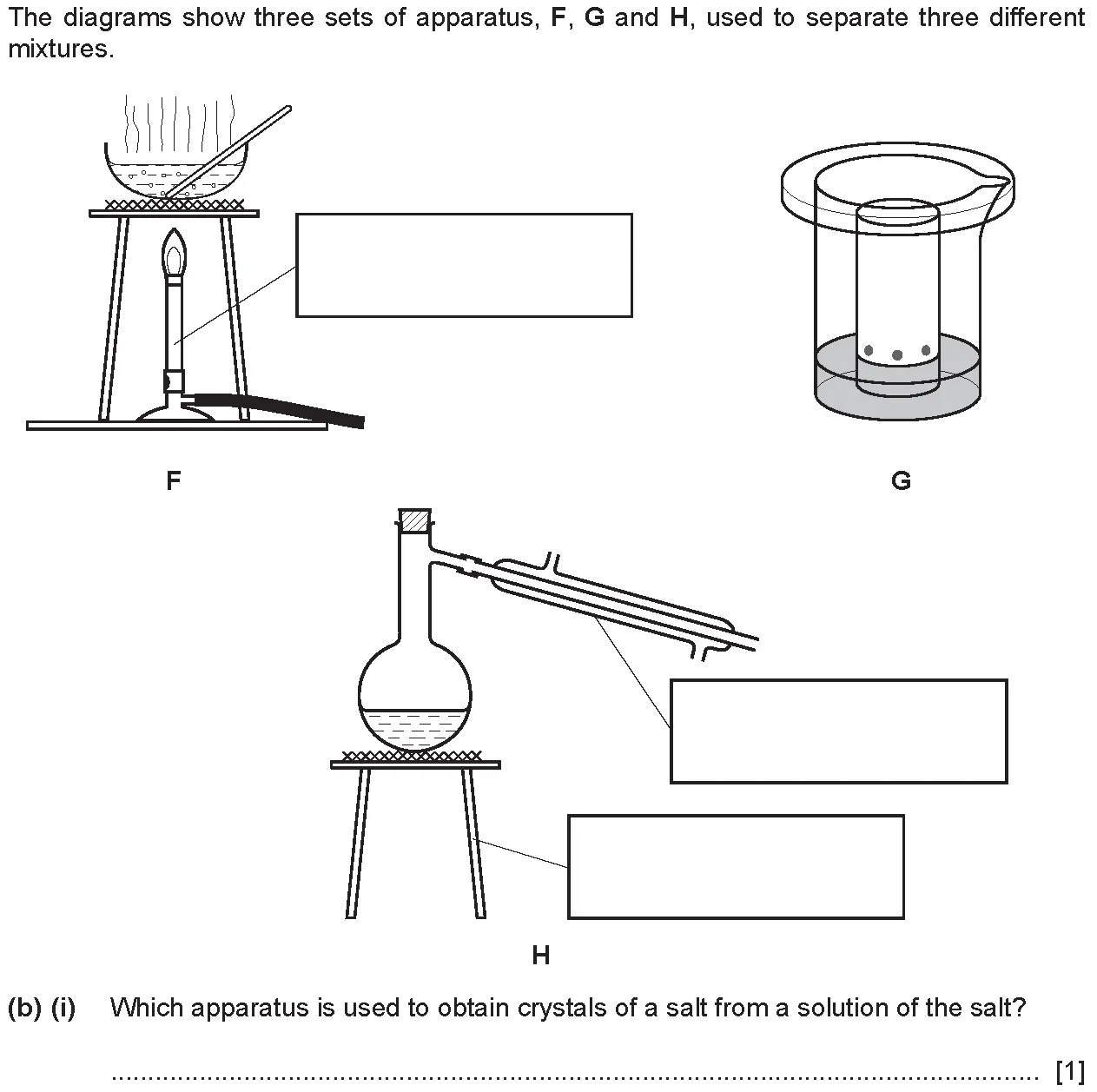
Written question 3 of 3 · part (b)(i) (2 / 3) 3:00
Show the answer

Written question 3 of 3 · part (b)(ii) (3 / 3) 3:00
Show the answer
Each part of a written question is on its own screen. Write your answer first, then open "Show the answer" to check it against the mark scheme.
Last updated: