13.3Chapter 13: Sound Waves
Hearing, decibels, and risk — Alhussan Physics - Stage 9 Revision Notes & Topical Questions
5 min read 8 parts Lesson 3 of 5 1 quiz
Physics 13.3 Hearing, decibels, and risk — Decibel Scale and Noise-Induced Hearing Loss — Alhussan International Academy — Physics (Stages 7–9) notes: Name the unit of sound intensity and describe the risks of loud sounds and how to reduce them.Intensity — The loudness of a sound…
- Not like a ruler
- Loudest possible
- Sudden loud sounds
- Long exposure
- Reducing risk
- Decibel meters
Section 1 of 8The decibel scale
- The loudness of a sound is measured with a sound-level meter on the decibel (dB) scale.
- Every increase of 10 dB increases the intensity 10 times.
- A 40 dB sound has 10 times the intensity of a 30 dB sound.
- A 50 dB sound has 100 times the intensity of a 30 dB sound.
- The loudest possible continuous sound is 194 dB; explosions and earthquakes can be louder but do not last.
Section 2 of 8Typical sound levels
| Sound | Approximate level |
|---|---|
| Threshold of hearing | 0 dB |
| Quiet whisper | 30 dB |
| Normal conversation | 60 dB |
| Busy road | 80 dB |
| Chainsaw, can damage hearing after about 8 hours a day | 90 dB |
| Rock concert, loud headphones | 100 to 110 dB |
| Vuvuzela, painful | 120 dB |
| Jet engine nearby | 140 dB |
Section 3 of 8Hearing damage
- They can burst the eardrum.
- It damages the tiny hair cells in the inner ear, which do not grow back, causing permanent noise-induced hearing loss.
- The risk depends on both the loudness in decibels and the length of time of exposure.
Section 4 of 8Understanding risk
- It combines the probability that something bad happens with the consequence if it did.
- An aeroplane crash has serious consequences but a very low probability.
- Listening to loud music may not seem risky, but the probability of hearing damage rises the longer you listen.
- A risk can be reduced by lowering the probability or the consequences.
Section 5 of 8Reducing the risk from noise
- Put something between the sound source and your ears, such as ear defenders.
- Move away from the source of the sound.
- Reduce the time spent near the source.
- People can use them to monitor sound levels.
- Lower the volume, take breaks and use noise-cancelling headphones so the volume does not need to be raised.
Section 6 of 8Protecting hearing at work
- They reduce the intensity of sound reaching the ear.
- Construction workers using drills, airport ground crew, factory workers and musicians should wear them.
- Tiredness from long periods of driving also raises the probability of accidents.
Section 7 of 8Key terms
| Term | Meaning |
|---|---|
| Decibel (dB) | The unit of sound intensity or loudness. |
| Intensity | The amount of sound energy arriving per unit area. |
| Noise | Sound that we do not want to hear. |
| Risk | The probability of harm combined with how serious the harm would be. |
| Ear defenders | Protective covers that reduce the sound reaching the ears. |
Section 8 of 8Exam technique
Marked practiceQuizzes for this lesson
?What do you want to solve now?
✓Checkpoint Quiz
2 written questions from real exam papers on this lesson.
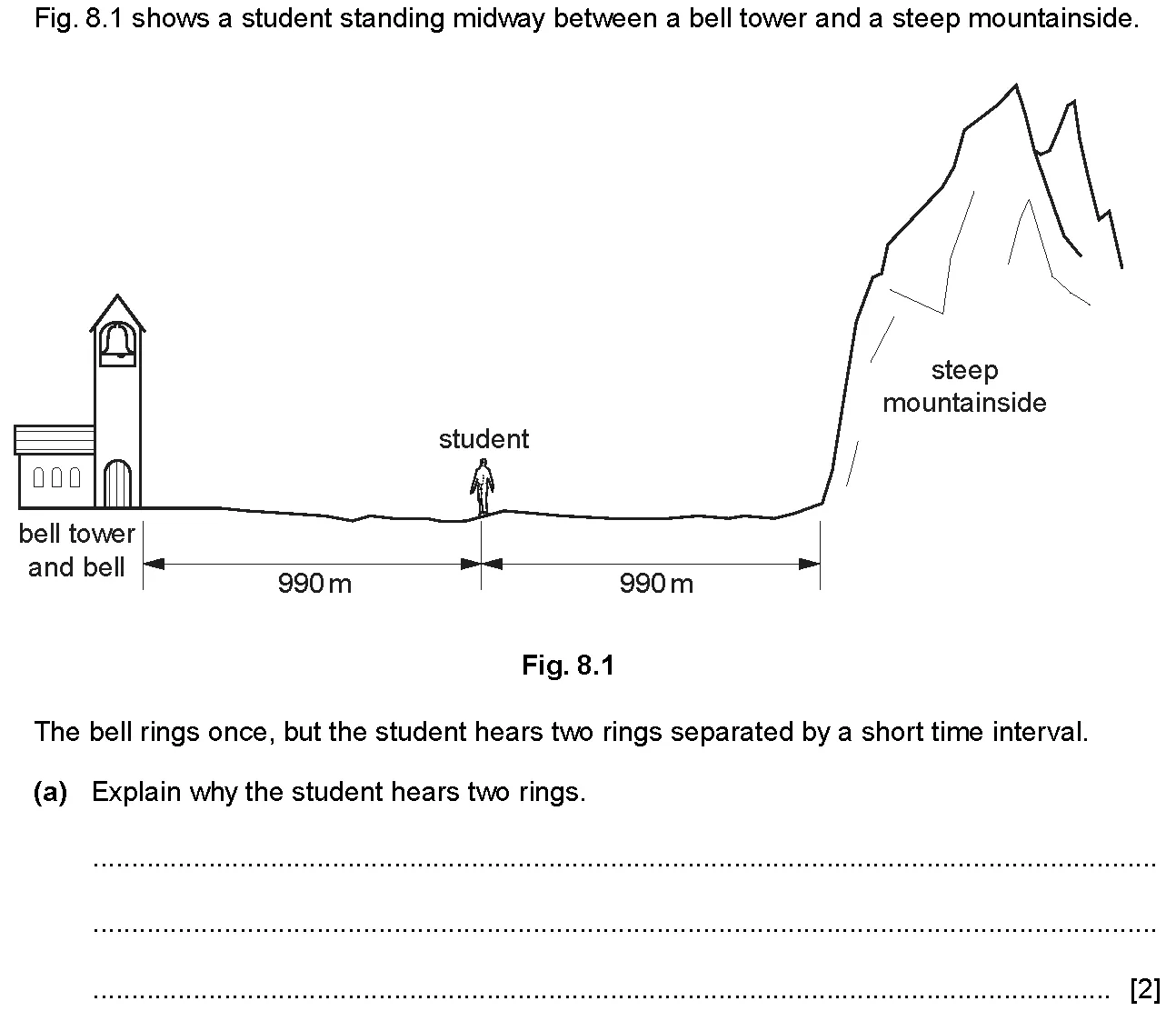
Written question 1 of 2 · part (a) (1 / 5) 3:00
Show the answer
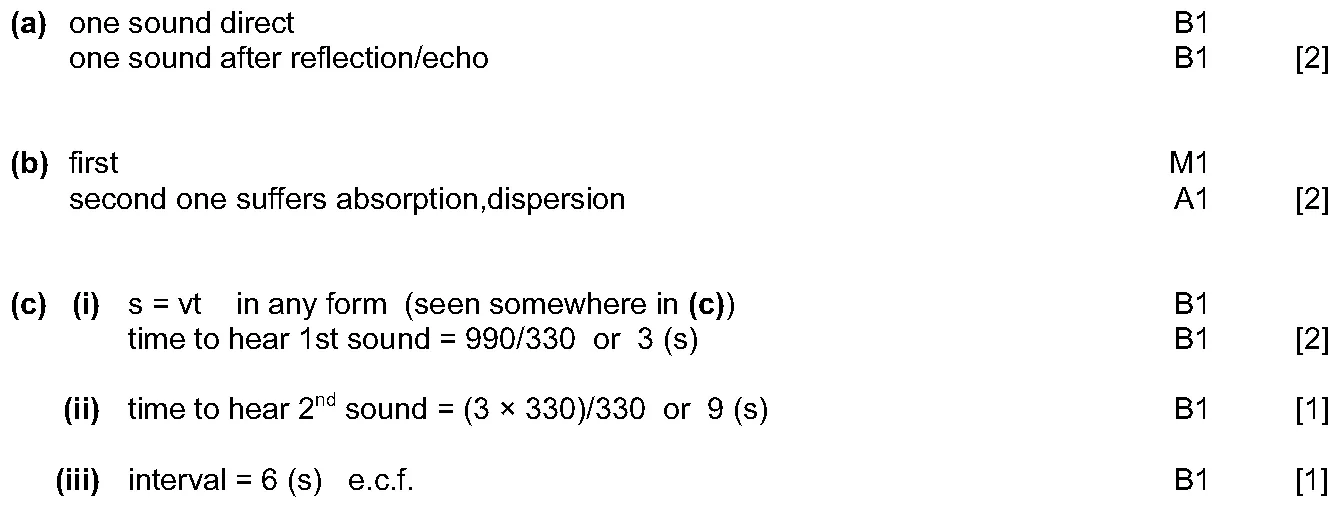
Written question 1 of 2 · part (b) (2 / 5) 3:00
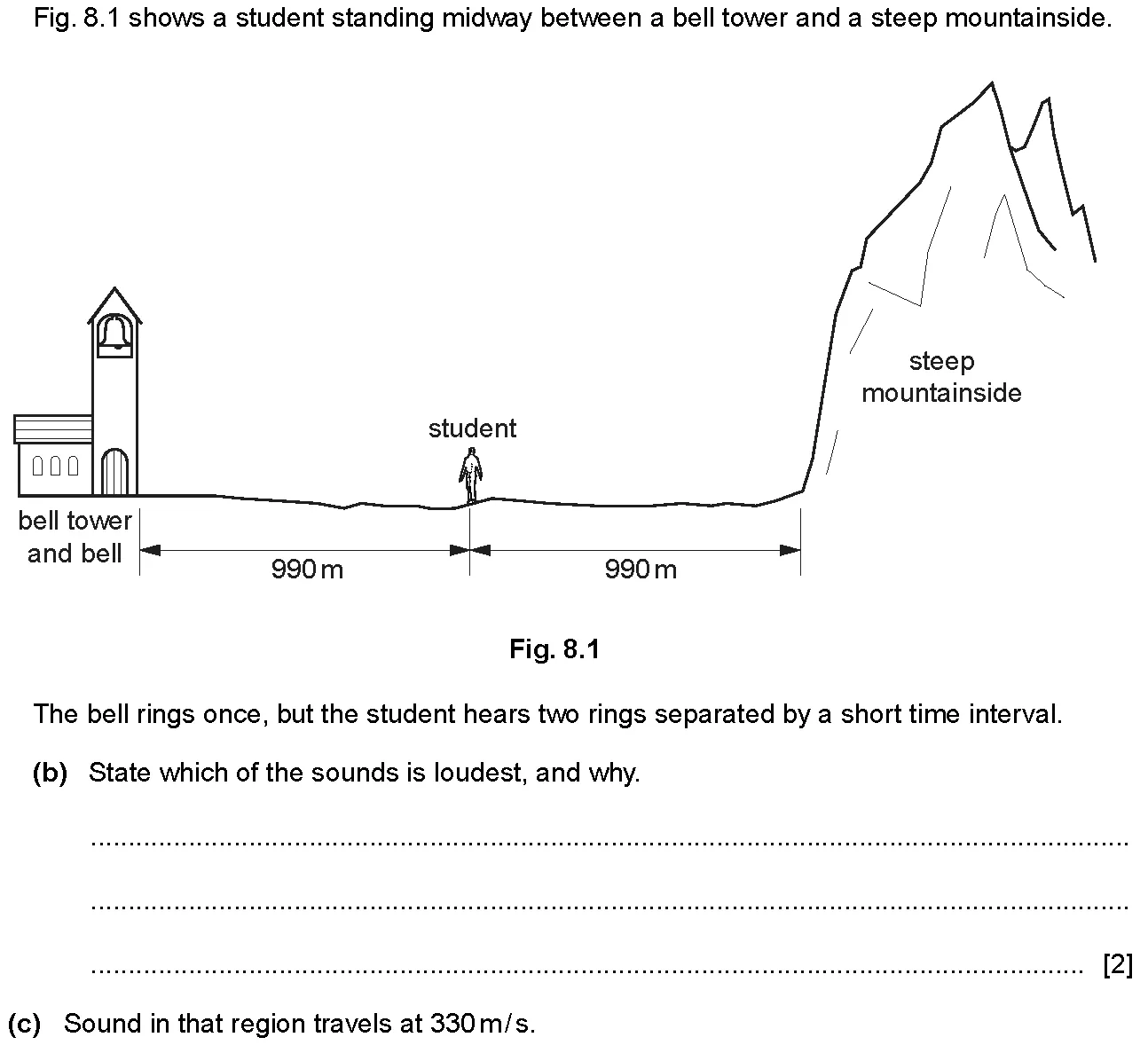
Show the answer
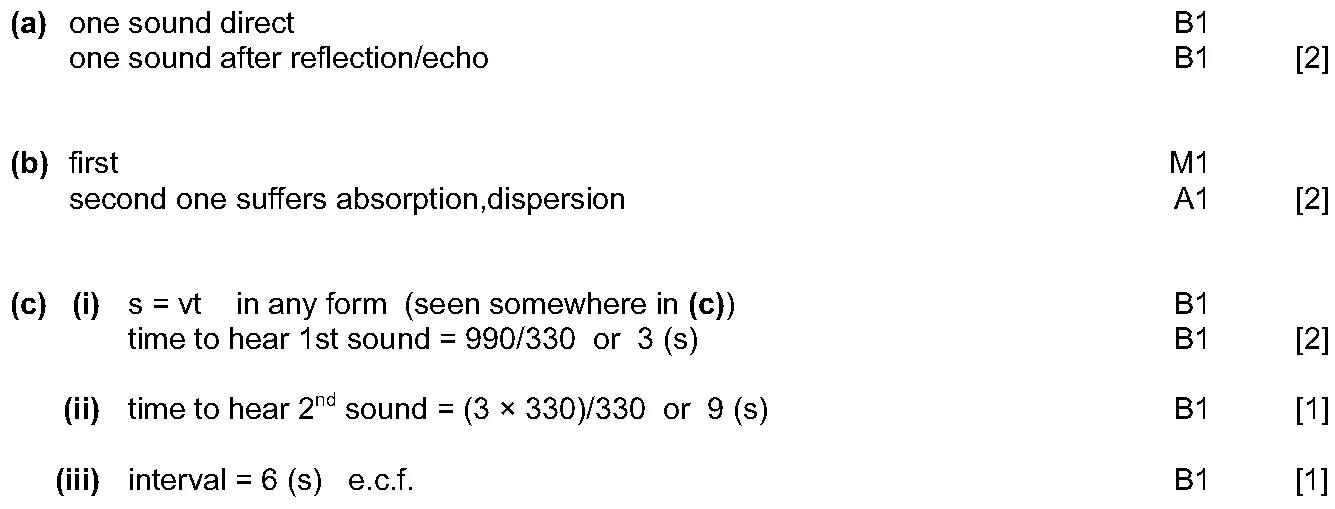
Written question 1 of 2 · part (c)(i) (3 / 5) 3:00
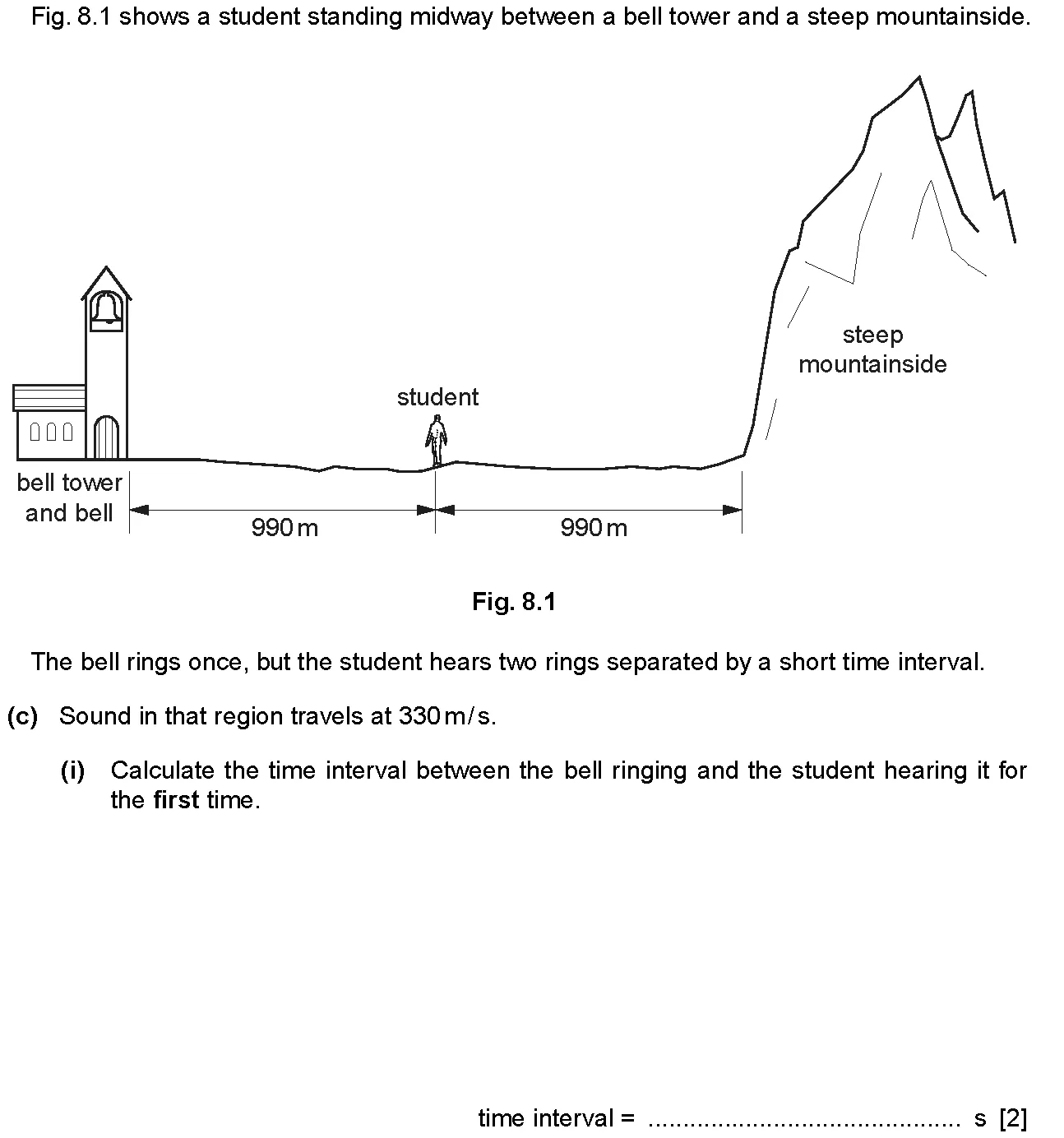
Show the answer
Written question 1 of 2 · part (c)(ii) (4 / 5) 3:00
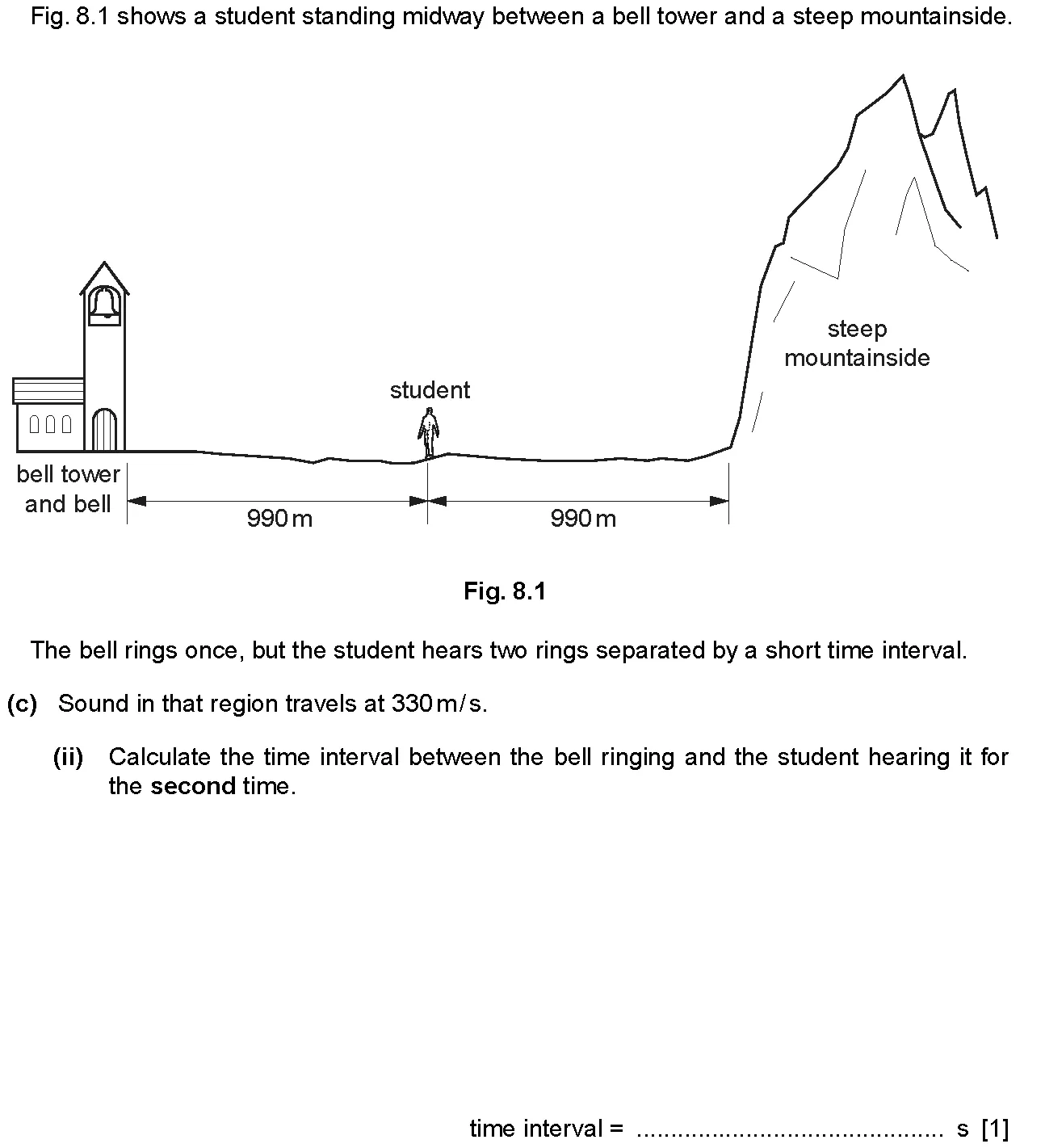
Show the answer
Written question 1 of 2 · part (c)(iii) (5 / 5) 3:00
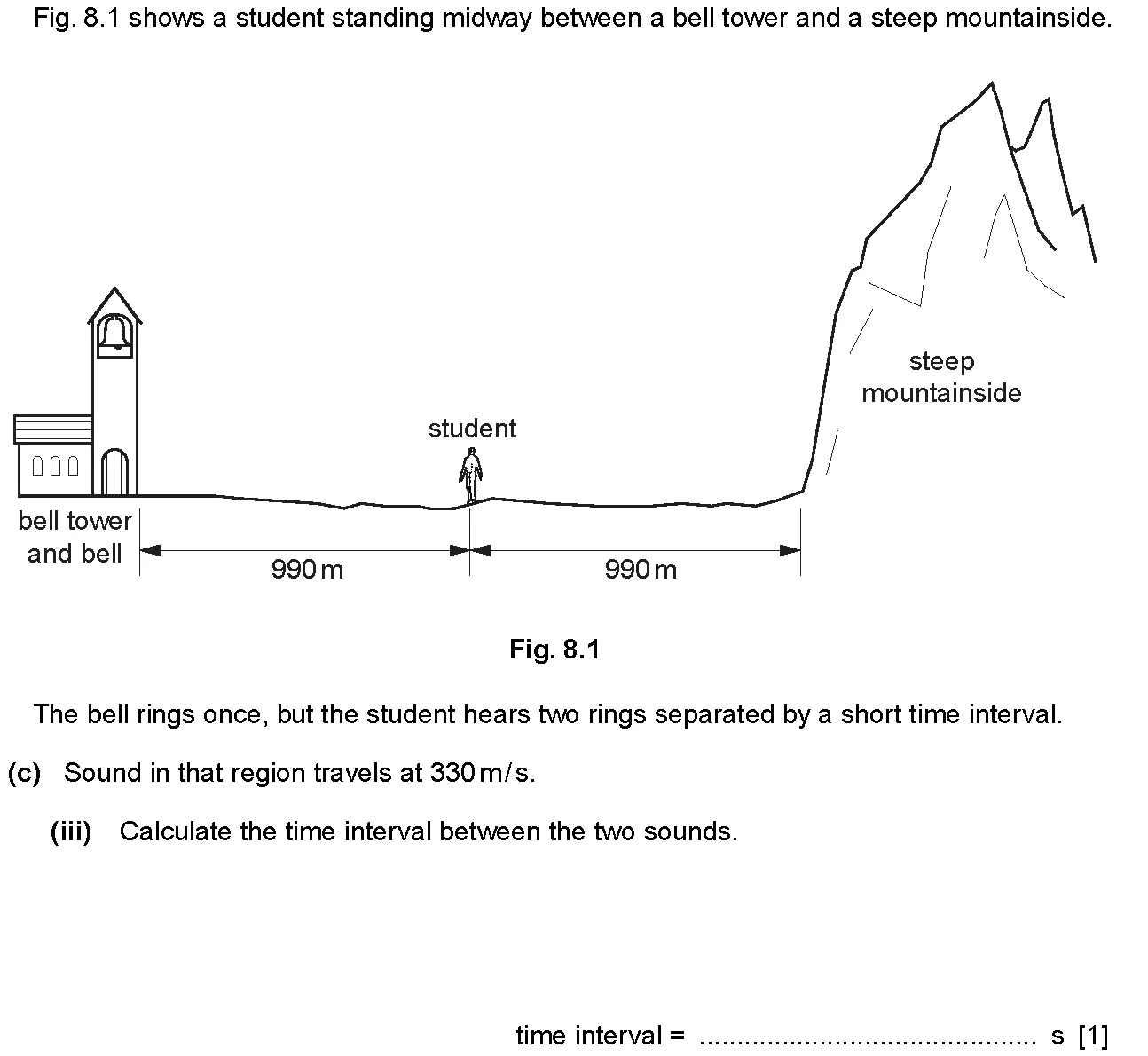
Show the answer
Written question 2 of 2 · part (a)(i) (1 / 4) 3:00
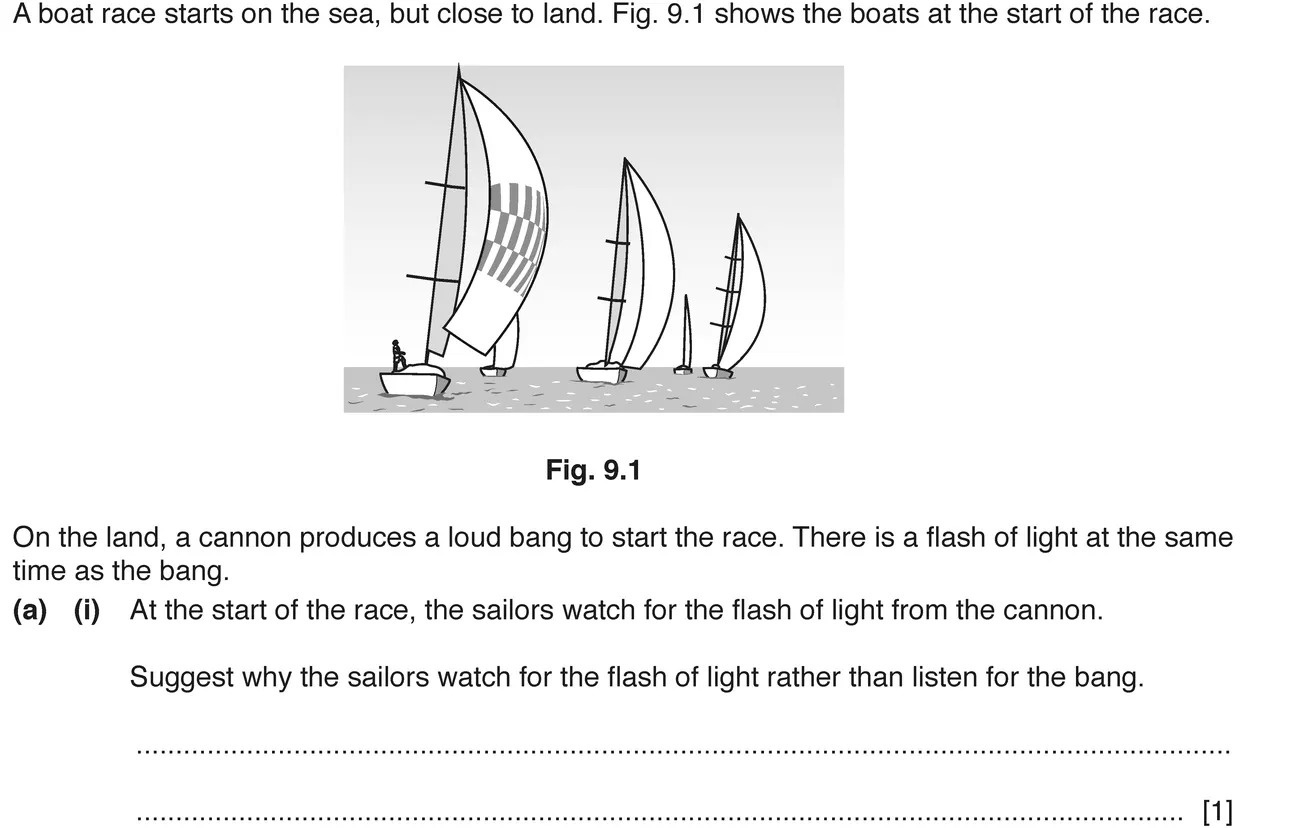
Show the answer
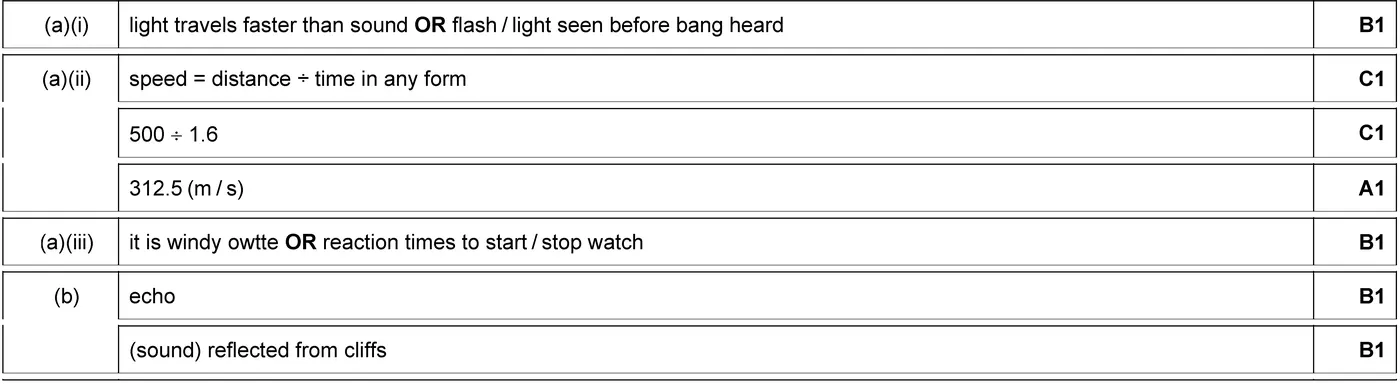
Written question 2 of 2 · part (a)(ii) (2 / 4) 3:00
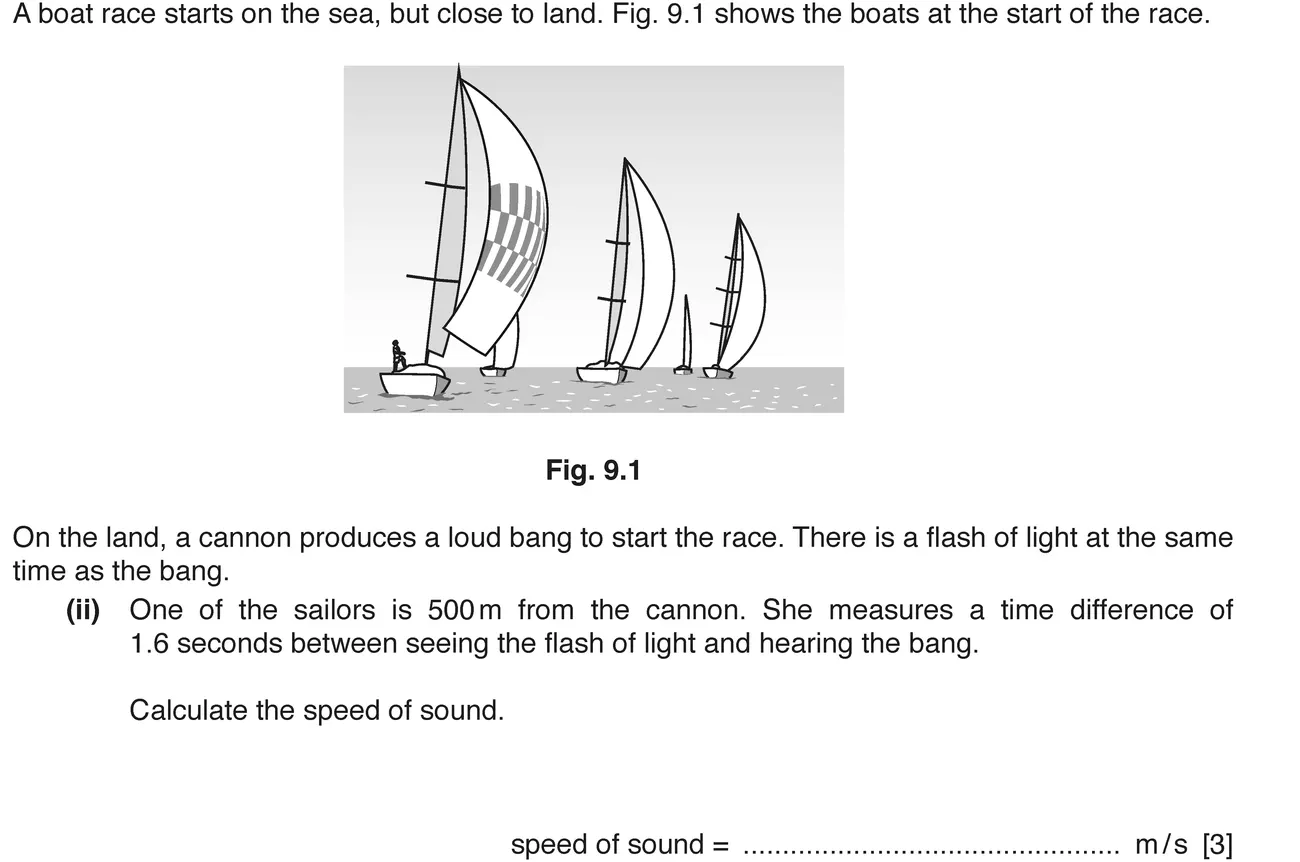
Show the answer
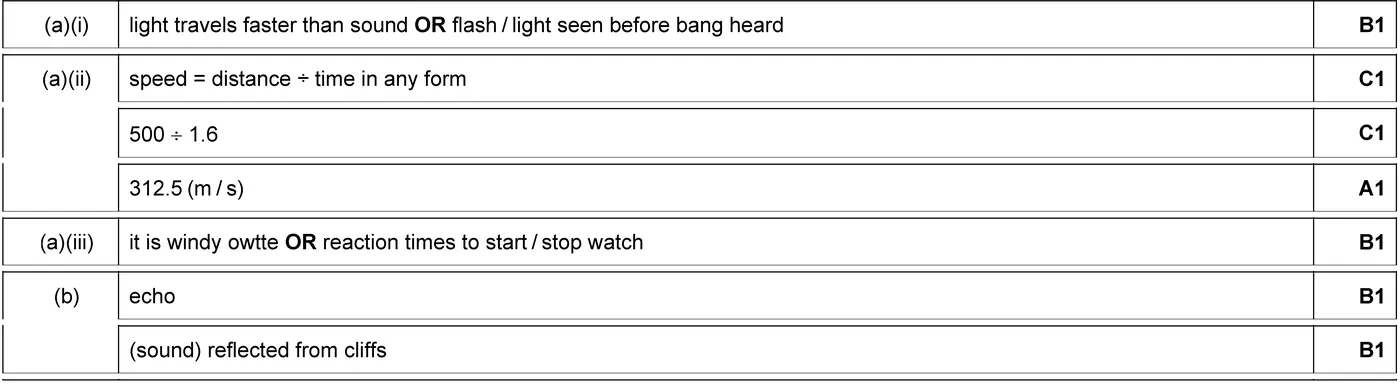
Written question 2 of 2 · part (a)(iii) (3 / 4) 3:00
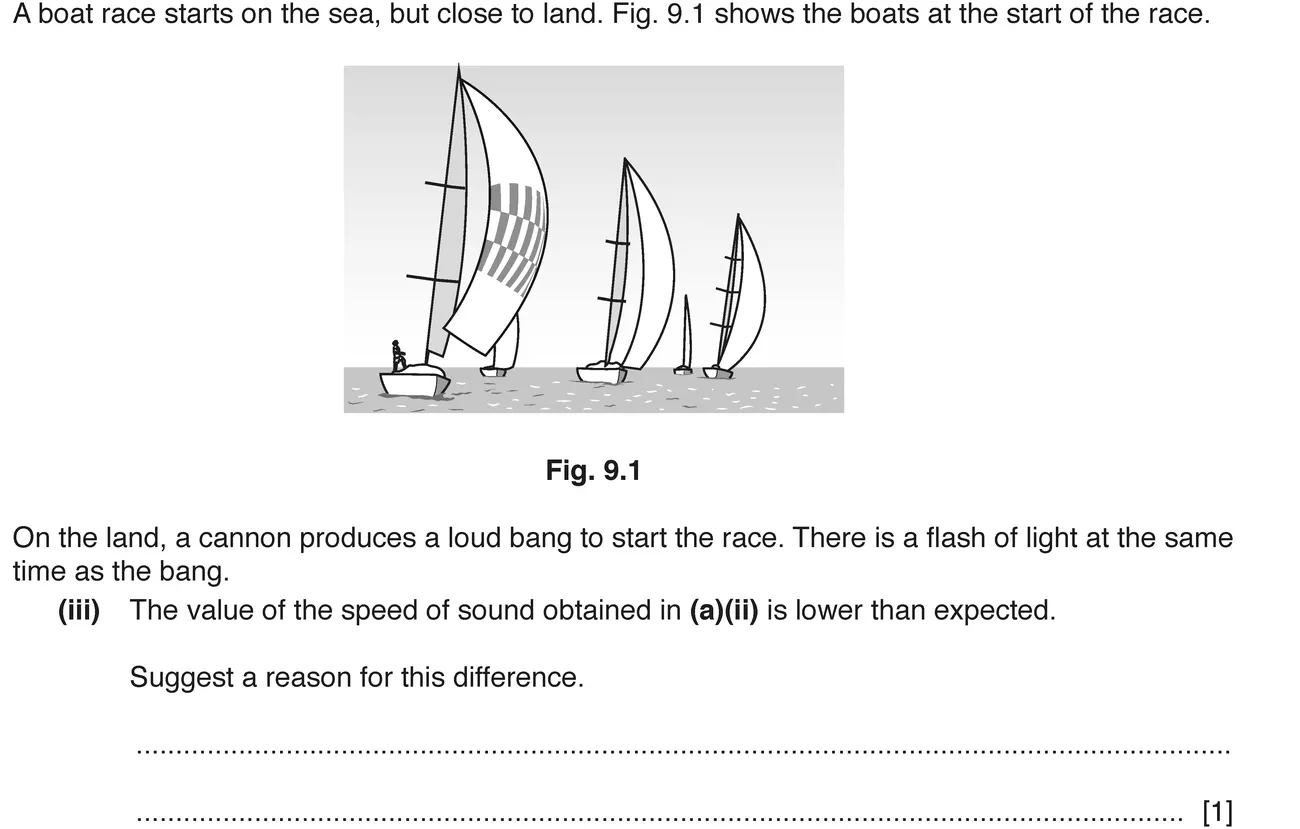
Show the answer
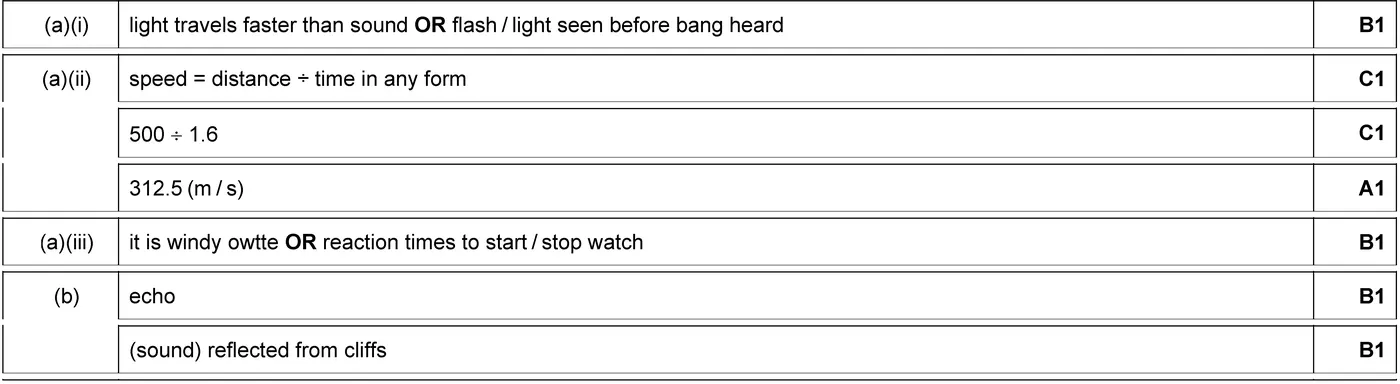
Written question 2 of 2 · part (b) (4 / 4) 3:00
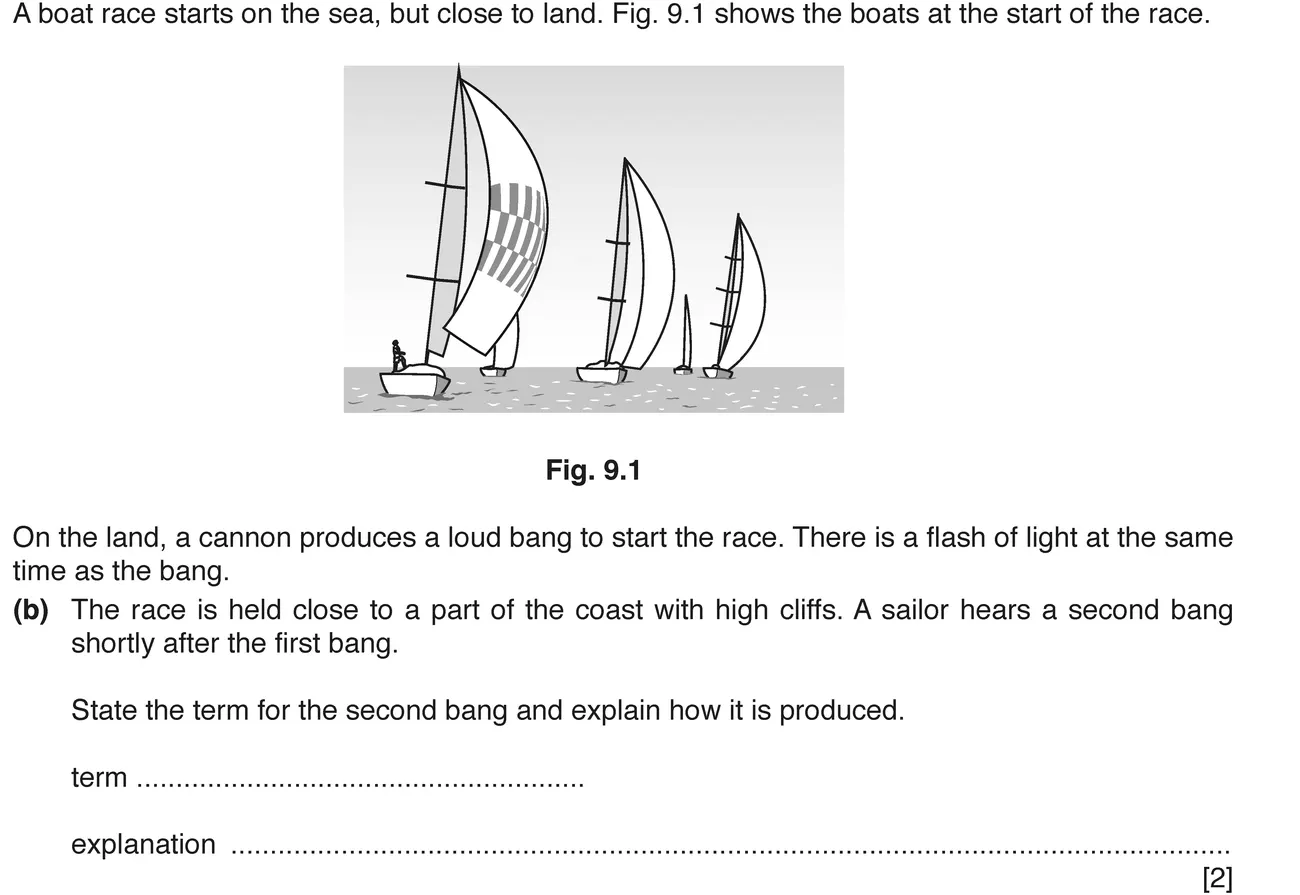
Show the answer
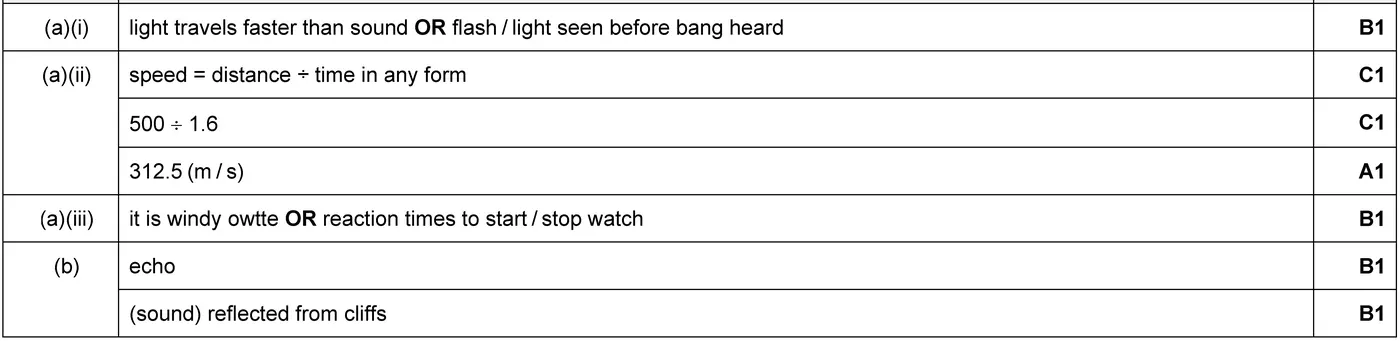
Each part of a written question is on its own screen. Write your answer first, then open "Show the answer" to check it against the mark scheme.
Last updated: