- Essential knowledge3Essential knowledge4Essential knowledge5Essential knowledge6Essential knowledge7Essential knowledge8Essential knowledge9Essential knowledge10Essential knowledge11Essential knowledge12Essential knowledge13Essential knowledge14Essential knowledge15Essential knowledge16Essential knowledge17Essential knowledge18Essential knowledge19Essential knowledge20Essential knowledge21Essential knowledge
- Essential knowledge
- ⤢ Enlarge
- 1 / 21Next ▶
- Essential knowledge
- ⤢ Enlarge
- ◀ Previous, 2 / 21Next ▶
- Essential knowledge
- ⤢ Enlarge
- ◀ Previous, 3 / 21Next ▶
- Essential knowledge
- ⤢ Enlarge
- ◀ Previous, 4 / 21Next ▶
- Essential knowledge
- ⤢ Enlarge
- ◀ Previous, 5 / 21Next ▶
- Essential knowledge
- ⤢ Enlarge
- ◀ Previous, 6 / 21Next ▶
- Essential knowledge
- ⤢ Enlarge
- ◀ Previous, 7 / 21Next ▶
- Essential knowledge
- ⤢ Enlarge
- ◀ Previous, 8 / 21Next ▶
- Essential knowledge
- ⤢ Enlarge
- ◀ Previous, 9 / 21Next ▶
- Essential knowledge
- ⤢ Enlarge
- ◀ Previous, 10 / 21Next ▶
- Essential knowledge
- ⤢ Enlarge
- ◀ Previous, 11 / 21Next ▶
- Essential knowledge
- ⤢ Enlarge
- ◀ Previous, 12 / 21Next ▶
- Essential knowledge
- ⤢ Enlarge
- ◀ Previous, 13 / 21Next ▶
- Essential knowledge
- ⤢ Enlarge
- ◀ Previous, 14 / 21Next ▶
- Essential knowledge
- ⤢ Enlarge
- Darwin and Wallace
- variation exists, it is heritable, more offspring are born than survive,
- and those best suited to the environment leave more offspring.
- 4Lamarck’s idea of inheritance of acquired characteristics is rejected because acquired changes are not coded in DNA.
- (giraffes stretching necks)
- Evidence for evolution
- the fossil record shows change and transitional forms (e.g.
- ◀ Previous, 15 / 21Next ▶
- Essential knowledge
- Essential knowledge
- Tiktaalik
- ,
- Archaeopteryx
- ), with older fossils in deeper strata and ages from radiometric dating.
- Comparative anatomy shows homologous and vestigial structures.
- (human appendix, whale pelvis)
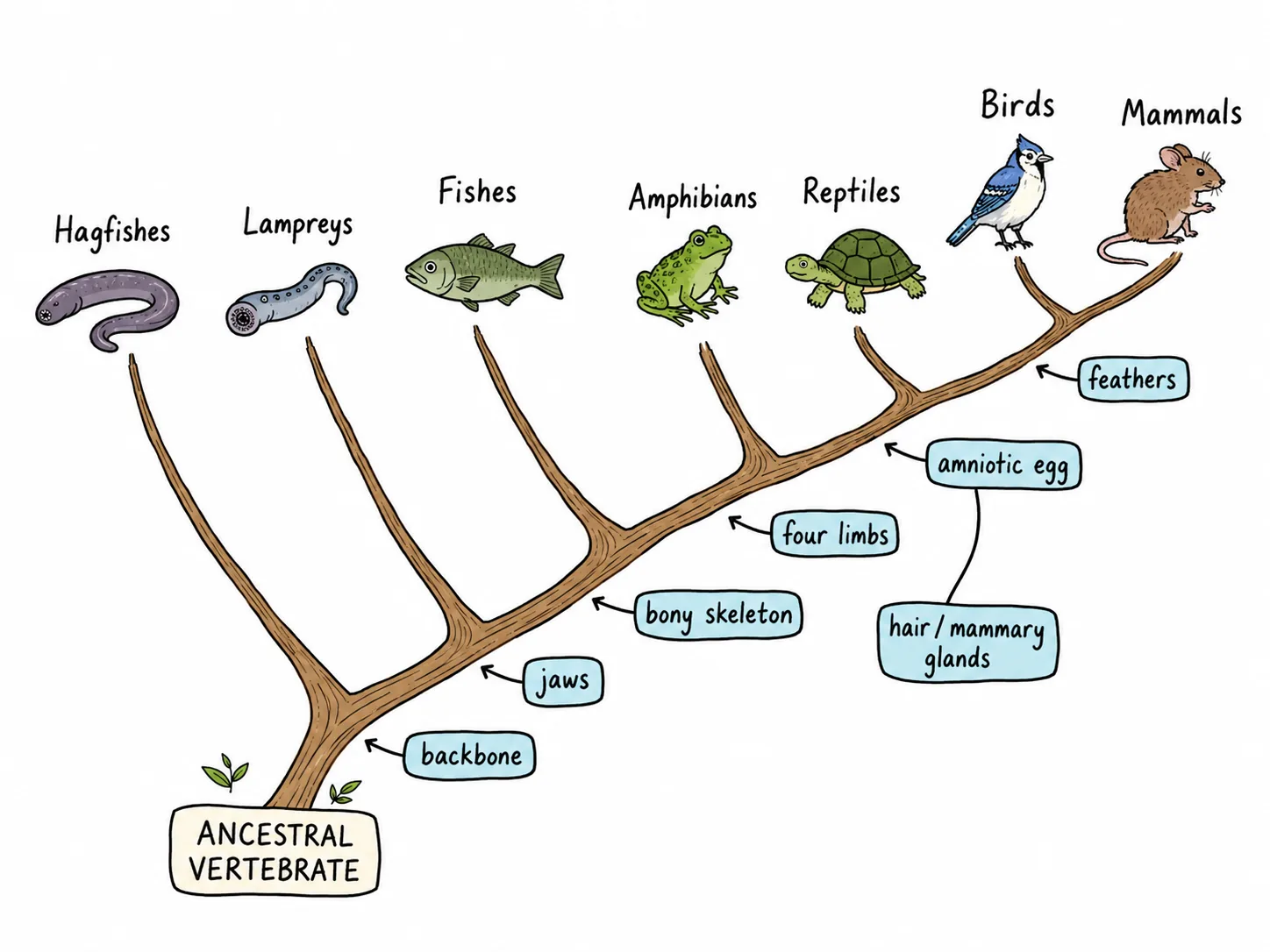
- Embryos of vertebrates share pharyngeal pouches and tails.
- ◀ Previous, 16 / 21Next ▶
- Essential knowledge
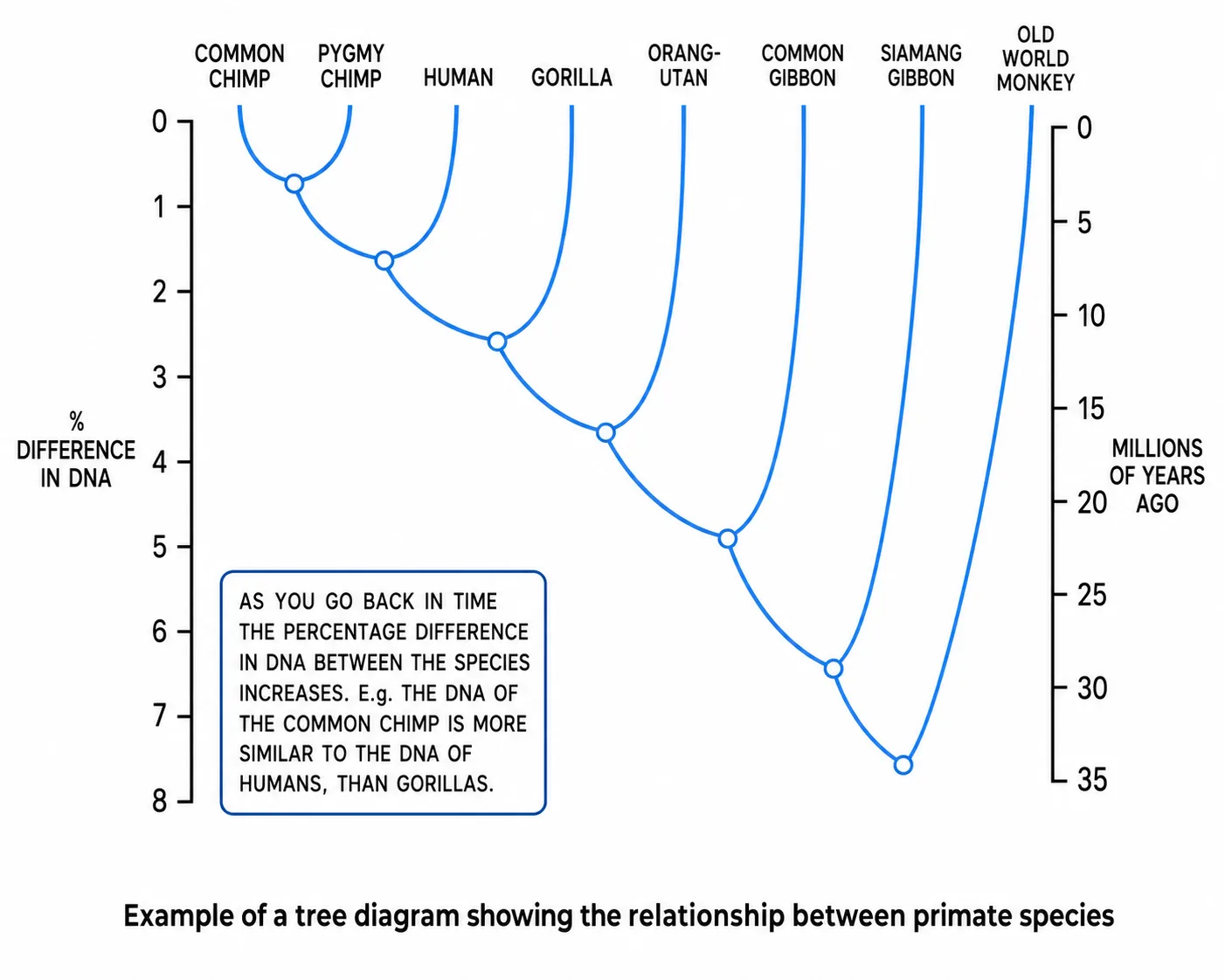
- Molecular biology shows a universal genetic code, and the number of DNA or protein differences reflects relatedness.
- Biogeography shows island species resembling nearby mainland species.
- Mechanisms of evolution
- natural selection (adaptive), genetic drift (random, e.g. founder effect when few individuals colonize, bottleneck after a disaster), gene flow (makes populations more similar), mutation, and non-random mating.
- Hardy-Weinberg
- p is the frequency of the dominant allele, q the recessive. The frequency of homozygous recessive individuals equals q
- ◀ Previous, 17 / 21Next ▶
- Essential knowledge
- Essential knowledge
- so q is found by square-rooting. Deviations from predicted frequencies show the population is evolving.
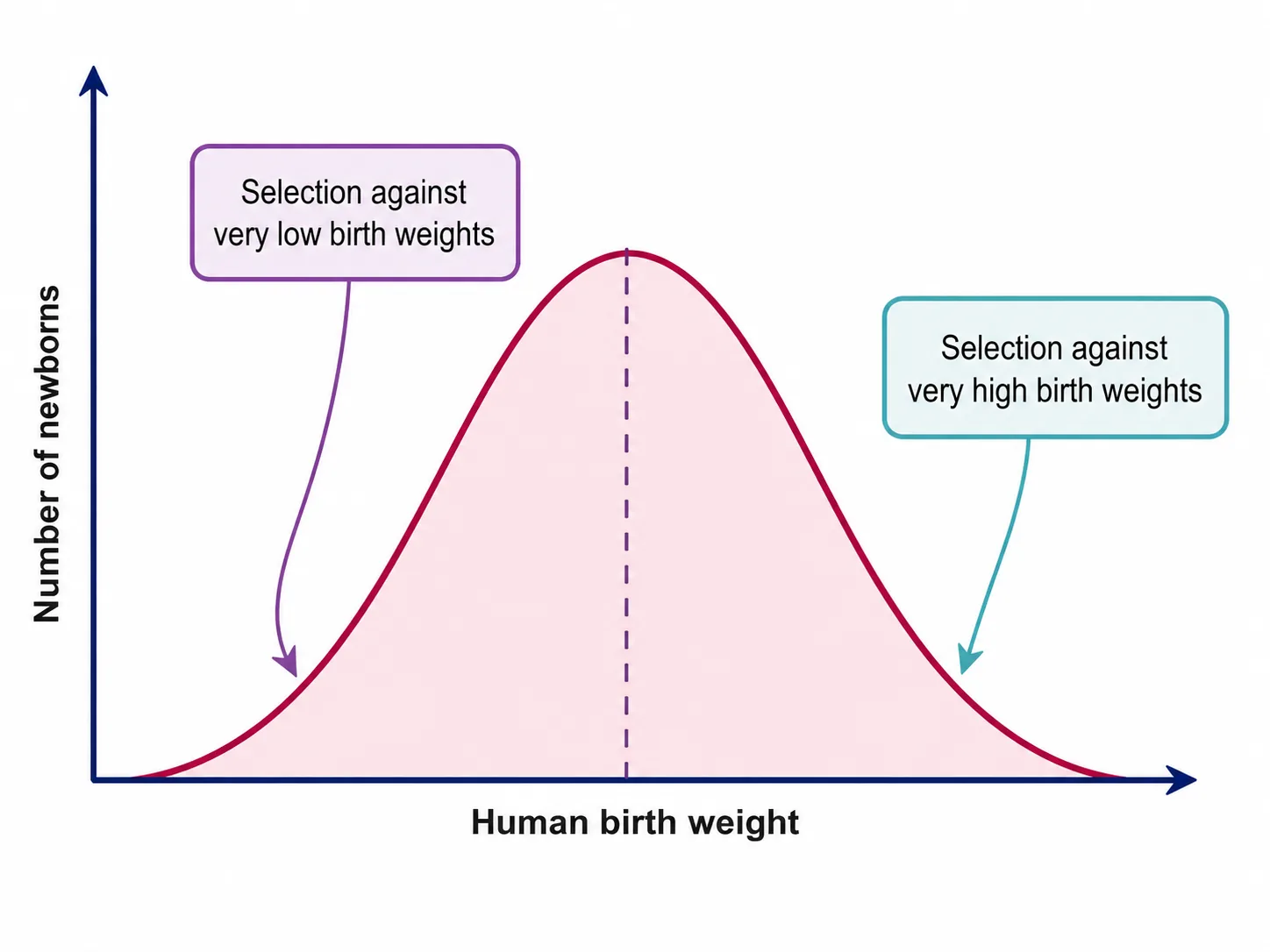
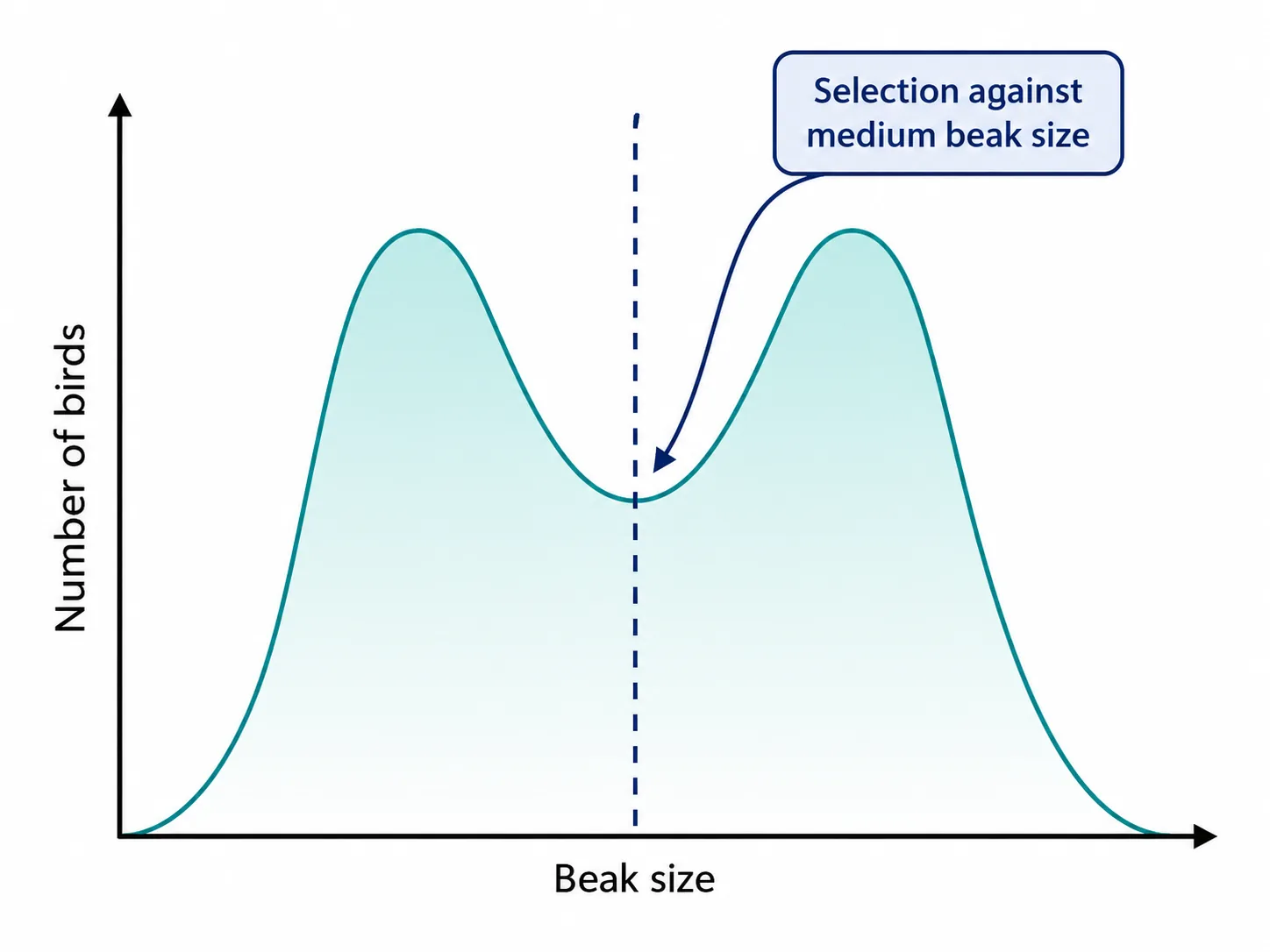
- Types of selection
- directional, stabilizing, disruptive, and sexual selection.
- Artificial selection by humans (dog breeds, crops) shows the same principle.
- Balanced polymorphism, such as heterozygote advantage for sickle-cell allele in malarial regions, keeps harmful alleles in populations.
- Speciation
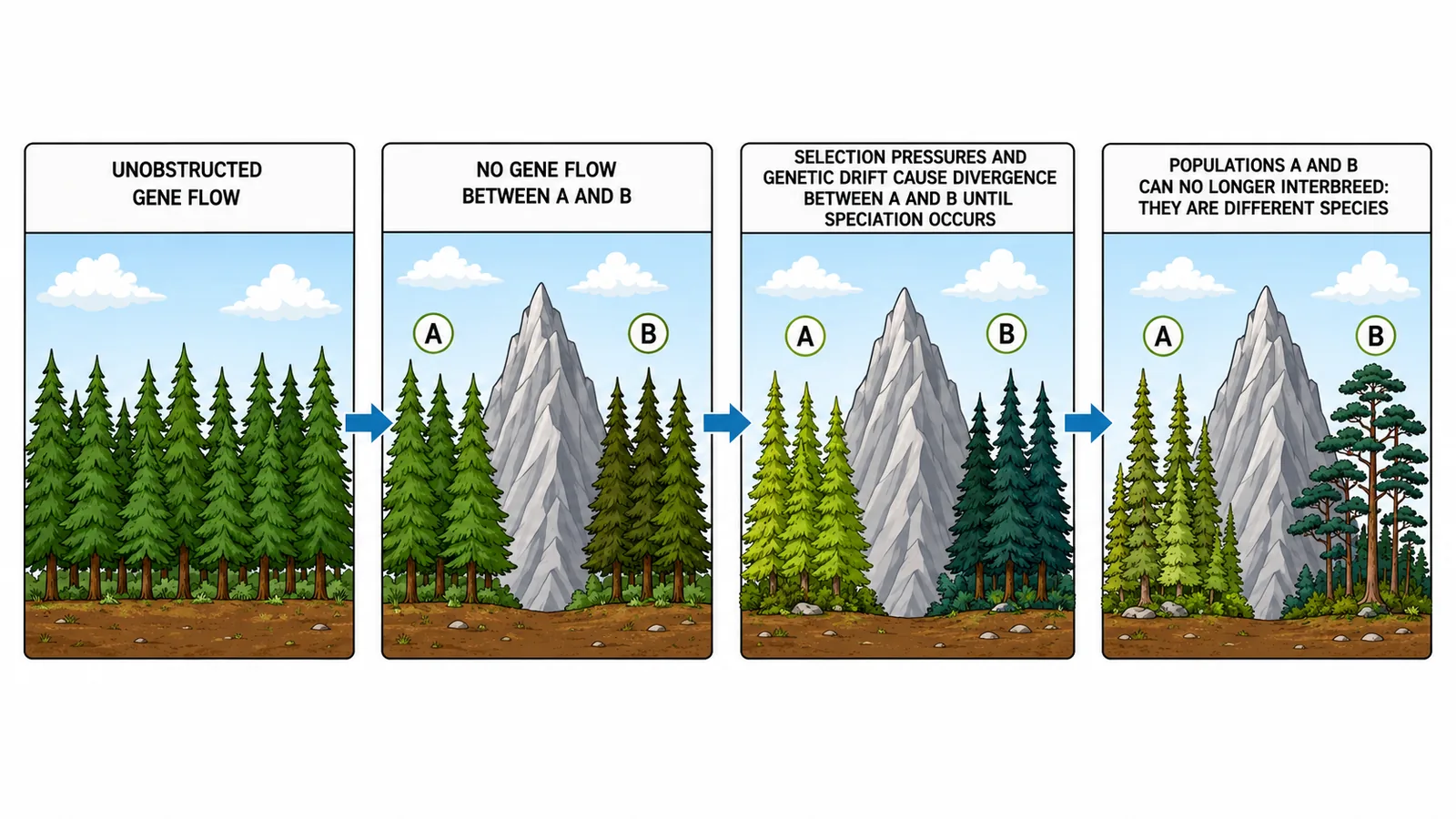
- the biological species concept defines a species as a group that can interbreed and produce fertile offspring.
- ◀ Previous, 18 / 21Next ▶
- Essential knowledge
- Essential knowledge
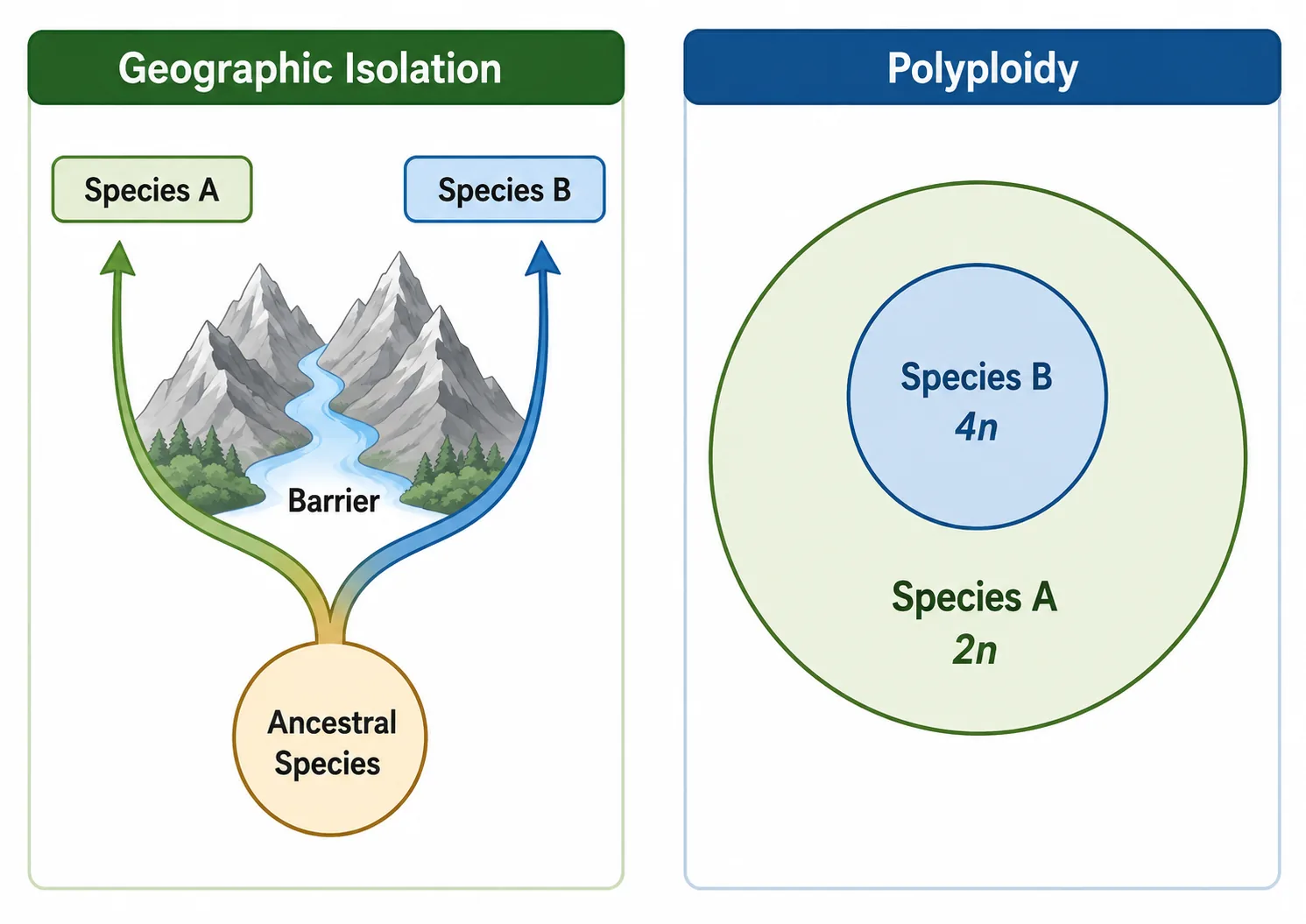
- Allopatric speciation follows geographic isolation
- sympatric speciation happens without it, often via polyploidy.
- Adaptive radiation is rapid diversification from a common ancestor into many niches.
- (Darwin’s finches)
- Patterns
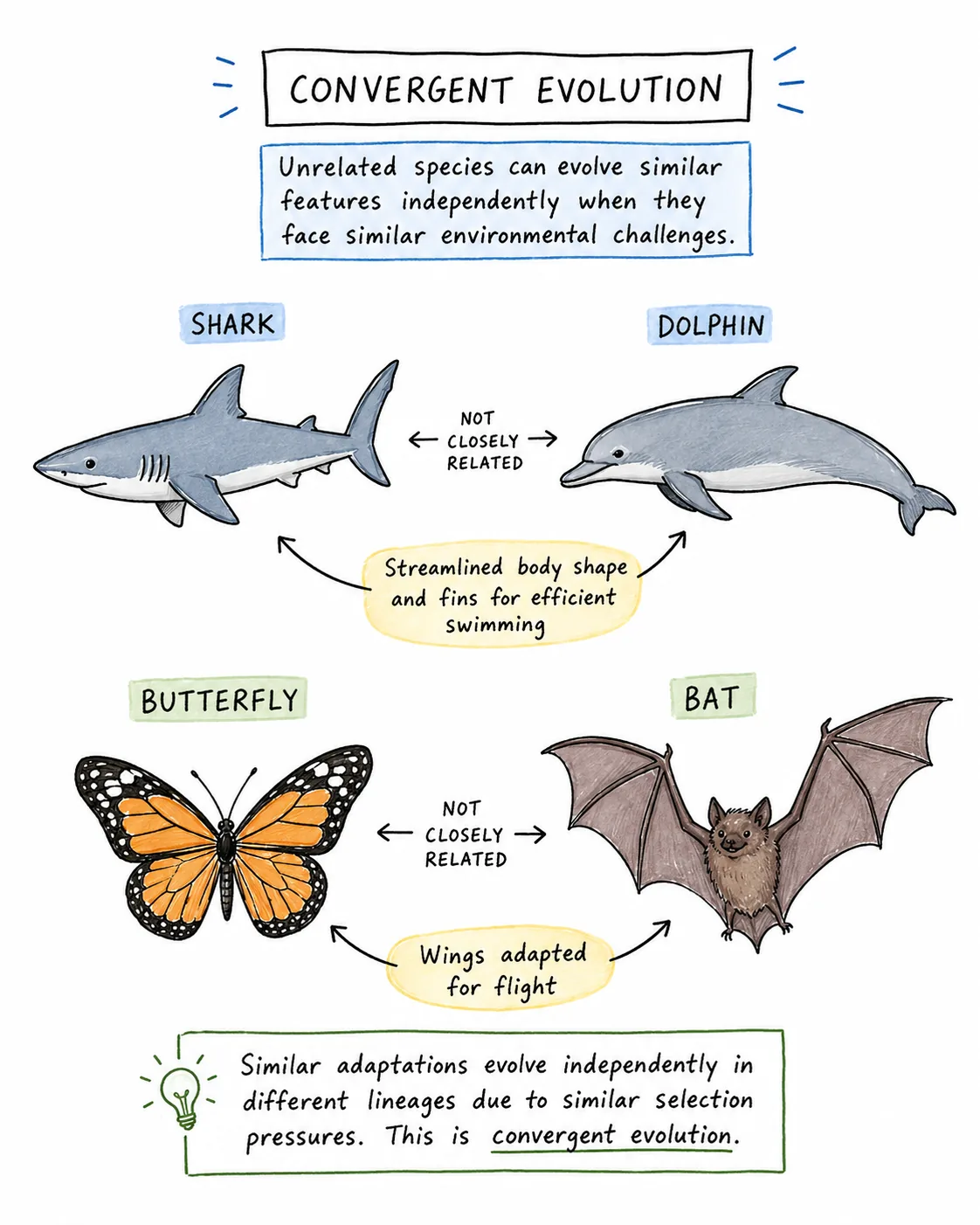
- divergent evolution produces homologous structures
- convergent evolution produces analogous structures in unrelated species facing similar environments, coevolution is reciprocal change between interacting species (flowers and pollinators).
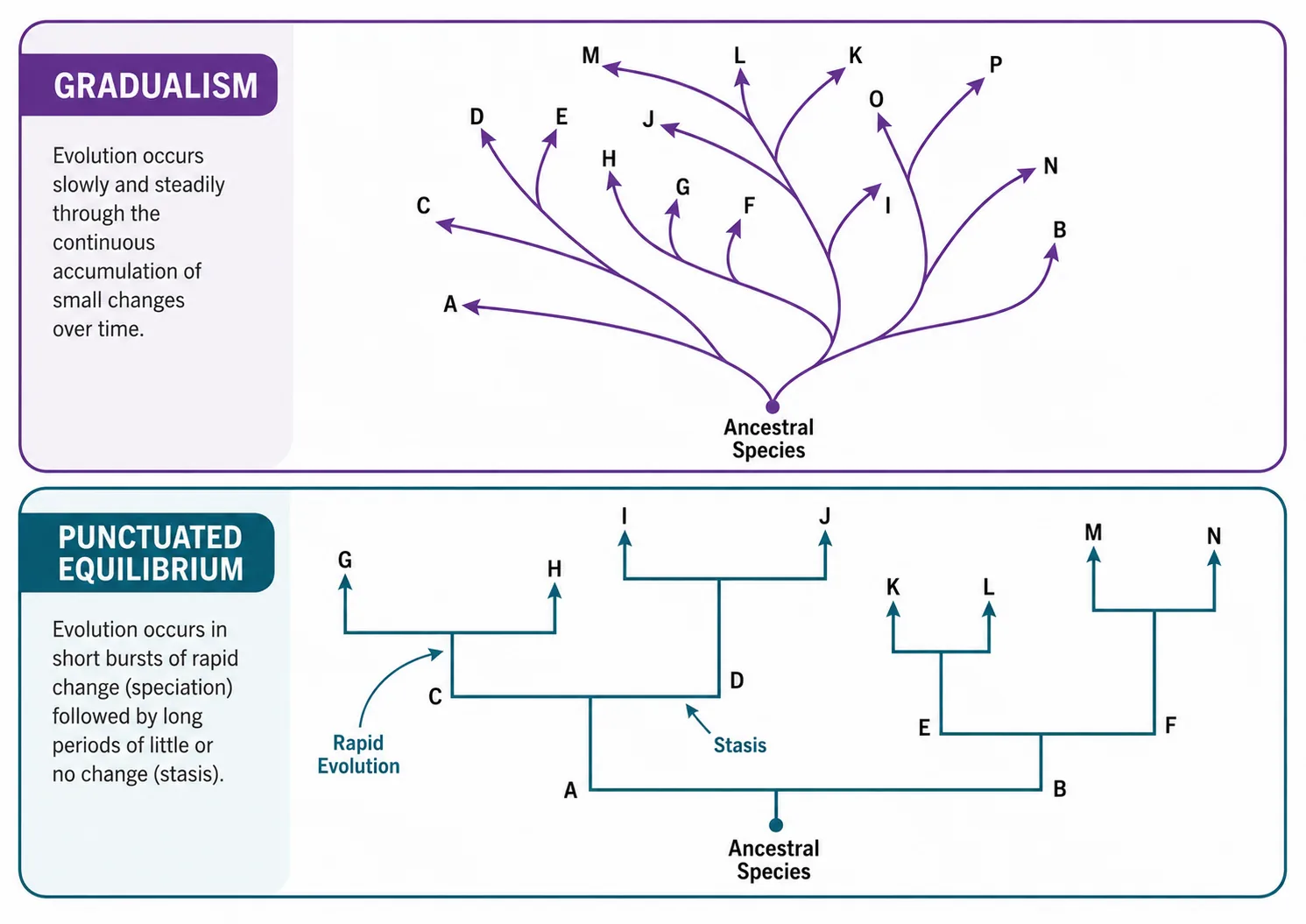
- Gradualism proposes slow steady change
- punctuated equilibrium proposes long stasis interrupted by rapid change.
- Origin of life
- ◀ Previous, 19 / 21Next ▶
- Essential knowledge
- early Earth had a reducing atmosphere with little O
- .
- 3Organic monomers formed abiotically
- then polymers, then membrane-bound protocells.
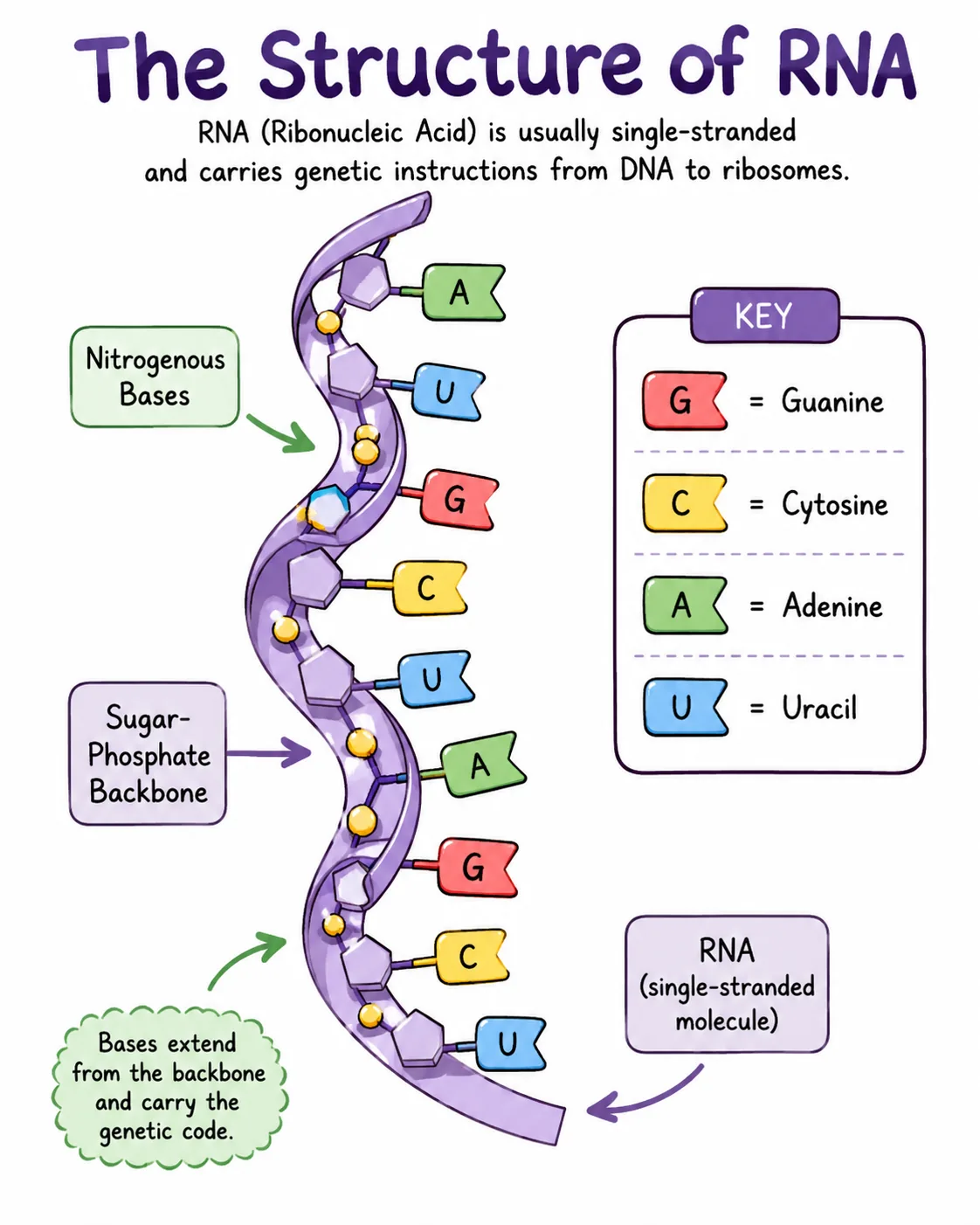
- RNA may have been the first genetic molecule (RNA world).
- 5Photosynthetic cyanobacteria later added O2 to the atmosphere
- endosymbiosis explains mitochondria and chloroplasts.
- Selection pressures such as predation, competition for food and disease influence which individuals survive.
- ◀ Previous, 20 / 21Next ▶
- Essential knowledge
- 1Survivors to adulthood tend to breed more and have more young
- while poorly adapted individuals may never breed at all.
- Unfavourable characteristics decline in frequency through the same process and are eventually lost from the population.
- 3Evolution is not a purposeful response to the environment
- selection acts on random variation already present.
- Speciation is reached once two isolated populations can no longer produce fertile offspring together.
- Sympatric isolation can arise from different breeding seasons, mismatched reproductive structures or changed courtship behaviour.
- ◀ Previous, 21 / 21