Curriculum
Course: EST II Biology
Login

Curriculum

EST II Biology

Text lesson

3.1 Evolution & Natural Selection

Explain Darwin’s mechanism of natural selection.
1Key ideas2Key ideas3Key ideas
Key ideas
Key ideas
Hardy-Weinberg
p + q = 1 and p
2
+ 2pq + q
= 1.
Five Hardy-Weinberg conditions
1 / 3Next ▶
Key ideas
1

large population, random mating, no mutation, no migration, no selection.
2

Populations evolve

individuals do not.
3

Mutation is the ultimate source of new alleles.
4

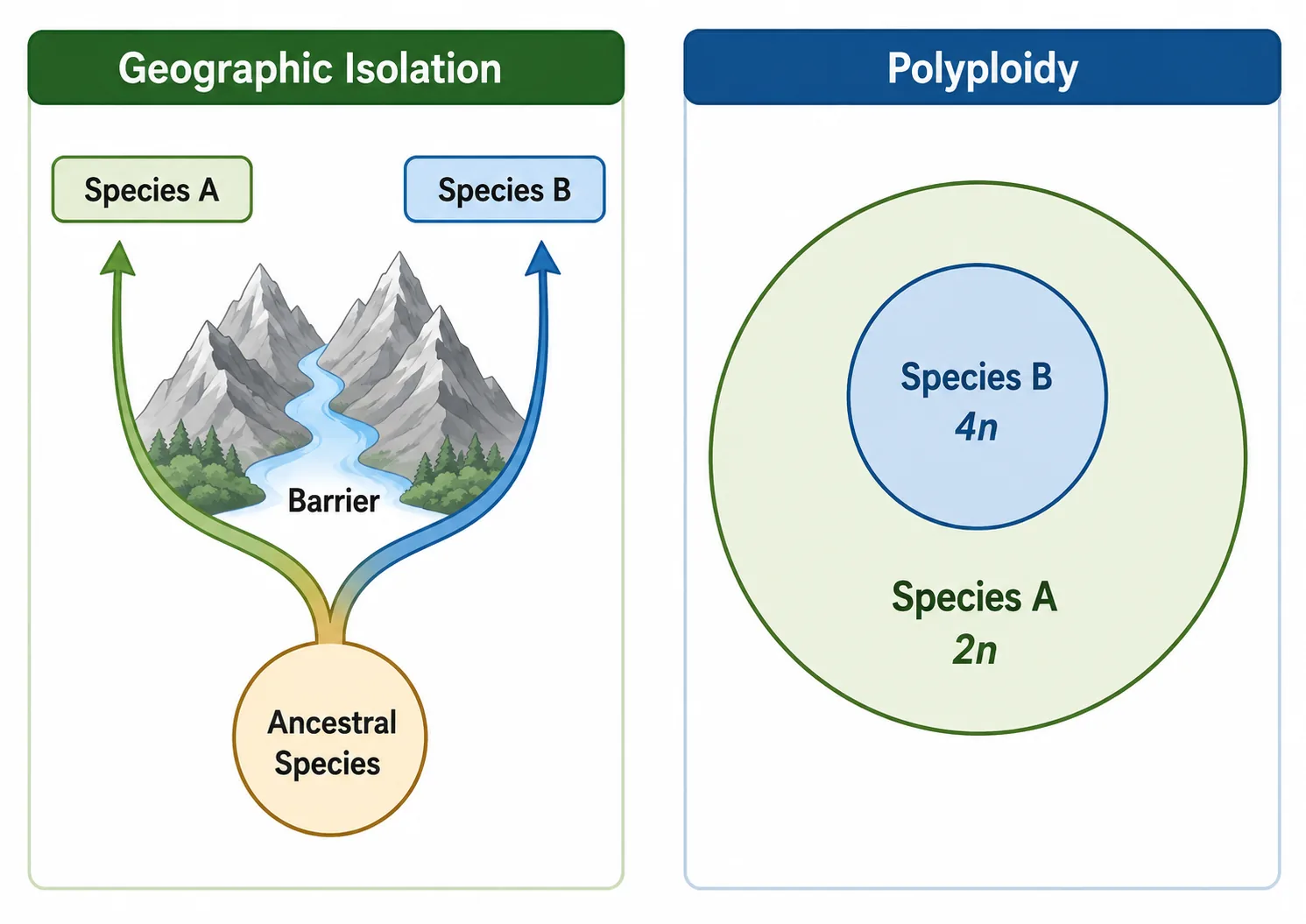
Allopatric speciation requires geographic separation

sympatric speciation occurs in the same area (often polyploidy in plants).
5

Earth is about 4.6 billion years old

earliest fossil prokaryotes are about 3.5 billion years old.
6

Miller-Urey (1953) produced amino acids from simulated early-atmosphere gases and electric sparks.
◀ Previous2 / 3Next ▶
Key ideas
Key ideas
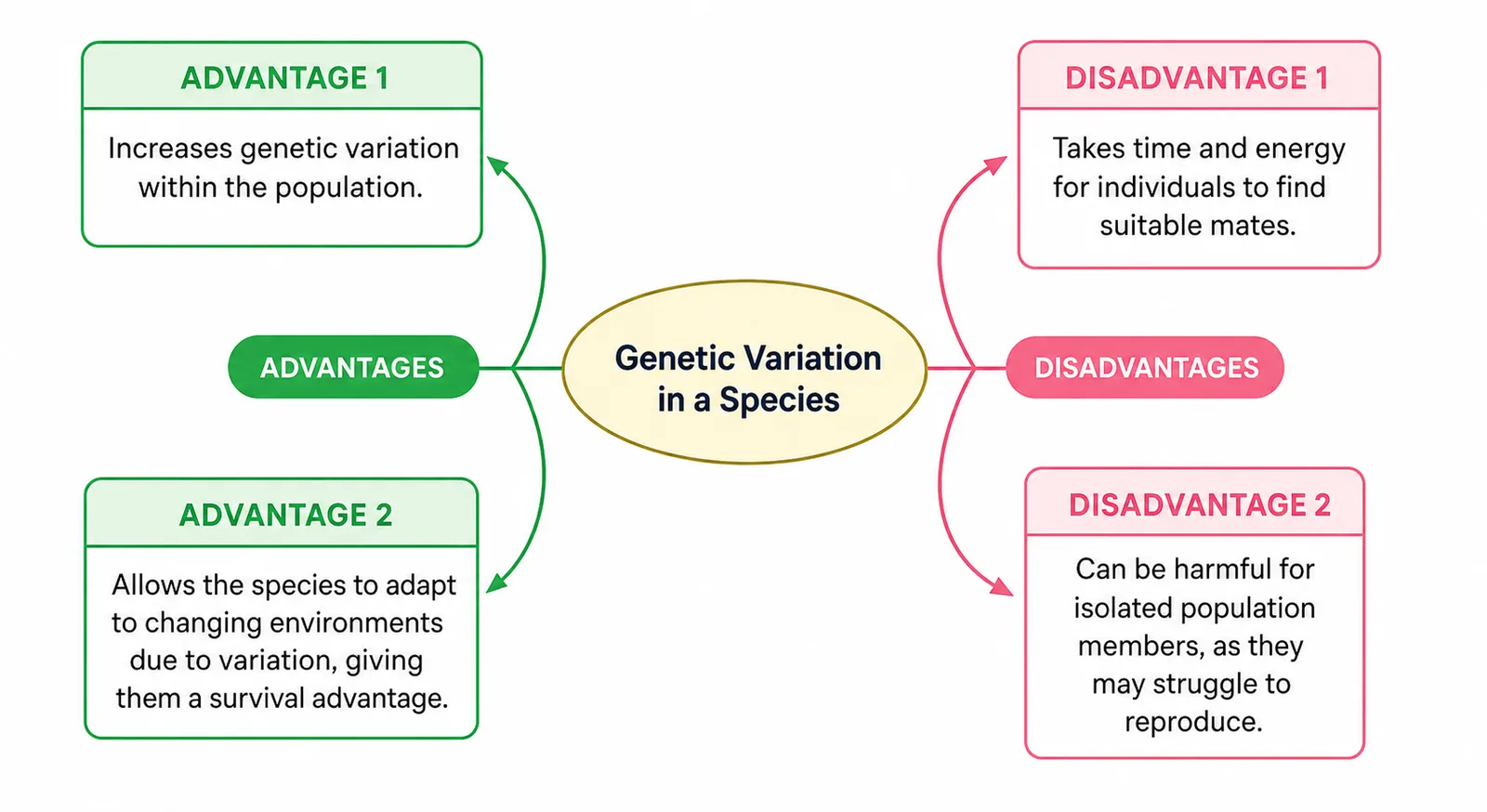
Bottleneck and founder effects are special cases of genetic drift.
◀ Previous3 / 3
1Essential knowledge2Essential knowledge3Essential knowledge4Essential knowledge5Essential knowledge6Essential knowledge7Essential knowledge8Essential knowledge9Essential knowledge10Essential knowledge11Essential knowledge12Essential knowledge13Essential knowledge14Essential knowledge15Essential knowledge16Essential knowledge17Essential knowledge18Essential knowledge19Essential knowledge20Essential knowledge21Essential knowledge
Essential knowledge
1 / 21Next ▶
Essential knowledge
◀ Previous2 / 21Next ▶
Essential knowledge
◀ Previous3 / 21Next ▶
Essential knowledge
◀ Previous4 / 21Next ▶
Essential knowledge
◀ Previous5 / 21Next ▶
Essential knowledge
◀ Previous6 / 21Next ▶
Essential knowledge
◀ Previous7 / 21Next ▶
Essential knowledge
◀ Previous8 / 21Next ▶
Essential knowledge
◀ Previous9 / 21Next ▶
Essential knowledge
◀ Previous10 / 21Next ▶
Essential knowledge
◀ Previous11 / 21Next ▶
Essential knowledge
◀ Previous12 / 21Next ▶
Essential knowledge
◀ Previous13 / 21Next ▶
Essential knowledge
◀ Previous14 / 21Next ▶
Essential knowledge
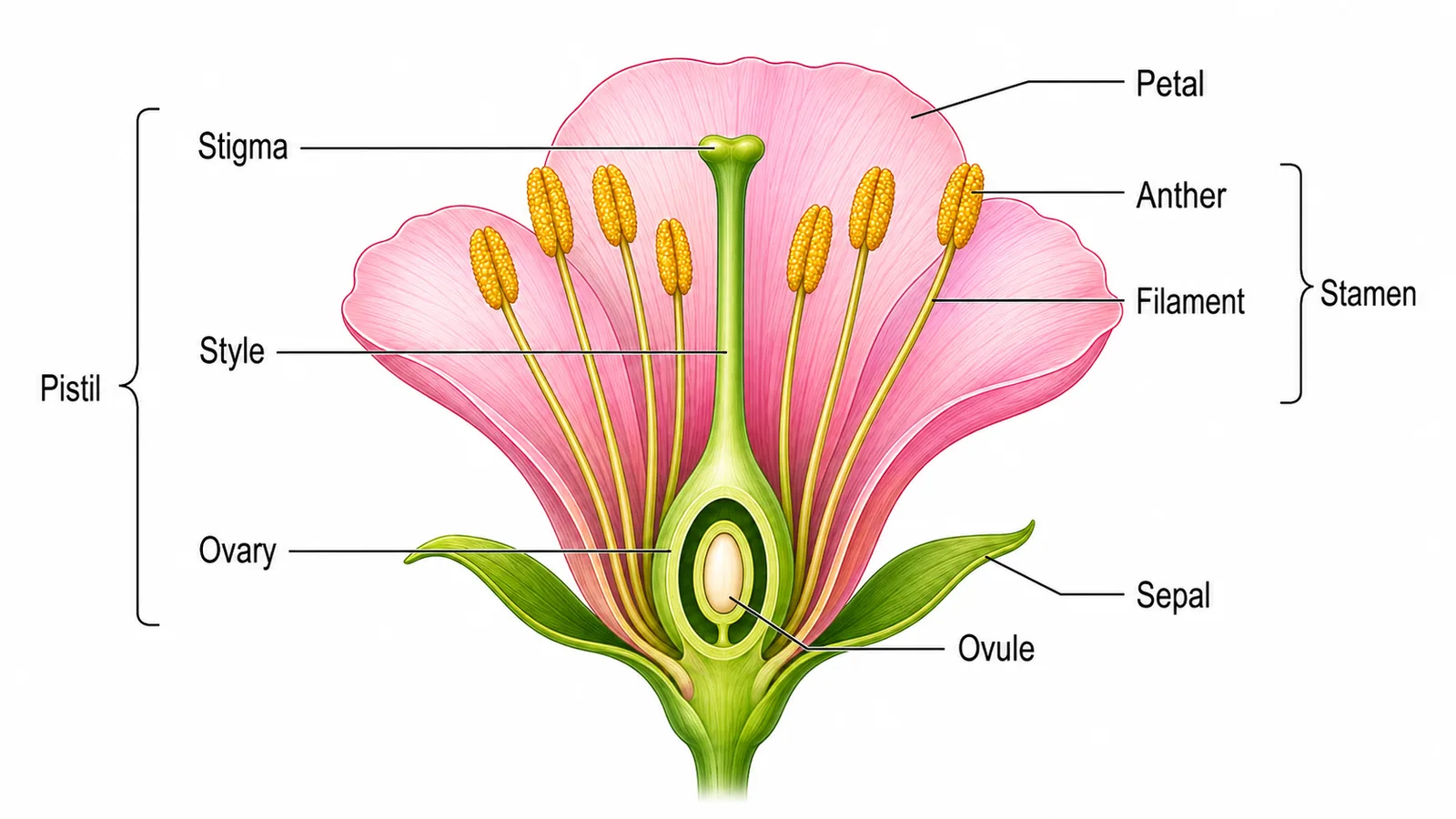
flower anatomy landscape" loading= - Dr Khaled Dabour Academy⤢ Enlarge
1

Darwin and Wallace
2

proposed natural selection: variation exists, it is heritable, more offspring are born than survive,
3

and those best suited to the environment leave more offspring.
4

Lamarck’s idea of inheritance of acquired characteristics is rejected because acquired changes are not coded in DNA.

(giraffes stretching necks)
5

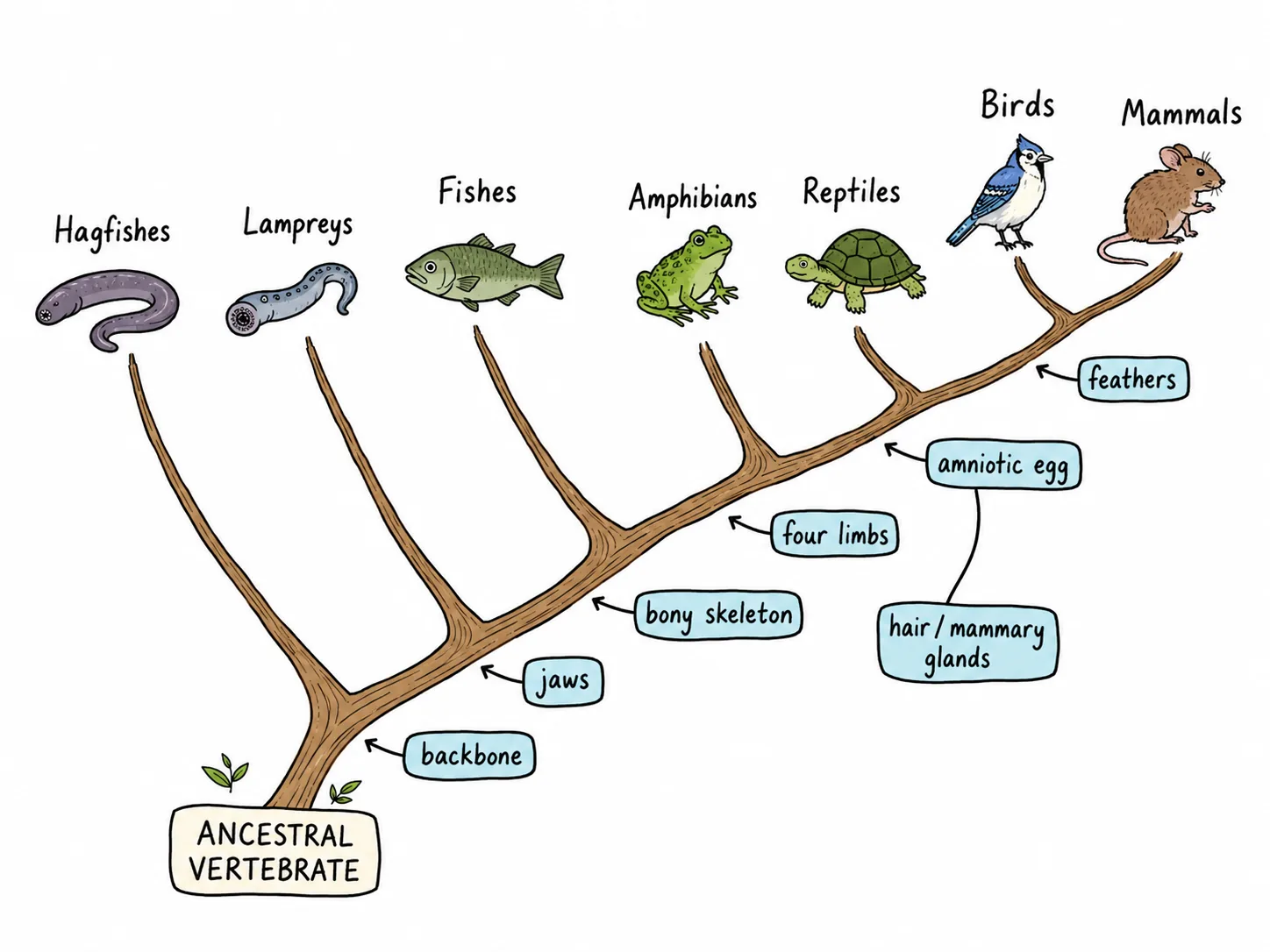
Evidence for evolution
6

the fossil record shows change and transitional forms (e.g.
◀ Previous15 / 21Next ▶
Essential knowledge
Essential knowledge
Tiktaalik
,
Archaeopteryx
), with older fossils in deeper strata and ages from radiometric dating.
Comparative anatomy shows homologous and vestigial structures.

(human appendix, whale pelvis)
Embryos of vertebrates share pharyngeal pouches and tails.
◀ Previous16 / 21Next ▶
Essential knowledge
1

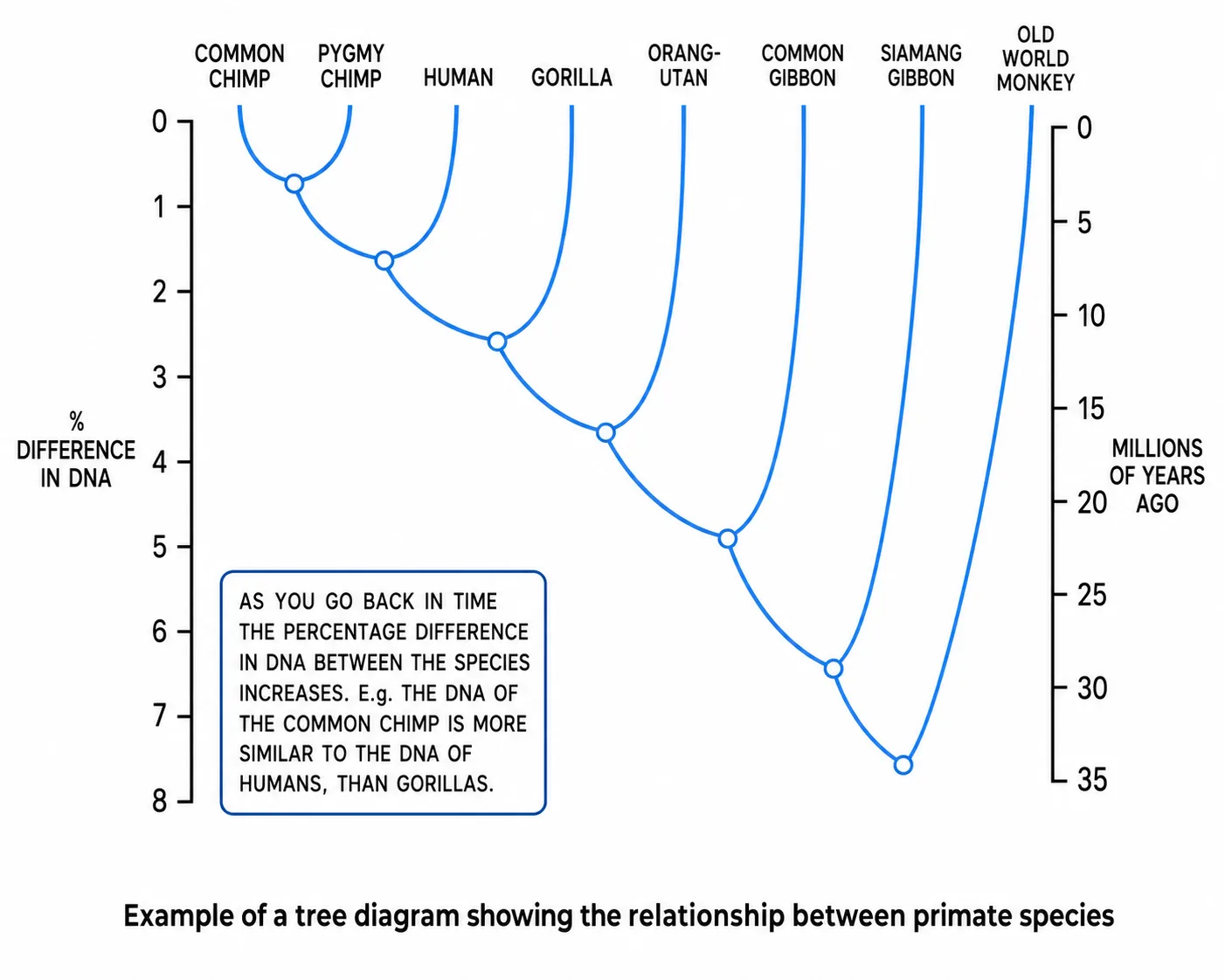
Molecular biology shows a universal genetic code, and the number of DNA or protein differences reflects relatedness.
2

Biogeography shows island species resembling nearby mainland species.
3

Mechanisms of evolution
4

natural selection (adaptive), genetic drift (random, e.g. founder effect when few individuals colonize, bottleneck after a disaster), gene flow (makes populations more similar), mutation, and non-random mating.
5

Hardy-Weinberg
6

p is the frequency of the dominant allele, q the recessive. The frequency of homozygous recessive individuals equals q
◀ Previous17 / 21Next ▶
Essential knowledge
Essential knowledge
2
so q is found by square-rooting. Deviations from predicted frequencies show the population is evolving.
Types of selection
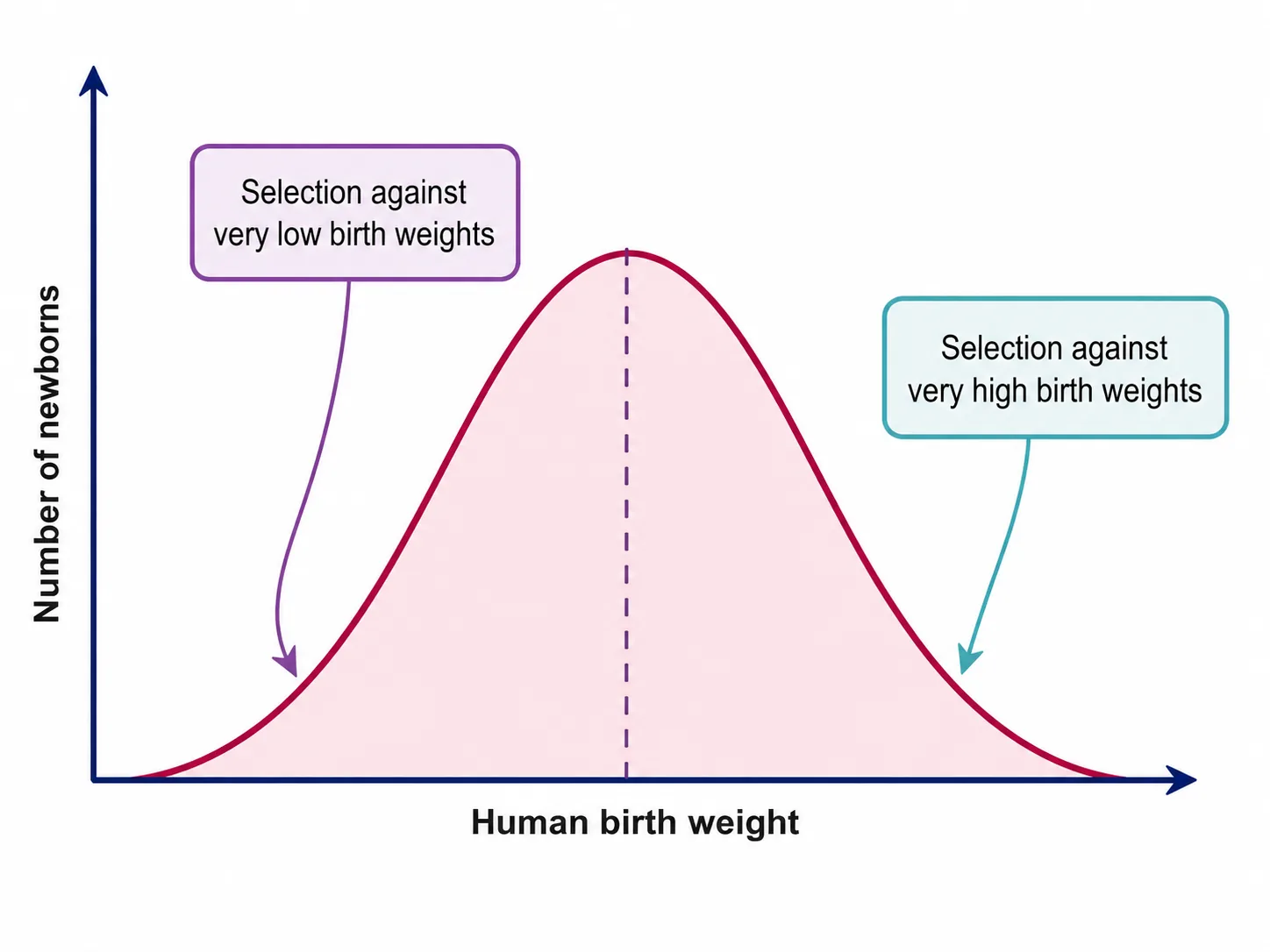
directional, stabilizing, disruptive, and sexual selection. Artificial selection by humans (dog breeds, crops) shows the same principle. Balanced polymorphism, such as heterozygote advantage for sickle-cell allele in malarial regions, keeps harmful alleles in populations.
Speciation
the biological species concept defines a species as a group that can interbreed and produce fertile offspring.
◀ Previous18 / 21Next ▶
Essential knowledge
Essential knowledge
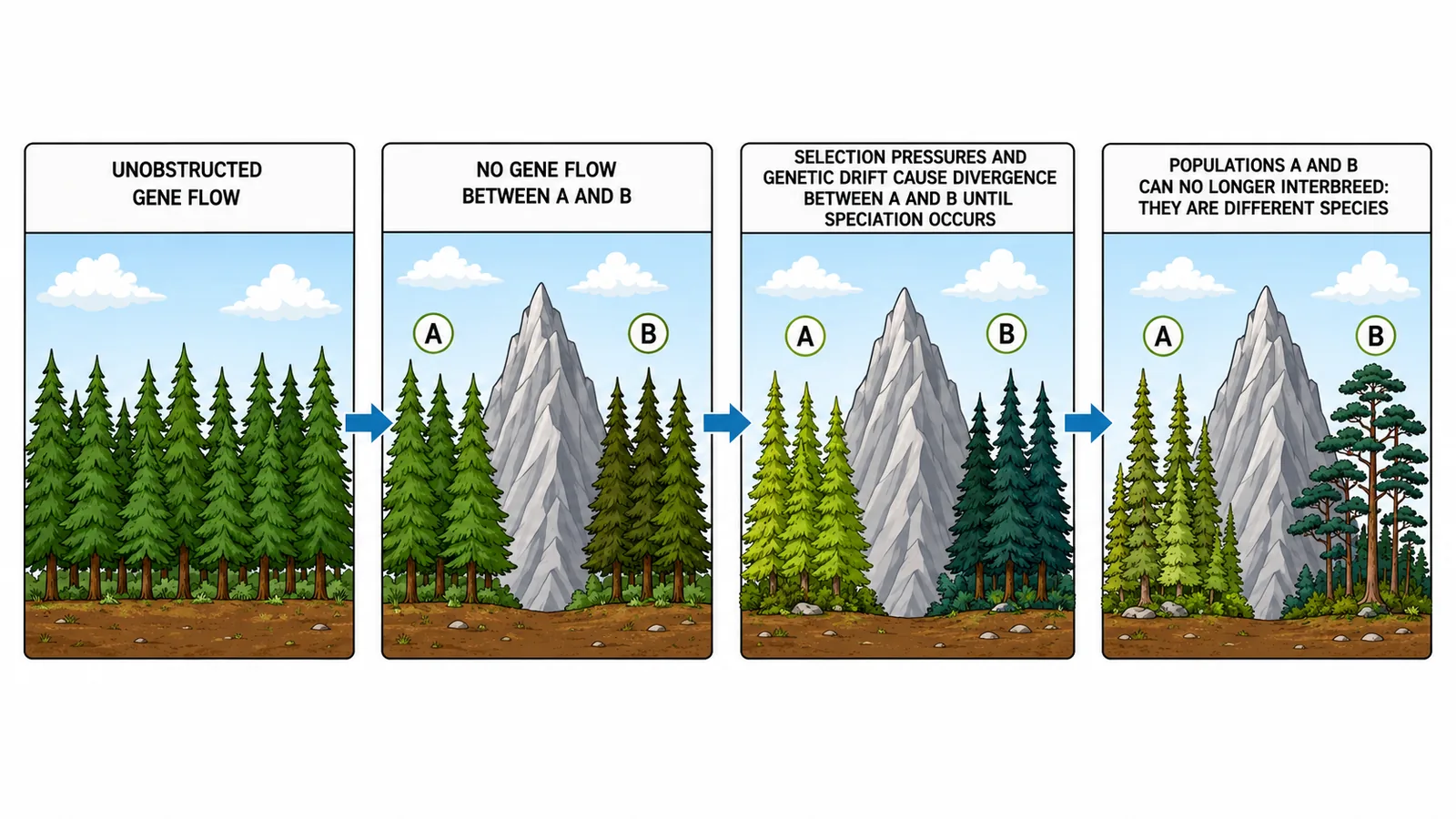
Allopatric speciation follows geographic isolation

sympatric speciation happens without it, often via polyploidy.
Adaptive radiation is rapid diversification from a common ancestor into many niches.

(Darwin’s finches)
Patterns
divergent evolution produces homologous structures

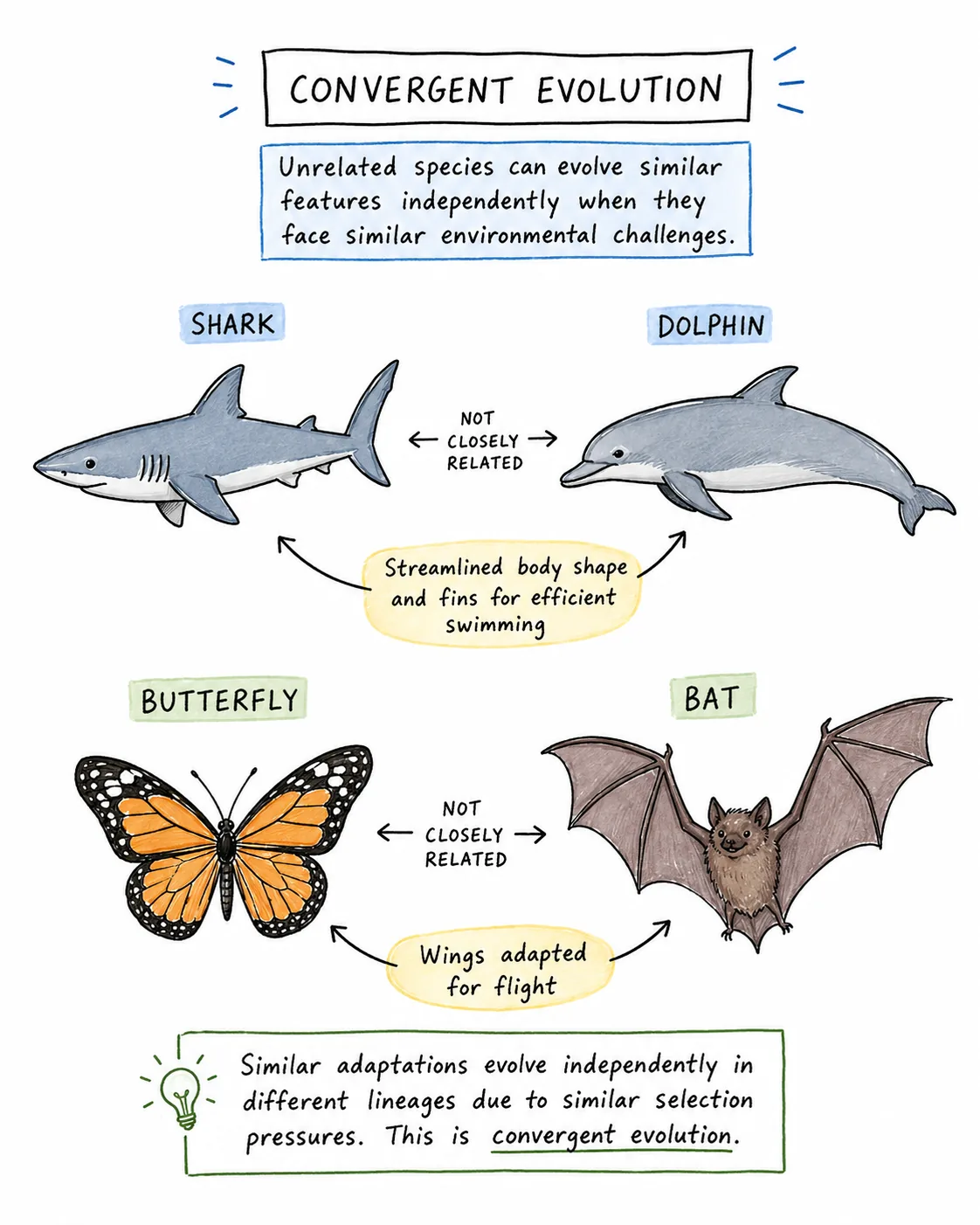
convergent evolution produces analogous structures in unrelated species facing similar environmentscoevolution is reciprocal change between interacting species (flowers and pollinators).
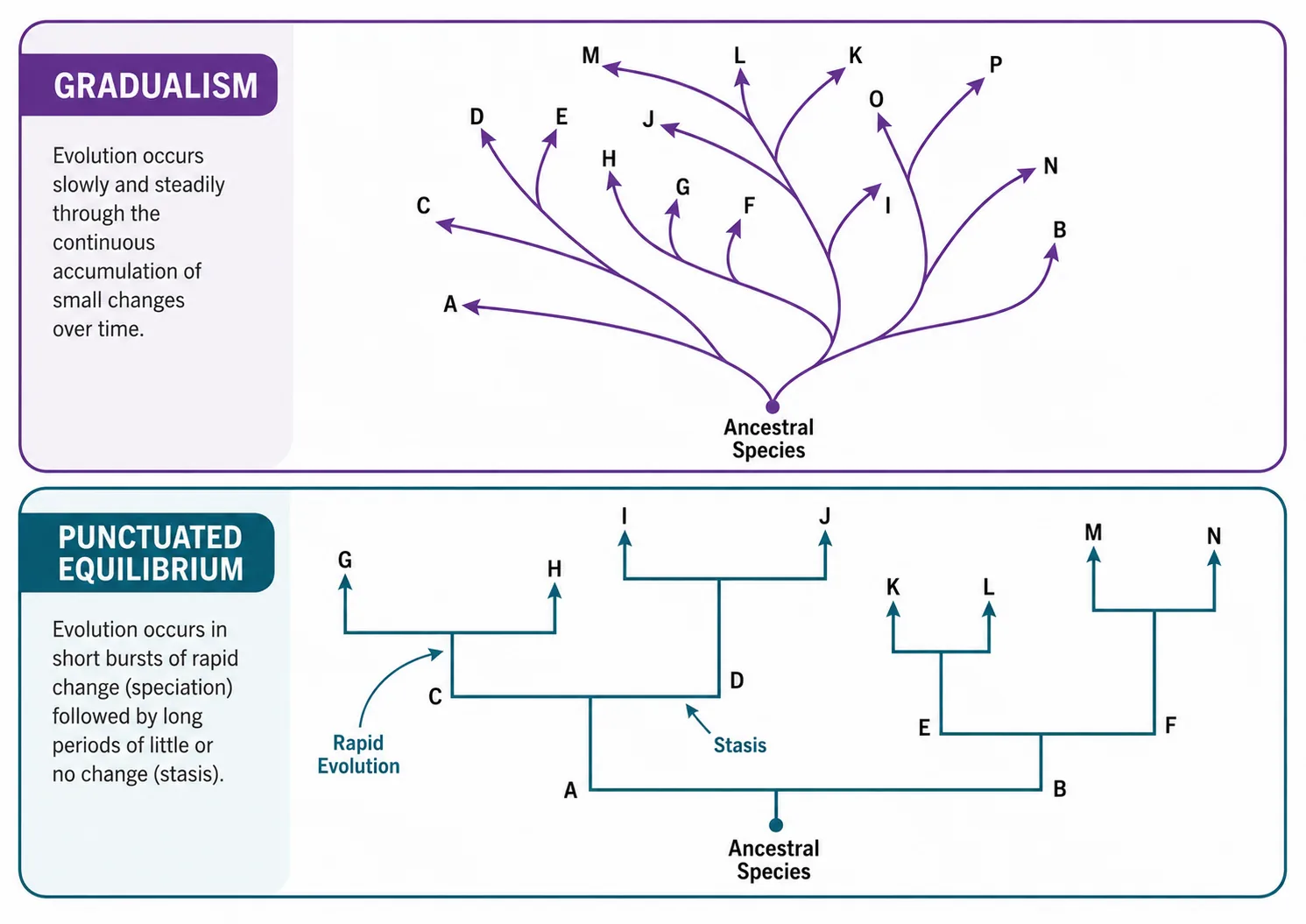
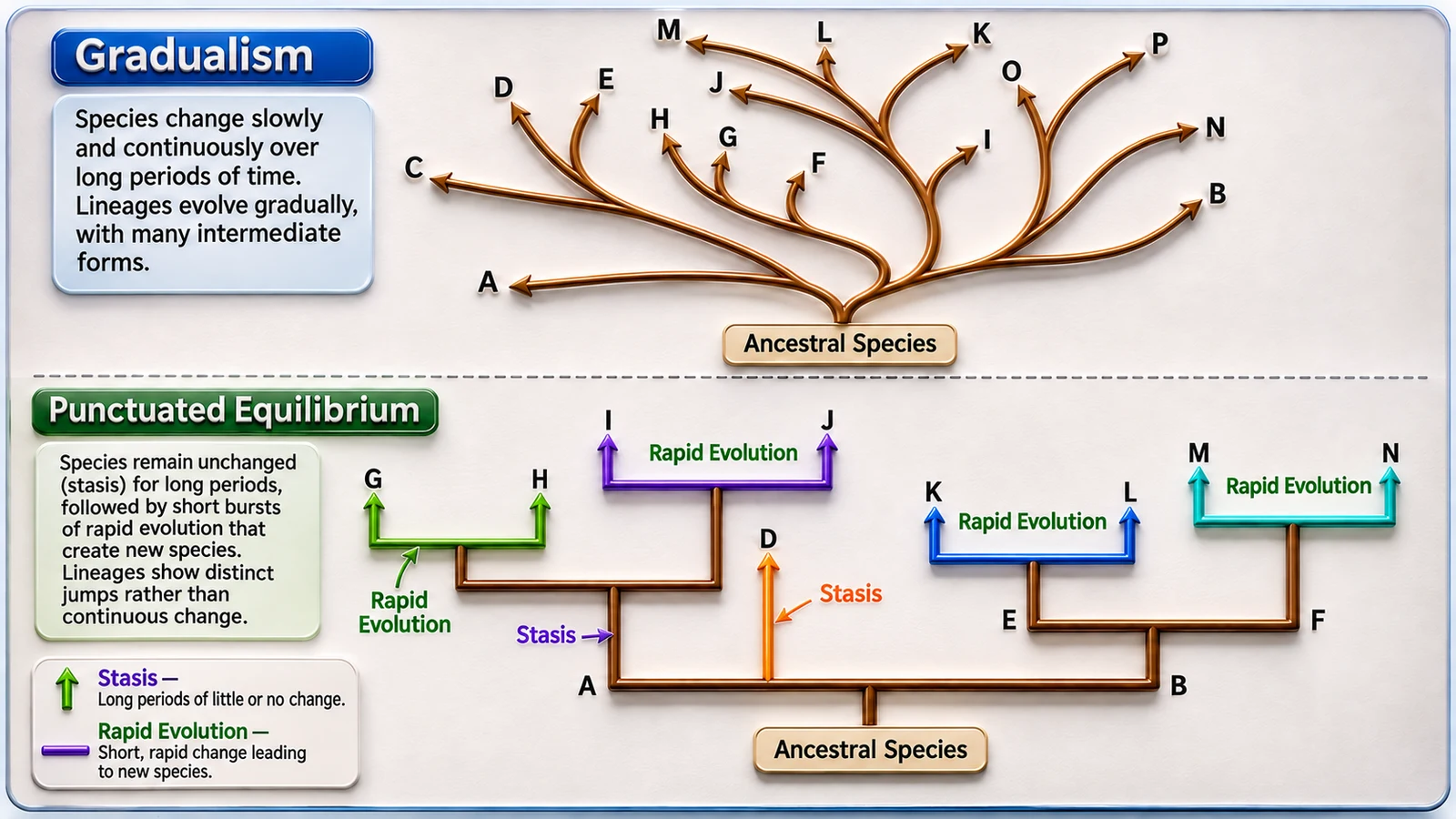
Gradualism proposes slow steady change

punctuated equilibrium proposes long stasis interrupted by rapid change.
Origin of life
◀ Previous19 / 21Next ▶
Essential knowledge
1

early Earth had a reducing atmosphere with little O
2

.
3

Organic monomers formed abiotically

then polymersthen membrane-bound protocells.
4

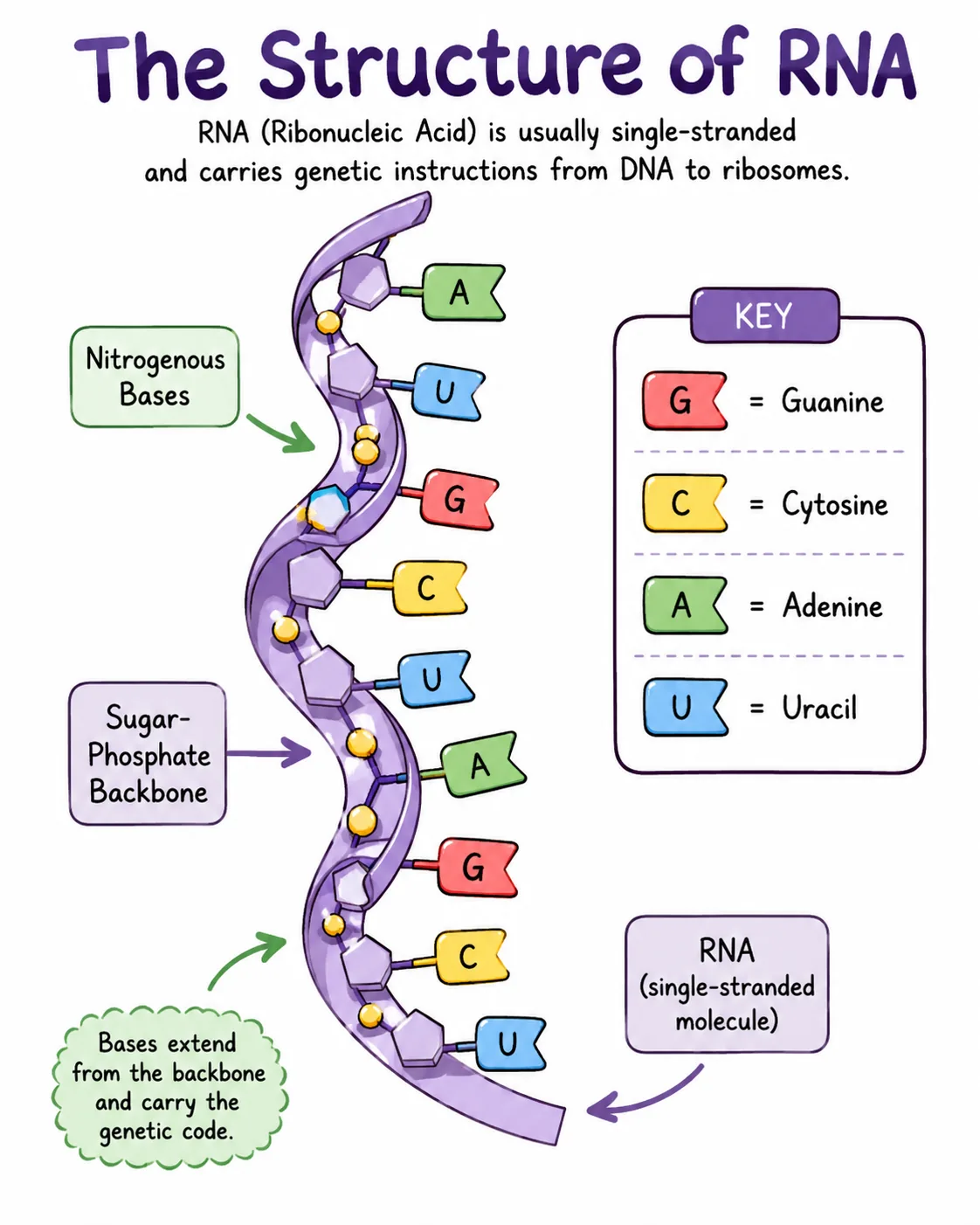
RNA may have been the first genetic molecule (RNA world).
5

Photosynthetic cyanobacteria later added O2 to the atmosphere

endosymbiosis explains mitochondria and chloroplasts.
6

Selection pressures such as predation, competition for food and disease influence which individuals survive.
◀ Previous20 / 21Next ▶
Essential knowledge
1

Survivors to adulthood tend to breed more and have more young

while poorly adapted individuals may never breed at all.
2

Unfavourable characteristics decline in frequency through the same process and are eventually lost from the population.
3

Evolution is not a purposeful response to the environment

selection acts on random variation already present.
4

Speciation is reached once two isolated populations can no longer produce fertile offspring together.
5

Sympatric isolation can arise from different breeding seasons, mismatched reproductive structures or changed courtship behaviour.
◀ Previous21 / 21
1Process & sequence2Process & sequence3Process & sequence4Process & sequence
Process & sequence
Natural Selection - The Process" loading= - Dr Khaled Dabour Academy⤢ Enlarge
Process & sequence
1
Individuals in a population show heritable variation (from mutation and sexual reproduction).
2
More offspring are produced than the environment can support

so there is competition.
3
Individuals with advantageous traits survive and reproduce more (differential reproductive success).
1 / 4Next ▶
Process & sequence
1

4
2

Advantageous alleles are passed on more often.
3

5
4

Allele frequencies in the population change over generations.
5

6
6

Over long periods, accumulated change plus isolation can produce new species.
◀ Previous2 / 4Next ▶
Process & sequence
Process & sequence
Natural selection in action — write these steps in this order

each step is a marking point.
Variation from mutation
Overproduction of offspring
Competition and selection pressure
Best-suited survive and reproduce
Alleles passed on
◀ Previous3 / 4Next ▶
Process & sequence
Process & sequence
Allele frequencies change
◀ Previous4 / 4
Worked examples
" loading= - Dr Khaled Dabour Academy⤢ Enlarge
1

In a population, 16% of individuals show a recessive phenotype. Find p, q and the percentage of heterozygotes.
2

q2 = 0.16

so q = 0.4. p = 1 – 0.4 = 0.6.Heterozygotes = 2pq = 2 x 0.6 x 0.4 = 0.48, i.e. 48%.Homozygous dominant = p2 = 0.36 (36%).Check: 0.36 + 0.48 + 0.16 = 1.
3

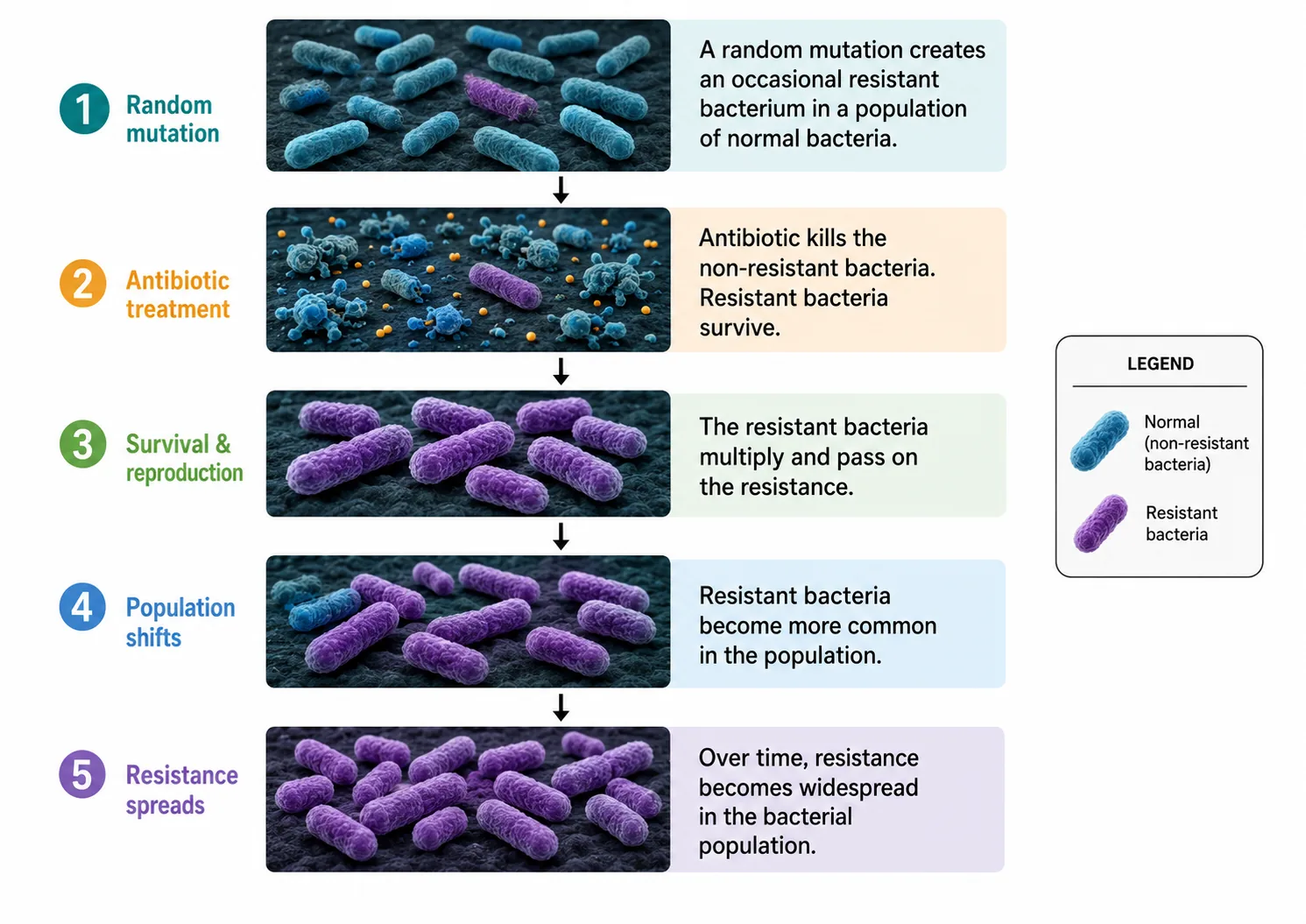
A bacterial population contains random variation

a few cells may carry a mutation giving resistance.The antibiotic kills susceptible cells, so resistant cells survive and divide rapidly, passing the allele on.The frequency of resistance rises: directional selection.The antibiotic does not cause the mutation; it selects for it.
1Summary2Summary3Summary
Summary
1

1
2

Evolution is
3

change in allele frequencies
4

in a population.
5

2
6

Natural selection acts on
1 / 3Next ▶
Summary
Summary
heritable phenotypic variation
.
3
Evidence comes from
fossils, anatomy, embryology, DNA and biogeography
4
◀ Previous2 / 3Next ▶
Summary
1

New species arise through
2

reproductive isolation
3

5
4

Hardy-Weinberg
5

gives the null model of no evolution.
◀ Previous3 / 3
1Check yourself2Check yourself3Check yourself4Check yourself5Check yourself6Check yourself7Check yourself8Check yourself9Check yourself
Check yourself
1 / 9Next ▶
Check yourself
◀ Previous2 / 9Next ▶
Check yourself
Antibiotic resistance evolves in bacteria" loading= - Dr Khaled Dabour Academy⤢ Enlarge
1

Q1. Which condition is required for Hardy-Weinberg equilibrium?
2

1
3

A. Small population size
4

2
5

B. Random mating
6

3
◀ Previous3 / 9Next ▶
Check yourself
1

C. Strong natural selection
2

4
3

D. Frequent migration
4

Show answer
5

B. Random mating is one of the five conditions

the others are large size, no mutation, no gene flow and no selection.
6

Q2. The forelimbs of a bat, whale and human are examples of:
◀ Previous4 / 9Next ▶
Check yourself
Check yourself
A. analogous structures
B. vestigial structures
C. homologous structures
D. convergent evolution
C. They share the same bone pattern inherited from a common ancestor

so they are homologous.
Q3. If q2 = 0.09, the frequency of heterozygotes is:
◀ Previous5 / 9Next ▶
Check yourself
1

A. 0.42
2

B. 0.21
3

C. 0.49
4

D. 0.09
5

A. q = 0.3, p = 0.7, 2pq = 2(0.7)(0.3) = 0.42.
6

Q4. A few birds colonize a remote island and the new population has allele frequencies unlike the mainland. This is:
◀ Previous6 / 9Next ▶
Check yourself
Check yourself
A. gene flow
B. stabilizing selection
C. sexual selection
D. the founder effect
D. The founder effect is genetic drift when a small group starts a new population.
Q5. Two frog species in the same pond breed in different months. This is:
◀ Previous7 / 9Next ▶
Check yourself
Check yourself
A. temporal isolation
B. hybrid sterility
C. mechanical isolation
D. habitat isolation
A. Breeding at different times is a prezygotic temporal barrier.
Q6. Which statement about natural selection is correct?
◀ Previous8 / 9Next ▶
Check yourself
1

A. Individuals evolve during their lifetime
2

B. It creates new mutations when needed
3

C. It acts on existing heritable variation
4

D. It always produces perfect organisms
5

C. Selection only sorts variation already present

it does not create mutations on demand.
◀ Previous9 / 9

Evolution

A change in the allele frequencies of a population over successive generations.

Natural selection

Differential survival and reproduction of individuals whose heritable traits better suit their environment.

Fitness

The relative number of fertile offspring an individual contributes to the next generation.

Adaptation

An inherited trait that increases an organism’s fitness in a particular environment.

Genetic drift

Random change in allele frequencies, strongest in small populations.

Gene flow

Movement of alleles between populations through migration of individuals or gametes.

Homologous structures

Structures with a shared ancestral origin that may now serve different functions, such as vertebrate forelimbs.

Analogous structures

Structures with similar function but separate evolutionary origin, such as bird and insect wings.

Speciation

The formation of a new species when populations become reproductively isolated.

Hardy-Weinberg equilibrium

A model state in which allele and genotype frequencies stay constant because no evolutionary forces act.

Modes of natural selection
Mode What is favored Effect on distribution Example
Directional One extreme phenotype Mean shifts one way Antibiotic resistance in bacteria
Stabilizing Intermediate phenotype Variation narrows Human birth weight
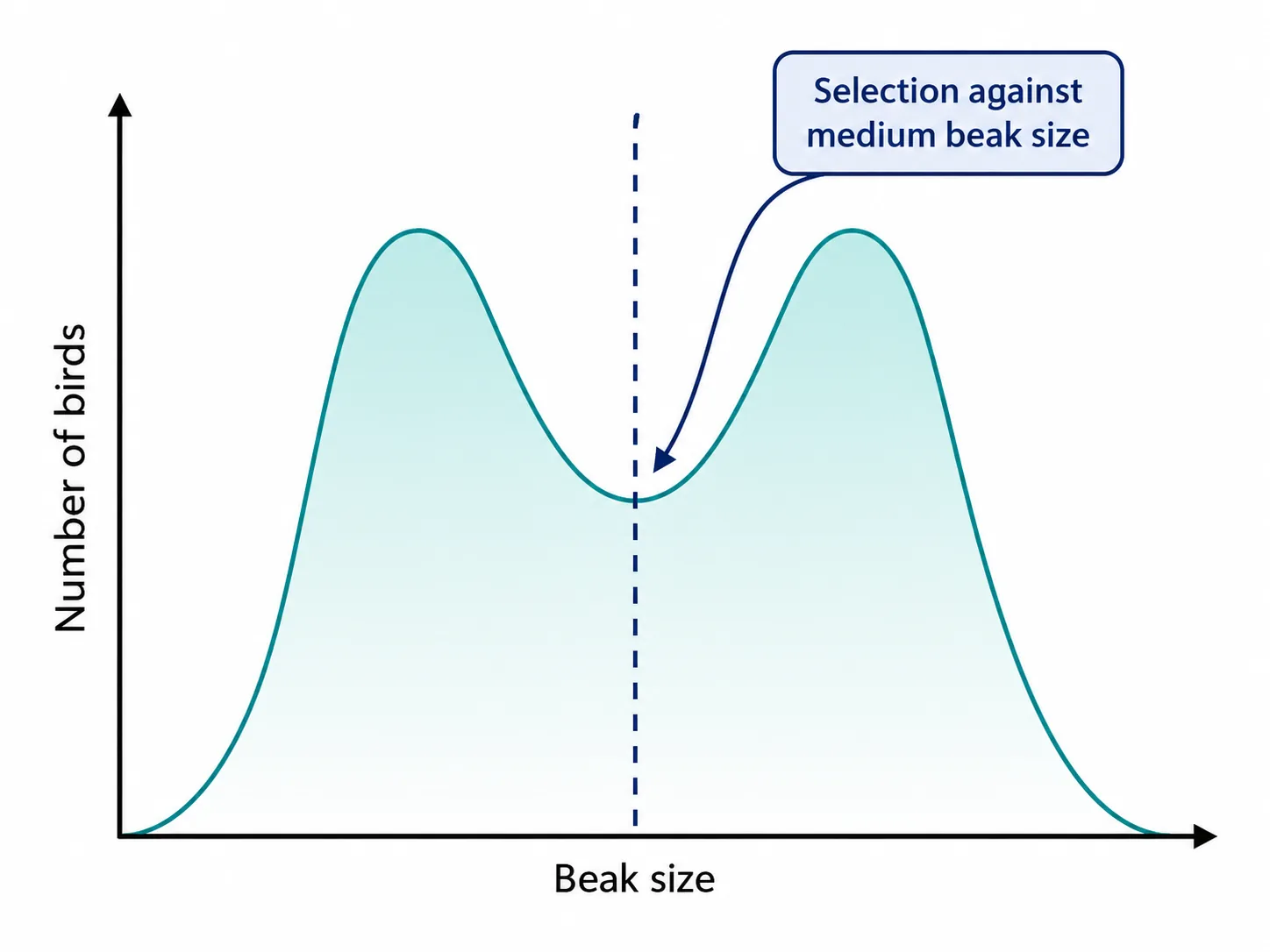
Disruptive Both extremes Two peaks form Seed-cracking finches with small or large beaks
Sexual selection Traits that win mates Exaggerated display traits Peacock tail

Only heritable variation can be acted on by selection.

Reproductive isolating barriers
Barrier Type Description
Habitat isolation Prezygotic Species live in different habitats and rarely meet
Temporal isolation Prezygotic Breed at different times of day or year
Behavioral isolation Prezygotic Different courtship signals
Mechanical / gametic Prezygotic Genitalia or gametes incompatible
Hybrid sterility Postzygotic Hybrid survives but cannot reproduce (mule)
Command terms
Identify / Describe (FRQ)
A short, specific statement; describing requires relevant characteristics, not a single word.
Explain / Justify (FRQ)
Give the cause-and-effect reasoning or evidence; a restated fact does not score.
Calculate
Show setup, substitution and the answer with units.
Predict
State the expected outcome; add a reason only if asked to justify.
MCQ technique
Read every option; eliminate distractors that are true statements but do not answer the question; watch for NOT/EXCEPT.

Keywords the mark scheme looks for in this lesson

Keywords the mark scheme looks for in this lesson
Evolution · Natural selection · Fitness · Adaptation · Genetic drift · Gene flow · Homologous structures · Analogous structures · Speciation · Hardy-Weinberg equilibrium
Learn each definition in the Key words tab exactly; a missing keyword in a definition usually loses the mark.

How to get full marks (examiner guidance)

1

Answer exactly what is asked; extra correct material does not earn credit, and contradictory statements can cancel credit (AP FRQ).
2

Use precise vocabulary (e.g. “active site”, “concentration gradient”, “allele”), never “it/stuff/things”.
3

Show units and working in calculations.
4

In MCQs, predict the answer before reading the options, then eliminate.
Accepted payment methods