Curriculum
Course: EST II Biology
Login

Curriculum

EST II Biology

Text lesson

2.3 Biotechnology

Describe how recombinant DNA is made and inserted into bacteria.
1Key ideas2Key ideas3Key ideas4Key ideas
Key ideas
Key ideas
1
PCR cycle
denature at about 95 °C, anneal primers at about 50–65 °C, extend at about 72 °C.
2
Each PCR cycle doubles the DNA
after n cycles, 2
1 / 4Next ▶
Key ideas
1

n
2

copies from one molecule.
3

3
4

Taq polymerase comes from the heat-loving bacterium
5

Thermus aquaticus
6

and survives the high temperatures of PCR.
◀ Previous2 / 4Next ▶
Key ideas
Key ideas
4
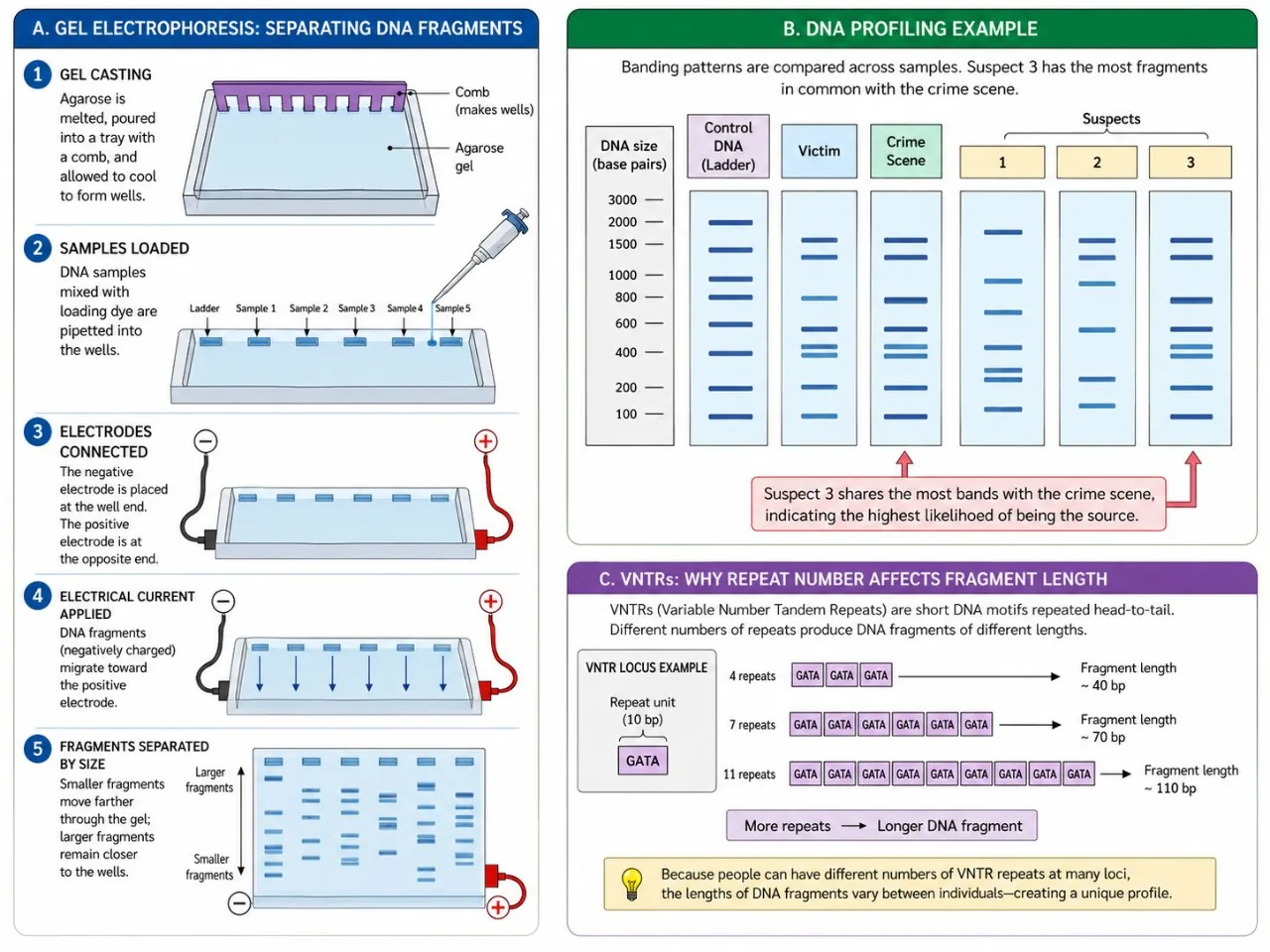
DNA is negatively charged (phosphate groups)

so it moves toward the positive electrode in electrophoresissmaller fragments move farther.
5
The Human Genome Project (completed 2003) found about 20,000–25,000 protein-coding genes in about 3 billion base pairs.
6
Plasmid vectors carry an antibiotic-resistance gene as a selectable marker.
◀ Previous3 / 4Next ▶
Key ideas
Key ideas
7
Bacteria cannot remove introns

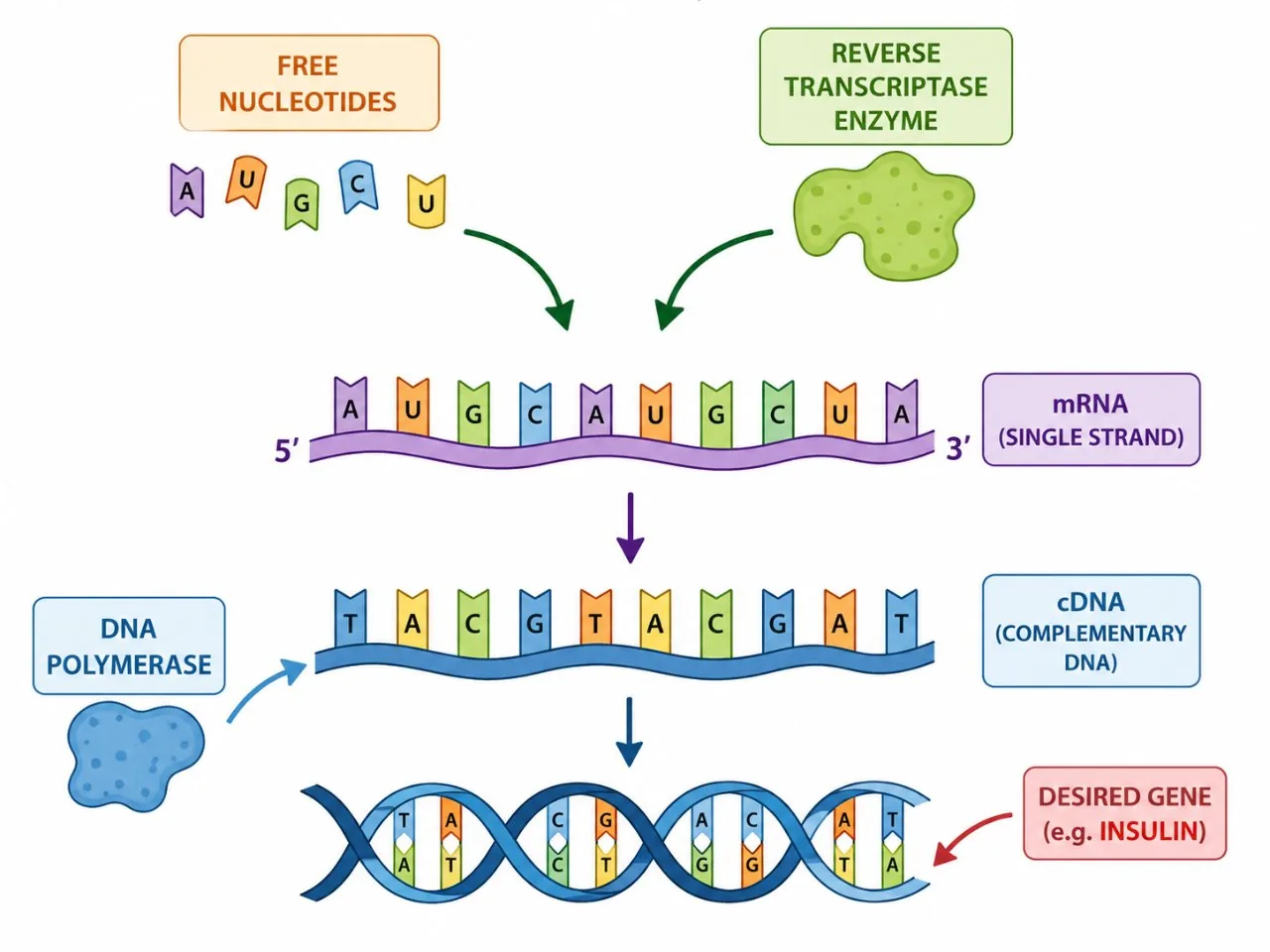
so cDNA made from mRNA by reverse transcriptase is used to express eukaryotic genes in bacteria.
◀ Previous4 / 4
1Essential knowledge2Essential knowledge3Essential knowledge
Essential knowledge
" loading= - Dr Khaled Dabour Academy⤢ Enlarge
1

Bacteria use them to destroy invading viral DNA. Many recognize palindromic sequences 4–8 bases long

EcoRI cuts G
2

AATTC
3

on both strands, leaving AATT sticky ends. Any DNA cut with the same enzyme has complementary ends that can be joined.
4

A gene is inserted into a vector (plasmid or virus) and put into host cells.
5

Selection with antibiotics identifies cells that took up the plasmid

screening (e.g. blue-white screening using the lacZ gene) identifies those carrying the insert.
6

The hosts copy the gene every time they divide and can express it as protein.
1 / 3Next ▶
Essential knowledge
1

Requires template DNA, two primers flanking the target, free nucleotides and heat-stable DNA polymerase. Repeated heating and cooling cycles copy the target exponentially, allowing analysis of tiny samples such as a hair root or ancient DNA.
2

DNA is loaded into wells in an agarose gel and a current applied. Fragments migrate toward the positive pole, and smaller fragments travel faster and farther. A ladder of known sizes allows fragment lengths to be estimated. Bands are made visible with stain.
3

Individuals differ at regions of repeated sequences (short tandem repeats, STRs). PCR amplifies these regions, and the pattern of fragment lengths forms a DNA fingerprint used in crime investigations and paternity testing

a child’s bands must each match a band from one of the parents.
4

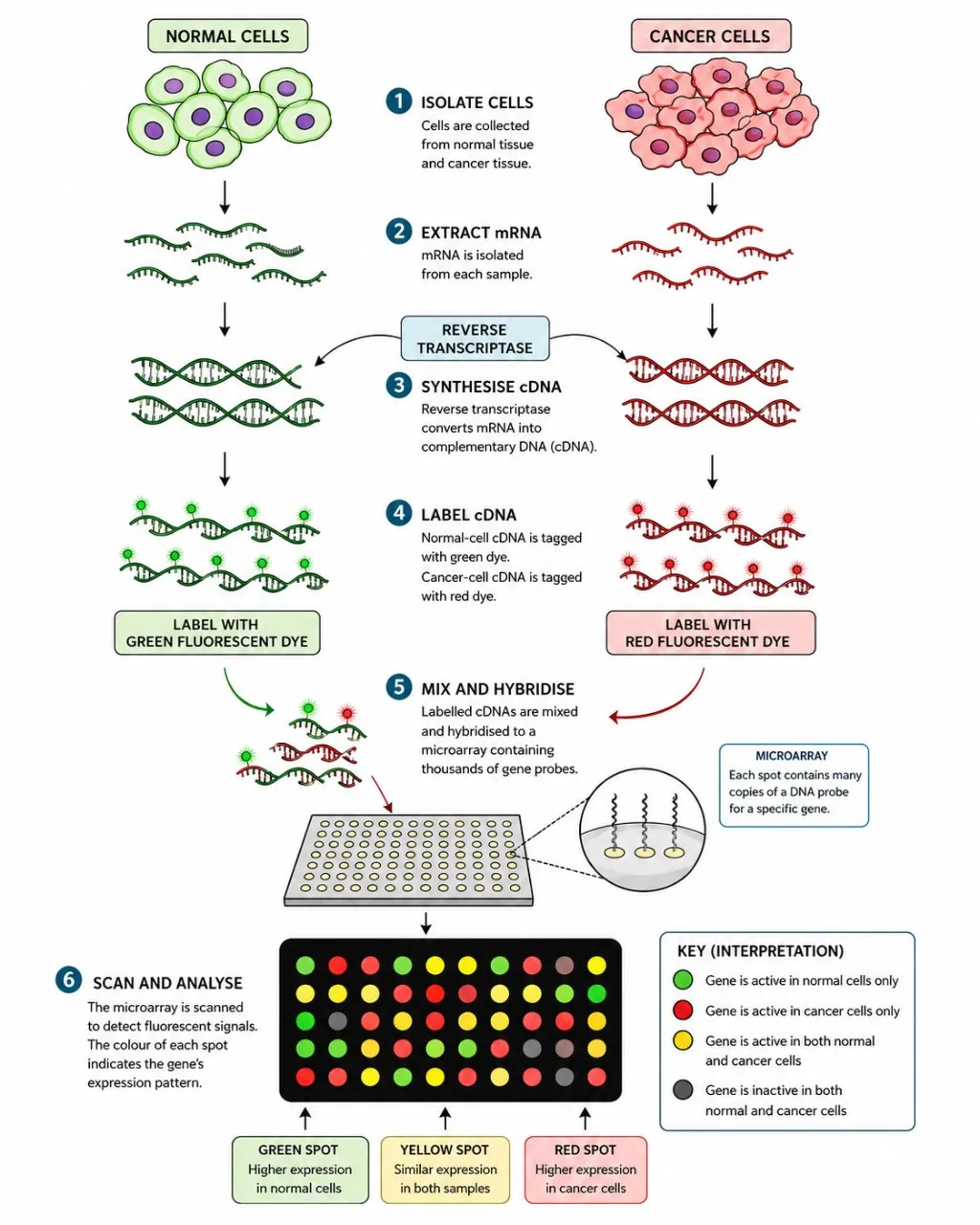
Sanger sequencing and newer high-throughput methods read DNA base by base. Comparing genomes reveals evolutionary relationships, disease genes and genetic diversity. Microarrays and RNA sequencing show which genes are active in a tissue.
5

CRISPR-Cas9 uses a guide RNA to target Cas9 to a precise location

where the cut can disable or replace a gene.
6

Gene therapy delivers working alleles to treat disorders.

(often with harmless viral vectors)
◀ Previous2 / 3Next ▶
Essential knowledge
Essential knowledge
Reproductive cloning by somatic cell nuclear transfer produced Dolly (1996).
Stem cells can differentiate into many cell types and are studied for regenerative medicine.
Benefits include cheaper medicines, higher crop yields and reduced pesticide use. Concerns include gene flow from GM crops to wild relatives, reduced biodiversity, allergy risks, privacy of genetic information, and ethical questions about editing human embryos.
◀ Previous3 / 3
1Process & sequence2Process & sequence3Process & sequence4Process & sequence5Process & sequence6Process & sequence
Process & sequence
1 / 6Next ▶
Process & sequence
◀ Previous2 / 6Next ▶
Process & sequence
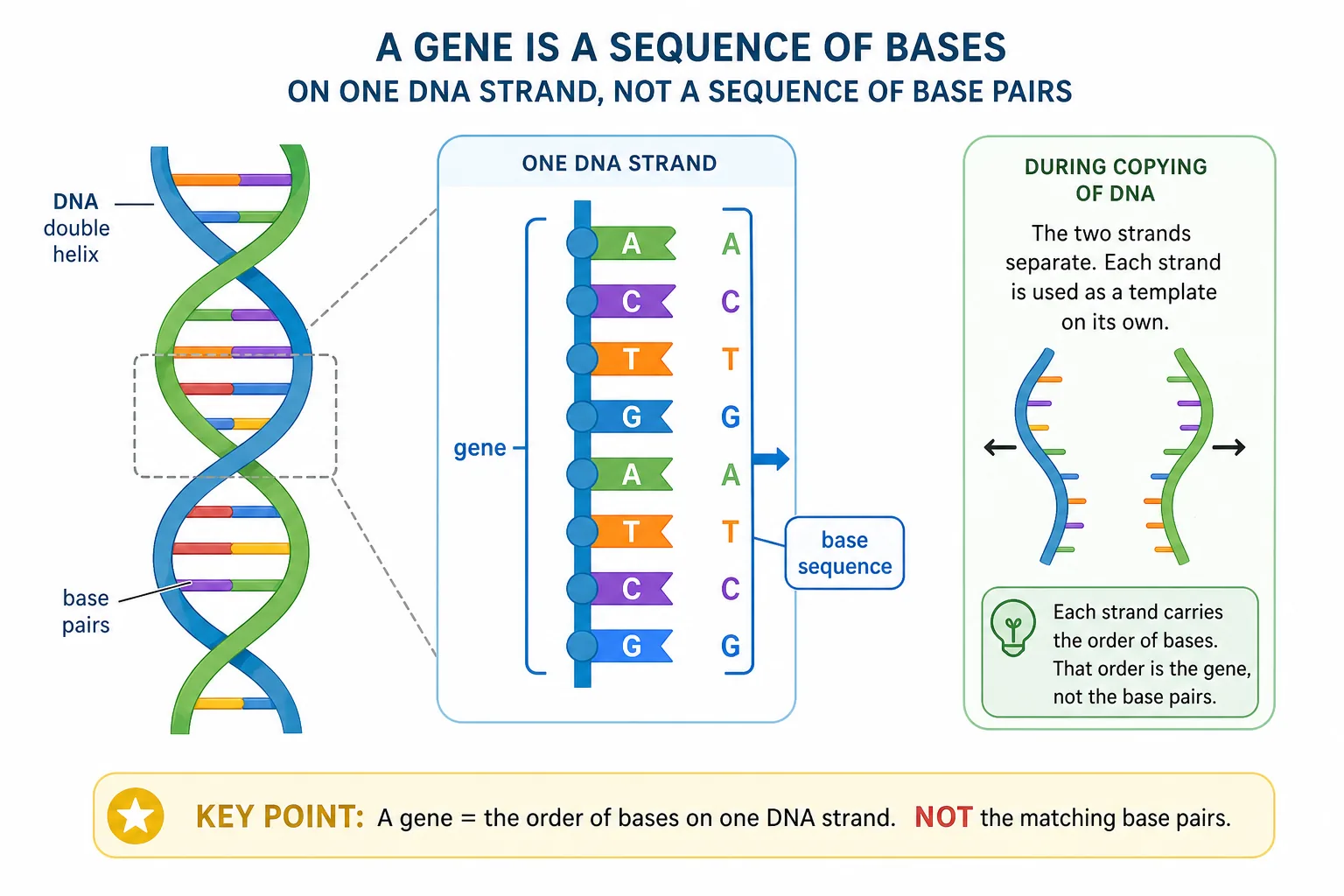
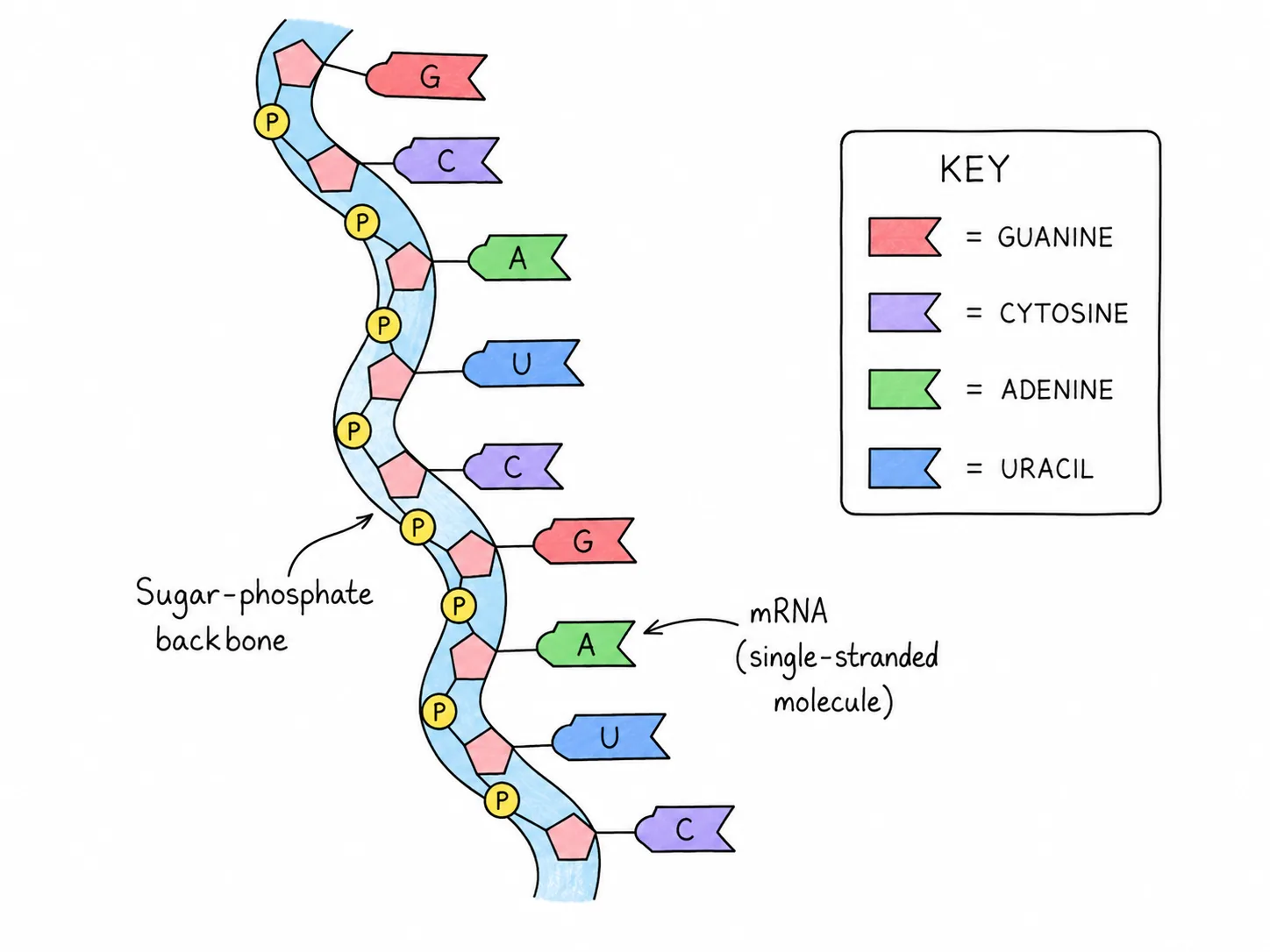
A Gene is a Sequence of Bases" loading= - Dr Khaled Dabour Academy⤢ Enlarge
Process & sequence
1
Isolate the gene of interest (e.g. human insulin gene) and a plasmid vector.
2
Cut both with the same restriction enzyme to make matching sticky ends.
3
Mix and join them with DNA ligase to form a recombinant plasmid.
◀ Previous3 / 6Next ▶
Process & sequence
1

4
2

Introduce the plasmid into bacteria by transformation (heat shock or electroporation).
3

5
4

Grow bacteria on antibiotic medium so only transformed cells survive.
5

6
6

Culture the selected bacteria and harvest the protein product.
◀ Previous4 / 6Next ▶
Process & sequence
1

Making recombinant insulin — write these steps in this order

each step is a marking point.
2

Isolate insulin gene and plasmid
3

Cut both with same restriction enzyme
4

Join with DNA ligase
5

Transform bacteria
6

Select on antibiotic plates
◀ Previous5 / 6Next ▶
Process & sequence
Process & sequence
Grow bacteria, harvest insulin
◀ Previous6 / 6
11,048,576 · Starting with a single DNA molecule, how many co23 kb33 kb
1,048,576 · Starting with a single DNA molecule, how many copies are present after 20 PCR cycles?
Copies double each cycle: 220 = 1,048,576 (about one million) copies, ignoring losses.
1 / 3Next ▶
3 kb
3 kb
A linear DNA molecule of 10 kb has two EcoRI sites, at 3 kb and 7 kb from one end. What bands appear on a gel after complete digestion?
Two cuts in a linear molecule give three fragments: 0–3 kb (3 kb), 3–7 kb (4 kb) and 7–10 kb (3 kb).

The two 3 kb fragments run together,so the gel shows two bands: 4 kb and 3 kb (farther, and brighter because it contains twice the DNA).(closer to the wells)
Yeast respires anaerobically when sugar is abundant, even in the presence of oxygen, releasing ethanol and carbon dioxide.
Ethanol produced by yeast can be used as a biofuel alone or blended with petrol for vehicles.
Carbon dioxide released by yeast during fermentation becomes trapped in bread dough, making the loaf rise.
Pectinase breaks down pectin in plant cell walls

so more juice can be squeezed out and the juice becomes clearer.
◀ Previous2 / 3Next ▶
3 kb
3 kb
Biological washing powders use enzymes to break down stain molecules, such as fats and proteins, into small soluble molecules.
Biological washing powders work at lower temperatures

which saves energy and allows delicate fabrics to be washed safely.
Adding lactase to milk breaks down lactose, producing lactose-free milk for people who can no longer produce lactase.
Penicillin, the first antibiotic, was discovered by Alexander Fleming in 1928 after a mould killed bacteria in a Petri dish.
Fermenters allow microorganisms to be grown in large amounts, with temperature, pH, oxygen and nutrients kept at the right levels.
Mycoprotein is a protein-rich food made by growing the fungus Fusarium in fermenters supplied with glucose syrup and oxygen.
◀ Previous3 / 3
1Summary2Summary3Summary4Summary
Summary
1

1
2

Biotechnology uses
3

restriction enzymes and ligase
4

to make recombinant DNA.
5

2
6

Plasmids
1 / 4Next ▶
Summary
1

carry genes into bacteria

which then make the product.
2

3
3

PCR
4

amplifies DNA
5

gel electrophoresis
6

separates it by size.
◀ Previous2 / 4Next ▶
Summary
Summary
4
CRISPR
allows precise gene editing.
5
Applications raise
ethical and safety questions
◀ Previous3 / 4Next ▶
Summary
Summary
.
◀ Previous4 / 4
1Check yourself2Check yourself3Check yourself4Check yourself5Check yourself6Check yourself7Check yourself8Check yourself9Check yourself10Check yourself11Check yourself12Check yourself13Check yourself14Check yourself15Check yourself16Check yourself17Check yourself
Check yourself
1 / 17Next ▶
Check yourself
◀ Previous2 / 17Next ▶
Check yourself
◀ Previous3 / 17Next ▶
Check yourself
◀ Previous4 / 17Next ▶
Check yourself
◀ Previous5 / 17Next ▶
Check yourself
◀ Previous6 / 17Next ▶
Check yourself
◀ Previous7 / 17Next ▶
Check yourself
◀ Previous8 / 17Next ▶
Check yourself
◀ Previous9 / 17Next ▶
Check yourself
◀ Previous10 / 17Next ▶
Check yourself
" loading= - Dr Khaled Dabour Academy⤢ Enlarge
Check yourself
Q1. Which enzyme joins a gene into a cut plasmid?
A. Restriction enzyme
B. DNA ligase
C. Helicase
D. Reverse transcriptase
Show answer
◀ Previous11 / 17Next ▶
Check yourself
1

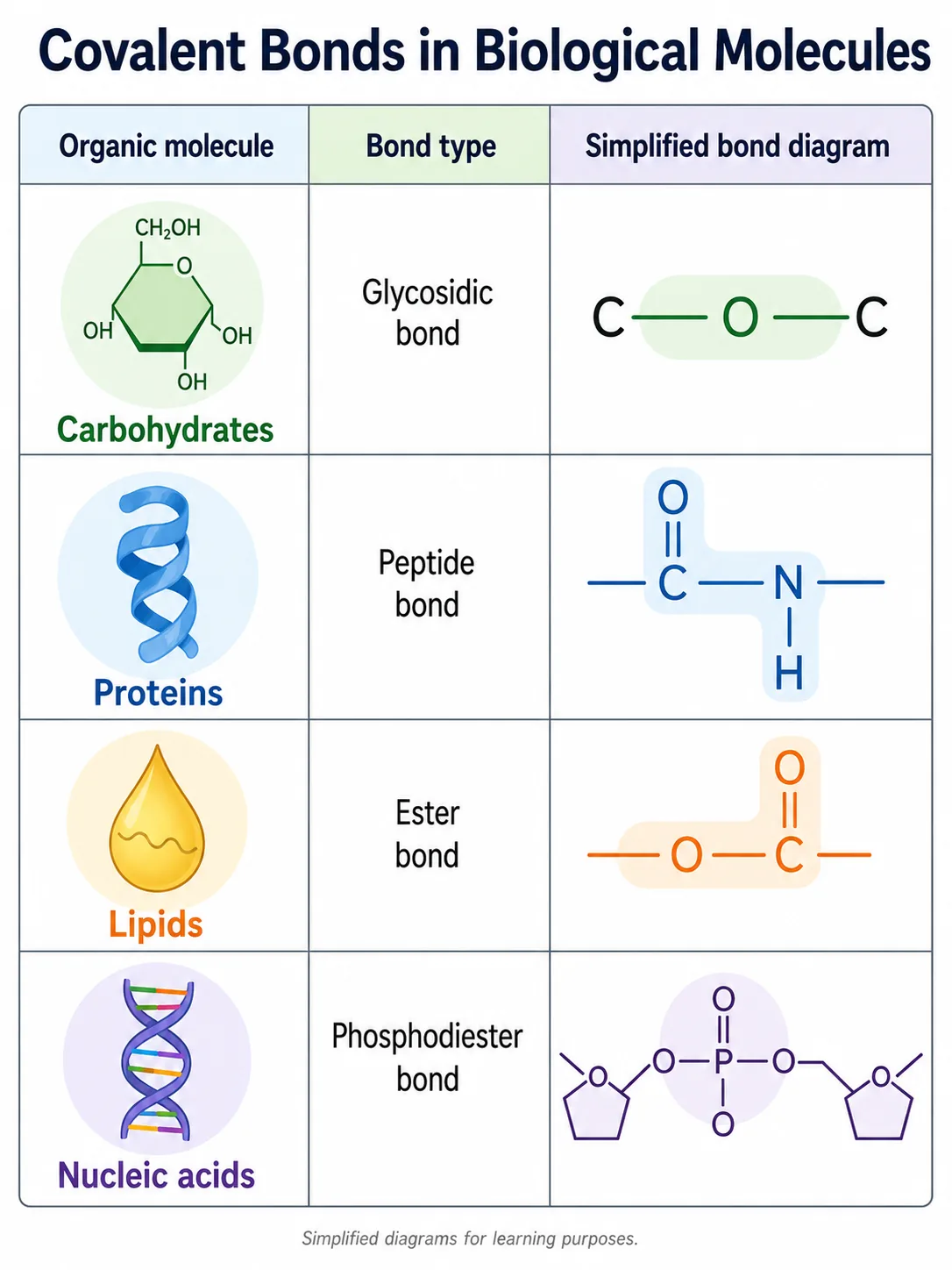
B. Ligase forms phosphodiester bonds that seal the backbone between the insert and vector.
2

Q2. In gel electrophoresis, DNA fragments move toward the positive electrode because DNA
3

1
4

A. is positively charged
5

2
6

B. is hydrophobic
◀ Previous12 / 17Next ▶
Check yourself
Check yourself
3
C. is negatively charged from its phosphate groups
4
D. contains sulfur
C. Phosphate groups carry negative charges

so DNA is attracted to the anode.
Q3. Why is Taq polymerase used in PCR?
◀ Previous13 / 17Next ▶
Check yourself
Check yourself
A. It is stable at high temperatures
B. It cuts DNA at specific sites
C. It works without nucleotides
D. It removes introns
A. PCR requires repeated heating to about 95 C

Taq, from a hot-spring bacterium, is not denatured.
Q4. Bacteria carrying a recombinant plasmid are usually identified by
◀ Previous14 / 17Next ▶
Check yourself
1

A. their larger size
2

B. their ability to photosynthesize
3

C. the absence of ribosomes
4

D. growth on a medium containing an antibiotic
5

D. The plasmid carries an antibiotic-resistance gene

so only transformed bacteria survive on antibiotic plates.
6

Q5. In a paternity DNA test, the child’s bands must
◀ Previous15 / 17Next ▶
Check yourself
1

A. all match the mother
2

B. all match the alleged father
3

C. each match a band in either the mother or the biological father
4

D. be completely different from both parents
5

C. A child inherits one allele of each STR from each parent

so every band traces to one parent.
6

Q6. Why is cDNA (made from mRNA) rather than genomic DNA used to express a human gene in bacteria?
◀ Previous16 / 17Next ▶
Check yourself
Check yourself
A. cDNA lacks introns

which bacteria cannot remove
B. cDNA is double-stranded RNA
C. Bacteria cannot read the genetic code
D. Genomic DNA has no promoter
A. Bacteria have no splicing machinery

cDNA made by reverse transcriptase contains only exons.
◀ Previous17 / 17

Recombinant DNA

DNA formed by joining DNA from two different sources.

Restriction enzyme

A bacterial enzyme that cuts DNA at a specific recognition sequence, often leaving sticky ends.

Sticky ends

Short single-stranded overhangs left by some restriction enzymes that can base-pair with matching ends.

DNA ligase

An enzyme that seals the sugar-phosphate backbone to join DNA fragments.

Plasmid

A small circular DNA molecule in bacteria, used as a vector to carry genes into cells.

Transformation

Uptake of foreign DNA by a cell, such as a bacterium taking up a plasmid.

PCR

Polymerase chain reaction: a method that makes millions of copies of a specific DNA segment.

Gel electrophoresis

A technique that separates DNA fragments by size using an electric field through a gel.

CRISPR-Cas9

A gene-editing system in which a guide RNA directs the Cas9 enzyme to cut a chosen DNA sequence.

GMO

A genetically modified organism whose DNA has been altered by genetic engineering.

Key tools of biotechnology
Tool What it does Typical use
Restriction enzymes Cut DNA at specific sequences (e.g. EcoRI at GAATTC) Preparing gene and vector for cloning
DNA ligase Joins DNA fragments Inserting gene into plasmid
PCR (Taq polymerase) Amplifies target DNA Forensics, diagnosis, research
Gel electrophoresis Separates fragments by size DNA fingerprinting, checking PCR products
DNA sequencing Reads base order Genome projects, identifying mutations
CRISPR-Cas9 Cuts DNA at a guided target Gene knockout or correction
Applications of biotechnology
Field Example
Medicine Human insulin made by recombinant bacteria; gene therapy; vaccines
Agriculture Bt crops resistant to insects; herbicide-tolerant soybeans; Golden Rice (vitamin A)
Forensics DNA profiling using STRs to match suspects to evidence
Environment Bioremediation with microbes that break down oil or toxins
Research Knockout mice; stem cells; cloning (Dolly the sheep by nuclear transfer)
Command terms
Identify / Describe (FRQ)
A short, specific statement; describing requires relevant characteristics, not a single word.
Explain / Justify (FRQ)
Give the cause-and-effect reasoning or evidence; a restated fact does not score.
Calculate
Show setup, substitution and the answer with units.
Predict
State the expected outcome; add a reason only if asked to justify.
MCQ technique
Read every option; eliminate distractors that are true statements but do not answer the question; watch for NOT/EXCEPT.

Keywords the mark scheme looks for in this lesson

Keywords the mark scheme looks for in this lesson
Recombinant DNA · Restriction enzyme · Sticky ends · DNA ligase · Plasmid · Transformation · PCR · Gel electrophoresis · CRISPR-Cas9 · GMO
Learn each definition in the Key words tab exactly; a missing keyword in a definition usually loses the mark.

How to get full marks (examiner guidance)

1

Answer exactly what is asked; extra correct material does not earn credit, and contradictory statements can cancel credit (AP FRQ).
2

Use precise vocabulary (e.g. “active site”, “concentration gradient”, “allele”), never “it/stuff/things”.
3

Show units and working in calculations.
4

In MCQs, predict the answer before reading the options, then eliminate.
Accepted payment methods