7.2Chapter 7: The Health of the Environment
Habitats within an ecosystem — Alhussan Biology - Stage 8 Revision Notes & Topical Questions
5 min read 9 parts Lesson 2 of 8 2 quizzes
7.2 Habitats within an ecosystem — Alhussan International Academy — Biology (Stages 7–9) notes: Define habitat, population, community and niche, and explain how organisms are adapted to different habitats within one ecosystem.Habitat = the place where an organism lives, its home.…
- Abiotic factors
- Every tree is a small ecosystem
- Parts of a tree
- Leaf litter and soil
- Tree canopy
- Rocky shore
Part 1 of 7Habitat, population and community
- An ecosystem such as a woodland contains many different habitats, for example leaf litter, tree canopy, a pond or the soil.
- Ecosystem it includes the community together with the non-living environment.
- Organisms in a habitat each have their own niche so that they avoid competing for food.
Part 2 of 7Abiotic and biotic factors
- Abiotic factors they are non-living, such as light intensity, temperature, water availability, pH and wind.
- Biotic factors they are living, such as competition, predation, disease and food supply.
- The woodland floor is dark and damp, so shade-tolerant ferns and mosses and moisture-loving woodlice live there.
- The woodland canopy receives full sunlight, so many insects and birds live there.
Part 3 of 7A tree as a habitat
- Every tree is a small ecosystem some species of tree are home to hundreds of other species.
- A single tree may contain around 1000 different habitats.
- Parts of a tree each gives a different habitat.
- The leaf canopy, branches, flowers and fruit are home to bees, wasps, moths, squirrels, sparrows and hawks.
- The trunk and bark are home to insects and larvae.
- The roots spread through the soil and are home to organisms such as tarantulas.
- Leaf litter and decaying leaves support frogs and fungi.
Part 4 of 7Different habitats, different adaptations
- Pond water lilies have flat floating leaves with stomata on the upper surface, and fish have gills and streamlined bodies.
- Leaf litter and soil earthworms have soft bodies that burrow and improve soil aeration, and woodlice avoid dry conditions.
- Tree canopy birds have wings and keen eyesight, and leaves have a large surface area to capture light.
- Rocky shore limpets clamp to rock to avoid being washed away and to hold in water at low tide.
Part 5 of 7Larger ecosystems and their habitats
- Lake it has different habitats at all levels of the water.
- Light and temperature affect which species live there.
- The bottom has habitats under stones and among water weeds, and the edge ranges from reed beds to shingle shores.
- African savannah habitats range from huge grasslands to dung.
- The grasslands are home to large animals such as zebra, lions and elephants.
- Dung is a rich habitat for bacteria, fungi (decomposers), worms and insects such as beetles.
- Alpine mountain it is high and cold.
- Habitats include bare rock, flat and sloping surfaces, and sunny and shady areas.
- Organisms range from tiny plants on sheltered surfaces to birds of prey nesting on high ledges.
Part 6 of 7Investigating a habitat
Part 7 of 7Habitats change with time
- Seasonal change a pond in summer has warmer water with less dissolved oxygen,
- and a woodland floor receives more light in spring before the leaves open.
- Movement between habitats some animals use several habitats through the year, such as birds that nest in a wood and feed in a field.
- Protecting an ecosystem therefore means protecting several connected habitats.
Key terms
| Term | Meaning |
|---|---|
| Habitat | The place where an organism lives. |
| Population | All the organisms of one species in an area. |
| Community | All the populations living in the same habitat. |
| Niche | The role or job of an organism within its habitat. |
| Abiotic factor | A non-living part of the environment. |
| Biotic factor | A living part of the environment. |
Avoid these mistakes
Marked practiceQuizzes for this lesson
?What do you want to solve now?
✓Checkpoint Quiz
3 multiple-choice + 1 written questions from real exam papers on this lesson.
Question 1 of 3 1:30

Question 2 of 3 1:30

Question 3 of 3 1:30

Answer key
1 B2 D3 A
Written question 1 of 1 · part (a)(i) (1 / 5) 3:00
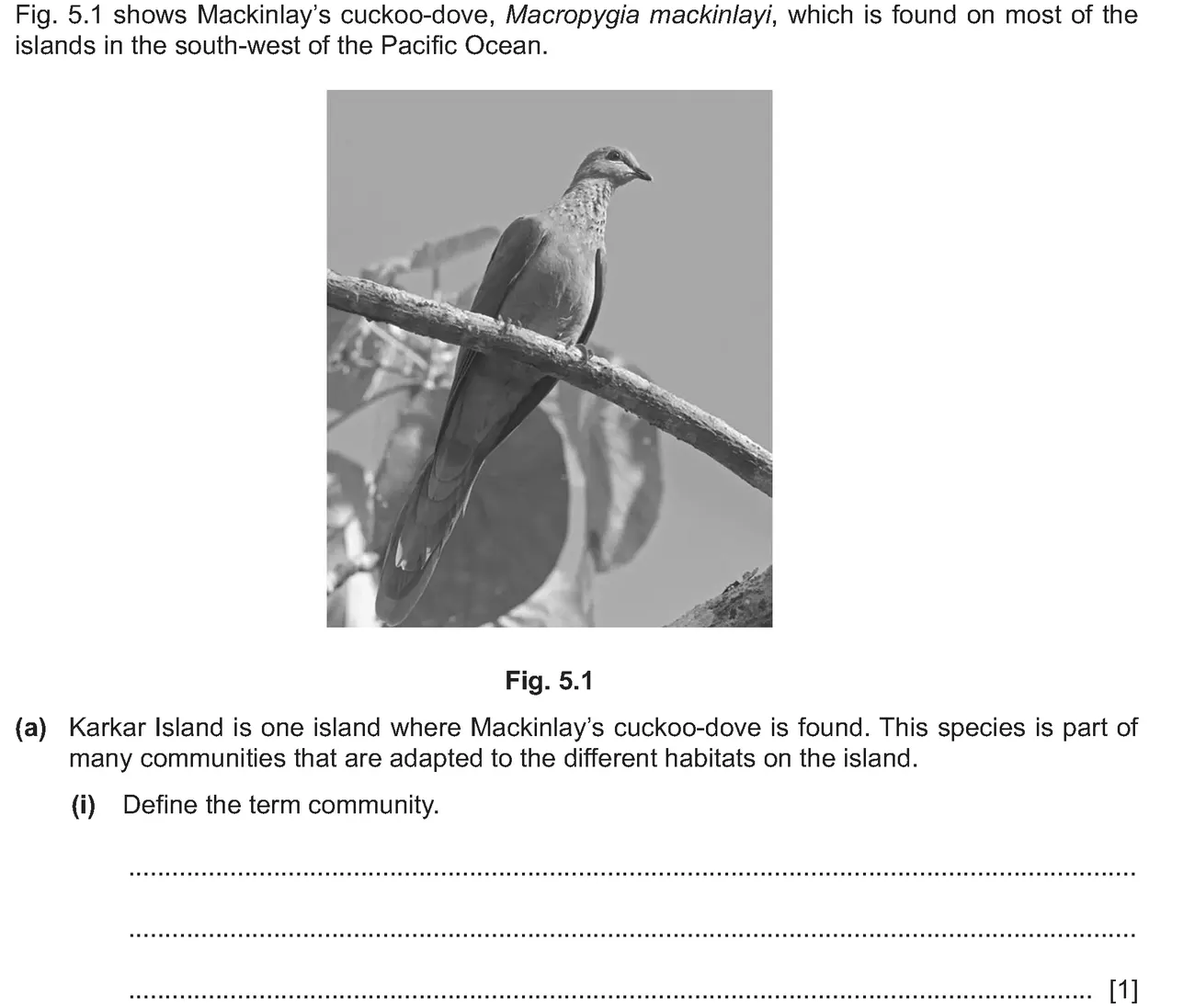
Show the answer

Written question 1 of 1 · part (a)(ii) (2 / 5) 3:00
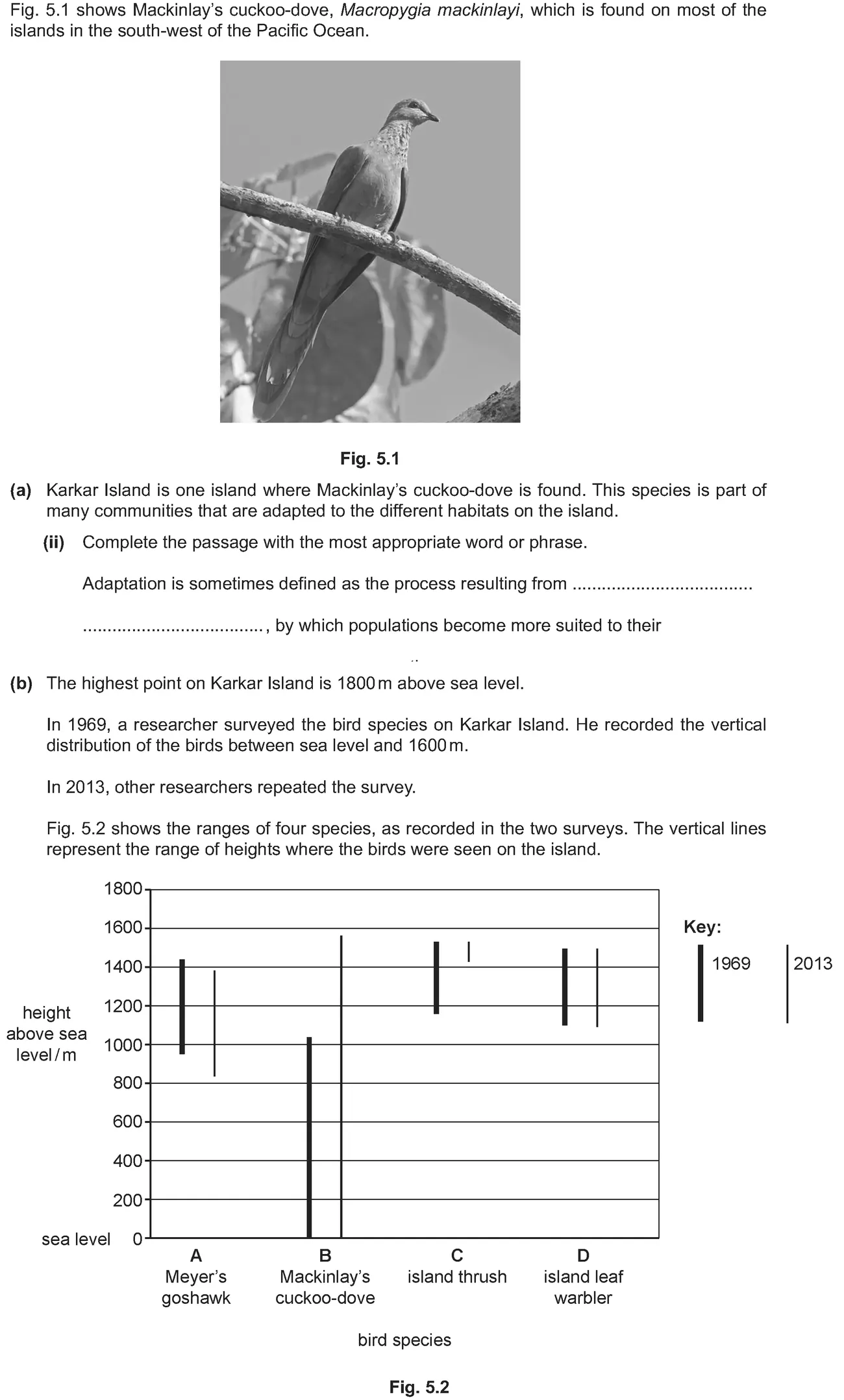
Show the answer

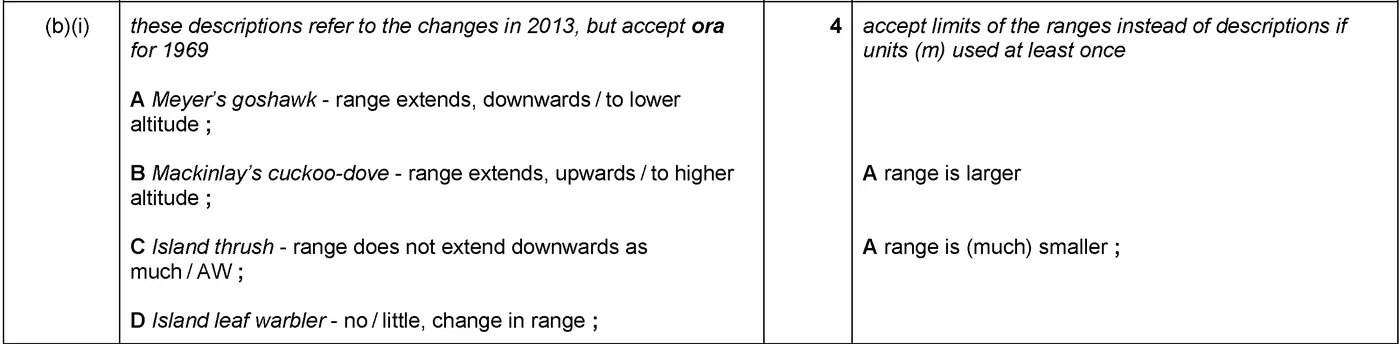
Written question 1 of 1 · part (b)(i) (3 / 5) 3:00

Show the answer
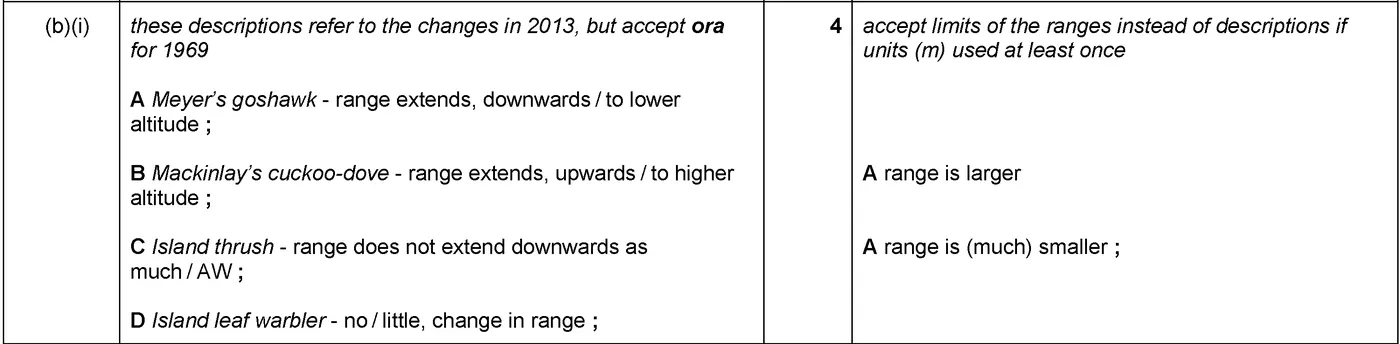
Written question 1 of 1 · part (b)(ii) (4 / 5) 3:00

Show the answer
Written question 1 of 1 · part (c) (5 / 5) 3:00

Show the answer
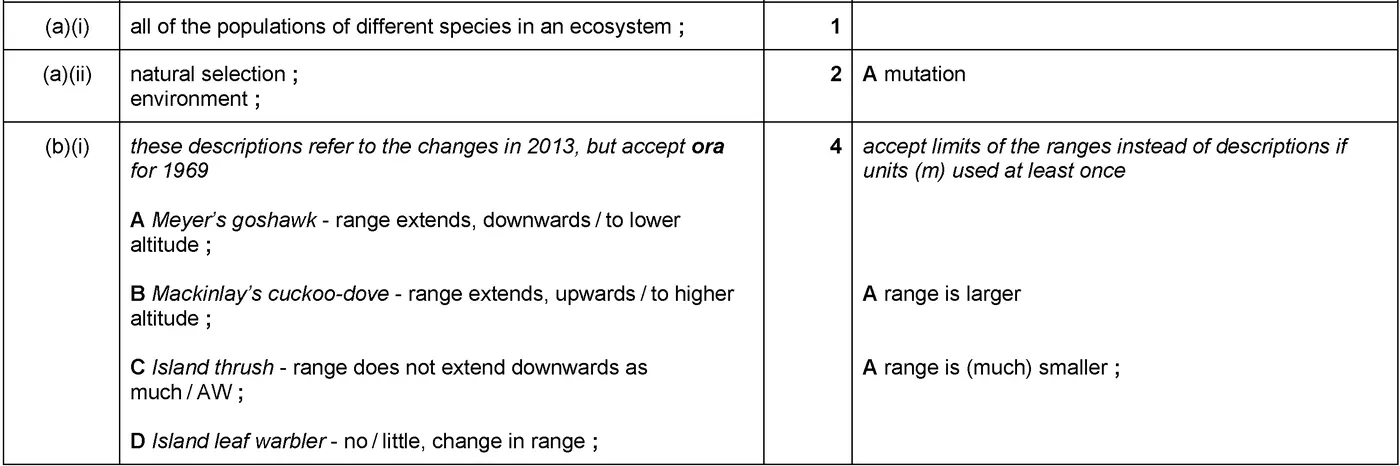
Each part of a written question is on its own screen. Write your answer first, then open "Show the answer" to check it against the mark scheme.
Last updated: