7.5Chapter 7: The Health of the Environment
Invasive species — Alhussan Biology - Stage 8 Revision Notes & Topical Questions
5 min read 9 parts Lesson 5 of 8 2 quizzes
Lesson summary
7.5 Invasive species — Ecological Competition — Alhussan International Academy — Biology (Stages 7–9) notes: Distinguish native, introduced and invasive species, and explain how invasive species compete with native organisms and reduce biodiversity.Native species = species that a…
- Introduced (non-native) species
- No natural predators
- Rapid breeding
- Broken food webs
- Why invaders win
- Native range
Part 1 of 7Native, introduced and invasive species
Native, introduced and invasive species
Native species
Native species species that are a natural part of an ecosystem.
- Tree ferns in New Zealand, hummingbirds in the Caribbean and silver-studded blue butterflies in Western Europe are examples.
Introduced (non-native) species
Introduced (non-native) species species brought into an ecosystem by human activity.
- Many do not upset the balance and some even have a positive effect, such as pheasants introduced into Europe by the Romans.
Invasive species
Invasive species an animal or plant introduced by humans that spreads quickly and damages the ecosystem, economy or health.
- They may be introduced deliberately, for food or because they look nice, or arrive accidentally.
- Not every introduced species is invasive.
Part 2 of 7Why invasive species are a problem
No natural predators
- No natural predators a new species often has no predators or diseases in its new area to limit its numbers.
Rapid breeding
- Rapid breeding invasive species usually reproduce quickly, so the population grows fast.
Broken food webs
- Broken food webs they quickly affect other organisms and break existing food chains and webs.
Part 3 of 7Competition
Competition
- Competition organisms compete when they need the same limited resource.
- Animals compete for food, water, mates and territory.
- Plants compete for light, water and mineral ions.
Outcome
- Outcome the better adapted species usually survives and reproduces more, and the other declines.
Why invaders win
- Why invaders win an invasive species may grow faster, eat a wider range of food or reproduce more quickly than native species.
Part 4 of 7Cane toads
Diet
- Diet cane toads are big and eat rats, mice, reptiles, amphibians, birds, insects and even bats.
Native range
- Native range in South and Central America they are eaten by caiman, snakes, large fish and ibis.
Introduction
- Introduction they were introduced to many countries to control pests.
- Their skin is toxic, so in the new countries they have no predators and became pests themselves.
- They eat large numbers of native species, break down food webs and drove species such as the northern quoll of Australia to the edge of extinction.
Part 5 of 7Water hyacinth
Origin
- Origin it is a floating plant from South America and one of the fastest growing plants known.
- It was spread to Africa, Asia, Europe, the Middle East and the USA because of its pink ornamental flowers.
Damage
- Damage it covers lakes and waterways in a thick mat.
- It absorbs lots of water and blocks sunlight and oxygen from the water beneath.
- Other water plants, invertebrates and fish die, and ecosystems have been destroyed from Sri Lanka and Nigeria to Iraq.
Responses
- Responses chemical pesticides, physical removal and biological control by introducing animals that eat the plant.
- None has removed the plant completely.
- In India farmers dry the plants for fuel and use the ash as fertiliser, and others ferment them to make methane gas for fuel.
Part 6 of 7Effects on ecosystems
Effects on ecosystems
Native species may decline or become extinct, so biodiversity is reduced.
Food webs are altered because a new predator or competitor changes populations at several levels.
Crops, livestock and fisheries can be harmed, which costs money.
Native species may have no defence against a new disease, such as the squirrel pox virus carried by grey squirrels, which harms red squirrels.
Other examples
- Other examples rabbits in Australia and grey squirrels in the UK.
Part 7 of 7Why the effect is so large
| Feature | Native species | Invasive species |
|---|---|---|
| Limited by predators and disease | Yes | Often none, so numbers rise quickly |
| Adapted to local conditions | Yes | May be better at using resources |
| Population balance | Balanced | Can upset the balance and dominate |
- Prevention
- checking cargo and ballast water is far cheaper than removing a species once it has spread.
Key terms
| Term | Meaning |
|---|---|
| Native species | A species that is a natural part of an ecosystem. |
| Introduced species | A species brought into an ecosystem by human activity. |
| Invasive species | An introduced species that spreads and damages the ecosystem. |
| Competition | Organisms needing the same limited resource. |
| Biodiversity | The variety of living organisms in an area. |
| Food web | A network of linked food chains. |
Avoid these mistakes
1
Saying all introduced species are invasive — only those that spread and cause harm are.
2
Thinking competition always means fighting — it includes using a shared resource more efficiently.
3
Writing that the strongest species survives — the species best adapted to the conditions survives.
4
Forgetting indirect effects on food webs.
Marked practiceQuizzes for this lesson
?What do you want to solve now?
✓Checkpoint Quiz
3 multiple-choice questions from real exam papers on this lesson.
Question 1 of 3 1:30
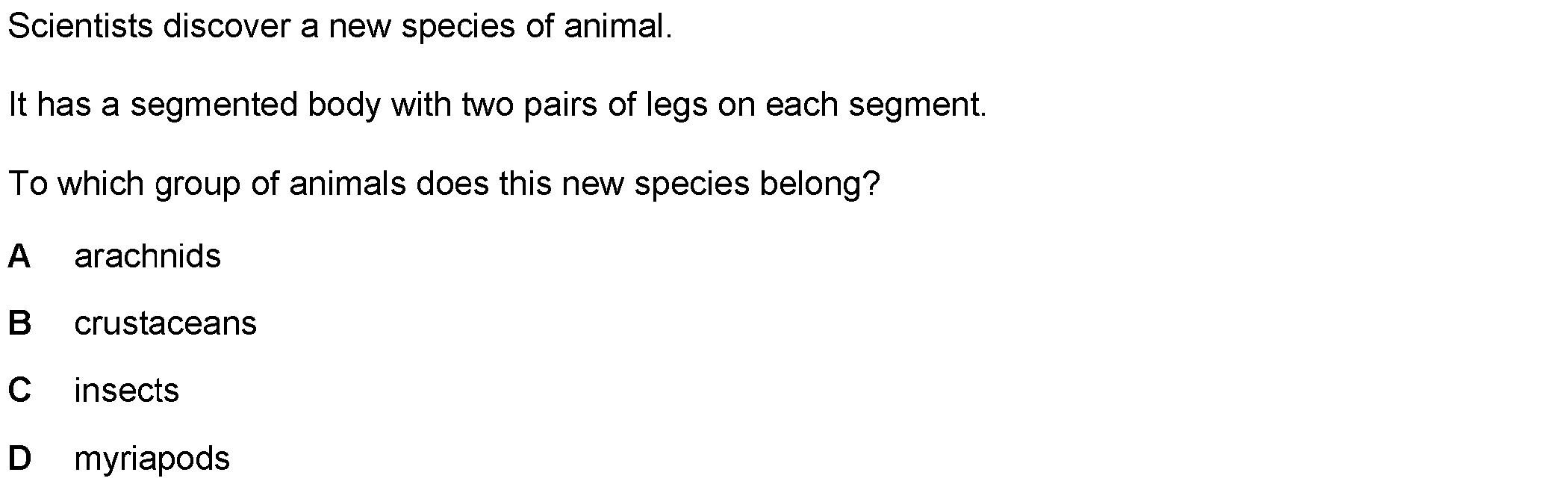
Question 2 of 3 1:30
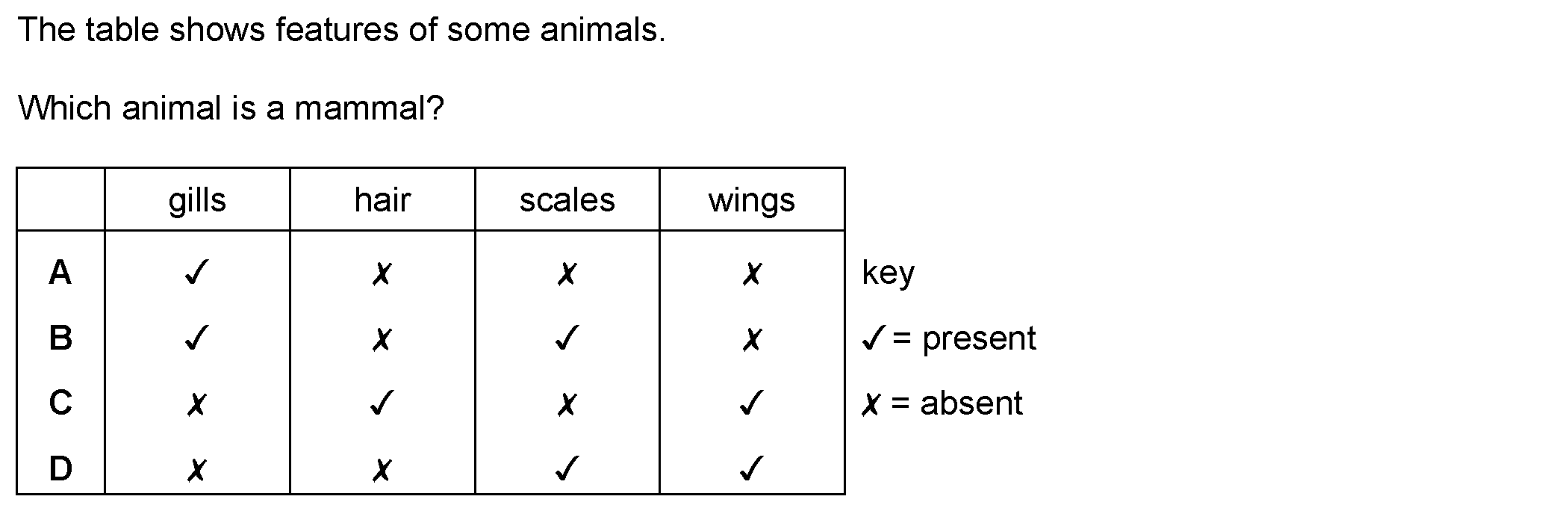
Question 3 of 3 1:30
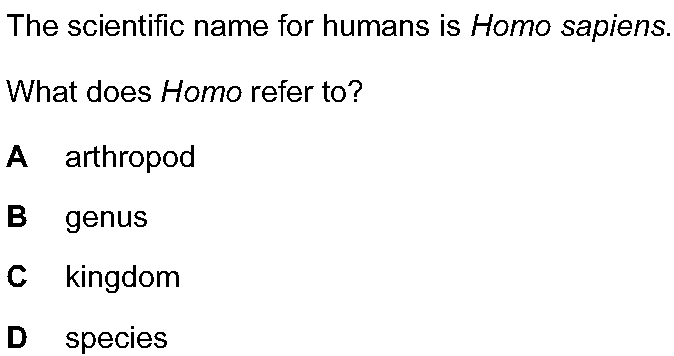
Score: 0 / 3
Answer key
1 D2 C3 B
Last updated: