8.4Chapter 8: Magnetism and Electromagnets
Using electromagnets — Alhussan Physics - Stage 8 Revision Notes & Topical Questions
5 min read 8 parts Lesson 4 of 6 2 quizzes
Physics 8.4 Using electromagnets — Electric Bells, Relays and Circuit Breakers — Alhussan International Academy — Physics (Stages 7–9) notes: Describe uses of electromagnets and explain why they are used instead of permanent magnets.Relay = a switch operated by an electromagnet, …
- Reed switch
- X-ray machines
- Fire doors
- Make and break
- Compared with a relay
- Common feature
Section 1 of 8Relays
- A simple relay is made from two pieces of magnetic material (reeds) with a gap between them.
- A coil is wound around the outside and a current passed through it.
- The reeds are magnetised, attract each other and touch.
- This completes the second circuit.
Section 2 of 8Relay in a car starter motor
- Safety
- The starter motor takes a dangerously high current from the car battery, so the driver switches only a small current in the relay circuit.
Section 3 of 8Other uses of relays and electromagnets
- They use a high-voltage circuit and X-rays damage cells, so radiographers switch them with a relay from a safe distance.
- An electromagnet on the wall holds the door open while a current flows.
- A piece of iron on the door is attracted to it.
- When the fire alarm breaks the circuit, the current stops and the door closes.
- If the current is too large the electromagnet becomes strong enough to pull a lever and break the circuit.
- A circuit breaker is reset by pressing a button, so it does not need replacing like a fuse.
Section 4 of 8The electric bell
- A doorbell circuit keeps making and breaking contact.
- Pressing the bell switch completes the circuit and current flows through the coil.
- The iron core is magnetised and attracts the iron armature.
- The hammer hits the gong.
- The armature moves away from the contact at X, breaking the circuit.
- The core stops being magnetised and the armature springs back, so the cycle repeats.
- In a bell the armature moves backwards and forwards while the switch is pressed, whereas in a relay it moves once.
- Both use an electromagnet to move an iron armature that opens or closes contacts.
Section 5 of 8Magnets in medicine
- It contains very strong magnets that produce an intense field interacting with hydrogen in water molecules in the body.
- Scans are safe and painless and give much more detailed images than X-rays.
- Doctors see structures that X-rays do not show without cutting the patient open.
- They can see how an organ works under normal conditions.
- Scanners are very expensive, noisy and cramped.
- The patient must lie very still in a small space.
Section 6 of 8Why electromagnets are used
- They can be turned on and off, unlike permanent magnets.
- They can be much stronger than permanent magnets.
- They need strong controllable magnets, so electromagnets are used rather than permanent magnets.
Section 7 of 8Key terms
| Term | Meaning |
|---|---|
| Relay | A switch operated by an electromagnet. |
| Reed switch | Two magnetic strips that touch when a coil around them carries a current. |
| Armature | An iron piece attracted by an electromagnet. |
| Circuit breaker | A switch that opens when current is too large and can be reset. |
| MRI scanner | A machine using strong magnets to image the inside of the body. |
Section 8 of 8Exam technique
Marked practiceQuizzes for this lesson
?What do you want to solve now?
✓Checkpoint Quiz
5 multiple-choice + 5 written questions from real exam papers on this lesson.
Question 1 of 5 1:30

Question 2 of 5 1:30
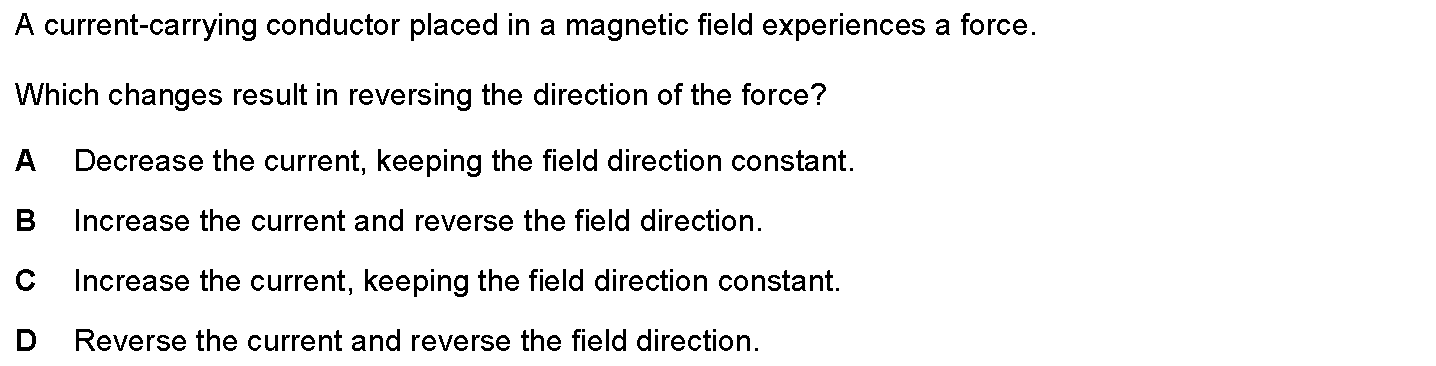
Question 3 of 5 1:30
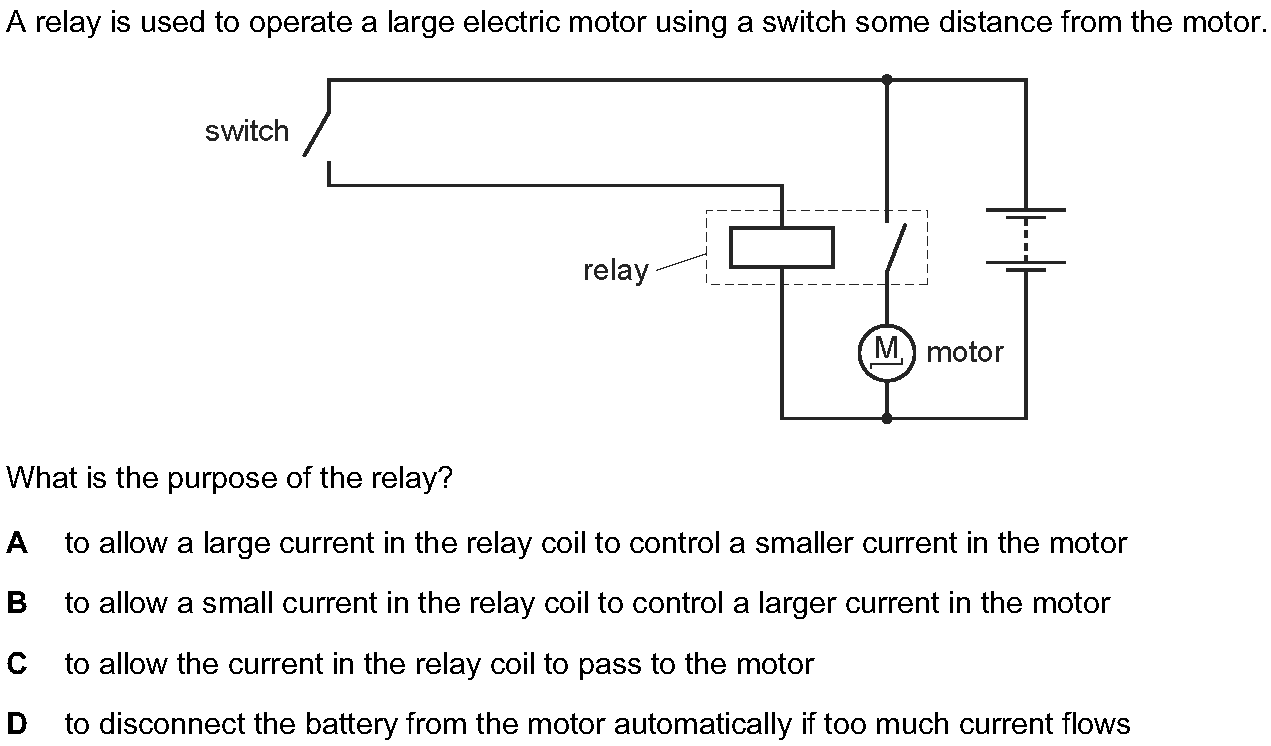
Question 4 of 5 1:30

Question 5 of 5 1:30

Answer key
1 C2 B3 B4 B5 D
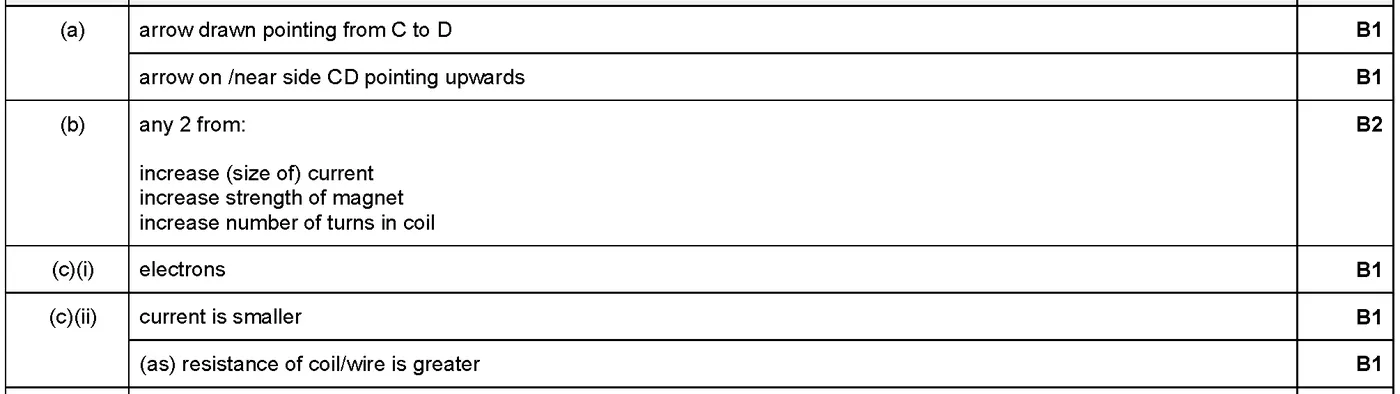
Written question 1 of 5 · part (a) (1 / 4) 3:00

Show the answer
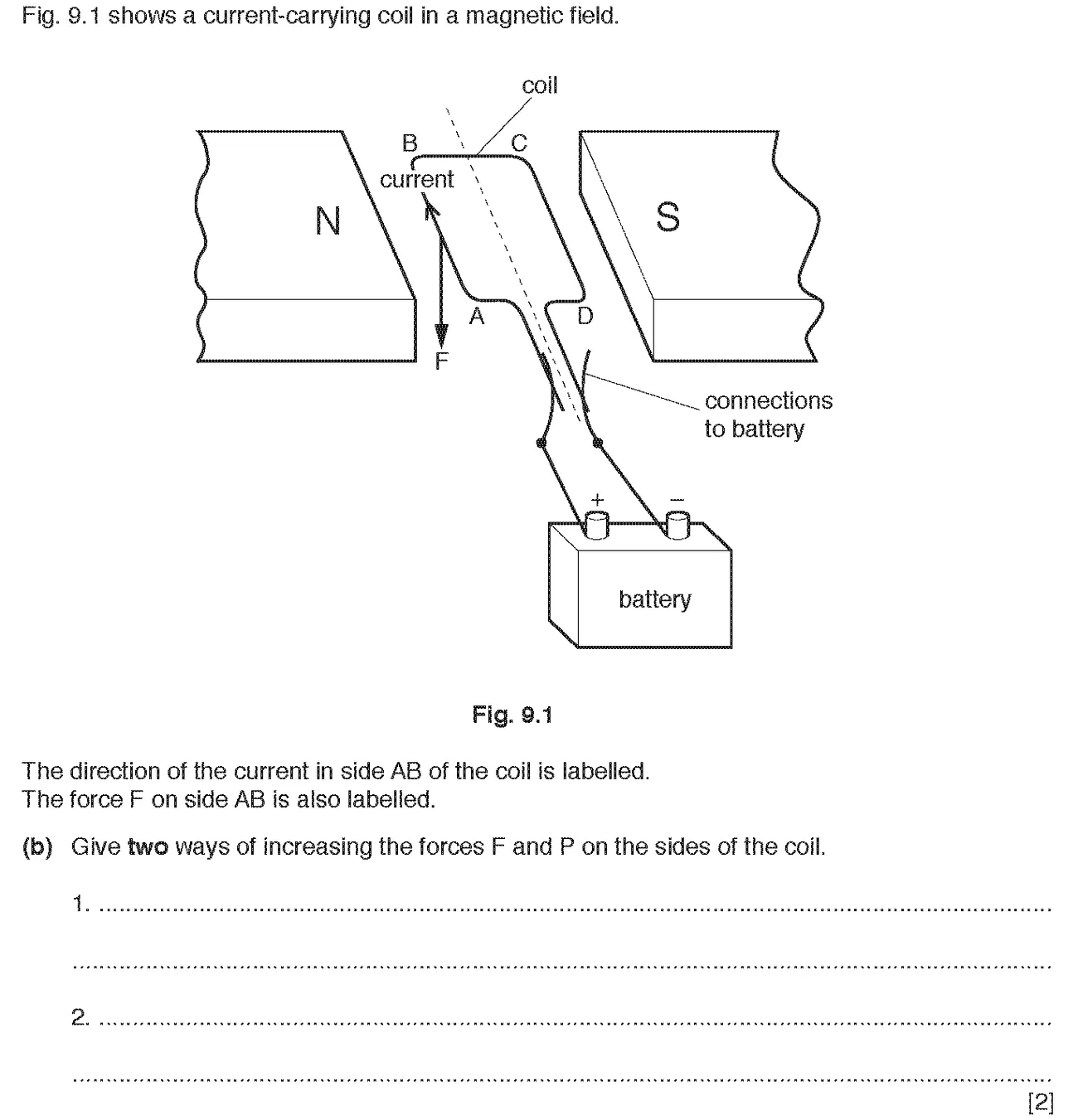
Written question 1 of 5 · part (b) (2 / 4) 3:00
Show the answer

Written question 1 of 5 · part (c)(i) (3 / 4) 3:00
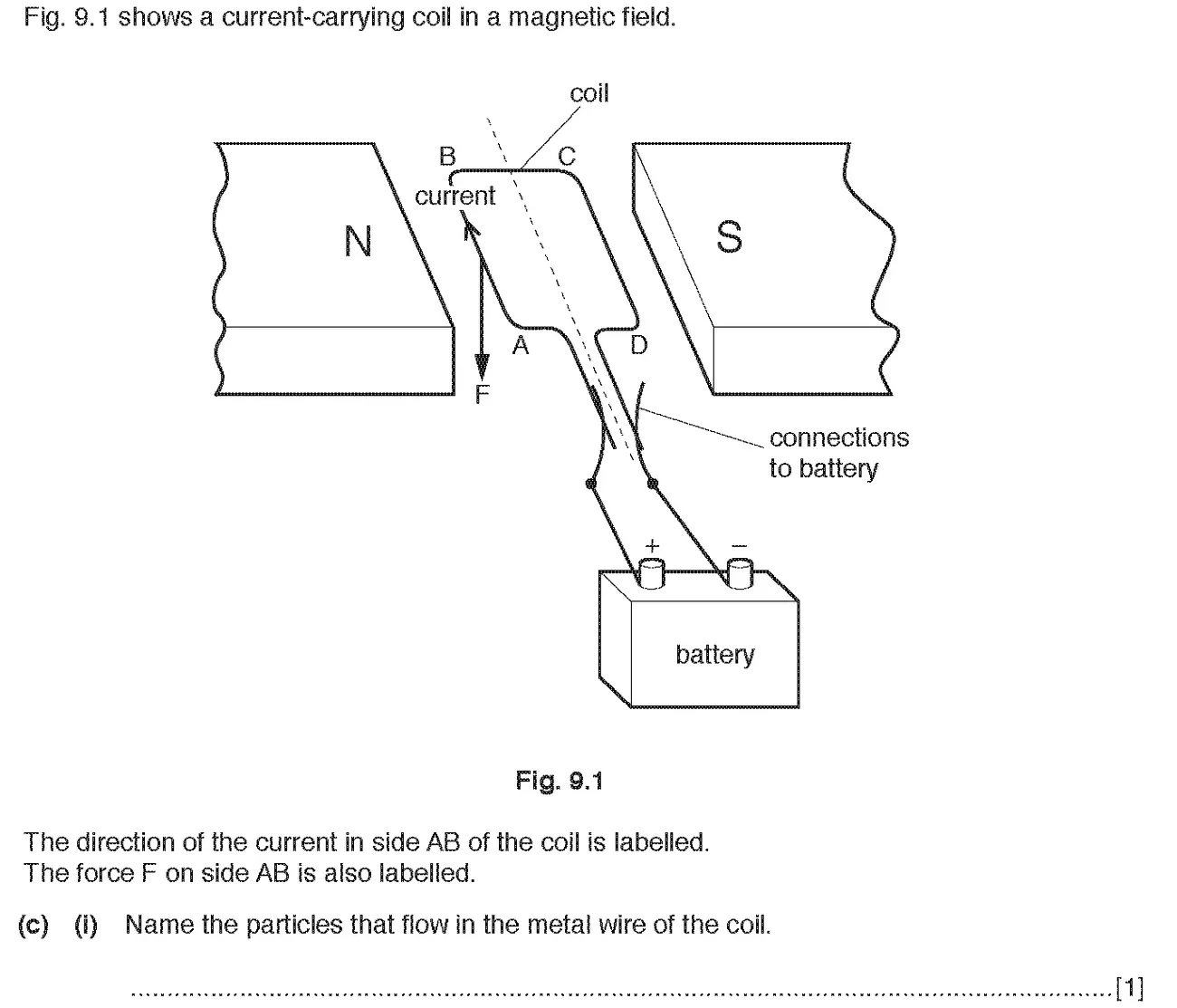
Show the answer
Written question 1 of 5 · part (c)(ii) (4 / 4) 3:00

Show the answer
Written question 2 of 5 · part (a)(i) (1 / 4) 3:00

Show the answer

Written question 2 of 5 · part (a)(ii) (2 / 4) 3:00

Show the answer

Written question 2 of 5 · part (b) (3 / 4) 3:00

Show the answer

Written question 2 of 5 · part (c) (4 / 4) 3:00

Show the answer

Written question 3 of 5 · part (a)(i) (1 / 4) 3:00

Show the answer
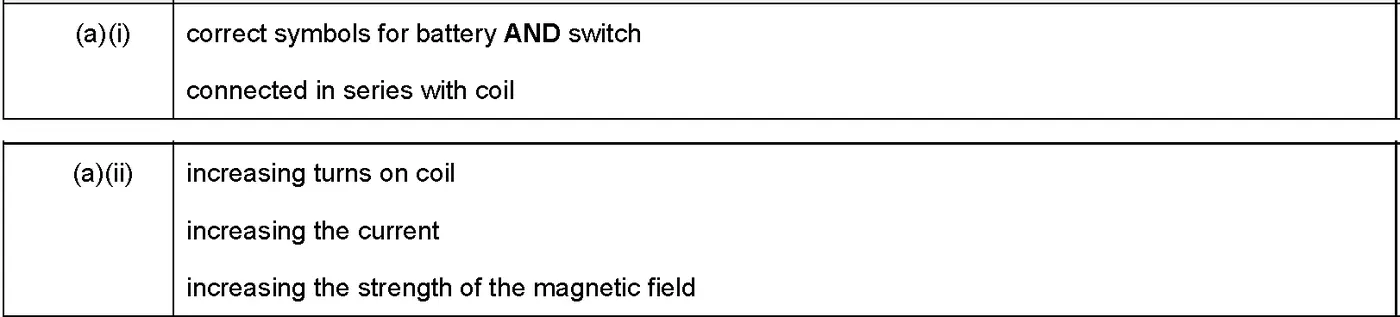
Written question 3 of 5 · part (a)(ii) (2 / 4) 3:00
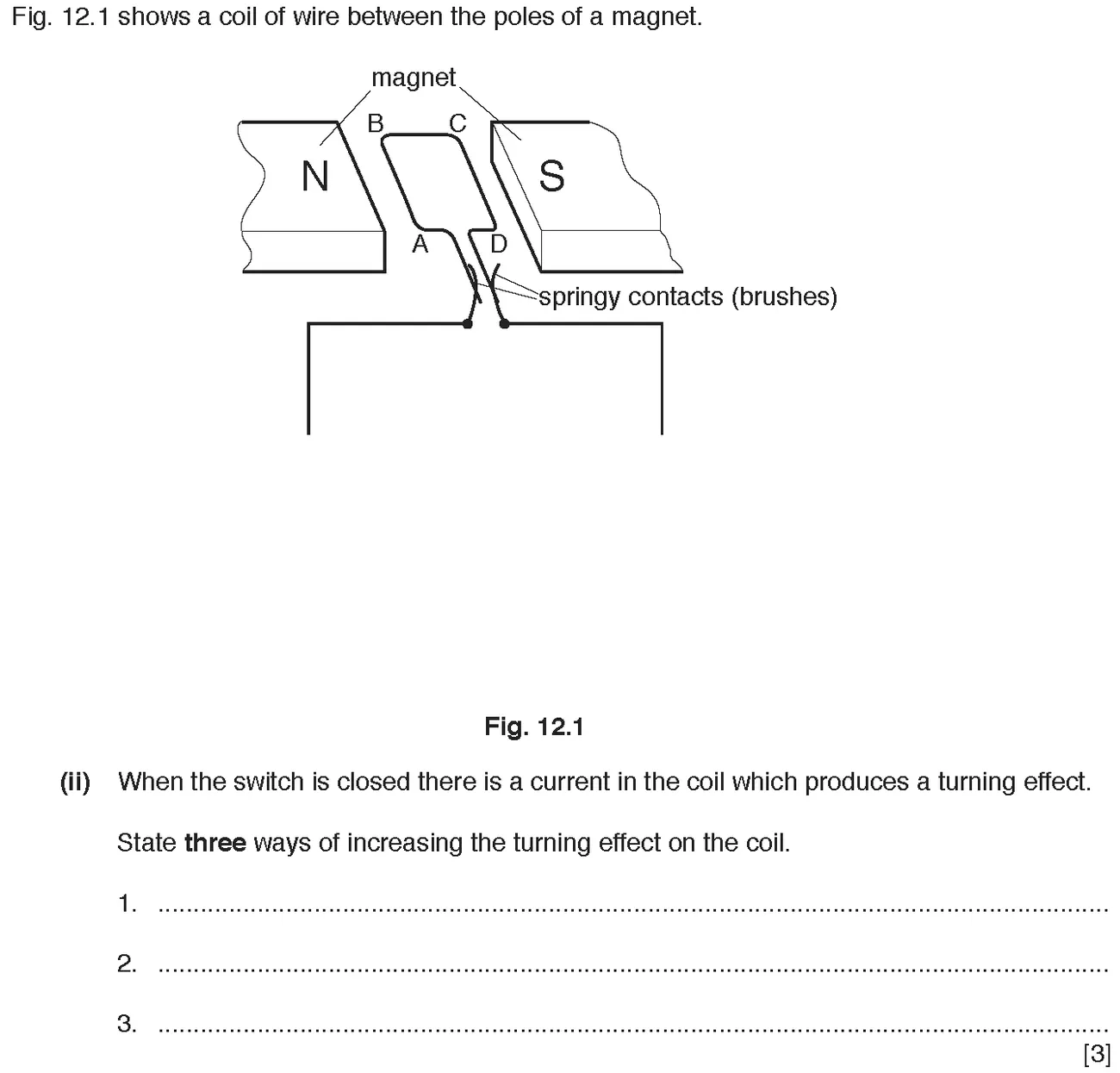
Show the answer

Written question 3 of 5 · part (b)(i) (3 / 4) 3:00

Show the answer

Written question 3 of 5 · part (b)(ii) (4 / 4) 3:00
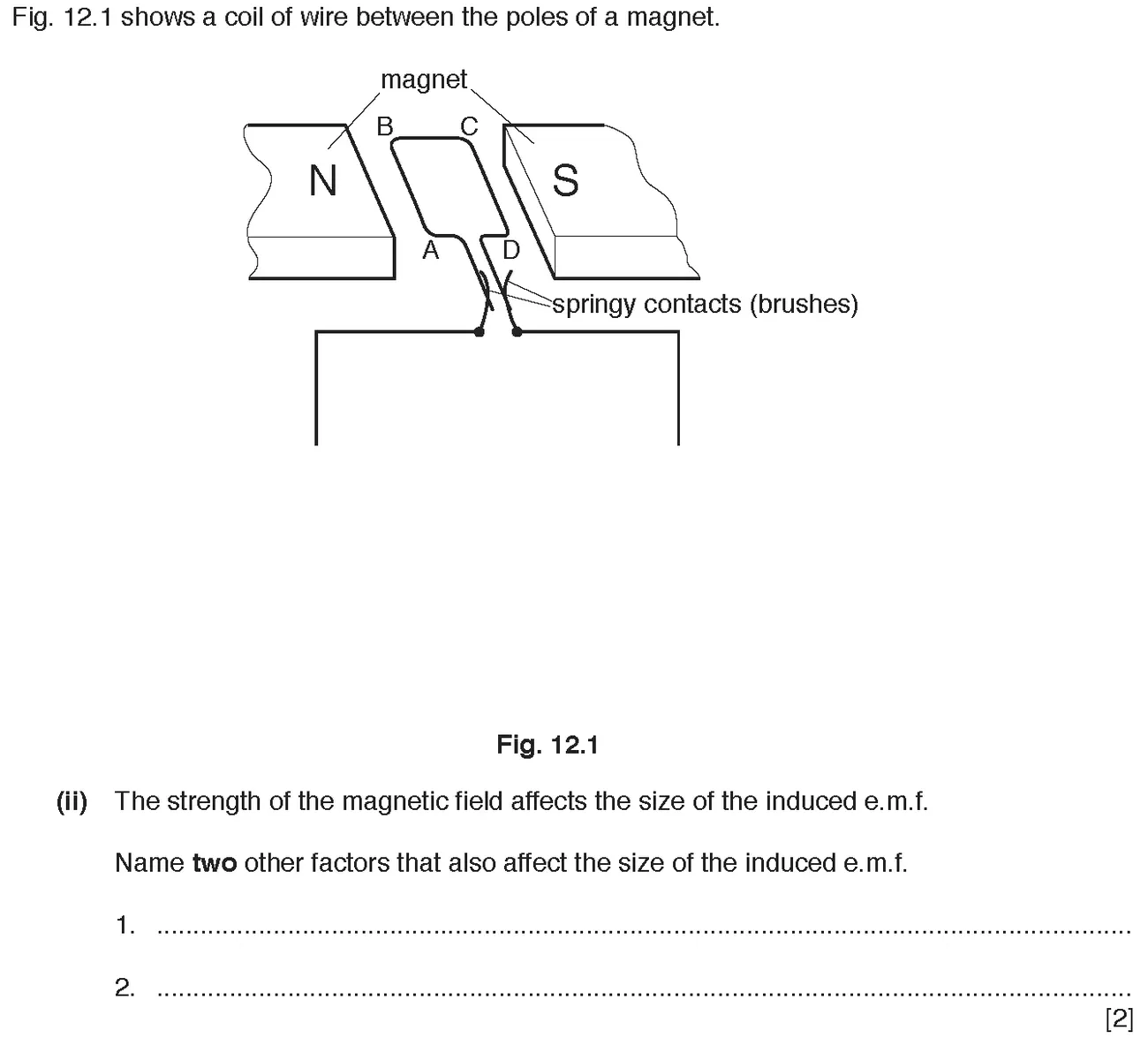
Show the answer

Written question 4 of 5 · part (a)(i) (1 / 5) 3:00

Show the answer

Written question 4 of 5 · part (a)(ii) (2 / 5) 3:00
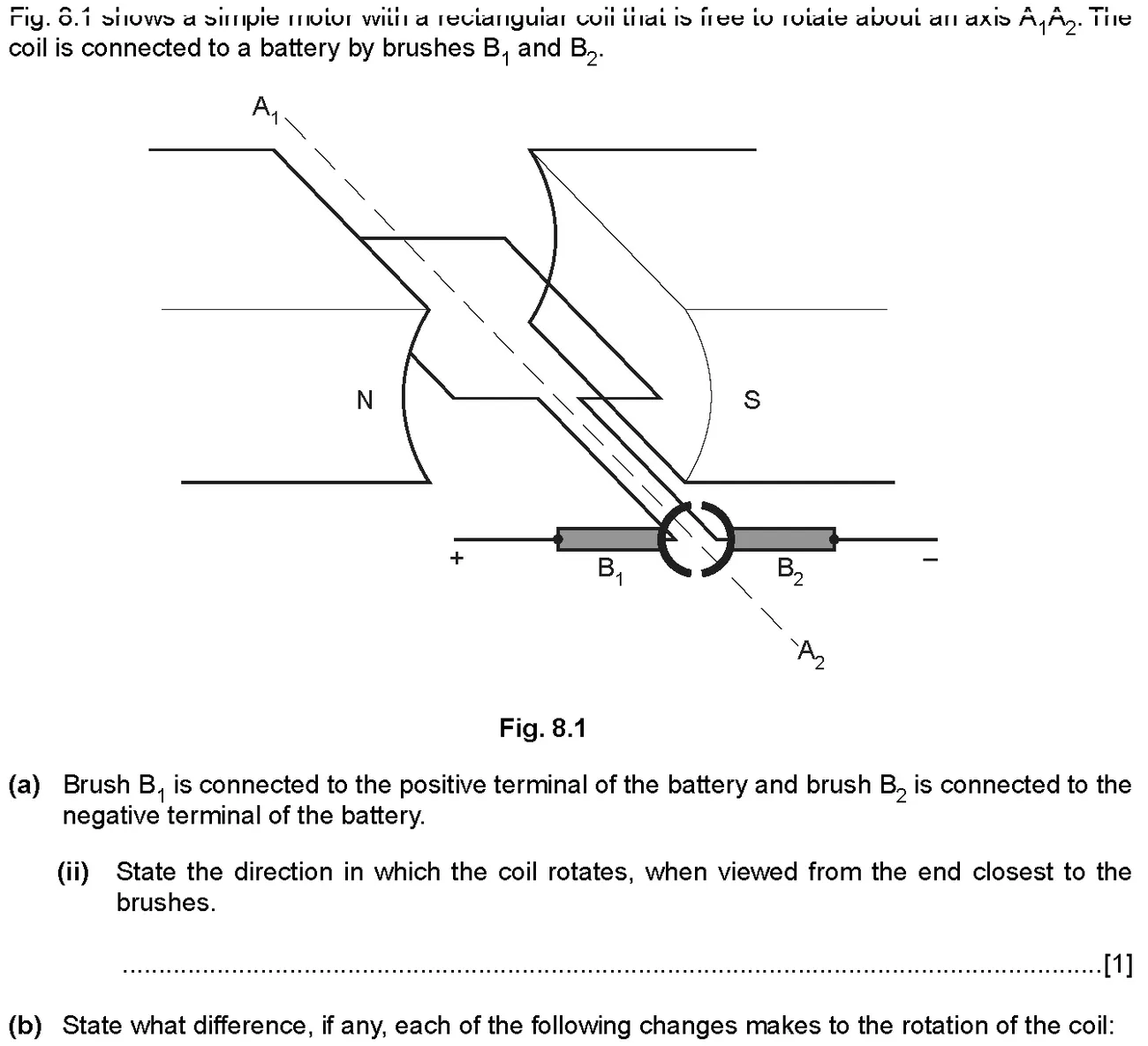
Show the answer

Written question 4 of 5 · part (b)(i) (3 / 5) 3:00

Show the answer

Written question 4 of 5 · part (b)(ii) (4 / 5) 3:00

Show the answer
Written question 4 of 5 · part (b)(iii) (5 / 5) 3:00

Show the answer
Written question 5 of 5 · part (a)(i) (1 / 4) 3:00

Show the answer

Written question 5 of 5 · part (a)(ii) (2 / 4) 3:00
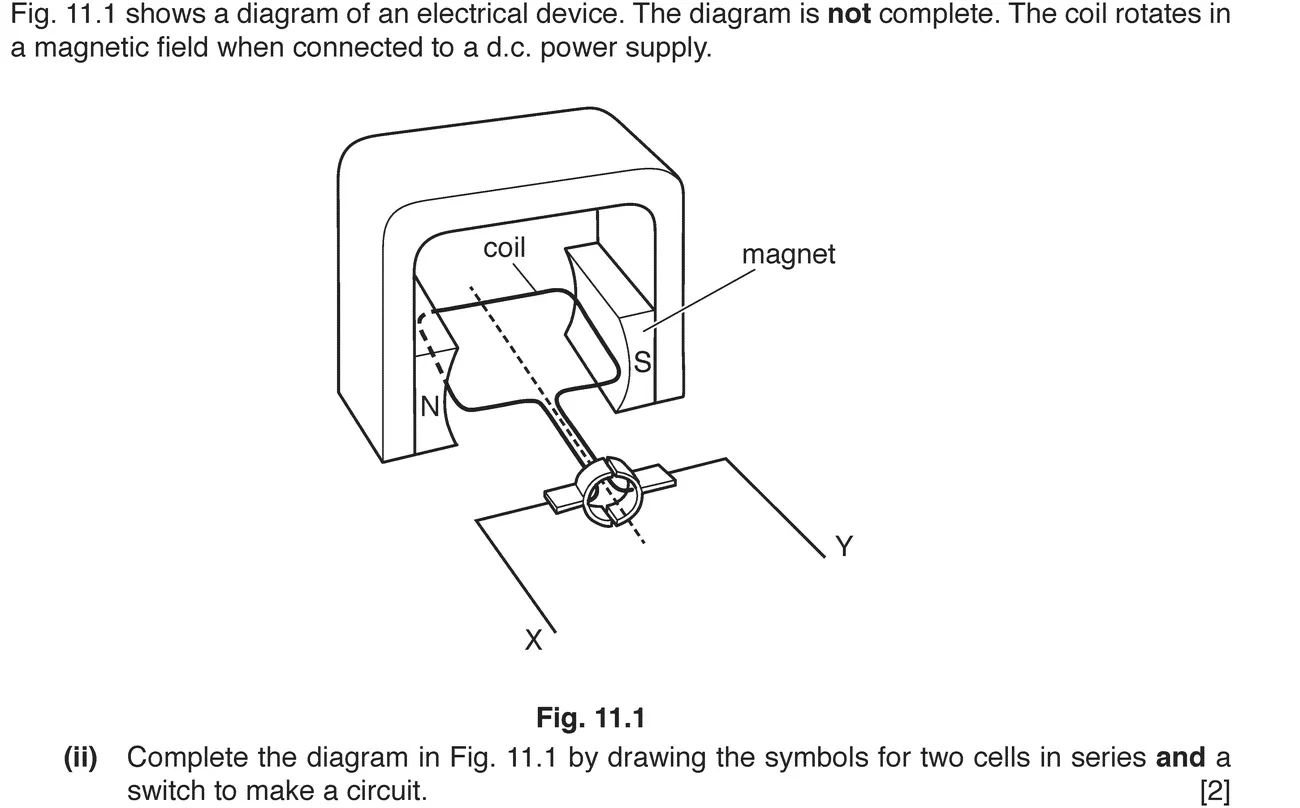
Show the answer

Written question 5 of 5 · part (b)(i) (3 / 4) 3:00
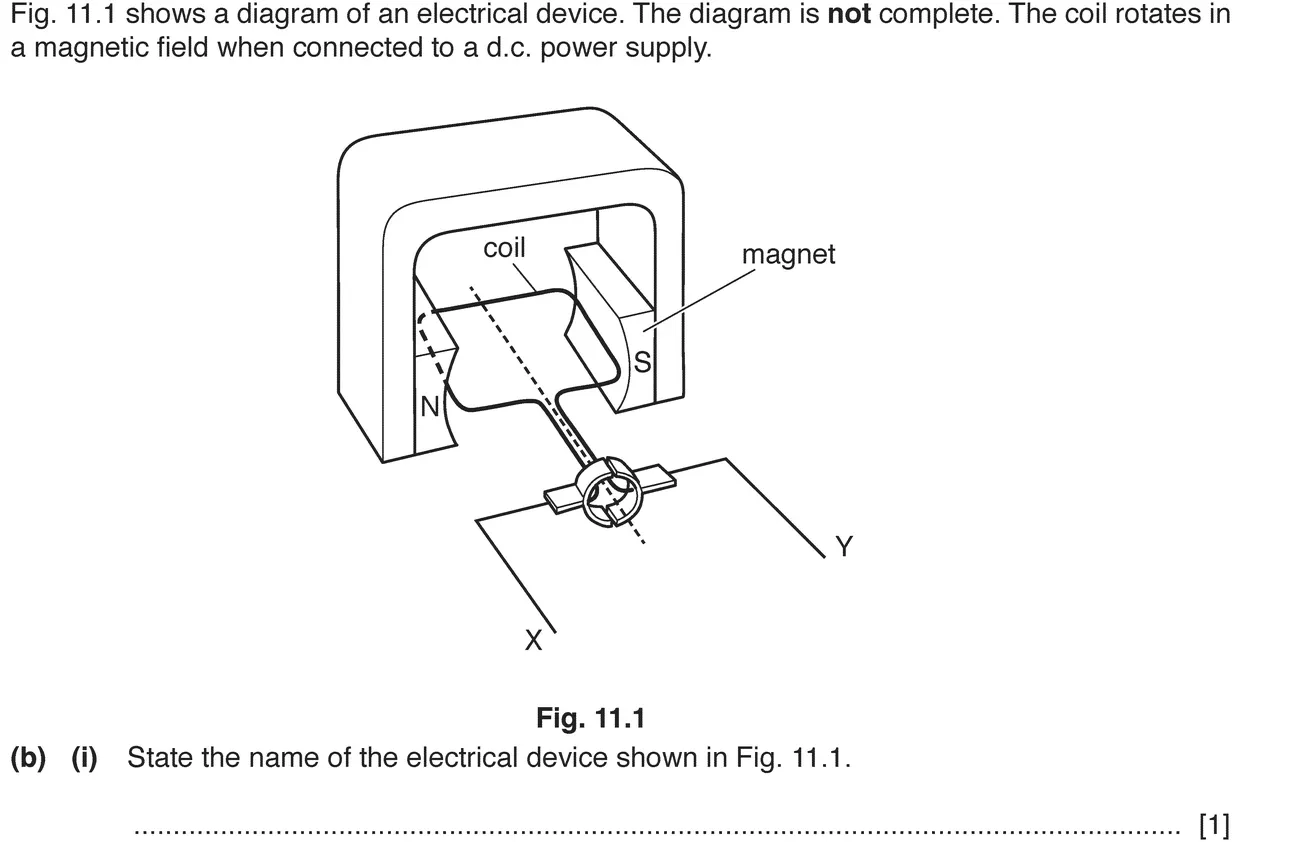
Show the answer

Written question 5 of 5 · part (b)(ii) (4 / 4) 3:00

Show the answer

Each part of a written question is on its own screen. Write your answer first, then open "Show the answer" to check it against the mark scheme.
Last updated: