9.3Chapter 9: Energy Resources
Non-renewable resources: fossil fuels and nuclear power — Alhussan Physics - Stage 8 Revision Notes & Topical Questions
5 min read 8 parts Lesson 3 of 7 2 quizzes
Physics 9.3 Non-renewable resources: fossil fuels and nuclear power — Alhussan International Academy — Physics (Stages 7–9) notes: Describe how fossil fuels formed, how fossil-fuel and nuclear power stations work and their uses, advantages and disadvantages.Fossil fuels = coal, o…
- Oil and gas
- Electricity
- Transportation
- Energy chain
- Wasted energy
- Heat source
Part 1 of 6Formation of fossil fuels
- Trees die and are buried by mud and sand;
- over millions of years pressure and thermal energy from beneath the Earth's surface turn them into coal.
- Sea creatures die and are buried by mud and sand;
- over millions of years pressure and heat turn them into oil and gas.
- They take millions of years to form, so they will run out.
- Scientists can only estimate how much coal, oil and gas there is and the effects of burning it.
Part 2 of 6Uses of fossil fuels
- All three are used, but mainly coal and gas.
- Oil is used to produce petrol and other fuels.
- All three can be burned to heat houses.
Part 3 of 6A fossil-fuel power station
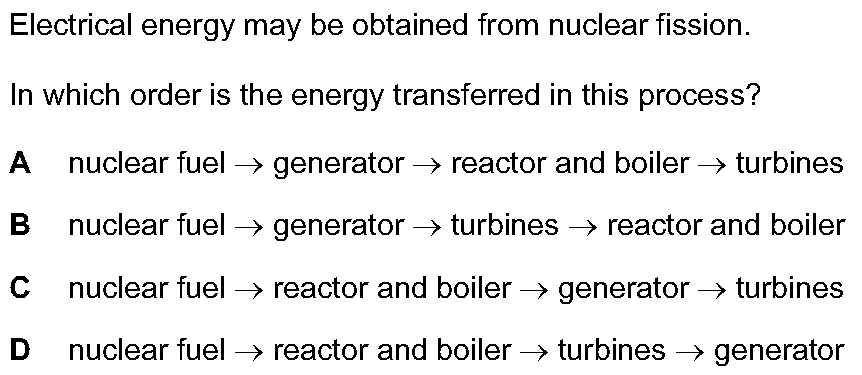
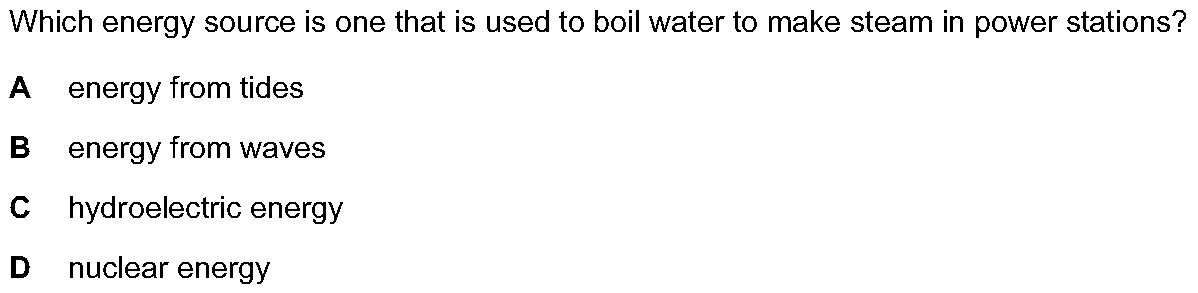
- Chemical energy to thermal energy to kinetic energy of steam and turbine to electrical energy.
- Most wasted energy heats the surroundings, so a typical coal station is only about 35 to 40% efficient.
Part 4 of 6Nuclear power
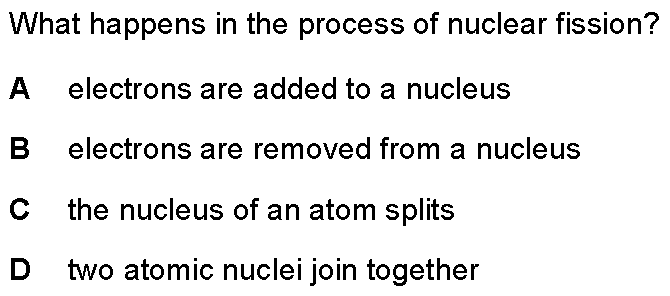
- In a nuclear power station the heat comes from nuclear fission of uranium in a reactor instead of from burning.
- The heat boils water and the steam drives turbines and generators in the same way.
- A very small mass of fuel gives enormous energy and no carbon dioxide is produced while running.
- It makes radioactive waste that must be stored safely for thousands of years, accidents can have severe consequences and the stations are expensive to build and decommission.
Part 5 of 6Advantages and disadvantages
| Source | Advantages | Disadvantages |
|---|---|---|
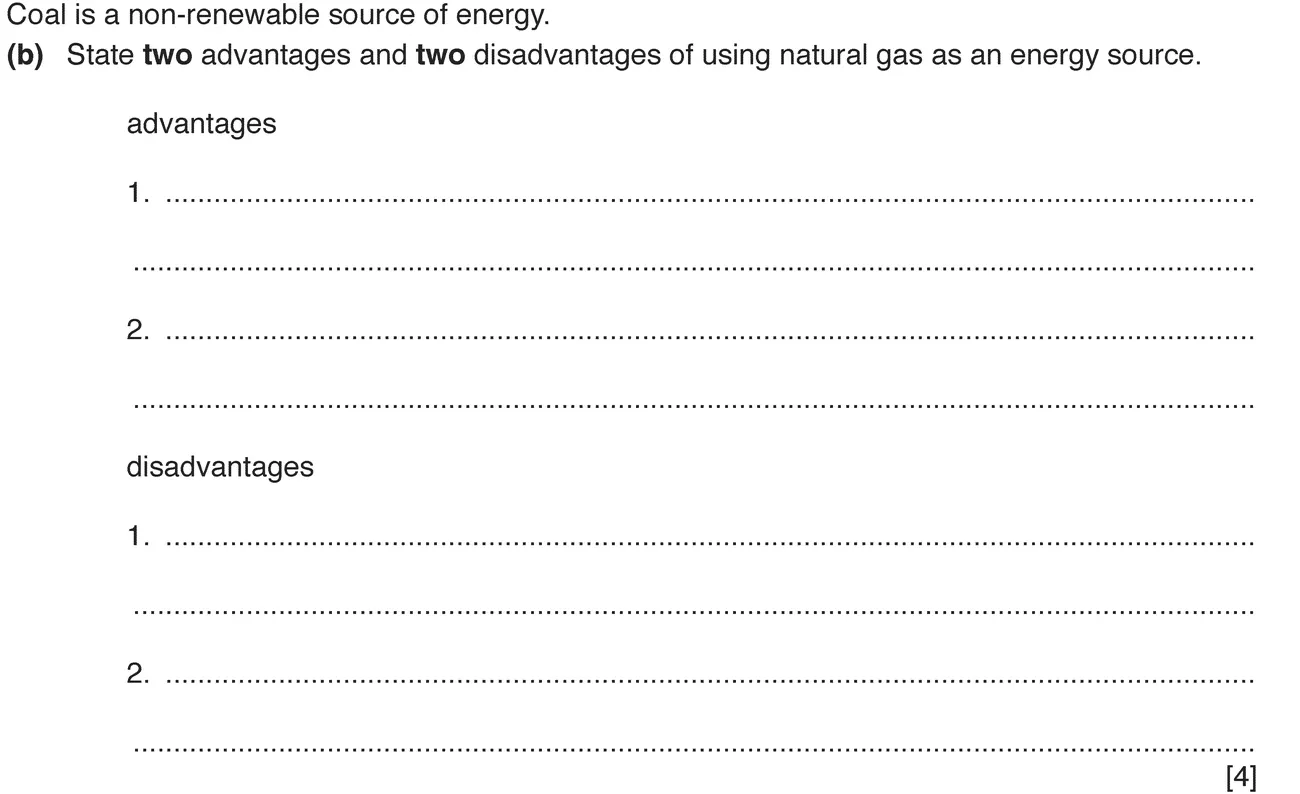
| Coal, oil, gas | Electricity produced constantly, very reliable, fuel readily available, cheap to run | Produces carbon dioxide that contributes to climate change, causes pollution, will run out |
| Nuclear | Small amount of fuel, no carbon dioxide while running, reliable | Radioactive waste, risk of accidents, expensive to build |
Part 6 of 6Environmental effects
- Burning fossil fuels releases it, adding to the greenhouse effect and climate change.
- It dissolves in rainwater to form acid rain.
- They damage land and seas.
- Some power stations send hot water to nearby homes and factories to use the waste heat.
Key terms
| Term | Meaning |
|---|---|
| Fossil fuel | A fuel such as coal, oil or gas formed from the remains of living things. |
| Turbine | A giant fan turned by steam, water or wind to drive a generator. |
| Condenser | Part of a power station that turns steam back into water. |
| Nuclear fission | The splitting of uranium atoms to release energy. |
| Radioactive waste | Dangerous waste from nuclear reactors that must be stored safely. |
Avoid these mistakes
Marked practiceQuizzes for this lesson
?What do you want to solve now?
✓Checkpoint Quiz
4 multiple-choice + 2 written questions from real exam papers on this lesson.
Question 1 of 4 1:30

Question 2 of 4 1:30
Question 3 of 4 1:30
Question 4 of 4 1:30
Answer key
1 D2 D3 C4 D
Written question 1 of 2 · part (a)(i) (1 / 3) 3:00

Show the answer

Written question 1 of 2 · part (a)(ii) (2 / 3) 3:00

Show the answer

Written question 1 of 2 · part (b) (3 / 3) 3:00
Show the answer

Written question 2 of 2 · part (a) (1 / 2) 3:00

Show the answer

Written question 2 of 2 · part (b) (2 / 2) 3:00
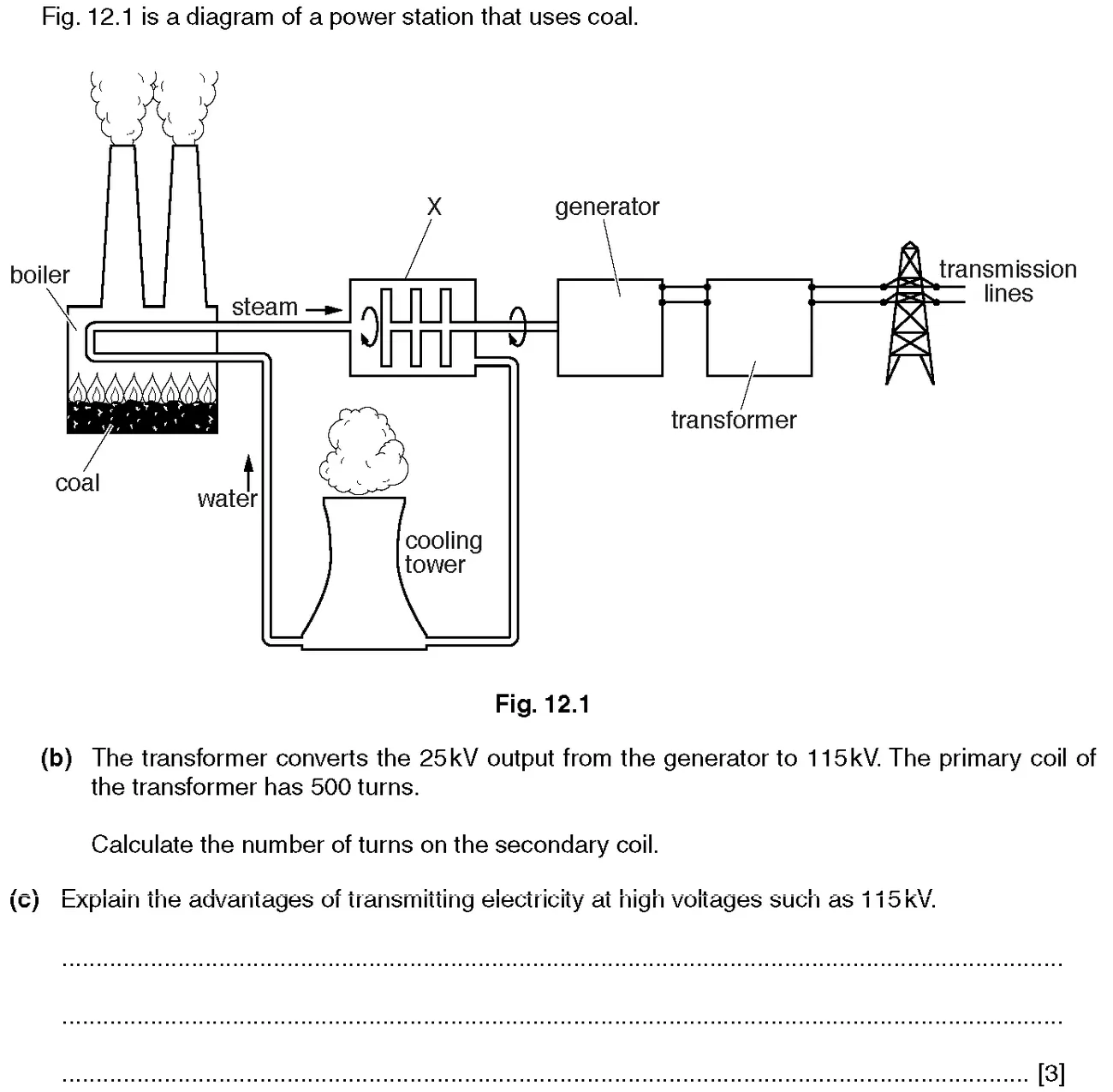
Show the answer

Each part of a written question is on its own screen. Write your answer first, then open "Show the answer" to check it against the mark scheme.
Last updated: