9.2Chapter 9: Energy Resources
Generating electricity — Alhussan Physics - Stage 8 Revision Notes & Topical Questions
5 min read 7 parts Lesson 2 of 7 2 quizzes
Physics 9.2 Generating electricity — Turbines, Generators and Electromagnetic Induction — Alhussan International Academy — Physics (Stages 7–9) notes: Explain electromagnetic induction and describe how simple generators and power station generators work.Voltage needed — To make a…
- Link with magnetism
- Induced voltage
- Movement needed
- Relative movement
- Bicycle dynamo
- Electromagnets
Part 1 of 5What generating electricity means
- To make a current flow in a circuit a voltage is needed.
- Generating electricity means producing a voltage so that a current is possible.
- A current in a wire produces a magnetic field, and the reverse also happens: a changing magnetic field produces a voltage.
Part 2 of 5Electromagnetic induction
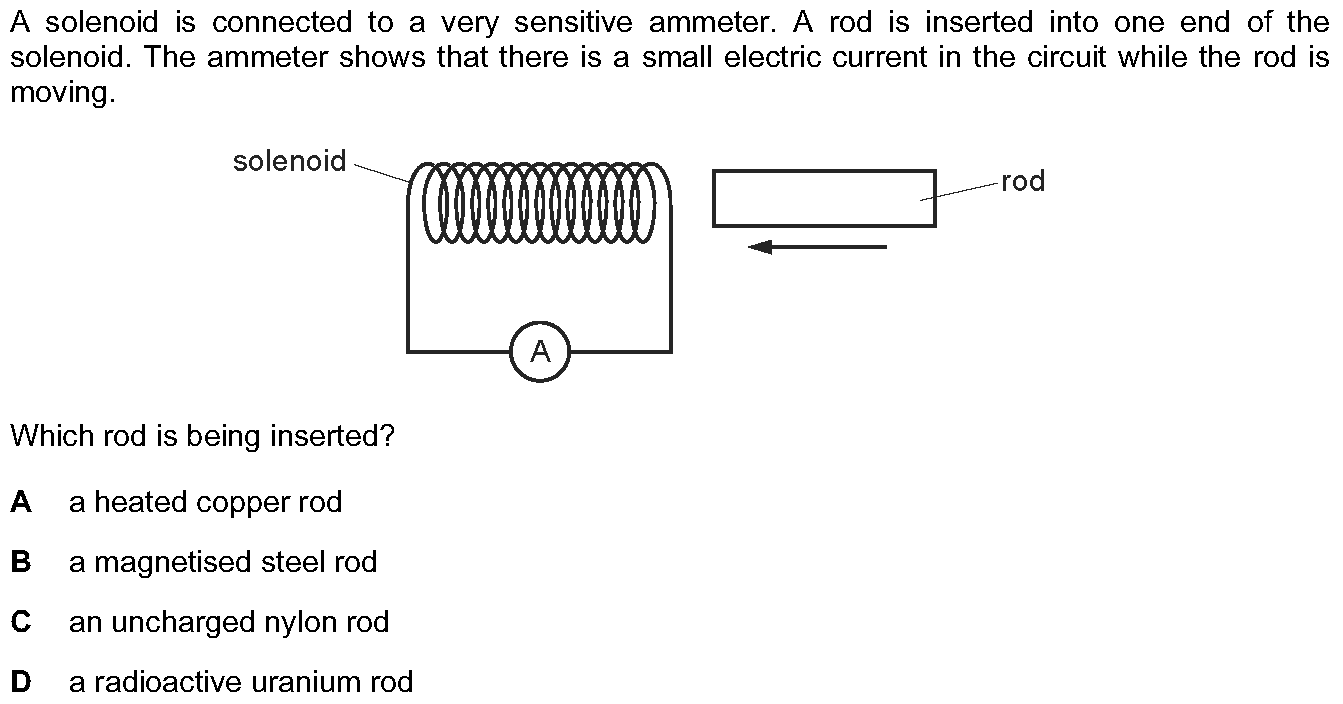
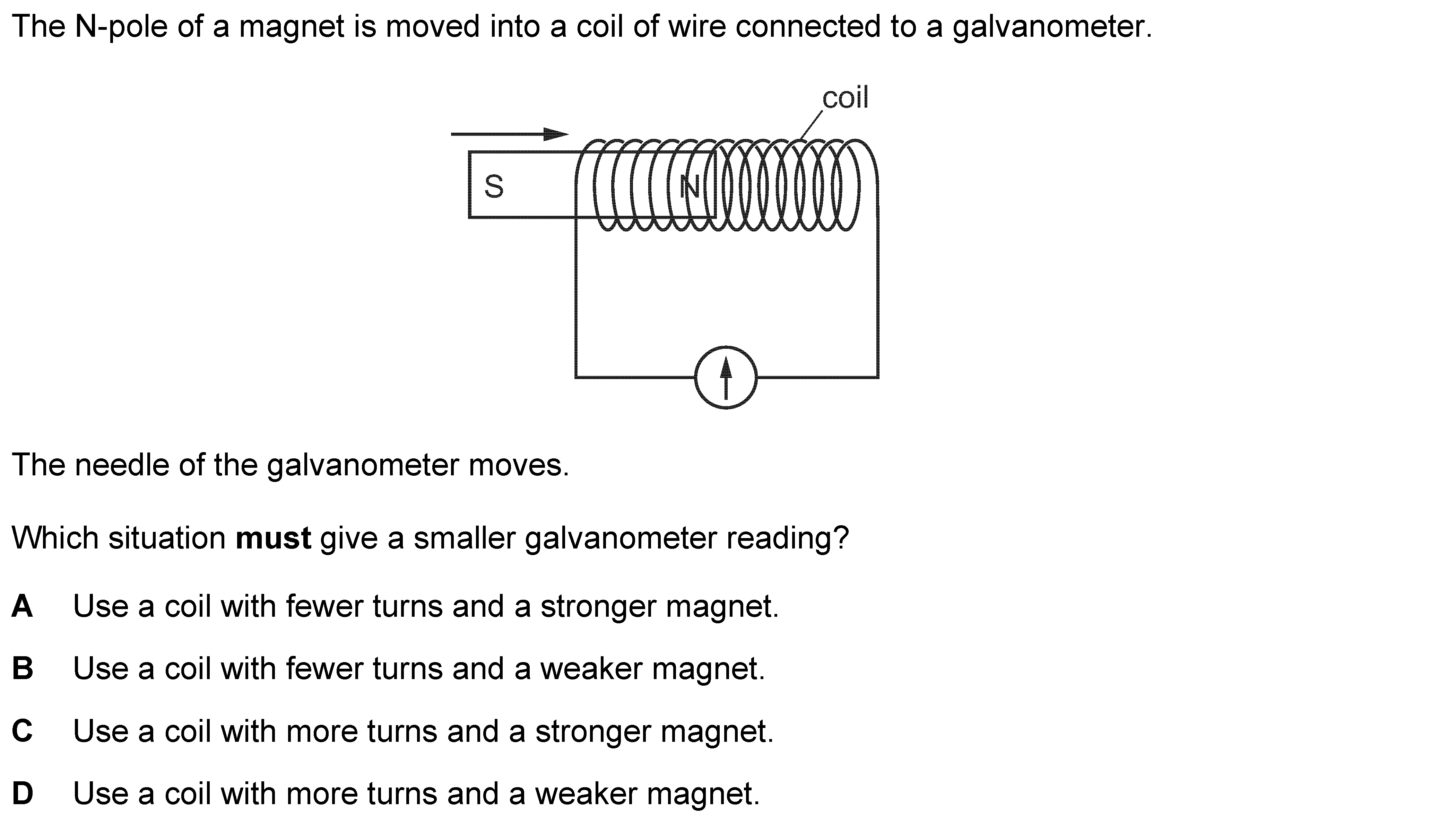
- Moving a magnet into a coil connected to a voltmeter produces a voltage in the coil.
- The voltmeter shows a reading only while the magnet moves.
- Moving the magnet towards the coil gives a positive reading.
- Holding the magnet still gives zero.
- Moving the magnet away gives a negative reading.
- It does not matter whether the magnet or the coil moves.
- If the voltmeter is replaced by a lamp or other component, a current flows.
- Reversing the direction of movement, or the poles, reverses the voltage.
Part 3 of 5Increasing the induced voltage
| Change | Effect on induced voltage |
|---|---|
| Faster movement | Larger |
| Stronger magnet | Larger |
| More turns on the coil | Larger |
| Iron core in the coil | Larger |
| Direction reversed | Voltage reversed |
| No movement | Zero |
Part 4 of 5Simple generators
- A simple generator usually has a coil of wire and a magnet that spins when you turn a handle.
- The spinning magnet keeps changing the field through the coil, so a voltage is induced.
- As you pedal, the wheel moves the dynamo, which powers the lights, so no battery is needed.
Part 5 of 5Generators in power stations
- Power station generators are very, very big.
- They use moving electromagnets instead of permanent magnets because electromagnets produce a much stronger field, giving a bigger induced voltage.
- Turbines spin the generators and may be turned by steam, water or wind.
- A generator transfers kinetic energy to electrical energy and is the opposite of a motor.
Key terms
| Term | Meaning |
|---|---|
| Induced voltage | A voltage produced in a coil when there is relative movement between it and a magnet. |
| Generator | A device that transfers kinetic energy to electrical energy. |
| Dynamo | A simple generator with a coil and a spinning magnet. |
| Turbine | A wheel turned by steam, water or wind to spin a generator. |
| Electromagnetic induction | The production of a voltage by a changing magnetic field. |
Avoid these mistakes
Marked practiceQuizzes for this lesson
?What do you want to solve now?
✓Checkpoint Quiz
5 multiple-choice + 8 written questions from real exam papers on this lesson.
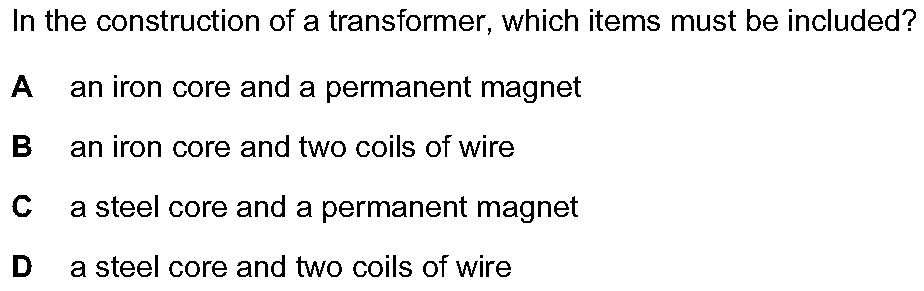
Question 1 of 5 1:30
Question 2 of 5 1:30
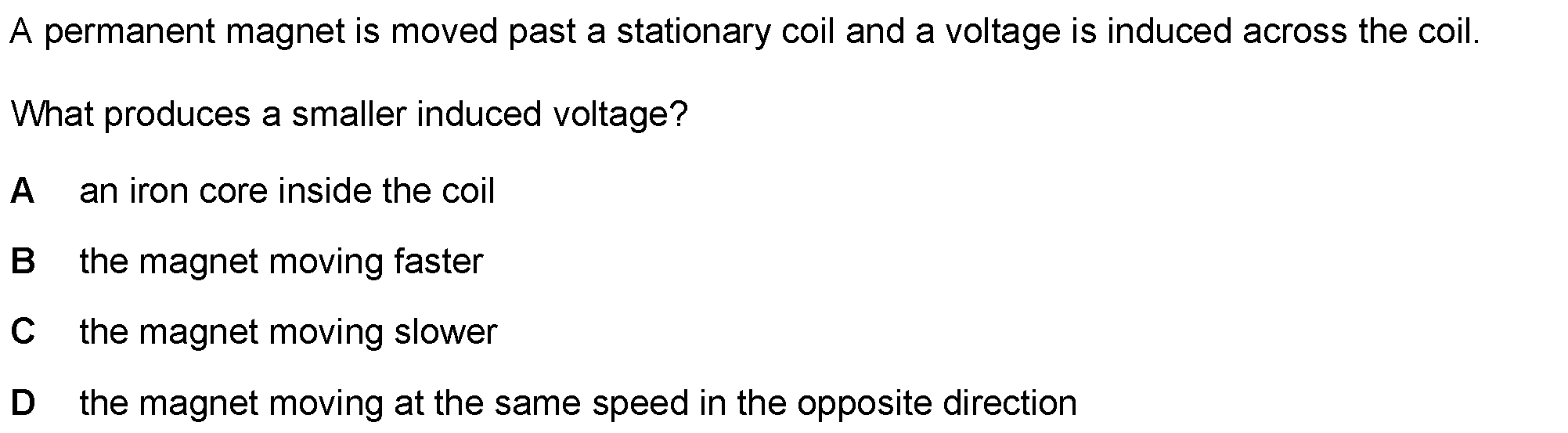
Question 3 of 5 1:30
Question 4 of 5 1:30
Question 5 of 5 1:30
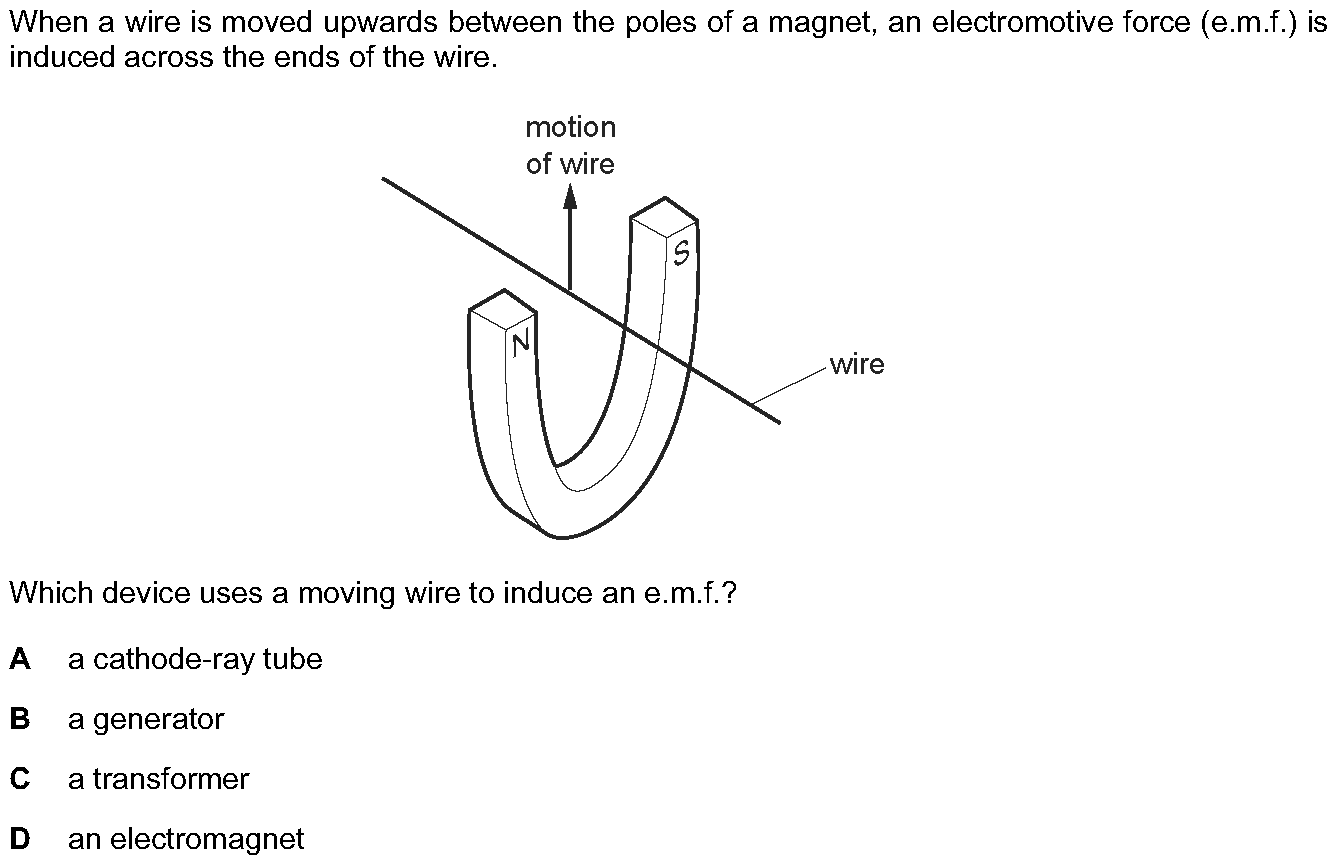
Answer key
1 B2 B3 C4 B5 B
Written question 1 of 8 · part (a)(i) (1 / 4) 3:00
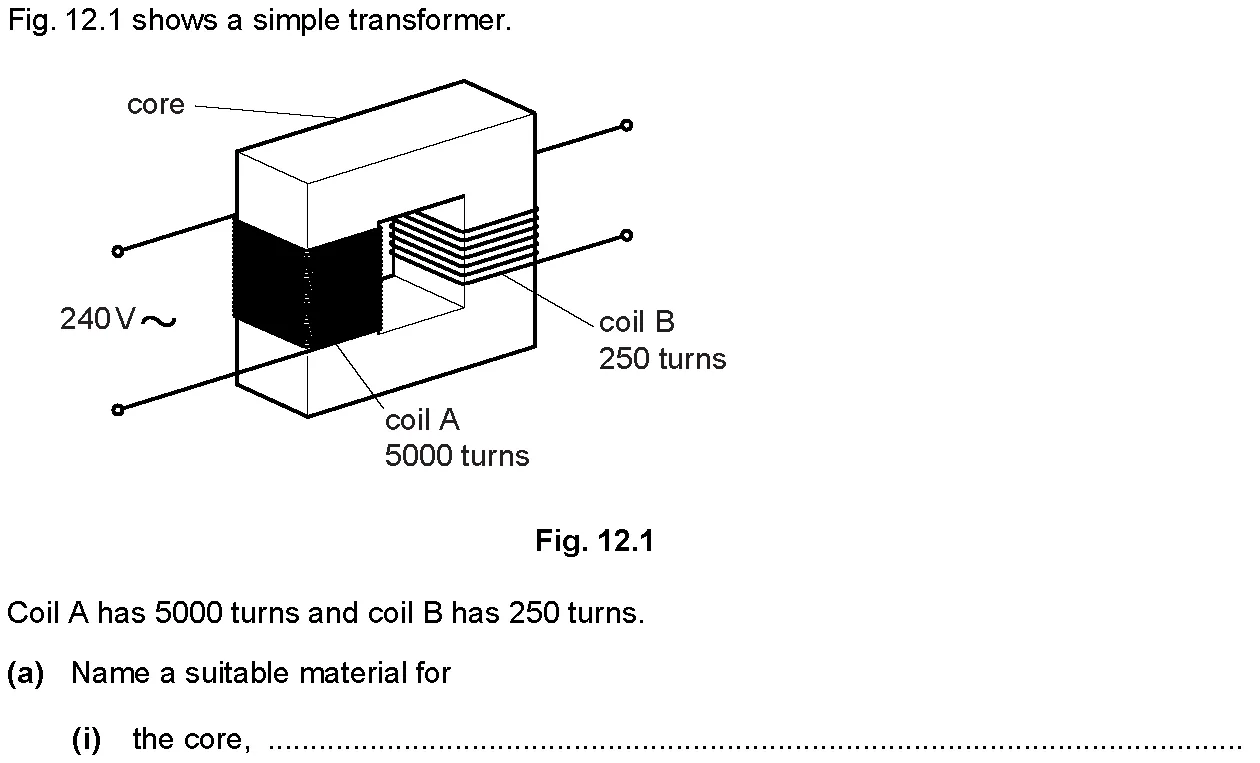
Show the answer

Written question 1 of 8 · part (a)(ii) (2 / 4) 3:00

Show the answer

Written question 1 of 8 · part (b) (3 / 4) 3:00
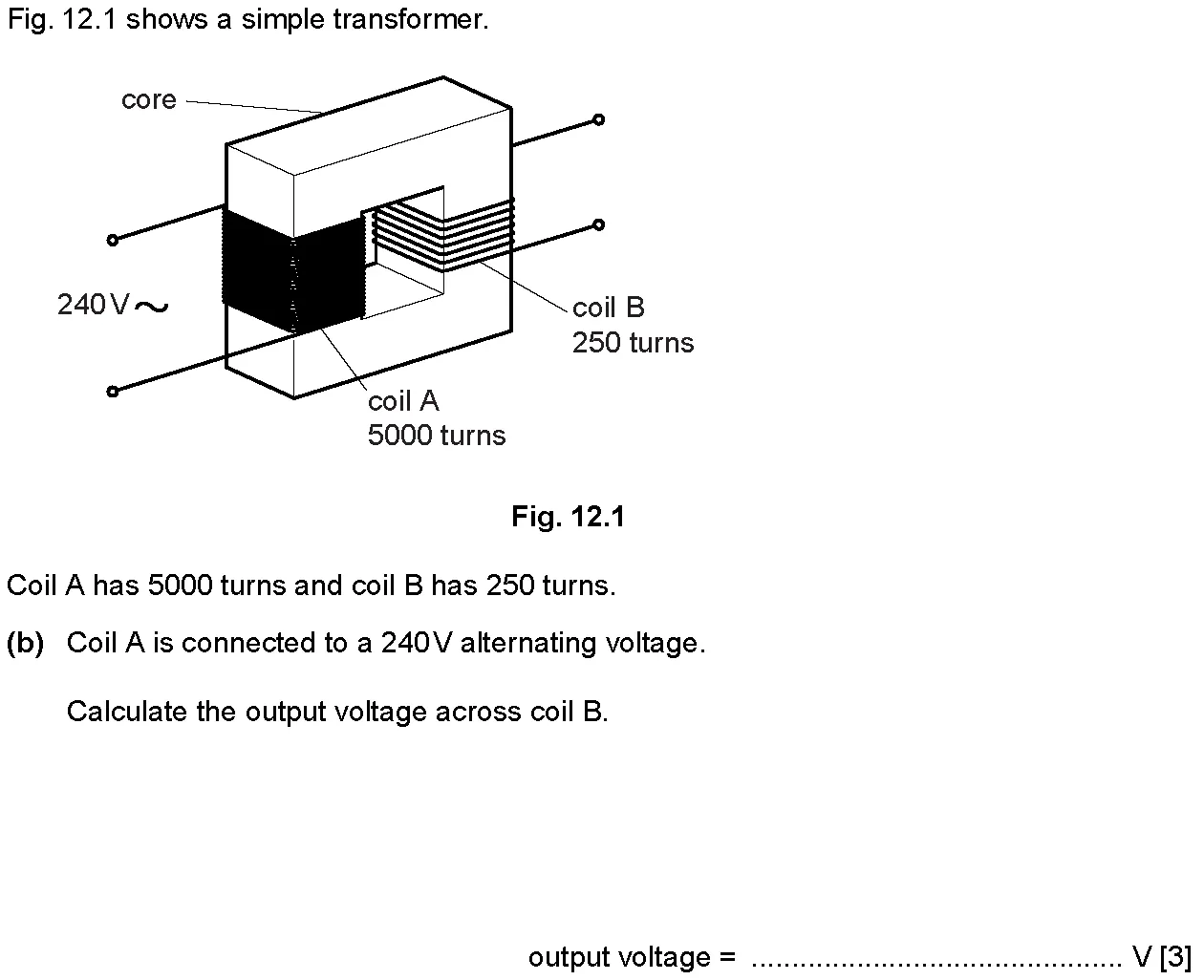
Show the answer
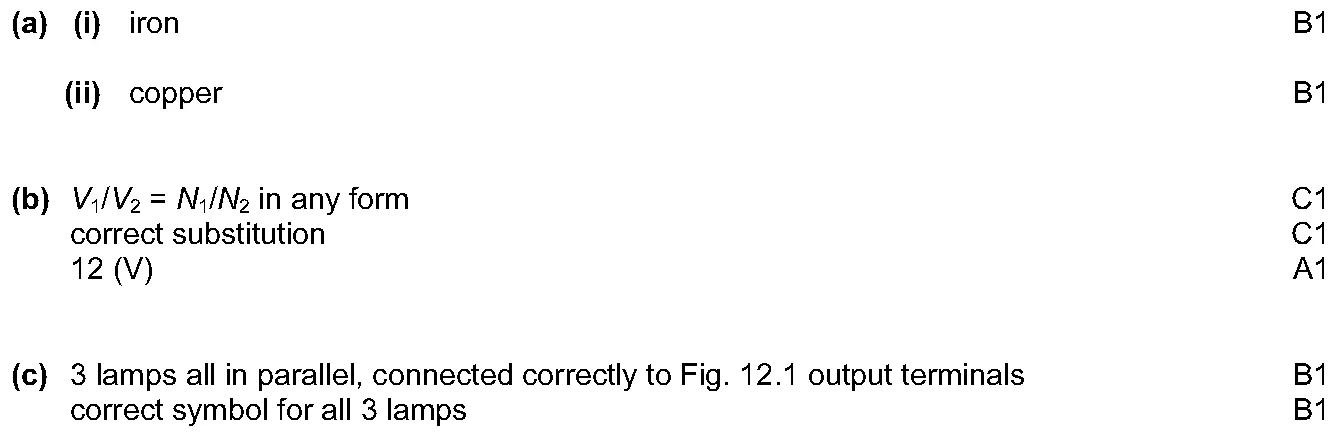
Written question 1 of 8 · part (c) (4 / 4) 3:00
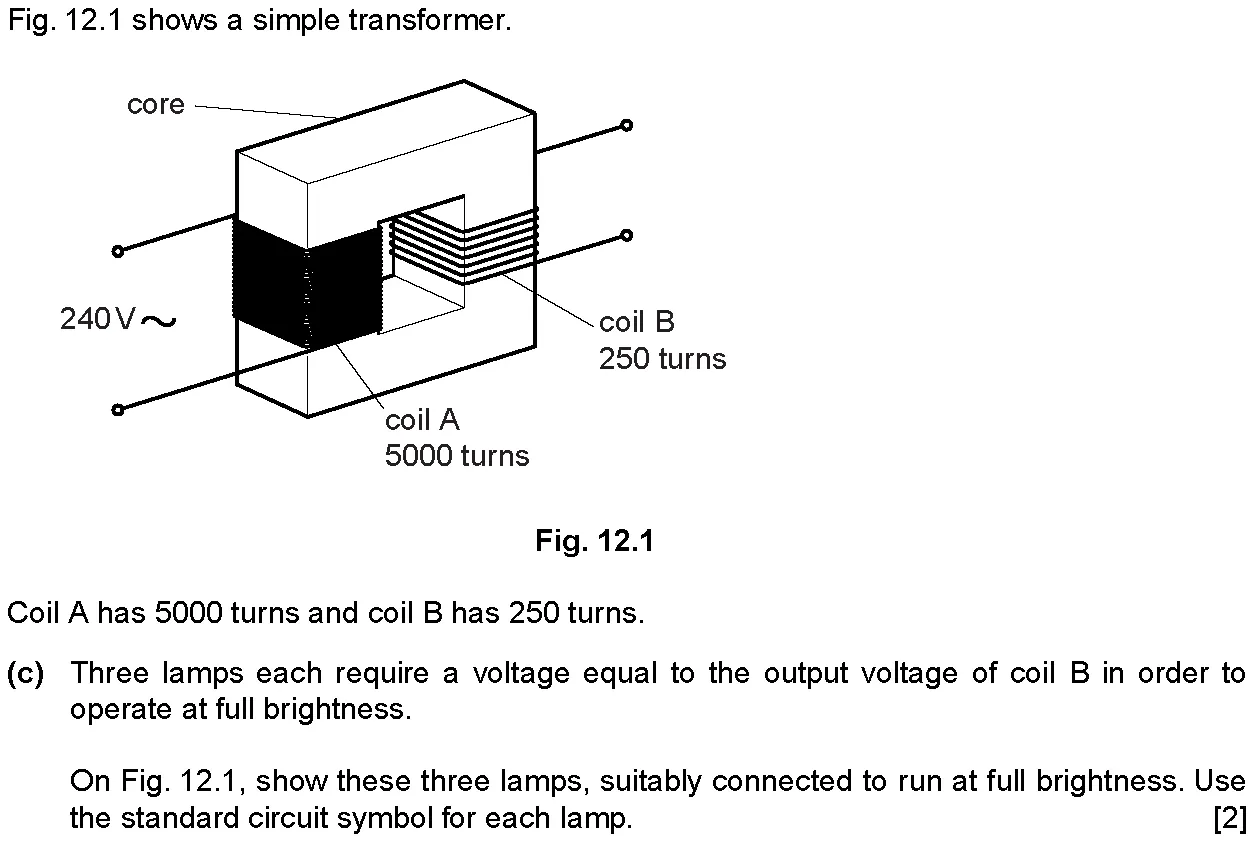
Show the answer
Written question 2 of 8 · part (a)(i) (1 / 4) 3:00
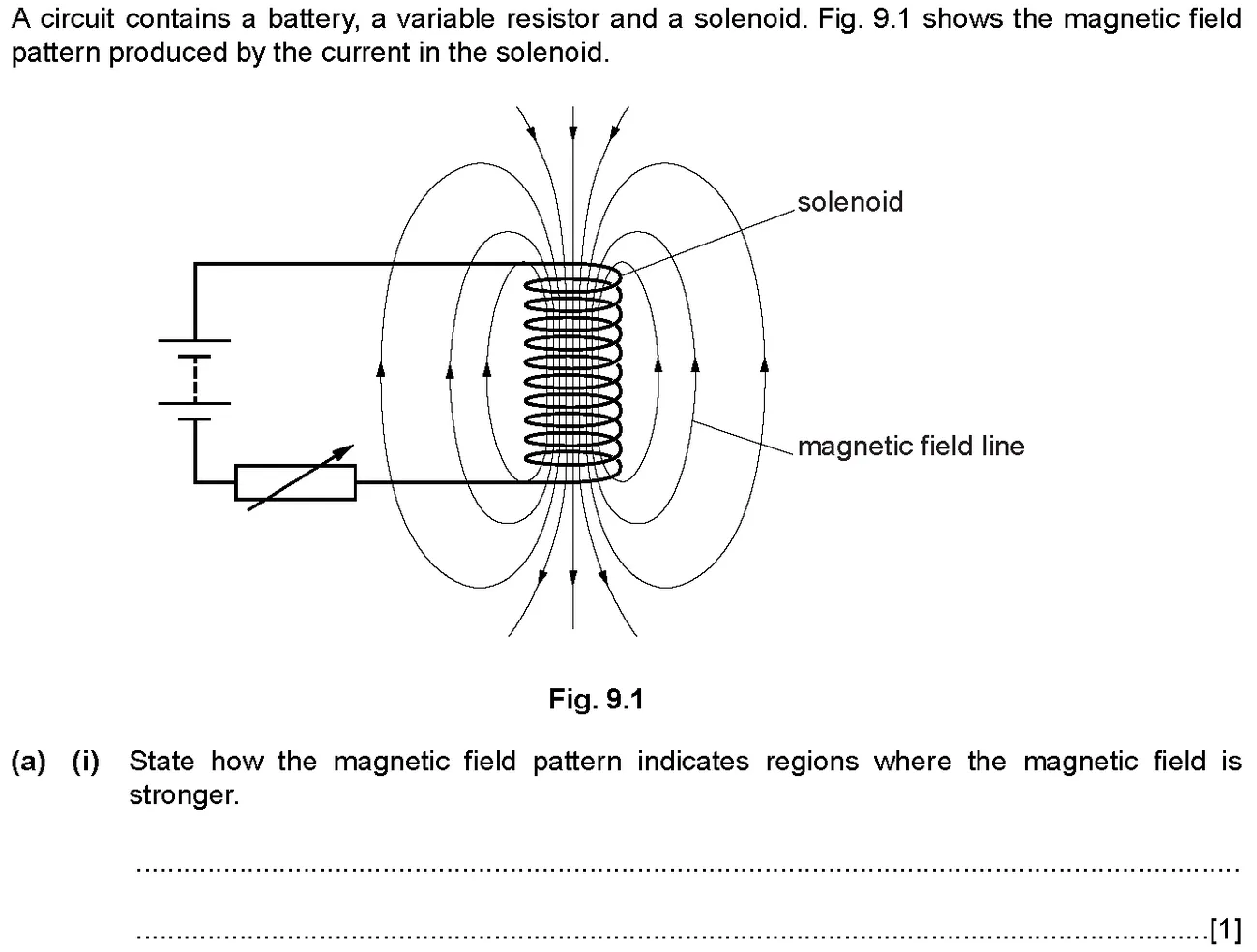
Show the answer
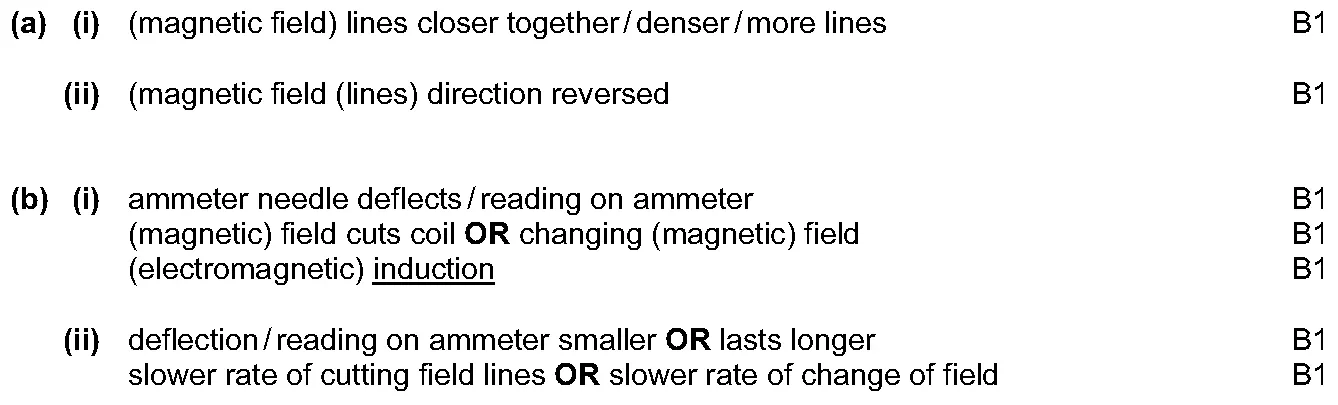
Written question 2 of 8 · part (a)(ii) (2 / 4) 3:00
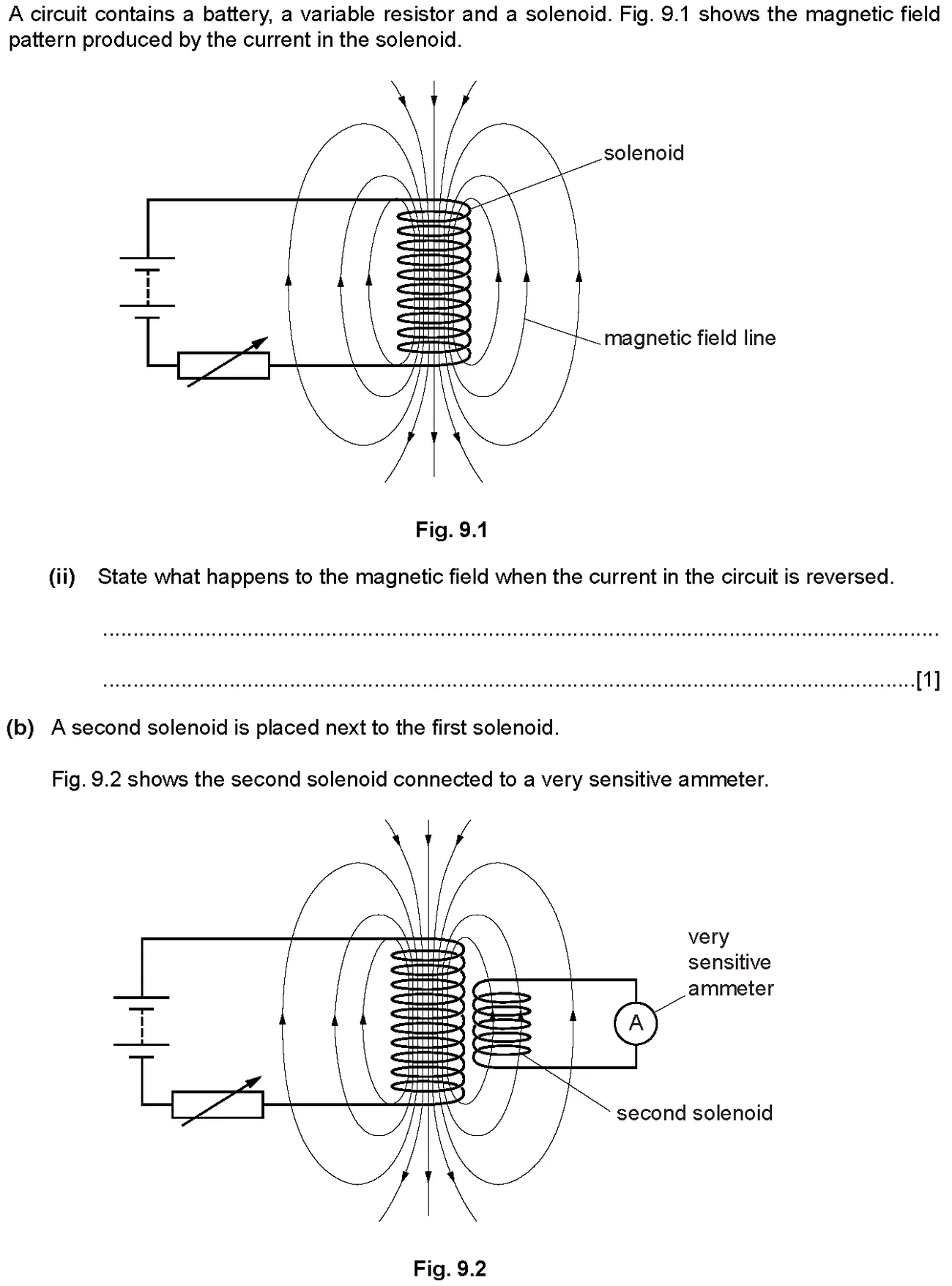
Show the answer

Written question 2 of 8 · part (b)(i) (3 / 4) 3:00

Show the answer
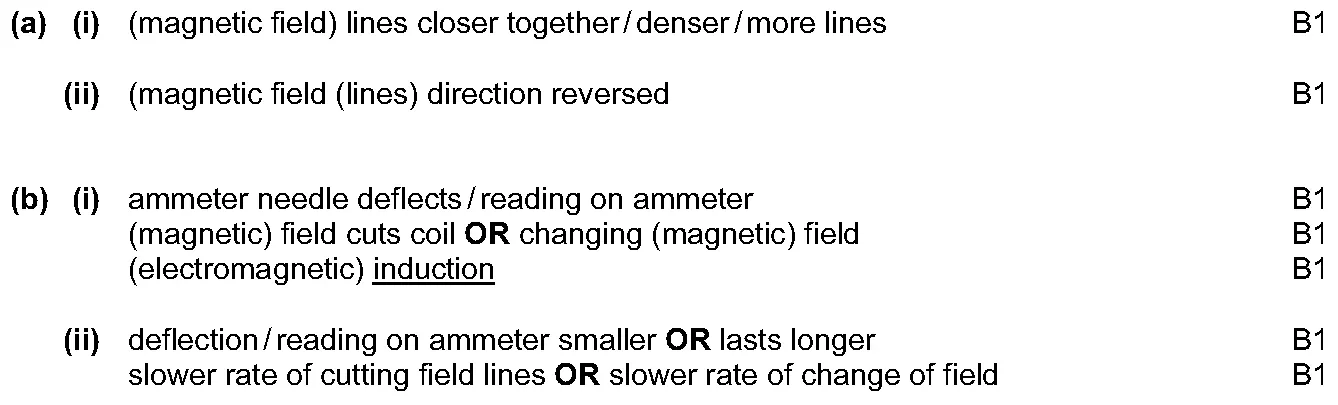
Written question 2 of 8 · part (b)(ii) (4 / 4) 3:00
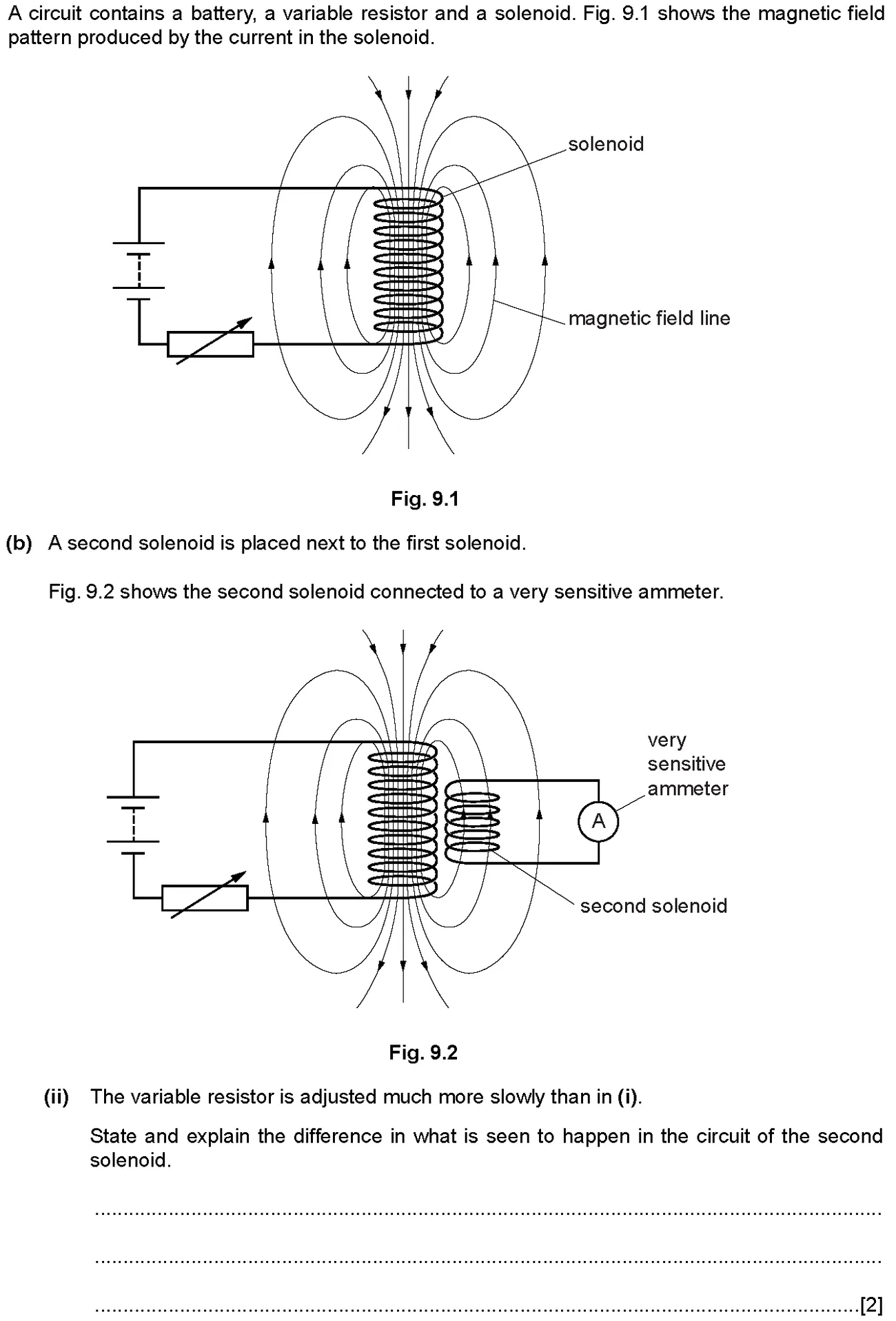
Show the answer
Written question 3 of 8 · part (a) (1 / 6) 3:00

Show the answer
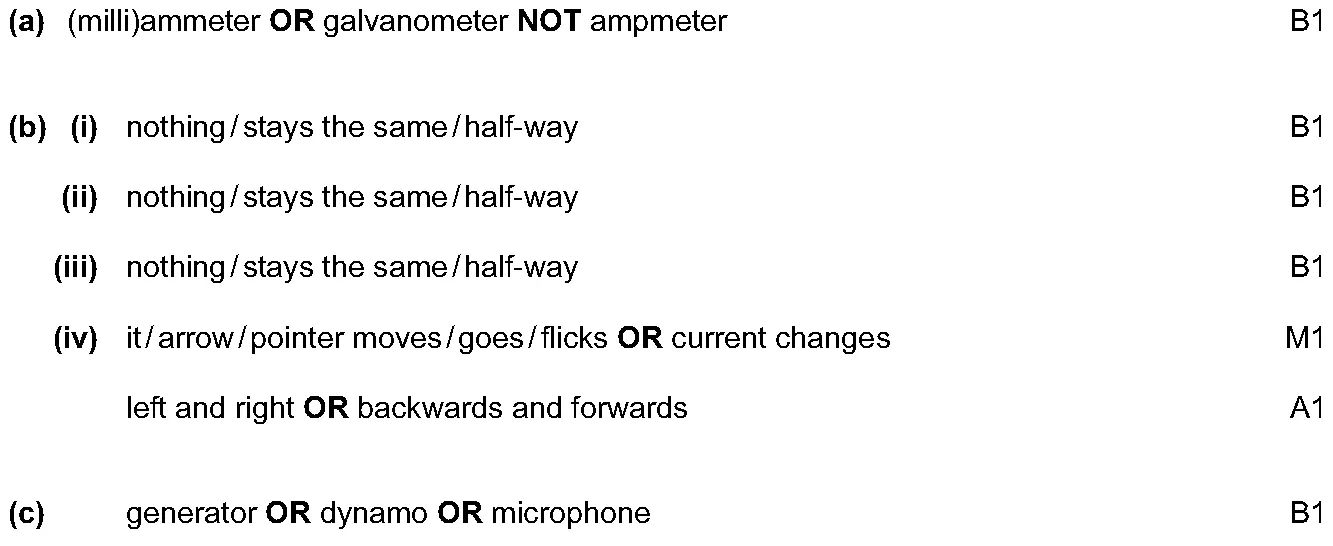
Written question 3 of 8 · part (b)(i) (2 / 6) 3:00

Show the answer
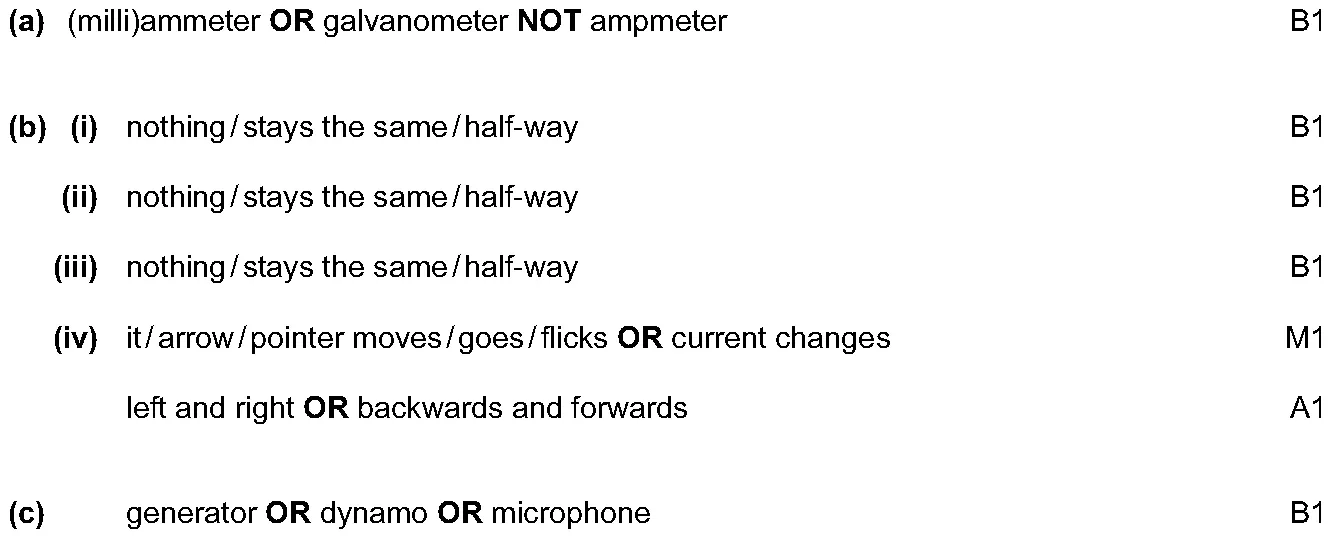
Written question 3 of 8 · part (b)(ii) (3 / 6) 3:00

Show the answer
Written question 3 of 8 · part (b)(iii) (4 / 6) 3:00

Show the answer
Written question 3 of 8 · part (b)(iv) (5 / 6) 3:00
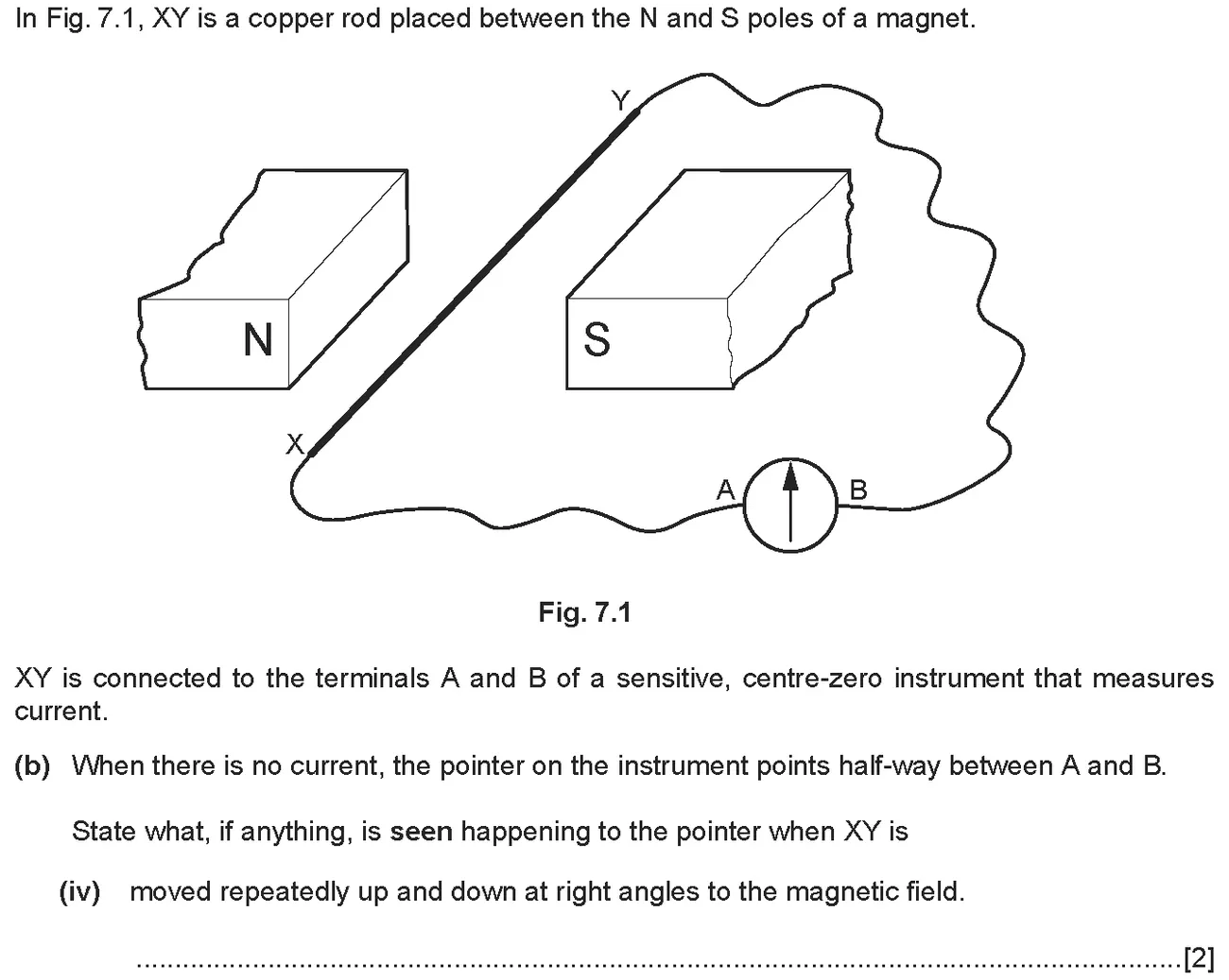
Show the answer
Written question 3 of 8 · part (c) (6 / 6) 3:00

Show the answer
Written question 4 of 8 · part (a) (1 / 4) 3:00

Show the answer
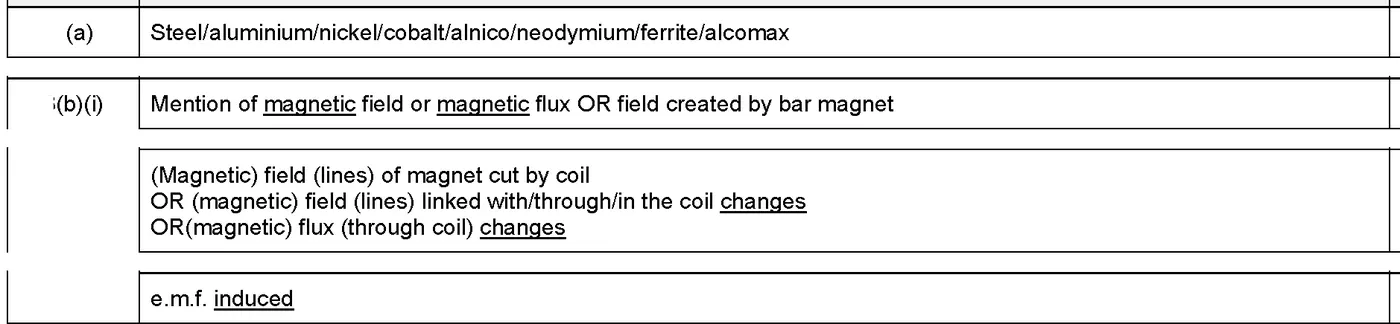
Written question 4 of 8 · part (b)(i) (2 / 4) 3:00

Show the answer
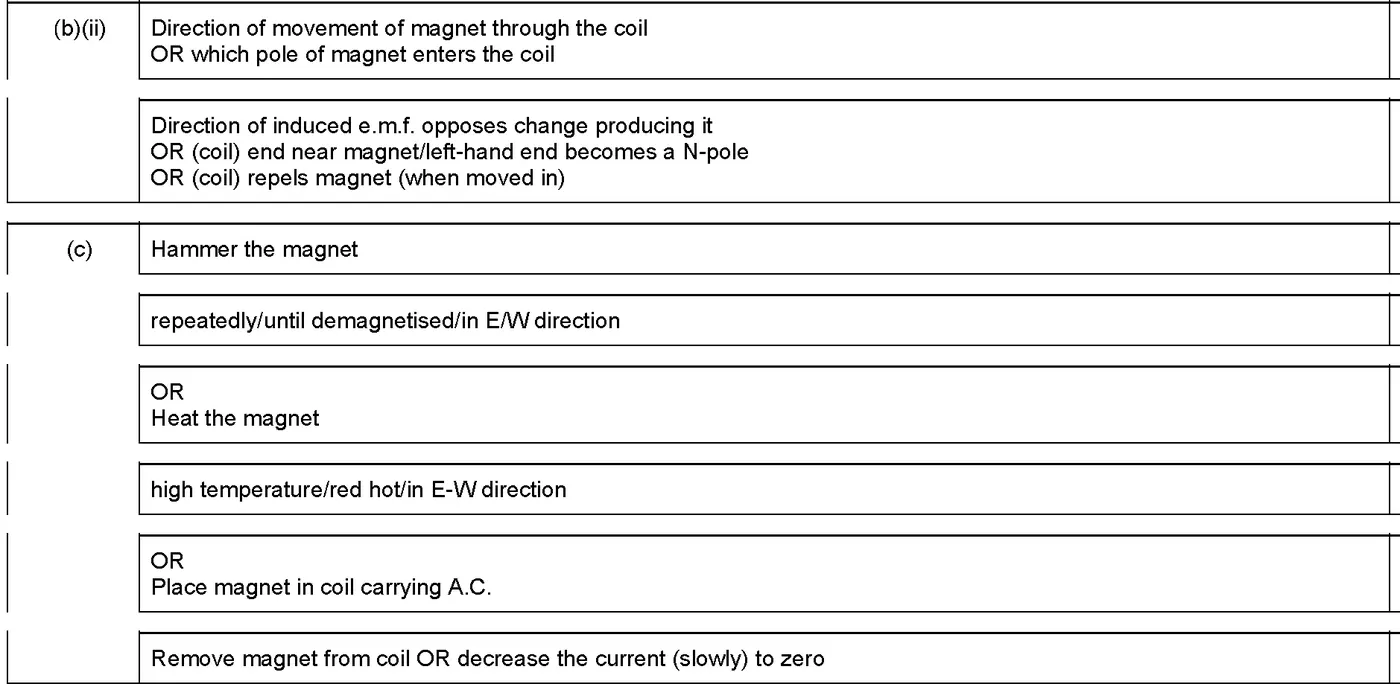
Written question 4 of 8 · part (b)(ii) (3 / 4) 3:00

Show the answer

Written question 4 of 8 · part (c) (4 / 4) 3:00

Show the answer
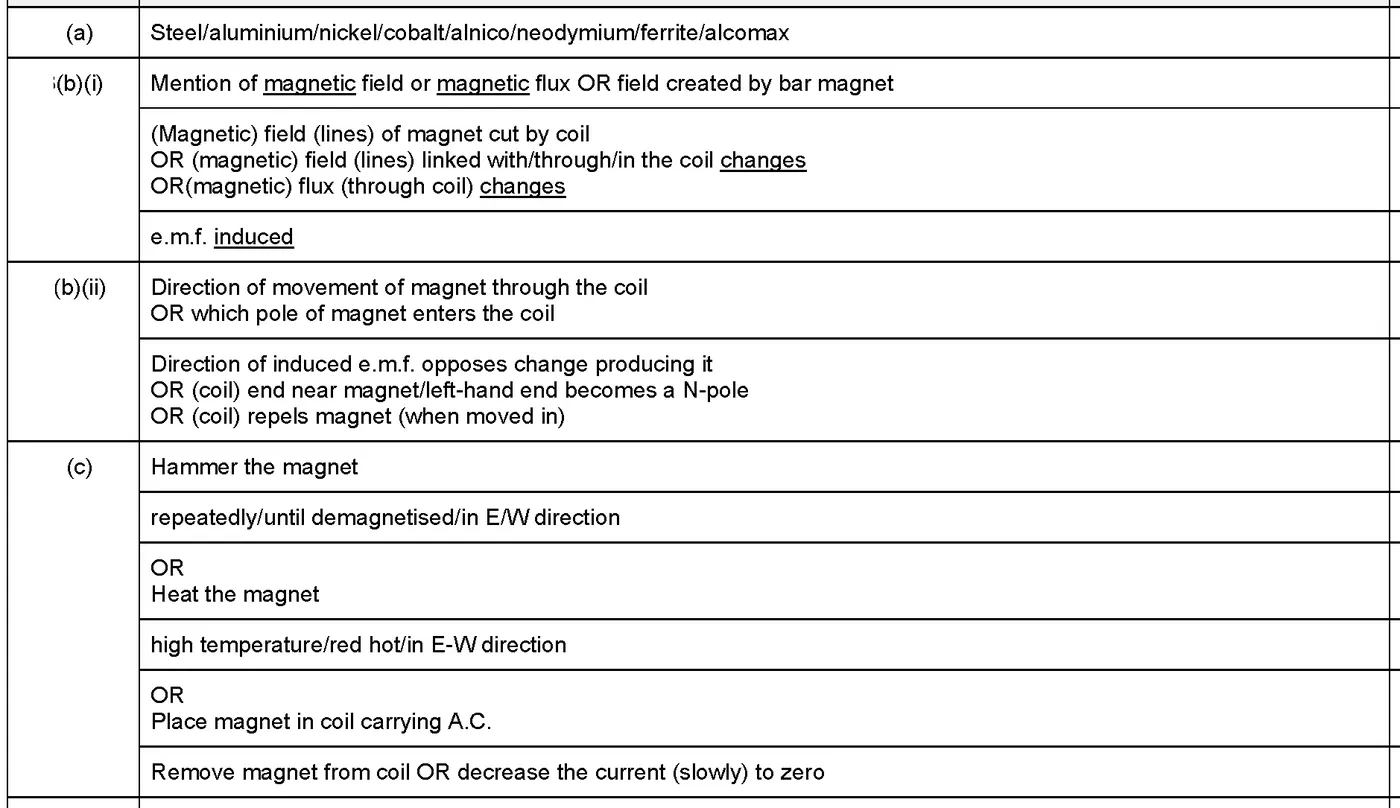
Written question 5 of 8 · part (a)(i) (1 / 4) 3:00
Show the answer
Written question 5 of 8 · part (a)(ii) (2 / 4) 3:00
Show the answer

Written question 5 of 8 · part (b)(i) (3 / 4) 3:00

Show the answer

Written question 5 of 8 · part (b)(ii) (4 / 4) 3:00
Show the answer
Written question 6 of 8 · part (a) (1 / 3) 3:00
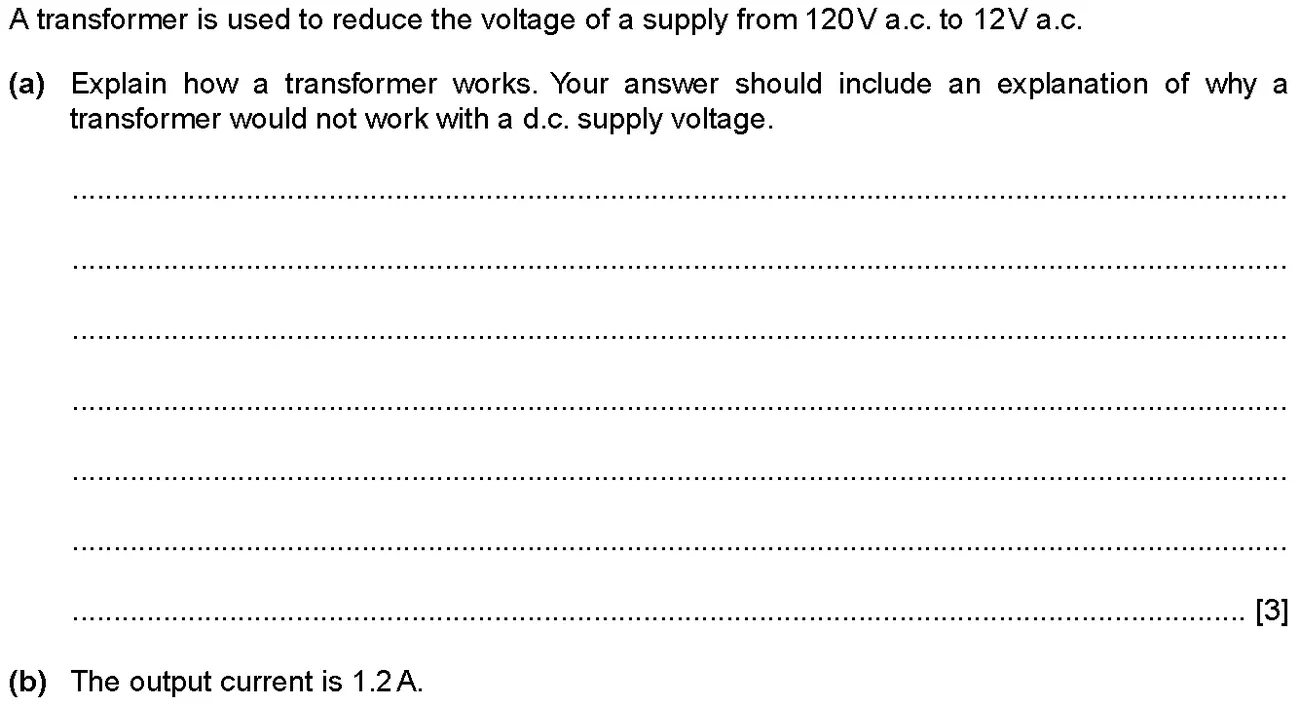
Show the answer
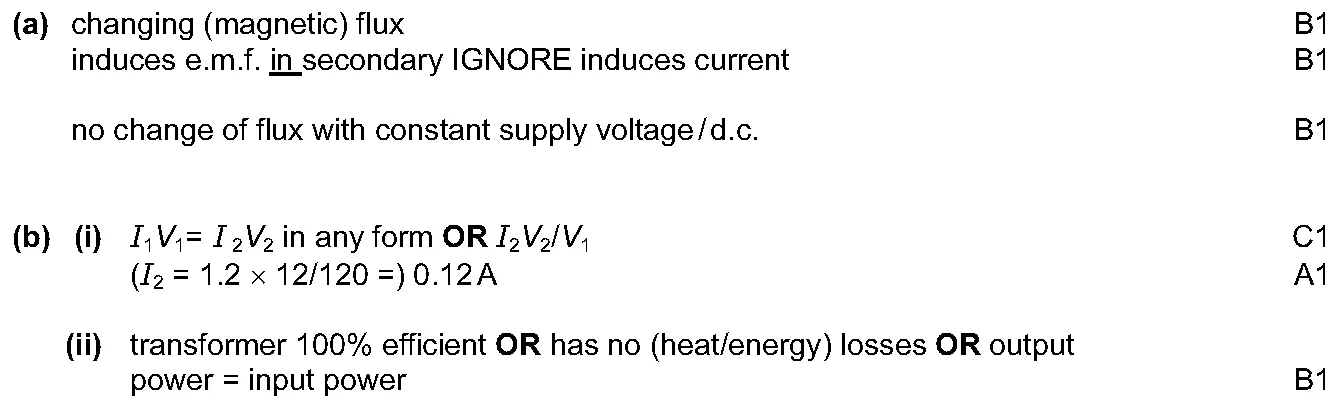
Written question 6 of 8 · part (b)(i) (2 / 3) 3:00

Show the answer
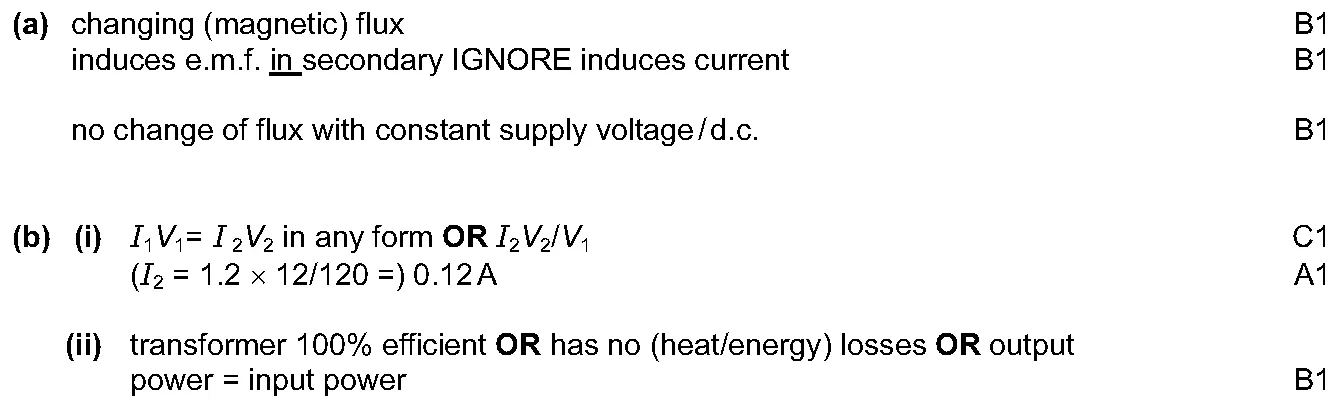
Written question 6 of 8 · part (b)(ii) (3 / 3) 3:00

Show the answer
Written question 7 of 8 · part (a)(i) (1 / 2) 3:00

Show the answer
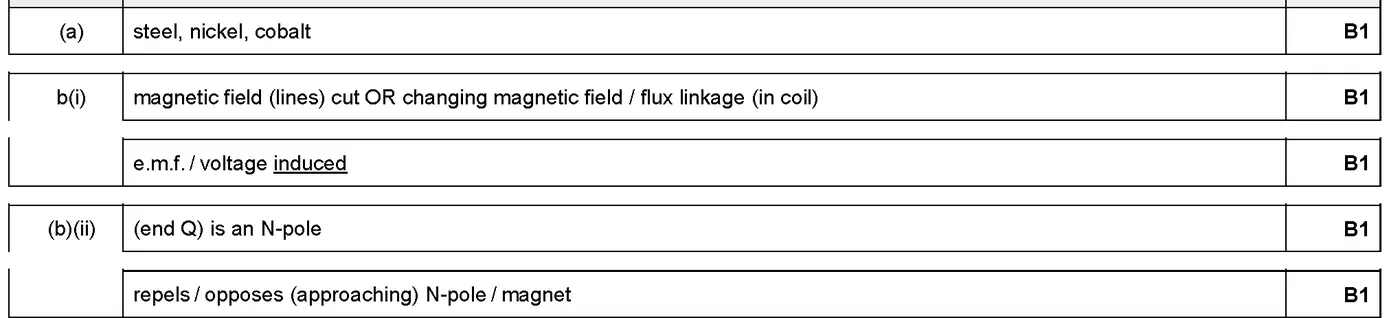
Written question 7 of 8 · part (c) (2 / 2) 3:00

Show the answer

Written question 8 of 8 · part (a)(i) (1 / 5) 3:00

Show the answer
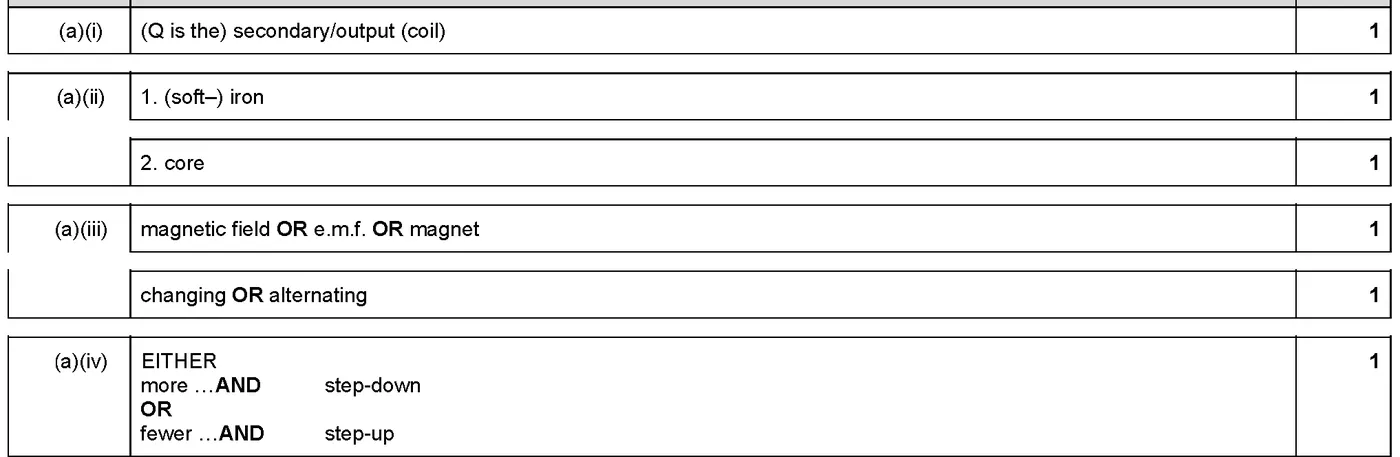
Written question 8 of 8 · part (a)(ii) (2 / 5) 3:00
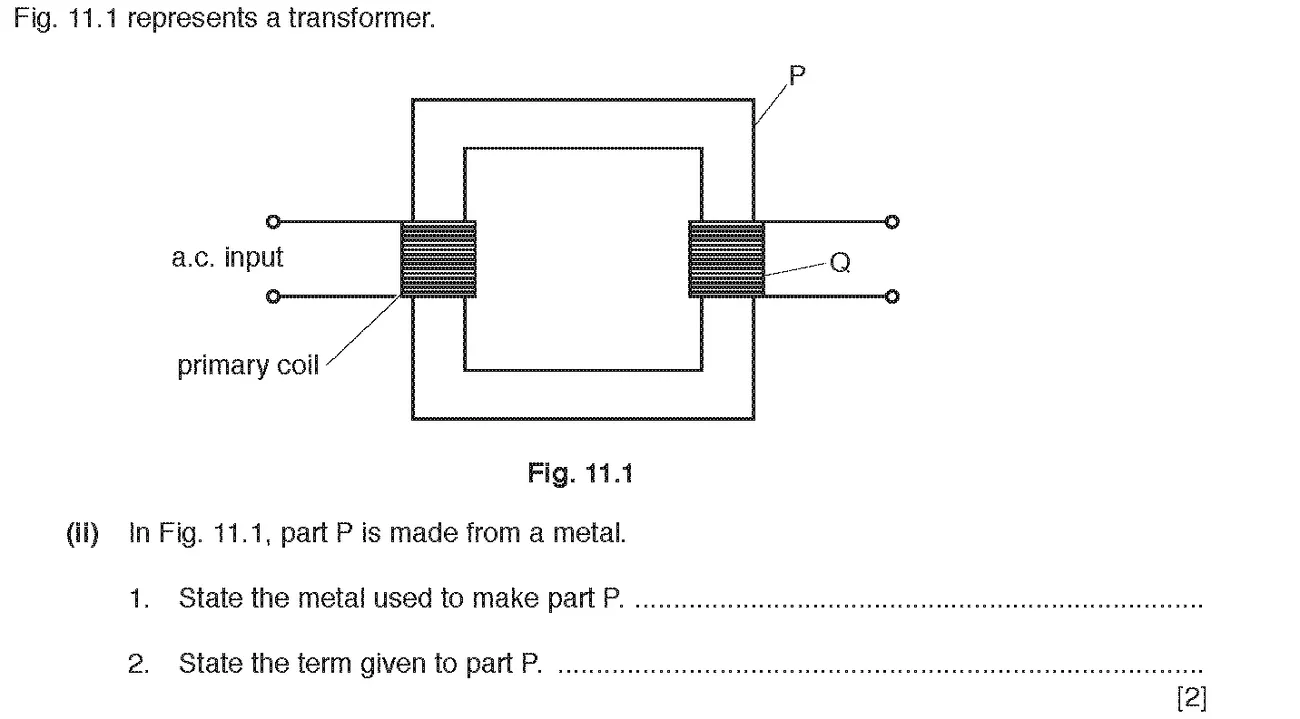
Show the answer
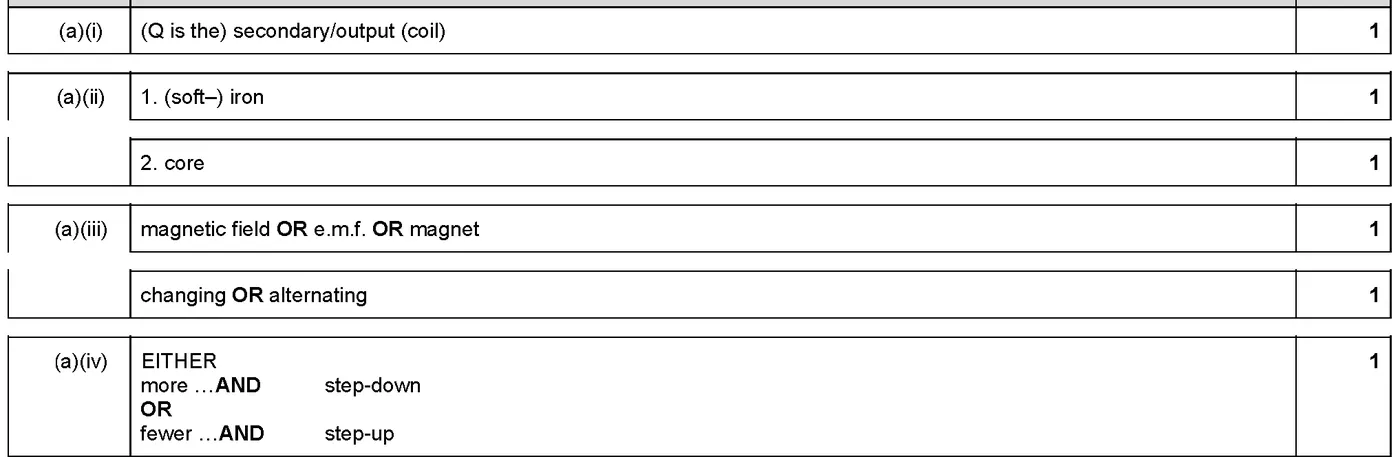
Written question 8 of 8 · part (a)(iii) (3 / 5) 3:00
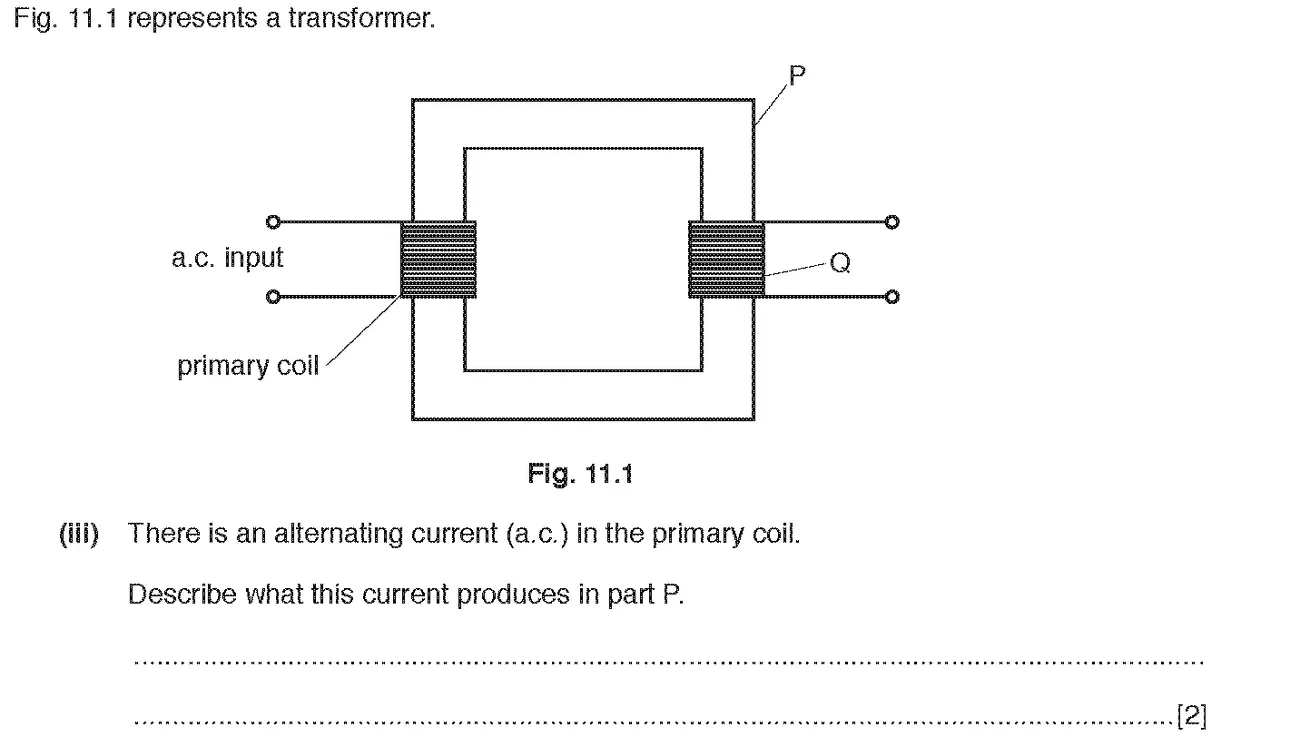
Show the answer
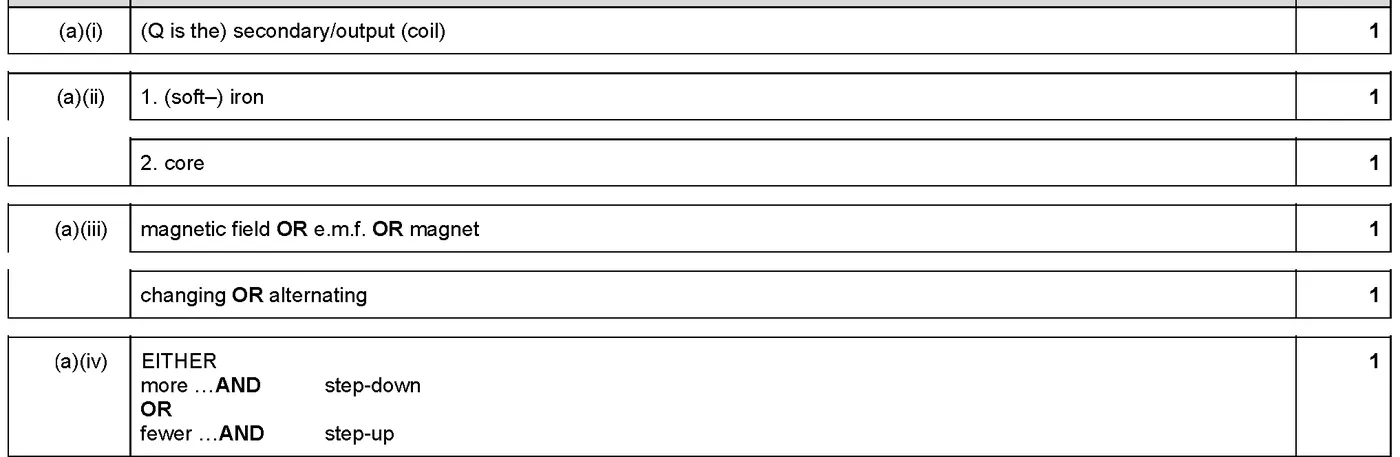
Written question 8 of 8 · part (a)(iv) (4 / 5) 3:00

Show the answer
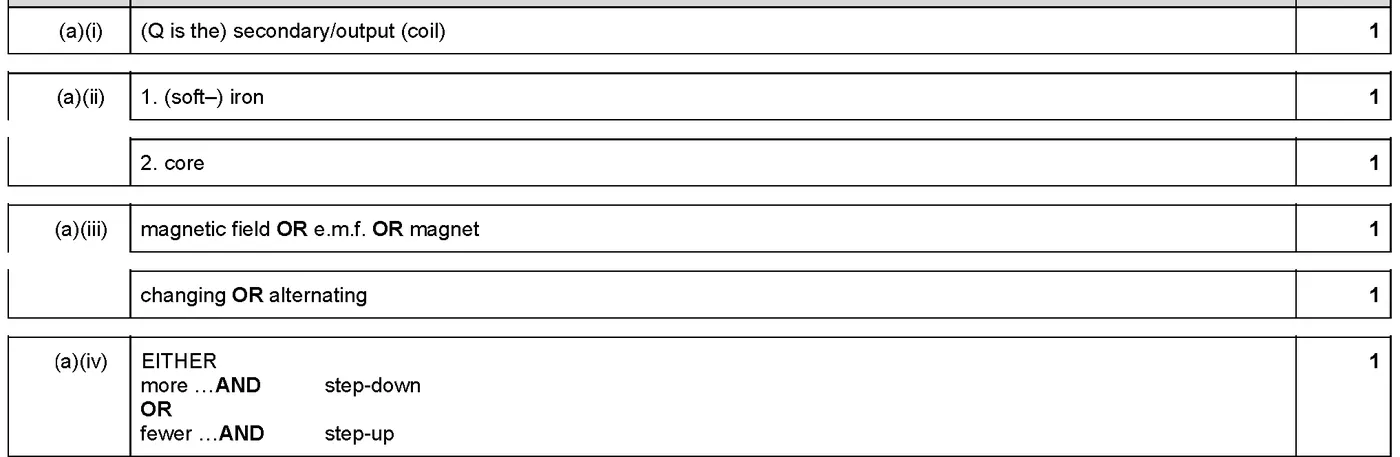
Written question 8 of 8 · part (b) (5 / 5) 3:00
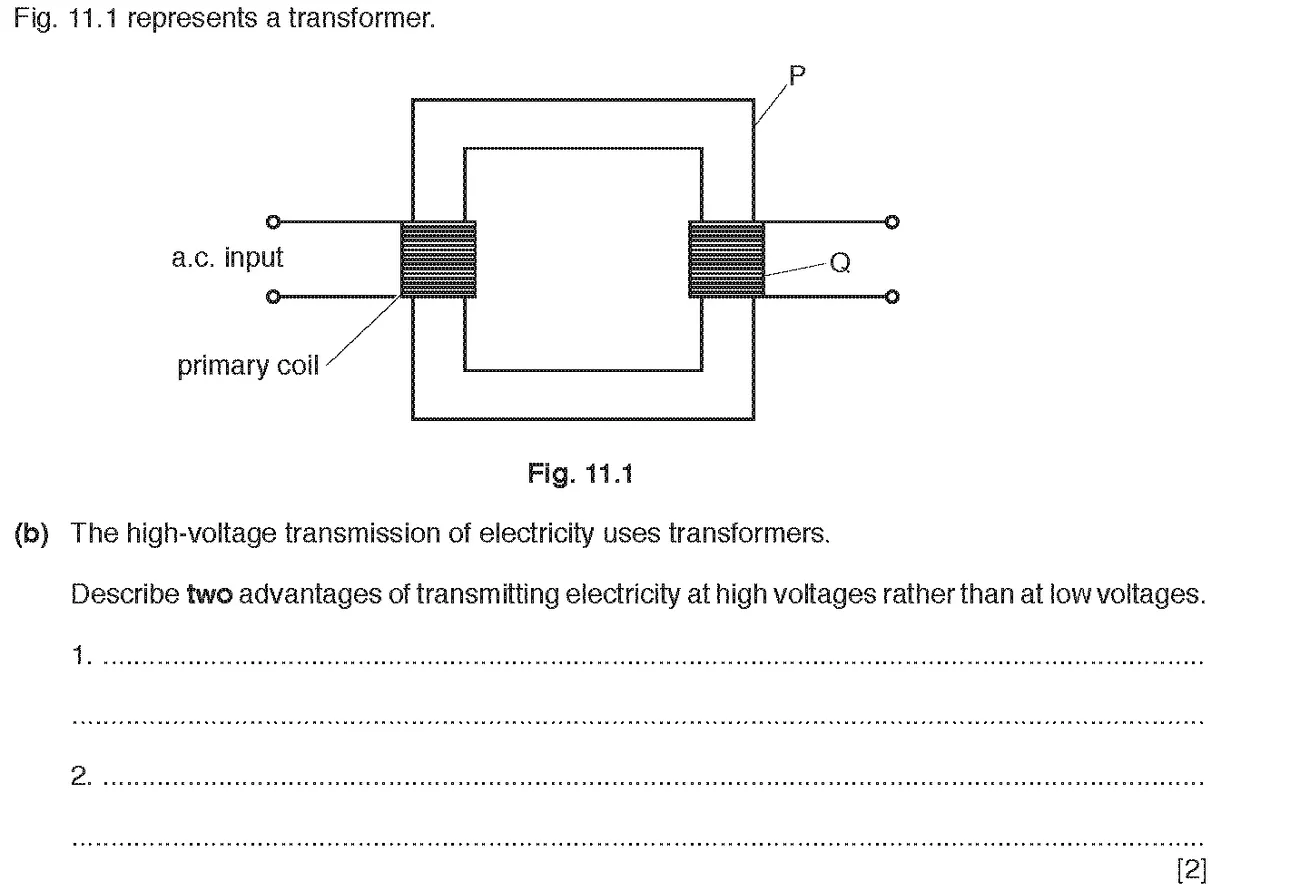
Show the answer

Each part of a written question is on its own screen. Write your answer first, then open "Show the answer" to check it against the mark scheme.
Last updated: