6.4Organic Chemistry and Analysis
Nitrogen Compounds — OCR A Level Chemistry A H432 Revision Notes & Topical Questions
5 min read 10 parts Lesson 11 of 33
Lesson summary
Complete PDF with figures and original page layoutPage 1 OCR A Level Chemistry A Your notes Nitrogen Compounds Contents Amines Preparing Amines Amino acids Amides Page 2 Amines …
Part 1 of 8Classifying and naming amines
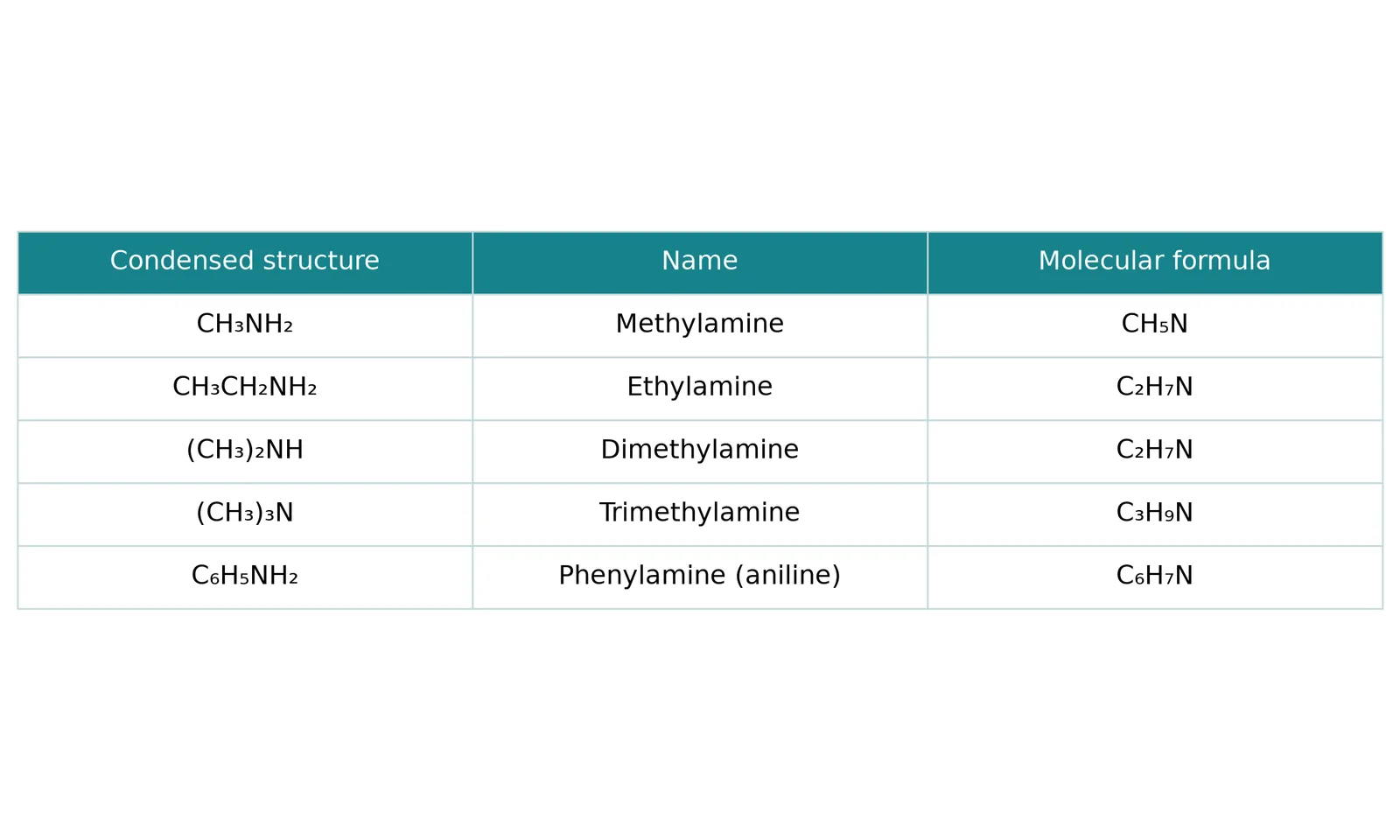
Classifying and naming amines
Amines
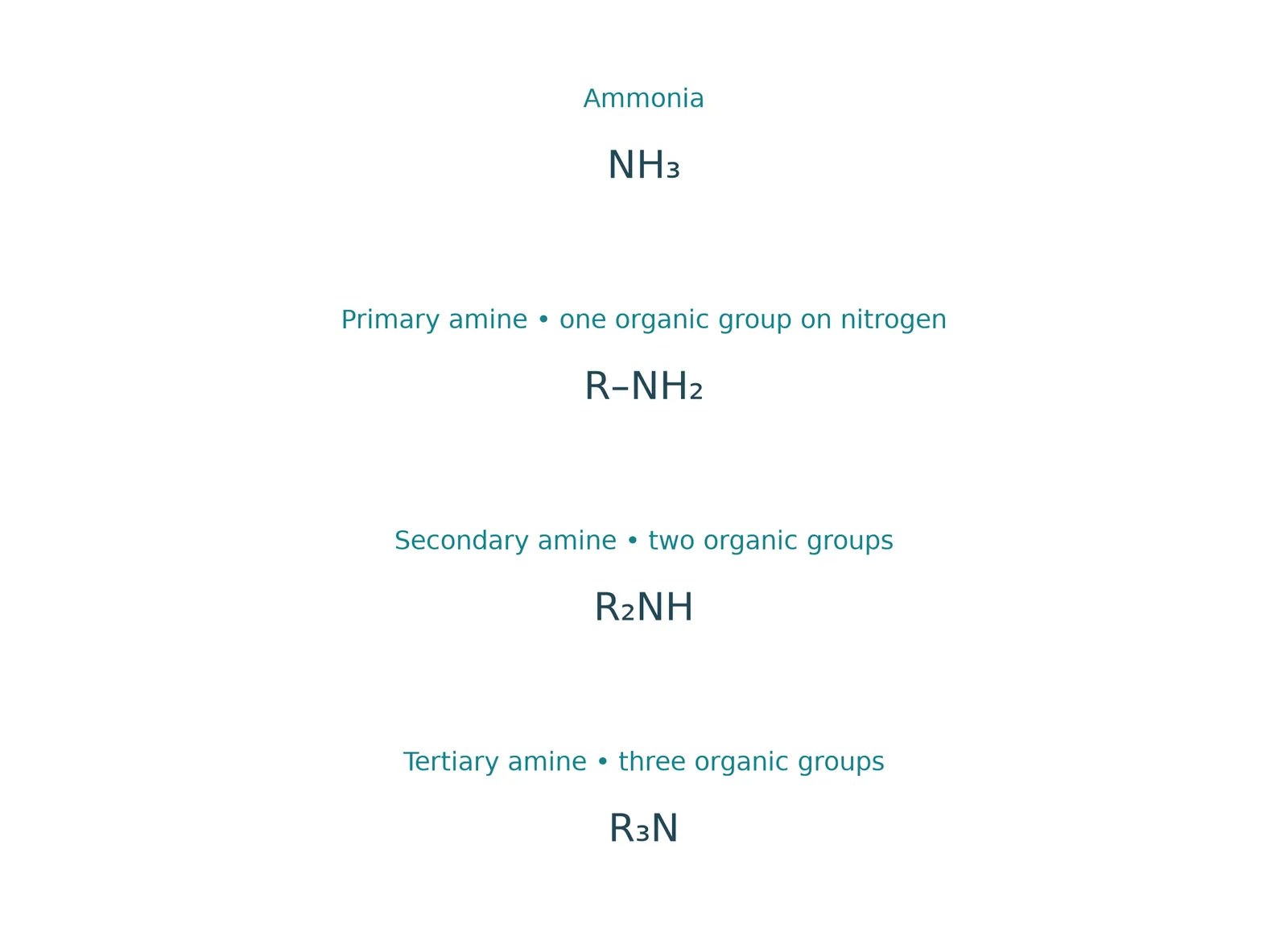
Amines derivatives of ammonia in which one or more hydrogens are replaced by an alkyl or aryl group
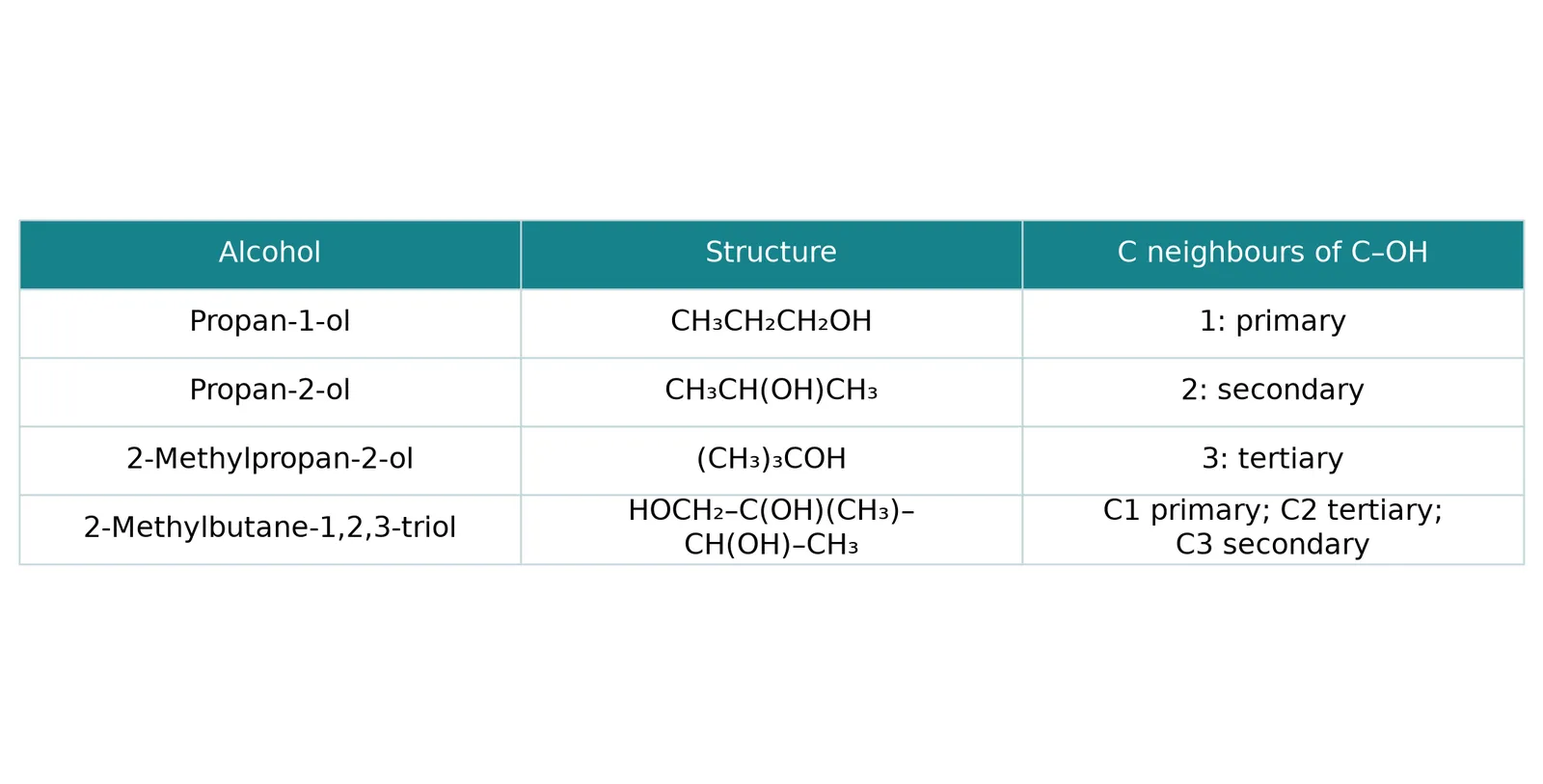
- They are classified by the number of hydrogens replaced on nitrogen: primary, secondary or tertiary.
- This differs from alcohols and haloalkanes, where classification depends on the carbon atom.
Aliphatic or aromatic
- Aliphatic or aromatic aliphatic if R is alkyl, aromatic if R is aryl (a benzene ring)
- They share similar reactions but the aryl group strongly influences reactivity.
Naming
- Common names use the alkyl or aryl prefix plus -amine.
- IUPAC names use the prefix amino- with the alkane or aromatic stem.
Part 2 of 8Basicity of amines
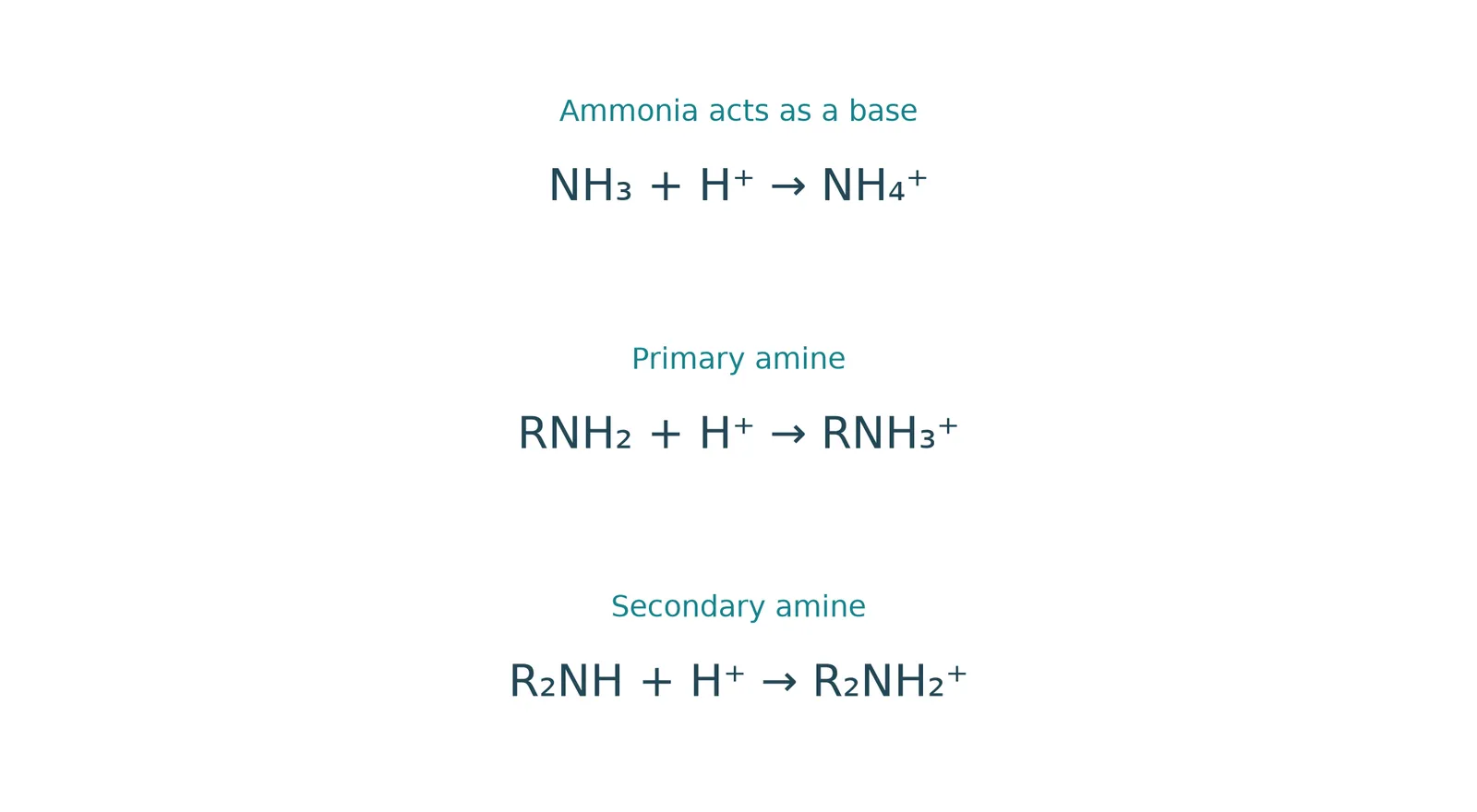
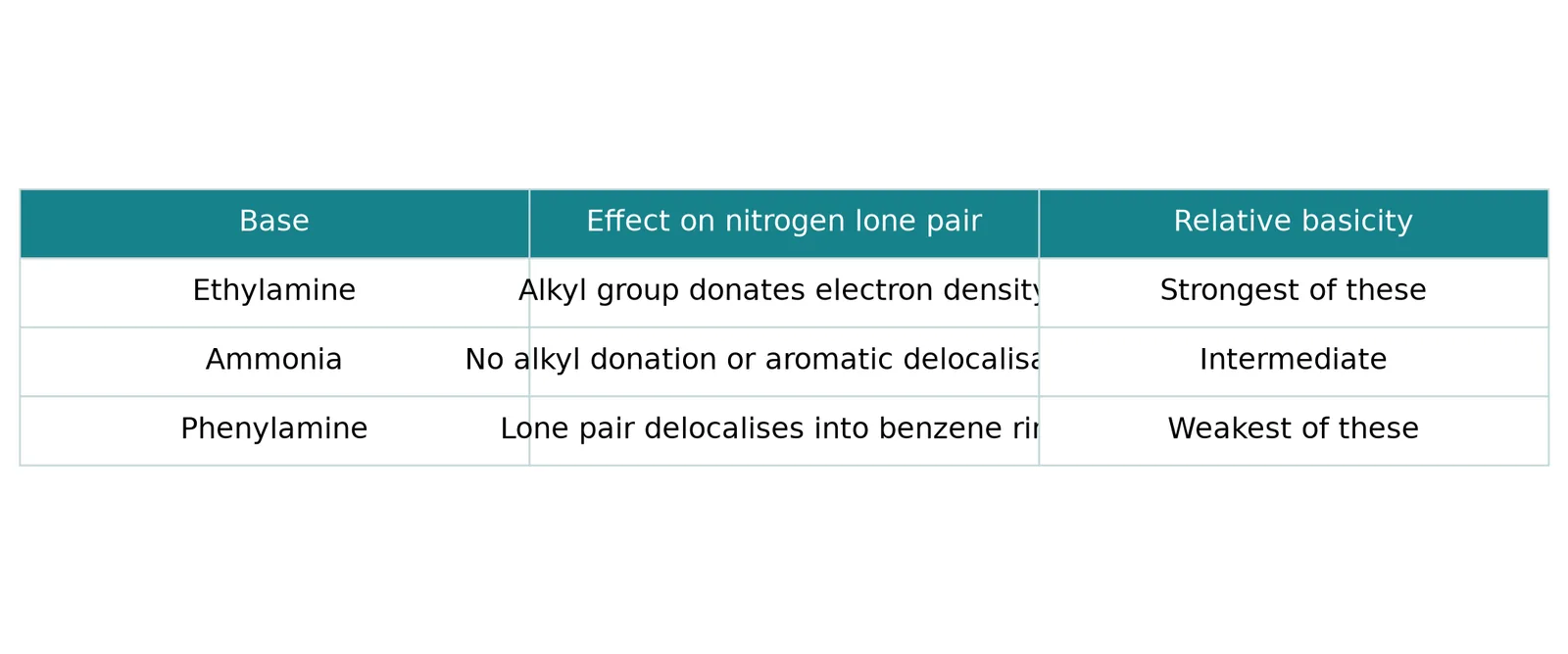
Base behaviour
- Base behaviour the nitrogen can accept a proton by donating its lone pair, forming a dative bond
- Ammonia with HCl gives NH4+Cl−.
- Ethylamine with HCl gives the salt ethylammonium chloride, C2H5NH3+Cl−.
Salts
- Salts amine salts are ionic and soluble
- They are water soluble when the alkyl group is small, and less so as the chain lengthens.
Bronsted–Lowry
- Bronsted–Lowry ammonia and amines are proton acceptors
Part 3 of 8Preparing aliphatic primary amines
From halogenoalkanes
- From halogenoalkanes nucleophilic substitution with ammonia
- The nitrogen lone pair acts as a nucleophile and replaces the halogen.
- Use excess hot ethanolic ammonia under pressure to give a primary amine.
By reduction of nitriles
- By reduction of nitriles the –CN group is reduced to –NH2
- Pass nitrile vapour and hydrogen over a nickel catalyst, or use LiAlH4 in dry ether.
Part 4 of 8Preparing secondary and tertiary amines
Secondary amine
- Secondary amine a halogenoalkane with a primary amine in ethanol, heated in a sealed tube under pressure
- It is nucleophilic substitution, with the amine nitrogen as the nucleophile.
Tertiary amine
- Tertiary amine further substitution of the secondary amine
- An example is the formation of triethylamine, (CH3CH2)3N.
Part 5 of 8Preparing aromatic amines
1Phenylamine
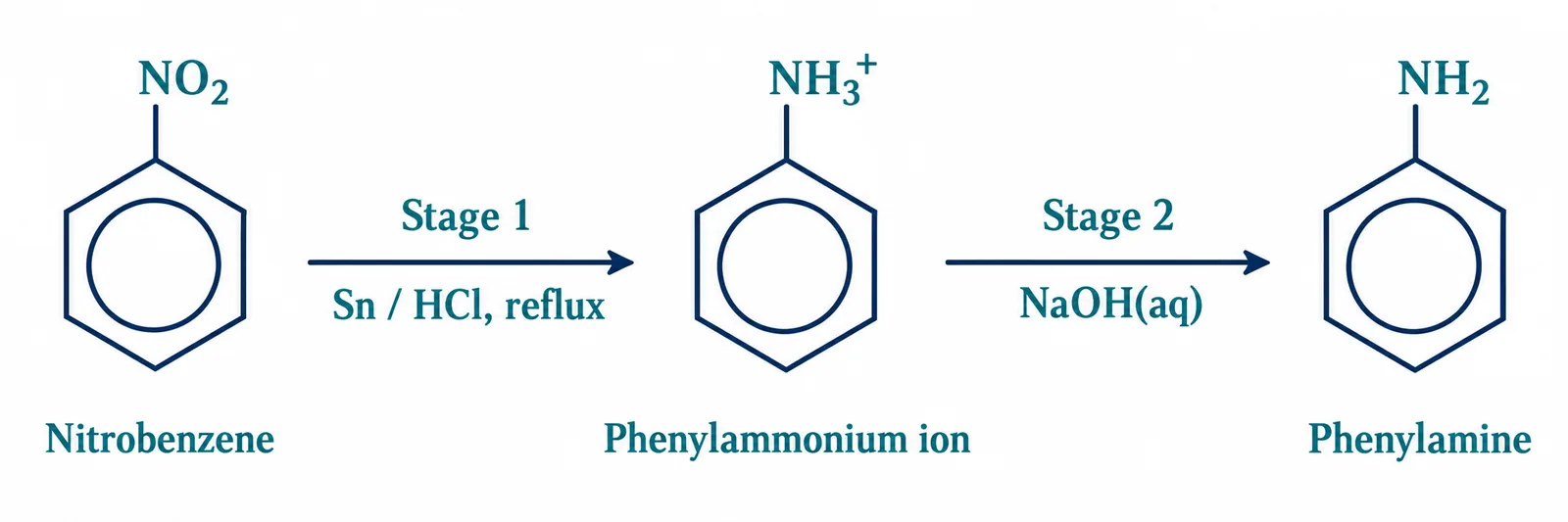
- Phenylamine a benzene ring bonded to an –NH2 group, made by reducing nitrobenzene (C6H5NO2) in two stages
2Stage 1
- Stage 1 reduction
- Nitrobenzene is heated under reflux in a boiling water bath with tin and concentrated hydrochloric acid, which act as the reducing agents.
- The acidic conditions give phenylammonium ions, C6H5NH3+.
3Stage 2
- Stage 2 formation of phenylamine
- Excess sodium hydroxide solution deprotonates the phenylammonium ions to give C6H5NH2.
Part 6 of 8Amino acids
Amino acid
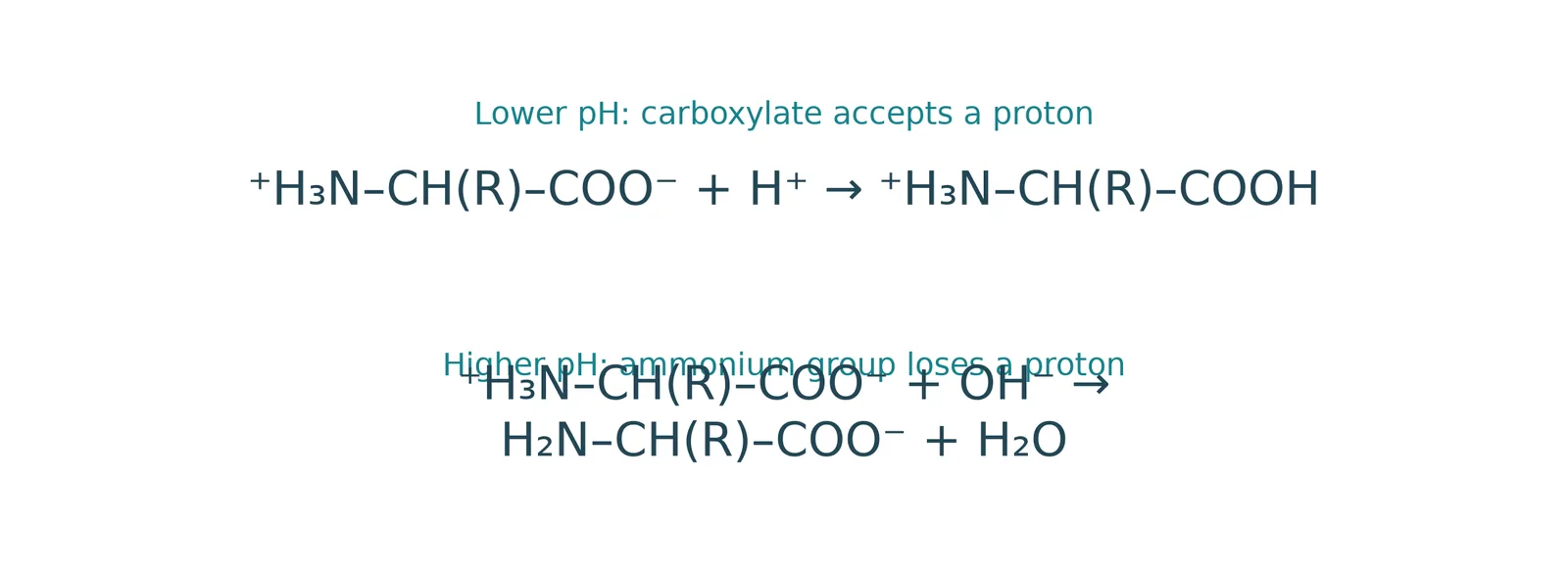
Amino acid a compound with a basic amino group (–NH2) and an acidic carboxylic acid group (–COOH)
- It is amphoteric, acting as both an acid and a base.
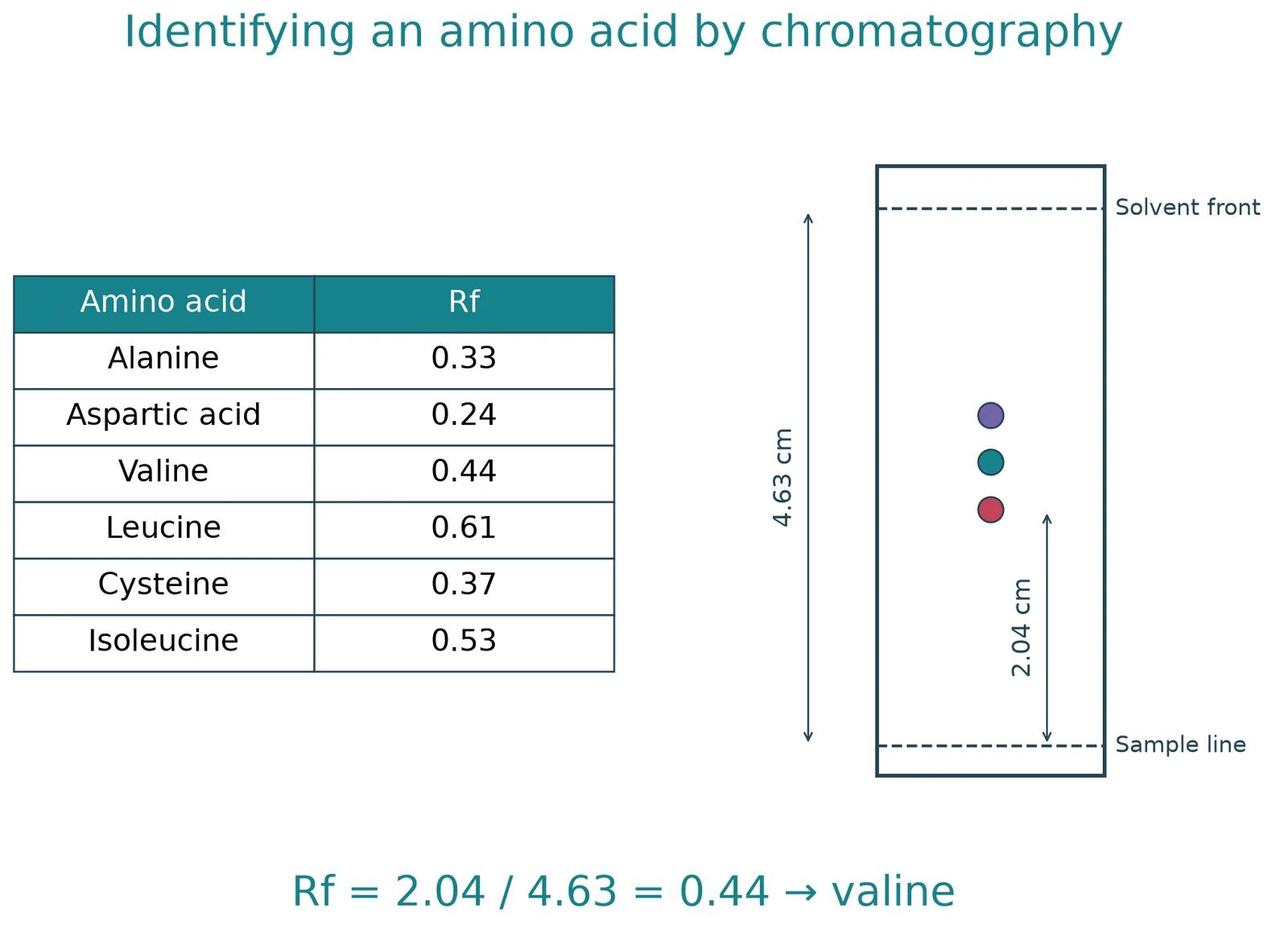
2-aminocarboxylic acids
- 2-aminocarboxylic acids the –NH2 is on the carbon next to the –COOH
- They are the building blocks of proteins.
- There are 20 naturally occurring ones, with general formula RCH(NH2)COOH.
- The R group varies and may be acidic, basic or neutral.
Part 7 of 8Reactions of amino acids
Reactions of amino acids
Amine group
- Amine group it is basic and reacts with acids to make ammonium salts, e.g. with HCl
Carboxylic acid group
- Carboxylic acid group it reacts with aqueous alkalis such as NaOH to form a sodium salt and water
Esterification
- Esterification heating with an alcohol and concentrated sulfuric acid esterifies the carboxylic acid group
- The amine group is protonated under the acidic conditions.
Part 8 of 8Amides
Amides
Amides
- Amides formed by condensation of carboxylic acids or acyl chlorides with ammonia or amines, with general structure RCONR2
- They occur in nature, e.g. in proteins where amino acids link through amide bonds.
Classification
| Type | Description |
|---|---|
| Classification | by the number of carbons bonded to the amide nitrogen |
| Primary | one carbon (the carbonyl carbon), so two hydrogens remain on N. |
| Secondary | two carbons on N, one of which must be the carbonyl carbon. |
| Tertiary | three carbons on N, one of which must be the carbonyl carbon. |
Naming
- Primaryadd -amide to the stem, e.g. CH3CONH2 is ethanamide.
- Secondarythe alkyl group on N is added first with the prefix N-, e.g. CH3CONH(C3H7) is N-propylethanamide.
- Tertiaryboth N-alkyl groups are listed alphabetically (with di- if needed), e.g. N-methyl-N-propylethanamide.
Key terms
| Term | Meaning |
|---|---|
| Amine | A derivative of ammonia with one or more hydrogens replaced by alkyl or aryl groups |
| Amphoteric | Able to act as both an acid and a base |
| Amino acid | A compound containing both –NH2 and –COOH groups |
| Amide | A compound containing the –CONR2 group |
| Phenylamine | An aromatic amine, C6H5NH2 |
| Nucleophilic substitution | Replacement of a halogen by a nucleophile |
Avoid these mistakes
1
Classifying amines by the carbon environment as for alcohols — it depends on groups on nitrogen
2
Saying amines act as acids — the nitrogen lone pair accepts H+
3
Giving only one reducing stage for nitrobenzene — the phenylammonium ion must be deprotonated with NaOH
4
Forgetting the N- prefix on alkyl groups on the amide nitrogen
Last updated:
\n