12.3Chapter 12: The Carbon Cycle and Climate Change
Historical impacts of climate change — Alhussan Biology - Stage 9 Revision Notes & Topical Questions
5 min read 8 parts Lesson 3 of 6 1 quiz
Lesson summary
12.3 Historical impacts of climate change — Sea Levels and Extreme Weather — Alhussan International Academy — Biology (Stages 7–9) notes: Describe how past and recent climate change has affected sea level, weather events and human societies.Evidence — scientists study carbon diox…
- Glaciation
- Theories for cold periods
- Global warming events
- Causes of rise
- Floating ice
- Present rise
Part 1 of 6Climate change in ancient history
1
Evidence
- Evidence scientists study carbon dioxide levels and other evidence for climate change millions of years ago and in recent history.
- A fossil shark's tooth from Europe is evidence that tropical sharks once swam in countries that are now very cold and dry.
2
Glaciation
- Glaciation at times the Earth's surface was very cold and covered in ice and snow, and huge frozen rivers of ice called glaciers carved out valleys.
- Most countries were covered in ice at some time in Earth's history.
- During the last glacial period sea level was about 120 m lower and Britain was joined to Europe by land.
3
Theories for cold periods
- Theories for cold periods huge volcanic eruptions filling the air with ash, giant meteorite strikes throwing up dust, changes in Earth's orbit and changes in the activity of the Sun.
4
Global warming events
- Global warming events the climate has changed from ice ages to tropical forests and desert heat.
- Evidence shows that warming events are always linked to increases in greenhouse gases such as carbon dioxide, for example from massive volcanic eruptions.
Part 2 of 6Climate change in recent history
1
Scope
- Scope almost every country produces greenhouse gases, and every country is affected by global warming.
2
Flooding
- Flooding global warming is linked to more torrential rain and severe flooding.
- In 2010 massive flooding in Pakistan killed at least 2000 people and affected the lives of 20 million others.
3
Drought
- Drought some regions have extreme heat and a lack of rain.
- Over the last 30 years Africa has become hotter and drier, crops have failed and lakes have dried up, so many people cannot grow enough to eat.
- Droughts in Australia led to huge bush fires that threatened species such as koala bears.
4
Extreme weather
- Extreme weather hurricanes, tornados, blizzards, heavy rain and very high temperatures are becoming more common.
- Major named storms rose from 89 in 1900-1910 to 127 in 1950-1960 and 170 in 2000-2010.
- Hurricanes rose from 45 to 72 to 94 over the same periods.
Part 3 of 6Climate and sea level
Causes of rise
- Causes of rise ice on land melts and flows into the ocean, and seawater expands as it warms (thermal expansion).
- (glaciers and the Greenland and Antarctic ice sheets)
Floating ice
- Floating ice melting sea ice that is already floating does not raise sea level much, like melting ice cubes in a full glass.
Present rise
- Present rise mean sea level has risen about 21-24 cm since 1880, and the rate is now increasing.
Wider effects
- Wider effects rising sea level increases coastal erosion and changes ocean currents.
- This affects the movement of the tiny organisms that support all ocean food chains.
Part 4 of 6Effects of rising sea level
1
Low-lying coasts and islands, such as the Maldives, Bangladesh and parts of the Nile delta, flood more often.
2
Salt water enters rivers and groundwater, harming drinking supplies and farmland.
3
Coastal erosion increases and damages homes and ports.
4
People may be forced to move and become climate refugees.
Part 5 of 6Climate and past societies
1Medieval Warm Period (about 900 to 1300 CE)
- Europe had good harvests and Vikings settled in Greenland.
2Little Ice Age (about 1300 to 1850)
- Little Ice Age (about 1300 to 1850) cooler weather brought failed harvests, famine and frozen rivers such as the Thames in London.
3Droughts
- Droughts long droughts have been linked to the decline of some ancient civilisations.
4Lesson
- Lesson societies are sensitive to climate.
Part 6 of 6Comparing past and present
| Feature | Natural past changes | Present changes |
|---|---|---|
| Main cause | Orbit, volcanoes, solar changes | Greenhouse gases from human activity |
| Speed | Over thousands of years | Over decades |
| Population affected | Small, mobile groups could move | Billions, many in coastal cities |
Adaptation
- Adaptation sea walls, restoring mangroves and wetlands that absorb storm waves, raising buildings and better warning systems.
Mitigation
- Mitigation cutting emissions reduces the long-term risk.
Key terms
| Term | Meaning |
|---|---|
| Glacier | A huge frozen river of ice that carves out the landscape. |
| Thermal expansion | The expansion of seawater as it warms. |
| Drought | A long period with too little rain. |
| Climate refugee | A person forced to move because of climate change. |
| Adaptation | Coping with the effects of climate change. |
| Mitigation | Reducing emissions to limit climate change. |
Avoid these mistakes
1
Saying that melting sea ice causes a large sea level rise — land ice is the main source.
2
Forgetting thermal expansion.
3
Claiming that one storm proves climate change.
4
Believing that climate has not affected humans before.
Topic quiz · 21 questionsQuiz for this lesson
?What do you want to solve now?
✓Checkpoint Quiz
1 written questions from real exam papers on this lesson.
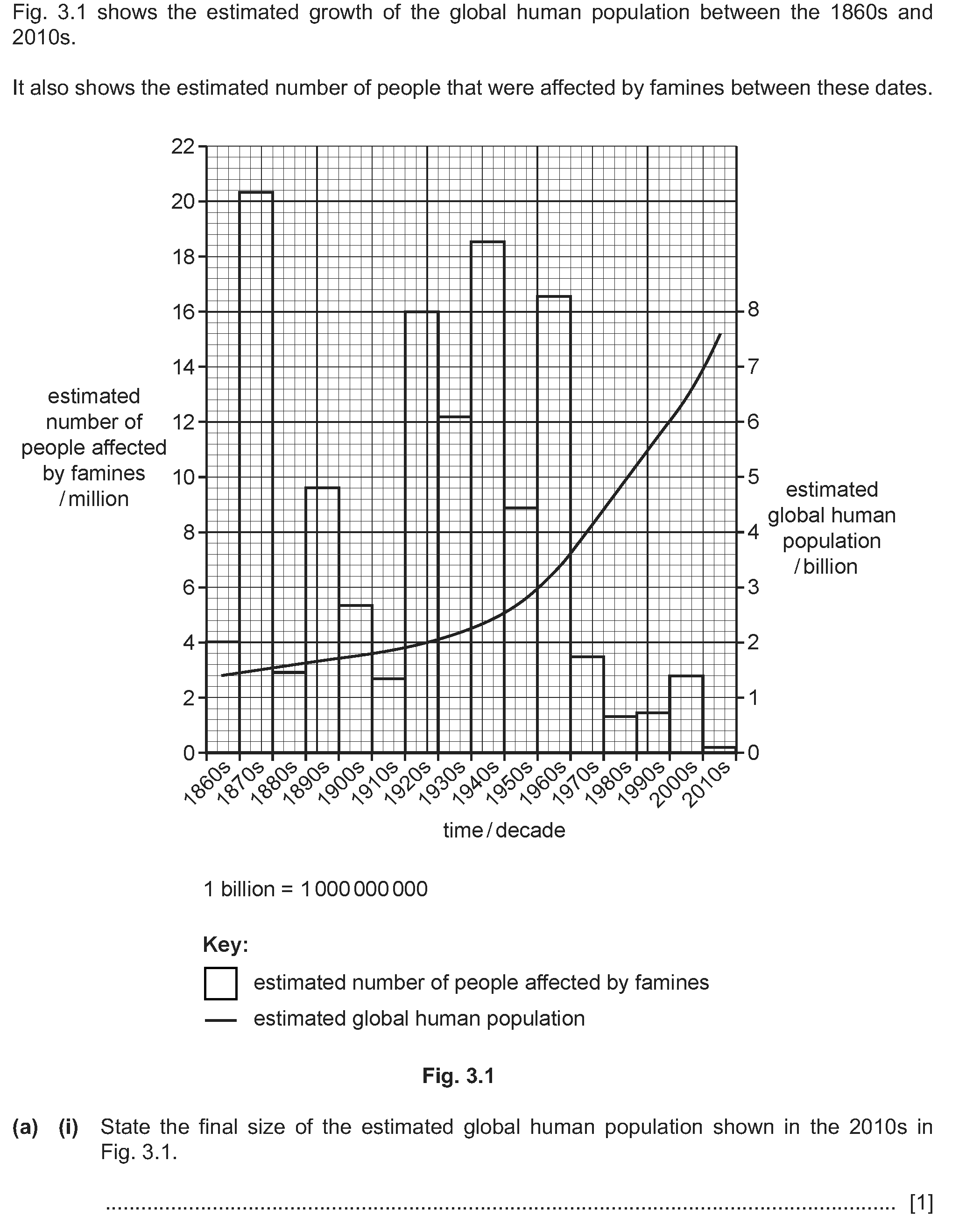
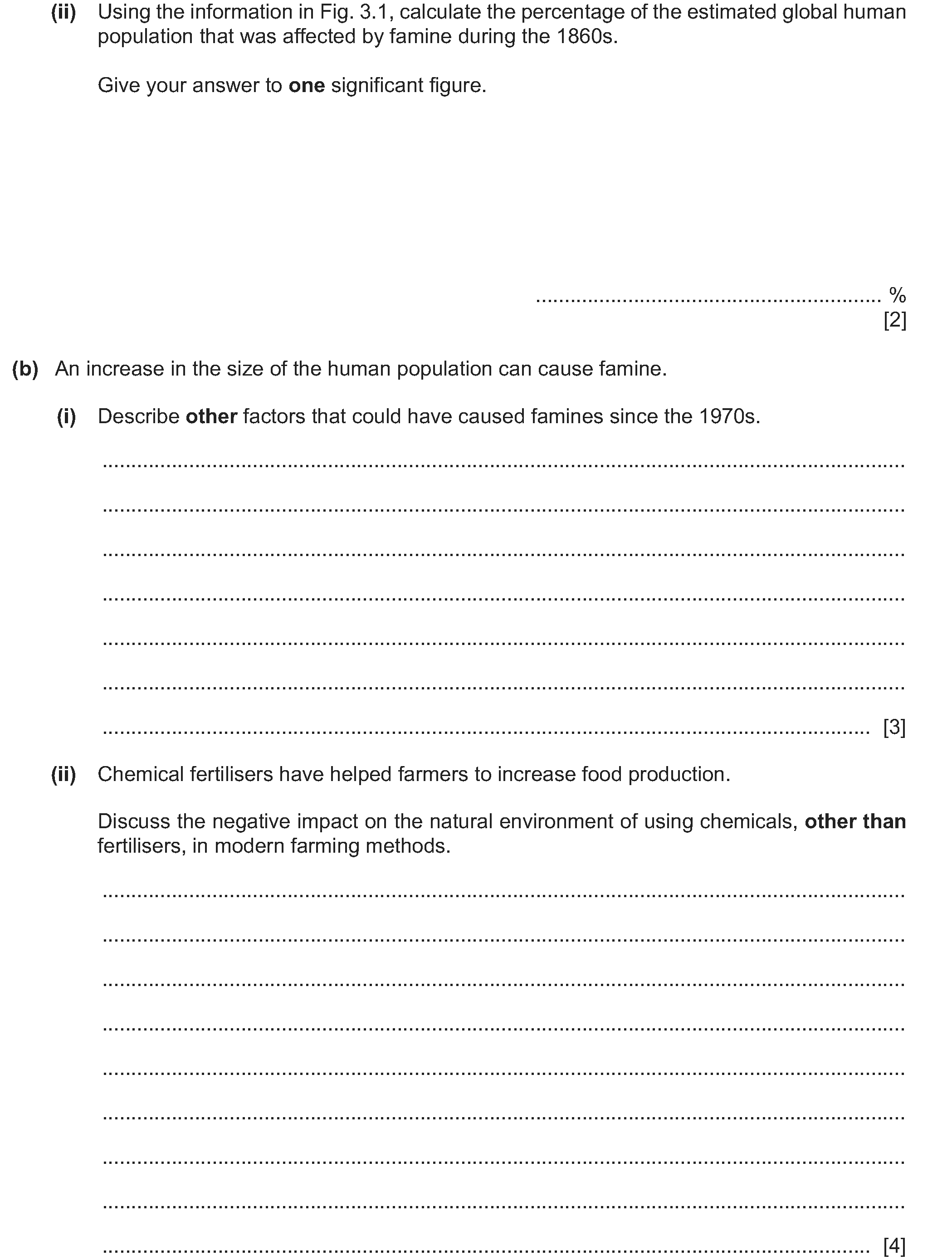
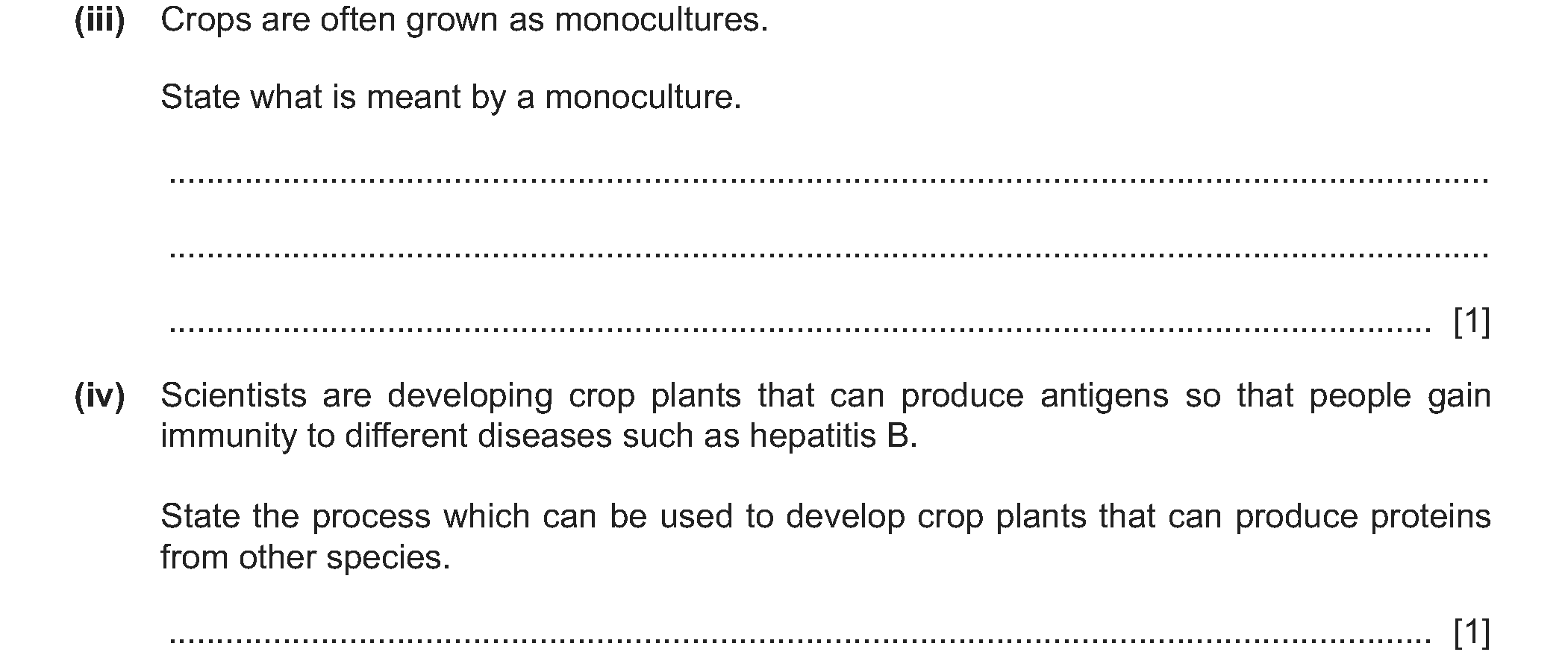
Answers to written questions are not published. Write your answer, then send the question number on WhatsApp to get the model answer.
Last updated: