10.1Chapter 10: Excretion in Humans
What is excretion? — Alhussan Biology - Stage 9 Revision Notes & Topical Questions
5 min read 8 parts Lesson 1 of 6 2 quizzes
10.1 What is excretion? — Removing Metabolic Waste Products — Alhussan International Academy — Biology (Stages 7–9) notes: Define excretion, name the main excretory products and organs, and explain how urea is made and why excretion matters.Excretion = the removal of the waste pr…
- Carbon dioxide
- Protein excess
- Deamination
- Daily output
- Meat eaters
- Urine colour
Part 1 of 6What excretion means
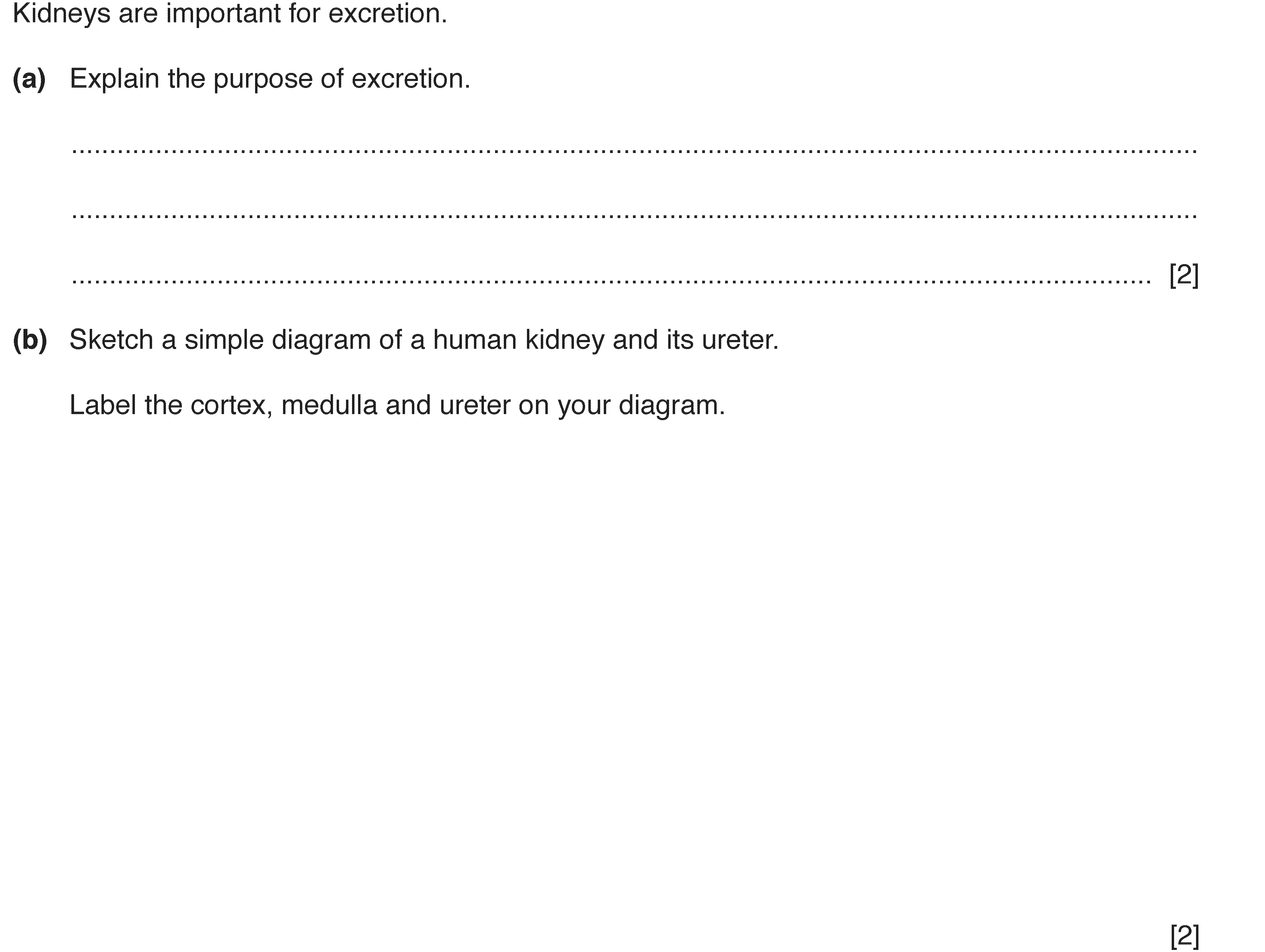
- Metabolism is the sum of all the chemical reactions in cells, and many produce substances that are harmful if they build up.
- Excretion is one of the characteristics of all living organisms.
- Egestion the removal of undigested food as faeces, which is not excretion.
- Faeces are materials taken into the body but never absorbed into the blood, such as plant fibre.
Part 2 of 6Main excretory products and organs
| Waste product | Where it comes from | Organ that removes it |
|---|---|---|
| Carbon dioxide | Respiration in all cells | Lungs (breathed out) |
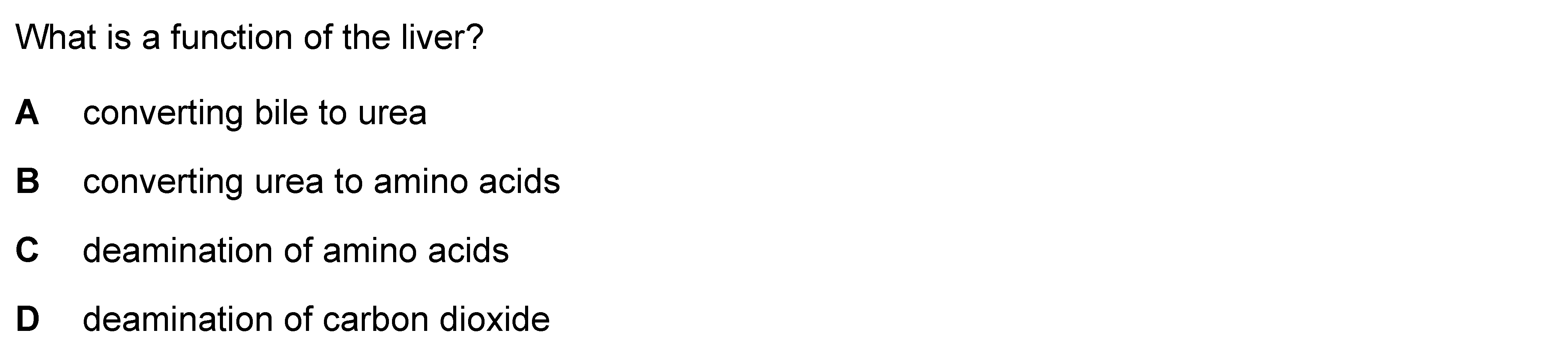
| Urea | Breakdown of excess amino acids in the liver | Kidneys (in urine); some in sweat |
| Excess water and salts | Food and drink | Kidneys; also skin (sweat) and lungs (water vapour) |
- Carbon dioxide
- it dissolves to form an acid and lowers the pH of blood, so large amounts are toxic.
Part 3 of 6How urea is made
- Protein excess the body can store excess carbohydrate and lipid as fat but cannot store amino acids or protein.
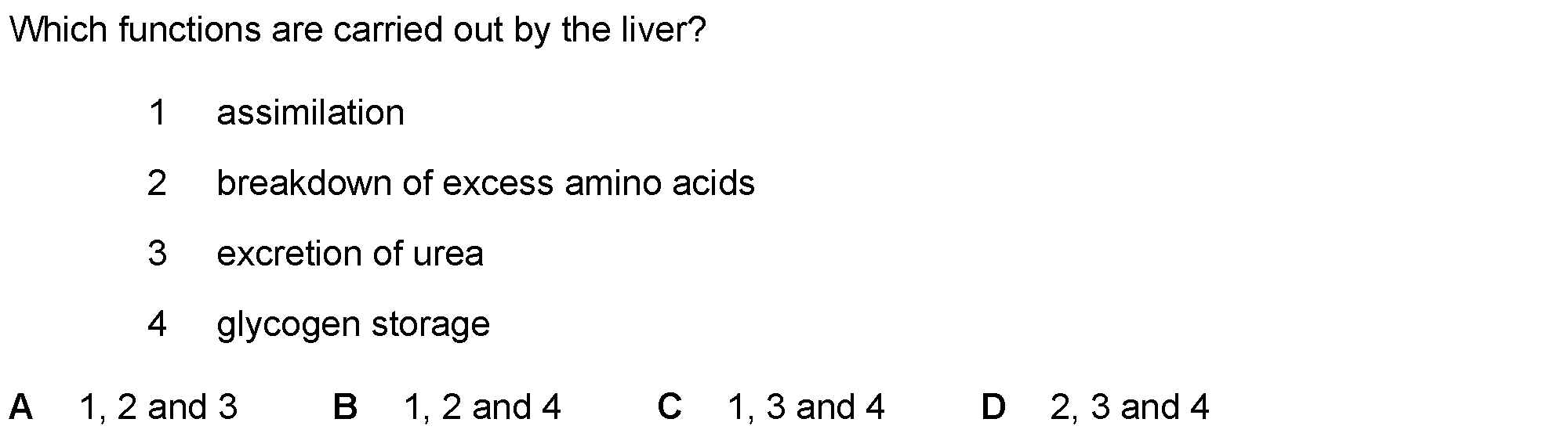
- Deamination in the liver the amino group is removed from the amino acid and converted into urea.
- The remaining carbon-containing part is used for respiration or converted to carbohydrate or fat.
- Transport urea is soluble, so it is carried dissolved in the blood plasma to the kidneys.
- Toxicity if the urea concentration in the blood gets too high it damages organs including the brain and can kill.
- Daily output a healthy adult passes about 1.5 litres of urine containing about 25 g of urea.
- Meat eaters an animal such as a lion eating a lot of protein makes a lot of urea.
Part 4 of 6The kidneys and urine
- Kidney it is a reddish-brown organ about 10 cm long, against the back at about waist level.
- A thick layer of fat protects its delicate structures from damage.
- Urea it forms white crystals that dissolve in water to give a colourless solution.
- Urine colour the yellow colour comes from yellow substances excreted along with the urea and water.
Part 5 of 6Why excretion is essential
- Kidney failure it lets urea and other wastes accumulate, causing illness and eventually death unless treated.
Part 6 of 6Excretion in plants
- Plants excrete without special organs oxygen from photosynthesis leaves through stomata, and for example palms release oxygen into the air.
- Stored wastes waste products can be stored in leaves that are lost in autumn.
Key terms
| Term | Meaning |
|---|---|
| Excretion | Removal of waste products of metabolism from the body. |
| Egestion | Removal of undigested food as faeces. |
| Metabolism | All the chemical reactions in the cells of an organism. |
| Urea | A toxic waste made in the liver from excess amino acids. |
| Deamination | Removal of the amino group from amino acids in the liver. |
| Urine | Liquid containing urea, water and salts, made by the kidneys. |
Avoid these mistakes
Marked practiceQuizzes for this lesson
?What do you want to solve now?
✓Checkpoint Quiz
7 multiple-choice + 1 written questions from real exam papers on this lesson.
Question 1 of 7 1:30

Question 2 of 7 1:30
Question 3 of 7 1:30

Question 4 of 7 1:30

Question 5 of 7 1:30
Question 6 of 7 1:30

Question 7 of 7 1:30

Answers to written questions are not published. Write your answer, then send the question number on WhatsApp to get the model answer.
Last updated: