9.1Chapter 9: Plants and Photosynthesis
What do we know about plants? — Alhussan Biology - Stage 9 Revision Notes & Topical Questions
5 min read 8 parts Lesson 1 of 9 2 quizzes
Lesson summary
9.1 What do we know about plants?
- Other uses
- Plant science
- Common features
- Palisade cells
- Root hair cells
- Guard cells
Section 1 of 8Why plants matter
Food
- Food plants make carbohydrates using energy from the Sun and carbon dioxide from the atmosphere.
- They are the producers in food chains and webs all over the world.
- Crops are the source of most human food, both directly and as animal feed.
Other uses
- Other uses plants are part of the water cycle and give materials for medicines, clothing, building and biofuels.
Plant science
- Plant science biologists study plant structure, breeding and genetic material, nutrients, pests and diseases to improve crops.
Section 2 of 8Organs of a flowering plant
1
A flowering plant has a root system and a shoot system, and each organ is made of tissues, which are groups of similar cells.
2Roots
- Roots they anchor the plant and absorb water and mineral ions through root hairs, which give a large surface area.
3Stem
- Stem it supports the leaves, flowers and fruit and holds them in the light.
- It contains xylem and phloem that carry water and sugars.
4Leaves
- Leaves they are the main organs of photosynthesis, using chlorophyll to capture energy from the Sun.
- They are flat and thin with a large surface area, and stomata let gases in and out.
5Flowers
- Flowers they are the organs of sexual reproduction, producing pollen and ovules and later forming fruits and seeds.
- They appear only at certain times in the life cycle.
| Organ | Main function |
|---|---|
| Root | Anchorage; absorption of water and minerals |
| Stem | Support; transport |
| Leaf | Photosynthesis; gas exchange |
| Flower | Reproduction |
Section 3 of 8Plant cells and their features
Plant cells and their features
Common features
- Common features plant cells have a cell wall of cellulose, a large permanent vacuole and chloroplasts in green parts.
Palisade cells
- Palisade cells they have many chloroplasts and are packed at the top of the leaf to absorb light.
Root hair cells
- Root hair cells they have no chloroplasts but a long extension that increases surface area for absorption.
Guard cells
- Guard cells they open and close the stomata.
Section 4 of 8Biomass
Biomass
Biomass the mass of living material, such as a plant, an animal or an ecosystem.
Gaining biomass
- Gaining biomass plants build carbon from the air into sugars by photosynthesis, then convert them to starch, cellulose, proteins and fats.
- Most of the dry mass of a plant comes from carbon dioxide in the air, not from the soil.
- Water from the soil supplies hydrogen and oxygen atoms.
Measuring biomass
- Measuring biomass use dry mass, found by heating the plant gently in an oven until the mass no longer changes.
- Fresh mass varies with water content, so it is not reliable.
Section 5 of 8Investigating plant growth
1Methods
- Methods measure height or leaf area every few days, or dry the plants and find their mass at the end.
2Van Helmont's willow experiment (1600s)
- Van Helmont's willow experiment (1600s) a 2.3 kg willow grew in 90 kg of soil for five years and reached 76 kg while the soil mass hardly changed.
- He concluded that the plant came from water.
- We now know the main source of the extra mass is carbon dioxide.
Section 6 of 8Crop yields
Trend
- Trend each crop produces more now than in 1961, and the yield of some crops, such as maize and wheat, has more than doubled.
Causes
- Causes the extra food results from scientists learning more about plants, along with the crop plant, farming methods, fertilisers and climate.
Section 7 of 8Key terms
| Term | Meaning |
|---|---|
| Organ | A part of an organism made of tissues that does a specific job. |
| Tissue | A group of similar cells. |
| Biomass | The mass of living material. |
| Chlorophyll | The green pigment that captures light for photosynthesis. |
| Stoma | A pore in a leaf that allows gases in and out. |
| Xylem | Tissue that carries water and mineral ions in a plant. |
Section 8 of 8Exam technique
1
Saying plants get their food from the soil.
2
Confusing organ and organelle.
3
Forgetting that the stem transports substances.
4
Measuring biomass with fresh mass and calling it reliable.
Marked practiceQuizzes for this lesson
?What do you want to solve now?
✓Checkpoint Quiz
1 multiple-choice + 1 written questions from real exam papers on this lesson.
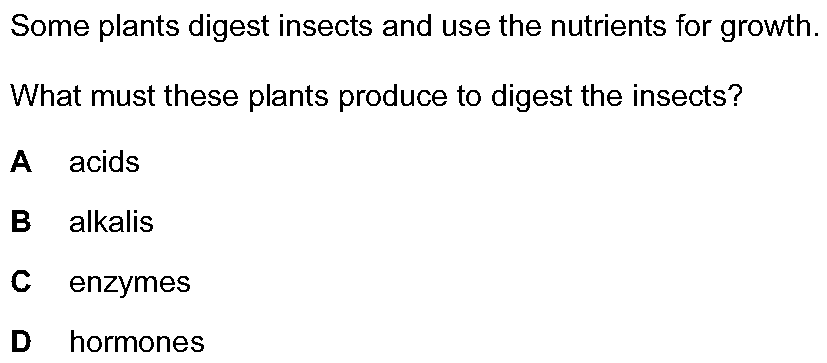
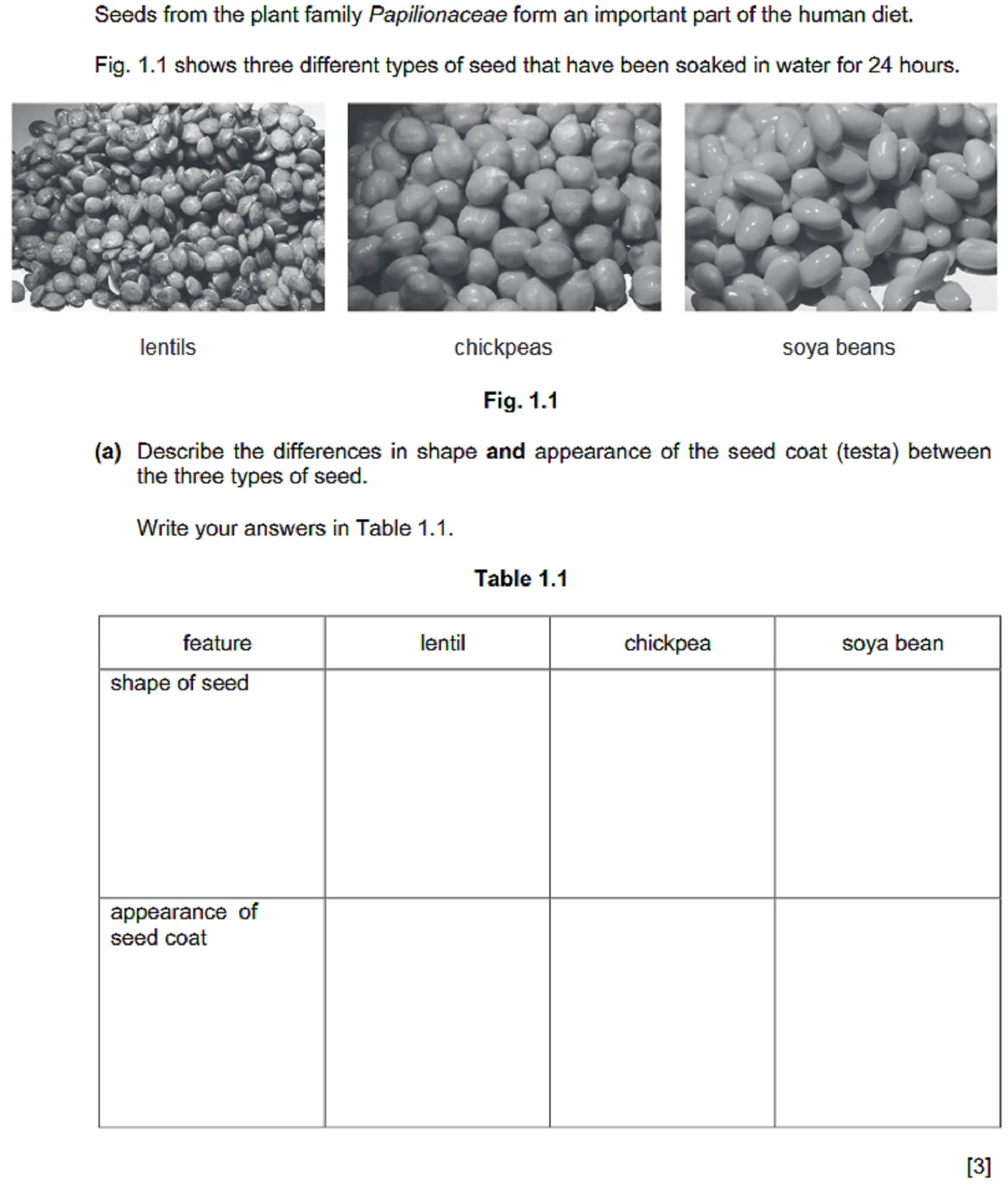



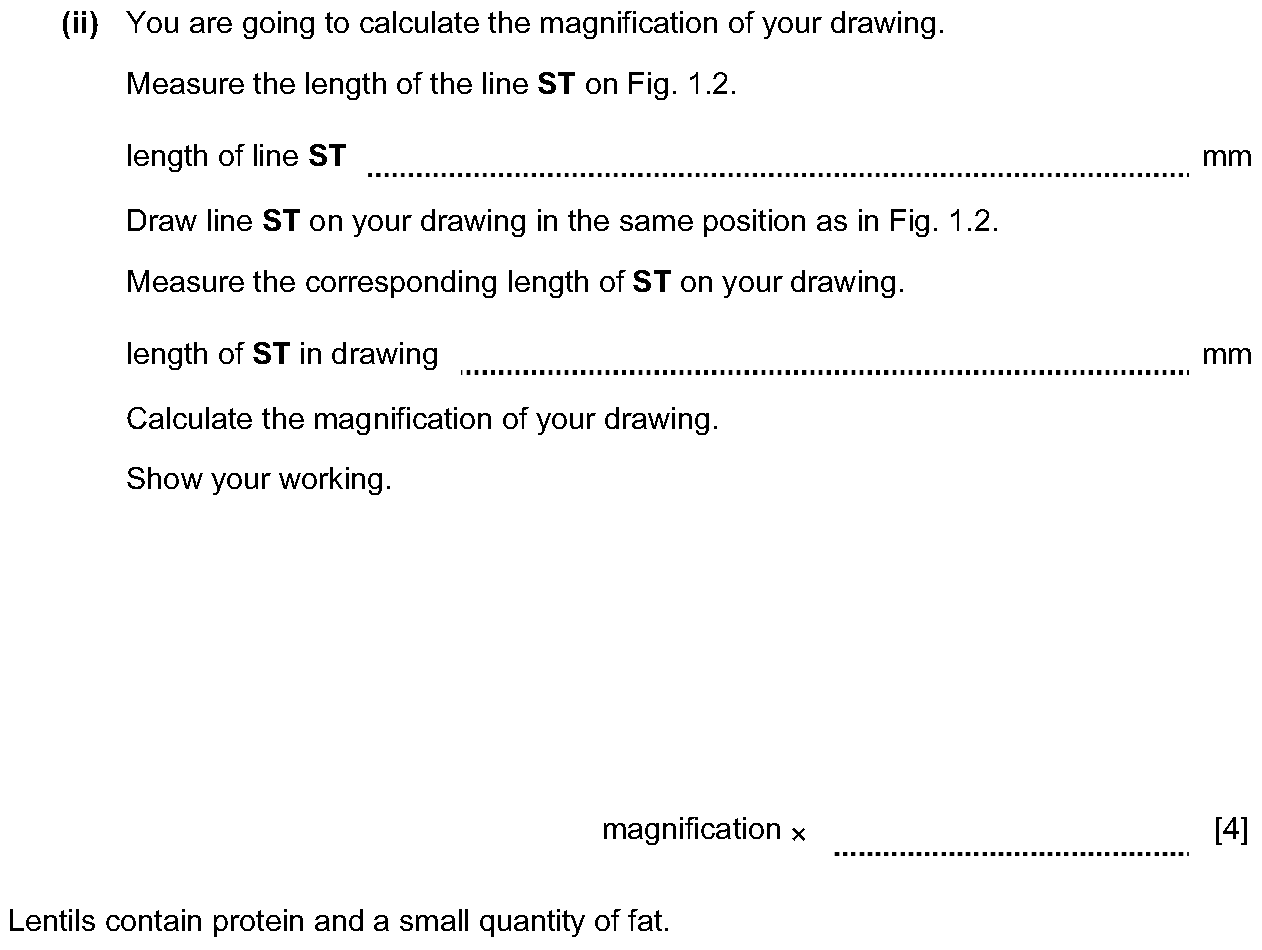
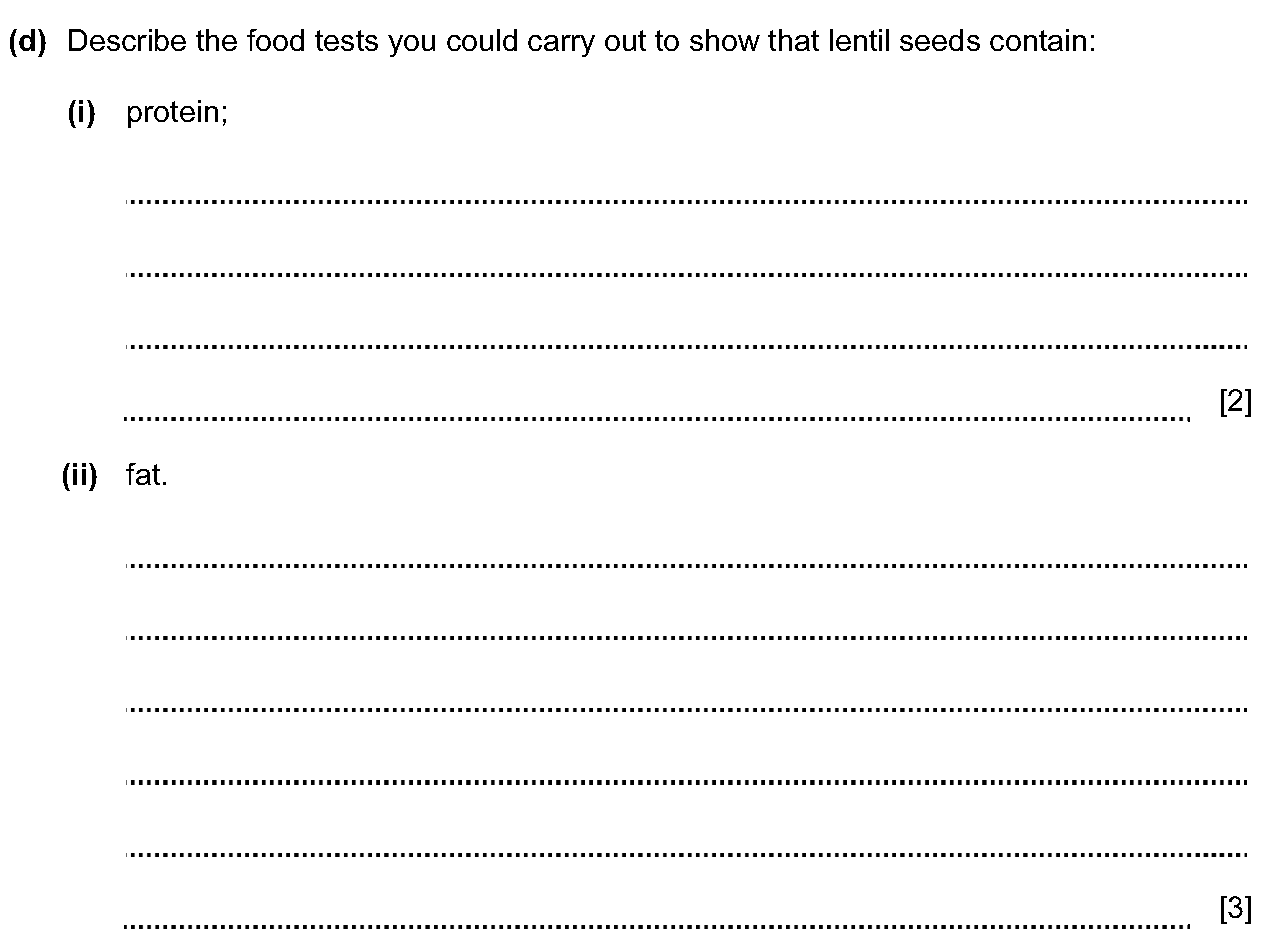

Answers to written questions are not published. Write your answer, then send the question number on WhatsApp to get the model answer.
Last updated: