13.1Chapter 13: Variation and Natural Selection
Variation in animals and plants — Alhussan Biology - Stage 9 Revision Notes & Topical Questions
5 min read 10 parts Lesson 1 of 8 2 quizzes
13.1 Variation in animals and plants — Genetic and Environmental Variation — Alhussan International Academy — Biology (Stages 7–9) notes: Distinguish genetic from environmental variation and continuous from discontinuous variation, and explain how variation arises and why it matt…
- Between species
- Within a species
- Easy to see
- Hard to see
- Blood groups
- Adaptation
Part 1 of 8What variation is
- No two individuals are exactly alike, except identical twins and clones.
- Between species a palm tree and a sunflower have a lot of genetic variation between them.
- Within a species animals share many genetic characteristics, which is why they breed successfully, but also differ from parents, siblings and cousins.
- Causes variation may result from genetic differences, environmental differences or an interaction of the two.
Part 2 of 8Variation in animals
- Easy to see some horses have longer legs than others and some butterflies have longer tongues.
- Puffins differ in the colour of their feet and in the shape and pattern of the beak, which lets us identify each bird.
- Hard to see it can involve characteristics that appear only some of the time or systems inside the animal.
- Some frogs call louder than others in the breeding season.
- Some people have lower blood pressure than others.
Part 3 of 8Human blood groups
- Blood groups
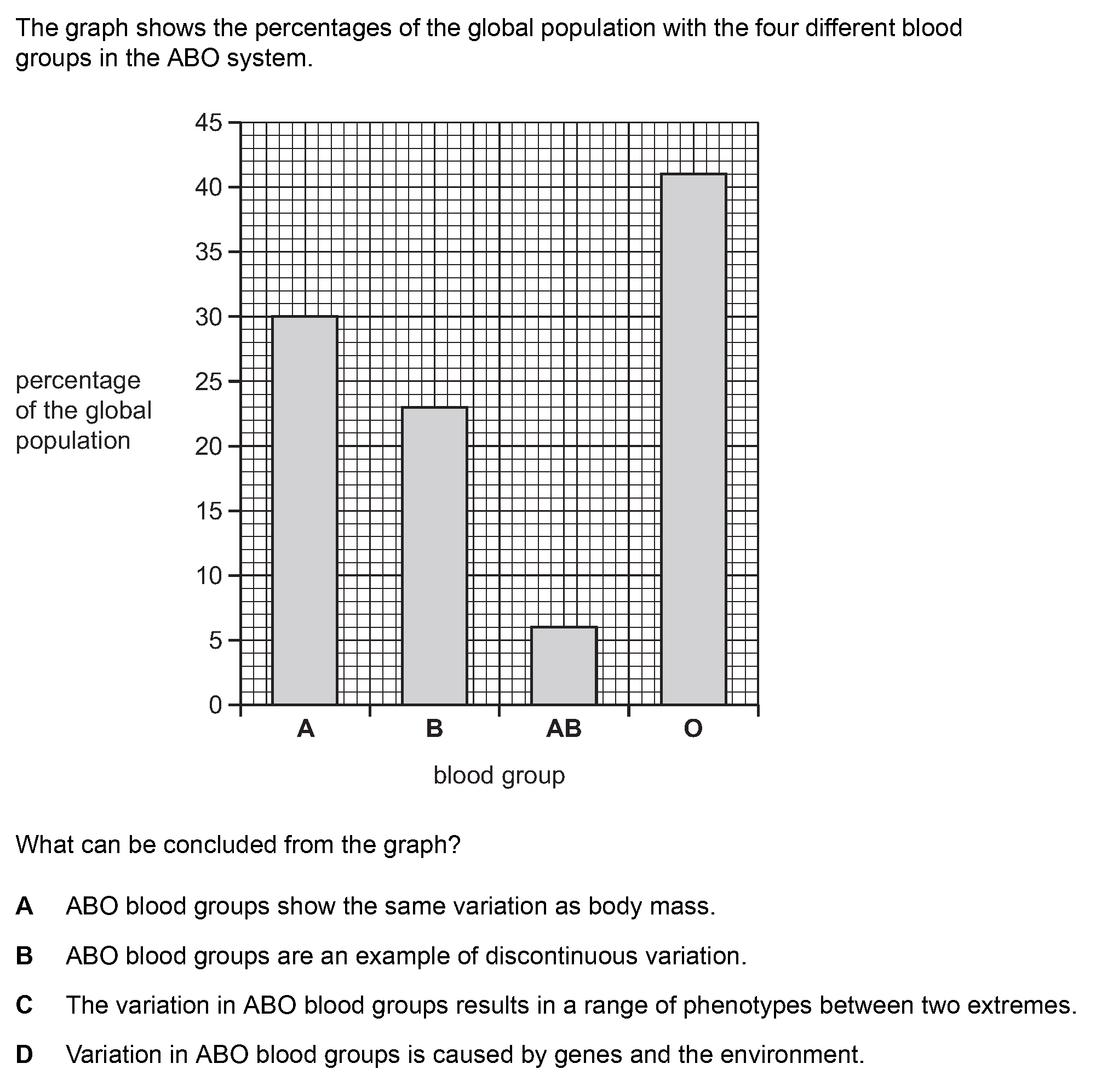
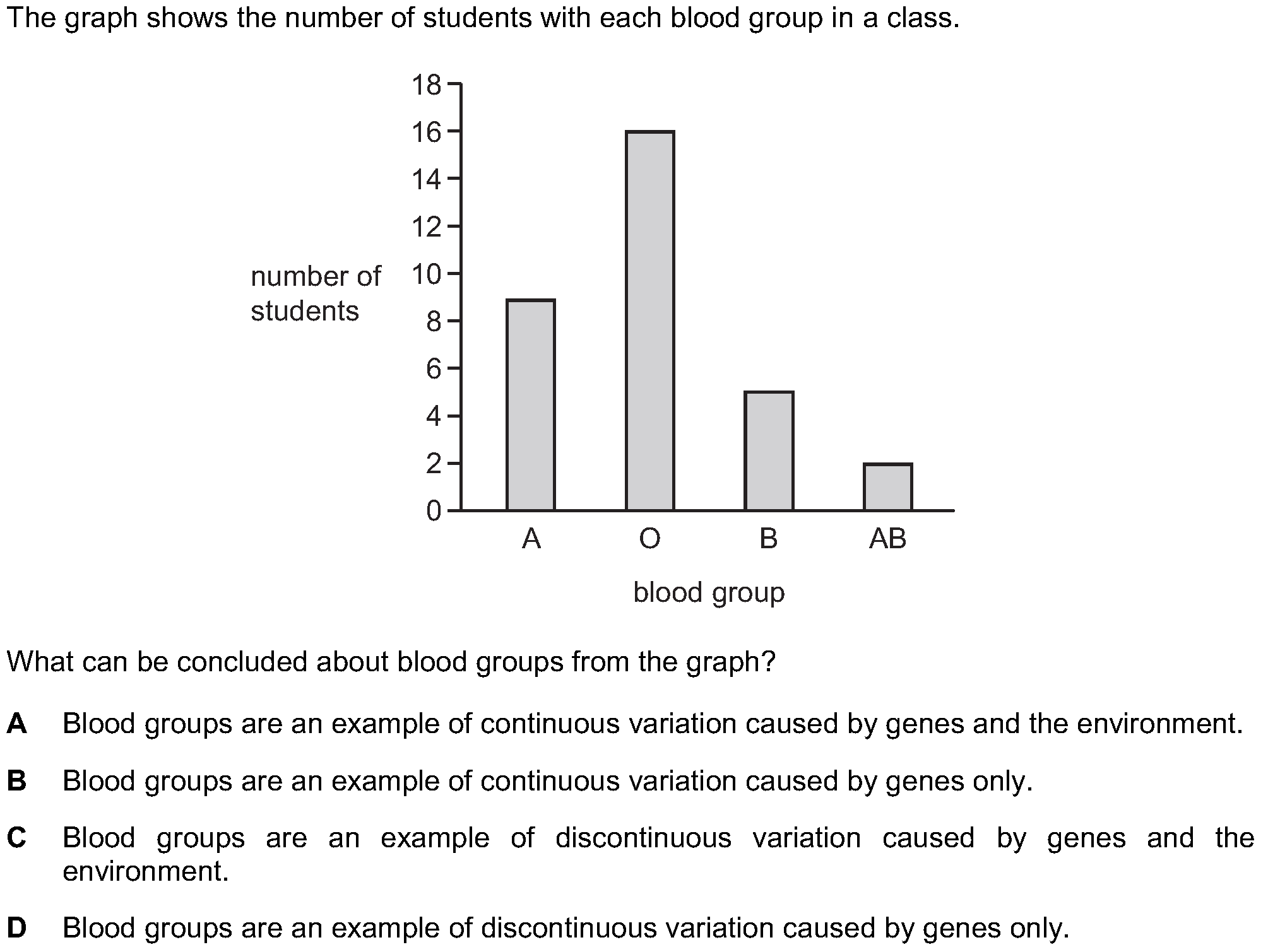
- A, B, AB and O are inherited genetic variation and stay the same throughout life.
- Nothing in the environment changes the group.
- The right blood type is essential for a transfusion, because the wrong blood group makes the patient very ill.
Part 4 of 8Variation in plants
- Fruit olive trees produce olives and date palms dates, but the fruit of some trees is bigger, sweeter and tastier even in the same conditions.
- Flowers all flowers of a species, such as early spider orchids, have the same basic shape and pattern but with variation.
- Adaptation shared features show how the species is adapted to its environment.
- Differences show the variation that lets the species adapt when the environment changes.
Part 5 of 8Genetic variation
- Sources meiosis shuffles the chromosomes so that each gamete is different, fertilisation is random and mutations create new alleles.
- Examples human blood group, eye colour and tongue rolling, and plant flower colour and seed shape.
Part 6 of 8Environmental variation
- A plant grown in shade is taller and paler than the same type grown in full sun.
- A person who exercises has more muscle, and a poor diet may make a person smaller.
- Scars, language and tanned skin are environmental.
- Both together height and mass depend on genes and environment, since good nutrition is needed to reach inherited height potential.
- Identical twins those raised in different places show how the environment alters genetically identical individuals.
Part 7 of 8Continuous and discontinuous variation
| Type | Description | Example | Graph |
|---|---|---|---|
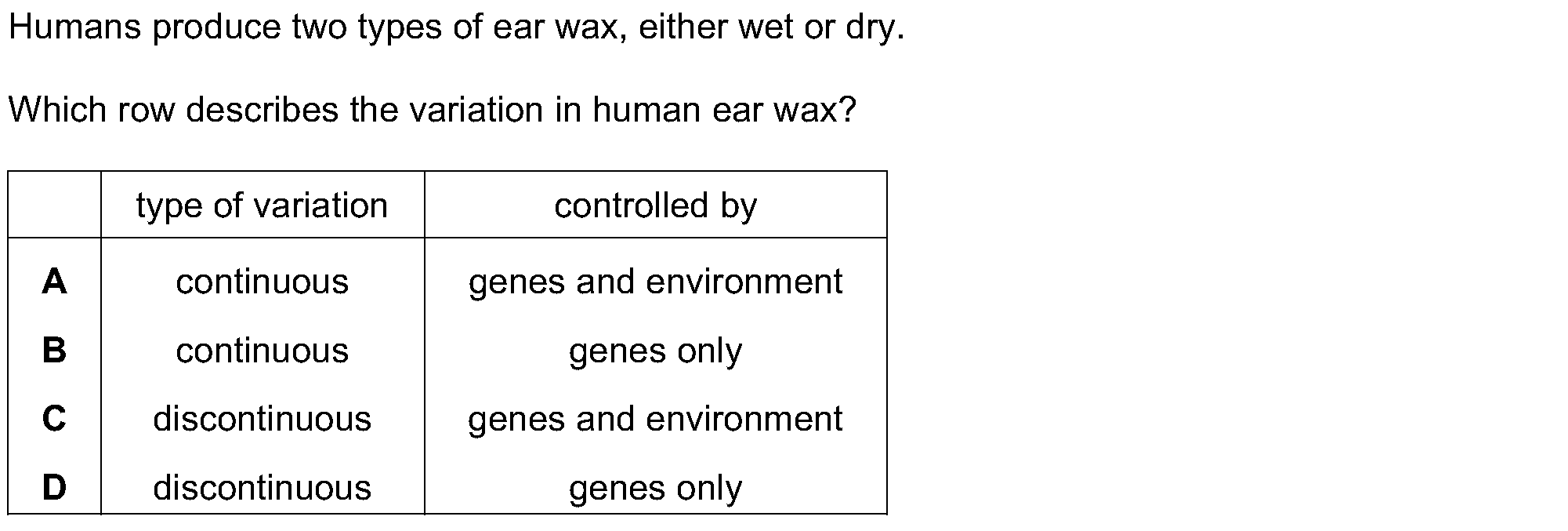
| Continuous | Any value in a range; many genes and environment | Height, mass, leaf length | Bell-shaped histogram |
| Discontinuous | Distinct groups with no in-betweens; mostly genes | Blood group, tongue rolling | Bar chart |
- Investigating
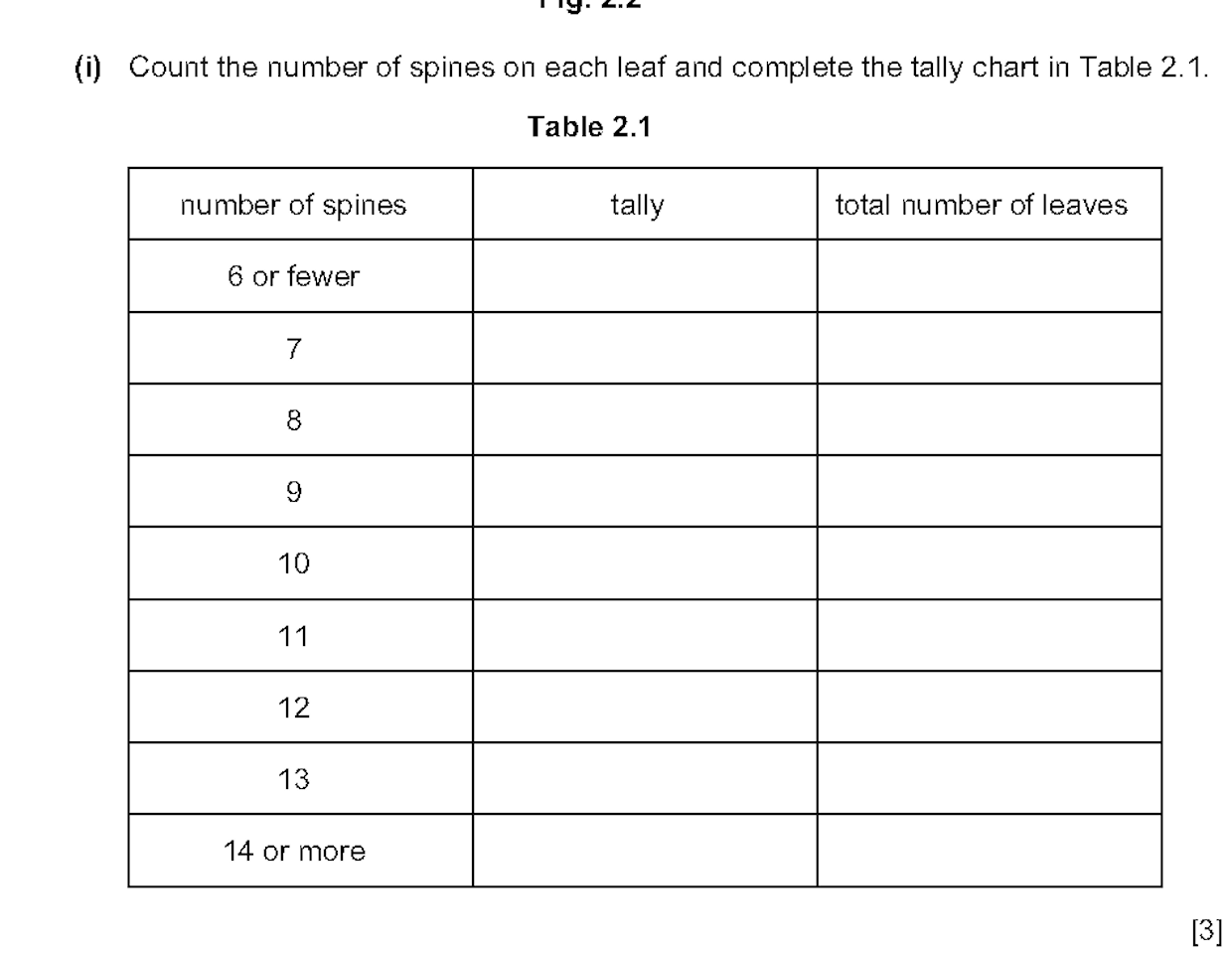
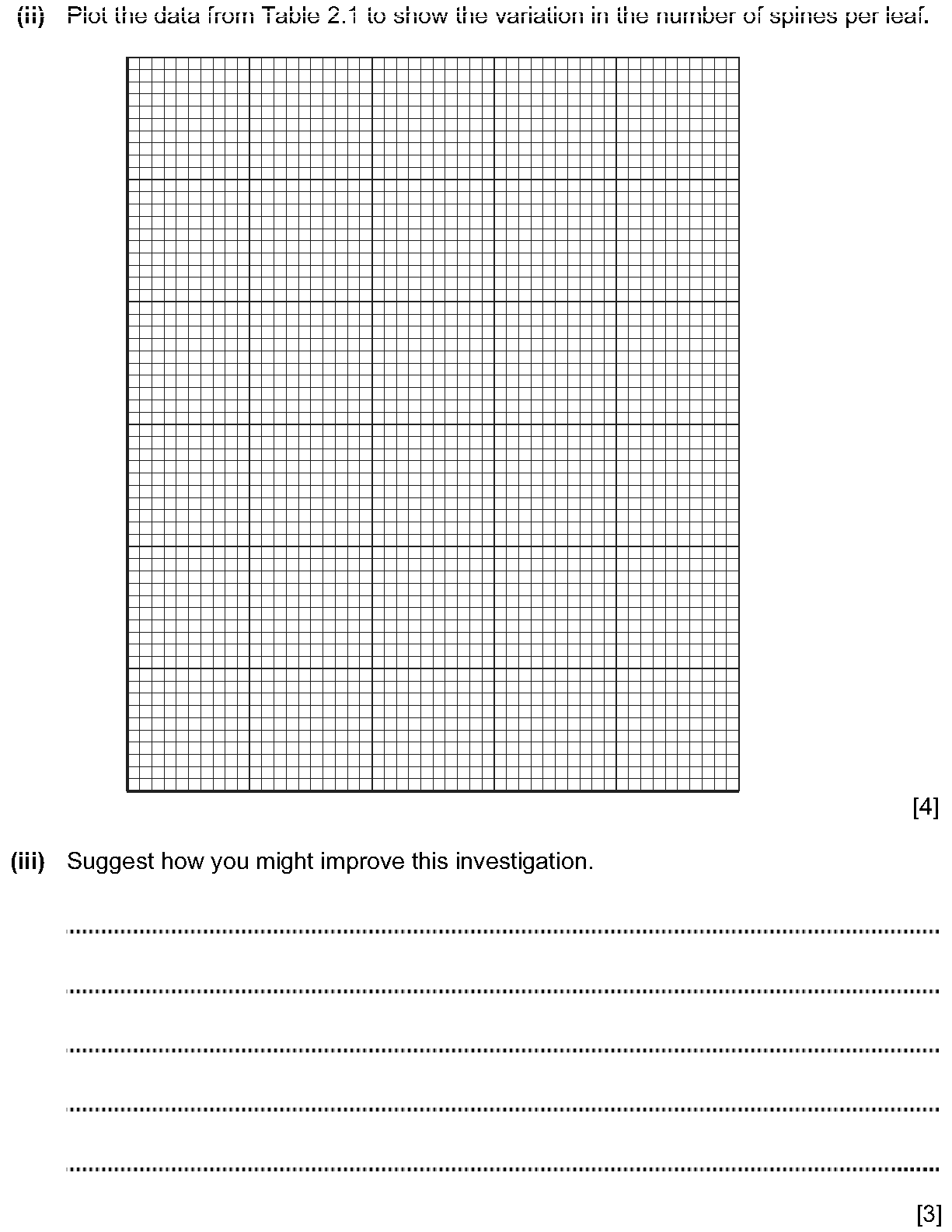
- measure a characteristic in a large sample, such as the length of 50 leaves, group the data into classes and draw a histogram.
- A normal distribution has most values near the mean and few at the extremes.
- Summarise results by the mean and the range, using the same measuring method.
Part 8 of 8Why variation matters
- Natural selection variation allows it to occur.
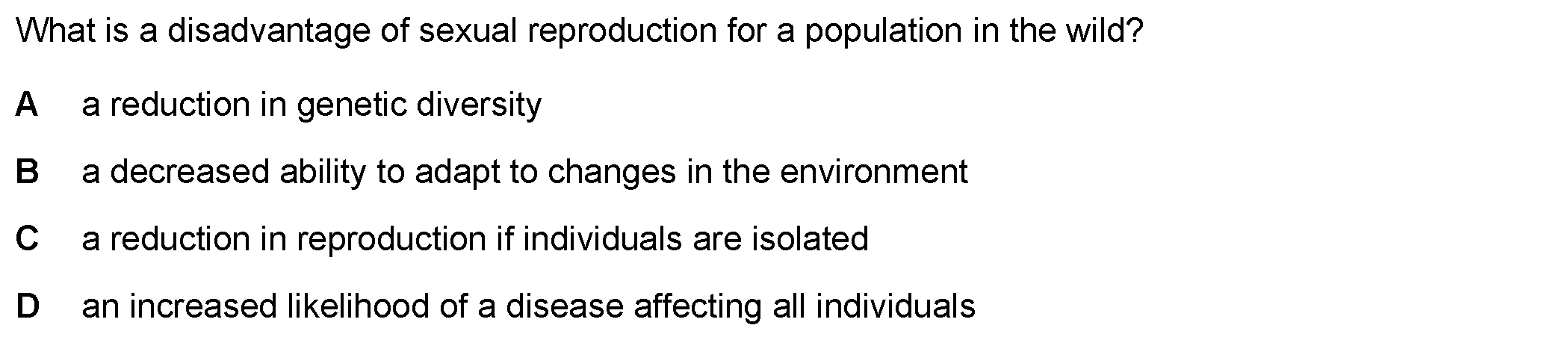
- If all individuals were identical, a change such as a new disease could kill the whole population.
- Selective breeding farmers and breeders use variation to choose animals or plants with the best features.
Key terms
| Term | Meaning |
|---|---|
| Variation | Differences between individuals of a species. |
| Genetic variation | Variation caused by inherited genes. |
| Environmental variation | Variation caused by conditions during life. |
| Continuous variation | Variation with a range of values between extremes. |
| Discontinuous variation | Variation in distinct groups with no in-betweens. |
| Mutation | A random change in a gene. |
Avoid these mistakes
Marked practiceQuizzes for this lesson
?What do you want to solve now?
✓Checkpoint Quiz
8 multiple-choice + 1 written questions from real exam papers on this lesson.
Question 1 of 8 1:30

Question 2 of 8 1:30
Question 3 of 8 1:30
Question 4 of 8 1:30
Question 5 of 8 1:30

Question 6 of 8 1:30
Question 7 of 8 1:30
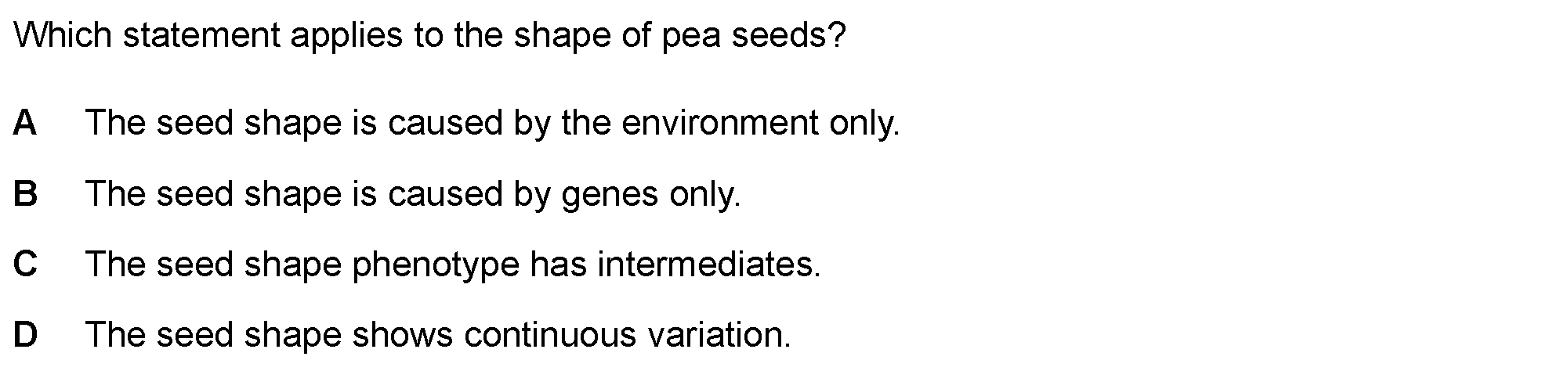
Question 8 of 8 1:30

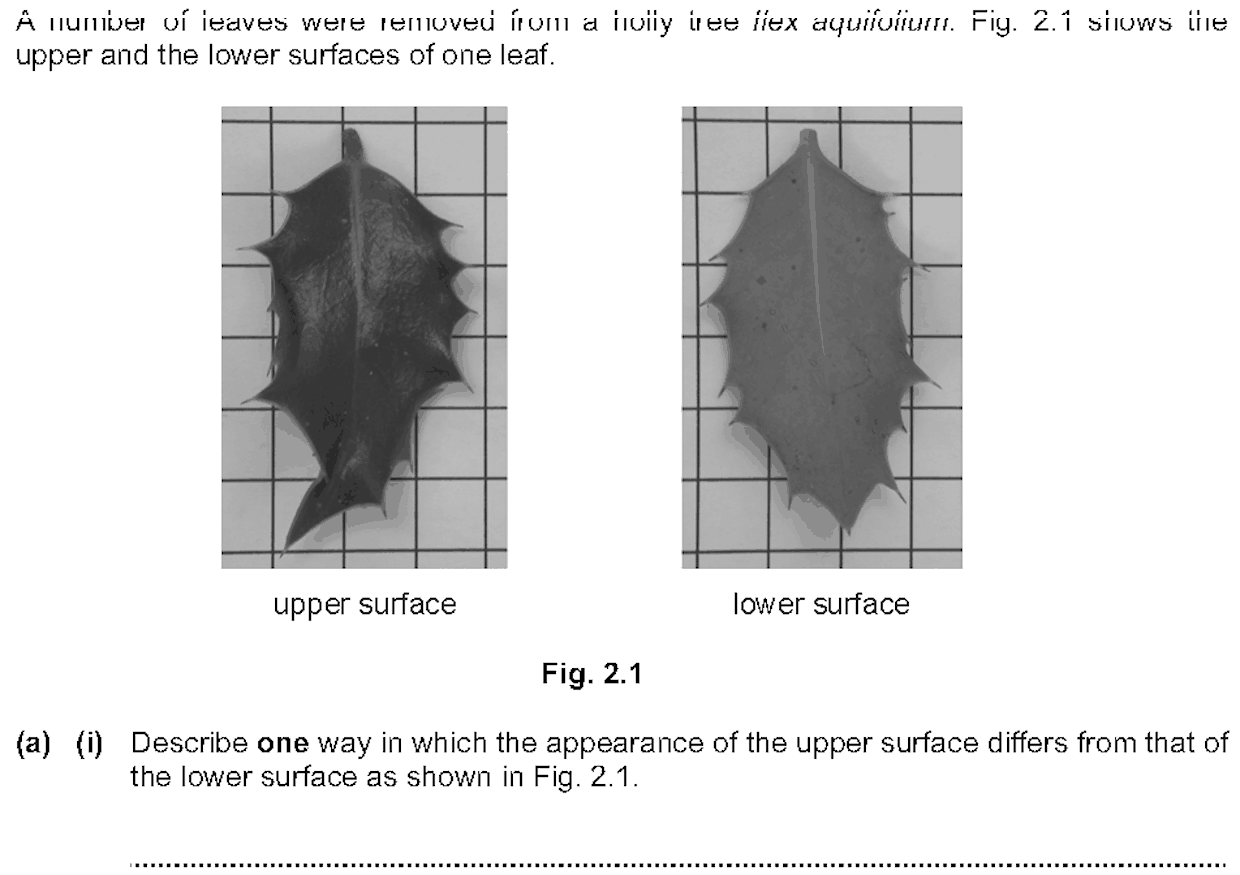
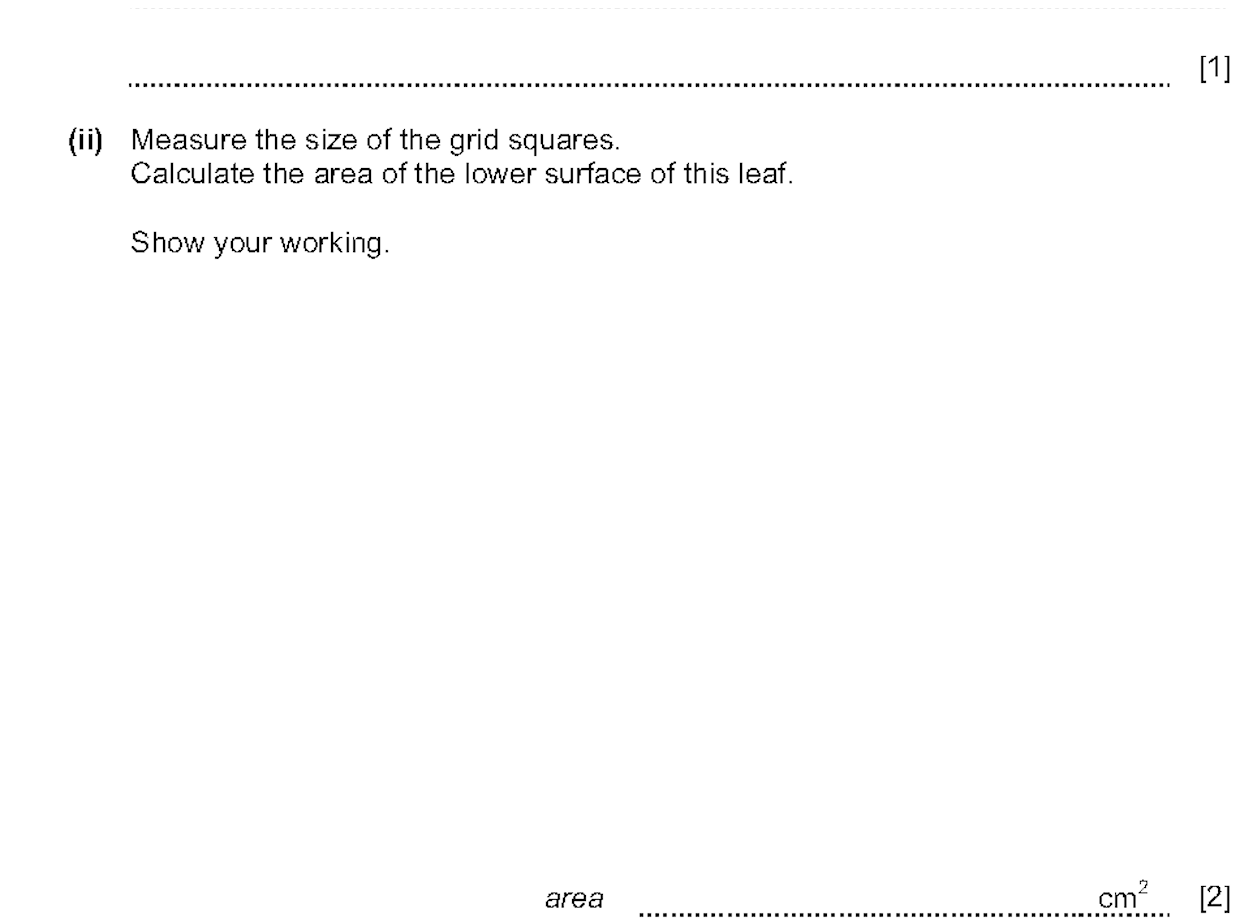
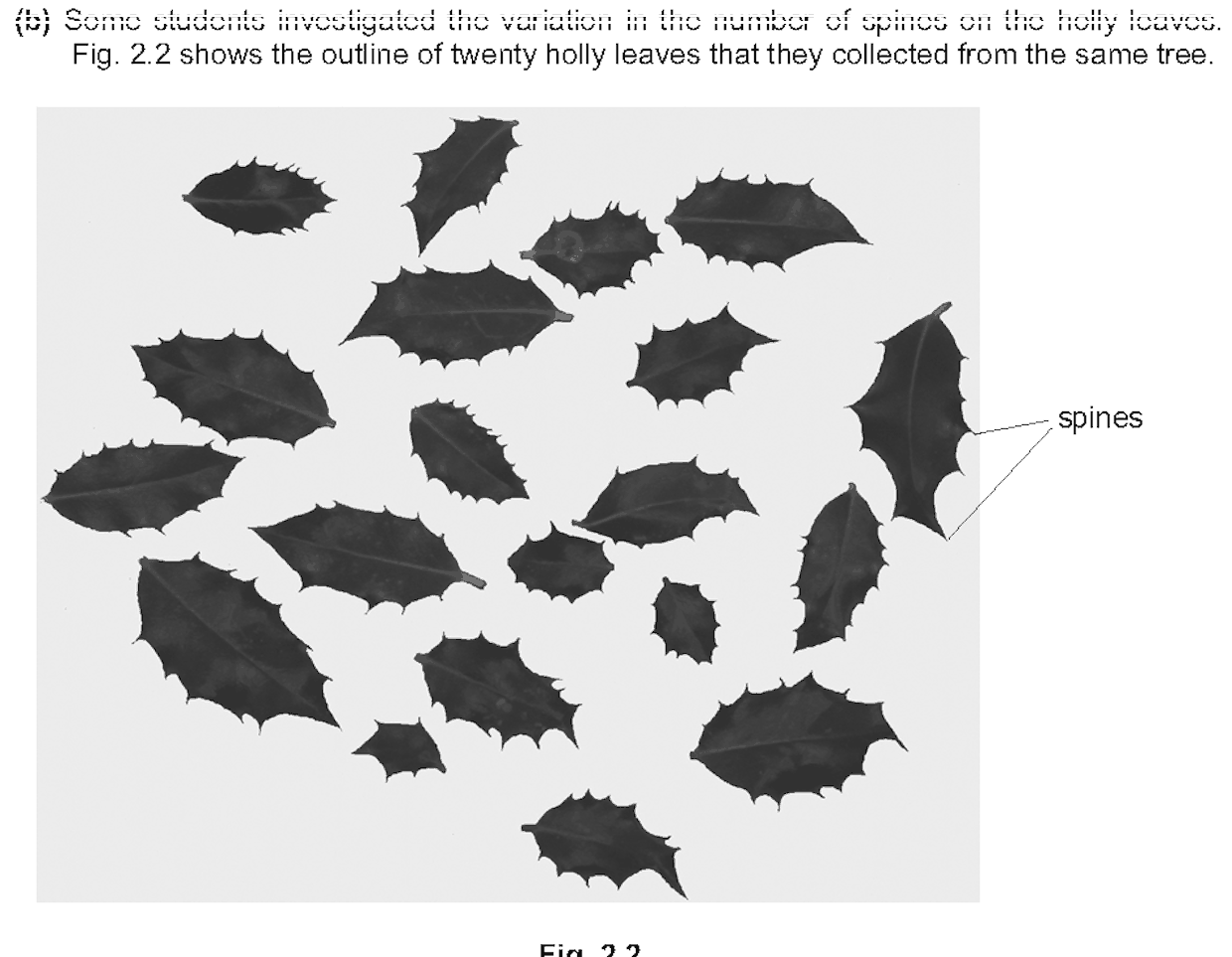
Answers to written questions are not published. Write your answer, then send the question number on WhatsApp to get the model answer.
Last updated: