10.5Chapter 10: Structure, Bonding, and Properties
Covalent bonding — Alhussan Chemistry - Stage 9 Revision Notes & Topical Questions
5 min read 8 parts Lesson 5 of 9 2 quizzes
10.5 Covalent bonding — Sharing Electron Pairs in Molecules — Alhussan International Academy — Chemistry (Stages 7–9) notes: Define a covalent bond and draw dot-and-cross diagrams to show shared electron pairs in simple molecules.Covalent bond = a shared pair of electrons that jo…
- Dots and crosses
- Outer shells only
- Double bond
- Number of bonds
- Structural formulae
- Compounds of non-metals
Part 1 of 6What a covalent bond is
- It forms when two non-metal atoms share electrons so that each gains a full outer shell.
- The shared pair is attracted to both nuclei, which holds the atoms together.
- Examples include water, carbon dioxide, methane, ammonia and the diatomic elements H2, Cl2 and O2.
Part 2 of 6Why atoms form covalent bonds
- Nitrogen its atom has five outer electrons and needs three more to fill the outer shell with eight, which is stable.
- Hydrogen its atom has one outer electron and needs one more to fill its shell.
- Ammonia nitrogen and hydrogen reach full outer shells by sharing electrons, and each shared pair is one covalent bond.
- Its formula is NH3, with three hydrogen atoms for every nitrogen atom.
- Fish release ammonia as a waste product of digestion, as a gas through the gills, and it has a bad smell.
Part 3 of 6Drawing dot-and-cross diagrams
- Dots and crosses electrons from one atom are shown as dots and from the other as crosses, but all the electrons are the same.
- Outer shells only inner shells are not drawn.
| Molecule | Formula | Bonds |
|---|---|---|
| Hydrogen | H2 | 1 single bond |
| Water | H2O | 2 single bonds, 2 lone pairs on O |
| Ammonia | NH3 | 3 single bonds, 1 lone pair on N |
| Methane | CH4 | 4 single bonds |
| Oxygen | O2 | 1 double bond |
| Carbon dioxide | CO2 | 2 double bonds |
- Hydrogen it needs only two electrons in its outer shell, whereas the others need eight.
Part 4 of 6Predicting formulae
- Number of bonds an atom makes as many covalent bonds as the electrons it needs to complete its outer shell.
- Hydrogen and chlorine make one bond, oxygen two, nitrogen three and carbon four.
- Examples carbon with hydrogen gives CH4, nitrogen with hydrogen gives NH3, and water has oxygen bonded to two hydrogens.
- Structural formulae a line represents a shared pair, so H-O-H is water and O=C=O is carbon dioxide.
Part 5 of 6Which substances have covalent bonds
- Compounds of non-metals most exist as molecules in which every atom has a share in a full outer shell,
- such as methane (CH4) and hydrogen sulfide (H2S).
- Non-metal elements helium, neon, argon, krypton and xenon exist as single atoms.
- Most other non-metal elements exist as molecules,
- such as hydrogen (H2) and chlorine (Cl2),
- where each atom contributes one electron to the shared pair.
- Ionic or covalent ionic bonds form in compounds of a metal with a non-metal,
- and covalent bonds form in compounds of non-metals and in non-metal elements.
Part 6 of 6Properties of simple covalent substances
- Bonds the covalent bonds inside molecules are strong, but the forces between molecules are weak.
- Melting and boiling points little energy is needed to separate the molecules, so they are low.
- Conductivity they do not conduct electricity because they have no free charged particles.
Key terms
| Term | Meaning |
|---|---|
| Covalent bond | a shared pair of electrons between two atoms. |
| Molecule | a small group of atoms joined by covalent bonds. |
| Double bond | two pairs of electrons shared between two atoms. |
| Lone pair | a pair of outer electrons not used in bonding. |
| Dot-and-cross diagram | a diagram showing outer electrons as dots and crosses. |
| Diatomic | made of molecules containing two atoms. |
Avoid these mistakes
Marked practiceQuizzes for this lesson
?What do you want to solve now?
✓Checkpoint Quiz
15 multiple-choice + 3 written questions from real exam papers on this lesson.
Question 1 of 15 1:30

Question 2 of 15 1:30
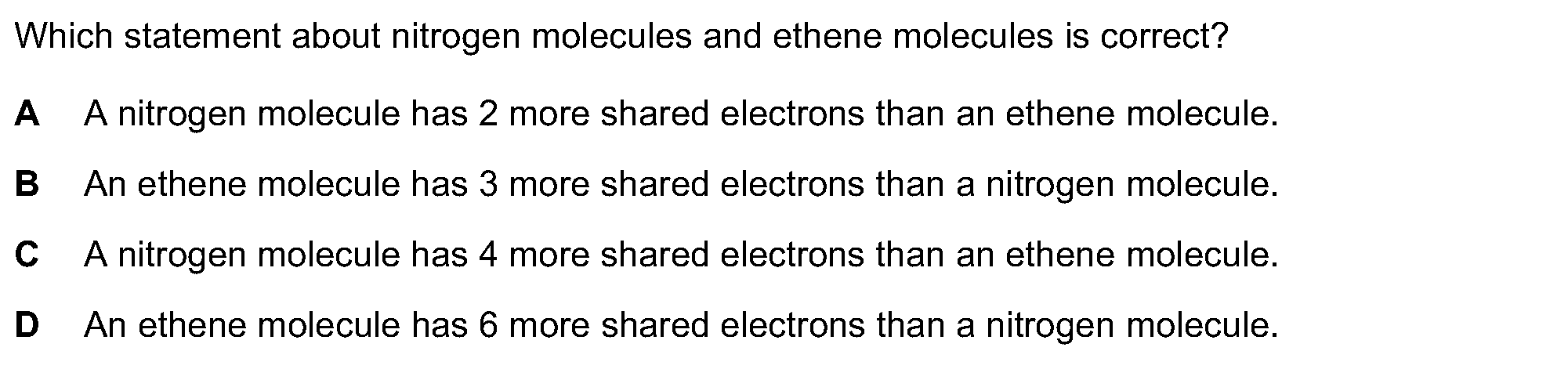
Question 3 of 15 1:30
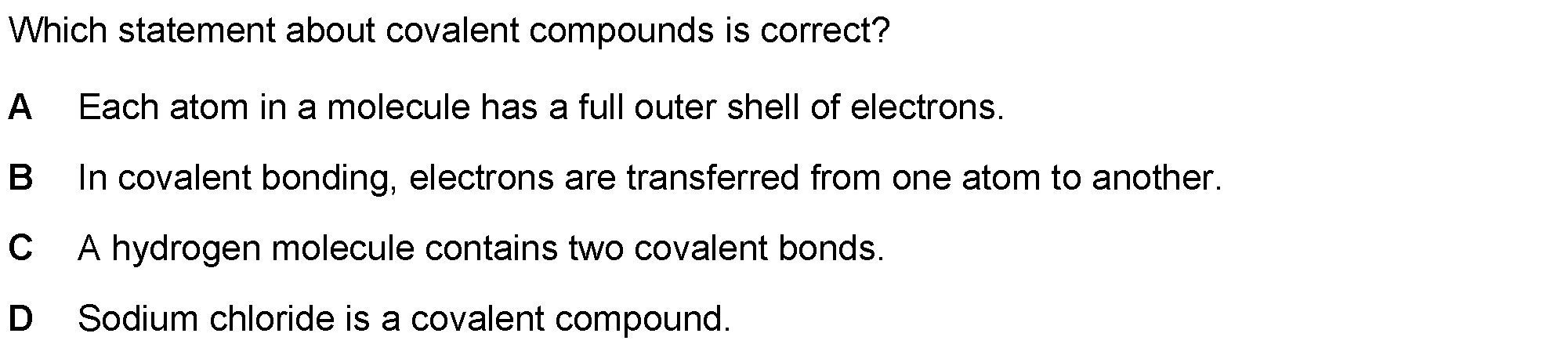
Question 4 of 15 1:30

Question 5 of 15 1:30
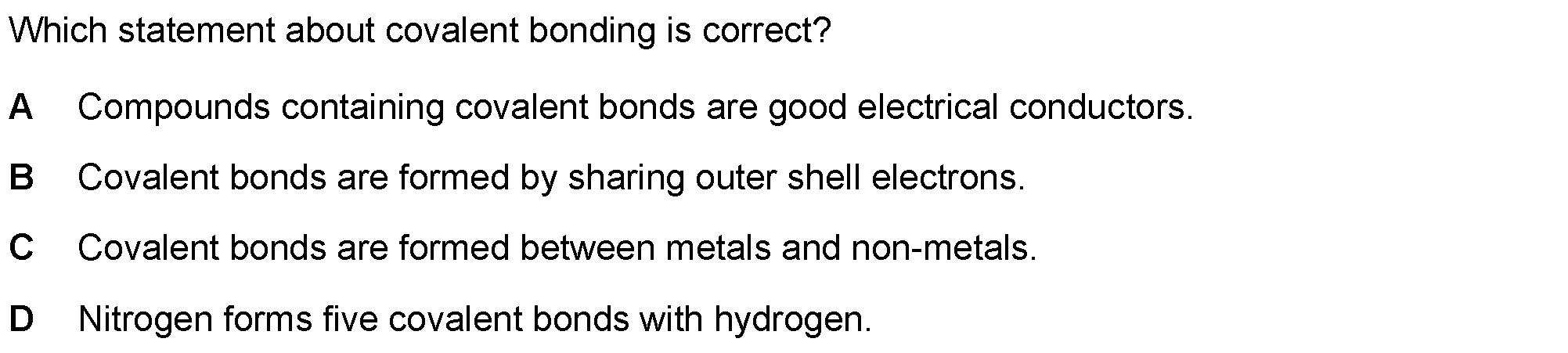
Question 6 of 15 1:30

Question 7 of 15 1:30

Question 8 of 15 1:30
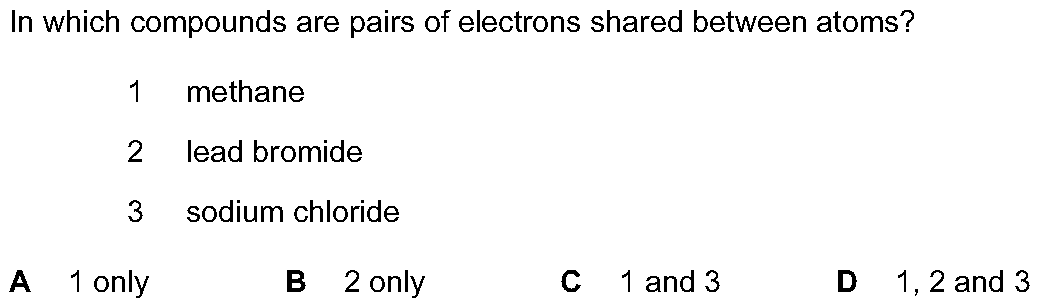
Question 9 of 15 1:30
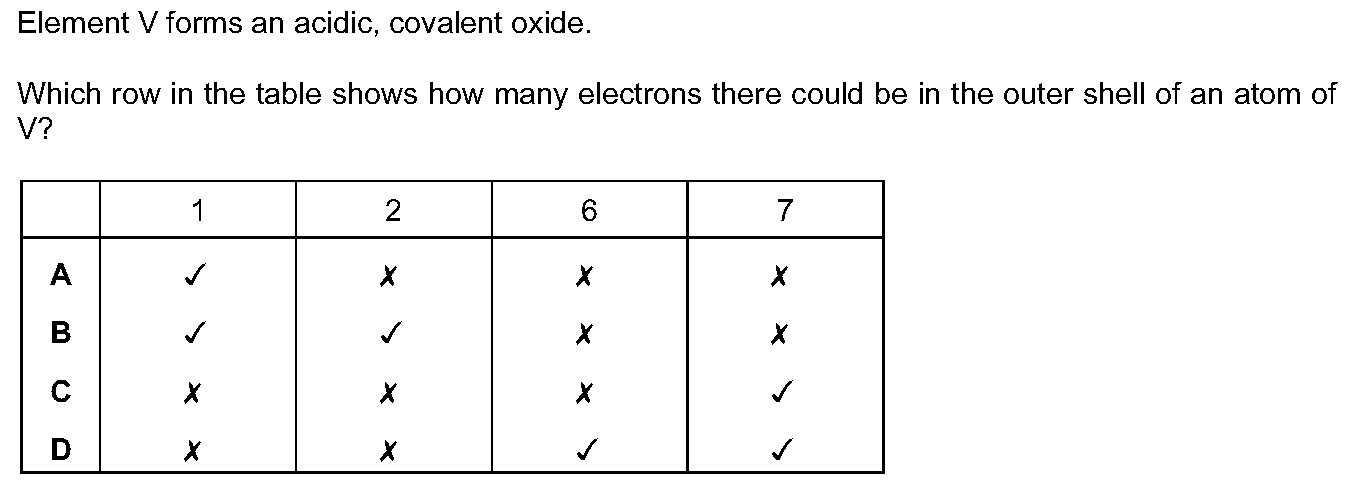
Question 10 of 15 1:30
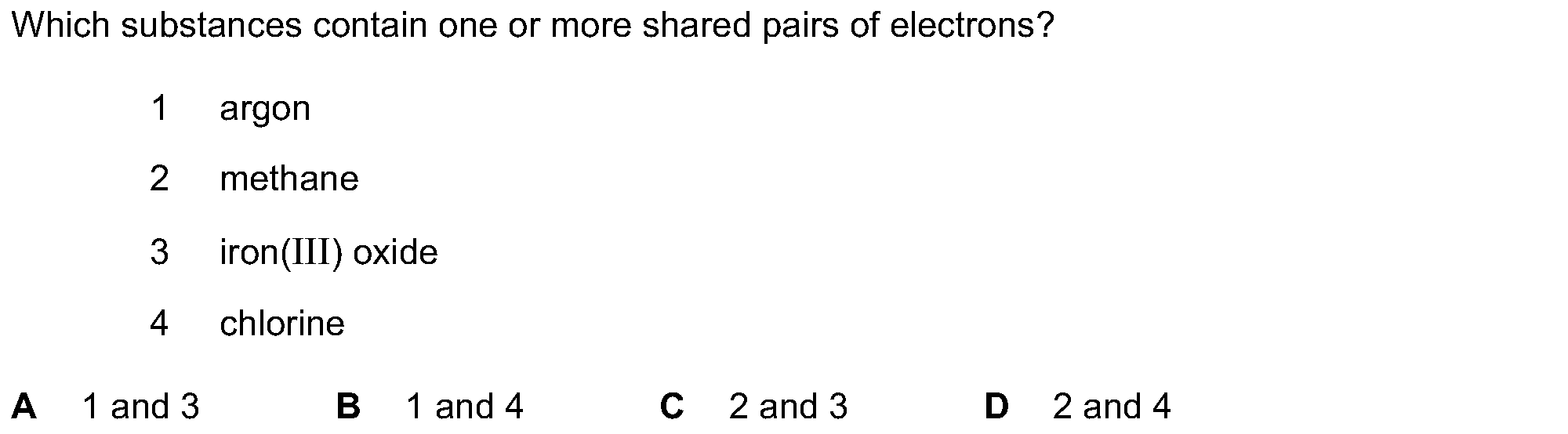
Question 11 of 15 1:30

Question 12 of 15 1:30
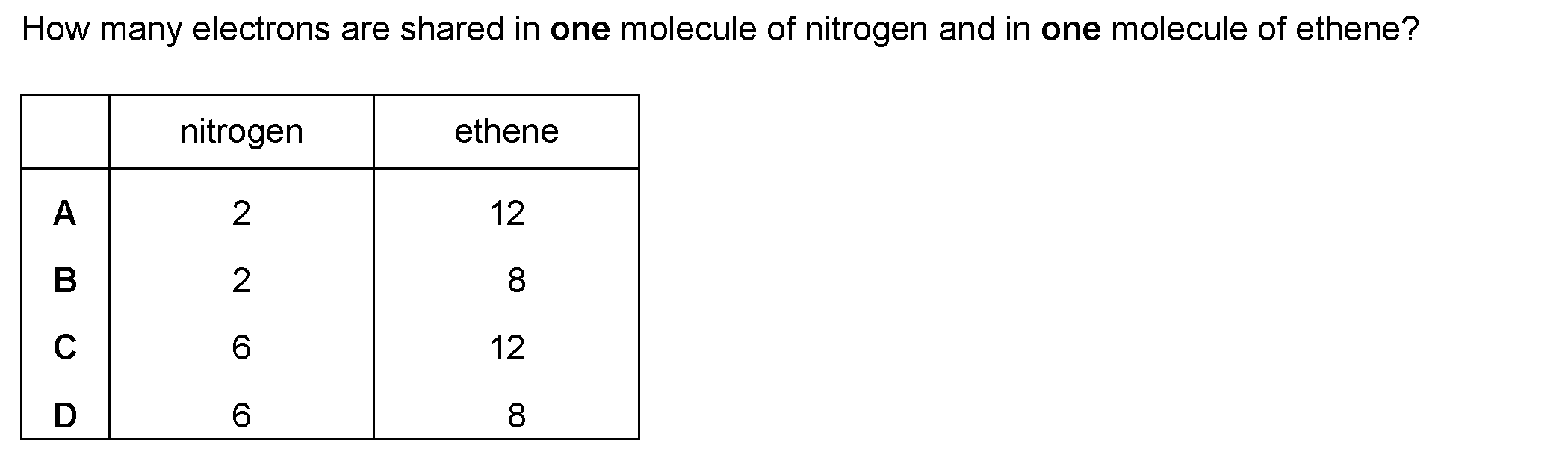
Question 13 of 15 1:30
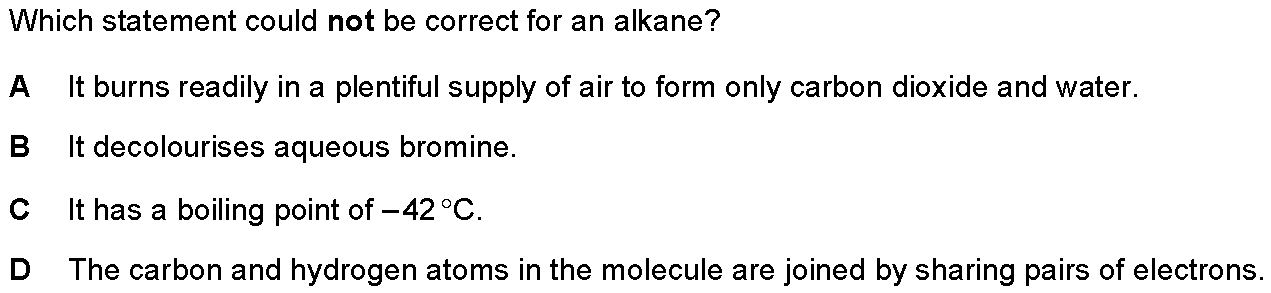
Question 14 of 15 1:30

Question 15 of 15 1:30

Answer key
1 B2 D3 A4 D5 B6 B7 D8 A9 D10 D11 C12 C13 B14 C15 C
Written question 1 of 3 · part (a)(i) (1 / 5) 3:00
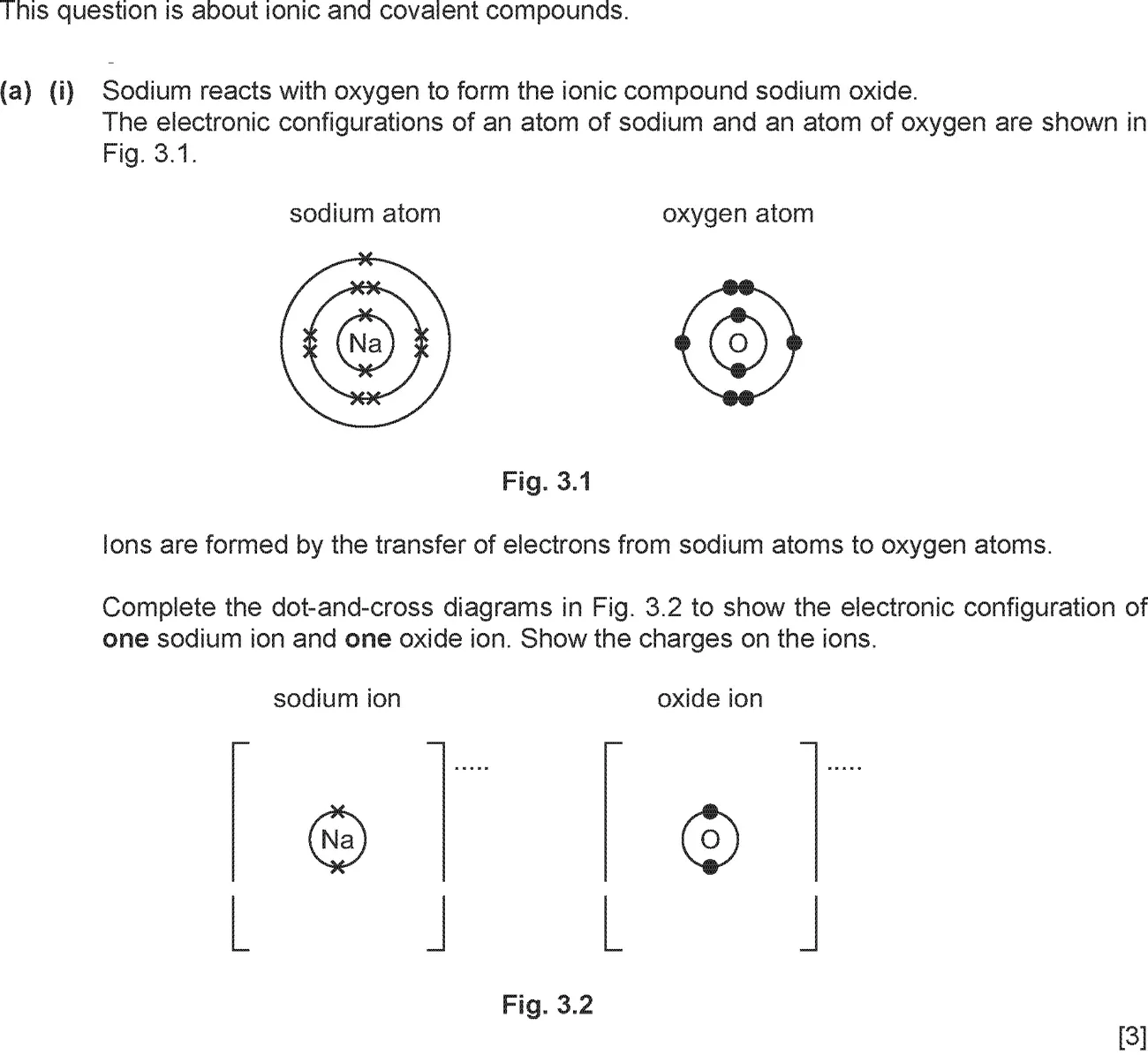
Show the answer

Written question 1 of 3 · part (a)(ii) (2 / 5) 3:00
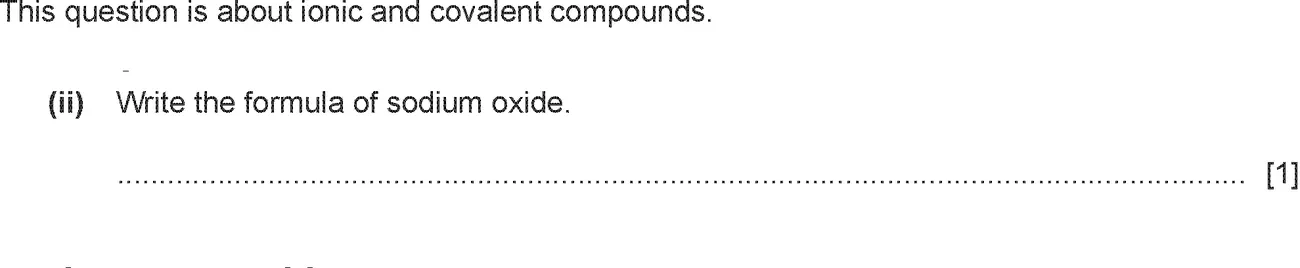
Show the answer

Written question 1 of 3 · part (b) (3 / 5) 3:00
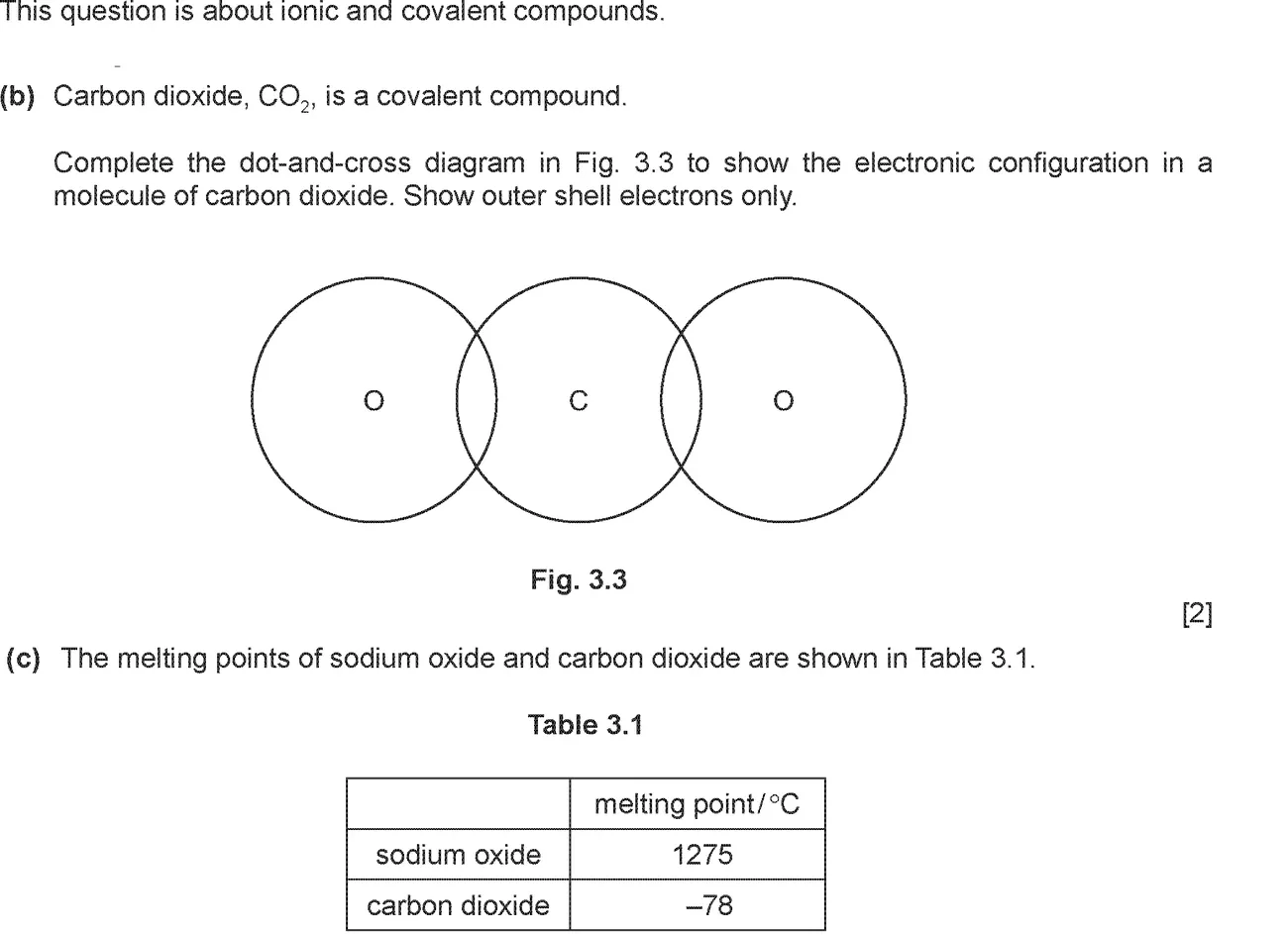
Show the answer

Written question 1 of 3 · part (c)(i) (4 / 5) 3:00
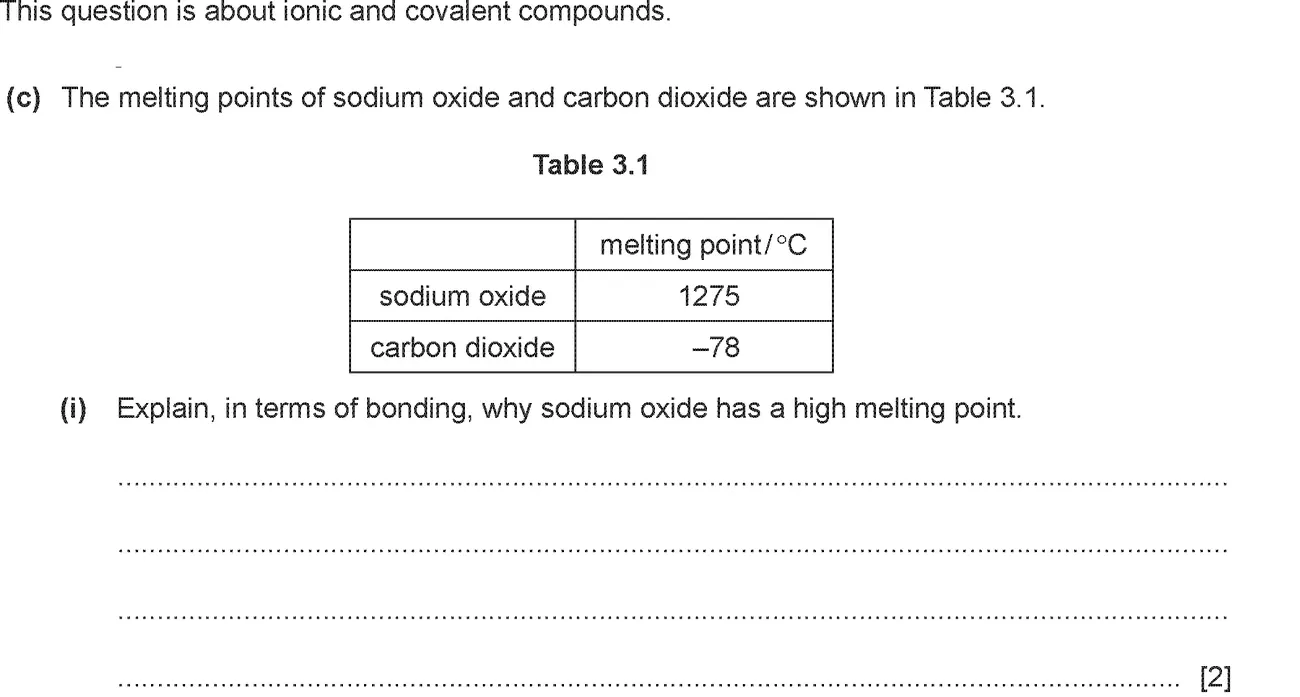
Show the answer

Written question 1 of 3 · part (c)(ii) (5 / 5) 3:00

Show the answer

Written question 2 of 3 · part (a) (1 / 12) 3:00
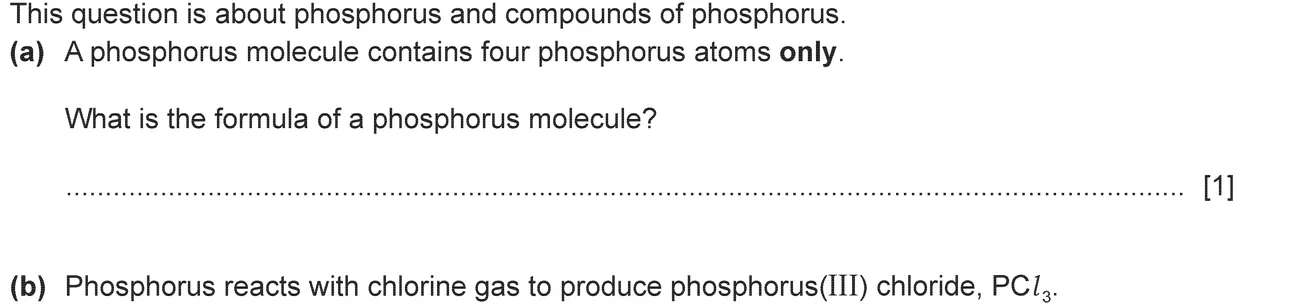
Show the answer

Written question 2 of 3 · part (b)(i) (2 / 12) 3:00

Show the answer
Written question 2 of 3 · part (b)(ii) (3 / 12) 3:00

Show the answer
Written question 2 of 3 · part (c)(i) (4 / 12) 3:00
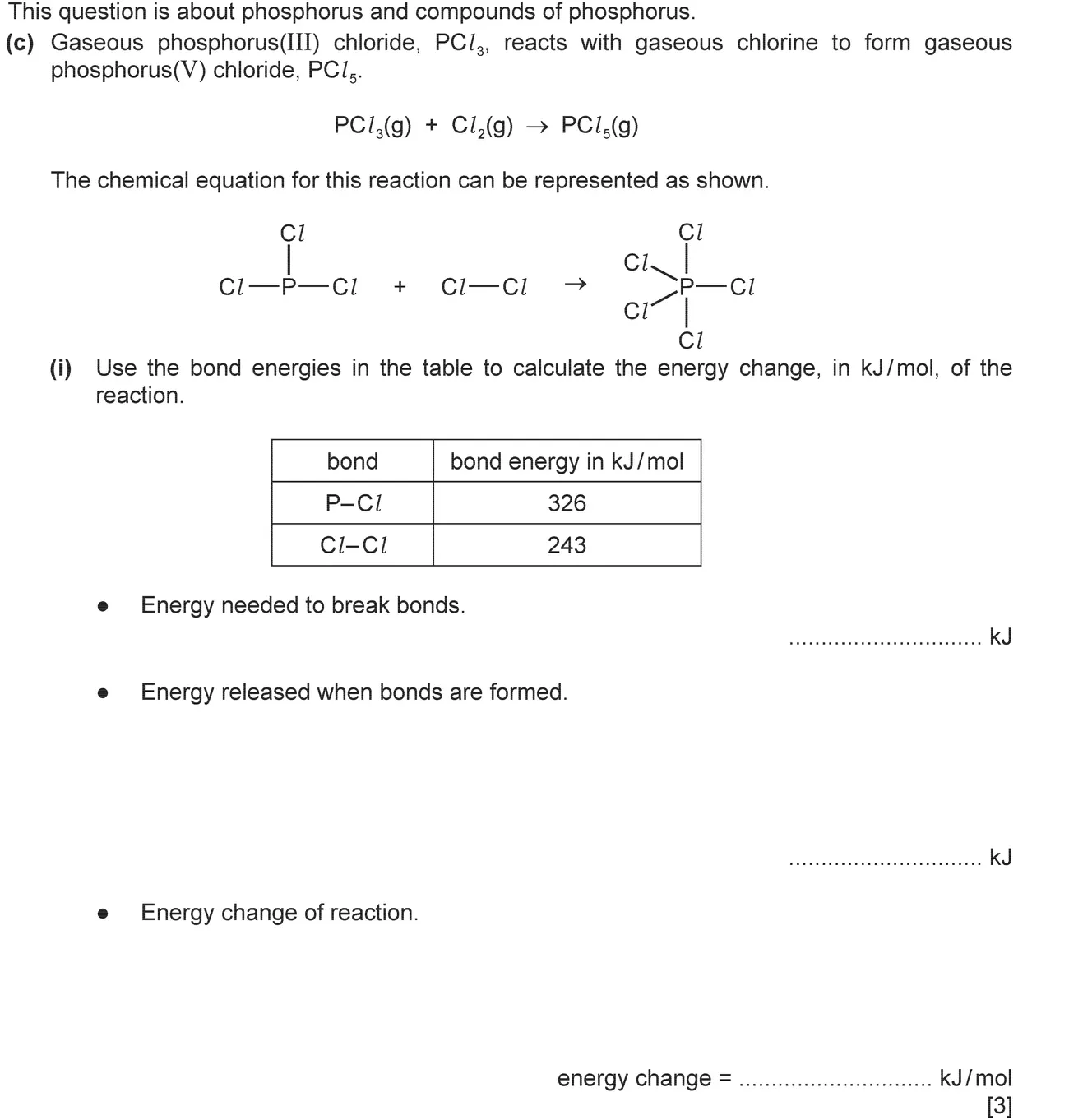
Show the answer
Written question 2 of 3 · part (c)(ii) (5 / 12) 3:00
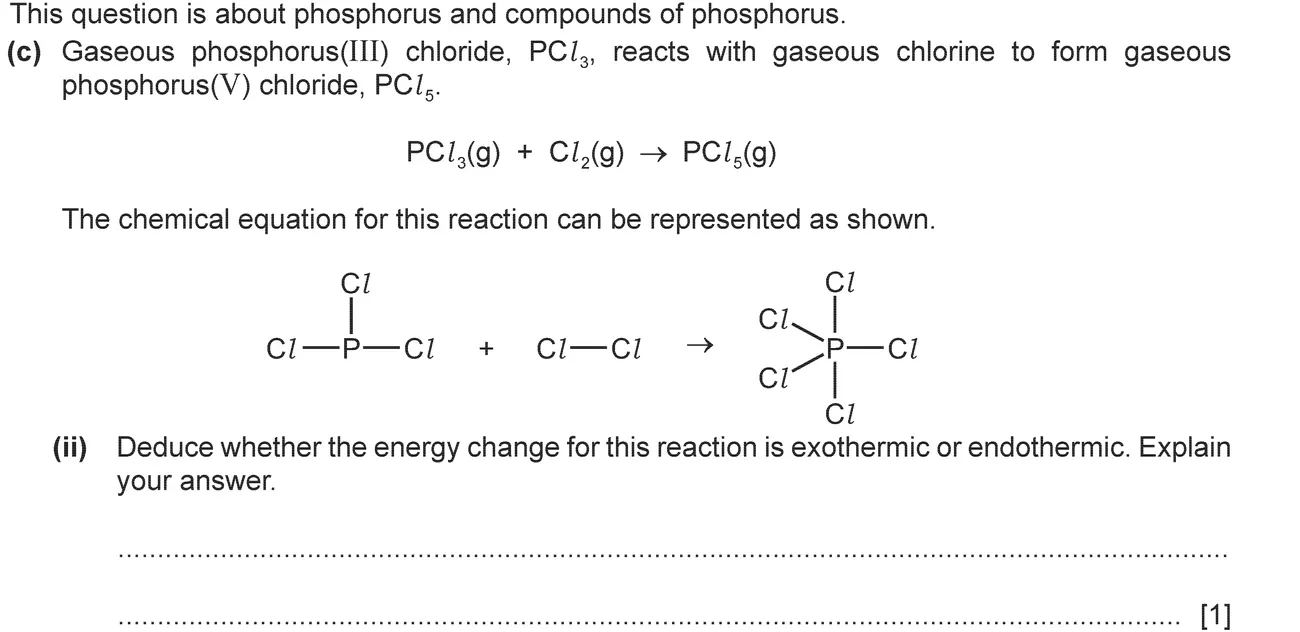
Show the answer
Written question 2 of 3 · part (d) (6 / 12) 3:00
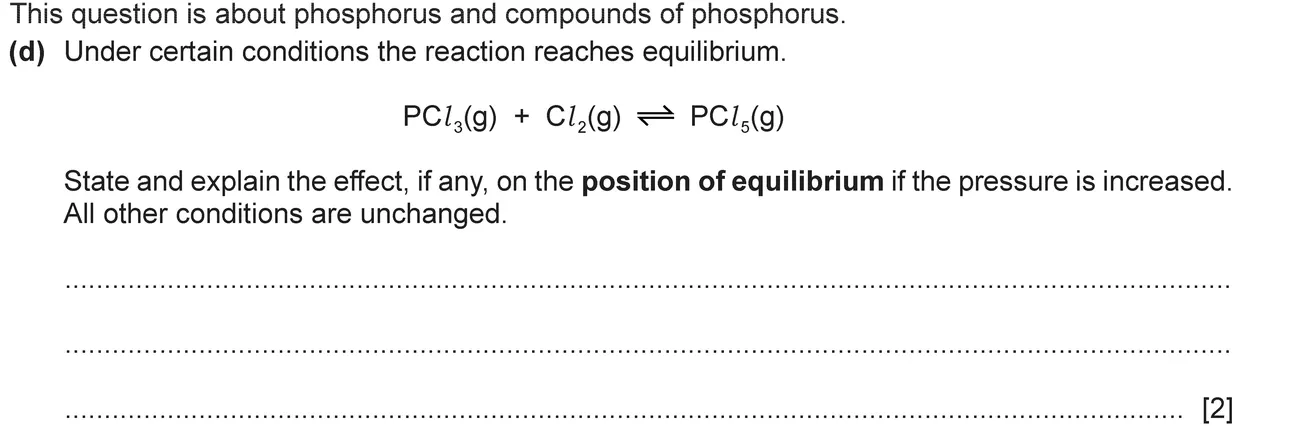
Show the answer
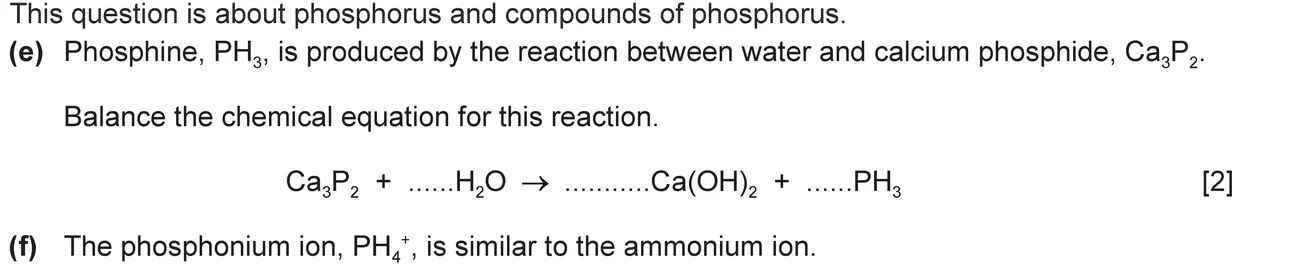
Written question 2 of 3 · part (e) (7 / 12) 3:00
Show the answer
Written question 2 of 3 · part (f)(i) (8 / 12) 3:00

Show the answer
Written question 2 of 3 · part (f)(ii) (9 / 12) 3:00

Show the answer
Written question 2 of 3 · part (g) (10 / 12) 3:00

Show the answer
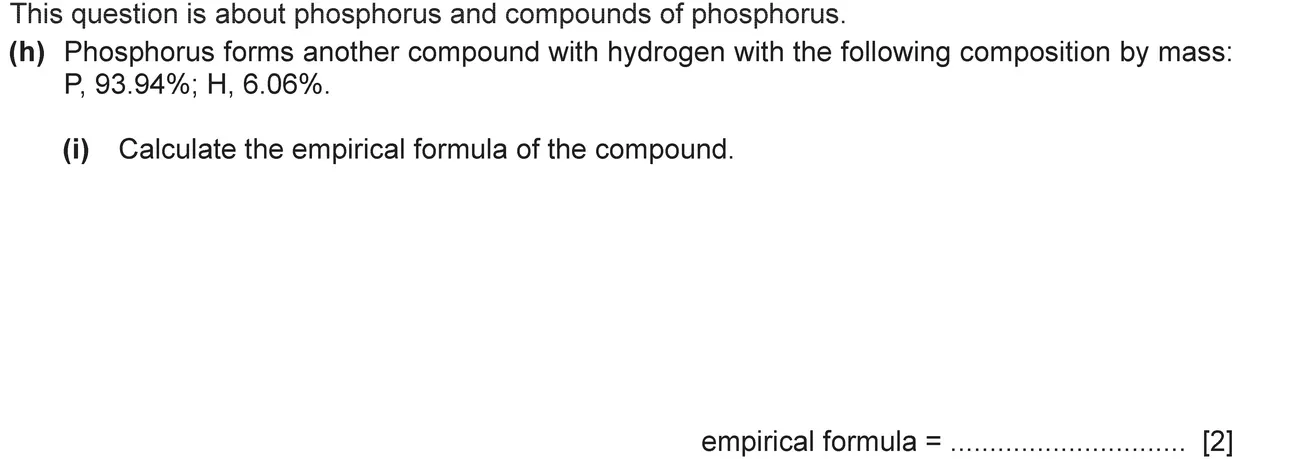
Written question 2 of 3 · part (h) (11 / 12) 3:00
Show the answer
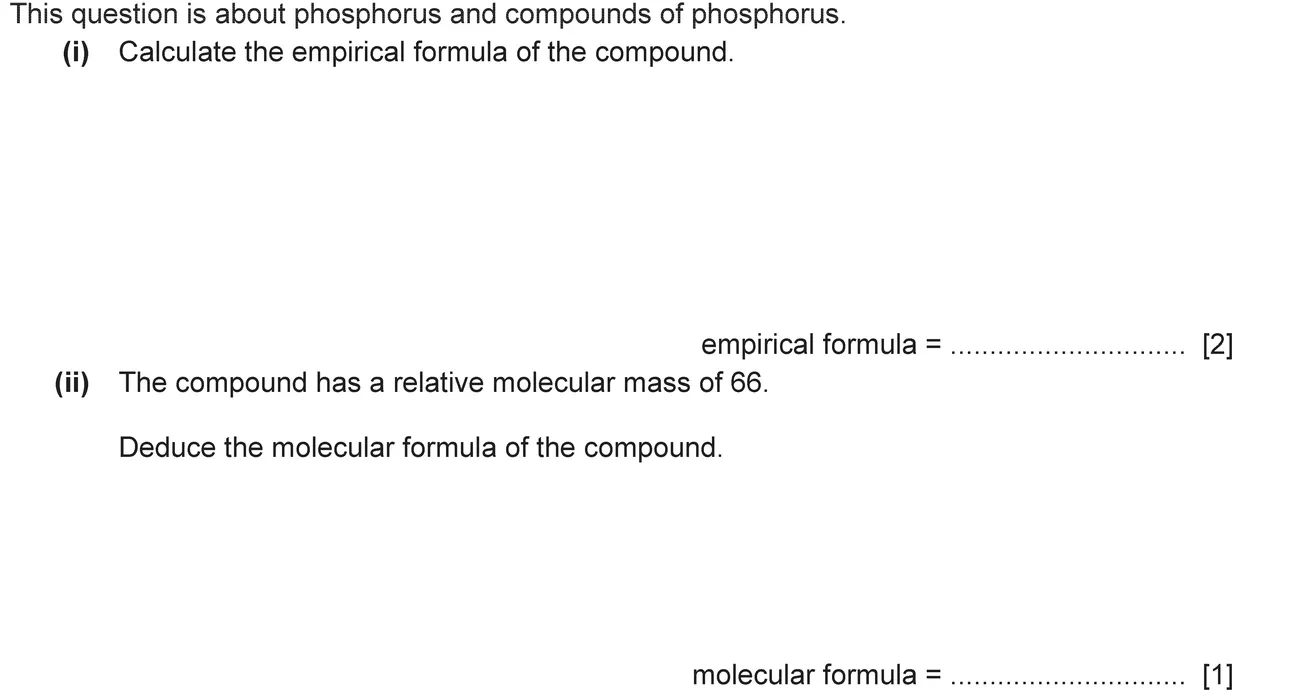
Written question 2 of 3 · part (i)(ii) (12 / 12) 3:00
Show the answer
Written question 3 of 3 · part (a) (1 / 8) 3:00

Show the answer

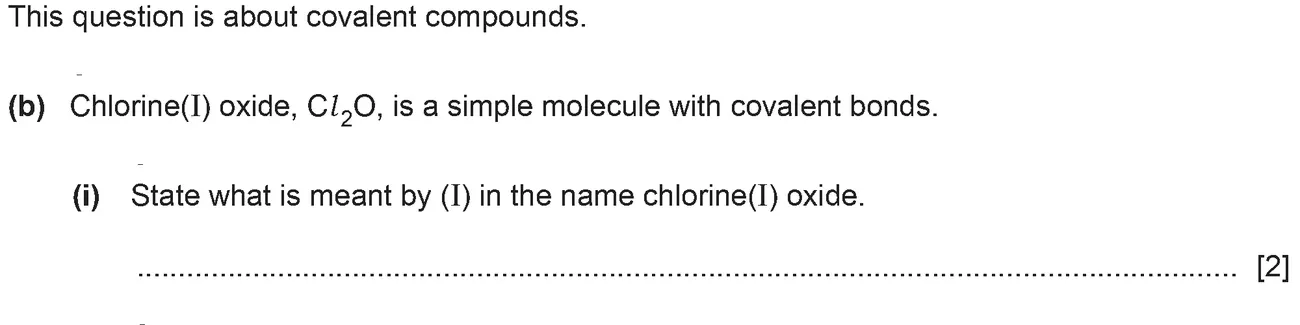
Written question 3 of 3 · part (b)(i) (2 / 8) 3:00
Show the answer

Written question 3 of 3 · part (b)(ii) (3 / 8) 3:00

Show the answer
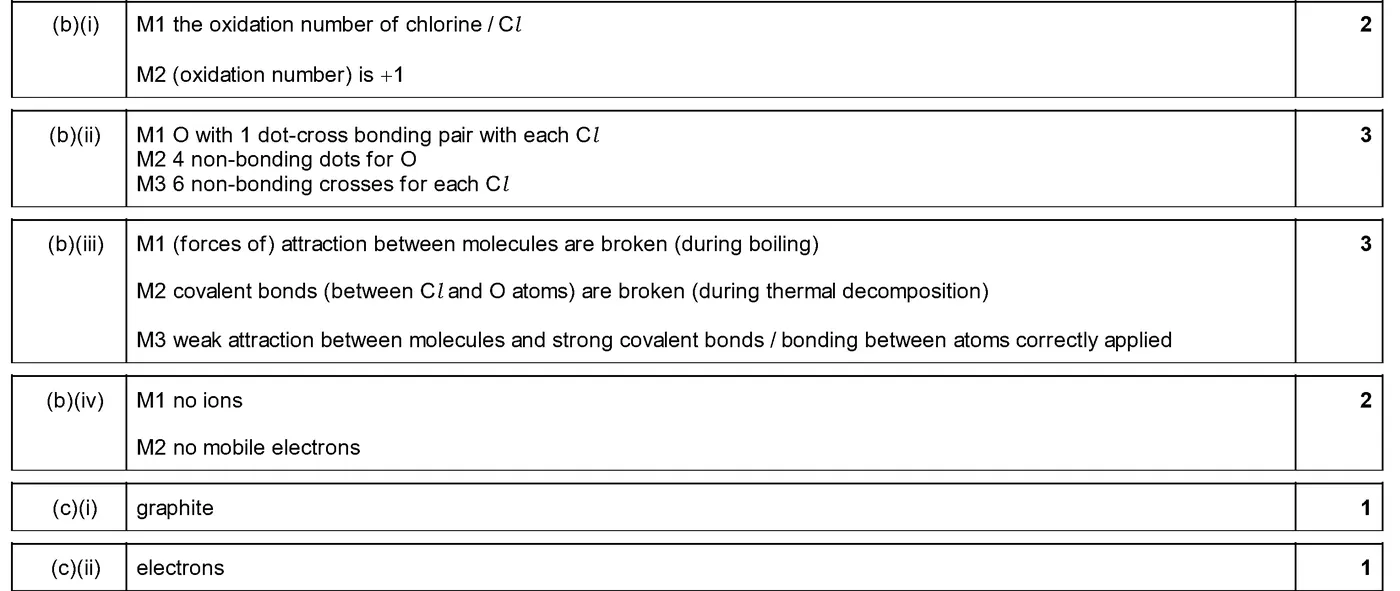
Written question 3 of 3 · part (b)(iii) (4 / 8) 3:00

Show the answer
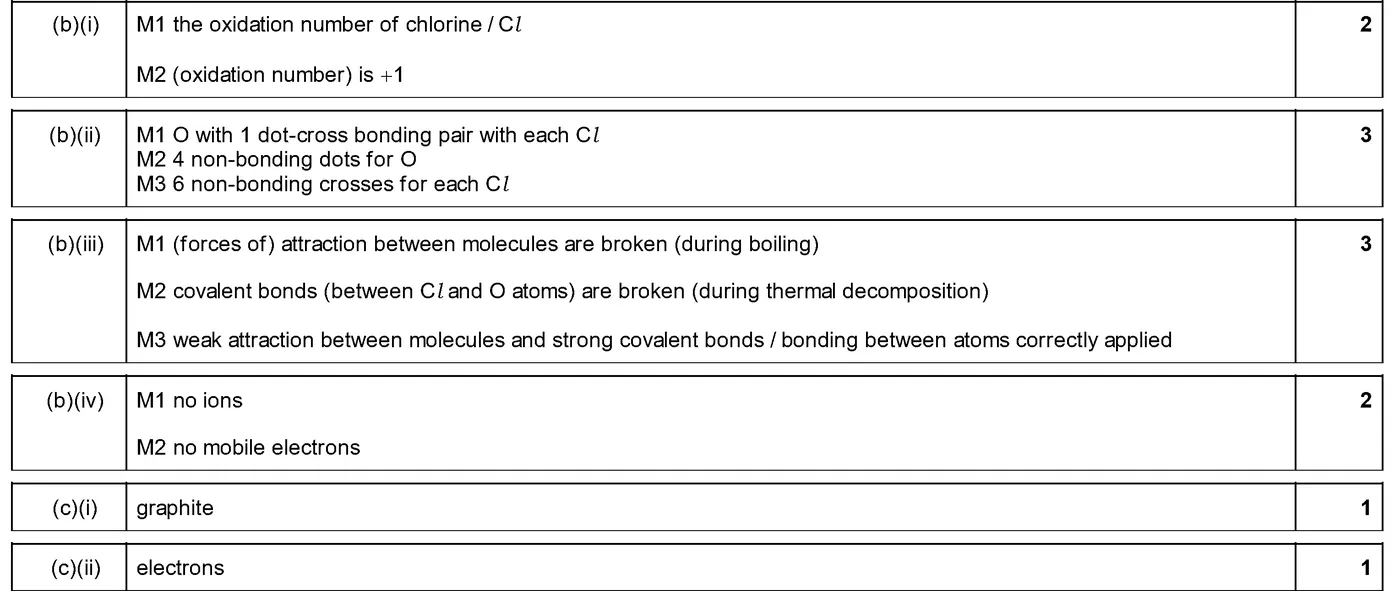
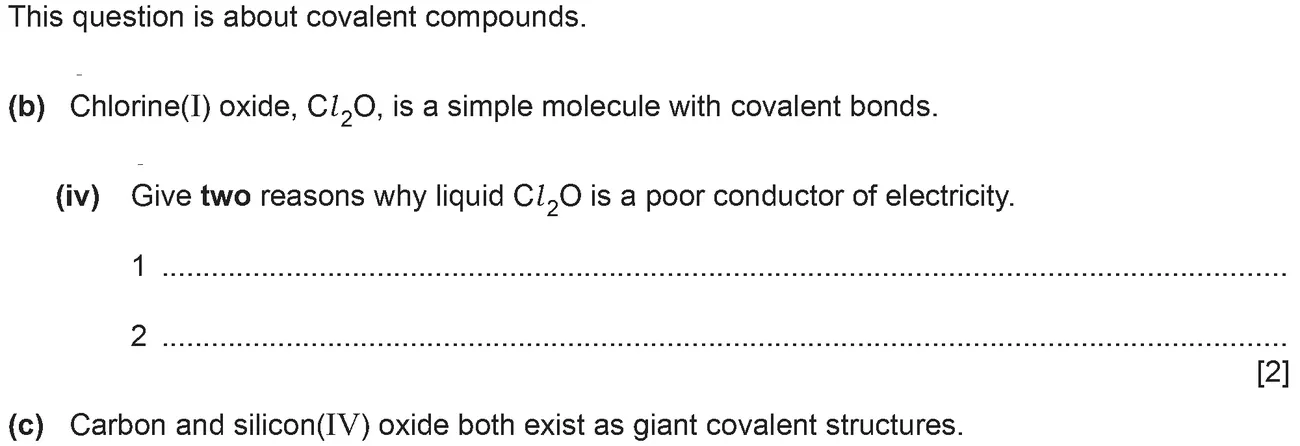
Written question 3 of 3 · part (b)(iv) (5 / 8) 3:00
Show the answer
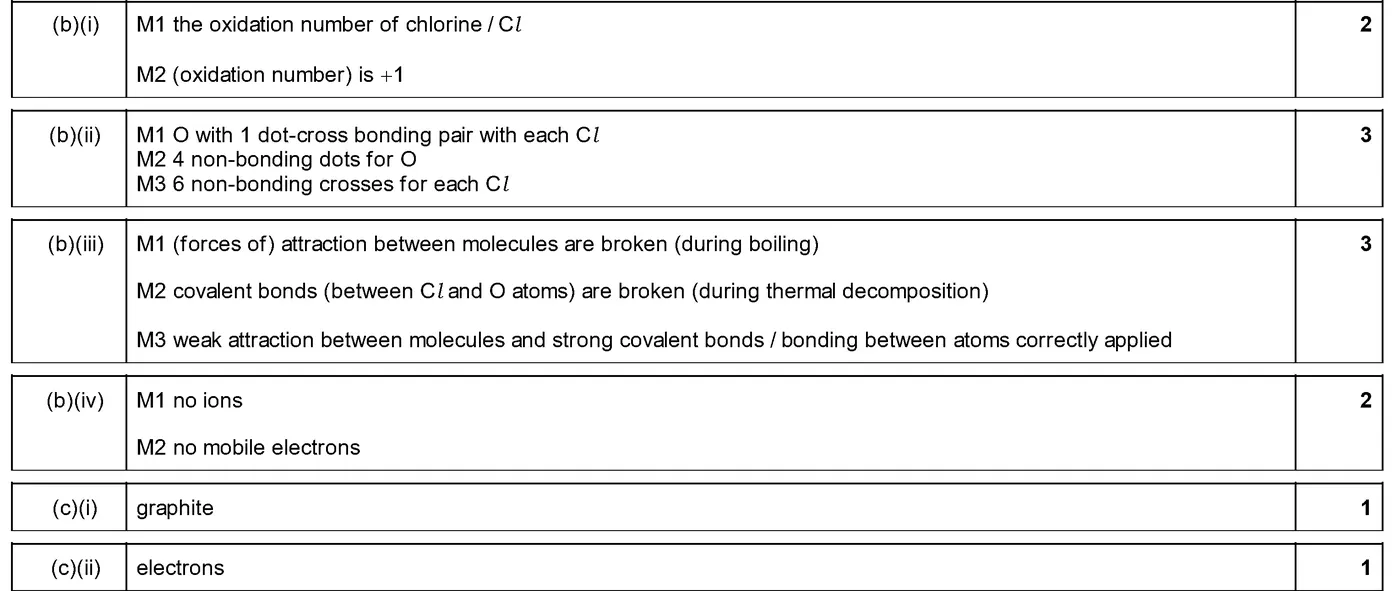
Written question 3 of 3 · part (c)(i) (6 / 8) 3:00

Show the answer

Written question 3 of 3 · part (c)(ii) (7 / 8) 3:00
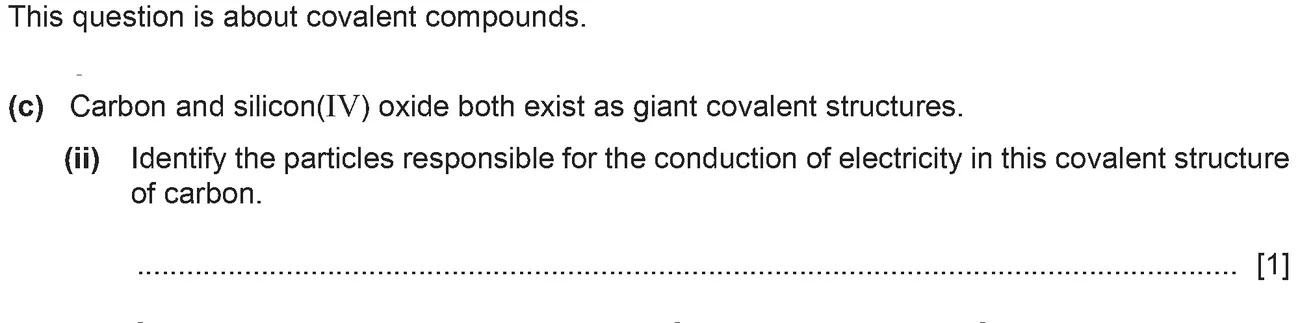
Show the answer

Written question 3 of 3 · part (c)(iii) (8 / 8) 3:00

Show the answer

Each part of a written question is on its own screen. Write your answer first, then open "Show the answer" to check it against the mark scheme.
Last updated: