12.1Chapter 12: Chemical Reactions 3 and Rates
Mass and energy in chemical reactions — Alhussan Chemistry - Stage 9 Revision Notes & Topical Questions
5 min read 7 parts Lesson 1 of 13 2 quizzes
12.1 Mass and energy in chemical reactions — Conservation of Mass and Energy — Alhussan International Academy — Chemistry (Stages 7–9) notes: Define conservation of mass and energy in reactions, explain apparent mass changes, and introduce symbol equations and balancing numbers.A…
- Mass is conserved
- Methane combustion
- Balanced equation
- Using conservation
- Mass increases
- Mass decreases
Section 1 of 7Conservation of mass
- Atoms in a chemical reaction no atoms are created or destroyed, they are rearranged and join together differently to make new substances.
- Methane combustion methane reacts with oxygen to make carbon dioxide and water, with 1 carbon, 4 hydrogen and 4 oxygen atoms before and after.
- Bacteria make methane from human waste at a sewage works, and it can fuel buses.
- Balanced equation the number of atoms of each element is the same on both sides.
- 24 g of magnesium reacting with 16 g of oxygen forms 40 g of magnesium oxide.
- Using conservation the mass of one product can be found by subtraction, for example 10.0 g of calcium carbonate giving 5.6 g of calcium oxide must give 4.4 g of carbon dioxide.
Section 2 of 7Apparent mass changes
- Mass increases when a solid reacts with a gas from the air, such as a metal burning in oxygen, because the oxygen is added to the solid.
- Mass decreases when a gas escapes from an open container, for example carbon dioxide leaving when a carbonate reacts with acid or is heated.
- Mass of gas lost = starting mass - final mass.
- Closed system if the reaction is carried out in a sealed flask, the total mass is unchanged.
Section 3 of 7Experiments that show conservation
- Closed flask a test tube of lead nitrate solution inside a flask of potassium iodide solution is stoppered and weighed, then tipped so they mix.
- A yellow precipitate of lead iodide forms but the mass stays the same, because nothing has entered or left.
- Open container marble chips with hydrochloric acid lose mass steadily as carbon dioxide escapes.
- A graph of mass against time falls and levels off when the reaction finishes, and the total loss equals the mass of gas produced.
- Sealed bottle the mass stays constant, but the bottle may burst as pressure builds up, which is a safety hazard.
Section 4 of 7Conservation of energy
- Exothermic chemical energy stored in the reactants is transferred to thermal energy in the surroundings.
- In the burning of methane, energy is transferred to the bus engine and in the end to the air.
- Endothermic thermal energy from the surroundings is transferred to the chemical store of the products.
- Spreading out some energy spreads out into the surroundings and becomes less useful.
Section 5 of 7Symbol equations
- Word equation methane + oxygen → carbon dioxide + water, with reactants on the left, products on the right and an arrow meaning "reacts to make".
- CH4 + 2O2 → CO2 + 2H2O shows the chemical formula of each substance.
- The formulae are CH4 for methane, O2 for oxygen, CO2 for carbon dioxide and H2O for water.
- They are written to the left of the formula, on the line and the same size as the letters.
- Meaning one methane molecule reacts with two oxygen molecules to make one carbon dioxide molecule and two water molecules.
- One billion methane molecules react with two billion oxygen molecules to make one billion carbon dioxide and two billion water molecules.
- Balancing and mass conservation of mass is the reason equations must be balanced, as in 2Mg + O2 → 2MgO.
Section 6 of 7Key terms
| Term | Meaning |
|---|---|
| Conservation of mass | the total mass of reactants equals the total mass of products. |
| Closed system | a system where no substances can enter or leave. |
| Energy transfer | the movement of energy from one store to another. |
| Symbol equation | an equation showing reactants and products using chemical formulae. |
| Balancing number | a number in front of a formula showing relative numbers of particles. |
| Rearranged | joined together in a different way. |
Section 7 of 7Exam technique
Marked practiceQuizzes for this lesson
?What do you want to solve now?
✓Checkpoint Quiz
6 multiple-choice + 2 written questions from real exam papers on this lesson.
Question 1 of 6 1:30

Question 2 of 6 1:30
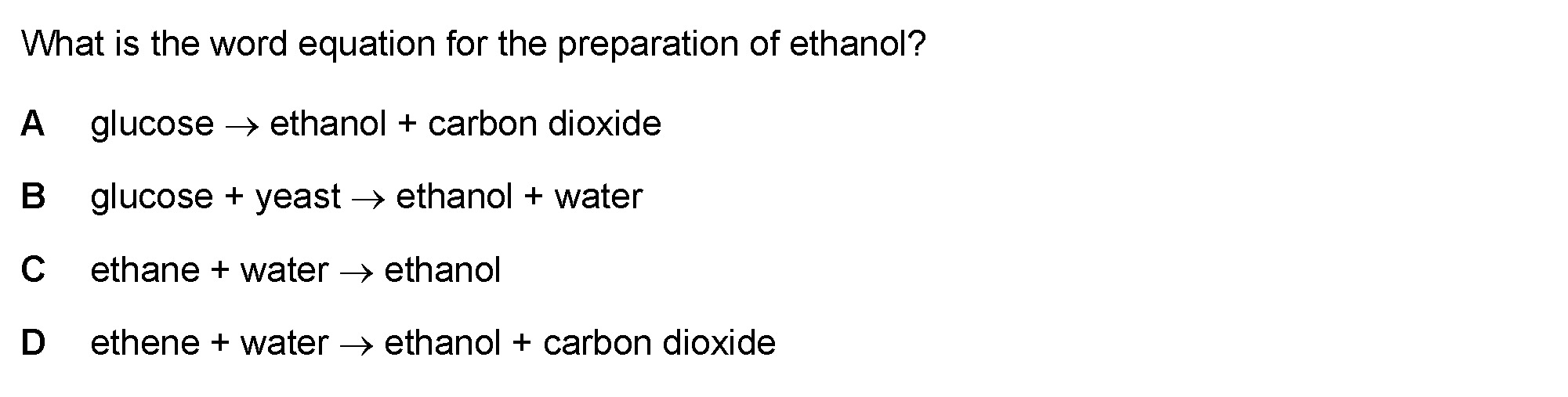
Question 3 of 6 1:30
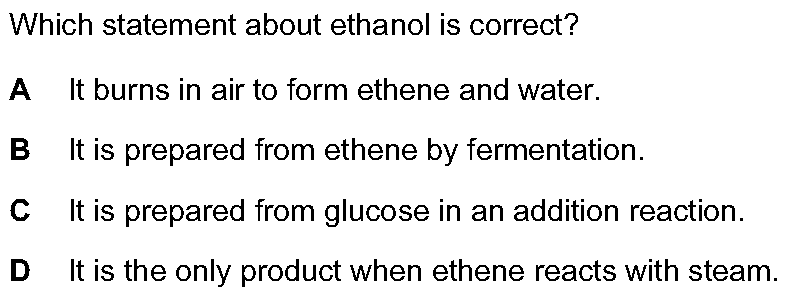
Question 4 of 6 1:30
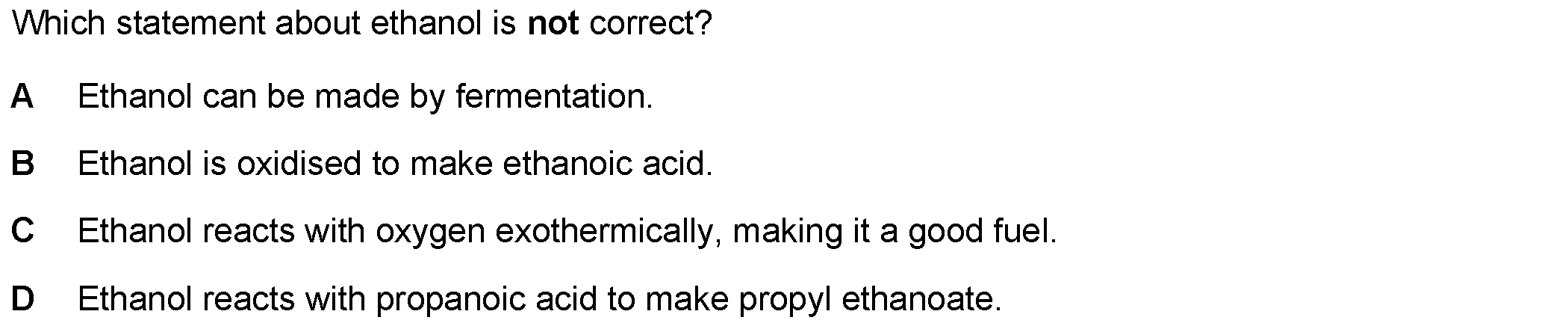
Question 5 of 6 1:30
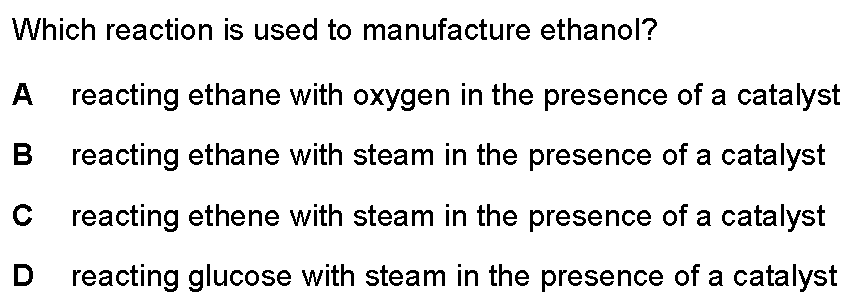
Question 6 of 6 1:30

Answer key
1 C2 A3 D4 D5 C6 C
Written question 1 of 2 · part (a)(i) (1 / 5) 3:00

Show the answer
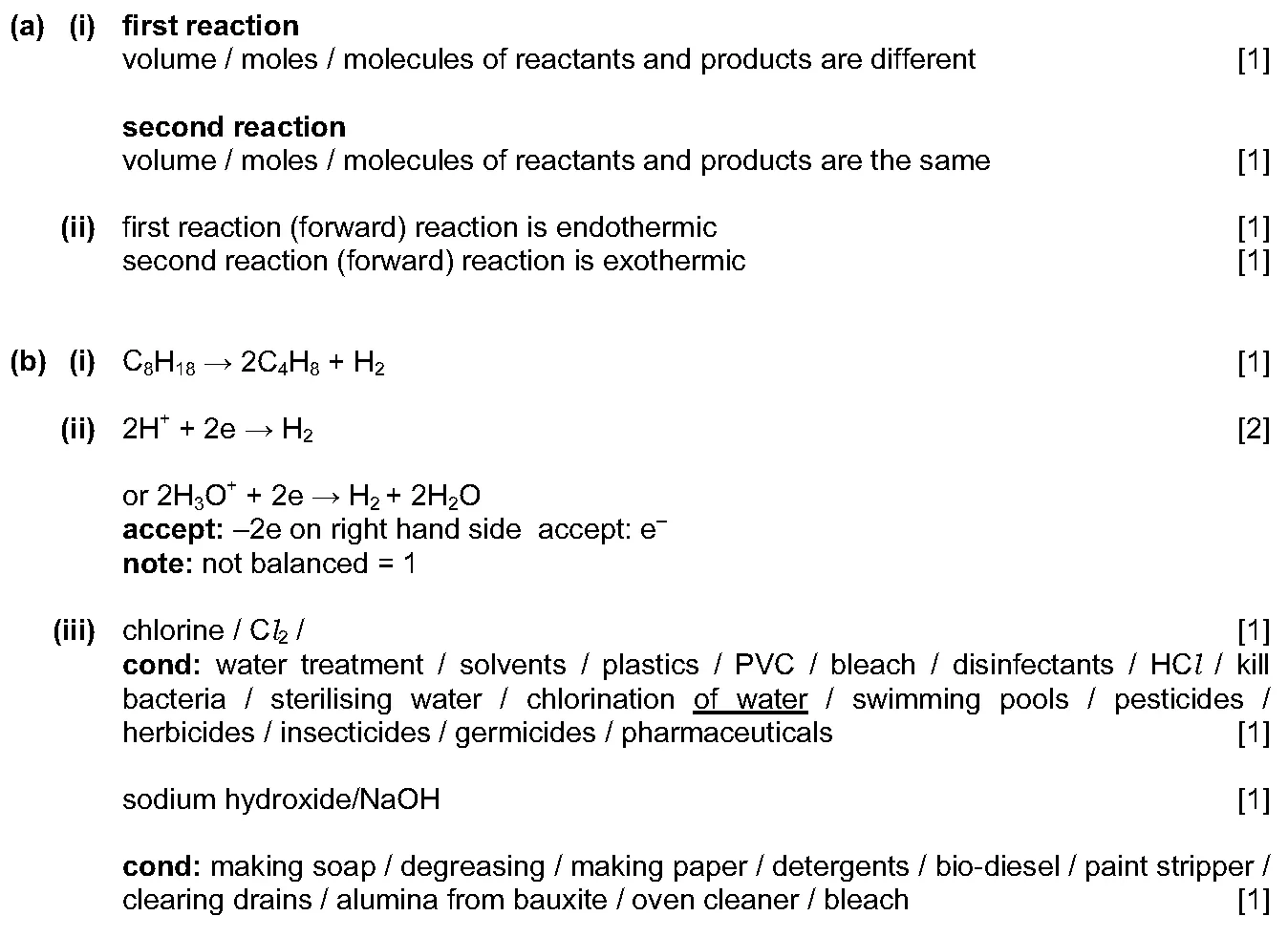
Written question 1 of 2 · part (a)(ii) (2 / 5) 3:00
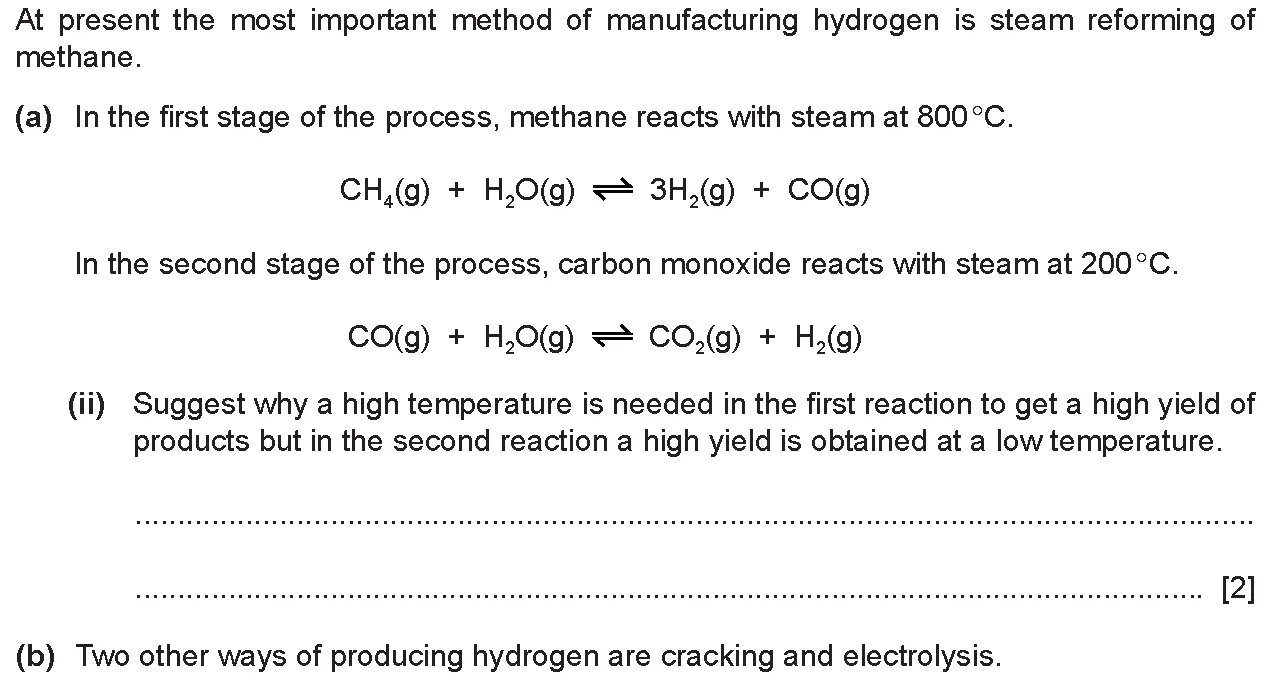
Show the answer
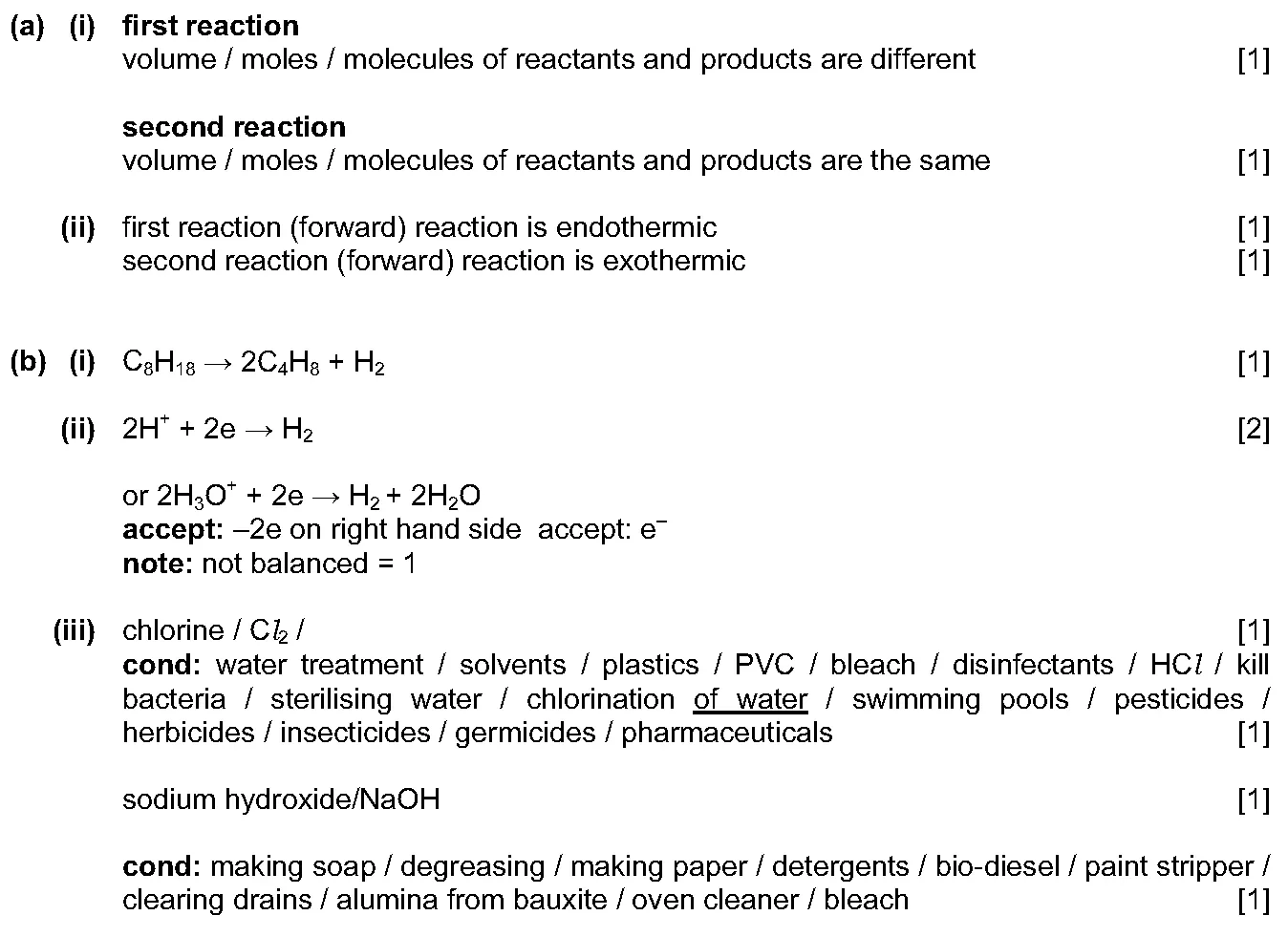
Written question 1 of 2 · part (b)(i) (3 / 5) 3:00
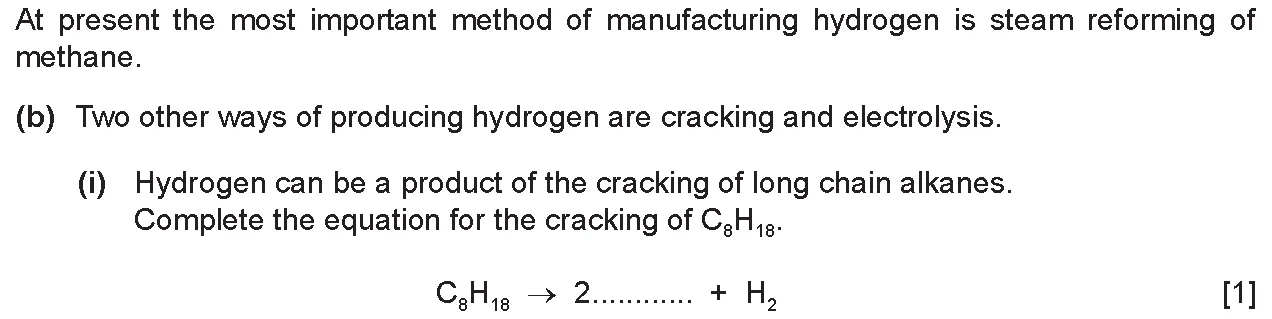
Show the answer
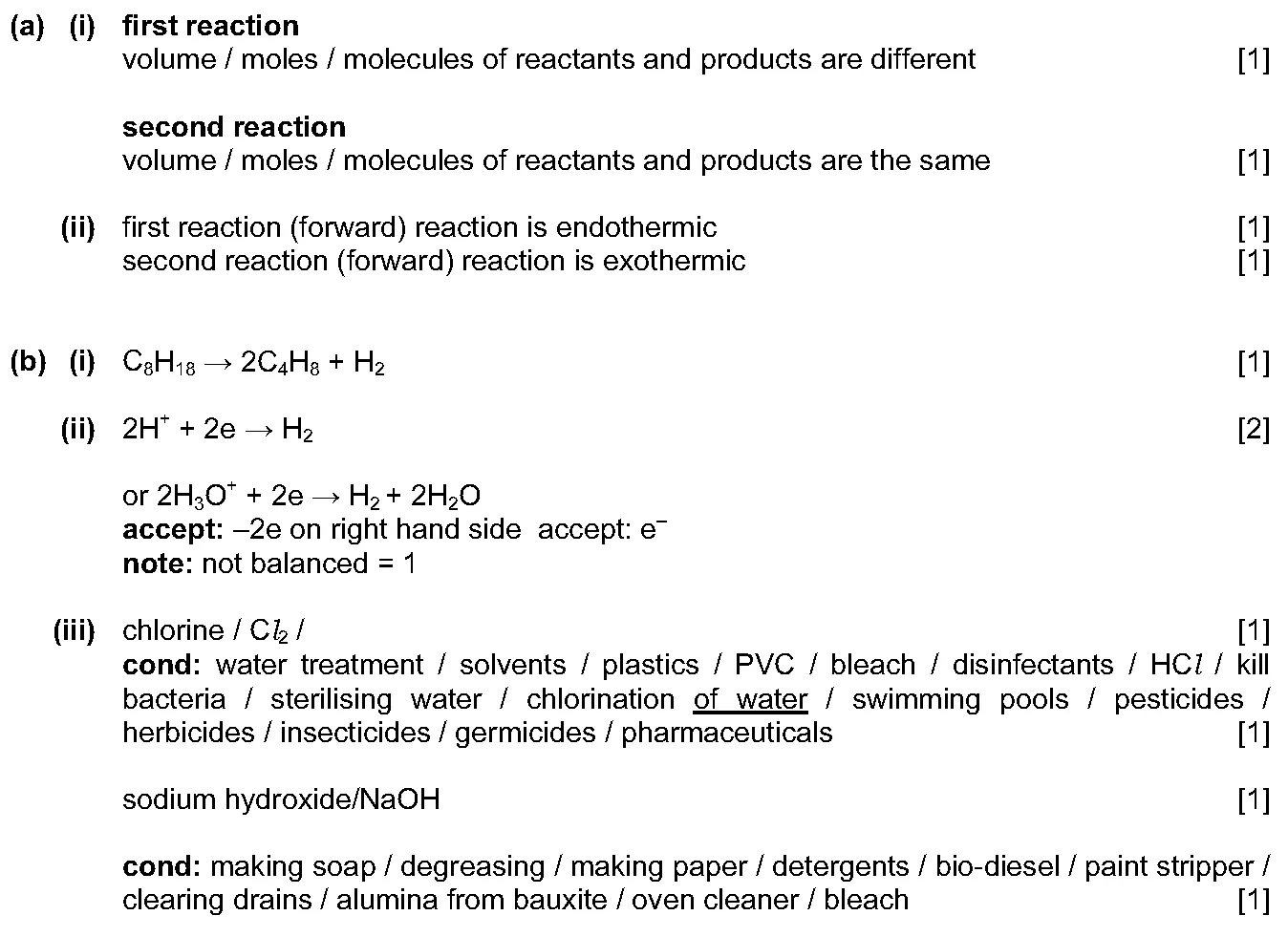
Written question 1 of 2 · part (b)(ii) (4 / 5) 3:00
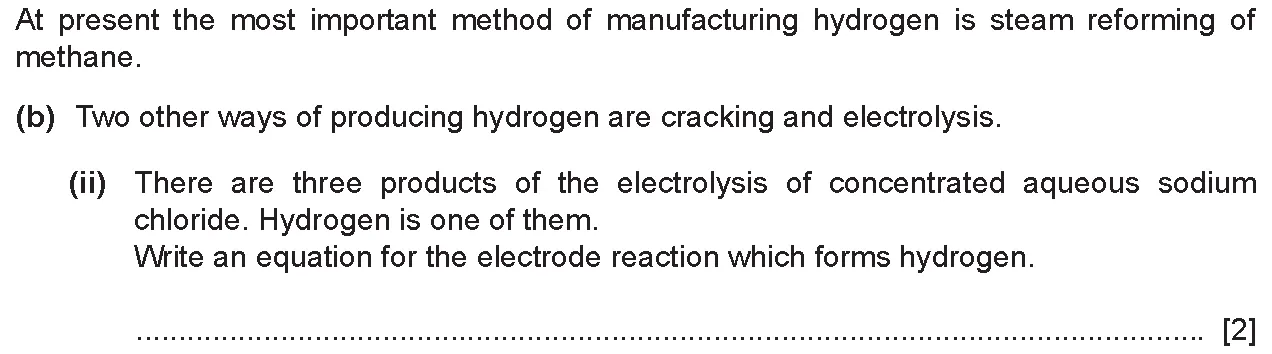
Show the answer
Written question 1 of 2 · part (b)(iii) (5 / 5) 3:00
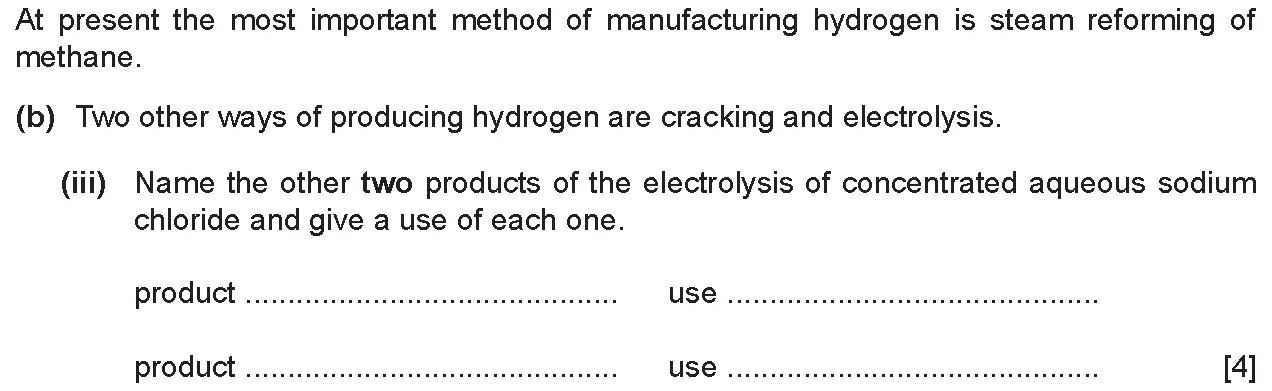
Show the answer

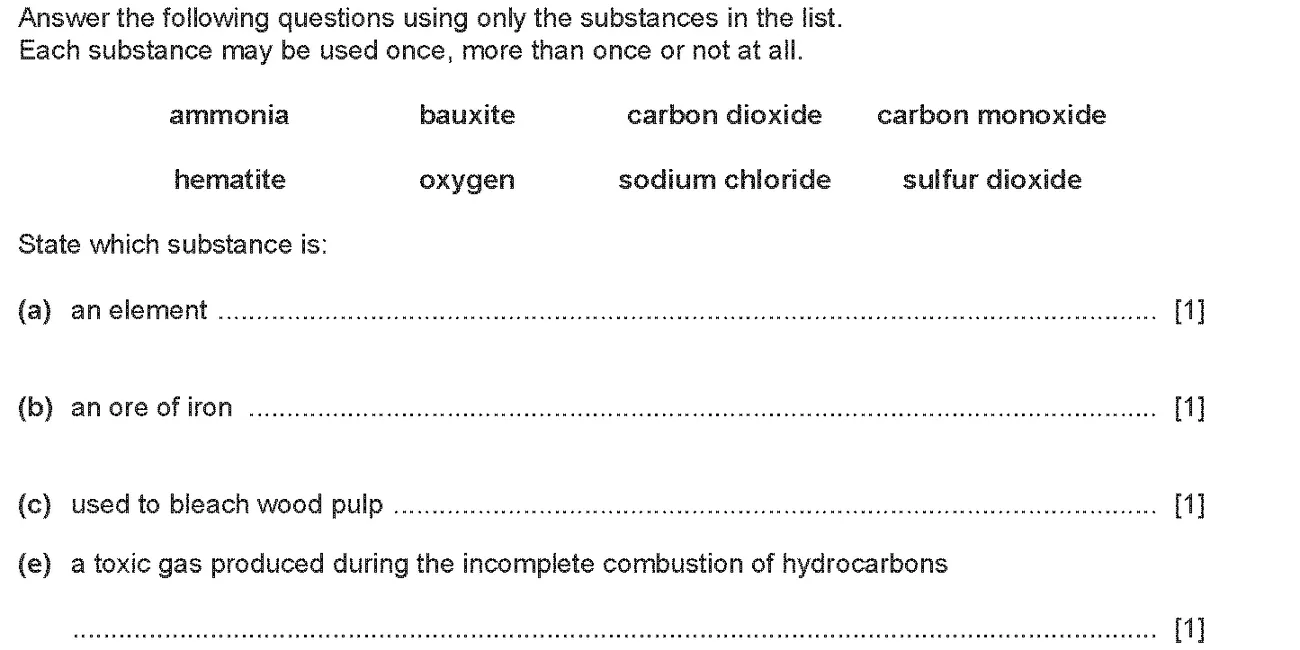

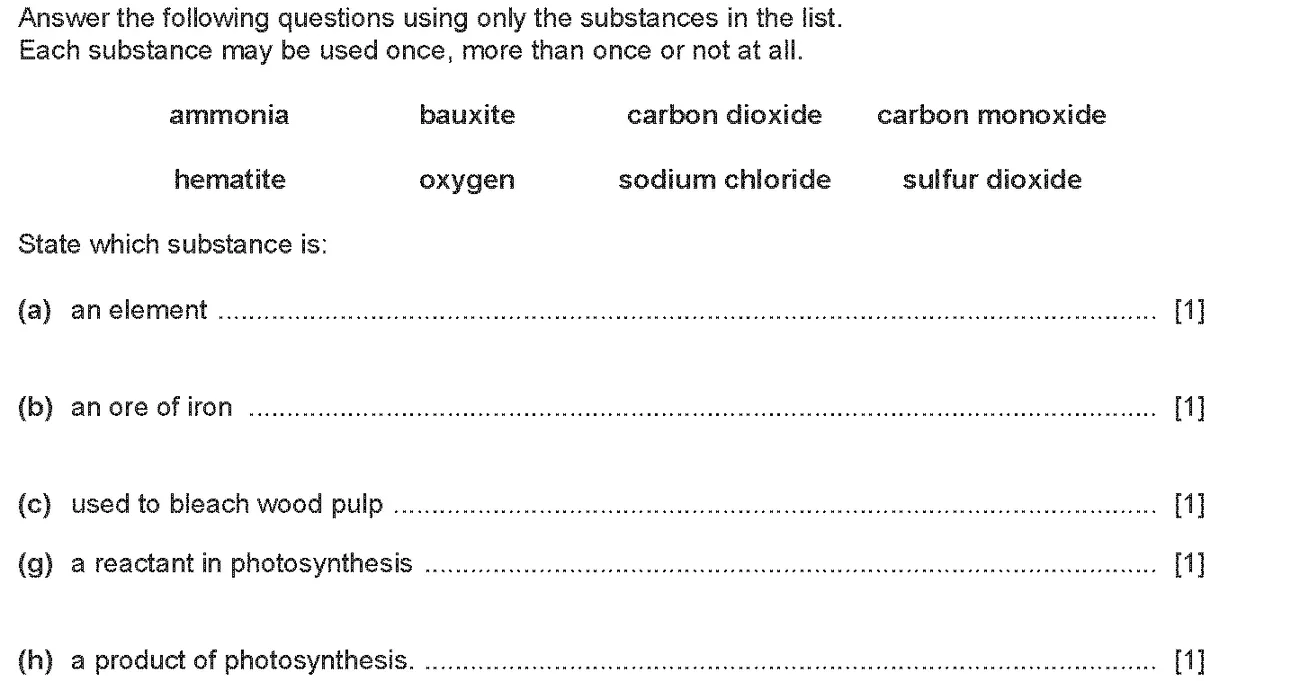
Each part of a written question is on its own screen. Write your answer first, then open "Show the answer" to check it against the mark scheme.
Last updated: