7.11Chapter 7: Light
The eye and the camera — Alhussan Physics - Stage 8 Revision Notes & Topical Questions
5 min read 8 parts Lesson 11 of 12 2 quizzes
Physics 7.11 The eye and the camera — Retina, Cornea, Lens and Focusing — Alhussan International Academy — Physics (Stages 7–9) notes: Describe how the eye and a camera work and compare them.PartFunctionCorneaTransparent outer layer that helps focus lightPupilThe hole where light…
- Light path
- Inverted image
- Three types of cone
- Colour blindness
- Distant objects
- Near objects
Part 1 of 6Parts of the eye
| Part | Function |
|---|---|
| Cornea | Transparent outer layer that helps focus light |
| Pupil | The hole where light goes in |
| Iris | Coloured muscle that controls the size of the pupil |
| Lens | Jelly-like structure that focuses light onto the retina with the cornea |
| Retina | Where the image forms; contains light-sensitive cells |
| Optic nerve | Carries the signal from the retina to the brain |
- Eyeball
- It is filled with a liquid that keeps it nearly spherical.
Part 2 of 6Forming an image
- Light reflected from an object enters through the cornea, pupil and lens and is focused on the retina.
- The image on the retina is upside down, and the brain makes it the right way up.
- Light-sensitive cells in the retina produce signals that are sent to the brain.
Part 3 of 6Rods and cones
- They are mainly around the edge of the retina and are sensitive to dim light.
- They are mainly in the centre of the retina and are sensitive to bright light and colour.
- Each is very sensitive to red, green or blue light, which is why these are the primary colours of light.
- The cones absorb light and send signals to the brain, which produces the coloured image.
- About 1 in 20 people, usually men, have cones that do not work properly and find red and green hard to tell apart.
Part 4 of 6Focusing near and far objects
- The light is nearly parallel; the lens muscles relax and the lens becomes thinner.
- The light is spreading out; the ciliary muscles contract and the lens becomes thicker and more curved.
- In bright light the pupil becomes smaller, and in dim light it becomes larger.
Part 5 of 6How a camera works
- Light reflected from the object enters through the aperture and the lens focuses an inverted image at the back.
- Cameras in the past captured the image on photographic film.
- Modern cameras, including phone cameras, use electronic sensors so the image can be stored or transferred easily.
Part 6 of 6Comparing the eye and the camera
| Eye | Camera |
|---|---|
| Cornea and lens focus light | Lens focuses light |
| Iris controls pupil size | Aperture controls light entering |
| Retina detects the image | Film or sensor detects the image |
| Lens changes shape to focus | Lens moves to focus |
| Image is inverted | Image is inverted |
Key terms
| Term | Meaning |
|---|---|
| Cornea | The transparent outer layer of the eye that helps focus light. |
| Retina | The layer at the back of the eye containing light-sensitive cells. |
| Iris | The muscle that controls the size of the pupil. |
| Rods | Retina cells sensitive to dim light. |
| Cones | Retina cells sensitive to bright light and colour. |
| Aperture | The hole that lets light into a camera. |
Avoid these mistakes
Marked practiceQuizzes for this lesson
?What do you want to solve now?
✓Checkpoint Quiz
1 multiple-choice + 5 written questions from real exam papers on this lesson.
Question 1 of 1 1:30
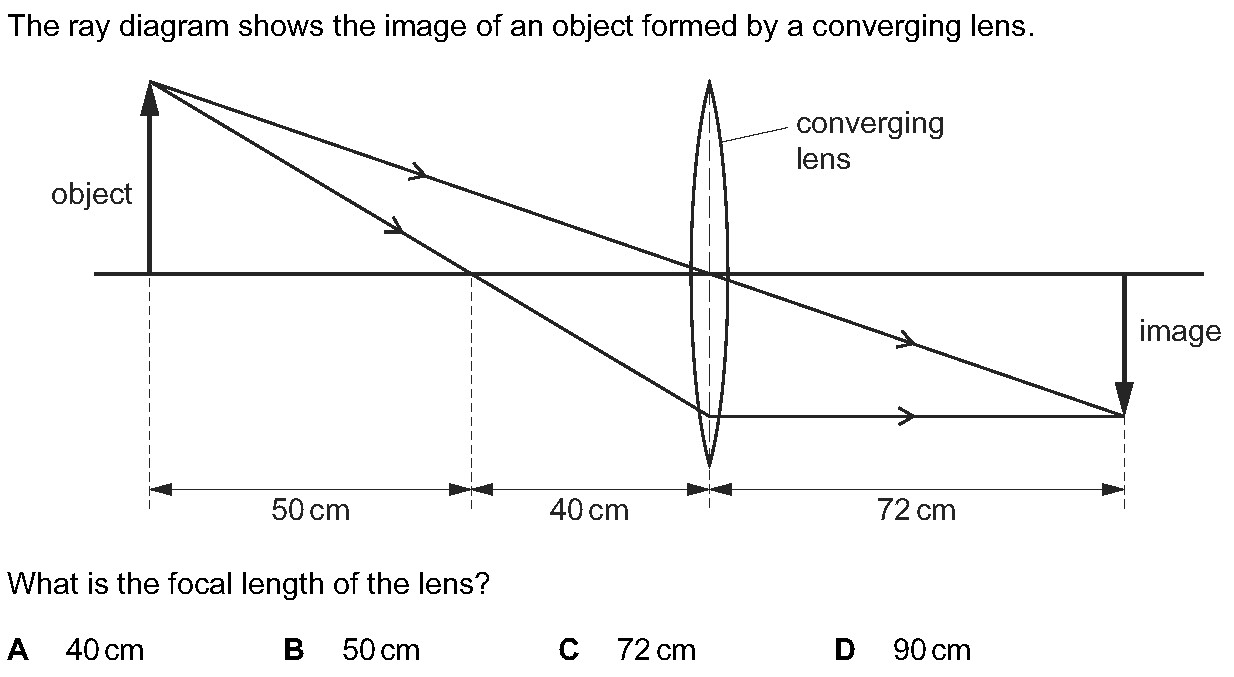
Answer key
1 A
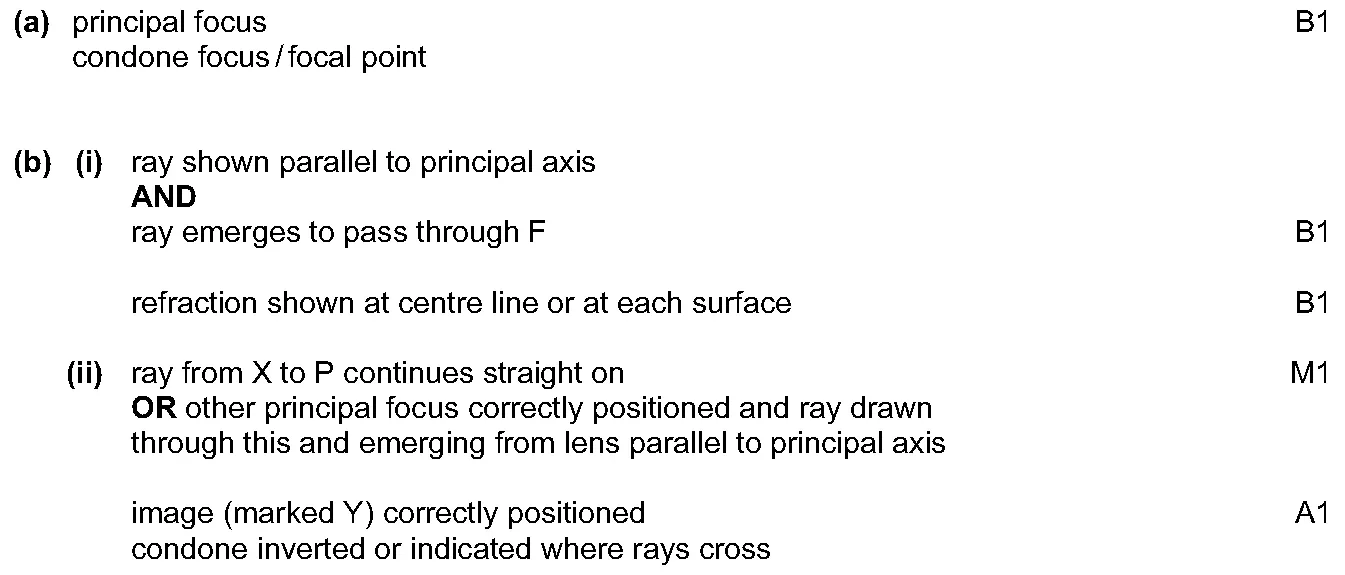
Written question 1 of 5 · part (a) (1 / 3) 3:00

Show the answer
Written question 1 of 5 · part (b)(i) (2 / 3) 3:00
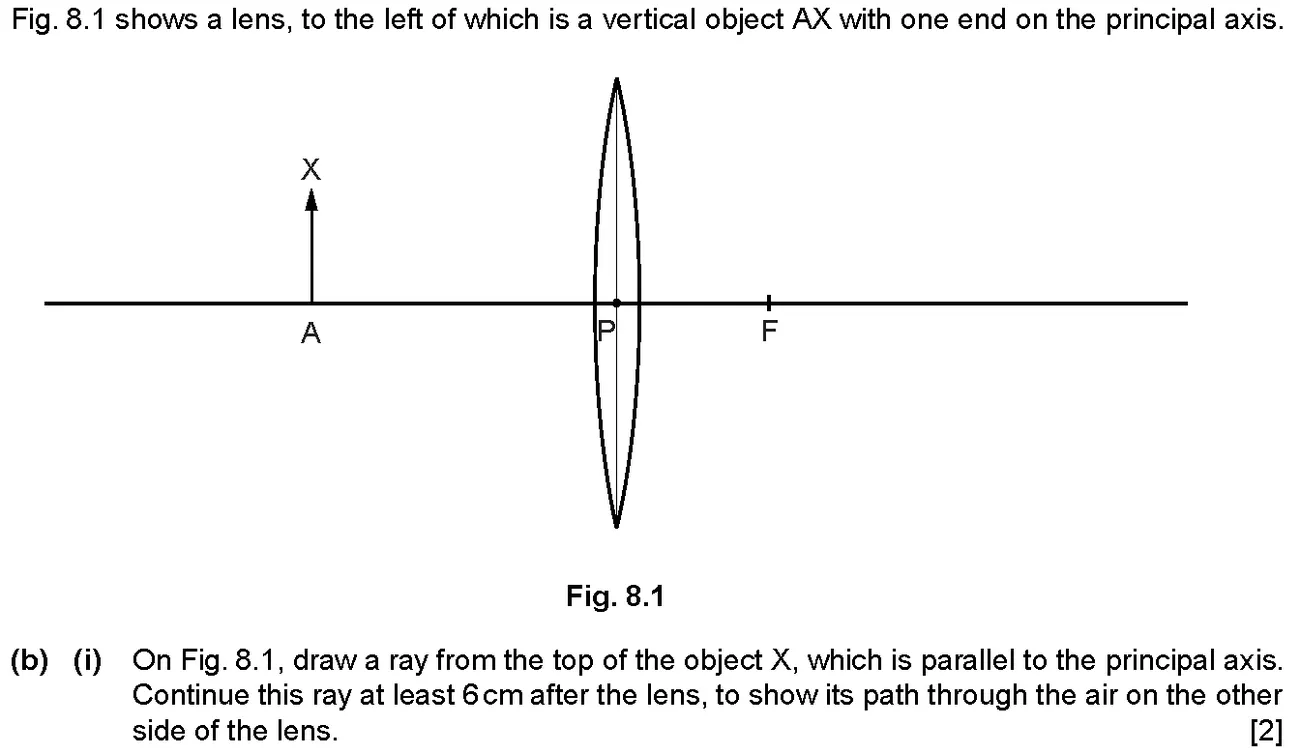
Show the answer
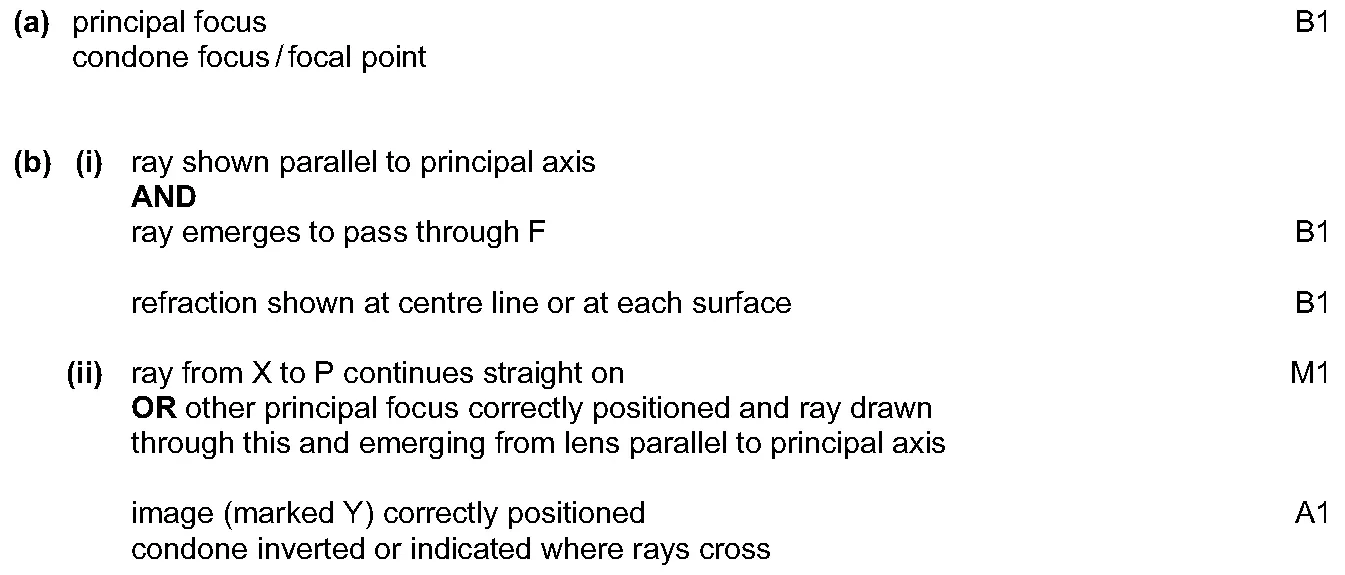
Written question 1 of 5 · part (b)(ii) (3 / 3) 3:00

Show the answer
Written question 2 of 5 · part (a) (1 / 5) 3:00

Show the answer
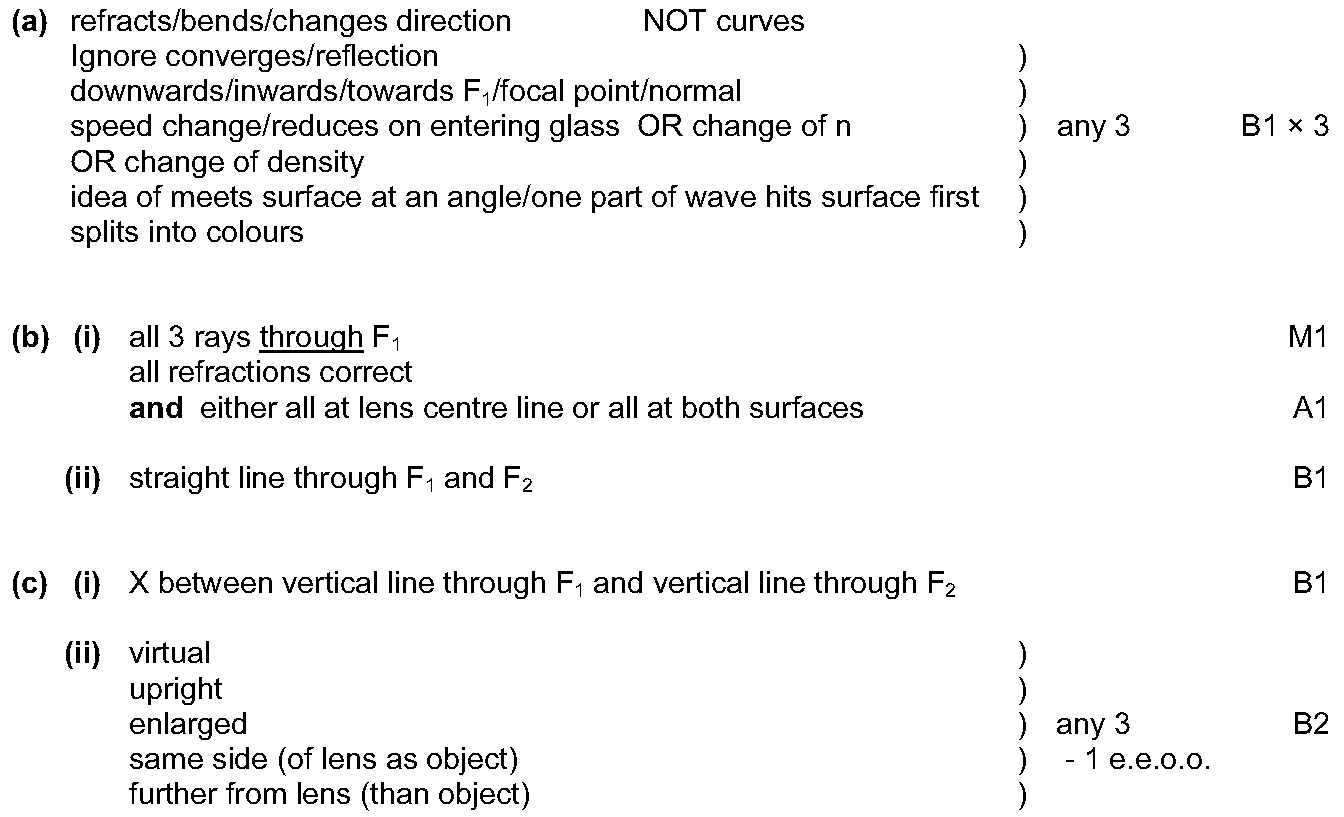
Written question 2 of 5 · part (b)(i) (2 / 5) 3:00
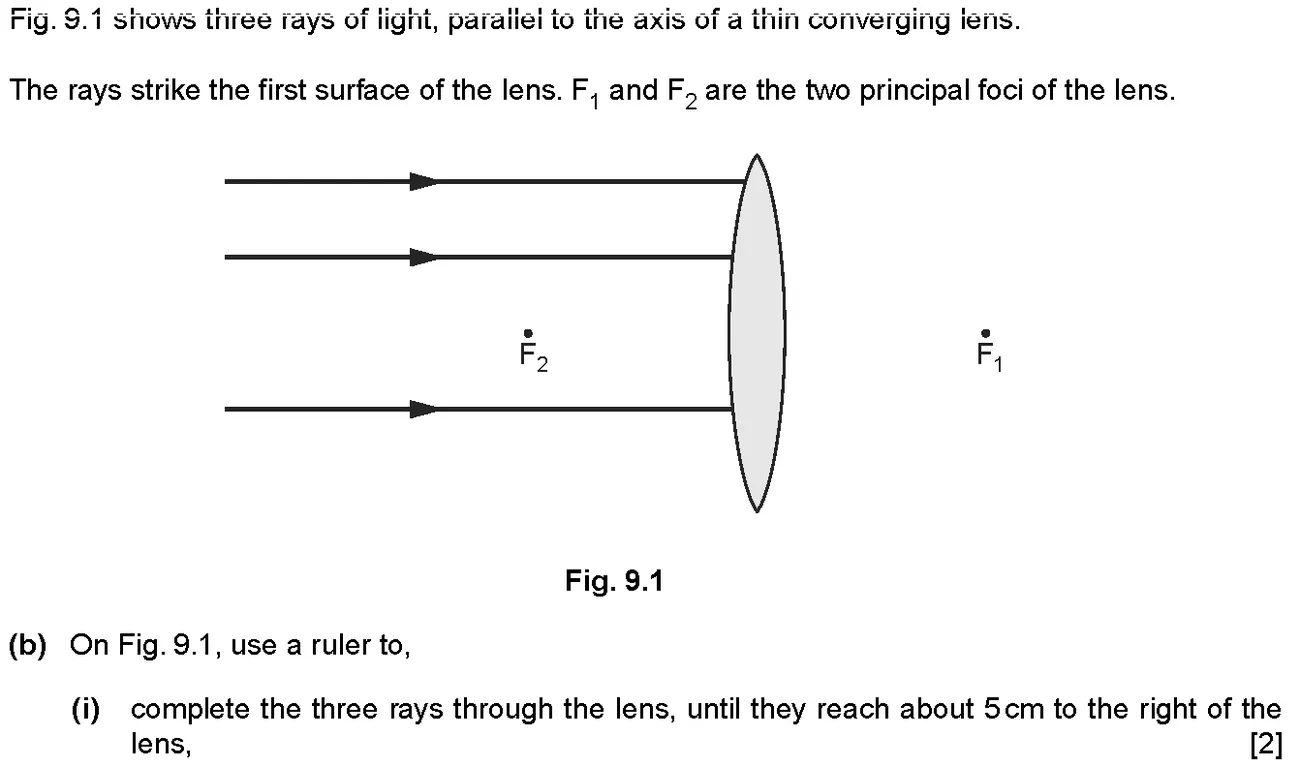
Show the answer
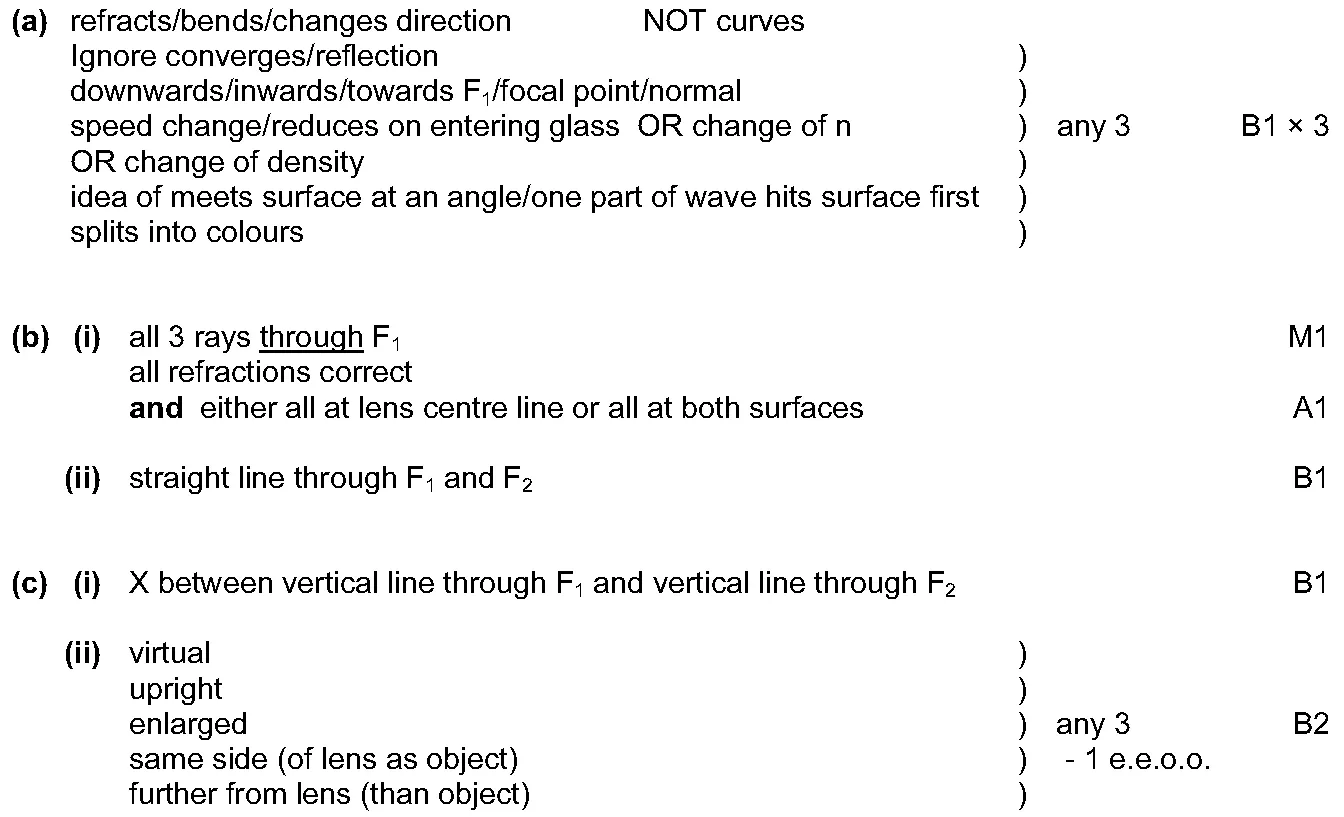
Written question 2 of 5 · part (b)(ii) (3 / 5) 3:00
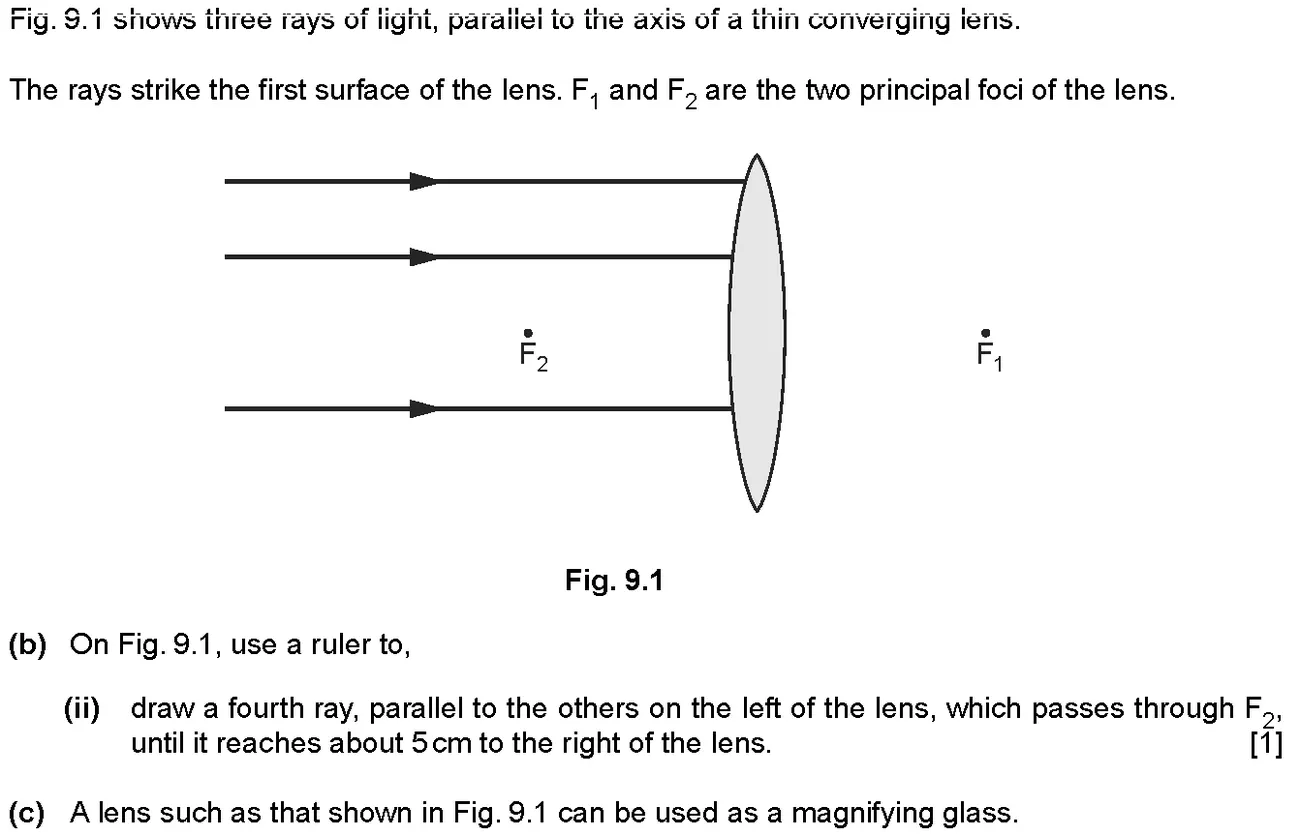
Show the answer
Written question 2 of 5 · part (c)(i) (4 / 5) 3:00
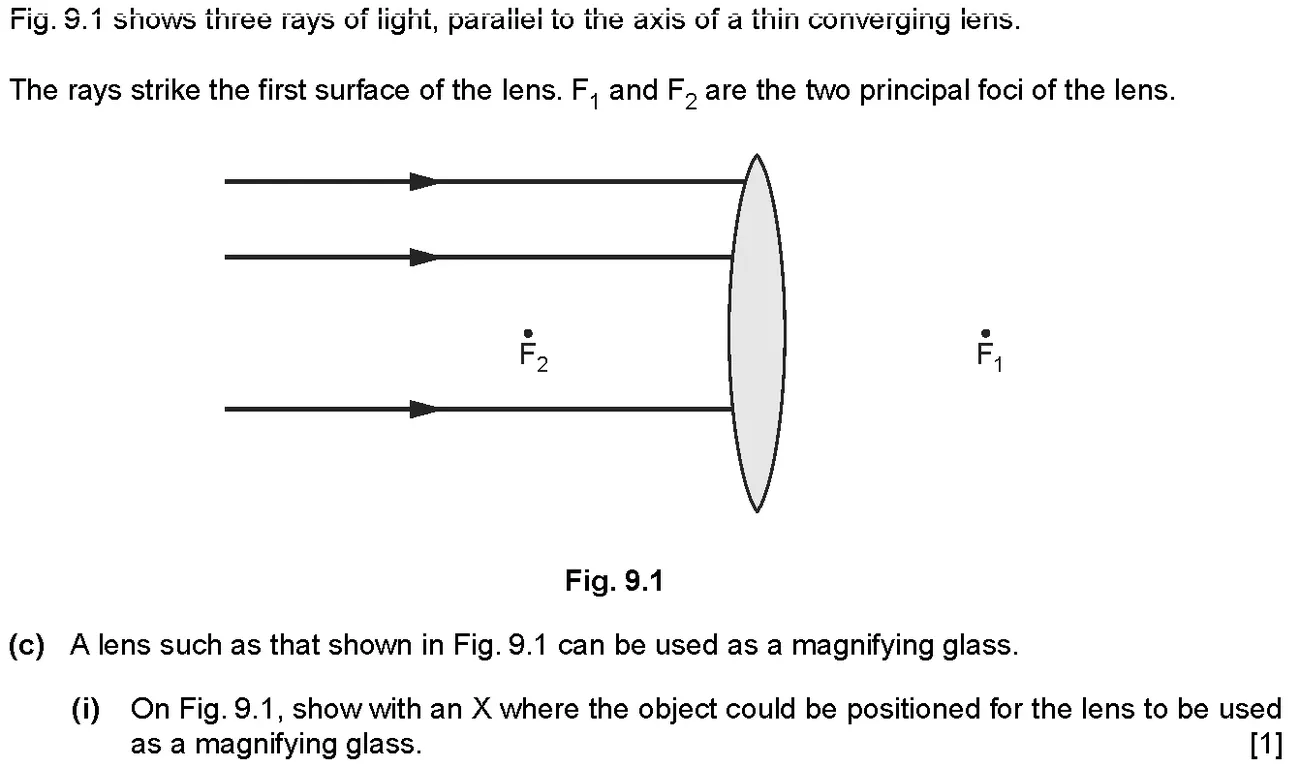
Show the answer
Written question 2 of 5 · part (c)(ii) (5 / 5) 3:00

Show the answer
Written question 3 of 5 · part (a) (1 / 4) 3:00
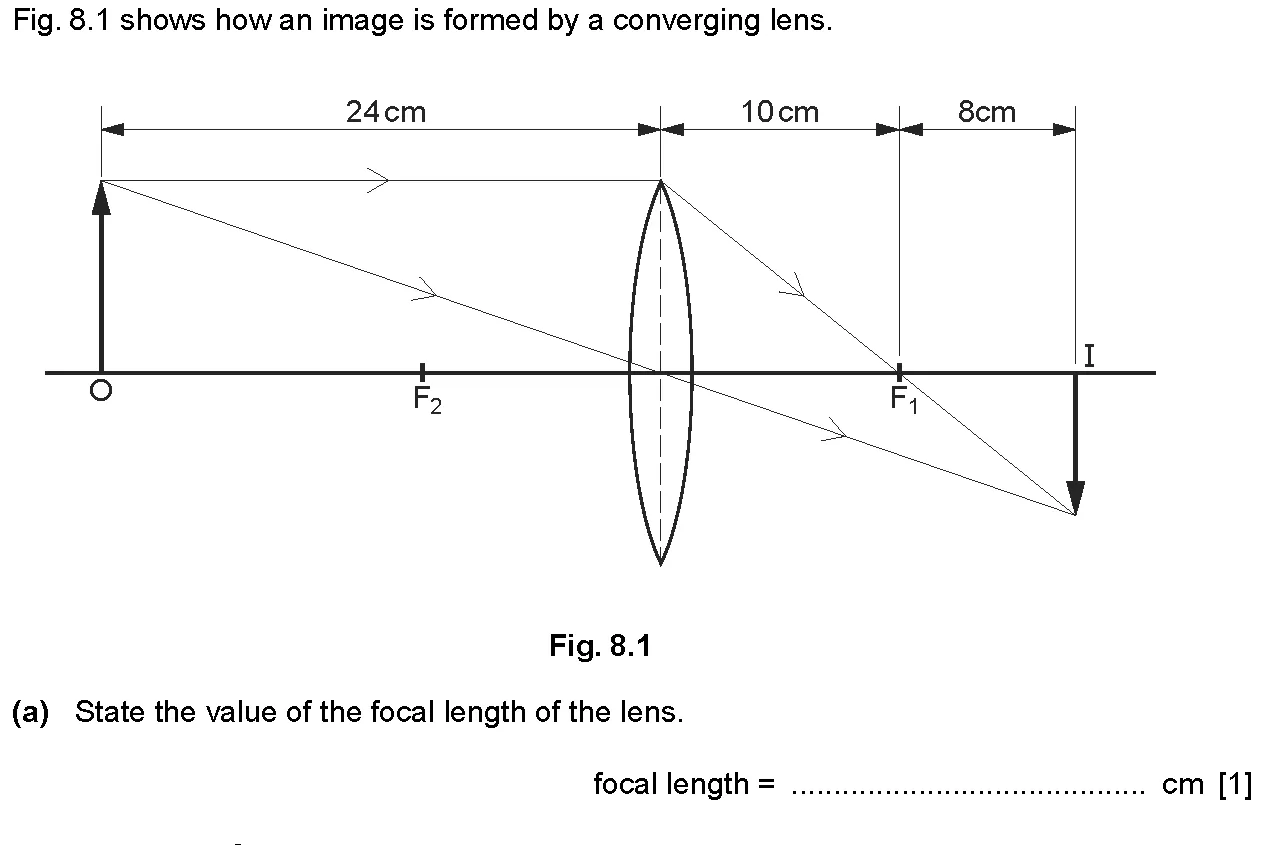
Show the answer

Written question 3 of 5 · part (b) (2 / 4) 3:00

Show the answer

Written question 3 of 5 · part (c)(i) (3 / 4) 3:00

Show the answer
Written question 3 of 5 · part (c)(ii) (4 / 4) 3:00
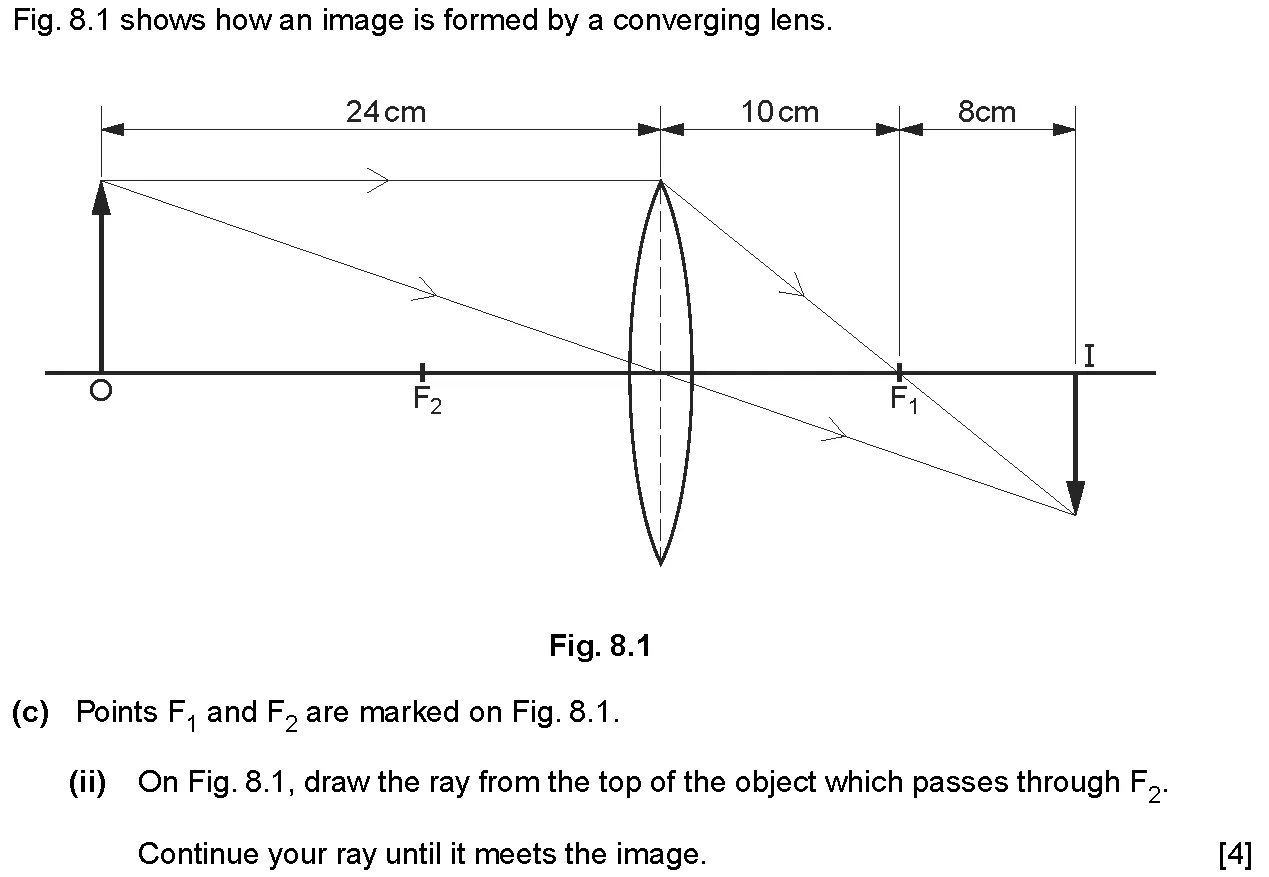
Show the answer
Written question 4 of 5 · part (a) (1 / 3) 3:00
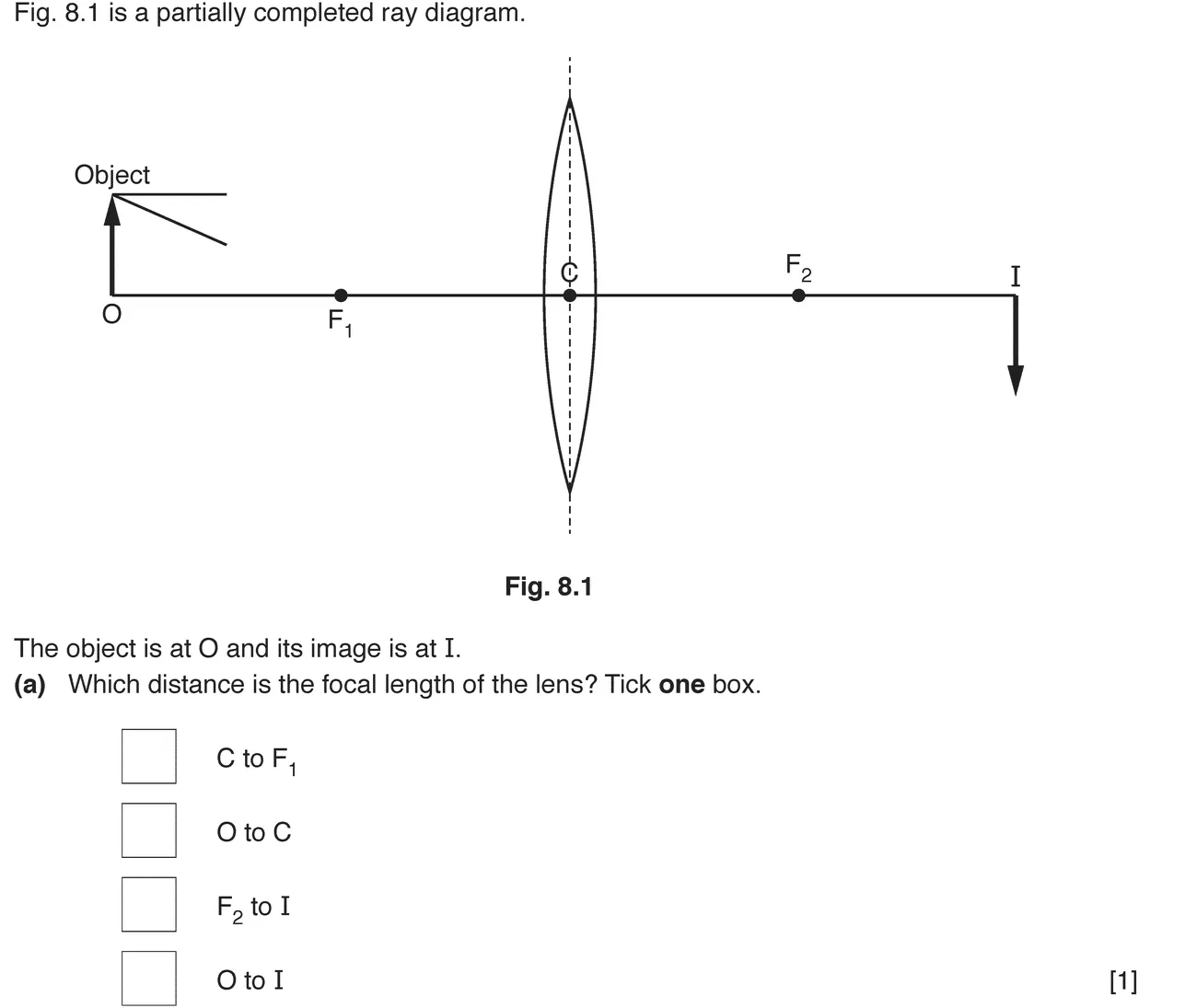
Show the answer

Written question 4 of 5 · part (b) (2 / 3) 3:00
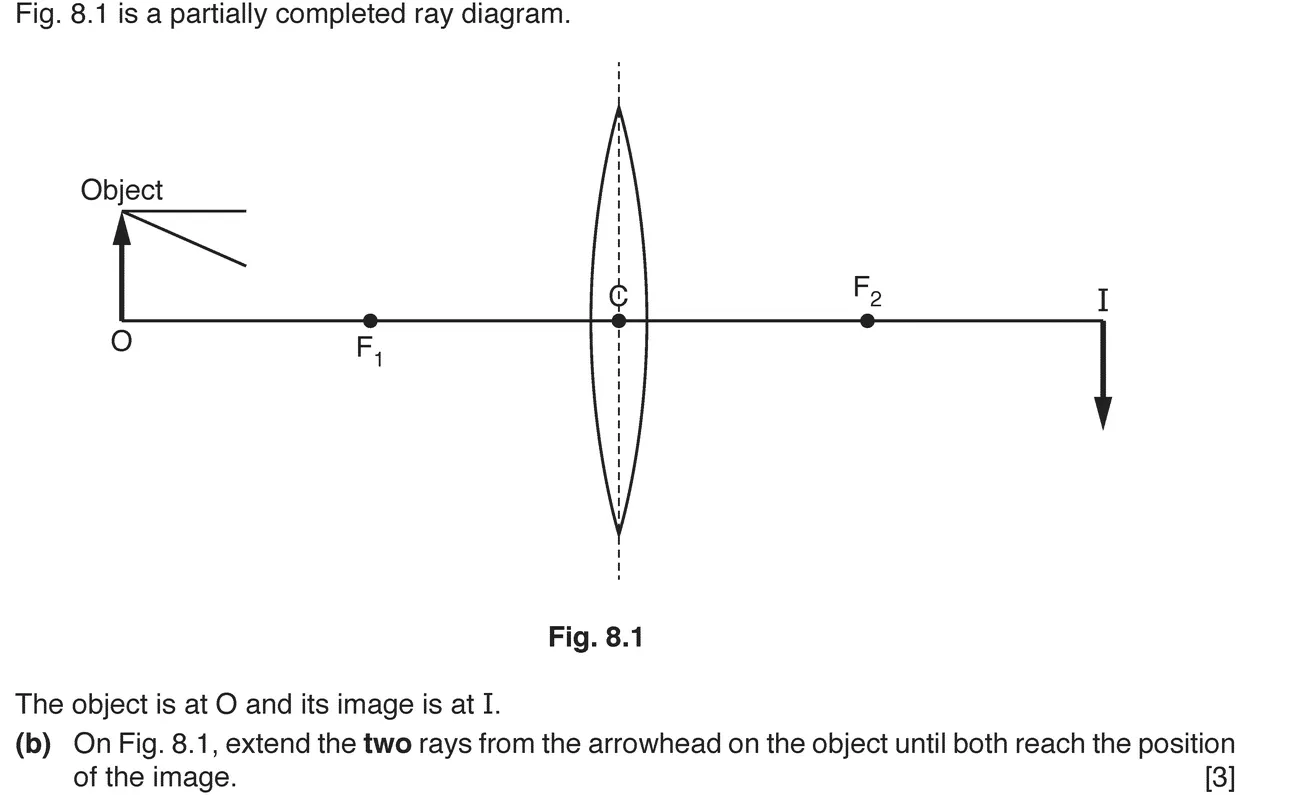
Show the answer
Written question 4 of 5 · part (c) (3 / 3) 3:00
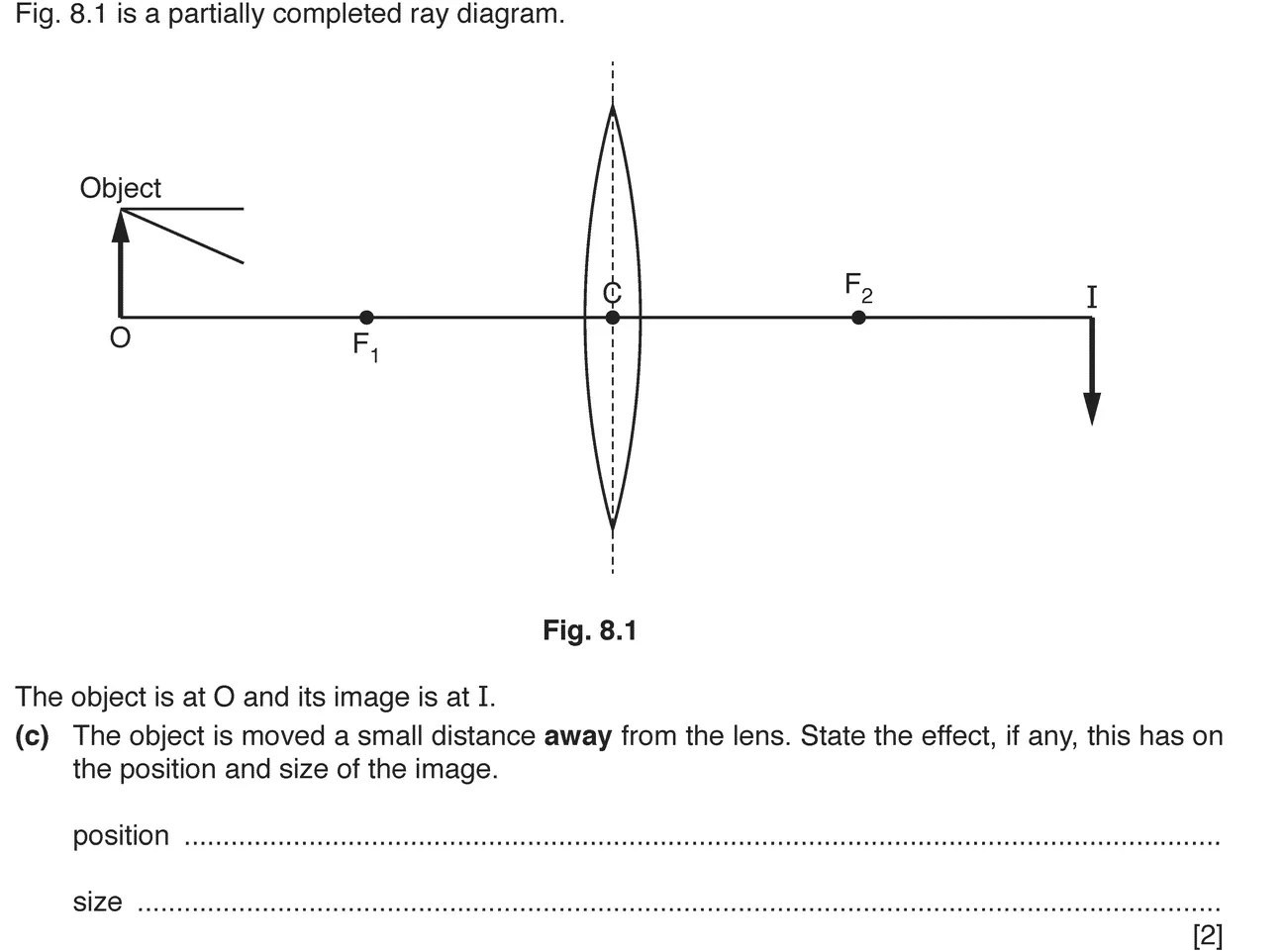
Show the answer

Written question 5 of 5 · part (a) (1 / 3) 3:00

Show the answer

Written question 5 of 5 · part (b)(i) (2 / 3) 3:00

Show the answer
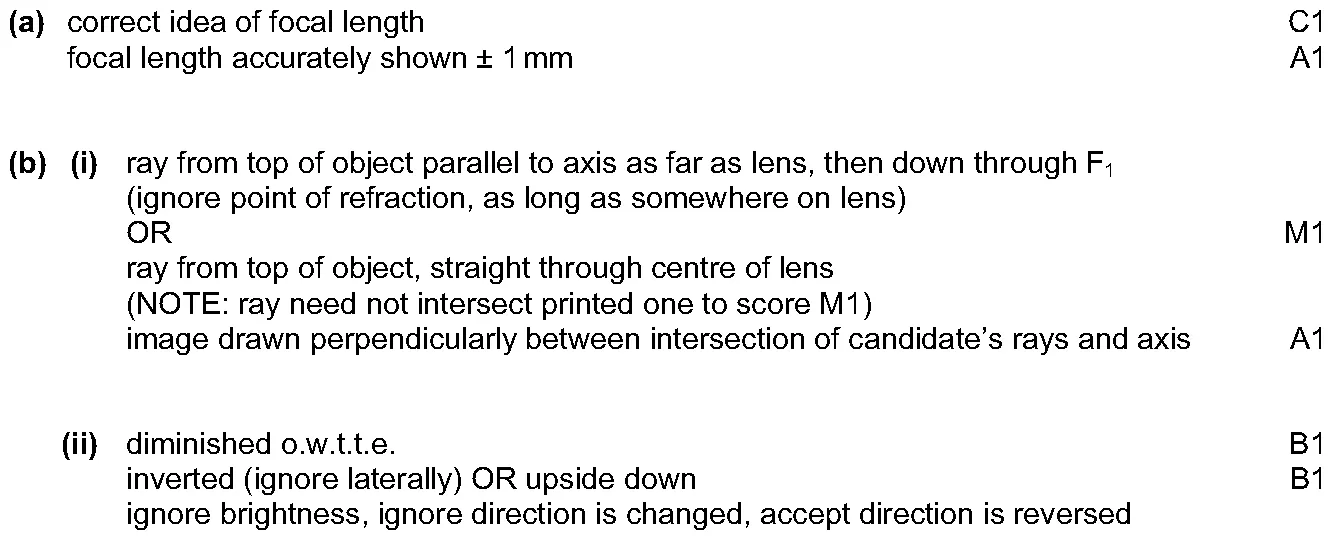
Written question 5 of 5 · part (b)(ii) (3 / 3) 3:00

Show the answer
Each part of a written question is on its own screen. Write your answer first, then open "Show the answer" to check it against the mark scheme.
Last updated: