Curriculum
Course: General Biology
Login

Curriculum

General Biology

Text lesson

6.2 Biotechnology & Genetic Engineering

Describe how recombinant DNA is made and cloned.
1Key ideas2Key ideas
Key ideas
Key ideas
EcoRI recognises 5′-GAATTC-3′ and cuts between G and A, leaving AATT sticky ends.
Recognition sites are often palindromic
the same sequence reads 5’→3′ on both strands.
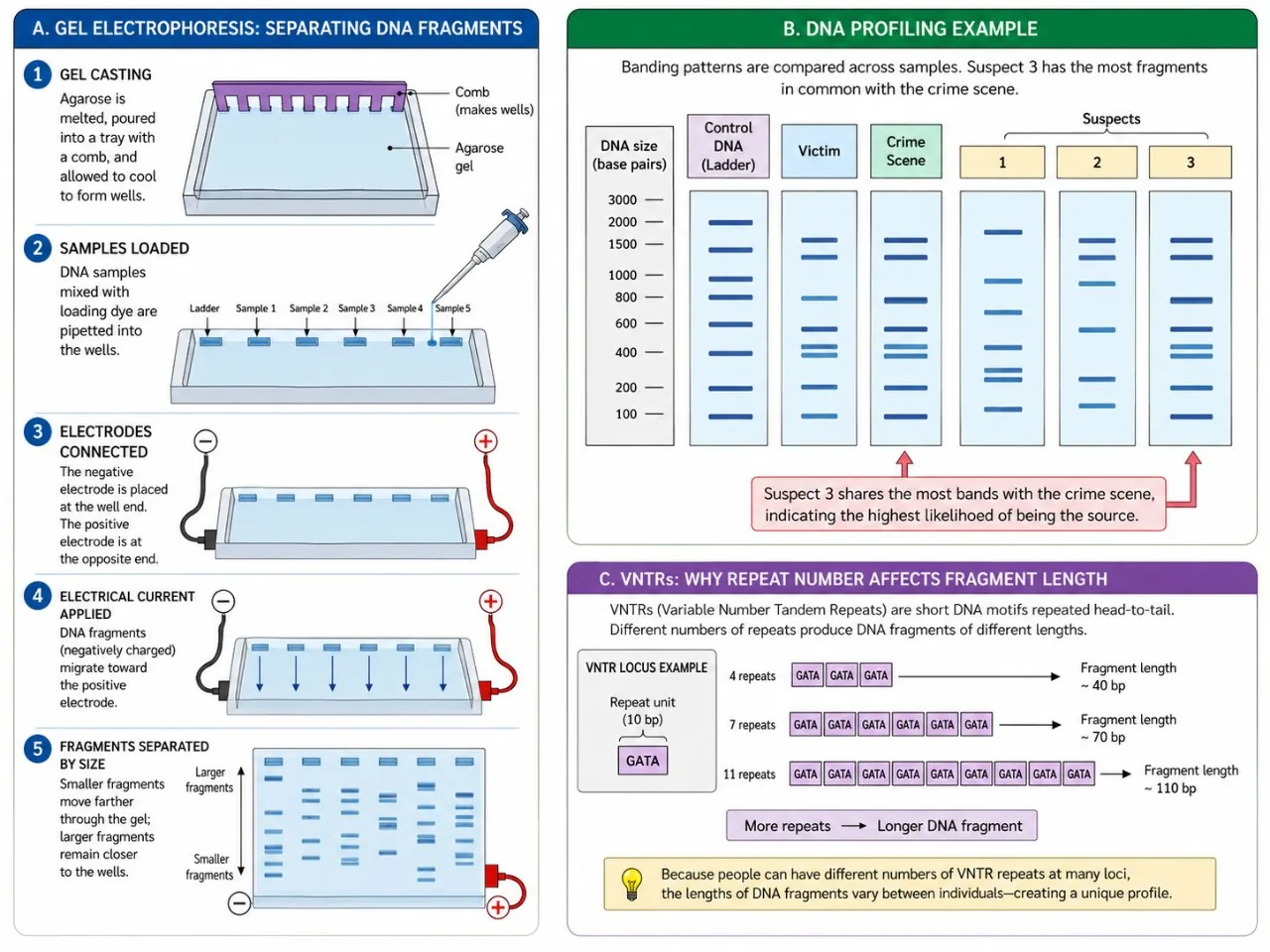
DNA is negatively charged (phosphates)

so it migrates to the anodesmaller fragments travel further.
Bacteria cannot splice introns

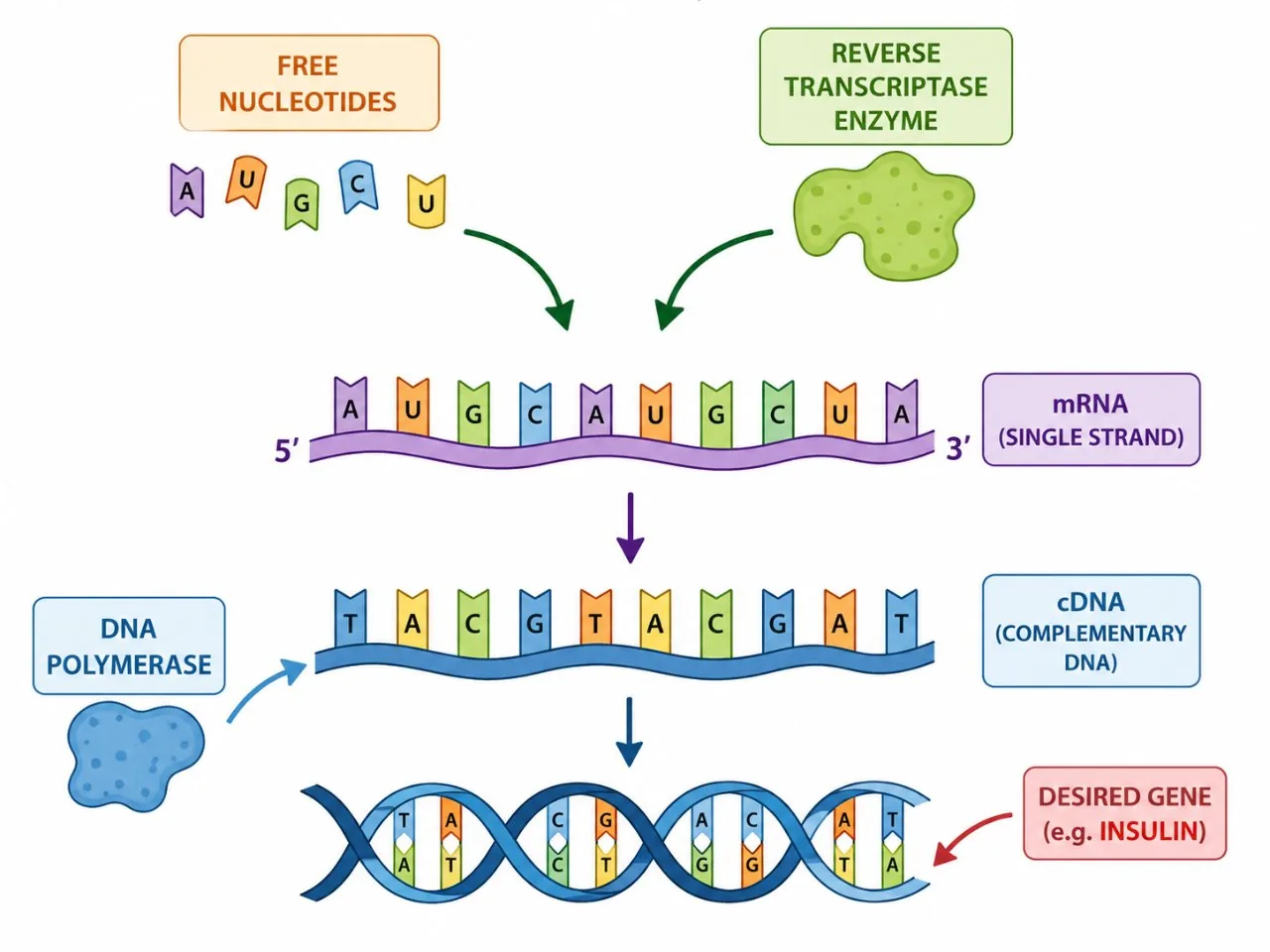
so eukaryotic genes are expressed in bacteria using cDNA.
DNA profiling uses short tandem repeats (STRs) that vary in length between individuals.
1 / 2Next ▶
Key ideas
1

Dideoxy (Sanger) sequencing uses ddNTPs that stop chain extension

next-generation sequencing reads millions of fragments in parallel.
2

Golden Rice was engineered to produce beta-carotene (vitamin A precursor)

Bt crops produce an insecticidal protein.
3

Dolly the sheep (1996) was cloned by somatic cell nuclear transfer.
◀ Previous2 / 2
1Essential knowledge2Essential knowledge3Essential knowledge4Essential knowledge5Essential knowledge6Essential knowledge7Essential knowledge8Essential knowledge9Essential knowledge
Essential knowledge
1 / 9Next ▶
Essential knowledge
◀ Previous2 / 9Next ▶
Essential knowledge
◀ Previous3 / 9Next ▶
Essential knowledge
◀ Previous4 / 9Next ▶
Essential knowledge
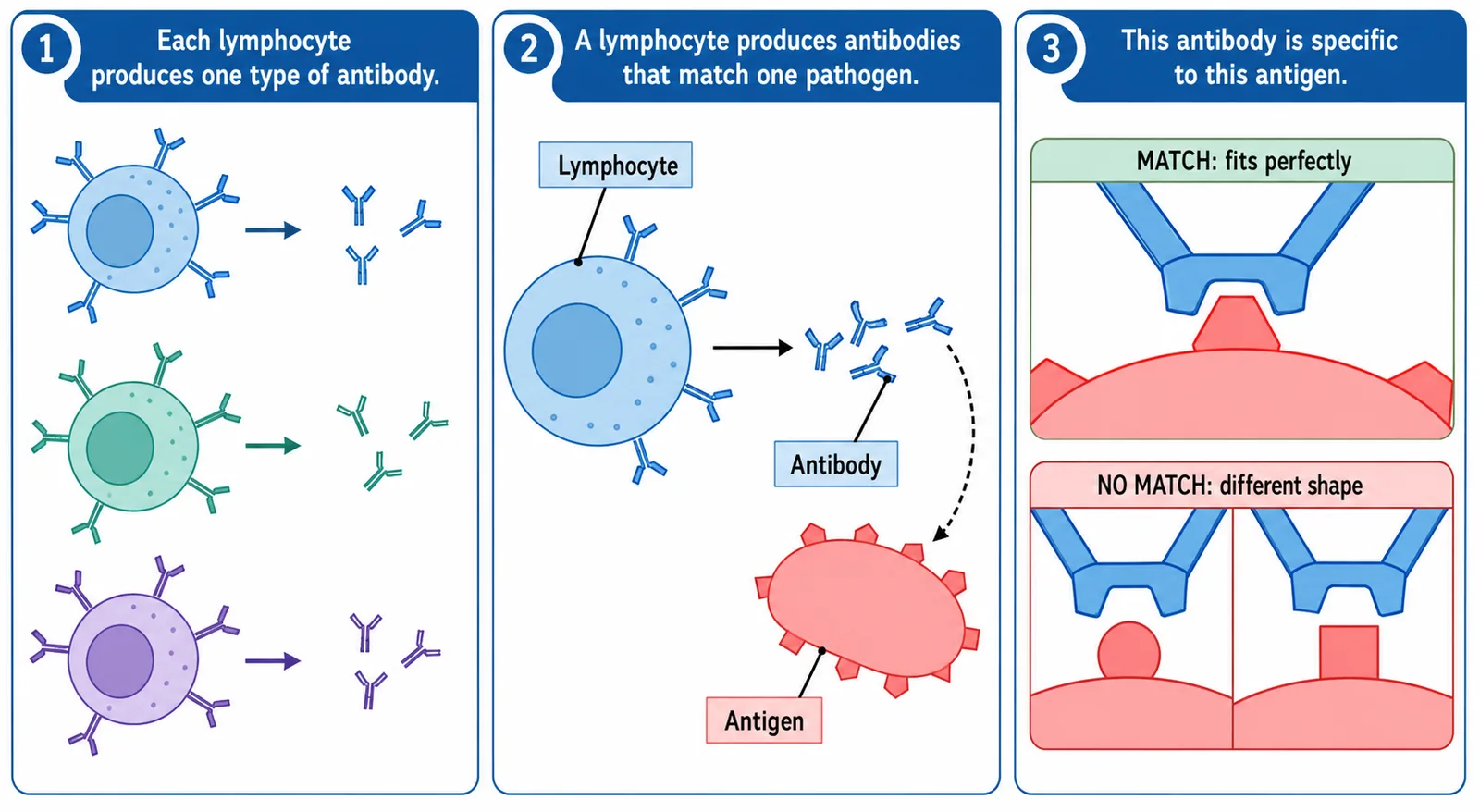
Specific antibody matches antigen (lock and key)" loading= - Dr Khaled Dabour Academy⤢ Enlarge
Essential knowledge
Gene cloning
restriction enzymes evolved in bacteria to destroy phage DNA (the bacterium’s own DNA is protected by methylation). A good vector has an origin of replication, a selectable marker (antibiotic resistance), and a multiple cloning site. Expression vectors add a promoter recognised by the host.
Libraries and probes
a genomic library contains fragments of an entire genome

a cDNA library contains only expressed genes. Labelled nucleic acid probes identify clones by hybridisation.
PCR
needs template DNA, two primers, dNTPs, heat-stable Taq polymerase and buffer with Mg
◀ Previous5 / 9Next ▶
Essential knowledge
1

2+
2

. Used for diagnosis (e.g. RT-PCR/qPCR for viruses), forensics from tiny samples and cloning.
3

Electrophoresis and profiling
4

fragments are compared with a ladder of known sizes. In DNA fingerprinting, STR patterns match for the same individual

a child’s bands each come from one parent. Southern blotting detects specific sequences on a gel.
5

Sequencing and genomics
6

the Human Genome Project (completed 2003) sequenced about 3 billion base pairs

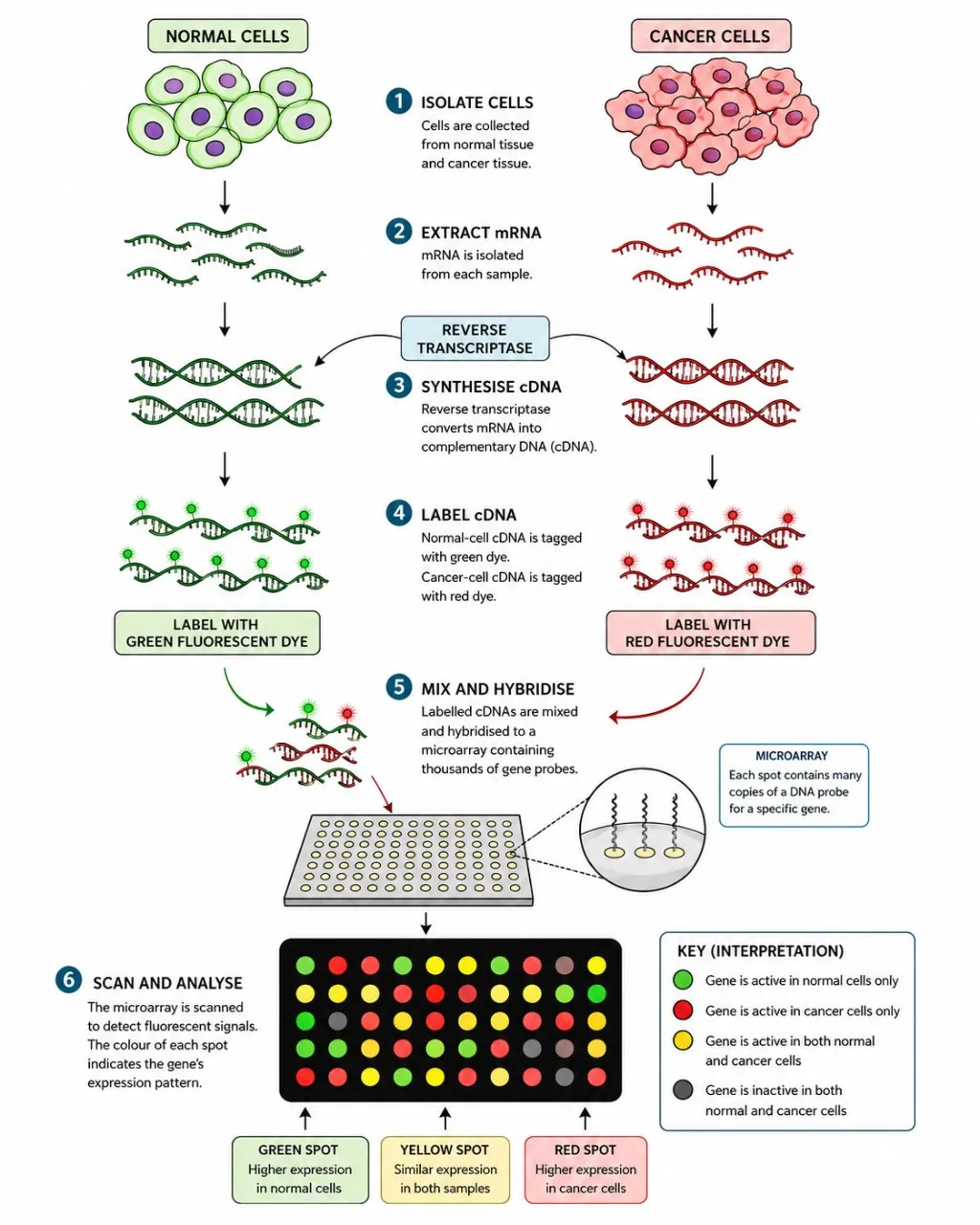
humans have roughly 20 000 protein-coding genes. Bioinformatics compares genomesDNA microarrays and RNA-seq measure gene expression.
◀ Previous6 / 9Next ▶
Essential knowledge
Essential knowledge
Applications in medicine
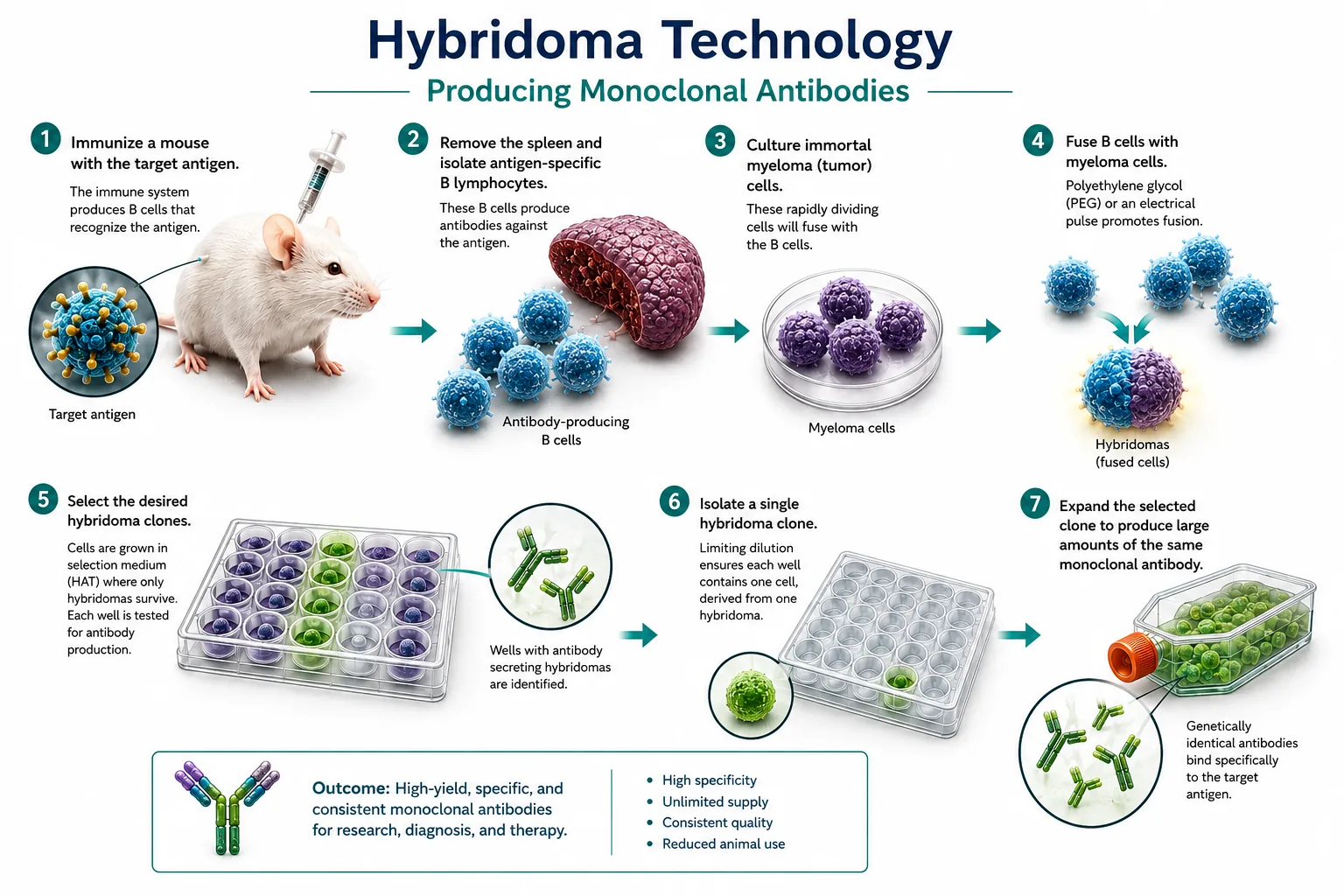
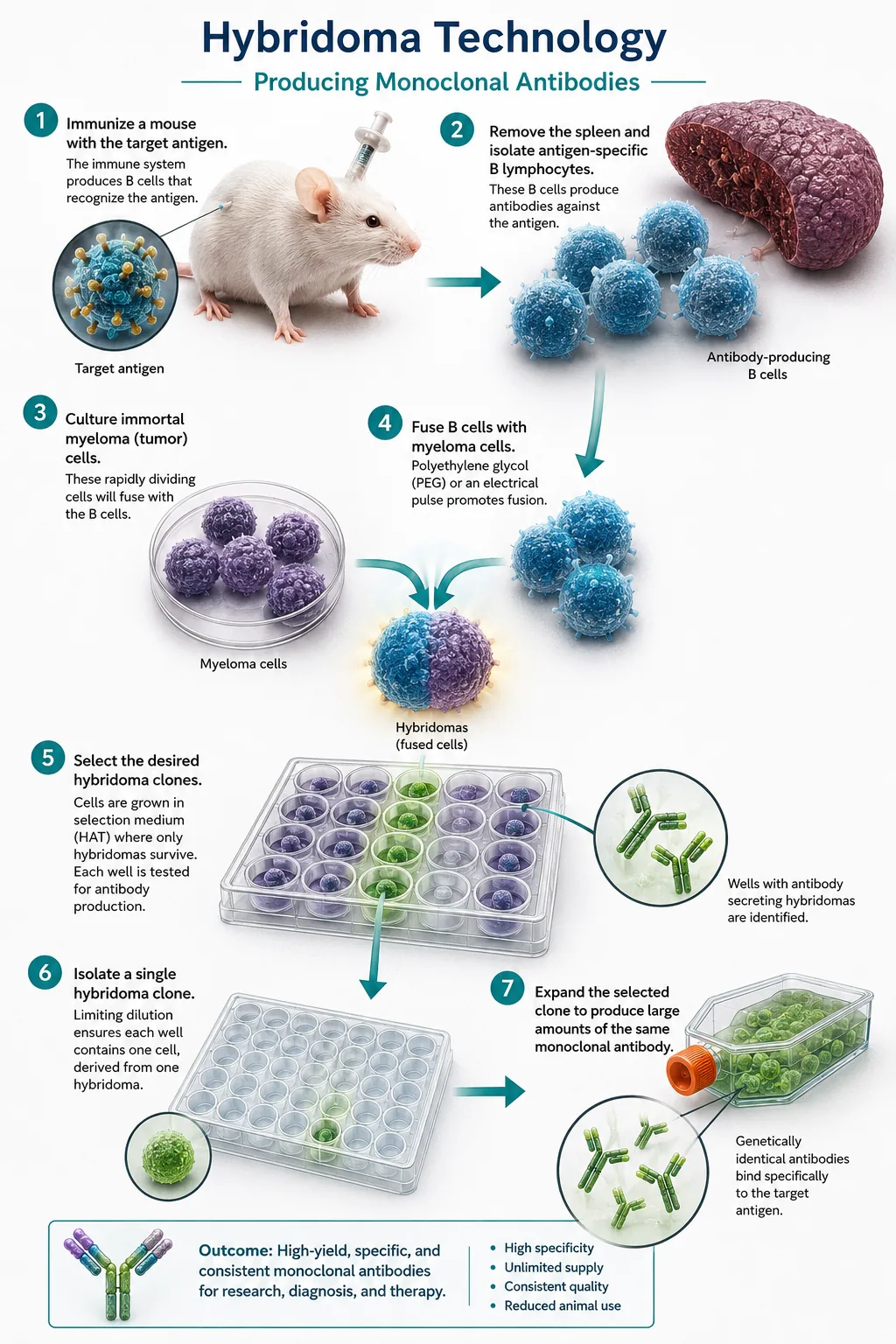
recombinant proteins (insulin, human growth hormone, clotting factors), vaccines (e.g. hepatitis B surface antigen, mRNA vaccines), monoclonal antibodies, gene therapy (delivering a working allele using viral vectors, e.g. for SCID) and pharmacogenomics.
Agrobacterium
Ti plasmids transfer genes into plants

GM crops resist pests (Bt), herbicides or have improved nutrition. Transgenic animals can produce pharmaceutical proteins in milk (‘pharming’).
Cloning and stem cells
embryonic stem cells are pluripotent

adult stem cells are multipotentinduced pluripotent stem cells (iPS) are reprogrammed adult cells. CRISPR-Cas9 allows precise knock-outs or corrections of genes.
◀ Previous7 / 9Next ▶
Essential knowledge
Essential knowledge
Ethics and safety
concerns include gene flow from GM crops to wild relatives, effects on non-target species, allergenicity, genetic privacy and discrimination, germline editing of humans and unequal access. Regulation and containment reduce risks.
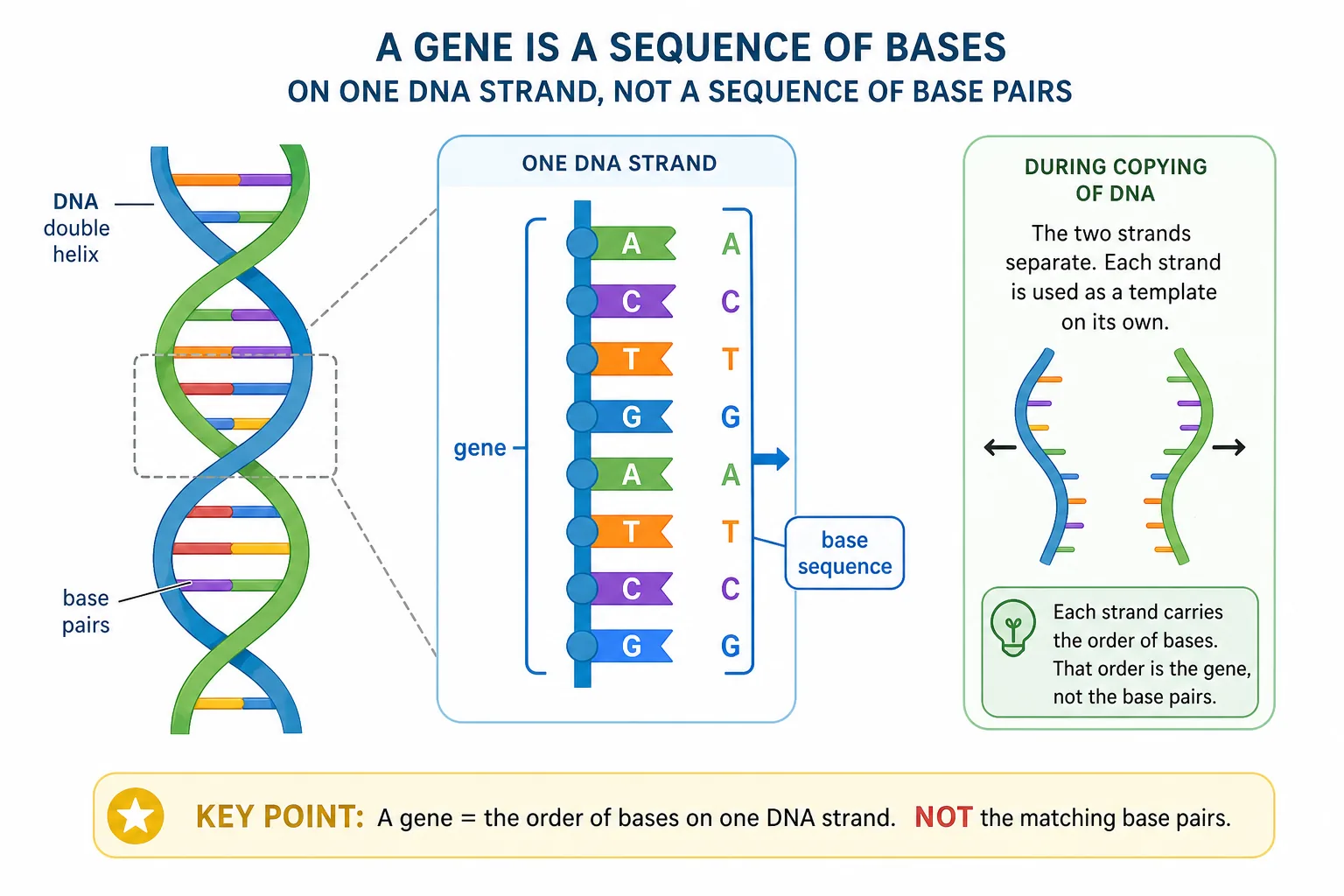
Because the genetic code is almost universal, the same codons specify the same amino acids in nearly all living organisms.
Genetic engineering moves a gene with a desired trait into another organism using a vector

where the gene is then expressed.
Gene editing changes DNA at specific sites in the genome without introducing any foreign DNA.
Specialised cells make large amounts of particular mRNA

which makes the mRNA for the desired gene easier to find for cDNA synthesis.
◀ Previous8 / 9Next ▶
Essential knowledge
1

DNA polymerase builds a second strand from single-stranded cDNA, producing a double-stranded molecule that carries the desired gene.
2

A promoter is the region of DNA where RNA polymerase binds to begin transcription

so it determines which gene is expressed.
3

Green fluorescent protein can serve as a marker that shows which cells have taken up the recombinant DNA.
◀ Previous9 / 9
1Process & sequence2Process & sequence3Process & sequence4Process & sequence5Process & sequence6Process & sequence
Process & sequence
1 / 6Next ▶
Process & sequence
◀ Previous2 / 6Next ▶
Process & sequence
Making a Recombinant Plasmid" loading= - Dr Khaled Dabour Academy⤢ Enlarge
1

1
2

Isolate the gene of interest (or make cDNA from mRNA) and a plasmid vector.
3

2
4

Cut both with the same restriction enzyme to give complementary sticky ends.
5

3
6

Mix fragments

sticky ends base-pair and DNA ligase seals them into recombinant plasmids.
◀ Previous3 / 6Next ▶
Process & sequence
Process & sequence
4
Transform bacteria by heat shock or electroporation so some cells take up plasmids.
5
Grow on medium with antibiotic to select transformed cells (resistance gene on plasmid).
6
Screen for recombinant colonies (e.g. blue-white screening with lacZ disruption).
◀ Previous4 / 6Next ▶
Process & sequence
Process & sequence
7
Culture the clone to produce the protein, e.g. human insulin.
Making recombinant insulin — write these steps in this order

each step is a marking point.
Obtain insulin cDNA
Cut gene and plasmid
Ligate into plasmid
◀ Previous5 / 6Next ▶
Process & sequence
1

Transform bacteria
2

Select on antibiotic plates
3

Purify insulin protein
◀ Previous6 / 6
Worked examples
1

Starting with 10 copies of a target sequence, how many copies after 20 PCR cycles (assuming perfect doubling)?
2

N = N0 x 2n = 10 x 220 = 10 x 1 048 576 = about 1.05 x 10⁷ copies.
3

A linear DNA molecule of 5000 bp has two EcoRI sites, at 1200 bp and 3500 bp. What fragments appear on a gel?
4

Two cuts in linear DNA give three fragments: 1200 bp, 3500 – 1200 = 2300 bp, and 5000 – 3500 = 1500 bp. The 1200 bp fragment travels furthest.
1Summary2Summary3Summary
Summary
Summary
1
Genes can be
cut, joined and cloned
using restriction enzymes, ligase and vectors.
2
PCR
1 / 3Next ▶
Summary
1

amplifies DNA through repeated heat cycles.
2

3
3

Gel electrophoresis
4

separates DNA fragments by size.
5

4
6

Applications include
◀ Previous2 / 3Next ▶
Summary
Summary
medicine, agriculture and forensics
.
5
Biotechnology raises
ethical and safety questions
◀ Previous3 / 3
1Check yourself2Check yourself3Check yourself4Check yourself5Check yourself6Check yourself7Check yourself8Check yourself
Check yourself
1 / 8Next ▶
Check yourself
" loading= - Dr Khaled Dabour Academy⤢ Enlarge
1

Q1. Why is cDNA used to express a human gene in bacteria?
2

1
3

A. cDNA contains a bacterial promoter
4

2
5

B. cDNA is double-stranded RNA
6

3
◀ Previous2 / 8Next ▶
Check yourself
1

C. Bacteria cannot remove introns
2

4
3

D. cDNA is shorter because it lacks exons
4

Show answer
5

C. cDNA is made from mature mRNA

so it lacks introns bacteria cannot splice.
6

Q2. In gel electrophoresis, DNA moves towards the positive electrode because it:
◀ Previous3 / 8Next ▶
Check yourself
Check yourself
A. Has negatively charged phosphate groups
B. Is positively charged
C. Is attracted by the dye
D. Is hydrophobic
A. The phosphate backbone gives DNA a negative charge.
Q3. The annealing step of PCR:
◀ Previous4 / 8Next ▶
Check yourself
1

A. Separates DNA strands
2

B. Joins fragments with ligase
3

C. Makes RNA copies
4

D. Lets primers bind to the template
5

D. At lower temperature primers hydrogen-bond to target sequences.
6

Q4. Taq polymerase is used in PCR because it:
◀ Previous5 / 8Next ▶
Check yourself
Check yourself
A. Cuts DNA at palindromes
B. Is stable at high temperatures
C. Needs no primers
D. Makes RNA
B. It comes from a thermophilic bacterium and survives denaturation temperatures.
Q5. Bacteria that grow on ampicillin plates after transformation:
◀ Previous6 / 8Next ▶
Check yourself
Check yourself
A. Contain the plasmid with an ampicillin resistance gene
B. Have lost all plasmids
C. Are all recombinant with the target gene
D. Are killed by ampicillin
A. Selection shows plasmid uptake

further screening identifies recombinants.
Q6. Which technique produces Dolly-type clones?
◀ Previous7 / 8Next ▶
Check yourself
1

A. PCR
2

B. Gel electrophoresis
3

C. Somatic cell nuclear transfer
4

D. Southern blotting
5

C. A somatic nucleus is placed into an enucleated egg.
◀ Previous8 / 8

Recombinant DNA

DNA formed by joining sequences from different sources.

Restriction enzyme

A bacterial enzyme that cuts DNA at a specific recognition sequence, often leaving sticky ends.

Plasmid vector

A small circular DNA molecule used to carry foreign genes into a host cell.

DNA ligase

An enzyme that joins DNA fragments by forming phosphodiester bonds.

PCR

Polymerase chain reaction: an in-vitro method to amplify a specific DNA sequence exponentially.

Gel electrophoresis

Separation of DNA fragments by size as they move through a gel towards the positive electrode.

cDNA

Complementary DNA made from mRNA by reverse transcriptase, lacking introns.

Transgenic organism

An organism containing a gene from another species.

CRISPR-Cas9

A gene-editing system in which a guide RNA directs the Cas9 nuclease to cut a chosen DNA sequence.

Stem cell

An unspecialised cell that can divide and differentiate into specialised cell types.

Key tools of biotechnology
Tool Purpose
Restriction enzymes Cut DNA at specific sites
DNA ligase Join DNA fragments
Plasmid vectors Carry and replicate genes in host cells
Reverse transcriptase Make cDNA from mRNA
Taq polymerase Heat-stable DNA synthesis in PCR
Gel electrophoresis Separate DNA by size
PCR cycle stages
Stage Temperature What happens
Denaturation About 94-95 °C Hydrogen bonds break; strands separate
Annealing About 50-65 °C Primers bind to complementary flanking sequences
Extension About 72 °C Taq polymerase extends primers 5’→3′

Each cycle doubles the target: after n cycles, about 2n copies per starting molecule.

Command terms
Identify / Describe (FRQ)
A short, specific statement; describing requires relevant characteristics, not a single word.
Explain / Justify (FRQ)
Give the cause-and-effect reasoning or evidence; a restated fact does not score.
Calculate
Show setup, substitution and the answer with units.
Predict
State the expected outcome; add a reason only if asked to justify.
MCQ technique
Read every option; eliminate distractors that are true statements but do not answer the question; watch for NOT/EXCEPT.

Keywords the mark scheme looks for in this lesson

Keywords the mark scheme looks for in this lesson
Recombinant DNA · Restriction enzyme · Plasmid vector · DNA ligase · PCR · Gel electrophoresis · cDNA · Transgenic organism · CRISPR-Cas9 · Stem cell
Learn each definition in the Key words tab exactly; a missing keyword in a definition usually loses the mark.

How to get full marks (examiner guidance)

1

Answer exactly what is asked; extra correct material does not earn credit, and contradictory statements can cancel credit (AP FRQ).
2

Use precise vocabulary (e.g. “active site”, “concentration gradient”, “allele”), never “it/stuff/things”.
3

Show units and working in calculations.
4

In MCQs, predict the answer before reading the options, then eliminate.
Accepted payment methods