Curriculum
General Biology
1. Foundations
0/6
2. Cells & Energy
0/10
-
2.1 Cell Structure & Function
 Preview
-
2.1 Cell Structure & Function - Check yourself
 Preview
-
2.2 Membranes & Transport
Preview
-
2.2 Membranes & Transport - Check yourself
Preview
-
2.3 Energy, Enzymes & Metabolism
Preview
-
2.3 Energy, Enzymes & Metabolism - Check yourself
Preview
-
2.4 Cellular Respiration
Preview
-
2.4 Cellular Respiration - Check yourself
Preview
-
2.5 Photosynthesis
Preview
-
2.5 Photosynthesis - Check yourself
Preview
3. Genetics & Evolution
0/8
4. Diversity of Life
0/4
5. Animal Systems
0/4
6. Ecology & Biotechnology
0/4
2.2 Membranes & Transport
Describe the fluid mosaic model and factors affecting fluidity.
 ⤢ Enlarge

 ⤢ Enlarge
 ⤢ Enlarge






 ⤢ Enlarge
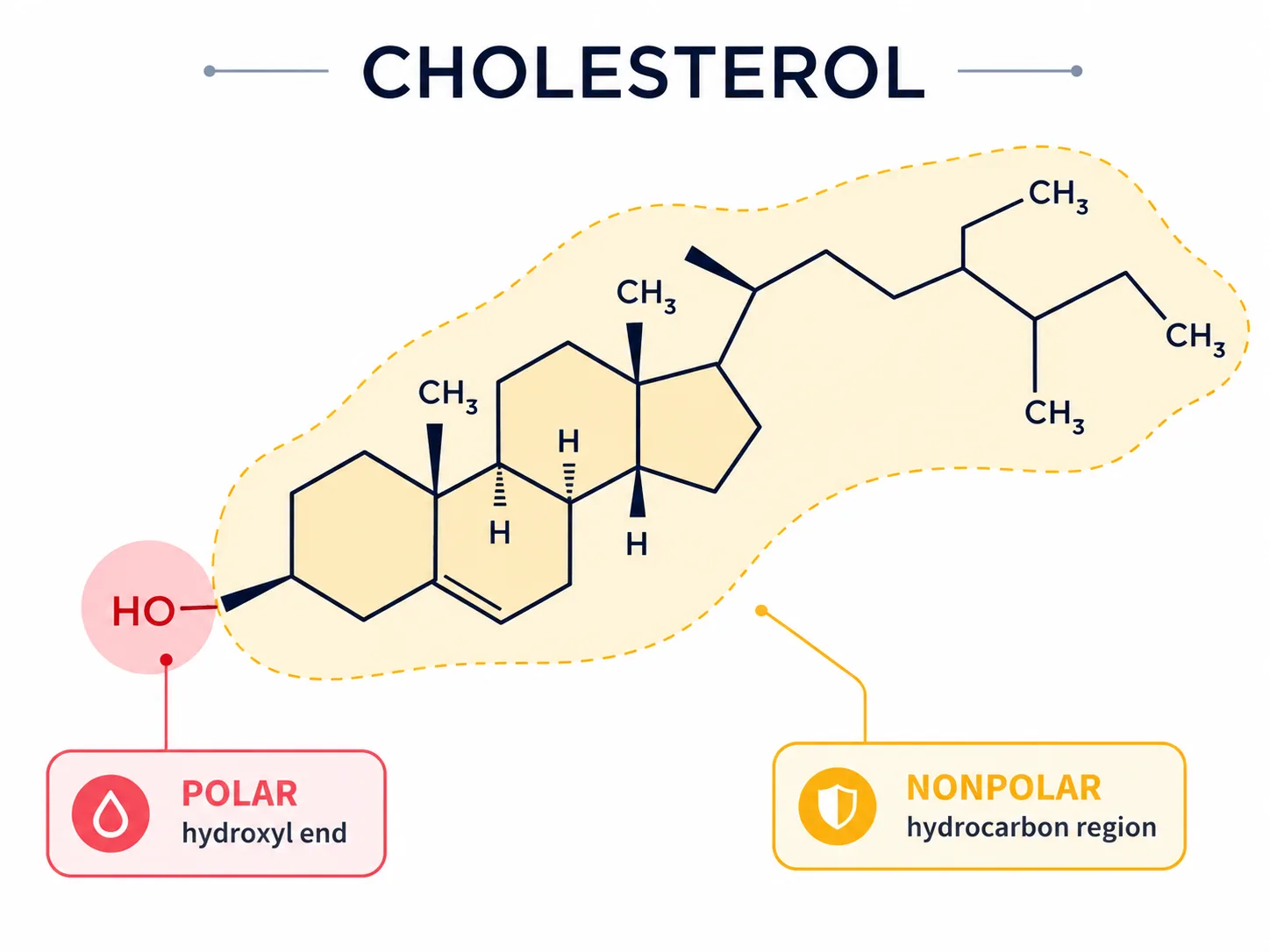
Fluid mosaic model
Membranes are a fluid phospholipid bilayer with a mosaic of proteins that can move laterally.
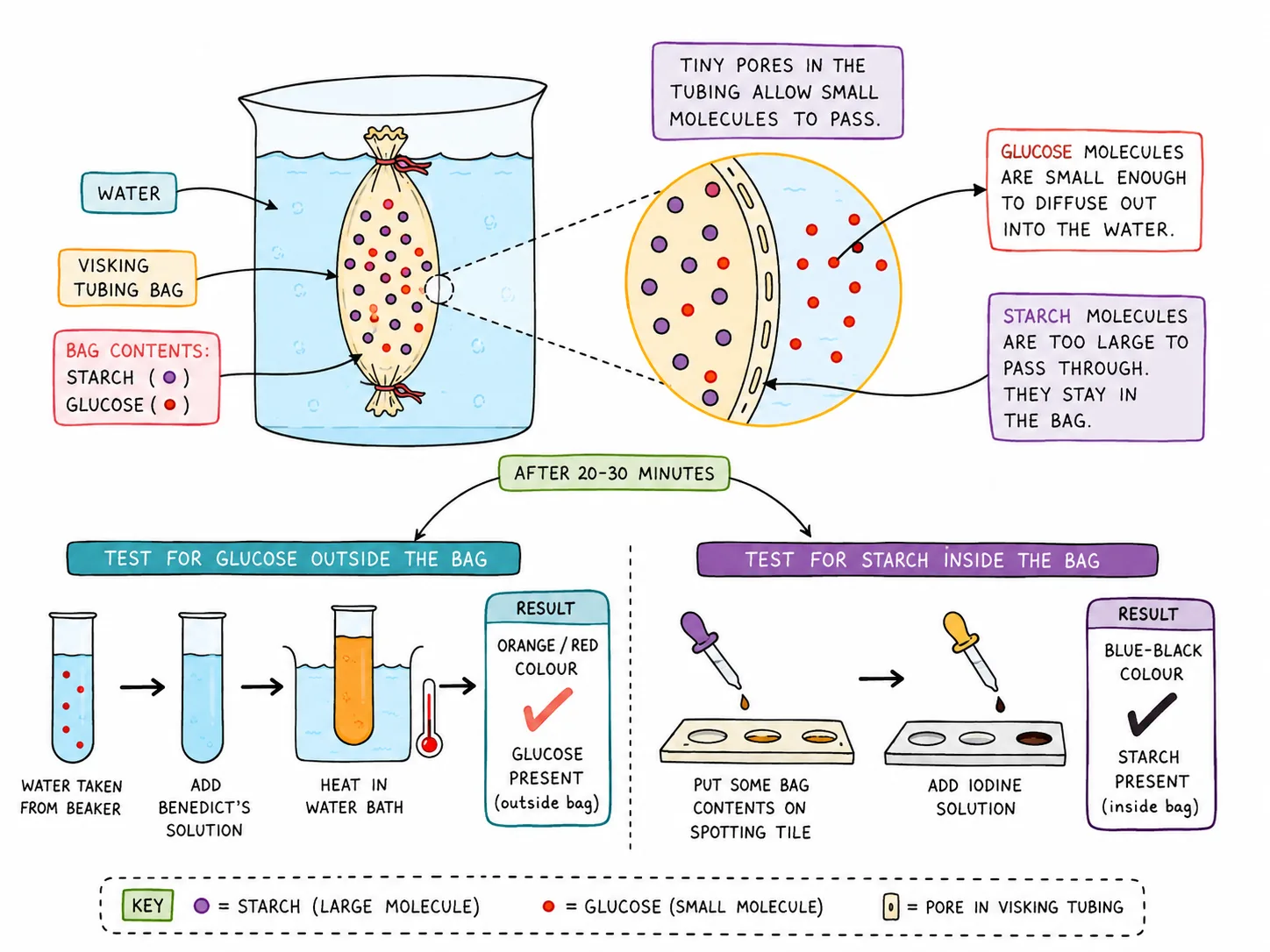
Selective permeability
A membrane lets some substances cross more easily than others.
Diffusion
Net movement of particles from high to low concentration, down a concentration gradient, without energy input.
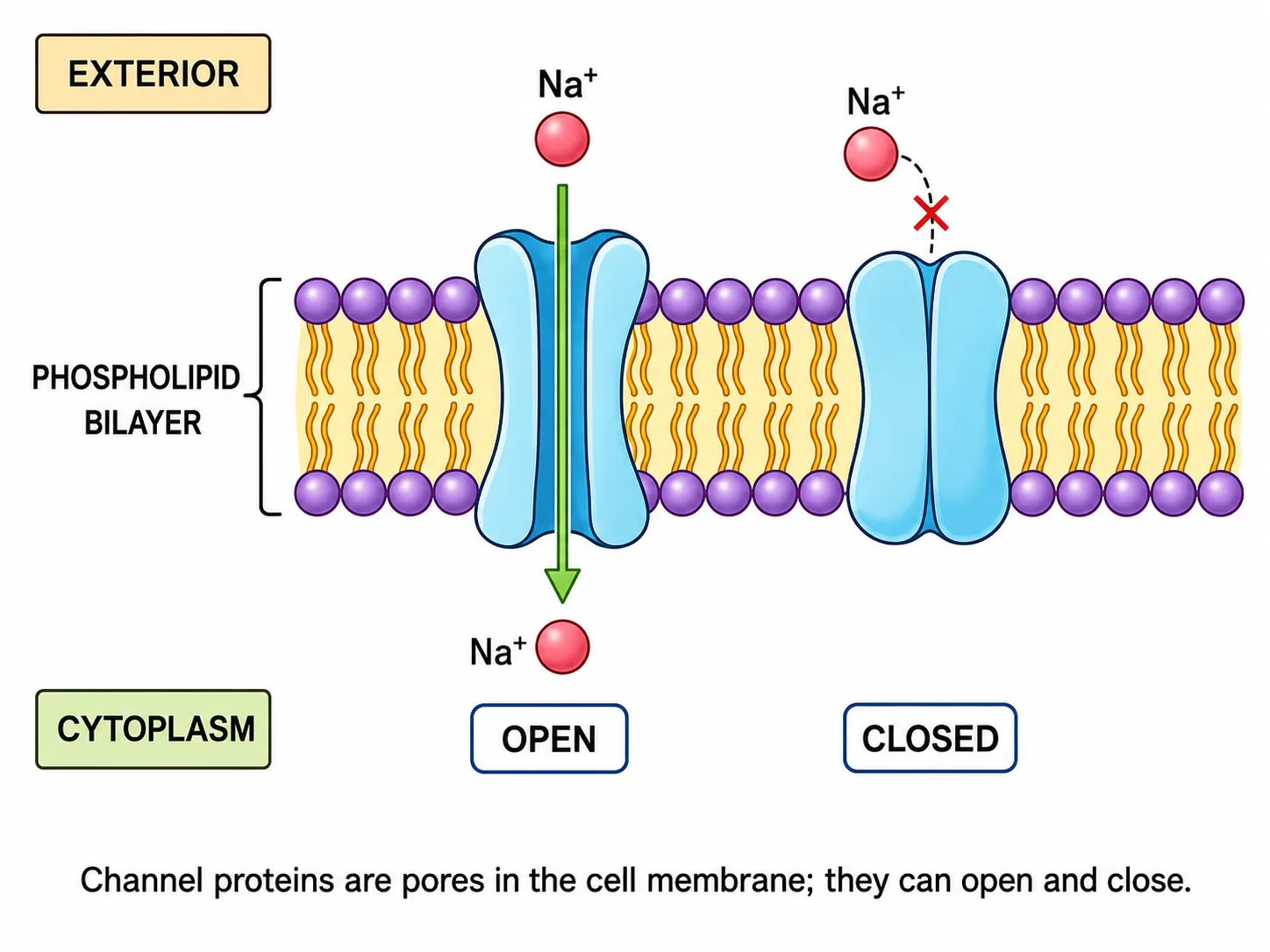
Facilitated diffusion
Passive movement of substances across a membrane through channel or carrier proteins.
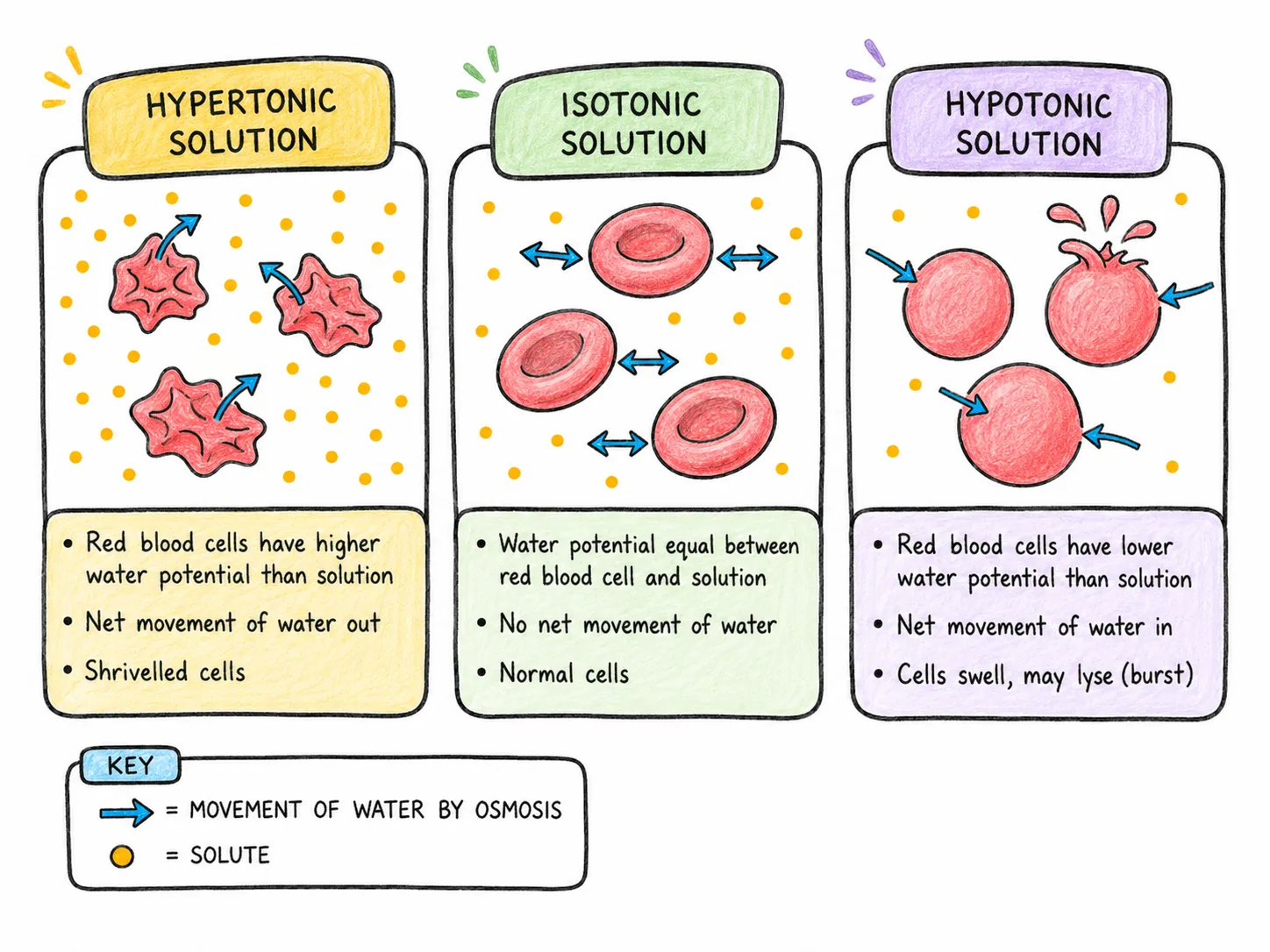
Osmosis
Diffusion of water across a selectively permeable membrane from lower to higher solute concentration.
Tonicity
The ability of a surrounding solution to cause a cell to gain or lose water.
Active transport
Movement of substances against their concentration gradient using energy, usually from ATP.
Cotransport
Using the gradient of one solute (e.g. H+ or Na+) to drive transport of another against its gradient.
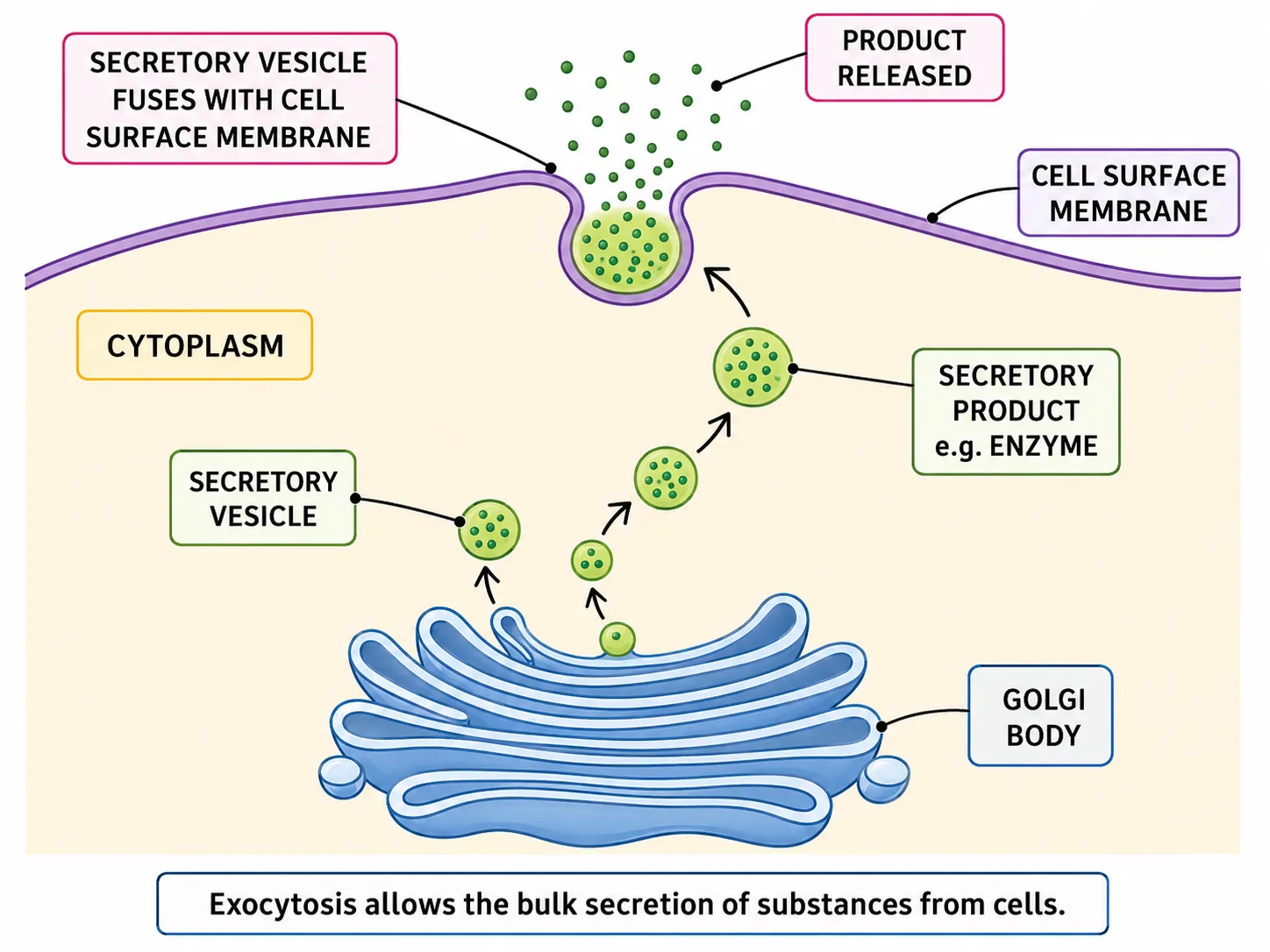
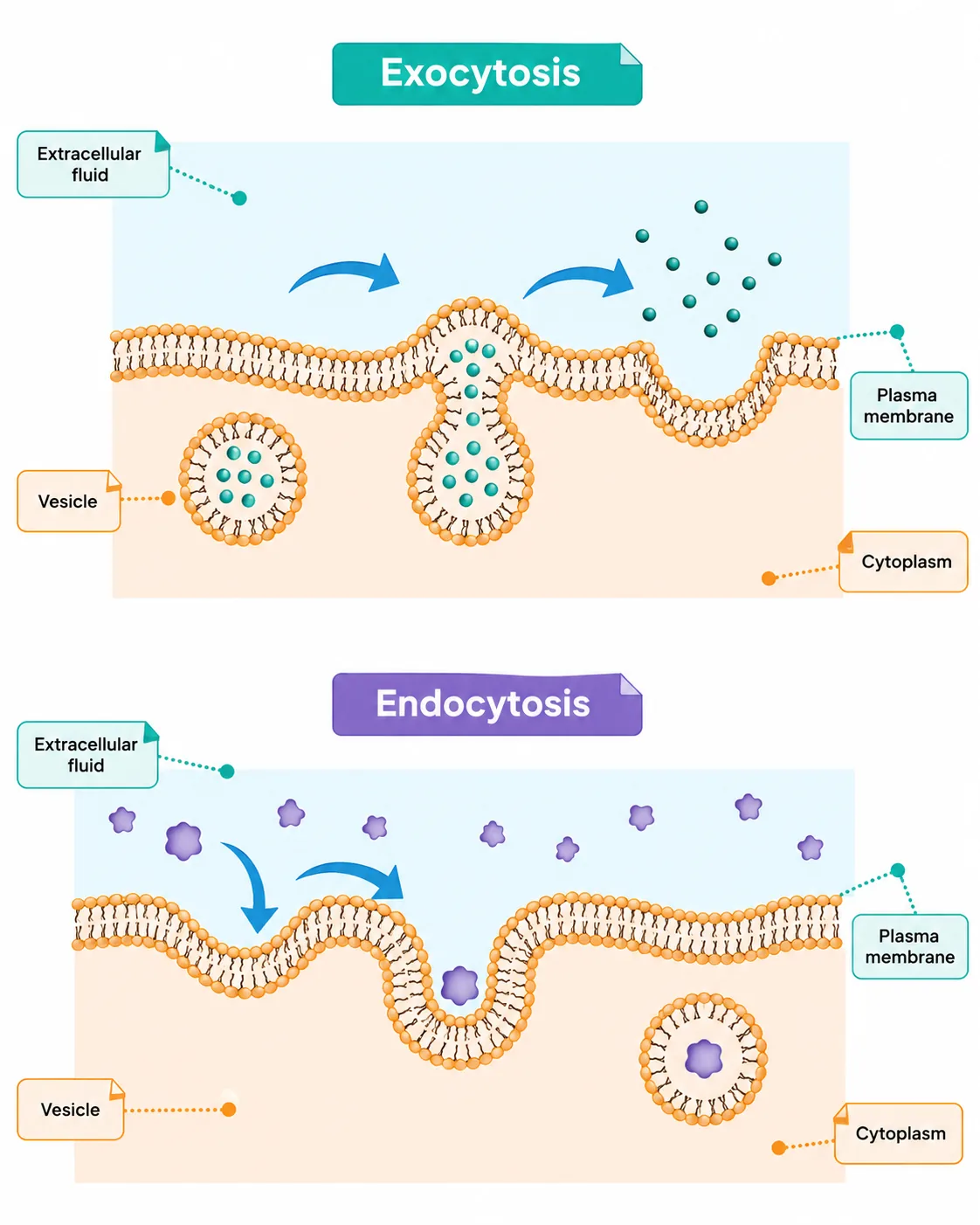
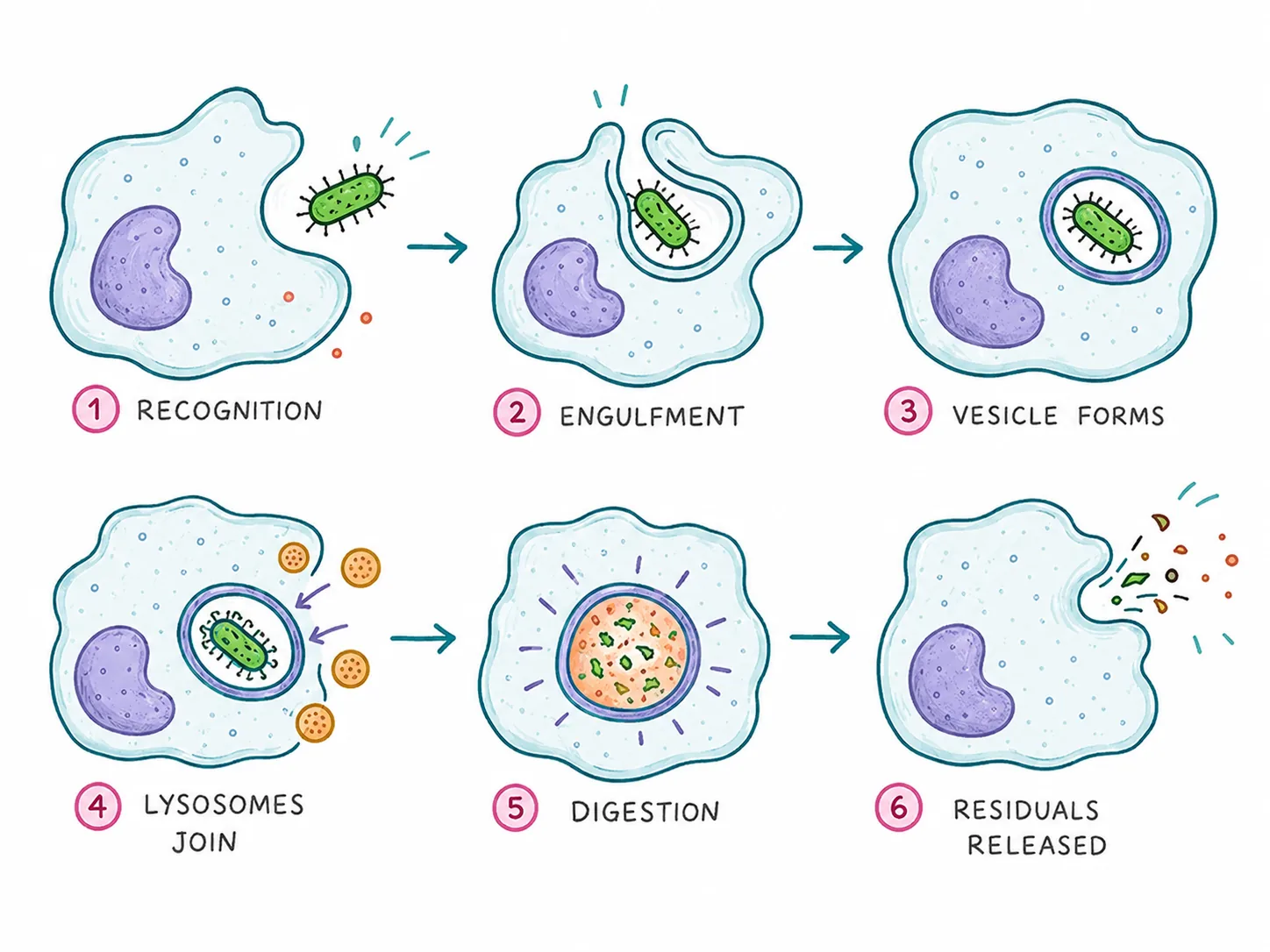
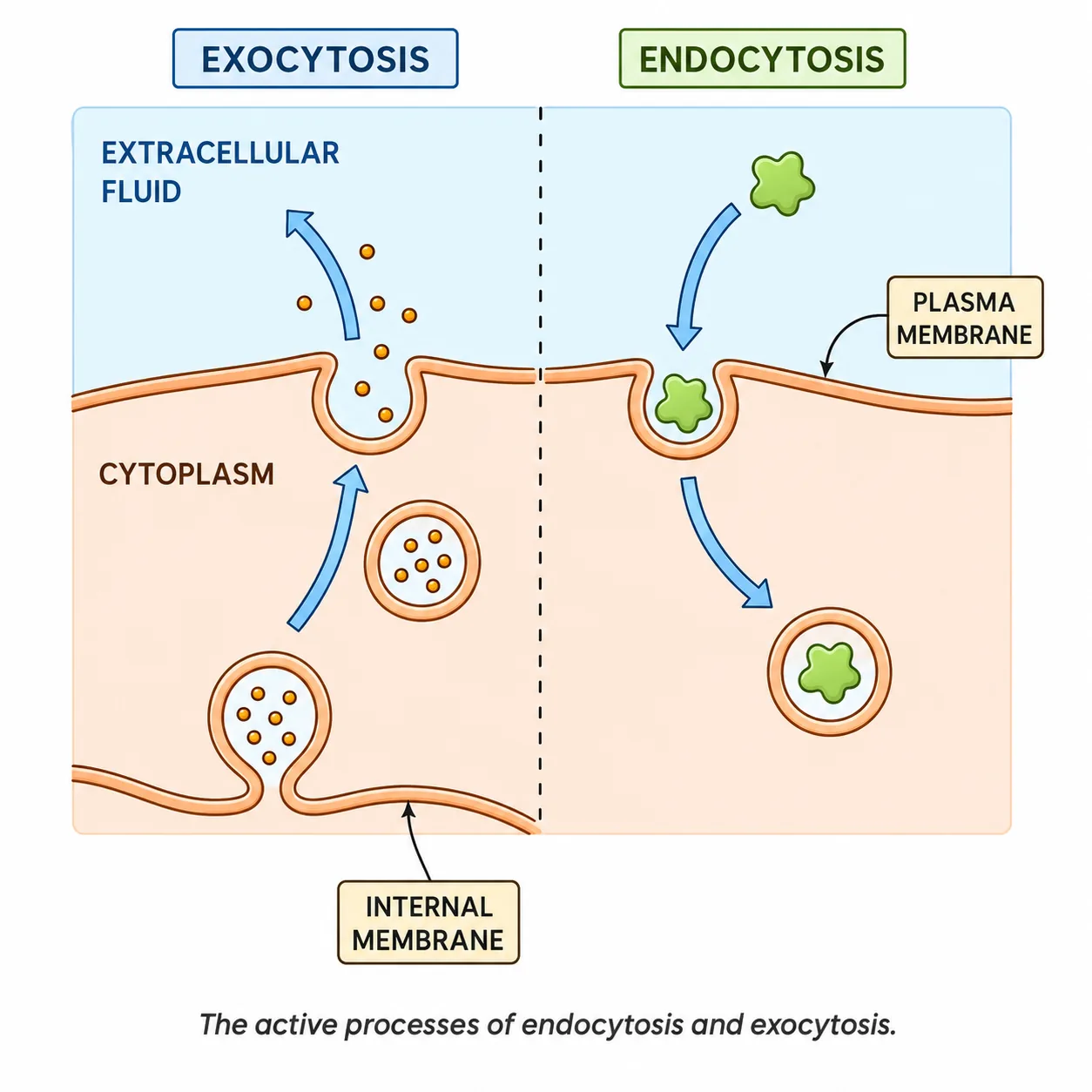
Endocytosis
Uptake of materials by infolding of the plasma membrane to form vesicles.
Water potential
Ψ, a measure of water’s tendency to move; water flows from higher to lower Ψ.
| Type | Energy? | Direction | Protein needed? | Example |
|---|---|---|---|---|
| Simple diffusion | No | Down gradient | No | O2, CO2, steroids |
| Facilitated diffusion | No | Down gradient | Channel/carrier | Glucose via GLUT; ions via channels |
| Osmosis | No | Toward higher solute | Often aquaporins | Water into root hair cells |
| Active transport | Yes (ATP) | Against gradient | Pump | Na+/K+ pump |
| Bulk transport | Yes | Into/out of cell | Vesicles | Phagocytosis, exocytosis of hormones |
| Solution | Water movement | Animal cell | Plant cell |
|---|---|---|---|
| Hypotonic | Into cell | Swells, may lyse | Turgid (normal) |
| Isotonic | No net movement | Normal | Flaccid |
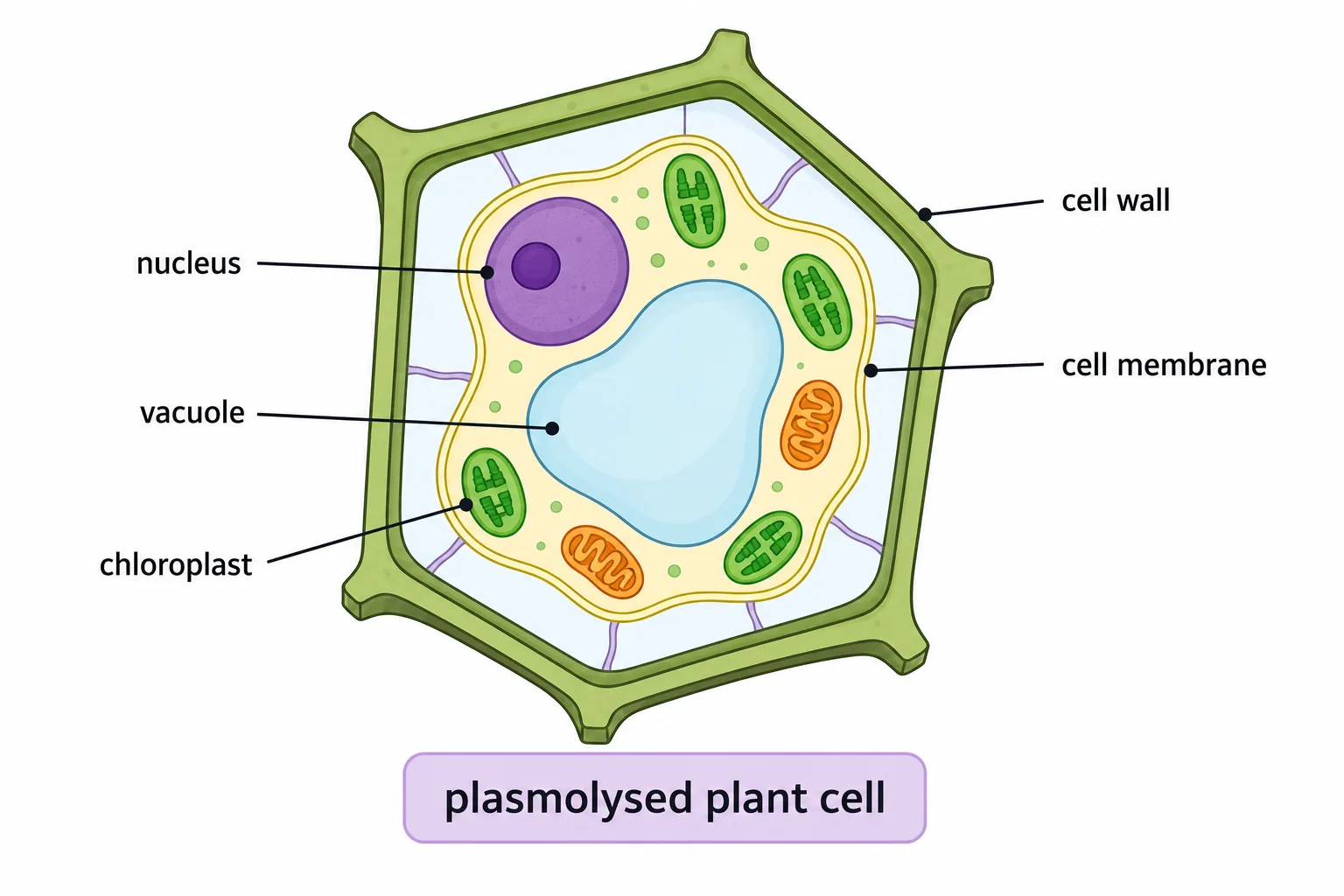
| Hypertonic | Out of cell | Shrivels (crenation) | Plasmolysed |