Part 1 of 2Ultrastructure of different cell types






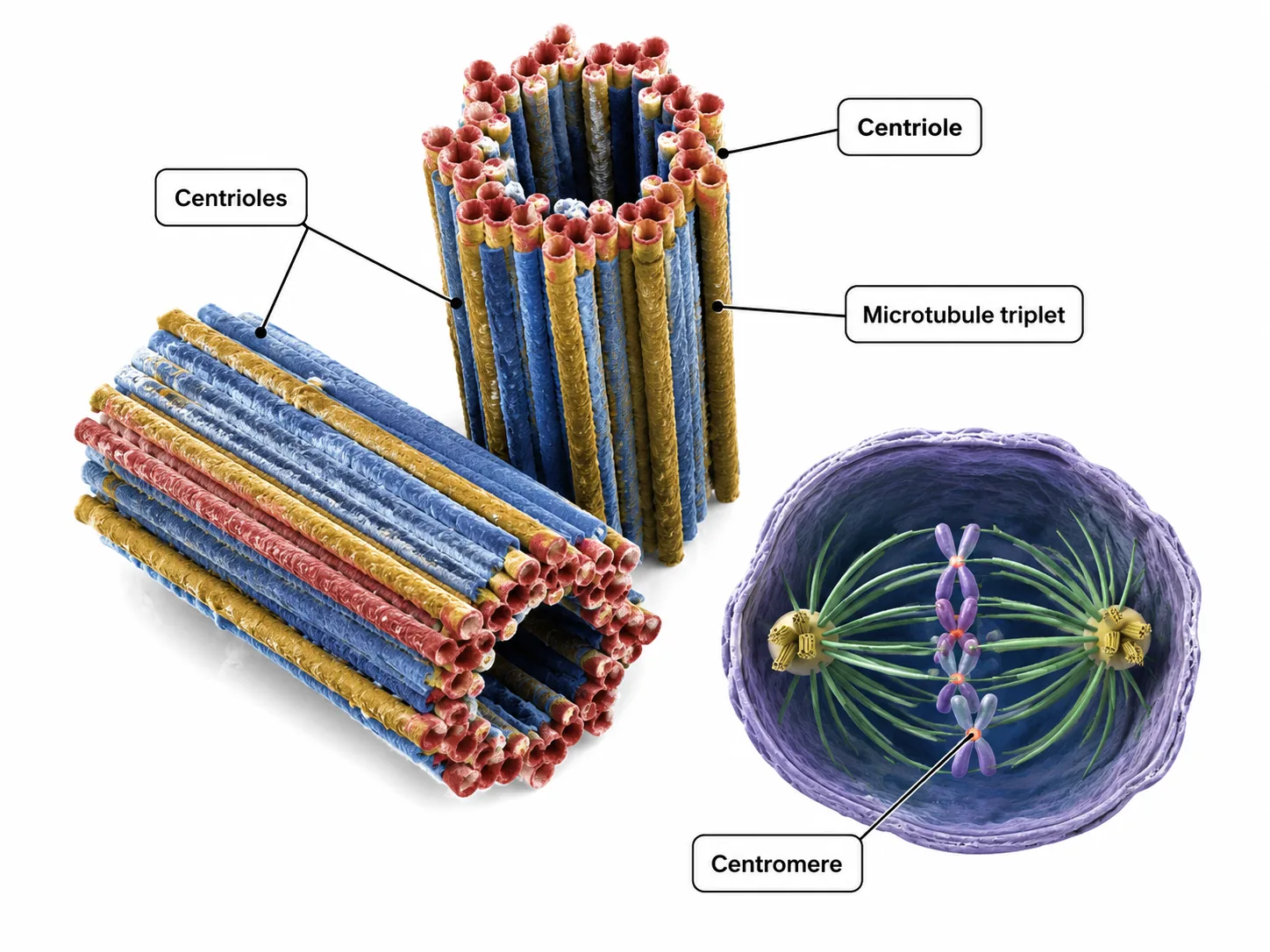
| Organelle / Structure | Animal Cell | Plant Cell | Fungal Cell | Bacterial Cell | Function |
|---|---|---|---|---|---|
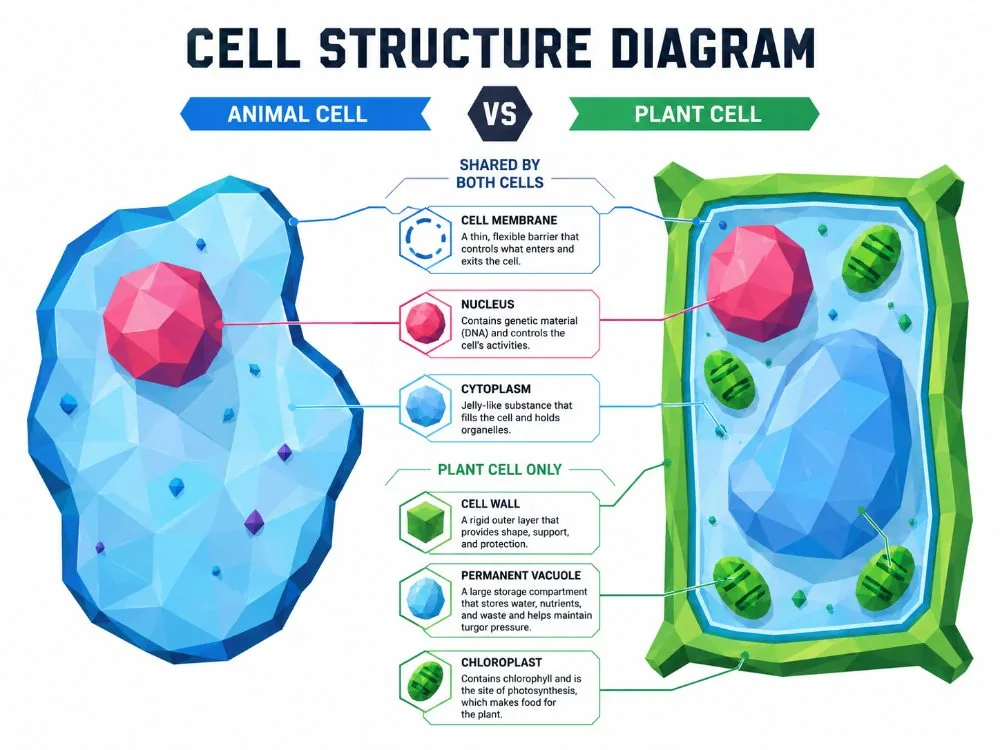
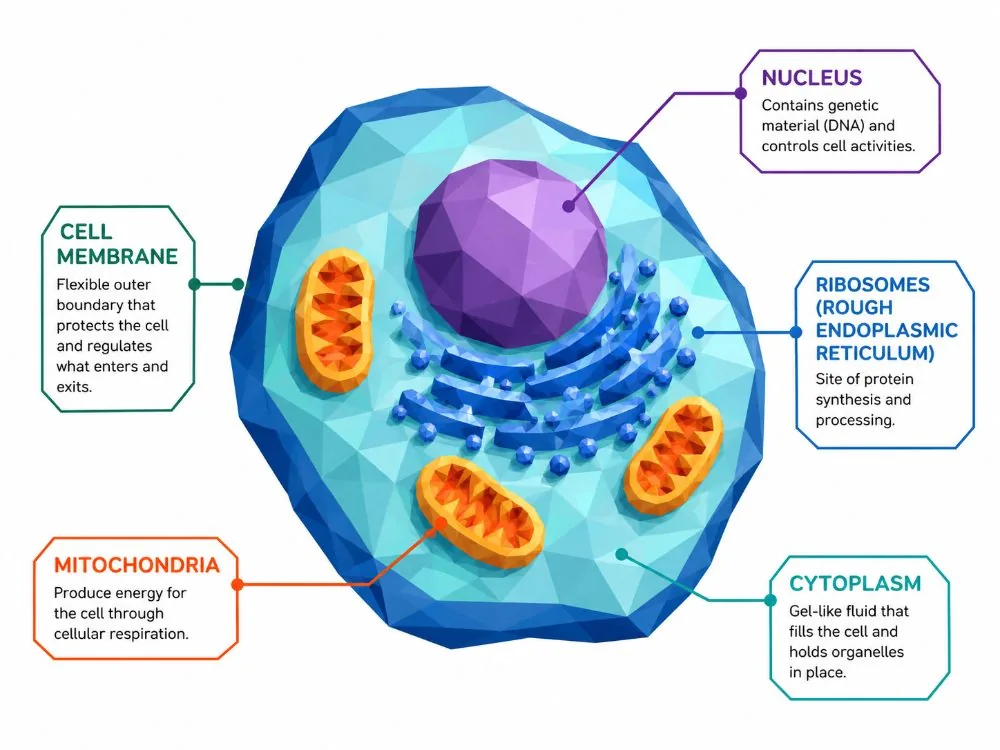
| Nucleus | Present | Present | Present | Absent | Controls cell activities and stores genetic information (chromosomes/DNA) |
| Cytoplasm | Present | Present | Present | Present | Site of most chemical reactions (metabolism) |
| Cell Membrane | Present | Present | Present | Present | Selectively permeable barrier controlling entry and exit of substances |
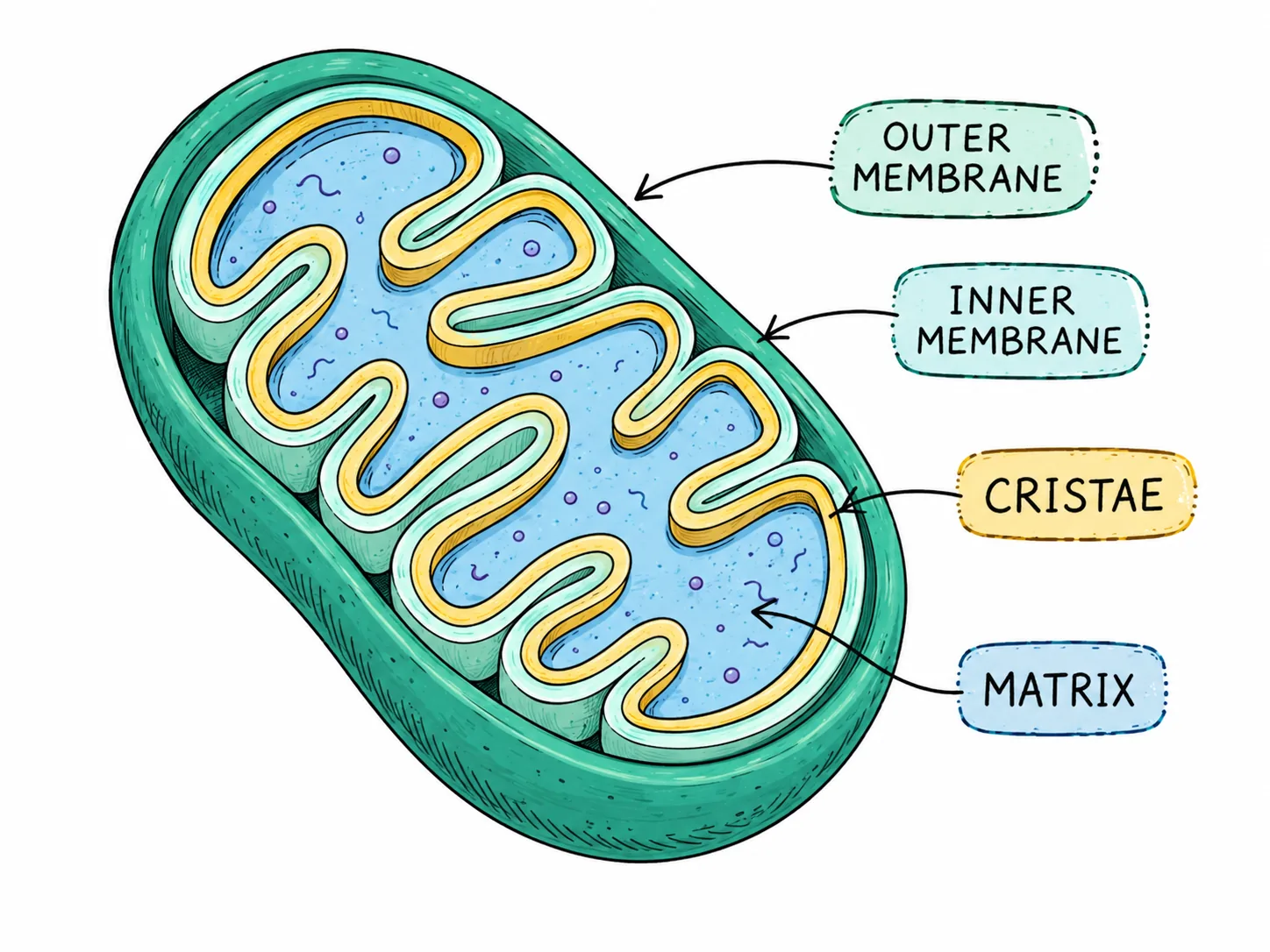
| Mitochondria | Present | Present | Present | Absent | Site of aerobic respiration and ATP production |
| Ribosomes | Present | Present | Present | Present | Site of protein synthesis |
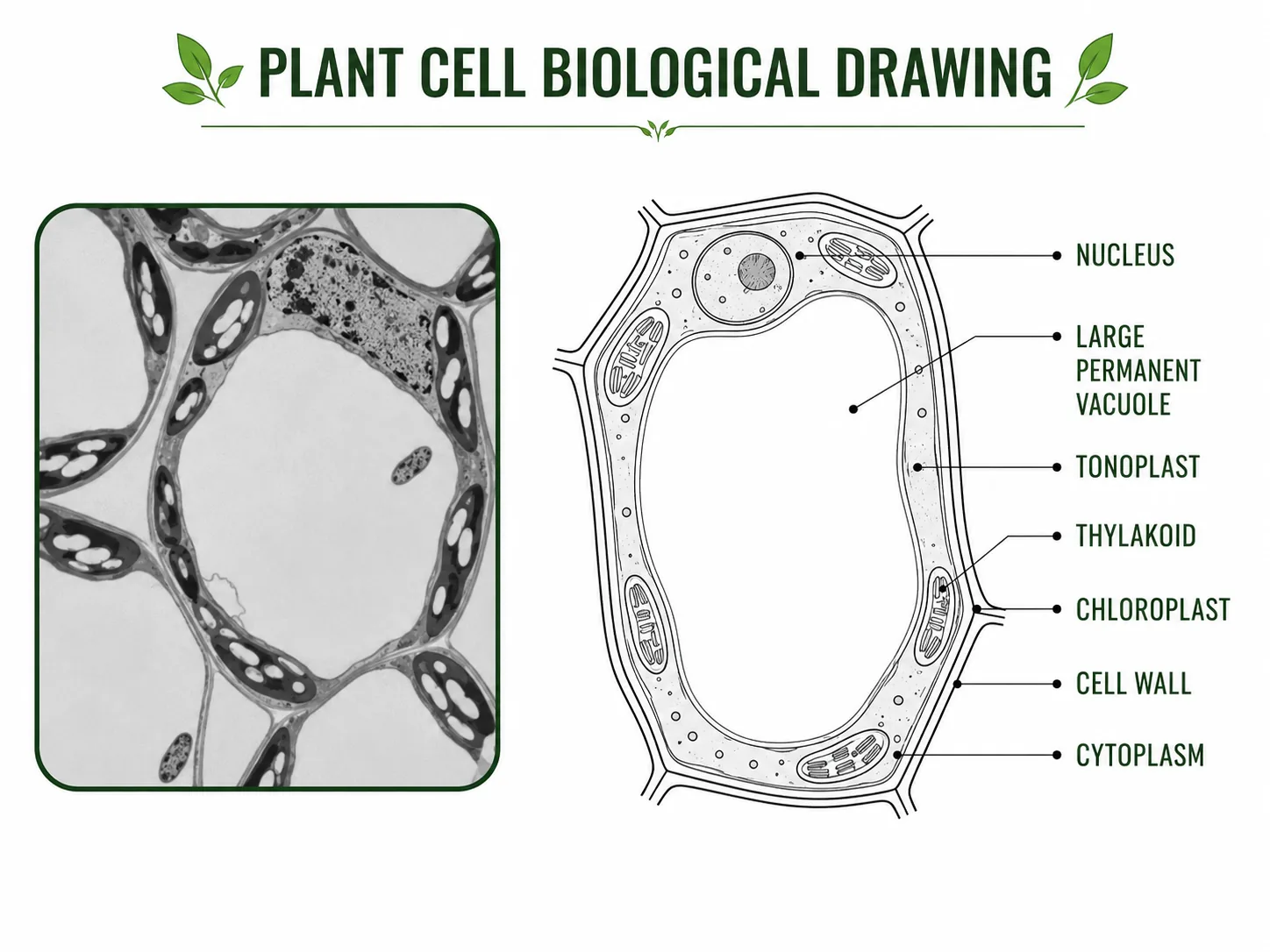
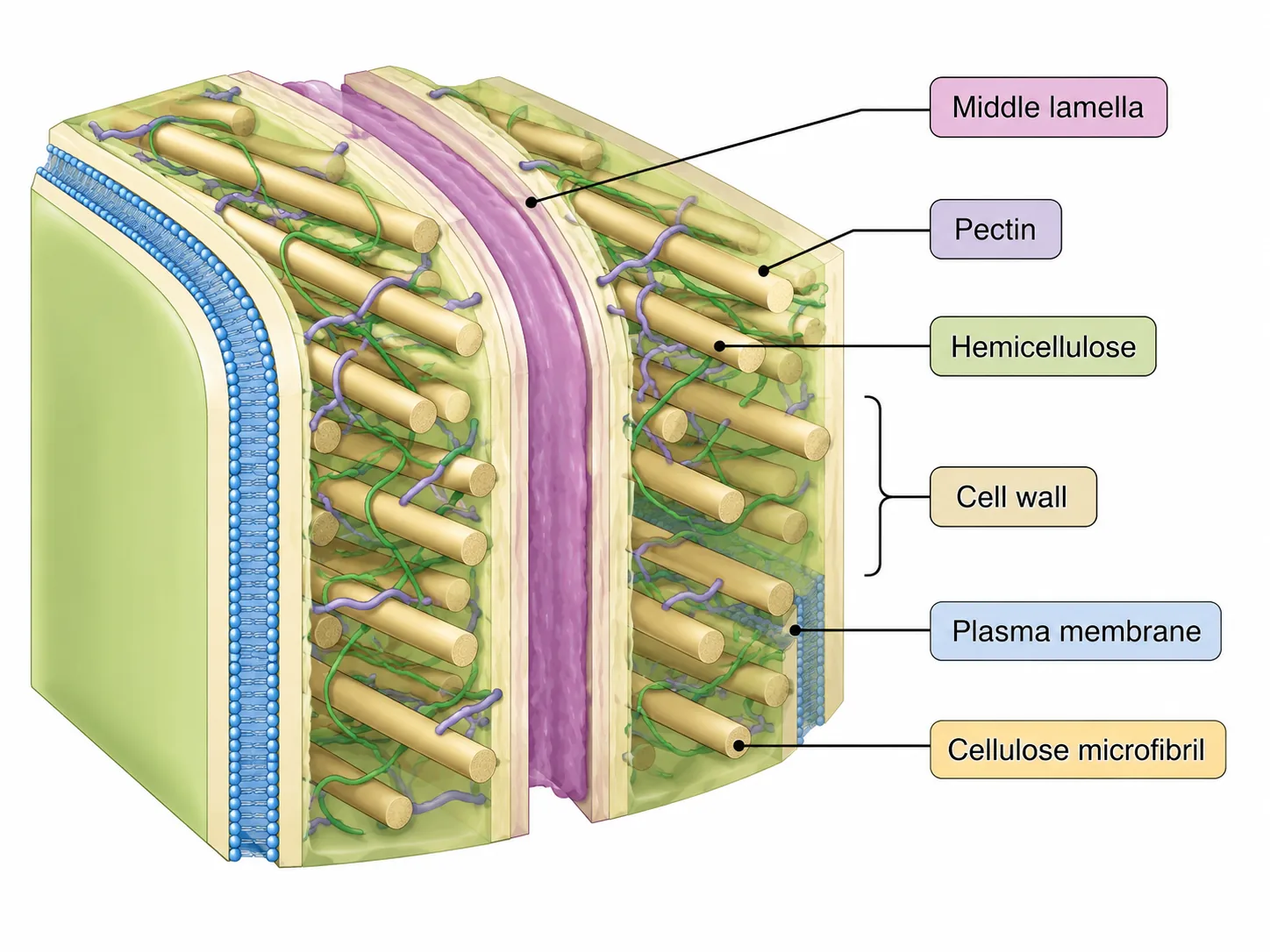
| Cell Wall | Absent | Present (Cellulose) | Present (Chitin/glucan) | Present (Peptidoglycan) | Provides rigid structural support; prevents bursting from osmotic pressure |
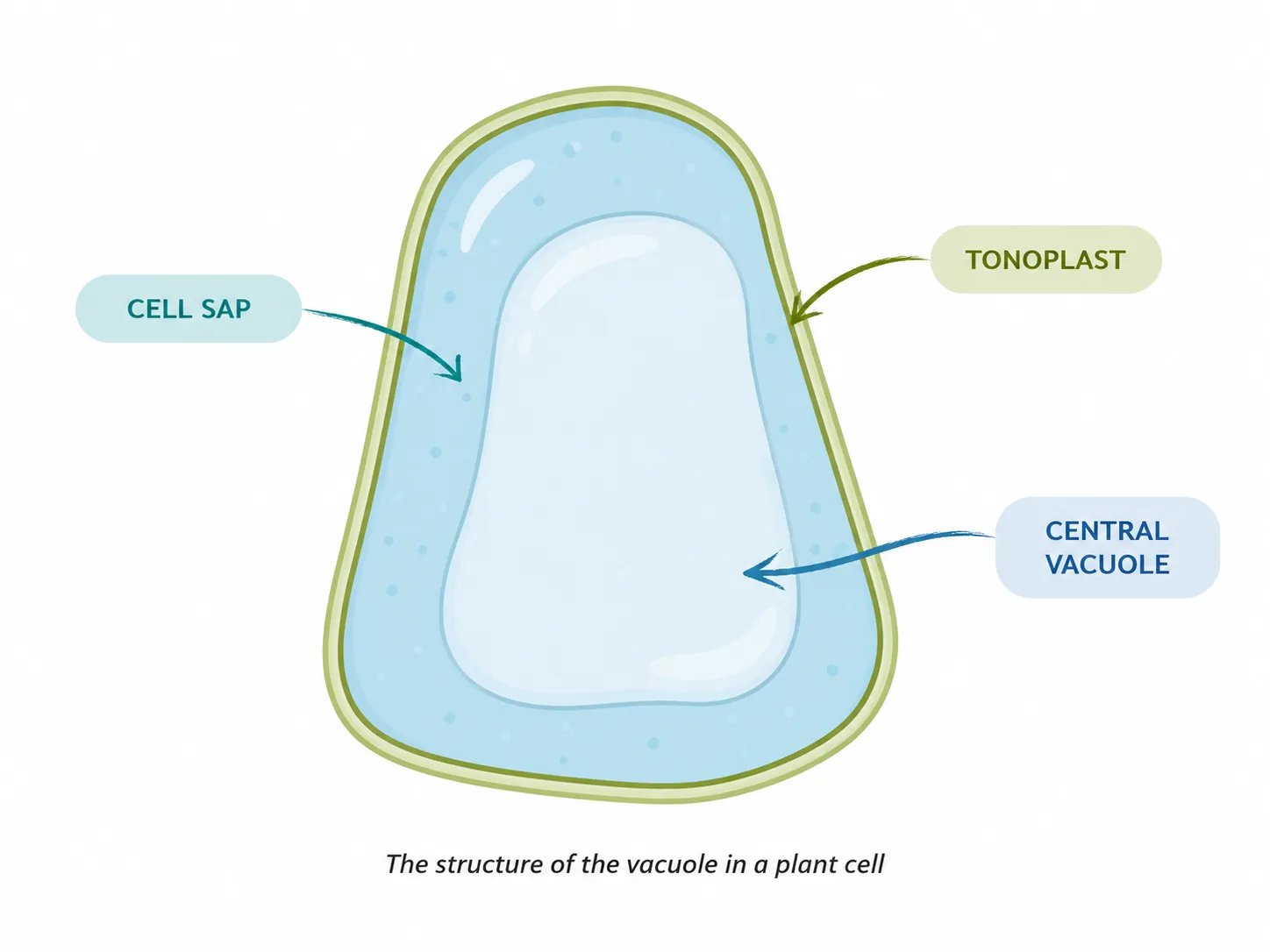
| Vacuole (permanent) | Absent | Present | Present | Absent | Contains cell sap; maintains cell turgidity |
| Chloroplasts | Absent | Present (green parts) | Absent | Absent | Site of photosynthesis (contains green chlorophyll pigment) |
| Plasmids | Absent | Absent | Absent | Present | Small circular rings of DNA carrying non-essential useful genes |
| Circular chromosome | Absent | Absent | Absent | Present | Single loop of genetic material free in cytoplasm (no nuclear envelope) |
Part 2 of 2Cell size calculations and magnification






1Units of measurement
- 1 millimetre (mm) = 1,000 micrometres (µm).
- To convert mm to µm, multiply by 1,000.
- To convert µm to mm, divide by 1,000.
2Calculating cell size across field of view
Cell length = Field of view diameter / Number of cells fitting across
- ExampleIf field of view is 2 mm (2,000 µm) and 8 cells fit end-to-end: Average cell length = 2,000 µm / 8 = 250 µm.
Key terms


| Term | Meaning |
|---|---|
| Organelle | A membrane-bound specialised sub-cellular structure within a cell performing a specific role. |
| Cellulose | A structural polysaccharide forming the rigid cell wall of green plant cells. |
| Plasmid | A small, circular loop of DNA found naturally in bacterial cells. |
| Ultrastructure | The detailed fine structure of a biological specimen revealed by electron microscopy. |
Avoid these mistakes
Avoid these mistakes
Stating bacterial cell walls are made of cellulose — only plant cell walls contain cellulose; bacterial and fungal cell walls have different chemical compositions.
Claiming bacteria contain a nucleus — bacterial genetic material consists of a circular chromosome free in the cytoplasm without a nuclear membrane.
Cambridge 9700 AS Biology
Core Formula
Magnification Triangle & Unit Conversion
Formula: M = I / A ⇔ A = I / M ⇔ I = M × A
Units: 1 mm = 1,000 μm = 1,000,000 nm.
Rule: Convert Image size (ruler mm) to μm by ×1,000 before dividing by Actual size.