5.5Chapter 5: Respiration and the Respiratory System
The lungs and gas exchange — Alhussan Biology - Stage 8 Revision Notes & Topical Questions
5 min read 8 parts Lesson 5 of 12 1 quiz
Biology 5.5 The lungs and gas exchange — Alhussan International Academy — Biology (Stages 7–9) notes: Describe the structure of the human gas exchange system, relate each part to its function and explain how oxygen and carbon dioxide are exchanged.Respiration — every cell carries…
- Mouth and nose
- Cilia and mucus
- Carbon monoxide
- Protection
- Respiration — every cell carries out aerobic respiration to release energy for all the characteristics of life
- Oxygen and carbon dioxide — cells need oxygen and produce toxic carbon dioxide as waste
Part 1 of 6Why gas exchange is needed
- Respiration every cell carries out aerobic respiration to release energy for all the characteristics of life.
- Oxygen and carbon dioxide cells need oxygen and produce toxic carbon dioxide as waste.
- The respiratory system is also called the gas exchange system.
Part 2 of 6The respiratory system
- Path it leads from the nose and mouth down into the lungs, which sit in the chest protected by the ribs.
- Lungs an adult's lungs have a volume of about 6000 cm3 (6 litres).
- The right lung is wider and shorter to make room for the liver below.
- The left lung is smaller overall because the heart sits behind it.
- Airway air enters through the nose or mouth, passes down the trachea, which divides into two bronchi, one to each lung.
- Inside the lungs the bronchi branch into smaller tubes (bronchioles) that end in clusters of alveoli.
Part 3 of 6Structure and function of each part
- Mouth and nose air moving in and out passes through them.
- The nose warms and moistens the air, which makes gas exchange easier.
- Nose hairs and mucus trap microorganisms that might cause disease.
- Trachea a tube carrying air from the nose down into the chest and back out.
- Rubbery cartilage rings hold it open so you can breathe easily.
- Bronchi tubes from the trachea to the lungs, branching into smaller and smaller tubes that carry air deep into the lung tissue.
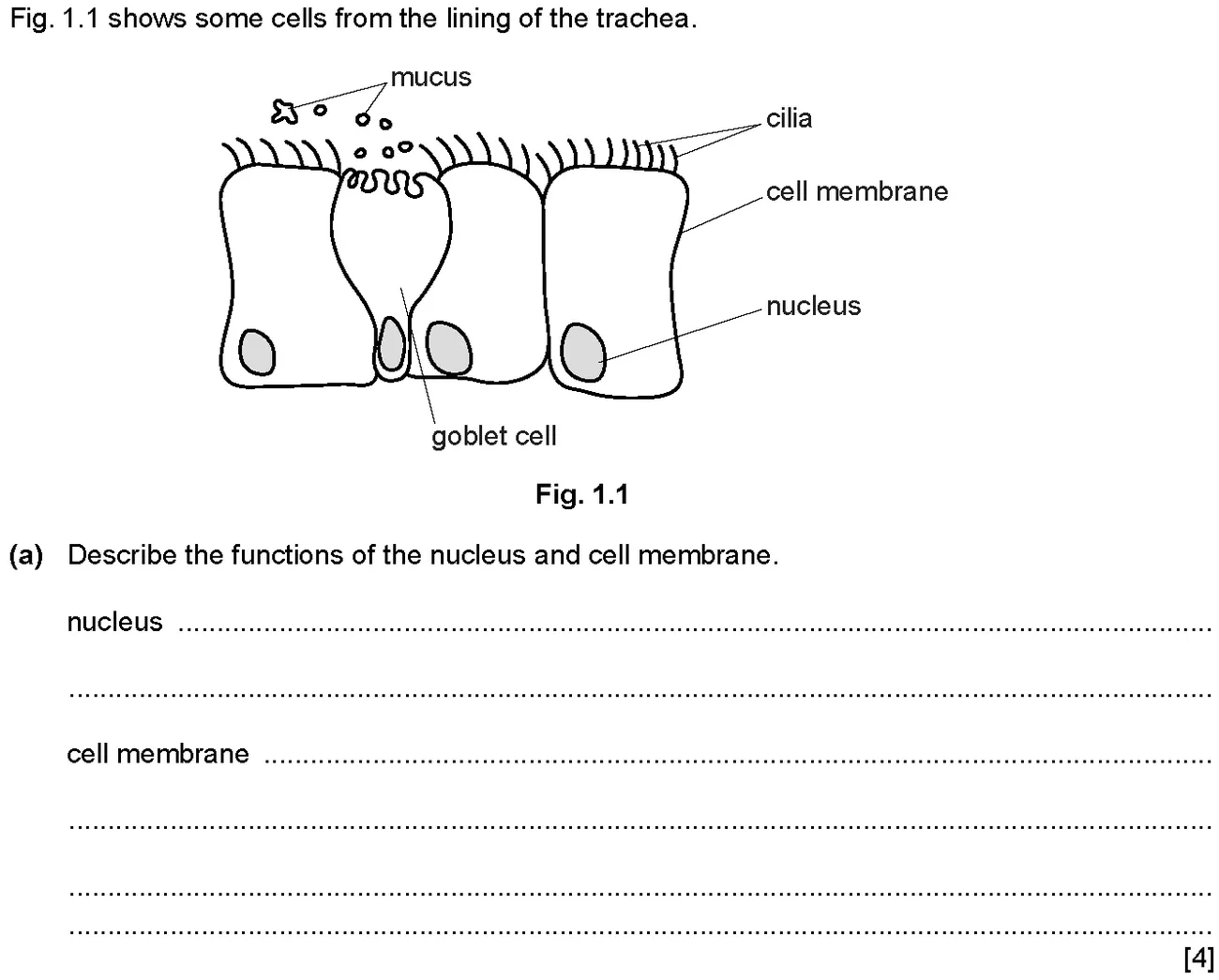
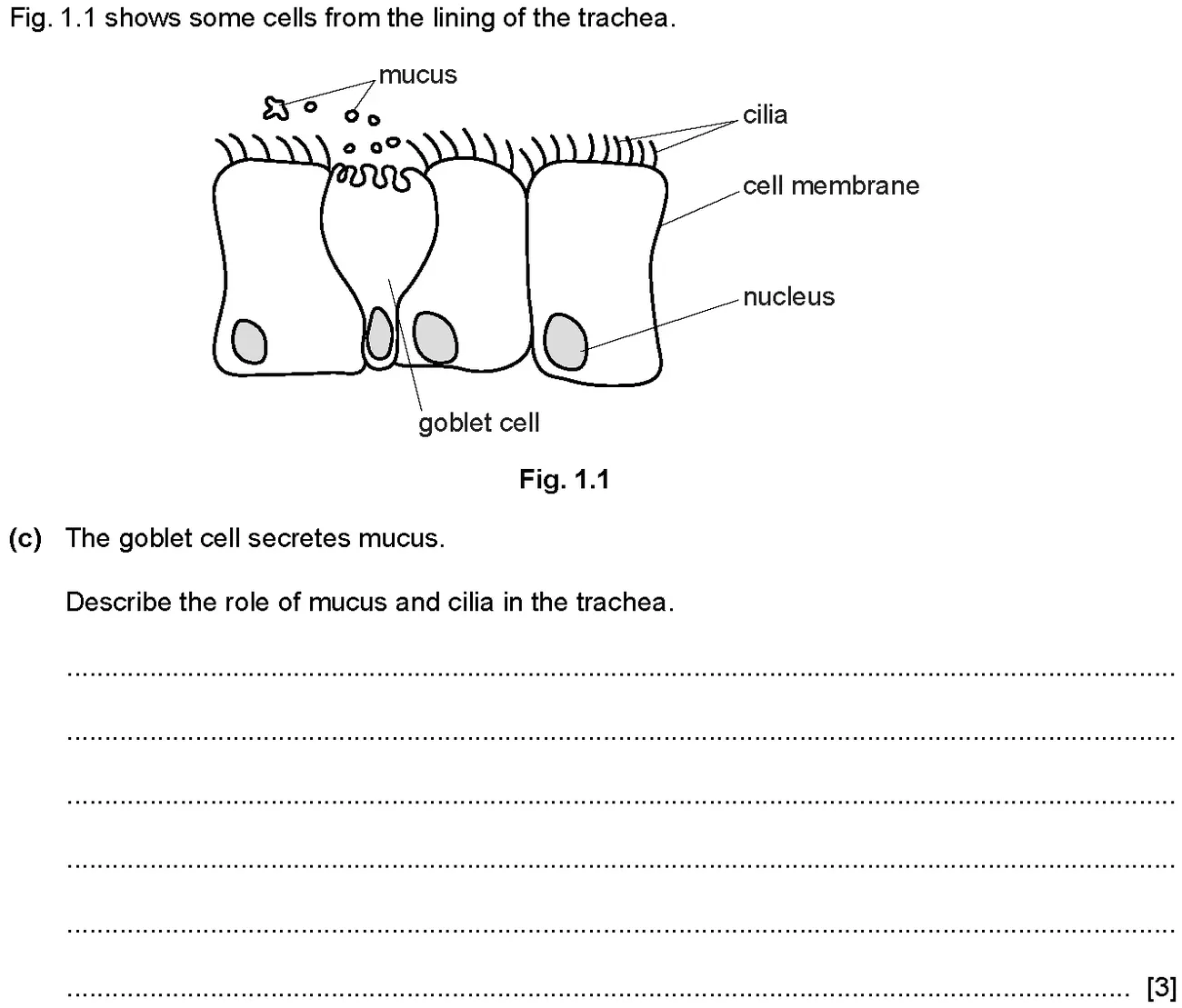
- The lining cells are specialisedgoblet cells make sticky mucus that traps dust, dirt and microorganisms.
- Ciliated cells have hair-like cilia that move the mucus, dirt and microorganisms away from the lungs, and they contain mitochondria for energy.
- Alveoli tiny air sacs at the ends of the tubes, forming clusters like bunches of grapes, where gas exchange takes place.
- There are millions of them, about 300 million in each lung, with a total surface area of roughly 70 to 100 m2.
- Each has a good blood supply to take oxygen from the air and remove carbon dioxide.
- Pleura tough, slippery membranes around the lungs that make a liquid and slide over each other,
- so the lungs can get bigger and smaller as you breathe.
- Diaphragm a sheet of muscle that divides the chest from the other organs and moves air in and out of the lungs.
Part 4 of 6Gas exchange in the alveoli
- Oxygen it dissolves in the moisture lining an alveolus and diffuses across the thin alveolus wall and the neighbouring capillary wall into the blood,
- where red blood cells pick it up.
- Carbon dioxide it diffuses the opposite way, from the blood into the alveolus, and is breathed out.
- Process both movements are by diffusion, from a region of higher to lower concentration.
- Barrier air is separated from the blood by only two thin layers of cells.
Part 5 of 6Composition of inhaled and exhaled air
| Gas | Inhaled air (%) | Exhaled air (%) |
|---|---|---|
| Nitrogen | 78–79 | 78–79 |
| Oxygen | 21 | 16 |
| Carbon dioxide | 0.04 | 4 |
| Water vapour | Variable | Higher (saturated) |
- Oxygen exhaled air has less because some is absorbed into the blood.
- Carbon dioxide exhaled air has far more because it is a waste product of respiration.
- Nitrogen it is unchanged because the body does not use it.
Part 6 of 6Keeping the lungs healthy
- Cilia and mucus they keep the lungs clean, and cilia are paralysed and destroyed by tar from smoking.
- Smoking mucus and dirt build up causing a cough and infections, tar contains carcinogens that can cause lung cancer,
- and smoke damages alveoli (emphysema).
- Carbon monoxide it binds to haemoglobin and reduces oxygen carried by the blood.
- Protection avoiding smoking and polluted air, exercising regularly and treating infections early.
Key terms
| Term | Meaning |
|---|---|
| Trachea | The windpipe leading from the throat to the bronchi. |
| Bronchus | One of two tubes leading from the trachea to the lungs. |
| Alveolus | A tiny air sac where gas exchange takes place. |
| Gas exchange | Swapping oxygen from the air for carbon dioxide from the blood. |
| Cilia | Tiny hairs that move mucus. |
| Diaphragm | A sheet of muscle below the lungs used in breathing. |
| Pleura | The slippery membranes around the lungs. |
Avoid these mistakes
Topic quiz · 151 questionsQuiz for this lesson
?What do you want to solve now?
✓Checkpoint Quiz
2 written questions from real exam papers on this lesson.
Written question 1 of 2 · part (a) (1 / 3) 3:00
Show the answer

Written question 1 of 2 · part (b) (2 / 3) 3:00

Show the answer
Written question 1 of 2 · part (c) (3 / 3) 3:00
Show the answer
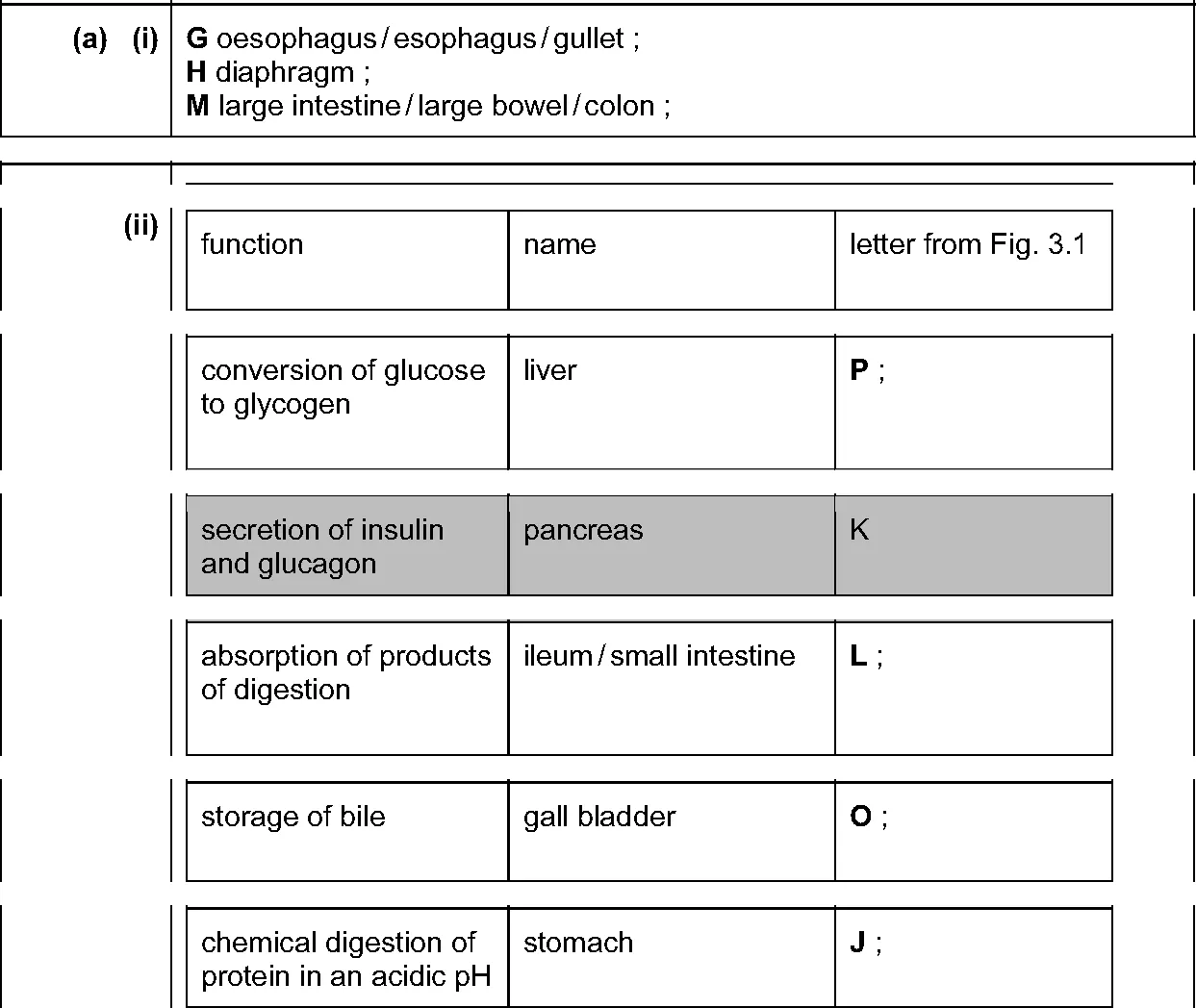
Written question 2 of 2 · part (a)(i) (1 / 7) 3:00

Show the answer
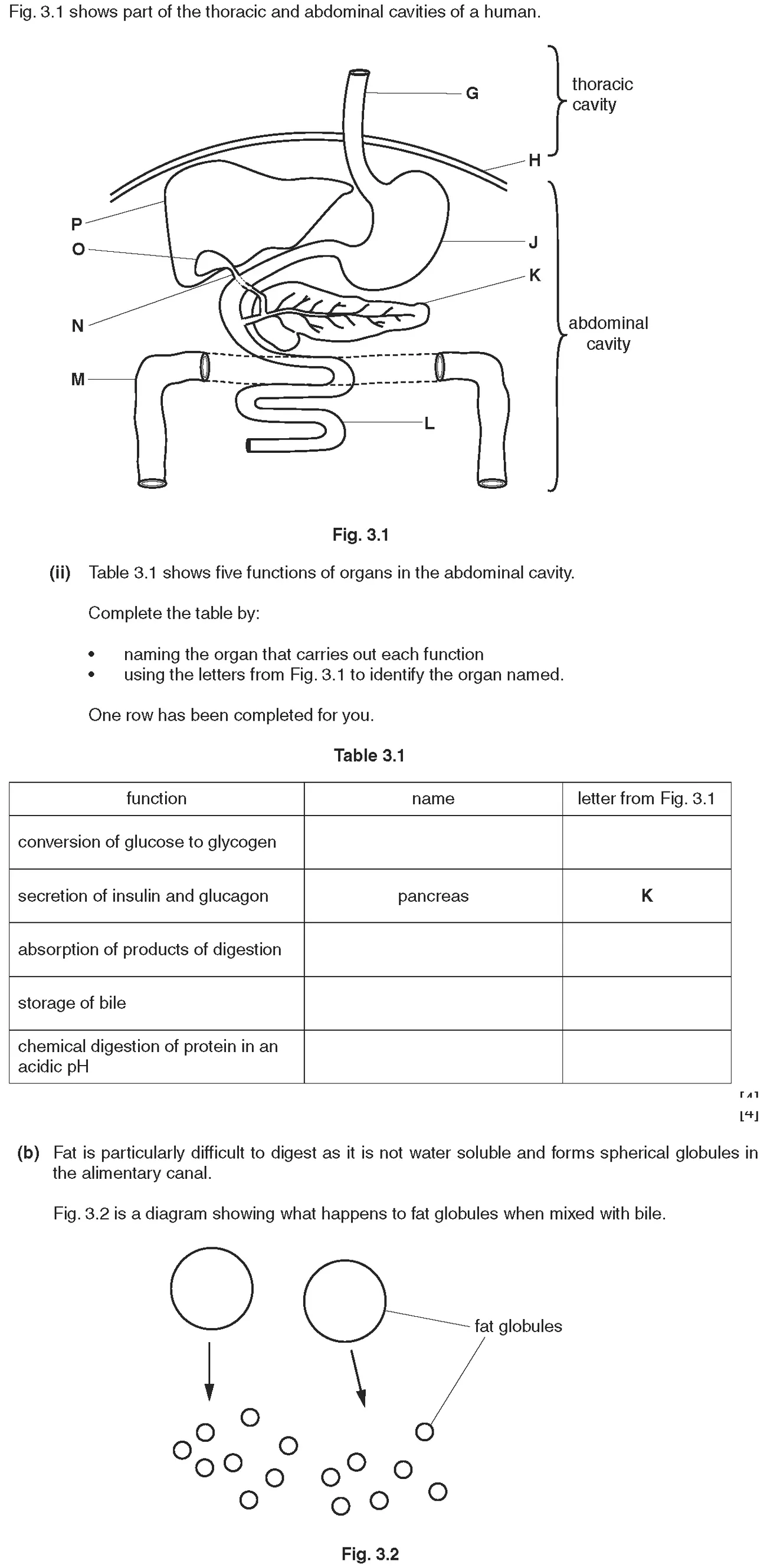
Written question 2 of 2 · part (a)(ii) (2 / 7) 3:00
Show the answer

Written question 2 of 2 · part (b)(i) (3 / 7) 3:00
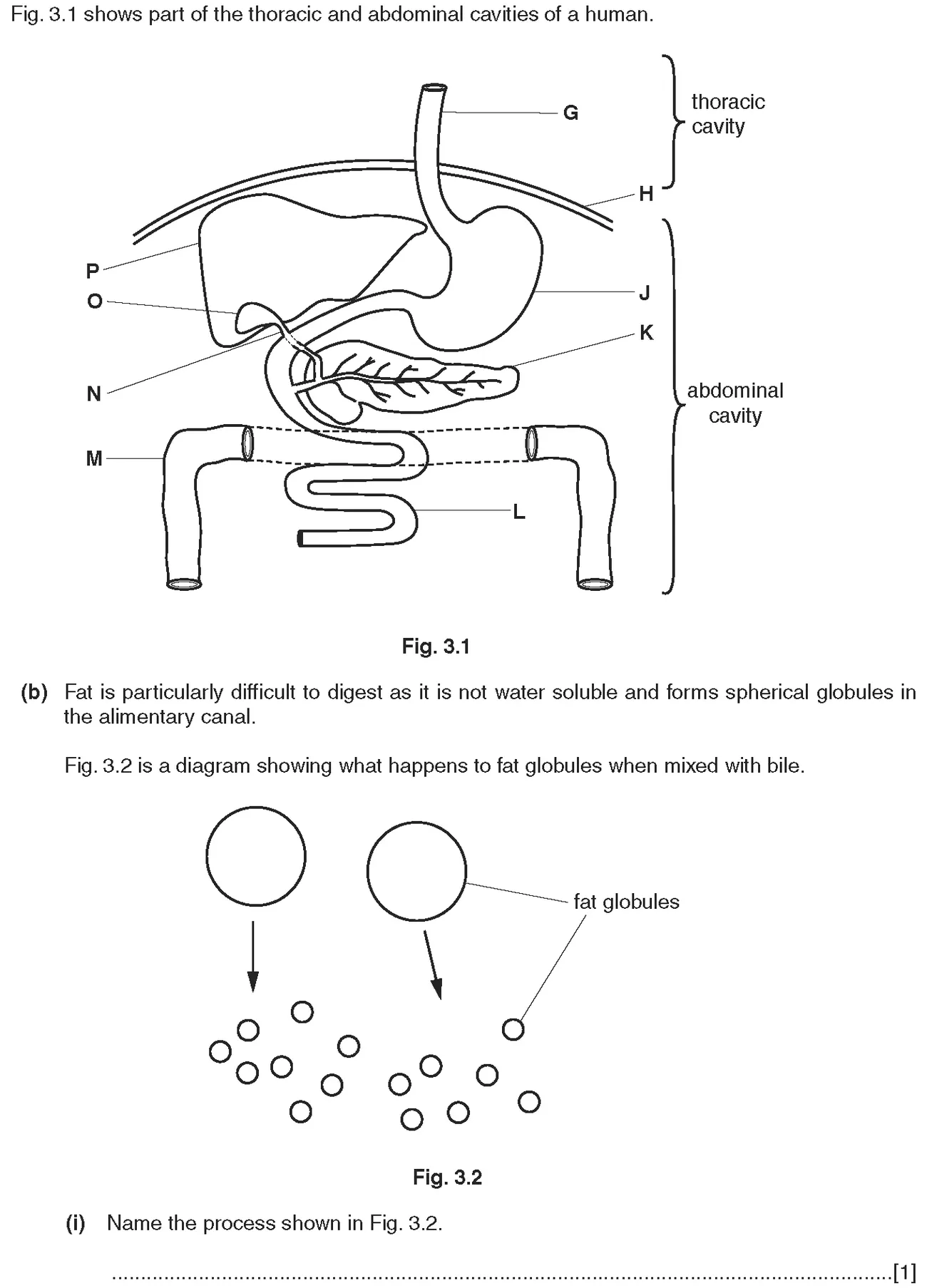
Show the answer

Written question 2 of 2 · part (b)(ii) (4 / 7) 3:00

Show the answer
Written question 2 of 2 · part (c)(i) (5 / 7) 3:00

Show the answer
Written question 2 of 2 · part (c)(ii) (6 / 7) 3:00

Show the answer
Written question 2 of 2 · part (d) (7 / 7) 3:00
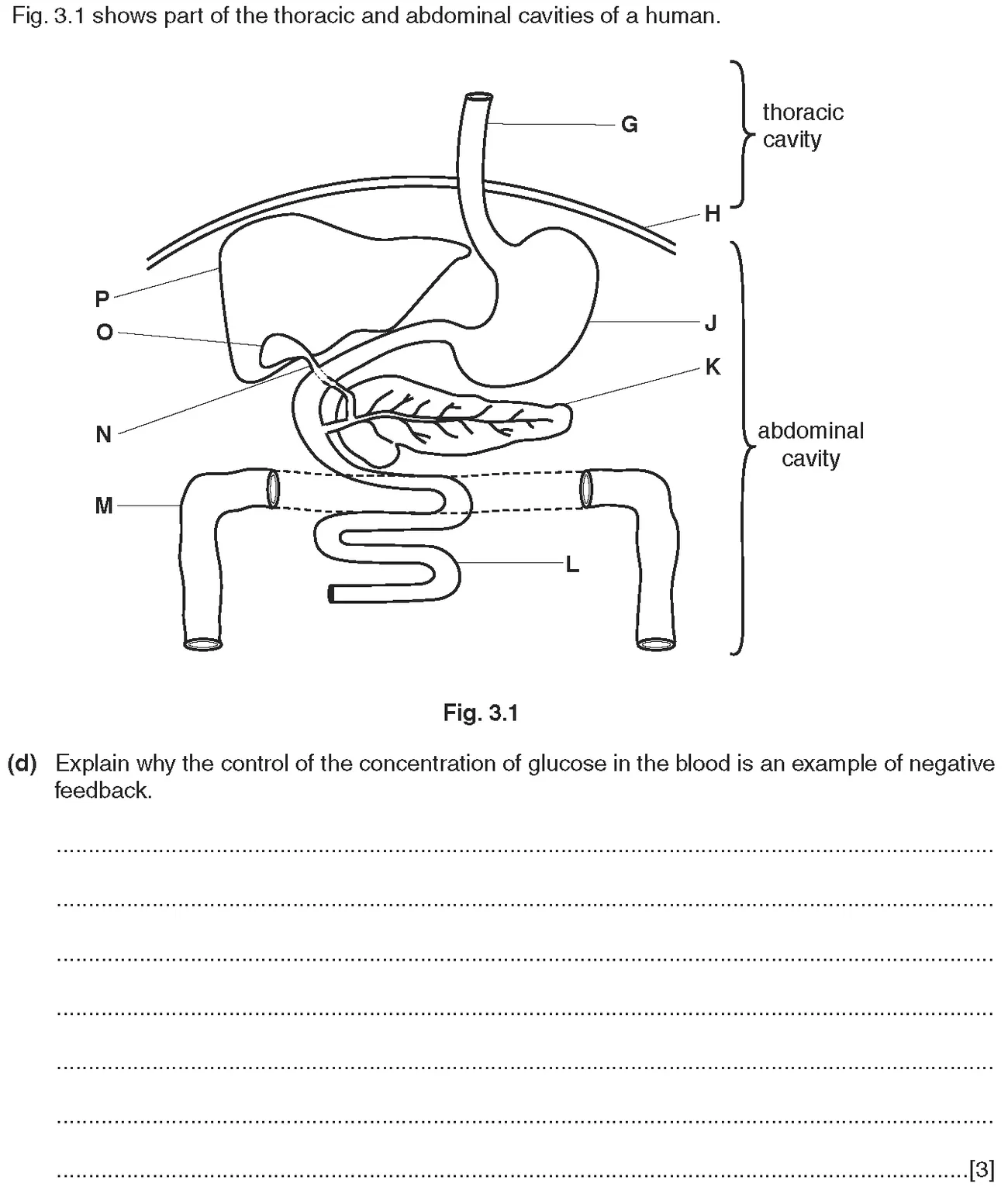
Show the answer
Each part of a written question is on its own screen. Write your answer first, then open "Show the answer" to check it against the mark scheme.
Last updated: