5.10Chapter 5: Respiration and the Respiratory System
Transport in the blood — Alhussan Biology - Stage 8 Revision Notes & Topical Questions
5 min read 9 parts Lesson 10 of 12 2 quizzes
Biology 5.10 Transport in the blood — Red Blood Cells, Plasma and White Blood Cells — Alhussan International Academy — Biology (Stages 7–9) notes: Describe the components of blood and explain how each is adapted to its function.Humans — big, active multicellular animals whose cel…
- Other substances
- Need for blood
- Haemoglobin
- Adaptations
- Phagocytes
- Lymphocytes
Part 1 of 7Why blood is needed
- Humans big, active multicellular animals whose cells need lots of digested food and oxygen and produce many waste products to be removed.
- Blood it transports these substances around the body and protects against many diseases.
- Volume an adult has about 5 litres of blood, which is not a simple red liquid.
Part 2 of 7The parts of blood
| Component | Description | Function |
|---|---|---|
| Plasma | Yellow, straw-coloured liquid, about 55% of blood volume, mostly water | Carries blood cells, platelets, dissolved food, carbon dioxide, urea, hormones, antibodies and heat |
| Red blood cells | About 44% of blood volume, disc-shaped, no nucleus | Carry oxygen |
| White blood cells | About 1% of blood volume, large, with a nucleus | Defend against pathogens |
| Platelets | Tiny pieces of cells, less than 1% of blood volume | Help the blood to clot |
Part 3 of 7Plasma
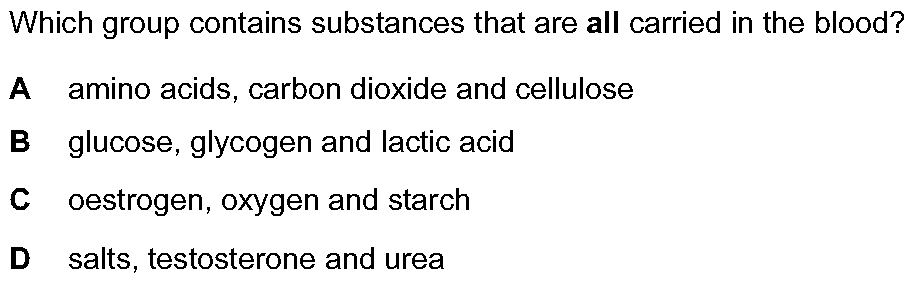
- Transport plasma carries dissolved food and other substances to cells, and toxic carbon dioxide away from cells to the lungs.
- Urea this waste product is carried from the liver to the kidneys, where it is removed in urine.
- Other substances hormones from glands to target organs and heat from the muscles and liver to the skin.
- Need for blood diffusion alone is too slow over long distances, so blood supplies all the cells of large organisms.
| Substance | Carried in | From → to |
|---|---|---|
| Oxygen | Red blood cells | Lungs → body cells |
| Carbon dioxide | Plasma | Cells → lungs |
| Digested food | Plasma | Small intestine → cells |
| Urea | Plasma | Liver → kidneys |
Part 4 of 7Red blood cells
- Number you have more red blood cells than any other type of cell, and they are the smallest cells in the body.
- Haemoglobin the red molecule that carries oxygen from the alveoli of the lungs to body cells for aerobic respiration.
- It combines with oxygen in the lungs and releases it in the tissues where oxygen is low.
- Adaptations their disc shape and lack of a nucleus leave lots of room for haemoglobin.
- The biconcave shape gives a large surface area for rapid diffusion.
- Their small, flexible shape lets them squeeze through very small blood vessels one at a time.
- Life they live about 120 days and are made in the bone marrow.
- Anaemia too few red blood cells or too little iron for haemoglobin causes tiredness and pale skin.
Part 5 of 7White blood cells
- Structure all white blood cells are big and have a nucleus.
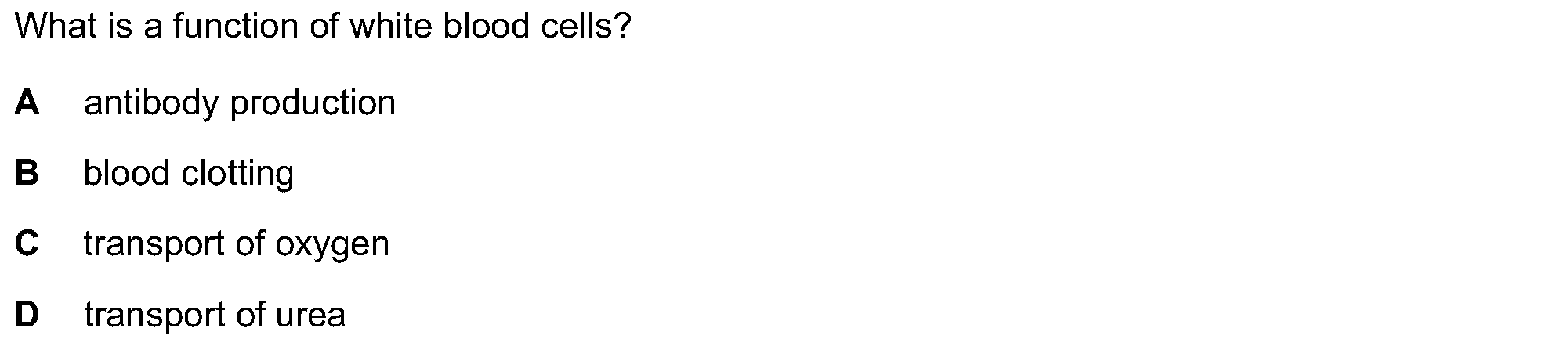
- Role they protect the body against pathogens, which are microorganisms that get into the body and cause infectious diseases.
- Phagocytes some flow round and digest microorganisms, which is phagocytosis.
- Lymphocytes others make antibodies, special proteins that stick to microorganisms so they cannot cause disease.
- Some lymphocytes become memory cells that give immunity.
Part 6 of 7Platelets
- Structure tiny pieces of cells, less than 1% of blood volume.
- Clotting they make blood clot if you cut yourself, so you do not bleed to death.
- They release chemicals that form a mesh of fibrin fibres, trapping blood cells.
- Clots form scabs, which cover damaged tissue, protect the wound and stop microorganisms getting in, so the body can repair itself.
- Protection platelets and white blood cells both help to protect against disease.
Part 7 of 7Functions of blood
Key terms
| Term | Meaning |
|---|---|
| Plasma | The liquid part of blood. |
| Haemoglobin | A protein in red blood cells that binds oxygen. |
| Phagocyte | A white blood cell that engulfs pathogens. |
| Lymphocyte | A white blood cell that makes antibodies. |
| Platelet | A cell fragment that helps blood to clot. |
| Antibody | A protein that targets a specific pathogen. |
Avoid these mistakes
Marked practiceQuizzes for this lesson
?What do you want to solve now?
✓Checkpoint Quiz
27 multiple-choice + 2 written questions from real exam papers on this lesson.
Question 1 of 27 1:30
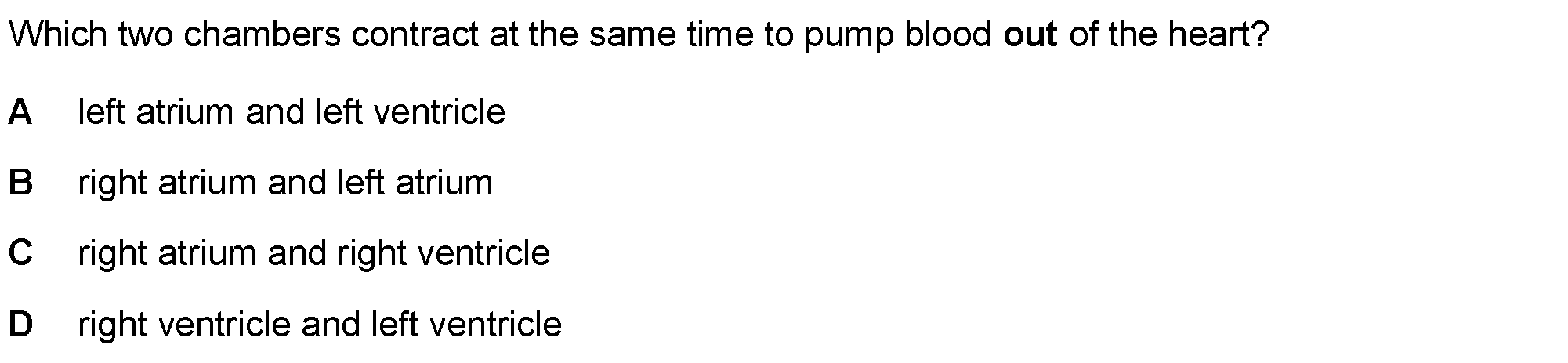
Question 2 of 27 1:30
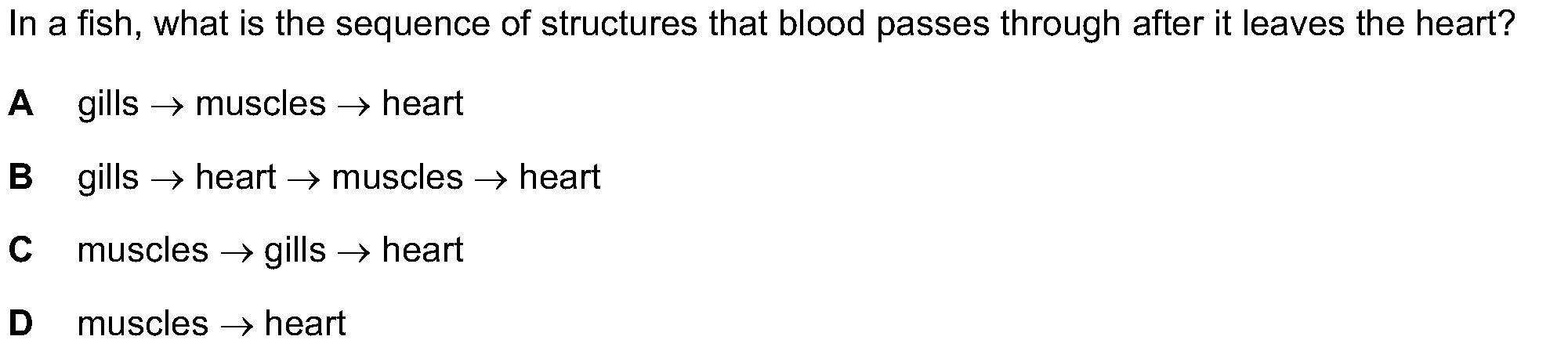
Question 3 of 27 1:30
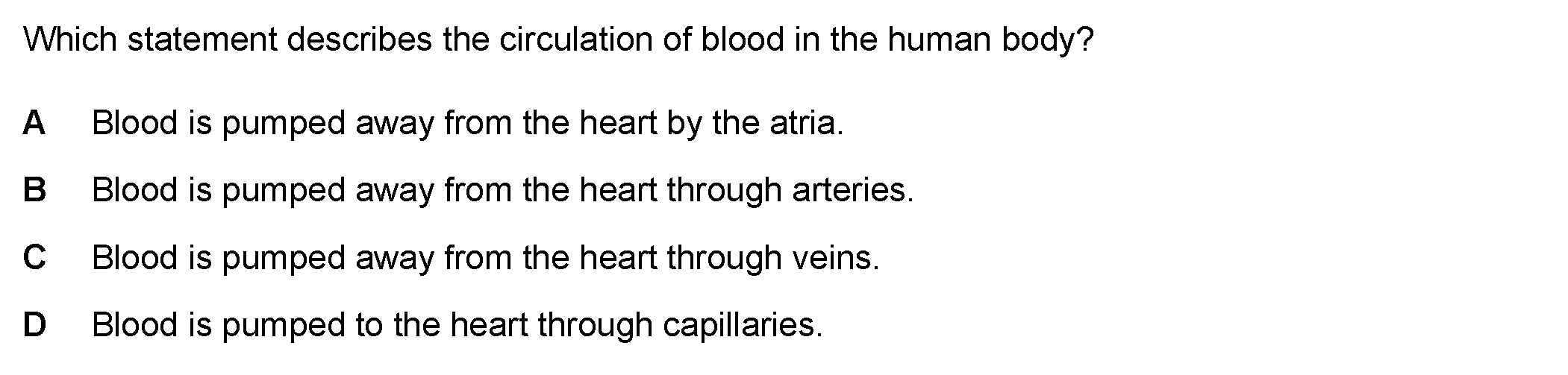
Question 4 of 27 1:30
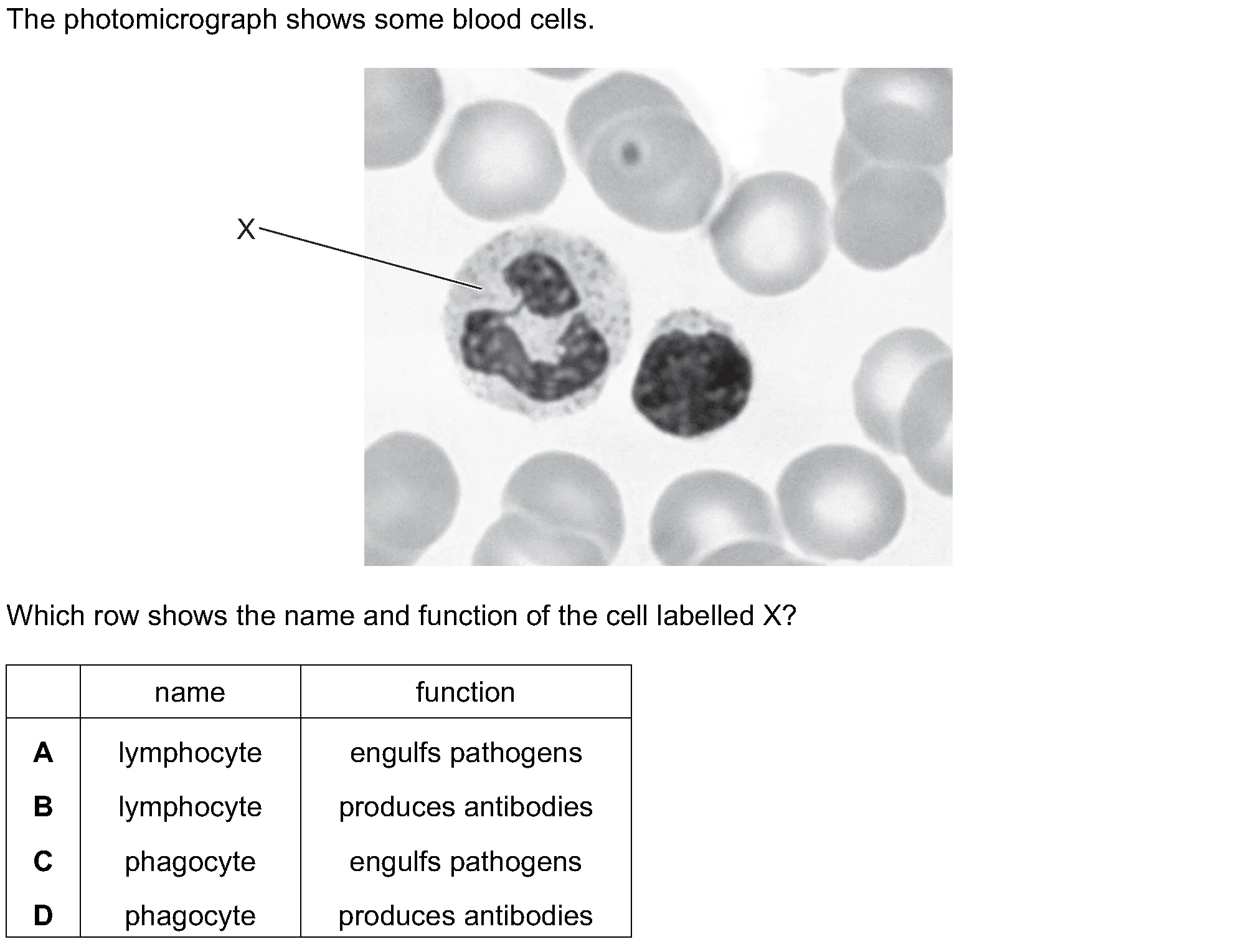
Question 5 of 27 1:30
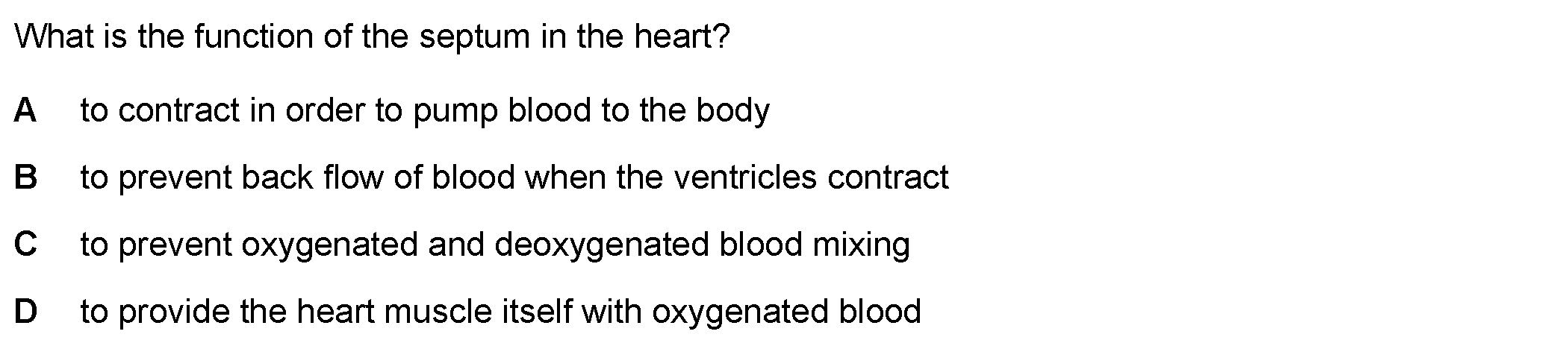
Question 6 of 27 1:30

Question 7 of 27 1:30
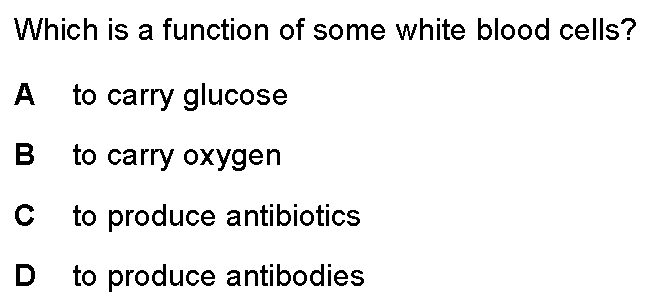
Question 8 of 27 1:30

Question 9 of 27 1:30

Question 10 of 27 1:30
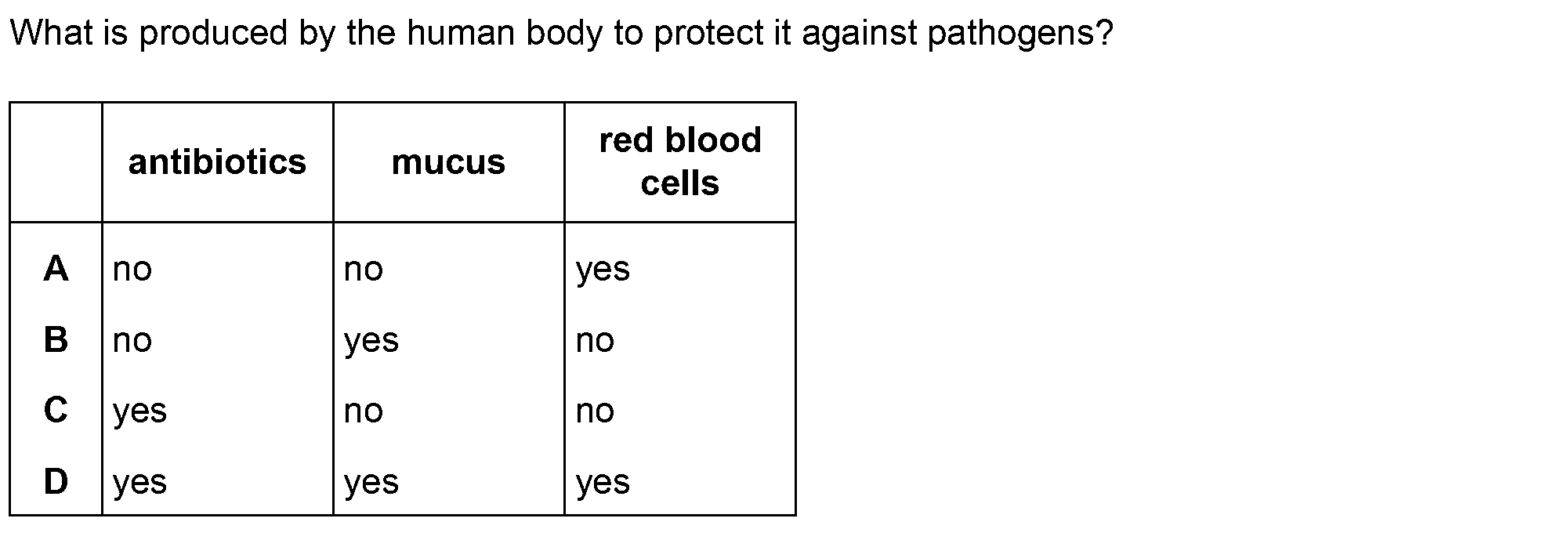
Question 11 of 27 1:30
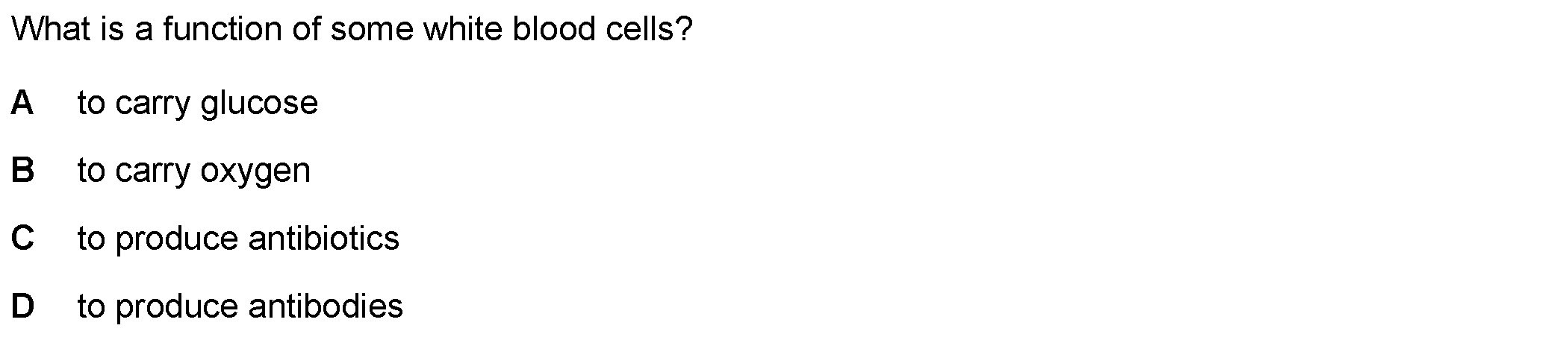
Question 12 of 27 1:30
Question 13 of 27 1:30

Question 14 of 27 1:30

Question 15 of 27 1:30

Question 16 of 27 1:30

Question 17 of 27 1:30
Question 18 of 27 1:30

Question 19 of 27 1:30

Question 20 of 27 1:30
Question 21 of 27 1:30

Question 22 of 27 1:30

Question 23 of 27 1:30
Question 24 of 27 1:30

Question 25 of 27 1:30
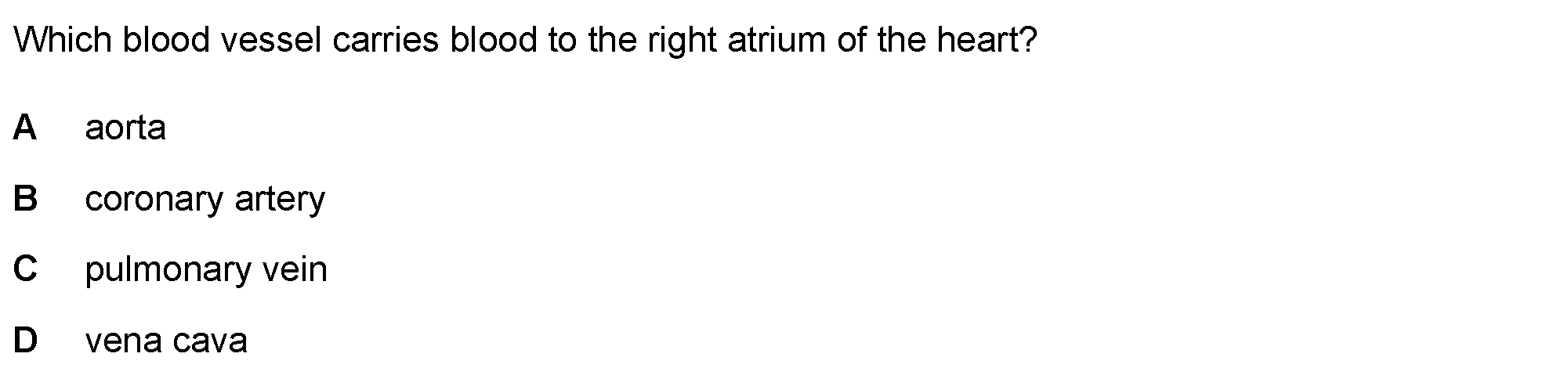
Question 26 of 27 1:30

Question 27 of 27 1:30
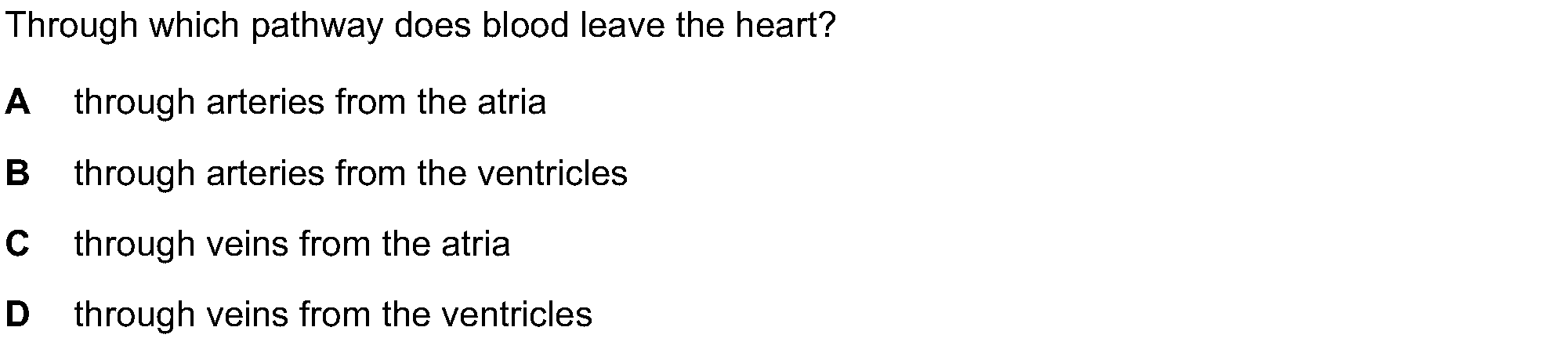
Answer key
1 D2 A3 B4 C5 C6 C7 D8 B9 C10 B11 D12 A13 C14 A15 B16 D17 C18 B19 D20 C21 A22 B23 D24 A25 D26 B27 B
Written question 1 of 2 · part (a)(i) (1 / 6) 3:00

Show the answer
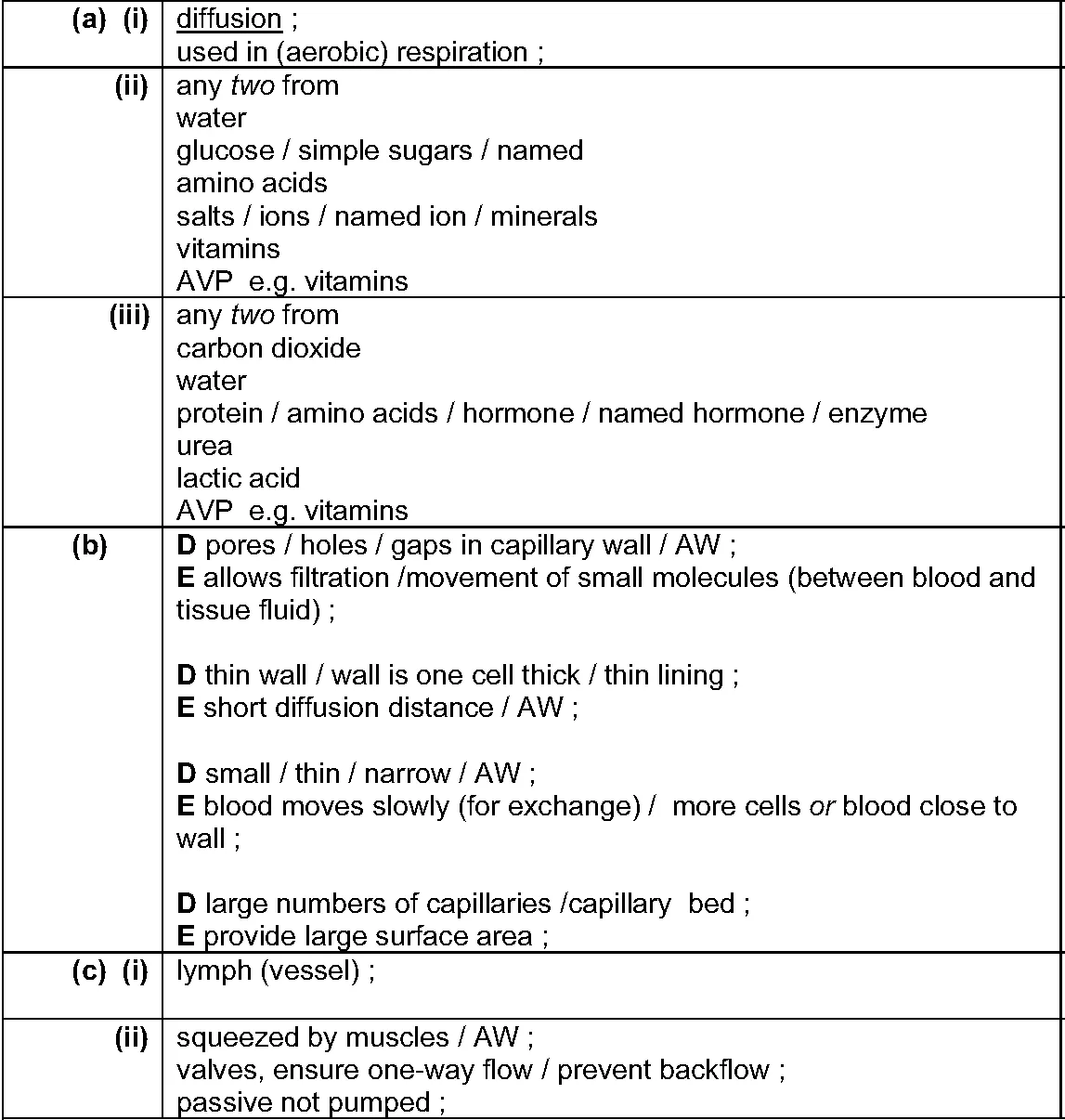
Written question 1 of 2 · part (a)(ii) (2 / 6) 3:00

Show the answer
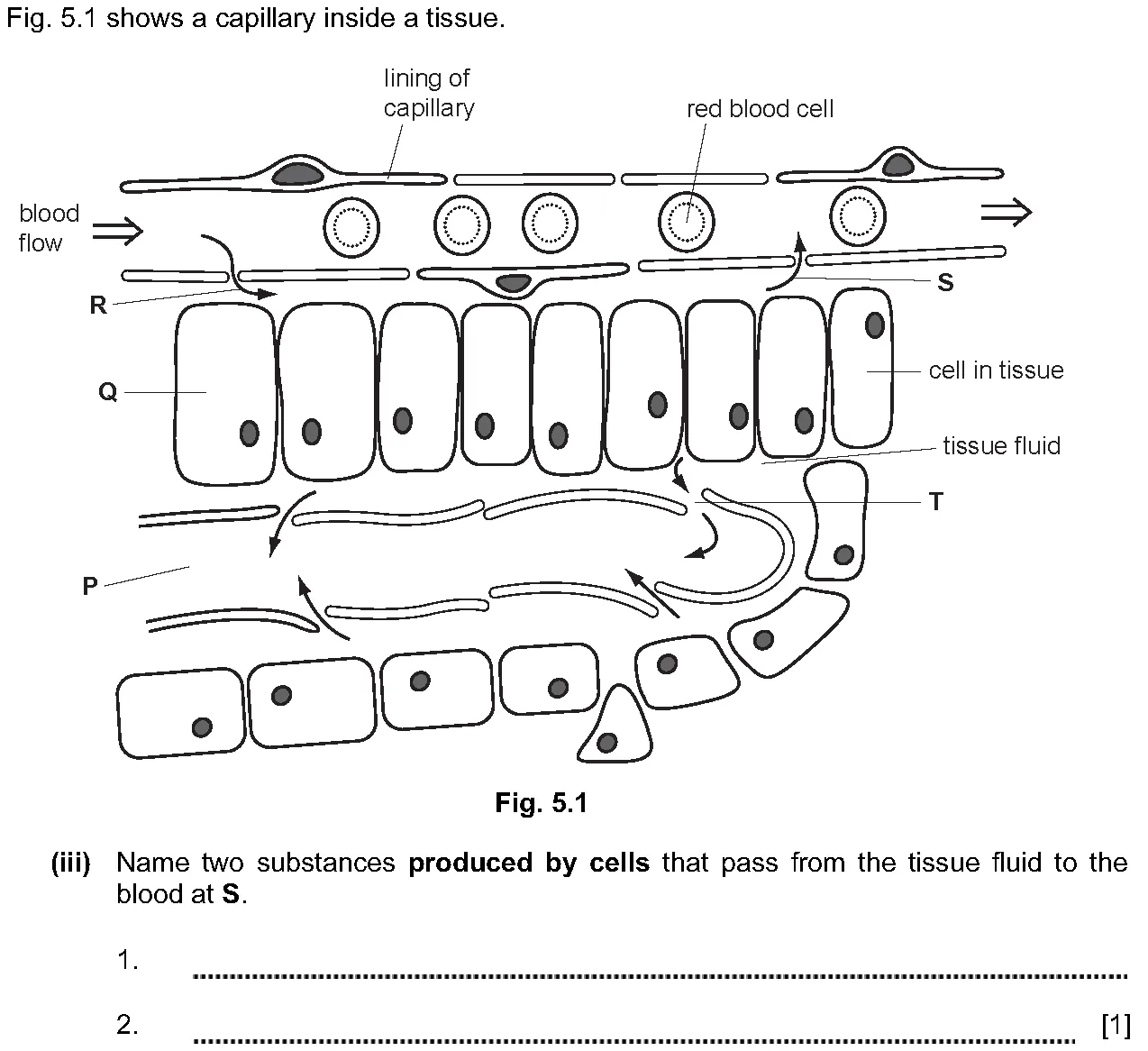
Written question 1 of 2 · part (a)(iii) (3 / 6) 3:00
Show the answer
Written question 1 of 2 · part (b) (4 / 6) 3:00

Show the answer
Written question 1 of 2 · part (c)(i) (5 / 6) 3:00
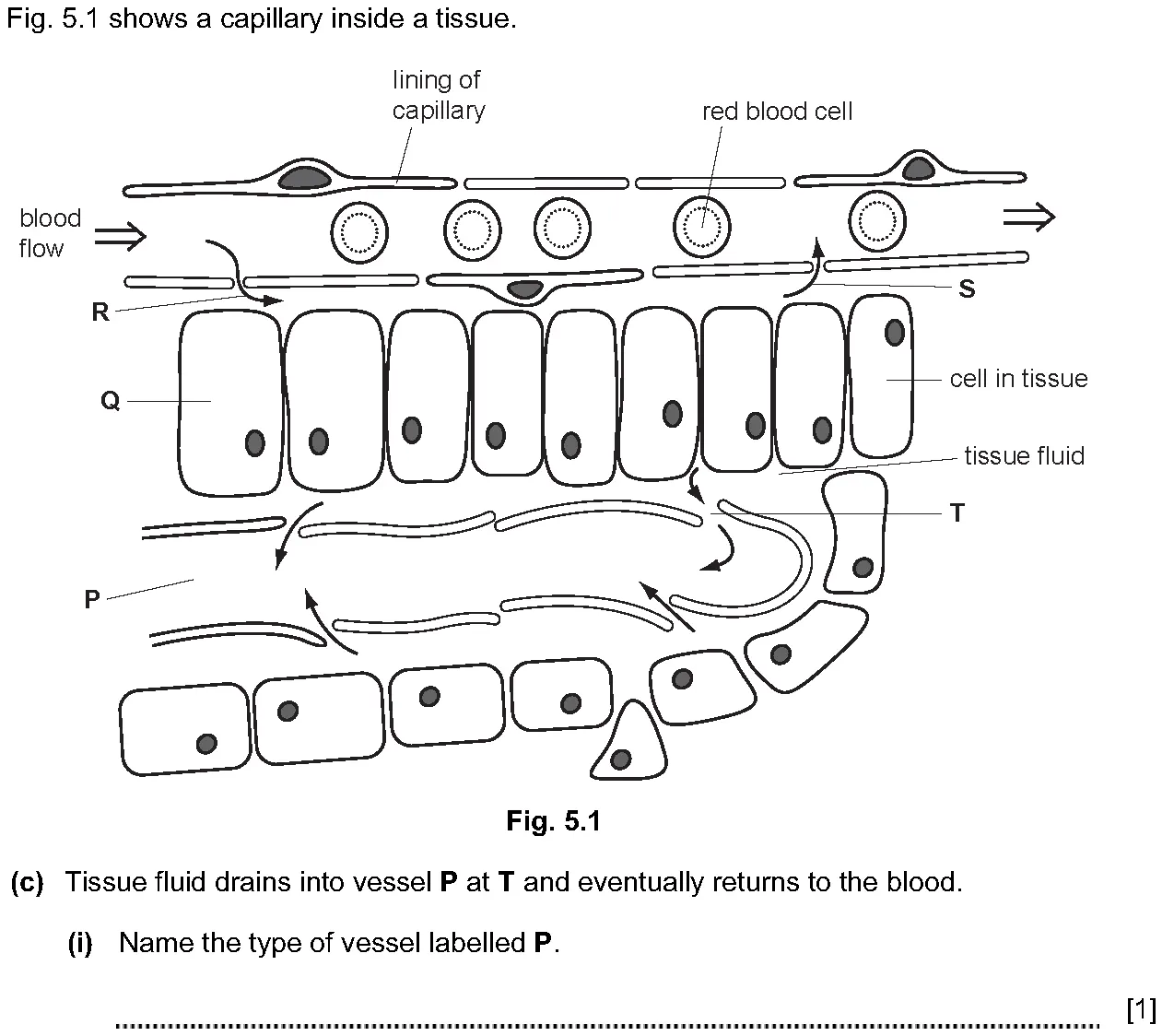
Show the answer
Written question 1 of 2 · part (c)(ii) (6 / 6) 3:00

Show the answer
Written question 2 of 2 · part (a) (1 / 2) 3:00

Show the answer

Written question 2 of 2 · part (b)(i) (2 / 2) 3:00
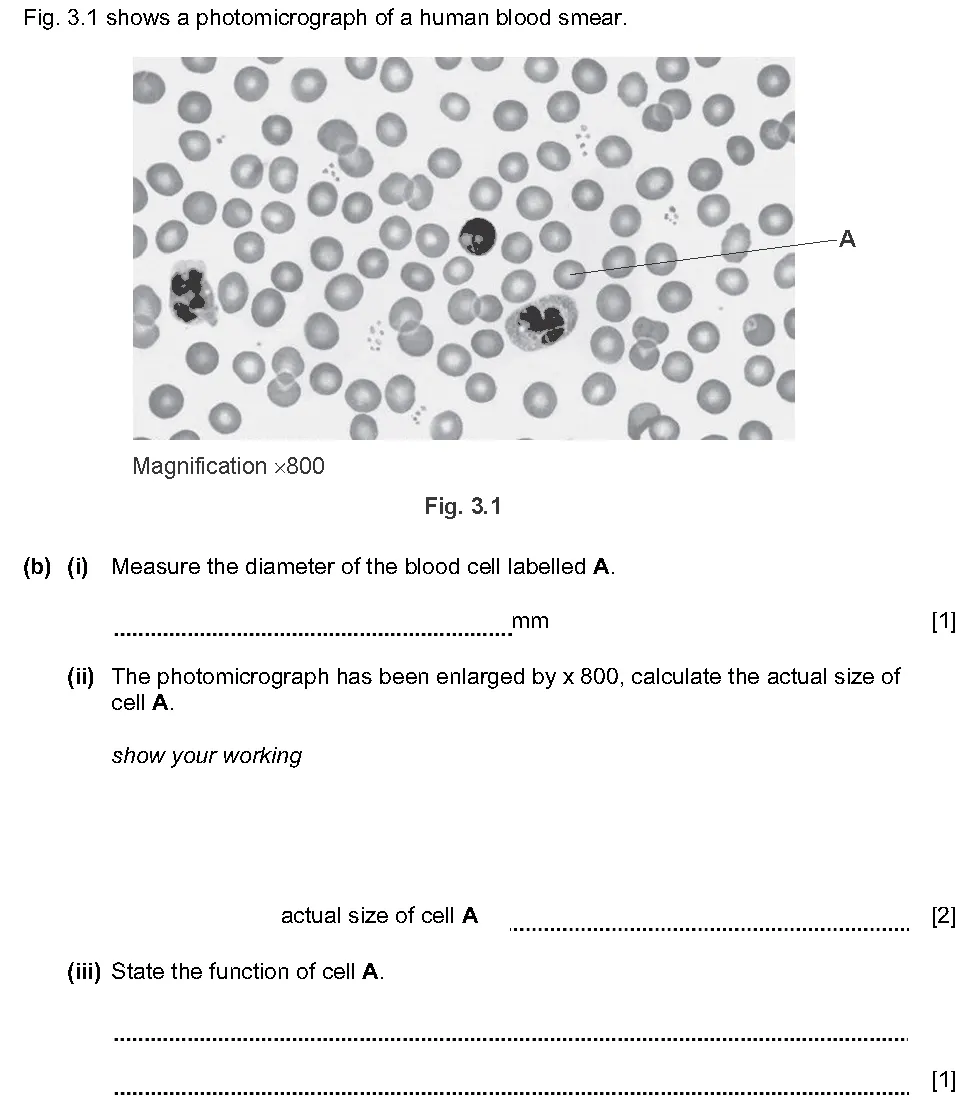
Show the answer

Each part of a written question is on its own screen. Write your answer first, then open "Show the answer" to check it against the mark scheme.
Last updated: