5.11Chapter 5: Respiration and the Respiratory System
Coping with extremes — Alhussan Biology - Stage 8 Revision Notes & Topical Questions
5 min read 7 parts Lesson 11 of 12 2 quizzes
Lesson summary
Biology 5.11 Coping with extremes — High Altitude and Marine Adaptations — Alhussan International Academy — Biology (Stages 7–9) notes: Explain how humans at high altitude and diving whales are adapted to a low oxygen supply.Nepal — many people live at altitudes over 4000 m.Air —…
- Effect on people born at sea level
- Large rib cages (chests)
- More small airways and alveoli in the lungs
- Extra capillaries in the lungs
- Many extra red blood cells
- Sea-level people
Part 1 of 5Living at high altitude
Nepal
- Nepal many people live at altitudes over 4000 m.
Air
- Air it still contains about 21% oxygen, but the air pressure is much lower than at sea level.
- The pressure gradient between the air and the lungs when breathing in is smaller.
- Less air moves into the alveoli, so less oxygen is available to be exchanged with every breath.
Effect on people born at sea level
- Effect on people born at sea level they find it hard to get enough oxygen,
- and blood oxygen saturation falls as altitude rises,
- so many feel tired and unwell above 4000 m.
Part 2 of 5Adaptations of people born at altitude
Adaptations of people born at altitude
Large rib cages (chests)
- Large rib cages (chests) they hold larger lungs to take in more air.
More small airways and alveoli in the lungs
- More small airways and alveoli in the lungs they give a larger surface area for gas exchange.
Extra capillaries in the lungs
- Extra capillaries in the lungs more blood flows close to the alveoli to take up oxygen.
Many extra red blood cells
- Many extra red blood cells they carry more oxygen in the blood.
Efficient
- Efficient people whose families have lived at altitude for generations exchange gases very efficiently.
Part 3 of 5Acclimatisation at altitude
Sea-level people
- Sea-level people they never fully adapt, but the body tries hard.
After a few weeks
- After a few weeks the body makes more red blood cells with more haemoglobin, and breathing rate and heart rate increase.
Athletes
- Athletes they train at altitude for a few weeks so they have more red blood cells when they compete.
Part 4 of 5Whales and long dives
- Whales
- they are mammals, so they get their oxygen from the air.
- Humpback whales dive to around 200 m for up to 30 minutes, then surface, take several enormous breaths and dive again.
| Adaptation | What it does |
|---|---|
| Apnea | The whale stops breathing while under water, because breathing in water would drown it |
| Bradycardia | The heart rate slows to only a few beats per minute, reducing the oxygen used by tissues |
| Capillary shutdown | Capillaries in areas such as the digestive system close during a dive, saving blood and oxygen for organs that need it |
| Large myoglobin stores in the muscles | Myoglobin, similar to haemoglobin, takes oxygen from the blood and stores it in muscles so they respire aerobically for most of the dive |
- End of a dive
- when the oxygen store is empty the muscles respire anaerobically and lactic acid builds up, eventually ending the dive.
Part 5 of 5Comparing the adaptations
Comparing the adaptations
Humans at altitude
- Humans at altitude they obtain more oxygen from thin air by increasing the oxygen-carrying capacity of the blood.
Whales
- Whales they use less oxygen and store more of it, because none can be taken in during a dive.
Same system
- Same system in both, aerobic respiration needs a steady oxygen supply, so the organism increases supply or reduces demand.
Other examples
- Other examples llamas and vicuñas in the Andes have haemoglobin that binds oxygen more tightly,
- and seals divert blood to the brain, heart and lungs during dives.
Key terms
| Term | Meaning |
|---|---|
| Altitude | Height above sea level. |
| Apnea | Stopping breathing. |
| Bradycardia | A slow heart rate. |
| Capillary shutdown | The closing of capillaries in some organs to save oxygen for vital ones. |
| Myoglobin | A protein in muscle that stores oxygen. |
| Haemoglobin | A protein in red blood cells that carries oxygen. |
Avoid these mistakes
1
Saying people at altitude get more oxygen from the air — the air has less available oxygen, so the body takes more from it.
2
Thinking whales breathe under water — they hold their breath.
3
Confusing myoglobin (in muscle) with haemoglobin (in blood).
4
Saying bradycardia is a fast heart rate — it is a slow one.
Marked practiceQuizzes for this lesson
?What do you want to solve now?
✓Checkpoint Quiz
4 multiple-choice questions from real exam papers on this lesson.
Question 1 of 4 1:30
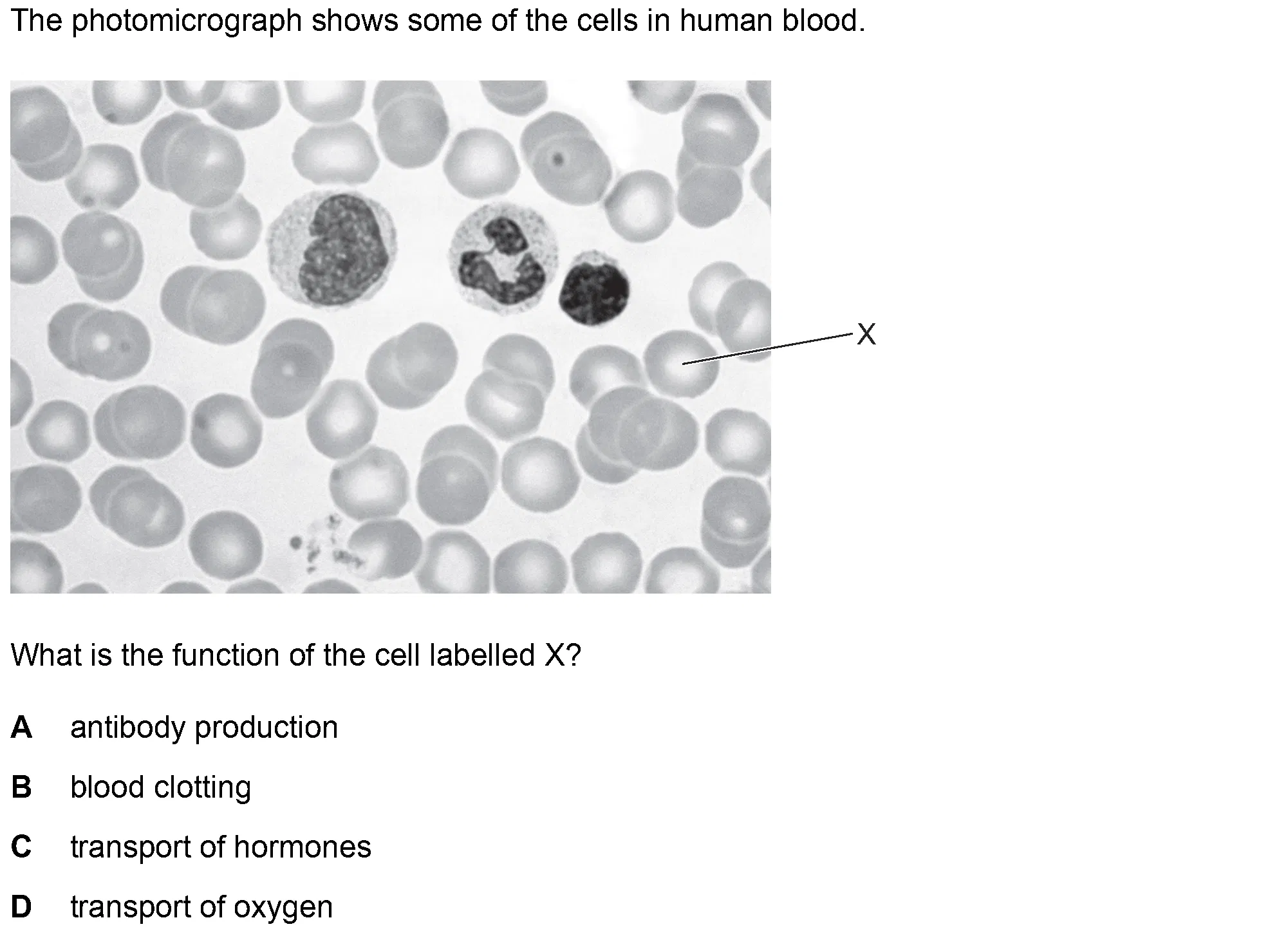
Question 2 of 4 1:30

Question 3 of 4 1:30
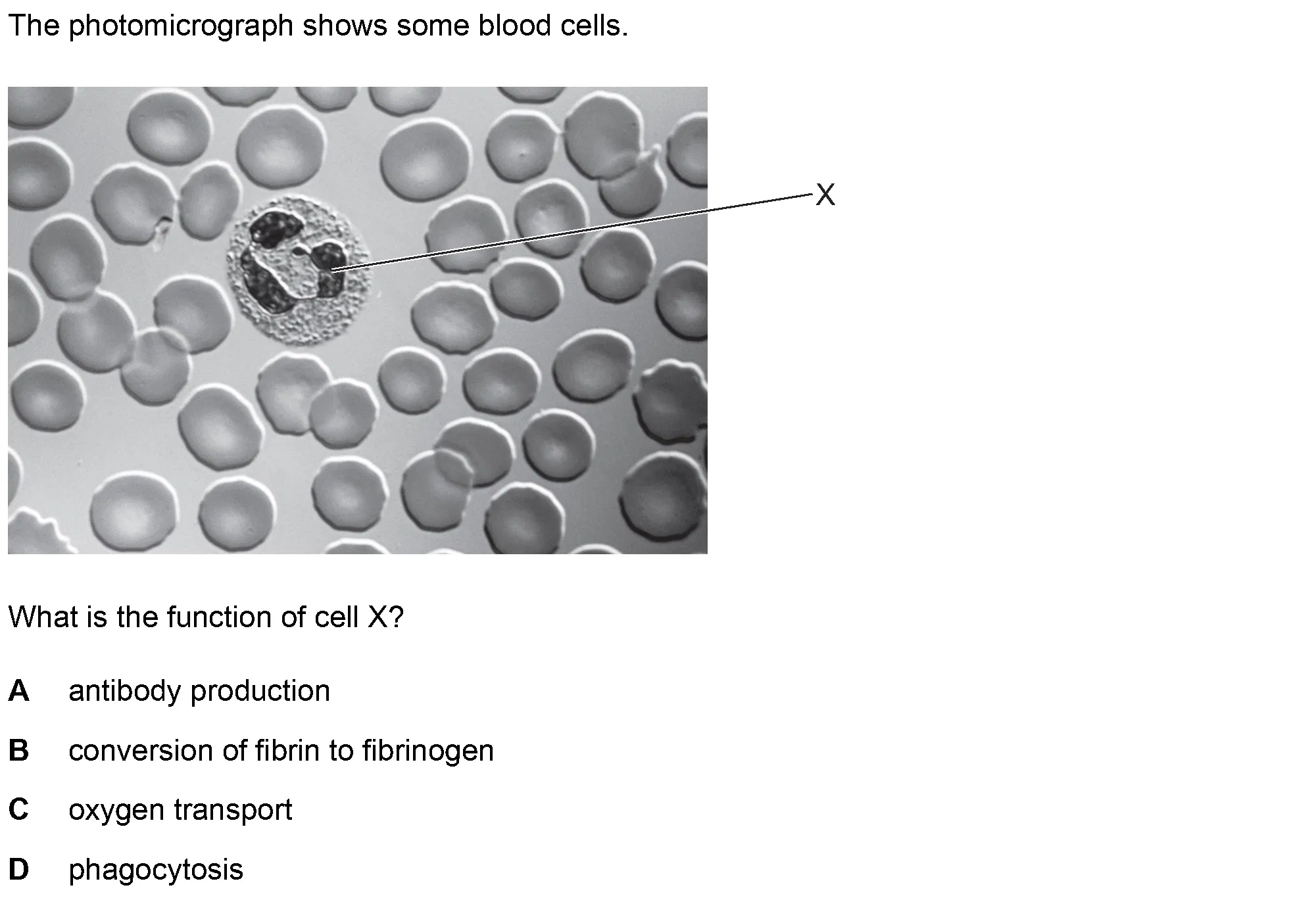
Question 4 of 4 1:30

Score: 0 / 4
Answer key
1 D2 D3 D4 C
Last updated: